
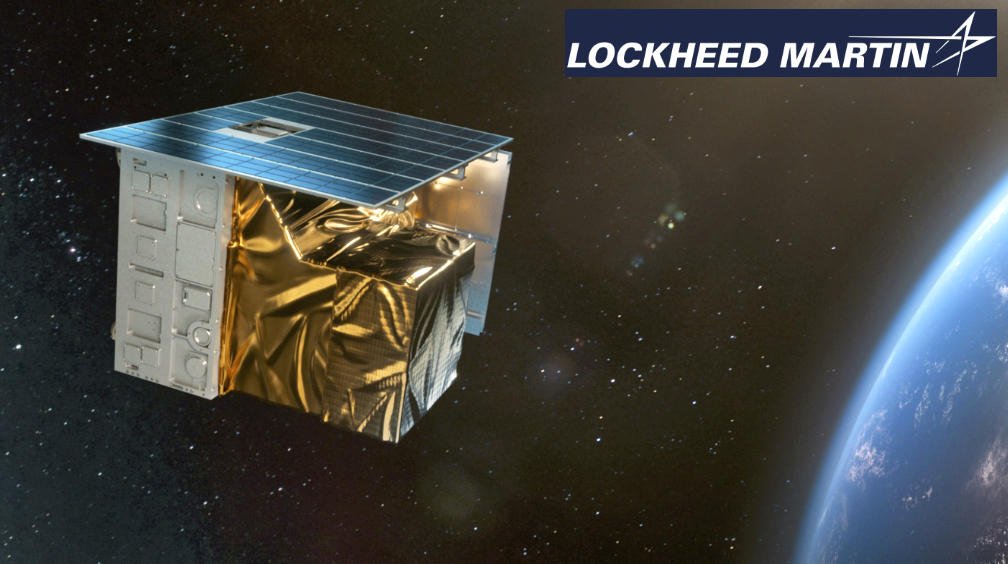
Lockheed Martin (NYSE: LMT) will soon launch a unique, wideband, Electronically Steerable Antenna (ESA) payload demonstrator to show the company’s investment in advanced technology to perform missions faster, once on-orbit.
Based on an innovative, proprietary design, Lockheed Martin expects to calibrate this new ESA sensor in a fraction of the time it takes to operationalize traditional on-orbit sensors, which historically can take months to be powered on, fully calibrated and ready to perform their mission.
The payload demonstrator, which will launch aboard Firefly Aerospace’s Alpha rocket, extends Lockheed Martin’s significant investment in scalable wideband ESA technology development to showcasing an actual on-orbit capability. This technology is critical to future remote sensing architectures.
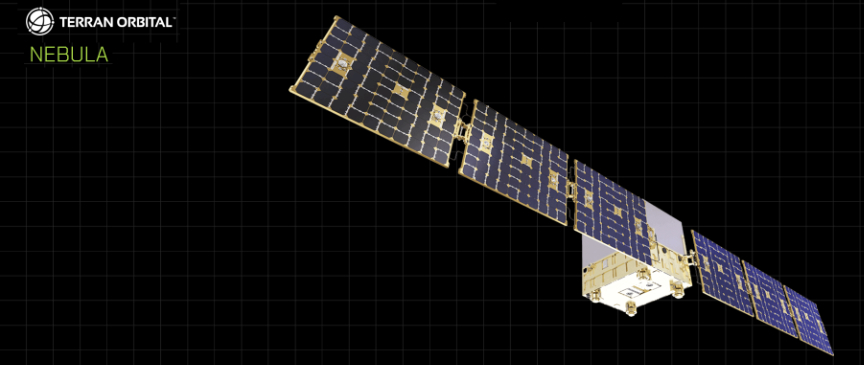
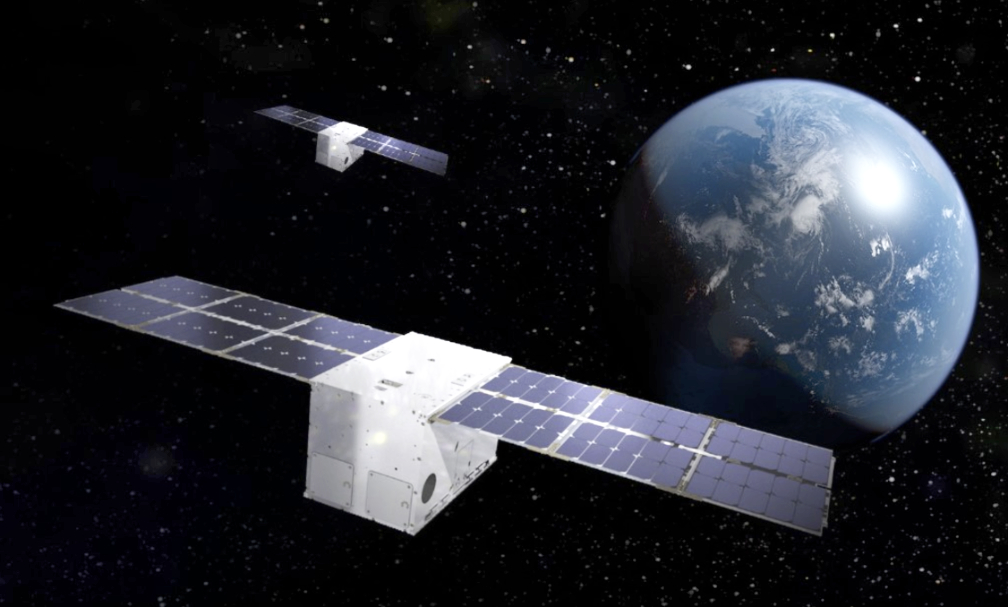
The ESA payload is built on a novel, scalable design, using highly reliable commercial parts for quick, mass-producibility. For this demonstration, it was integrated on a Terran Orbital Nebula smallsat bus.
The payload, nicknamed Tantrum, was developed in Lockheed Martin Space’s Ignite organization, a new team established to target three main missions: exploratory research and development, accelerating the pace of technology development and, lastly, introducing new product innovations.
The payload demonstrator is expected to launch in December on a Firefly Aerospace Alpha rocket as part of the agreement with Lockheed Martin that Firefly announced in June. Most recently in September, Firefly’s Alpha successfully launched the U.S. Space Force’s VICTUS NOX responsive space mission following a 24-hours’ notice.
Lockheed Martin also is producing several other self-funded technology demonstrator spacecraft, including Pony Express 2, which will further demonstrate mesh networking among satellites, and the Tactical Satellite, which will demonstrate on-orbit processing, intelligence, surveillance and reconnaissance capabilities, all part of an ongoing investment plan to showcase technology maturity and new capabilities.
Earlier this year, the company successfully launched and tested its In-space Upgrade Satellite System (LM LINUSS ) demonstrator, which proved how smallsats can help upgrade and sustain space architectures with new capabilities.
“Our customers’ mission needs and operational tempo have increased dramatically. We designed this technology to showcase how a highly producible ESA antenna could be built, launched, and quickly calibrated and fielded on orbit, in support of 21st Century Security.” — Maria Demaree, vice president and general manager of National Security Space, Lockheed Martin Space
“Within the Ignite construct, the payload was developed from early architecture to flight-ready product in 24 months on an accelerated schedule piloting many streamlined agile processes. For this demonstration, Lockheed Martin has invested its own resources and is embracing more calculated risks from initial development through on-orbit operations to bring new technologies to the forefront of space faster and to keep our customers ahead of ready.” — Sonia Phares, vice president of Ignite,Lockheed Martin Space