• Skip to main content
  • Skip to primary sidebar
  • Home
  • News
  • Featured
  • More News ⌄
    • SatNews
    • SatMagazine
    • MilSatMagazine
  • Events ⌄
    • MilSat Symposium
    • SmallSat Symposium
    • Satellite Innovation
  • Contacts
  • SUBSCRIPTION

SmallSat News

You are here: Home / Archives for 2023

Archives for 2023

Lockheed Martin preps 1st 5G.MIL® Payload for orbit

November 15, 2023 by editorial

Lockheed Martin is one step away from showcasing how the company’s 5G.MIL® capability can reach all domains around the world — in the company’s final, successful, lab demo, the company validated that its innovative space payload is set to deliver global advanced communications capabilities from orbit.

During the October demonstration, Lockheed Martin showcased the industry’s first fully regenerative, Advanced 5G Non-Terrestrial Network (NTN) Satellite Base Station – developed as a space component of the company’s 5G.MIL Unified Network Solutions Program.

In 2024, in a self-funded mission, the company will launch this payload to orbit, bringing 5G’s capabilities to the final frontier to prove its capability to connect the globe.

Lockheed Martin’s Advanced Satellite Base Station for 5G, or gNodeB, as it is technically known:

Includes a full 5G New Radio (NR) Radio Access Network (RAN) stack, RAN Intelligent Controller (RIC) and 5G Stand Alone (SA) Core running on space-qualified flight hardware that will fly on the TacSat.

Is reprogrammable on orbit using Lockheed Martin’s SmartSat™ software-defined satellite architecture.

Can be structured with a split architecture placing the Control Unit (CU) on the ground and the Distributed Unit (DU) on the satellite, further enhancing network implementation options.

Connects to industry-leading prototype NTN user equipment through a space communications channel emulator that introduced doppler and delay parameters consistent with a satellite Low Earth Orbit (LEO).

Lockheed Martin’s standards-based approach is compliant with 3GPP Release 17 and was developed in anticipation of pre-Release 18 and 19 regenerative specifications. 5G NTN provides another communications pathway to support ubiquitous, heterogeneous communications across all operational domains in support of customer missions.

Leading to this successful pre-launch demonstration, Lockheed Martin developed and integrated the regenerative 5G NTN HBS-Space system over the past three years working with key subcontractors:

AccelerComm™ provided an advanced 5G NTN Layer 1 PHY solution, developed to support Lockheed Martin’s system requirements and space flight hardware specifications.

Radisys supplied 5G NTN Layer 2/3 and 5G SA Core software, working with Lockheed Martin to ensure interface implementation enabled seamless integration with L1 and RIC solutions.

Keysight supported 3GPP standards-based development testing of Lockheed Martin’s regenerative 5G NTN base station via their 5G NTN user equipment simulation (UeSIM) product suite.

The Advanced 5G Satellite Base Station is the lynch pin in Lockheed Martin’s vision to provide global 5G connectivity. For the past three years, the company has been investing in, developing and demonstrating fixed, relocatable, mobile and now, space variants, of its Hybrid Base Stations.


Filed Under: News

Square Peg Communications teams with ESA to test hybrid 5G networks between Earth + space

November 15, 2023 by editorial

Square Peg Communications has been selected by the European Space Agency (ESA) to implement an emulation environment that reliably tests a variety of scenarios across multiple satellite constellations as part of its Space for 5G and 6G Strategic Program Line.

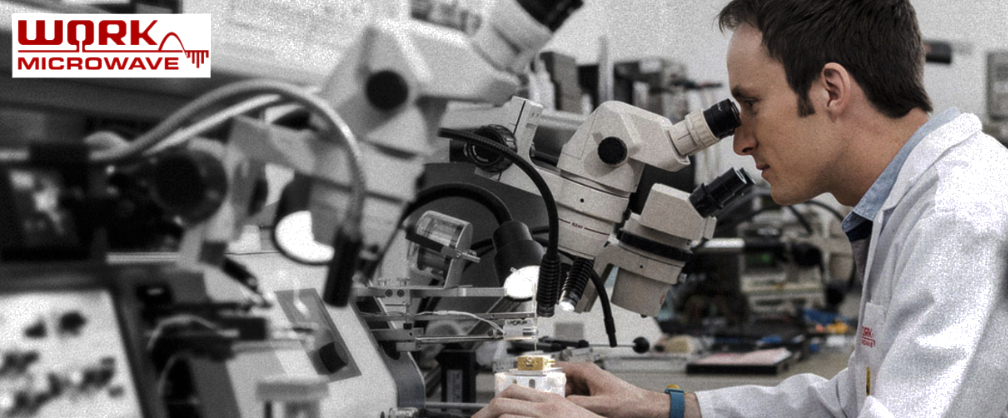
Square Peg teamed with WORK Microwave, with support from the Canadian Space Agency and ESA, to deliver an emulator that can accurately model dynamics, tightly control channel impairments, and cover frequency bands spanning nearly 30 GHz across a wide variety of satellite and terrestrial scenarios – providing a complete solution that addressed ESA’s requirements.

Using its high-performance wideband radio link simulator, the RLS-2100, Square Peg provided an emulation environment that supports terrestrial and non-terrestrial links for 5G application testing, including 5G channel models, and an increased frequency range covering 5G FR1 — all in a single platform. Seamless integration with the flexible wideband converter technology developed by WORK Microwave allows the combined offering to interface directly to equipment in the 5G FR2 band as well as in the Ku- and Ka- satellite bands.

The successful project will enable ESA to realistically test a range of 5G scenarios across multiple satellite constellations in a more flexible and affordable way, and with better performance levels than any other solution on the market.

The RLS-2100 tester enables users to cost effectively:

• Conduct hardware-in-the-loop testing of bi-directional 5G carriers for both satellite-satellite or satellite-terrestrial links
• Perform realistic and accurate emulation of satellite and terrestrial link characteristics including atmospheric effects (e.g. rain fade), Doppler, delay, and path loss variations
• Emulate impairments introduced by transmit and receive RF components such as nonlinear distortion, phase noise, amplitude ripple, and thermal noise
• Model all types of satellite constellations, including traditional geostationary satellites as well as LEO, MEO and HEO satellites, or combinations
• Verify link performance during satellite beam, satellite-satellite and satellite-terrestrial handovers

”This is a major advancement of 5G in space and we are pleased to see Square Peg and WORK Microwave delivering first-class technology in the frame of ESA`s strategic program line Space for 5G and 6G. This team has met the technical requirements and we believe that the RLS-2100 will foster 5G NTN experimentation in realistic laboratory environments.” — Stefano Cioni, Technical Officer, ESA

“We are proud to evolve with the industry as we support today’s space innovators. They need reliable and responsive technology solutions that empower advancements in satellite communications. Testing has always been an important factor in successful innovation. And now, in response to massive growth in the sector, we’re seeing it being implemented in broader and more integrated ways than ever before.” — Michael Gertsman, President, Square Peg

Filed Under: News

Mopeka®’s new connectivity solutions connect anywhere in the world with Globalstar’s smallsat network

November 14, 2023 by editorial

Mopeka® has an addition to their communication protocols. This enhancement involves the integration of Globalstar‘s satellite connectivity to extend the capability of Mopeka’s existing suite of options, that includes Bluetooth, WiFi, and Global 4G LTE networks. This expansion empowers Mopeka’s clientele with a cost-effective and reliable means of connecting to their sensors, regardless of their location anywhere in the world.

The rapid proliferation of Sonar Tank Monitoring, using Mopeka’s patented solutions, has transformed the industry, and is largely attributed to the accuracy, ease of installation, and seamless communication provided by Mopeka’s technology. Whether it involves monitoring Propane, Heating Oil, Water, Anhydrous, or other liquid commodities, sonar tank monitoring optimizes the management of existing volumes and streamlines supply chain operations. However, the challenge of overcoming the “tyranny of distance” from conventional cell towers has, at times, hindered certain deployments from effectively communicating. With the introduction of satellite connectivity, this challenge is now obsolete.

Globalstar’s LEO satellite network

Globalstar owns and operates a Low Earth Orbit (LEO) satellite network that provides reliable, ubiquitous connectivity for data transmission and asset tracking at an affordable cost. Ideal for low bandwidth IoT use cases, Globalstar allows companies like Mopeka to extend the connectivity of their monitoring solutions, servicing clients beyond the reach of terrestrial networks.

Kevin Jaffe, COO of Mopeka, emphasized the significance of this advancement, stating, “Our clients expect the ability to connect to their sensors from anywhere to everywhere. It’s crucial. They have data and telemetry needs that are only going to increase. At Mopeka, we understand and offer that connectivity, now more than ever, through our engagement with Globalstar. Satellite connectivity is a differentiator. It gives our clients, no matter how remote, the ability to monitor and measure tank volume and utilization at a reasonable cost.”

“Globalstar satellite technology combined with Mopeka solutions ensure reliable, global connectivity for their customers. We are pleased to help expand their capability for monitoring,” said Jake Rembert, Vice President of Sales for Globalstar.

The integration of Globalstar’s satellite technology with Mopeka’s Sonar Tank Monitoring Solutions begins the process of enhancing the accessibility, reliability, and cost-effectiveness of tank monitoring worldwide. By bridging the communication gap across vast distances, Mopeka reaffirms its commitment to delivering cutting-edge solutions that cater to the evolving needs of its customers.


Filed Under: News

AAC Clyde Space EPICHyper-3 + KP Lab’s Intuition-1 smallsats are launched

November 14, 2023 by editorial

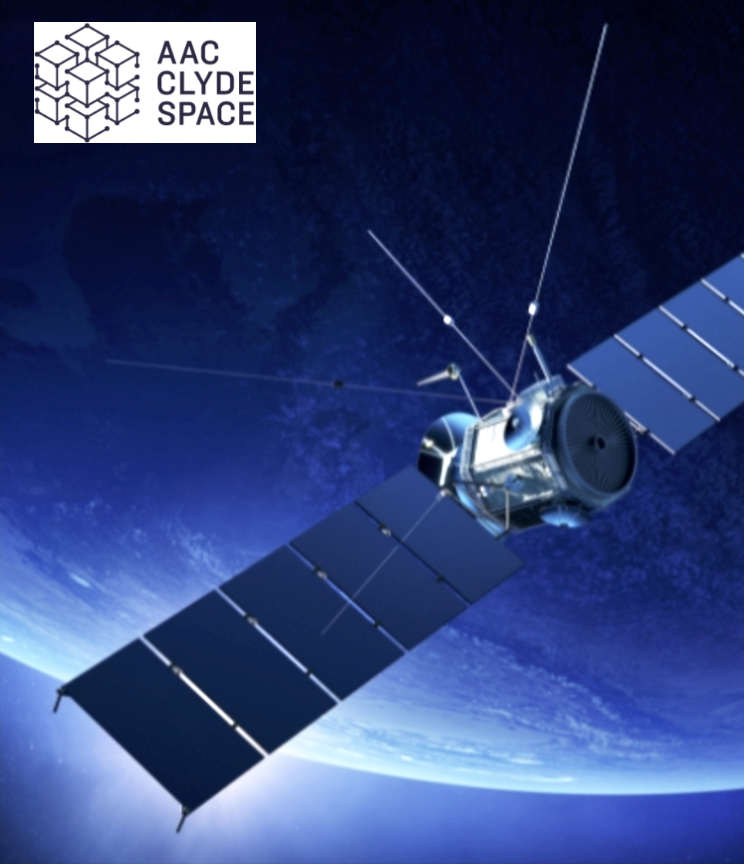
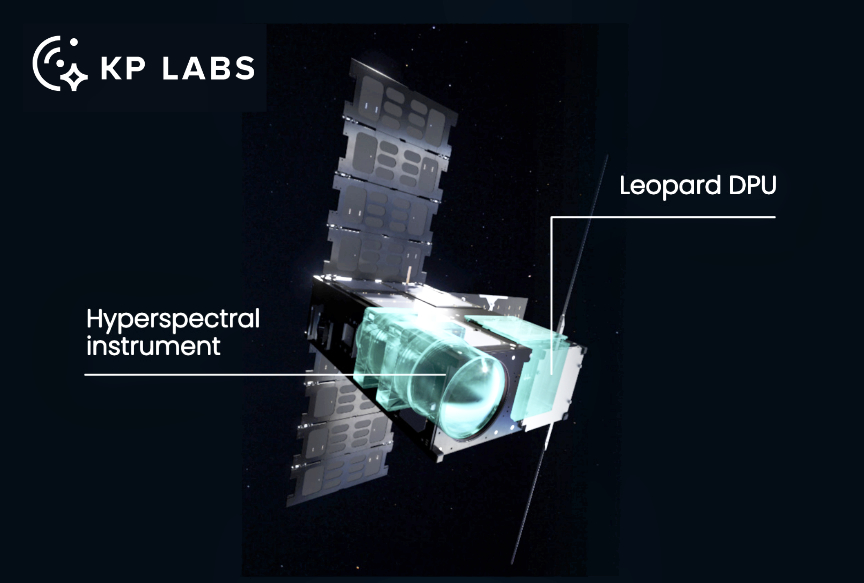
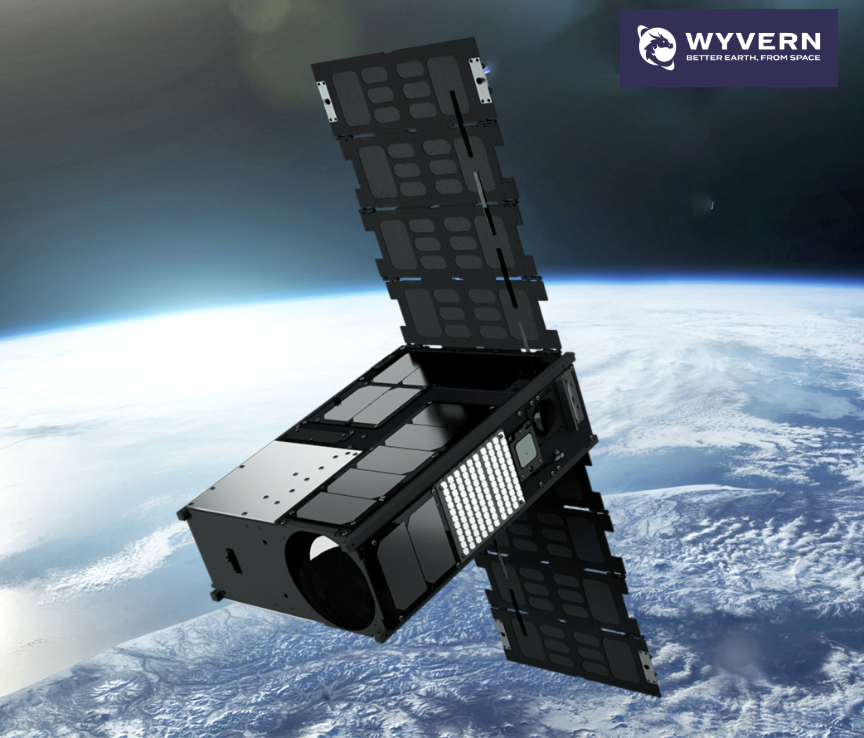
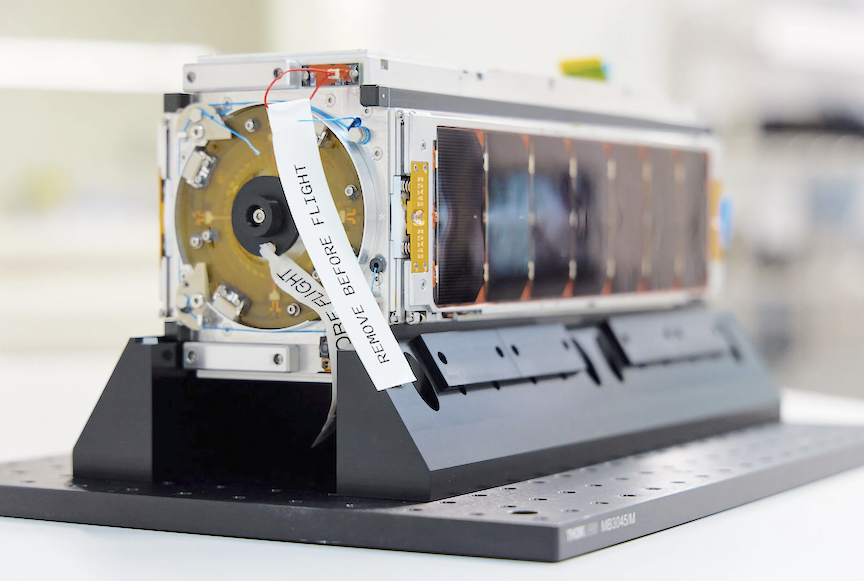
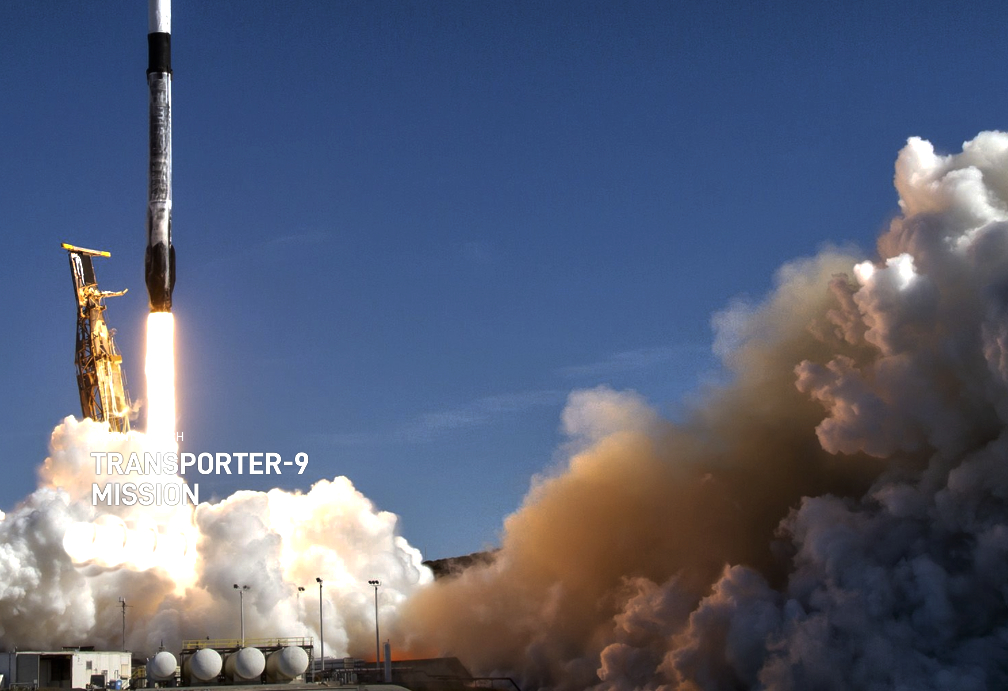
AAC Clyde Space’s Space Data as a Service (SDaaS) satellite, EPICHyper-3, and the KP Labs Intution-1 smallsats were successfully launched on November 11, 2023, from Vandenberg Space Force Base in California aboard the SpaceX Transporter-9 mission.

Under the SDaaS agreement, AAC Clyde Space owns and operates three EPICHyper satellites, while Canadian company Wyvern Inc. owns the hyperspectral data delivered by the satellite. The intended end user for the data is the agriculture sector. The space data generated from the satellites can be used to optimize yields and detect invasive plants, pests and changes in soil make-up.

“Our first EPICHyper constellation is now on-orbit and will demonstrate the true capability of our built for purpose EPIC VIEW platform. This launch marks a milestone in our Space Data as a Service offering to the market and will show how much each of these small satellites packs a punch in terms of space data generation for our clients,” — Luis Gomes, CEO, AAC Clyde Space. He added, “November has proven a busy month for AAC Clyde Space launches and demonstrates just how versatile our application focused EPIC LINK and EPIC VIEW platform range is for our customer and indeed our own communication and Earth observation space data needs.”

Filed Under: News

SpaceX launches small satellite Ymir-1 with Saab’s technology onboard

November 14, 2023 by editorial

Ymir-1, a satellite equipped with technology from Saab, was launched into space on November 11 onboard SpaceX’s Falcon 9. Saab stated that this marks a new era within maritime communication.

Ymir-1 is a test satellite and part of the development of the next generation of the Automatic Identification System (AIS), a system used by ships to communicate position, speed, course, and other data. AIS is a requirement for all larger ships and boats in civilian traffic. Saab TransponderTech is a leading manufacturer of AIS transponders and has built the advanced transponder onboard the satellite.

AAC Clyde Space and partners, Saab and Orbcomm, are planning to launch Ymir-1, a Swedish built VDES (VHF Data Exchange System) spacecraft, in November of 2023. ( Image from Satnews )

“Saab’s focus is innovation and to be at the forefront of technology. By using the space domain, we can strengthen and improve already existing products in our portfolio. The satellite launch is an important step in our investment in space and demonstrates our ability to utilize available Saab technology to, together with our partners, create new, unique space applications,” says Christian Hedelin, Chief Strategy Officer at Saab.

Due to the increasing number of ships at sea, AIS will be upgraded to a new technology known as VDES (VHF Data Exchange System). With VDES, capacity will significantly increase, and there will be the possibility of secure two-way communication via satellites, providing global coverage compared to today’s systems which are limited to coastal communication.

In the long run, the new navigation and communication system, VDES, will link land, sea, air, and space by combining advanced transponders with modern software and satellites.

The Swedish-built satellite Ymir-1 is a tool for research and development, developed in collaboration between Saab, AAC Clyde Space, and ORBCOMM within the AOS consortium. The project will continue throughout 2024.

Filed Under: News

GHGsat’s commercial CO2 sensor in orbit

November 14, 2023 by editorial

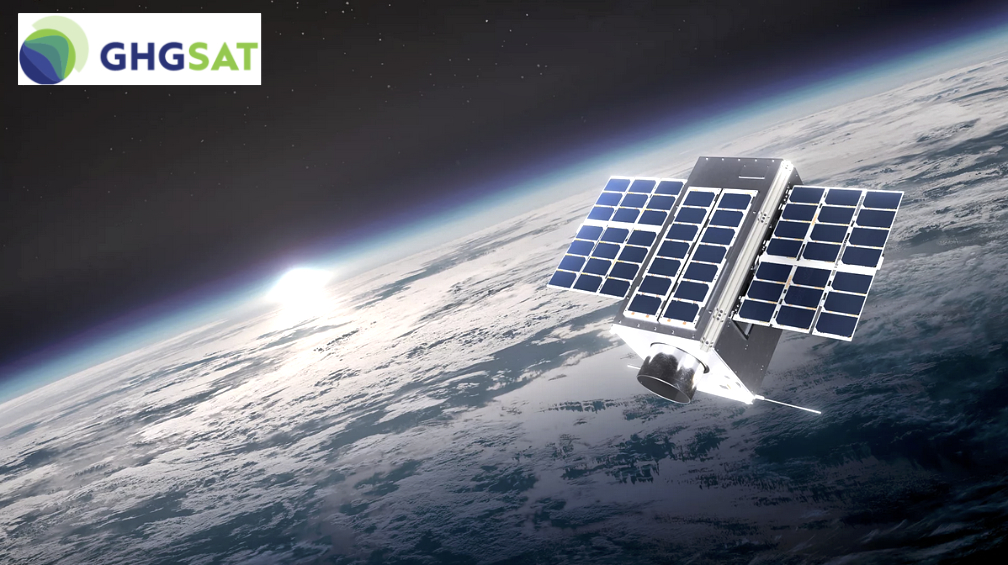
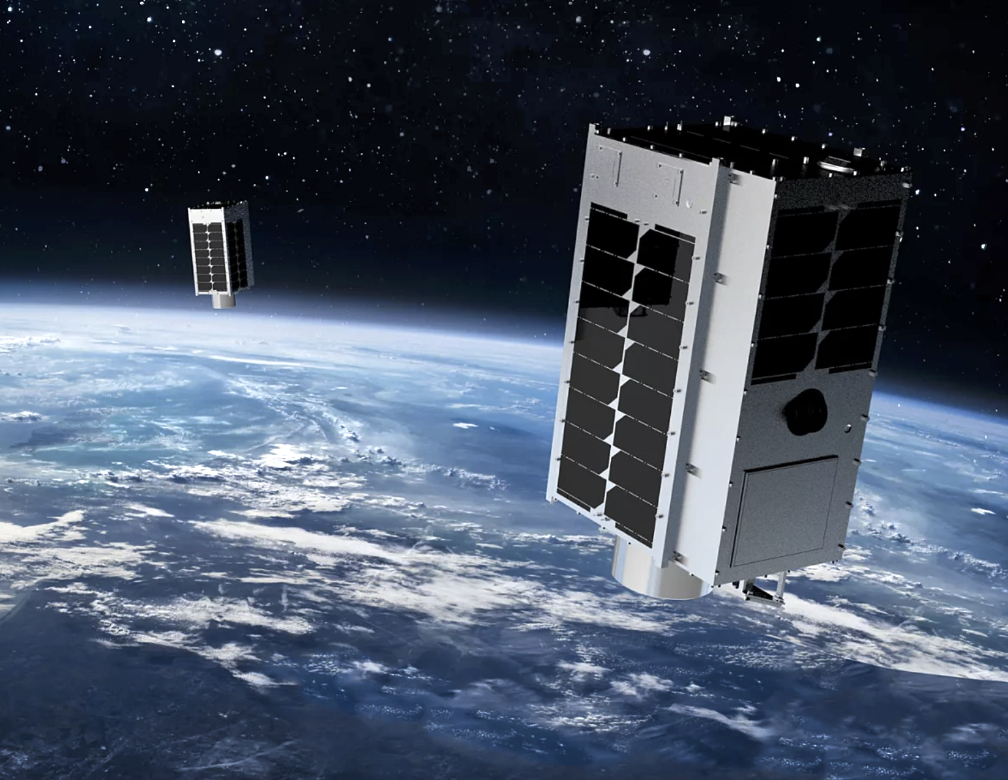
The first orbital sensor able to pinpoint carbon dioxide emissions from individual industrial facilities, such as cement or power plants, has been successfully launched from Vandenberg Space Force Base in California. GHGSat C10, known as Vanguard, is the precursor to a new generation of space instruments that will build on GHGSat’s extensive experience with methane emissions to provide frequent, accurate and independent high-resolution CO2 data from individual sites. This will transform the way carbon dioxide emissions are monitored, reported and traded.

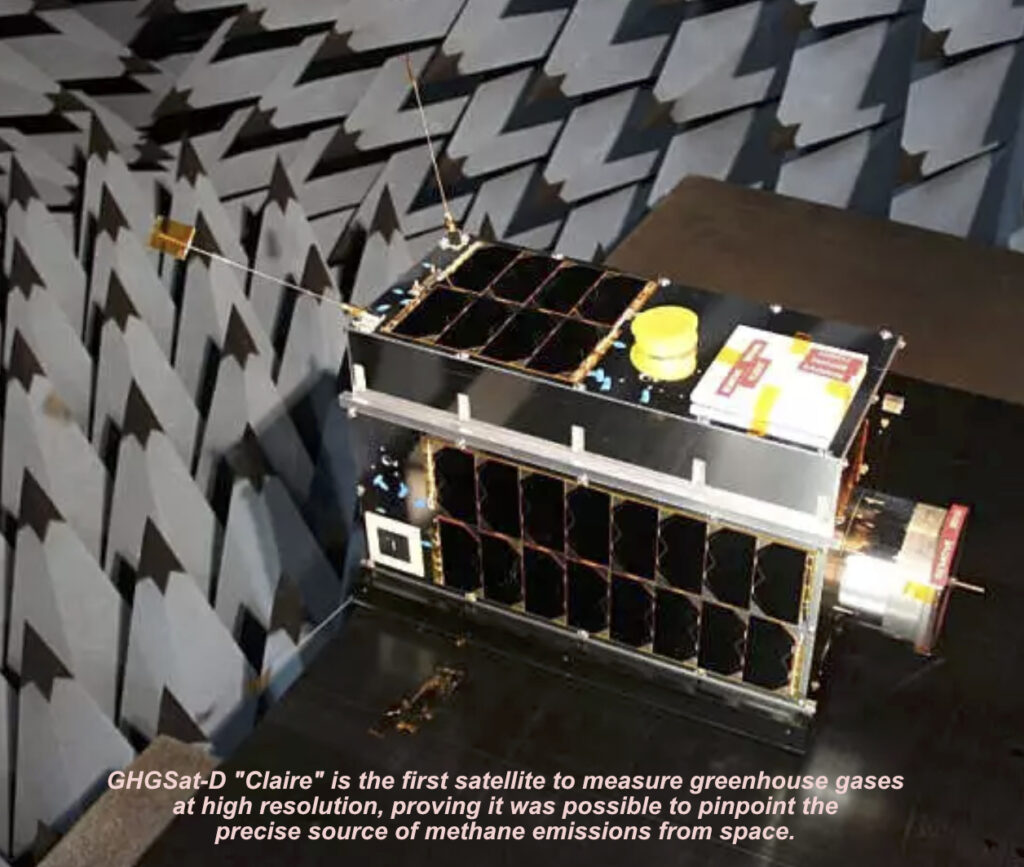
GHGSat pioneered industrial greenhouse gas emissions monitoring from space in 2016, with the launch of Claire, a demonstrator satellite. Its patented high-resolution technology, able to image down to 25m on the ground, revolutionized the understanding of man-made methane emissions.

GHGSat is currently making more than two million facility measurements per year, on and offshore, with a constellation of nine satellites. The company also provides data to NASA, ESA and the United Nations.

The company is now using the same space-proven technology to change the way we monitor carbon dioxide.

Thanks to its high spatial resolution, Vanguard can hone in on individual targets and accurately attribute emissions. Public CO2 satellites already in orbit are not designed to do this. For the first time, operators of steel mills, power plants and petrochemical complexes will have access to independent, accurate and globally standardized emissions monitoring and data. Although many will have Continuous Emissions Monitoring Systems (CEMS) in place, independent verification can help them optimize day-to-day operations to reduce emissions.

At the national and international level, high resolution CO2 data will add to the accuracy of emissions inventories, the Global Stocktake and scientific modelling of emissions. It will also help build confidence in the c.$1 trillion global carbon trading market.

Also travelling alongside Vanguard were two new methane sensors: GHGSat C-9 (‘Juba’) and C-11 (‘Elliot’). All three satellites launched on board SpaceX’s Falcon 9 during the Transporter-9 mission via Exolaunch. The GHGSat sensor payloads were built by ABB in Canada and integrated into satellites designed, built and operated by Spire Global. All three satellites successfully separated from the launch vehicle approximately 55 minutes after liftoff.

“Our high-resolution satellites helped put methane – a greenhouse gas that was out of sight and out of mind – at the top of the climate agenda. Now our goal is to harness this experience and change the conversation around CO2. With regulators, investors and the public increasingly holding companies to account, for both their direct and indirect emissions, there is little doubt that better CO2 data is needed. Trusted, independent data will help incentivize industry to manage its emissions effectively. It will ensure that climate policies are well-founded. Above all, it will help all of us stay on track to achieve Net Zero by 2050.” — Stephane Germain, CEO at GHGSat

Filed Under: News

ICEYE launches 4 SAR smallsats with SpaceX

November 14, 2023 by editorial

ICEYE has successfully expanded its constellation with four new synthetic aperture radar (SAR) satellites on November 11 — the launch on SpaceX’s Transporter-9 smallsat rideshare mission via Exolaunch was conducted from Vandenberg Space Force Base in California — each spacecraft has successfully established communications and is undergoing routine early operations.

ICEYE has now deployed 31 satellites since 2018, underscoring the company’s position as a world leader in SAR satellite technology. As the owner and operator of the largest SAR satellite fleet, ICEYE can provide customers with faster access to data in emergencies and the highest revisit rates for high-frequency phenomena.

The launch of the four third-generation satellites also builds on earlier advancements in imaging capabilities, including Spot Fine mode, which delivers 50 cm native ground resolution, and Dwell mode, which uses advanced collection techniques to rapidly determine changes happening on the ground in near real-time.

ICEYE’s latest launch includes nexgen satellites built and operated by teams both in Europe and in the United States.

Around 70 percent of the globe is shrouded in clouds, and at any given time about half of the planet is in the dark. SAR satellites illuminate the ground with microwaves and create images from the energy that is reflected back to the satellite. SAR is superior to traditional electro-optical imaging for monitoring and search applications because it provides a powerful day/night, all-weather imaging capability. This capability is ideally suited for applications such as insurance, natural catastrophe response and recovery, national security, defense and intelligence, humanitarian relief, and climate change monitoring.

“This launch and deployment is more than just additional satellites for our constellation; it’s a testament to our pursuit of excellence for our technologies in support of our customers. We are fielding a resilient constellation with increased revisit rates and cutting-edge capabilities to meet the high-tempo imagery requirements of our most demanding customers.” — Rafal Modrzewski, CEO and Co-Founder, ICEYE

“ICEYE customers around the globe have seemingly unending demand for our persistent, high-resolution satellite imaging capacity. Our customers use ICEYE imagery for actionable information and high-confidence decision-making. This is our third satellite launch during 2023, which shows our commitment to building and operating the largest SAR satellite constellation to date.” — John Cartwright, Head of Data Product, ICEYE

ICEYE US, headquartered in Irvine, CA, builds and operates NOAA-licensed satellites in support of U.S. Government and commercial customers.

Filed Under: News

Rogue Space Systems launches Barry-1 OSV on SpaceX’s Transporter-9 mission

November 13, 2023 by editorial

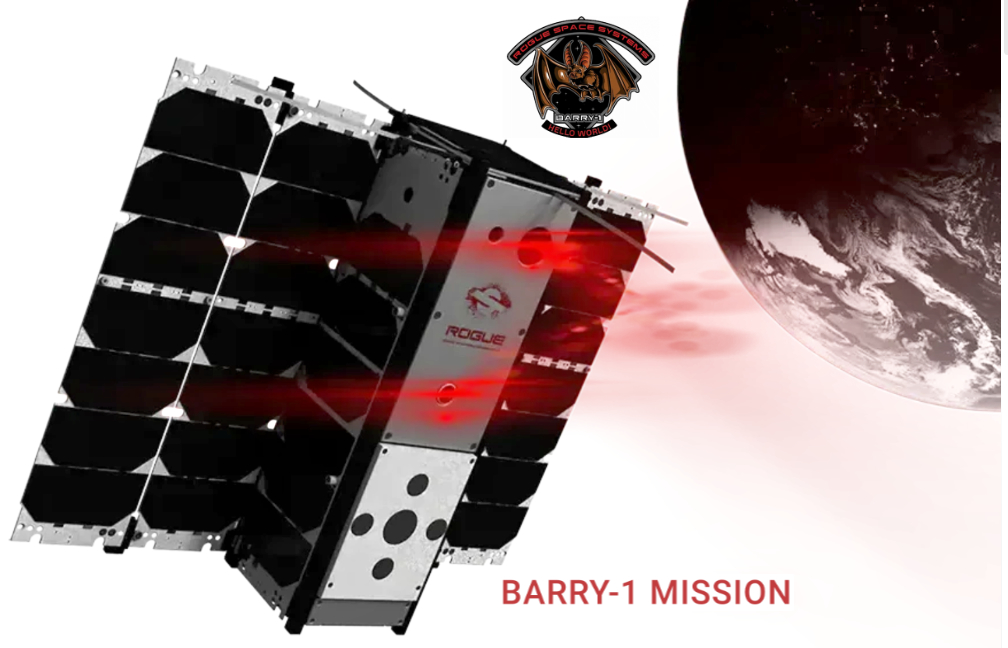
Rogue Space Systems has reported the launch and deployment of the company’s first spacecraft, Barry-1. The satellite was launched on SpaceX’s Transporter-9 mission via Exolaunch on November 11, 2023.

SpaceX Transporter-9 Mission Rogue Space Systems Launch Barry-1
The SpaceX Transporter-9 launch. Photo is courtesy of the company.

Once operational in LEO, Barry-1 will test Rogue’s Scalable Compute Platform (SCP) and its ability to aggregate data from multiple sensors and process that data in real time. Additionally, Rogue will be performing on-orbit testing of internal and customer-developed algorithms. The satellite will be equipped with a range of sensors that will collect data on various aspects of spaceflight, including radiation levels, temperature, and atmospheric conditions.

Barry-1 is a demonstration vehicle showcasing Rogue’s novel technology and will test the company’s SCP, which has been developed in part under a contract awarded through the SpaceWERX Orbital Prime Program. The SCP is designed to aggregate data from multiple sensors and process it in real-time, enabling fast onboard decision-making and safer operations.

Barry-1 was jointly integrated into its EXOpod Nova deployer with Exolaunch, who provided mission management, integration, and deployment hardware and services, before being transported to Vandenberg Space Force Base for launch. The satellite was launched on SpaceX’s Transporter-9 mission, the latest mission in SpaceX’s dedicated Smallsat rideshare program.

Barry-1 also has some interesting customer hardware payloads. The Rogue team will be testing two IVO Quantum Drives – propellant-less propulsion systems. Rogue was contracted by IVO to ensure thorough in-space testing and validation were conducted.

“We are thrilled by the successful launch of Barry-1 into orbit. This is a major milestone for our company, and we are just getting started! Rogue is building a generation of autonomous robotic spacecraft that will be foundational to the in-space economy. The team’s vision for the future of our company and space is bold, and our journey to achieving that vision will be wrought with challenge. But the team, with the support of our tremendous community, will be successful. Barry-1 is our first step, so here we go.” — Jeromy Grimmett, Founder and CEO of Rogue Space Systems

Filed Under: News

Momentus closes Warrant Inducement Transaction for million$ in gross proceeds

November 13, 2023 by editorial

Momentus Inc. (NASDAQ: MNTS) has closed the firm’s previously announced agreement with a single investor that is an existing holder of warrants to purchase shares of common stock of the Company for cash (the “Existing Warrants”), wherein the investor agreed to exercise the Existing Warrants to purchase up to a maximum of 2,904,269 shares of common stock at an exercise price of $2.00 per share, plus an additional $0.25 consideration per share, resulting in gross proceeds of approximately $6.5 million, before deducting offering fees and other expenses payable by the Company.

A.G.P./Alliance Global Partners acted as the exclusive financial advisor in connection with the transaction.

In consideration for the exercise of the Existing Warrants for cash, including the additional $0.25 consideration per share, for each share received upon exercise of the Existing Warrants, the investor received new warrants (the “New Warrants”) to purchase up to an aggregate of 5,808,538 shares of common stock. The New Warrants are immediately exercisable upon issuance at an exercise price of $3.862 per common share and will expire on November 9, 2028.

The New Warrants described above were offered pursuant to an effective shelf registration statement on Form S-3 (File No 333-267230) previously filed with the U.S. Securities and Exchange Commission (the “SEC”). A prospectus supplement describing the terms of the proposed offering has been filed with the SEC and is available on the SEC’s website . Electronic copies of the prospectus supplement may be obtained, when available, from A.G.P./Alliance Global Partners, 590 Madison Avenue, 28th Floor, New York, NY 10022, or by telephone at (212) 624-2060, or by email at prospectus@allianceg.com.

This press release shall not constitute an offer to sell or a solicitation of an offer to buy these securities, nor shall there be any sale of these securities in any state or jurisdiction in which such an offer, solicitation or sale would be unlawful prior to registration or qualification under the securities laws of any such state or jurisdiction.

Filed Under: News

Open Cosmos MANTIS + PLATERO satellites reach orbit with OpenConstellation launch 

November 13, 2023 by editorial

Open Cosmos has reported that the latest of the company’s two satellites — MANTIS and PLATERO — have successfully reached orbit, following the launch of the SpaceX Transporter-9 mission at Vandenberg Space Force Base, California.

The launches mark a significant milestone for Open Cosmos as both satellites will join MENUT launched earlier this year as part of the OpenConstellation, a global, shared EO satellite infrastructure built and managed by the company. Data collected from OpenConstellation satellites can be accessed by organizations and businesses of all sizes, as well as national and regional governments to address challenges around the climate crisis, energy, natural resources and more. This is part of Open Cosmos’s wider aim to democratize access to critical space data, while keeping high levels of governance and security. 

Both satellites will be used to track the environment from space. PLATERO combines EO, IoT and AI onboard processing and has been commissioned by the Junta de Andalucia through the Andalusian Agricultural and Fisheries Management Agency (AGAPA). The satellite will monitor biodiversity, desertification, emergencies like wildfires or floods and the effects of farming on the territory to inform future policies on preserving the environment. 

MANTIS is the first satellite launched as part of ESA InCubed, the co-funding program run by ESA Φ-lab supported by the UK Space Agency as a participating member state. The satellite hosts an innovative multispectral, high-resolution optical payload for EO from Satlantis.

A secondary payload, a high-performance and reconfigurable processing unit made by Ubotica, is aimed at exploiting the power of AI to derive insights onboard. EO data from MANTIS will address the challenges of accessibility and periodicity in the energy and mining sector, while the data will be applied to further applications that will address environmental challenges such as climate emergency monitoring and biodiversity conservation. 

The data from both satellites will feed directly into DataCosmos, the Open Cosmos cloud based data and insights platform that represents a groundbreaking shift in how businesses and groups can access and leverage data. It transforms satellite imagery into numbers that can be visualized and processed through algorithms. This, then, produces actionable intelligence in order to address the world’s most important environmental challenges.

“We’re delighted to announce the successful launch of the MANTIS and PLATERO satellites yesterday. The satellites will carry out important Earth Observation activities, using state-of-the-art onboard technologies. They also mark our latest launch for the OpenConstellation and the data these satellites collect will benefit companies and organizations around the world.” — Rafel Jorda Siquier, Founder and CEO, Open Cosmos

“We warmly congratulate Open Cosmos on the launch of its satellite. Through commercial initiatives and targeted disruptive innovation funding, ESA Φ-lab is able to provide a catalyst for European Earth observation businesses, and it’s particularly pleasing to see InCubed achieve the major milestone of its first supported satellite reaching orbit.” — Simonetta Cheli, Director of Earth Observation Programs, ESA

“Earth observation from space gives us a critical vantage point to monitor climate change, map our environment and discover new resources in a more sustainable way to benefit our people and planet. MANTIS and PLATERO are both brilliant examples of how satellites are making great strides in providing novel solutions with actionable data for a range of sectors. The UK Space Agency is proud to have supported the development of this fully commercial mission focused on energy and mining with Open Cosmos and partners across the UK and Europe. Delivery of this innovative mission boosts the small sats market and empowers different parts of the UK economy to use the power of space in everyday operations. It’s fantastic to see a successful launch.” — Harshbir Sangha, Missions and Capabilities Delivery Director, UK Space Agency

Filed Under: News

  • « Go to Previous Page
  • Go to page 1
  • Interim pages omitted …
  • Go to page 5
  • Go to page 6
  • Go to page 7
  • Go to page 8
  • Go to page 9
  • Interim pages omitted …
  • Go to page 60
  • Go to Next Page »

Primary Sidebar

WEEKLY NEWSLETTER

Archives

  • December 2025
  • November 2025
  • October 2025
  • September 2025
  • August 2025
  • July 2025
  • June 2025
  • May 2025
  • April 2025
  • March 2025
  • February 2025
  • January 2025
  • December 2024
  • November 2024
  • October 2024
  • September 2024
  • August 2024
  • July 2024
  • June 2024
  • May 2024
  • April 2024
  • March 2024
  • February 2024
  • January 2024
  • December 2023
  • November 2023
  • October 2023
  • September 2023
  • August 2023
  • July 2023
  • June 2023
  • May 2023
  • April 2023
  • March 2023
  • February 2023
  • January 2023
  • December 2022
  • November 2022
  • October 2022
  • September 2022
  • August 2022
  • July 2022
  • June 2022
  • May 2022
  • April 2022
  • March 2022
  • February 2022
  • January 2022
  • December 2021
  • November 2021
  • October 2021
  • September 2021
  • August 2021
  • July 2021
  • June 2021
  • May 2021
  • April 2021
  • March 2021
  • February 2021
  • January 2021
  • December 2020
  • November 2020
  • October 2020
  • September 2020
  • August 2020
  • July 2020
  • June 2020
  • May 2020
  • April 2020
  • March 2020
  • February 2020
  • January 2020
  • December 2019
  • November 2019
  • October 2019

© 2019–2025 SatNews

Insert/edit link

Enter the destination URL

Or link to existing content

    No search term specified. Showing recent items. Search or use up and down arrow keys to select an item.
      x
      Sign Up Now!

      Enjoy a free weekly newsletter with recent headlines from the global SmallSat industry.

      Invalid email address
      We promise not to spam you. You can unsubscribe at any time.
      Thanks for subscribing! You will now receive weekly SmallSat News updates.
      We love our advertisers.
      And you will too!

      Please disable Ad Blocker to continue... We promise to keep it unobtrusive.
      We promise not to spam you. You can unsubscribe at any time.
      Invalid email address
      Thanks for subscribing! Please check your email for further instructions.