• Skip to main content
  • Skip to primary sidebar
  • Home
  • News
  • Featured
  • More News ⌄
    • SatNews
    • SatMagazine
    • MilSatMagazine
  • Events ⌄
    • MilSat Symposium
    • SmallSat Symposium
    • Satellite Innovation
  • Contacts
  • SUBSCRIPTION

SmallSat News

You are here: Home / Archives for News

News

Isar Aerospace secures million$$$ in Series C funding

March 29, 2023 by editorial

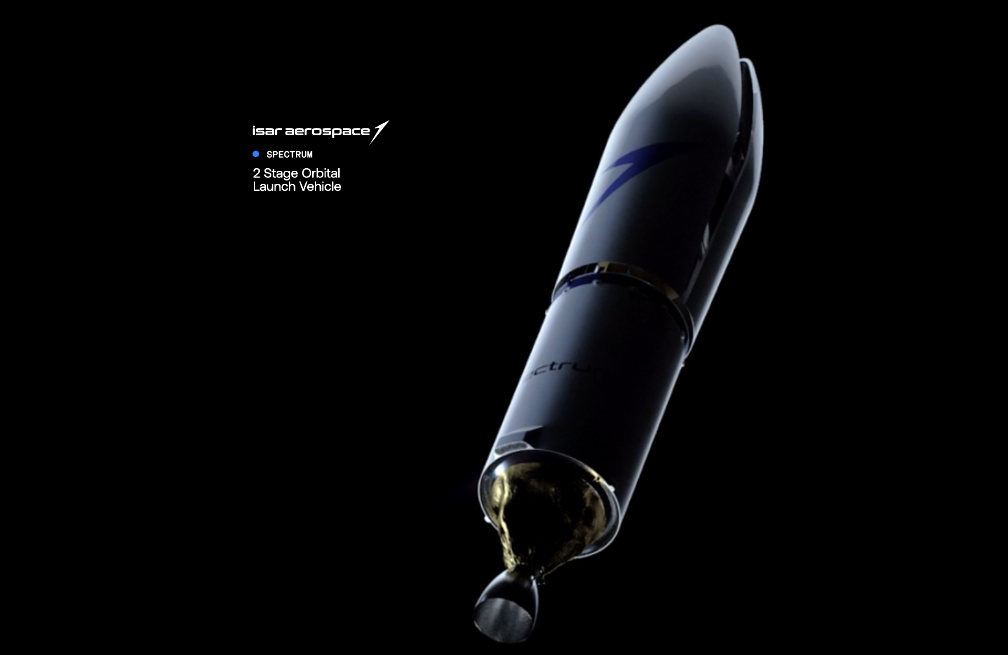
Isar Aerospace has closed their $165 million (155 million euros) Series C round — the funding enables Isar Aerospace to continue its journey toward the inaugural flight and ramp-up the cadence of the company’s Spectrum launch vehicle and will also enable the scaling of its proven production capabilities to serve the company’s strong order book for launches of small and medium-sized satellites as global demand rises.

Simultaneously, the Series C will allow the company to continue investing in developments for new initiatives and products, and to continue building on its vertical integration, especially its automated production capabilities that significantly lower the cost of building rockets.

The record round underlines Isar Aerospace’s leading position in the commercial space industry. At the same time, it highlights the company’s role in strengthening Europe’s capabilities for consistent, flexible, and cost-efficient access to space for commercial and institutional customers worldwide. With a total financing amount raised of more than $330 million (310 million euros), Isar Aerospace is the most capitalized independent New Space company in the European Union.

The round is backed by 7-Industries Holding, Bayern Kapital via its Scale Up Fund Bavaria, Earlybird Venture Capital, HV Capital, Lakestar, Lombard Odier Investment Managers, Porsche Automobil Holding SE (Porsche SE), UVC Partners, and Vsquared Ventures. Investors Porsche SE and HV Capital will join Isar Aerospace’s Advisory Board together with 7-Industries Holding joining in an observer capacity. Part of the funds provided by the private investors is backed by the European Union and regional programs managed by the European Investment Fund, such as InvestEU and the German Future Fund.

The strong interest and commitment from our international investors signals their confidence in our vision and technological capabilities. Today, and even more so tomorrow, space technologies are key to enabling innovation, technology and security. Isar Aerospace offers the access to space that is urgently needed for commercial, institutional and government customers. This financing round marks another important step on our journey to orbit.”

Daniel Metzler, Co-Founder and CEO of Isar Aerospace

We are thrilled to have concluded this round of financing in a difficult global market environment, building on strong investor demand and the company’s steady progress, at an increased valuation compared to our Series B in July 2021.”

David Kownator, Chief Financial Officer of Isar Aerospace

The undeniably most common building block of any space application is reliable and affordable access to orbit. Isar Aerospace is a catalyst for the tremendous growth of the sector. With a crisp and fast execution, focus on quality, and establishing capabilities for future volume production, Isar Aerospace is emerging as a strong leader in the space economy. I am extremely pleased to have been a part of the journey from day one and look forward to the upcoming first launches.”

Bulent Altan, Chairman of the Advisory Board and seed investor in Isar Aerospace
Filed Under: Featured, News

Thales Alenia Space’s €112 million contract from ESA for IRIDE radar and optical satellites

March 29, 2023 by editorial

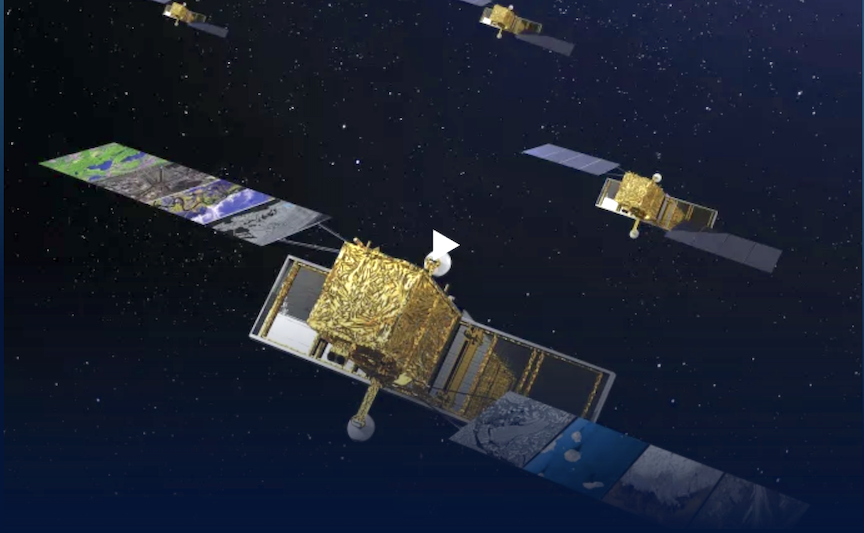
Rendering of Italy’s IRIDE constellation. Photo: Thales Alenia Space

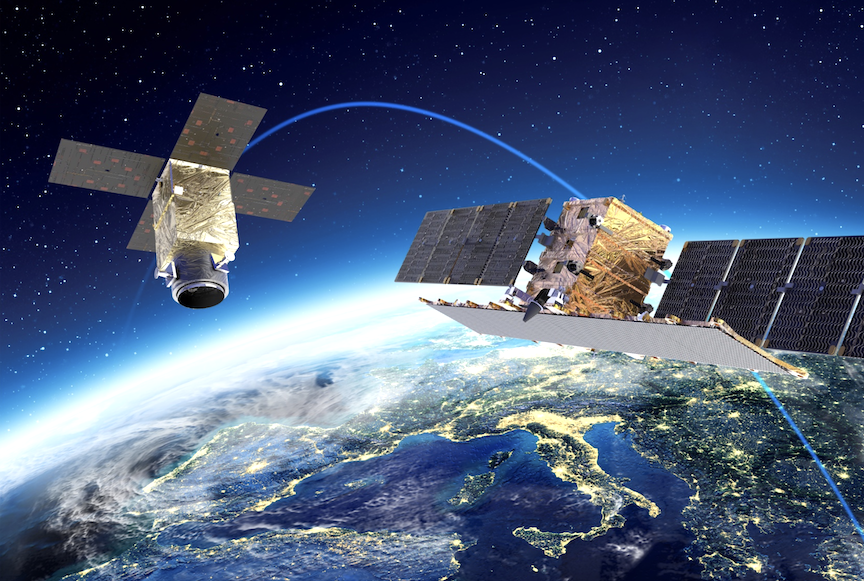
Thales Alenia Space, the joint venture between Thales (67%) and Leonardo (33%), has won contracts from the European Space Agency (ESA) to supply a first batch of six small satellites with synthetic aperture radars (SAR) and one satellite based on optical technology for the Italian Earth observation constellation, IRIDE. This innovative new constellation, based on a number of different sensing instruments and technologies, will range from microwave radar imaging to optical sensors at various spatial resolutions and in different frequency ranges, thus becoming a pioneering space program in Earth Observation.

The contract for the six SAR satellites is worth €112 million and includes an option on a second group of four satellites, worth €75 million. The optical satellite contract is worth €30 million, and includes an option on an additional satellite for €19 million.

The satellites will be built in Italy under the responsibility of Thales Alenia Space with the contribution of the entire supply chain of SMEs in the space sector. It will provide valuable data not only to researchers studying the evolution of the environmental conditions of Italy but also to the Civil Protection and other Public administrations to counter hydrogeological instability and fires, protect coasts, monitor critical infrastructures, air quality and weather conditions. Finally, IRIDE will provide analytical data for the development of commercial applications by start-ups, small and medium-sized enterprises and industries in the geospatial sector.

Both the radar and optical satellites are built on the modular NIMBUS (New Italian Micro Bus) platform, weighing about 170 kilograms. Built by Thales Alenia Space, the high-performance NIMBUS can be produced rapidly and is designed for high-revisit and high-capacity constellations. The optical payload is being developed by the Italian companies Media Lario and TDS, specialized in the creation of instruments and electronics for space.

© Thales Alenia SpaceIRIDE is a government project funded by Italy’s National Recovery and Resilience Plan (PNRR), managed by ESA in conjunction with the Italian space agency ASI. Scheduled for completion by 2026, IRIDE features a hybrid constellation of different satellites with dedicated Earth observation sensors. This end to end system comprises a series of low Earth orbit (LEO) satellite sub-constellations, ground infrastructures (downstream) and services dedicated to Italian public administration.

“I would like to thank the European and Italian space agencies for once again entrusting Thales Alenia Space competences and expertise,” said Massimo Comparini, Senior Executive Vice President, Observation, Exploration, and Navigation at Thales Alenia Space. “Building on our contributions to major Earth observation programs, we are now a key player in this ambitious new project, which entails the creation of a unique, innovative and entirely Italian constellation. We are delighted to be tackling a new challenge that paves the way for the development of new capabilities, especially the design and production of small and medium-sized satellites, which are key to the ‘New Space’ economy.”

“The European Space Agency is delighted for the signature of this contract” said Simonetta Cheli, Director of Earth Observation Programs at ESA and head of the ESRIN center in Frascati. “The Italian government has entrusted us with the task of implementing this particularly challenging and innovative program, and with the signature of this contract, in addition to those signed in the past weeks, we are close to the full definition of the IRIDE constellation and in line with the roadmap that will allow ESA to reach the first milestone of the program, scheduled for the end of March. This is a very important milestone, given that the program is largely financed by PNRR funds. Congratulations to the Thales Alenia Space team for this important contribution to the IRIDE system. We firmly believe that, by integrating national and European assets, the IRIDE system will make Italy more competitive than ever in the Earth Observation sector.”

These satellites also feature sophisticated operating modes to support high revisit rates, providing data that can be integrated with that from other existing or future programs and infrastructures, including COSMO-SkyMed Second Generation and Prisma, as well as Europe’s vast Copernicus Earth observation program.

Filed Under: News

Crescent Space to deliver critical services to a growing lunar economy

March 29, 2023 by editorial

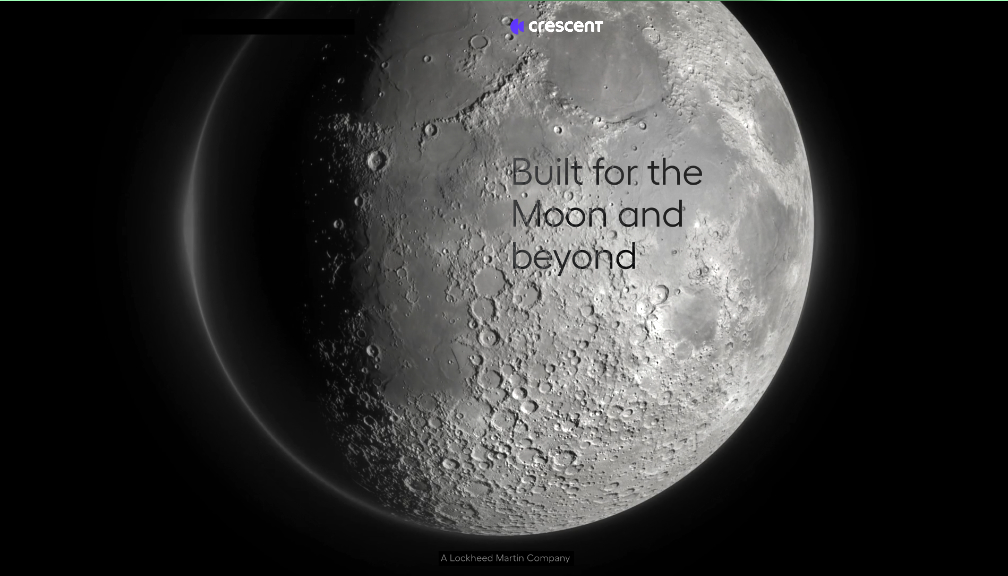
Crescent Space Services LLC has announced the firm’s entry into the lunar infrastructure sector — Crescent Space is a new commercial company launched by Lockheed Martin (NYSE: LMT) that provides infrastructure-as-a-service for lunar missions.

As humankind expands its presence beyond LEO, one of the first key challenges is uninterrupted communications between Earth, the Moon and the growing number of lunar missions. To do this seamlessly – especially on the far side of the Moon – customers need a network that helps them talk over vast distances, like what cell towers enable here on Earth.

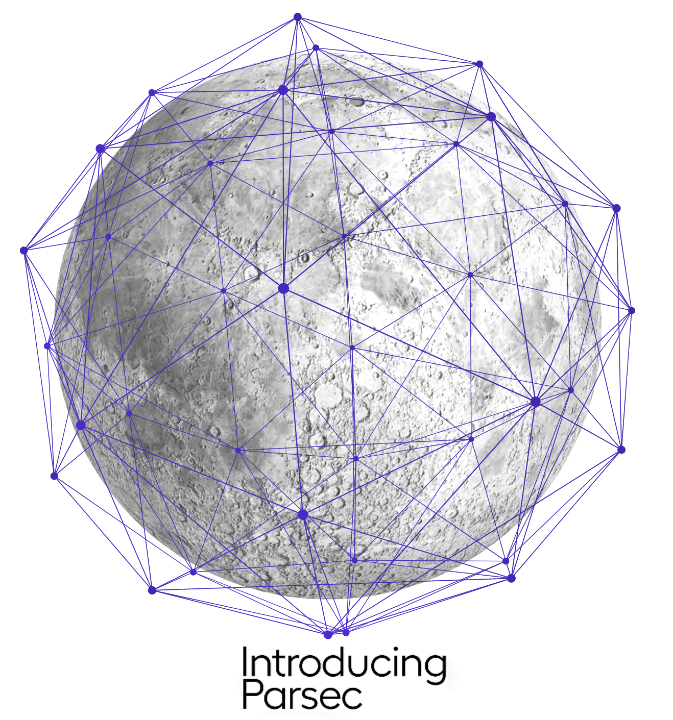
With its agile, services-based business model, Crescent directly responds to this need, offering an initial service called Parsec®: a cislunar communications and navigation network. Parsec uses a constellation of small lunar satellites that will collectively work to provide continuous connection between Earth and the people and assets in lunar orbit, as well as on the surface of the Moon. In addition to communications, Parsec will also provide critical position, timing and navigation services for lunar missions.

Crescent will own and operate the Parsec network upon launch of its first nodes in 2025. Lockheed Martin will produce and deliver the Parsec spacecraft to Crescent, drawing upon its deep expertise developing exploration missions, communications satellites, software and GPS satellites.

Crescent is led by CEO Joe Landon, who previously served as vice president of Advanced Programs Development for Lockheed Martin Space. In this role, Landon was responsible for Lockheed Martin’s space exploration strategy. As part of this, he led growth, strategy and research and development for the company’s Commercial Civil Space line of business. He was also instrumental in developing the concept for Crescent and launching the company. Before his time at Lockheed Martin, Landon was an early entrepreneur and investor in the commercial space sector.

As a subsidiary of Lockheed Martin, Crescent aims to leverage reliable technical heritage from the company and combine that with the speed and agility of a commercial services platform to deliver an array of essential services for lunar operations.

With momentum gaining around humanity’s return to the Moon, this is an immediate area of opportunity for Crescent. In the future, Crescent plans to offer additional services to further enable science, exploration and commerce at the Moon and in deep space.

For Crescent, Landon has brought together a world-class team whose previous expertise supporting civil, commercial and military space missions makes them a perfect fit to lead the charge in providing services for the lunar economy.

Crescent is well positioned to serve the upcoming wave of lunar science and exploration missions, including NASA’s crewed Artemis moon landings. With Lockheed Martin’s investment and access to its technical capabilities and deep space experience, Crescent is set up to ensure Parsec will be ready to provide reliable and affordable communications services for our customers.”

Crescent CEO Joe Landon

Crescent is a commercial services company created by Lockheed Martin that provides infrastructure-as-a-service for lunar missions operated by both commercial and government customers. The company leverages Lockheed Martin’s deep technical heritage and reliability in space with the speed and agility of a commercial services platform to deliver critical services needed to operate on and around the moon

Filed Under: News

Satellogic announces company integration with SkyFi

March 28, 2023 by editorial

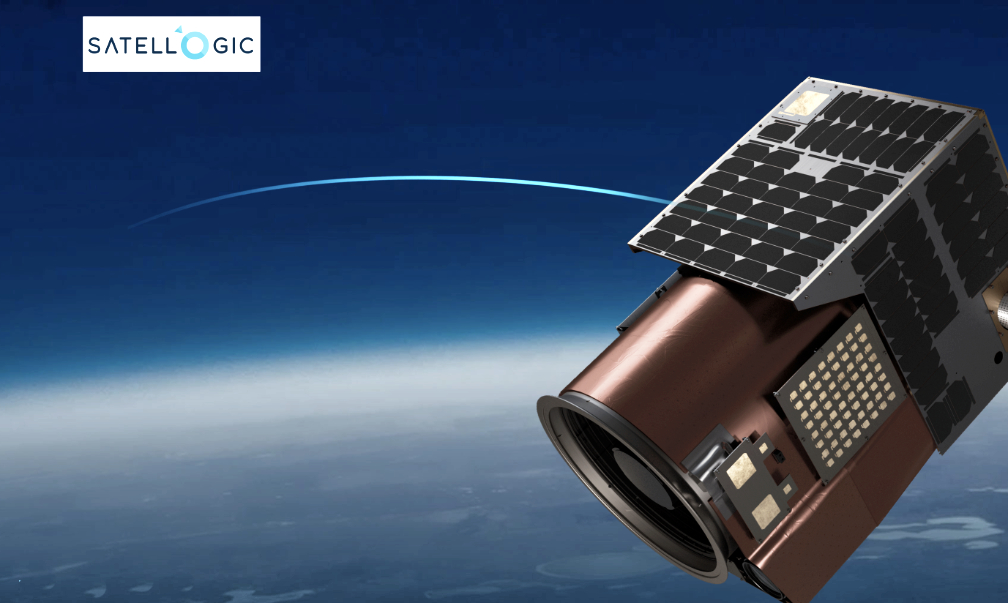
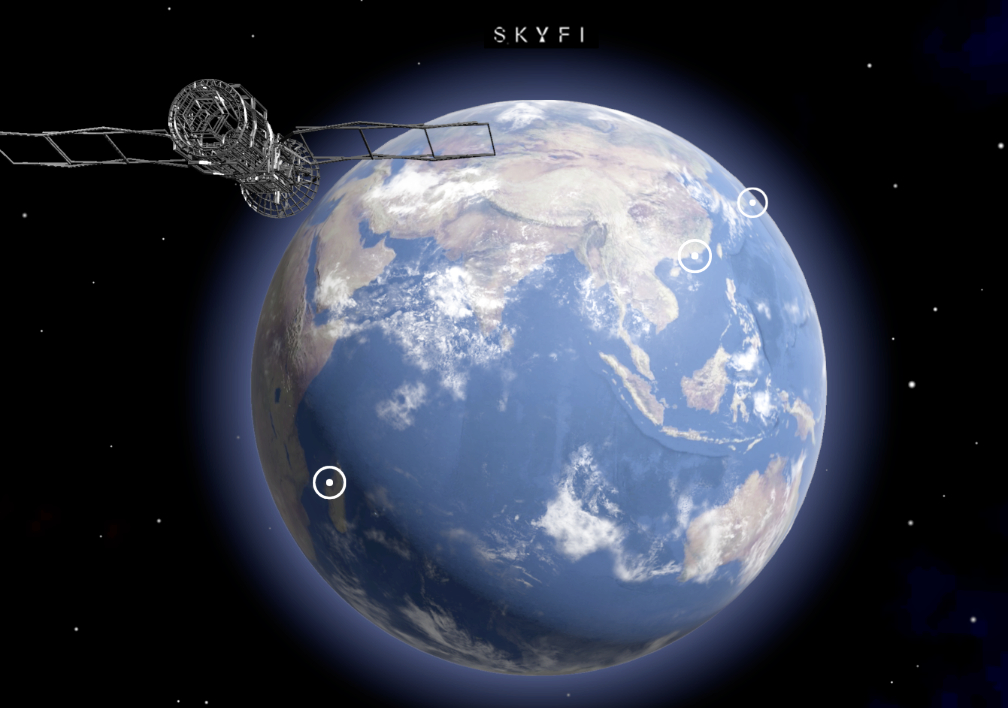
Satellogic Inc. (NASDAQ: SATL) has announced the firm’s partnership and integration with SkyFi, a provider of Earth Observation (EO) data — this partnership will allow SkyFi’s customers to task Satellogic satellites directly through the platform either at app.skyfi.com or on the SkyFi app — this capability is available to businesses and individuals.

Satellogic is focused on delivering high-resolution EO data to help advance critical analysis for global challenges that include climate change, energy supply, and food security. The Company currently has 30 satellites on-orbit. Satellogic is working toward an unprecedented capability of daily global remaps in high-resolution – providing as many as 40 revisits of points of interest per day for better decision-making at every level around the world.

SkyFi streamlines access to EO data through its web and mobile app, providing a seamless user experience with transparent pricing. The company is developing an end-to-end EO marketplace with an integrated insights platform and storage solution.

Satellogic will soon be expanding its offering for SkyFi users with priority tasking, which offers shorter task-to-capture and delivery timelines. Additionally, more product levels for a wider range of applications, including higher resolutions to unlock new details and analysis, will be introduced.

Satellogic’s integration with SkyFi marks a new venture into distributing Satellogic’s data more widely. This program is expected to expand with additional marketplace integrations, which confirms the high demand for Satellogic’s unique blend of capabilities and price point.

SkyFi and Satellogic are both committed to democratizing access to Earth Observation data. This partnership expands the availability of affordable, high-resolution satellite images and enables customers to task their specific points of interest through a seamless app. It’s a strategic step forward in helping to increase the adoption of Earth Observation across existing and emerging markets.”

Emiliano Kargieman, CEO and Co-Founder of Satellogic

Satellogic’s rapidly expanding constellation is enabling us to further easify access to Earth Observation data. The company is a perfect partner as we are always focused on providing the greatest value at the lowest cost to our customers.”

Luke Fischer, Co-Founder and CEO of SkyFi

Filed Under: Featured, News

Unibap receives a large SpaceCloud order for a satellite constellation

March 27, 2023 by editorial

Unibap AB (publ) has received an order from an emerging, European, smallsat integrator to deliver payload data processing units for a satellite constellation, commissioned by a European authority.

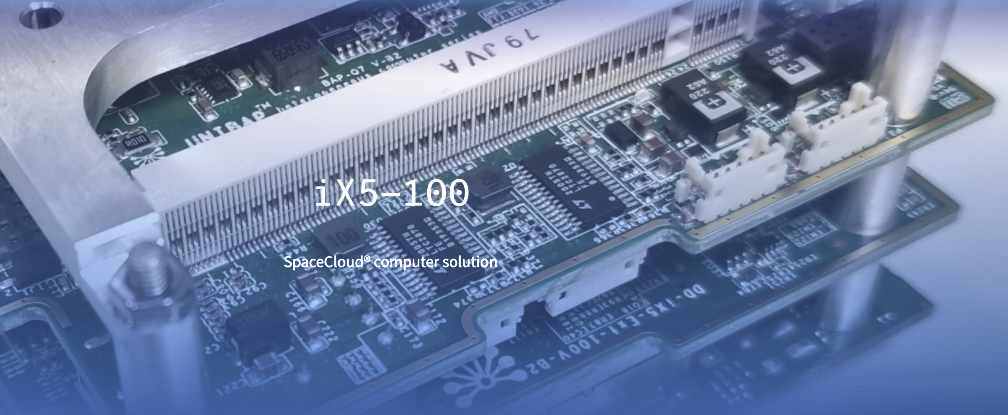
Unibap’s solution is based on the SpaceCloud iX5-family and includes software and hardware suitable for intelligent, on-orbit, edge computing. The order value is 1.7 million euros with deliveries during 2023 up until Q2 2024.

This order is the first part of a signed agreement with a total value of 6.2 million euros. Remaining volume can be authorized in two steps, during 2023 and 2024, with deliveries 2024 and 2025, based on call-offs from the end customer.

We are very pleased to take SpaceCloud to the next level in a European satellite constellation. This is in line with our communicated strategy and our plans to ramp up our production capacity during 2023. This is a significant milestone for the company.”

Johan Åman, CEO

Filed Under: Featured, News

UPDATE: From Cape Canaveral SFS to orbit… 56 Starlinks added to SpaceX constellation

March 24, 2023 by editorial

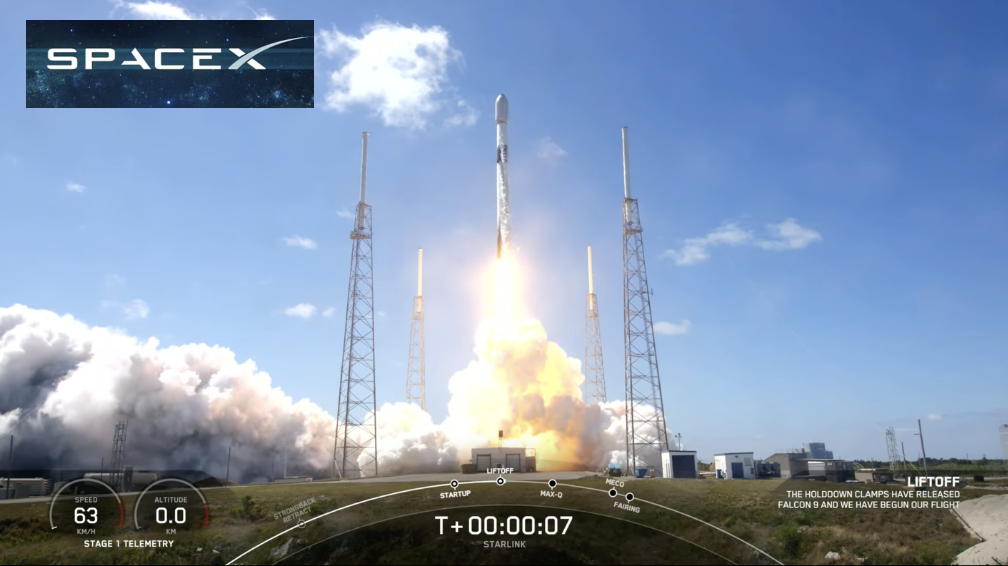
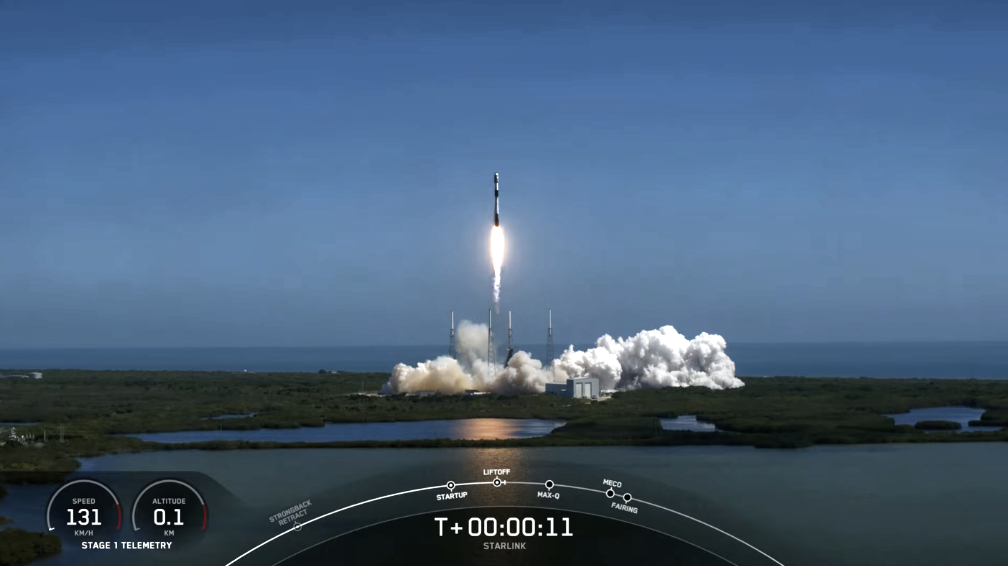
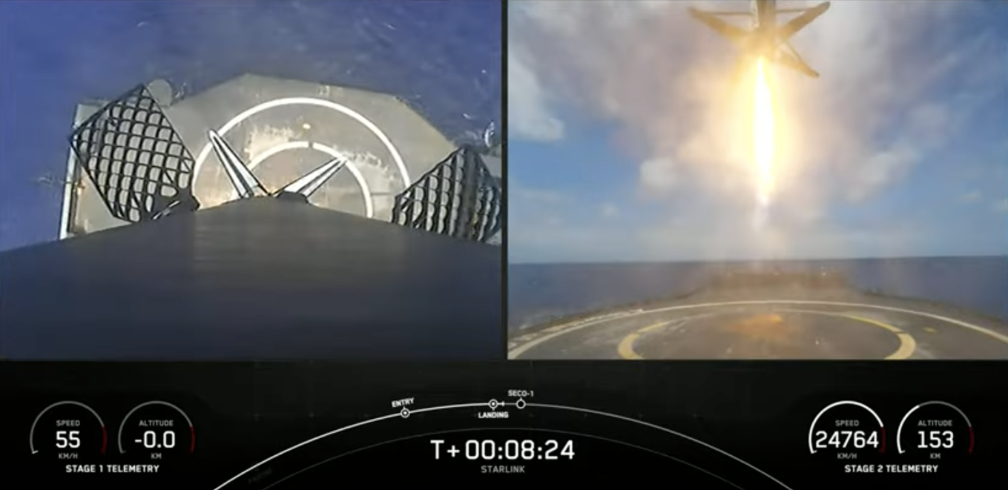
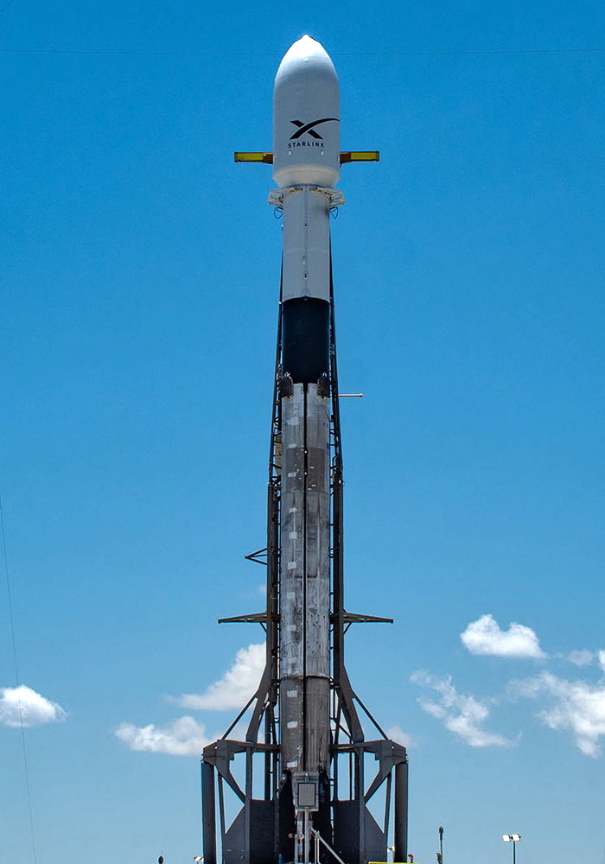
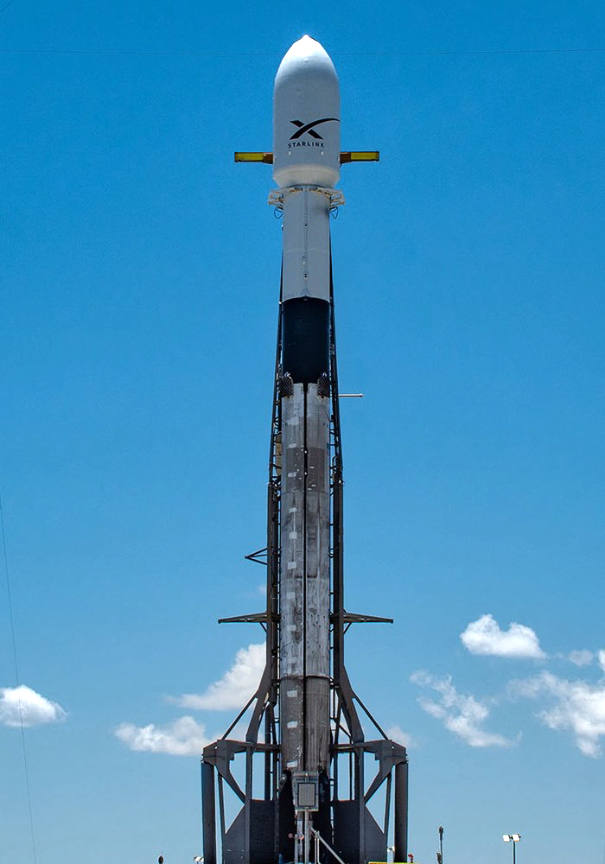
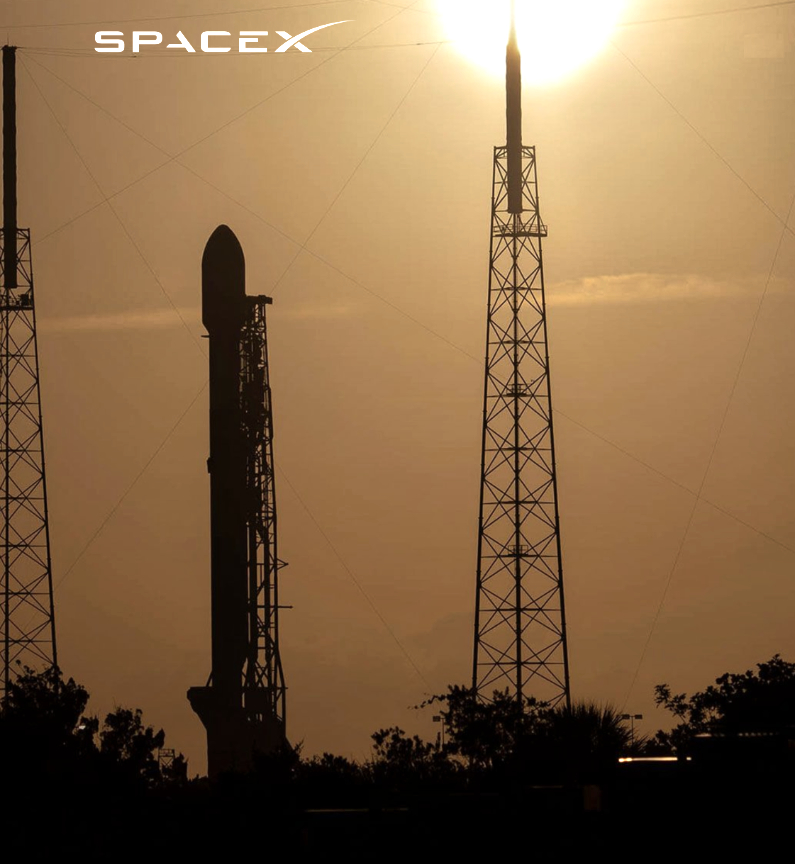
SpaceX has successfully launched 56 Starlink satellites from Cape Canaveral SFS aboard a Falcon 9 rocket, sending them to orbit to join the company’s constellation.

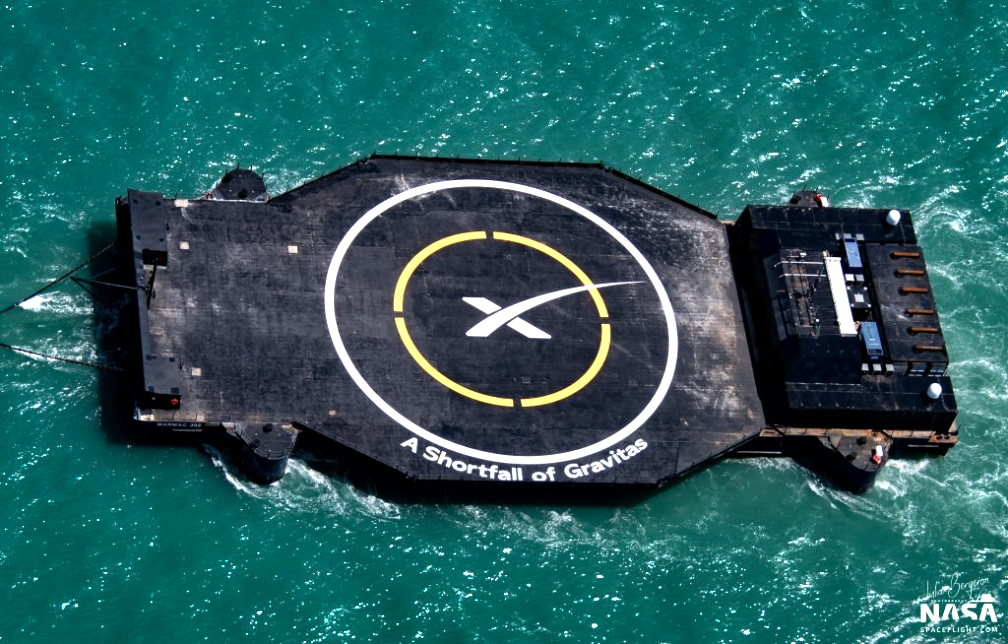
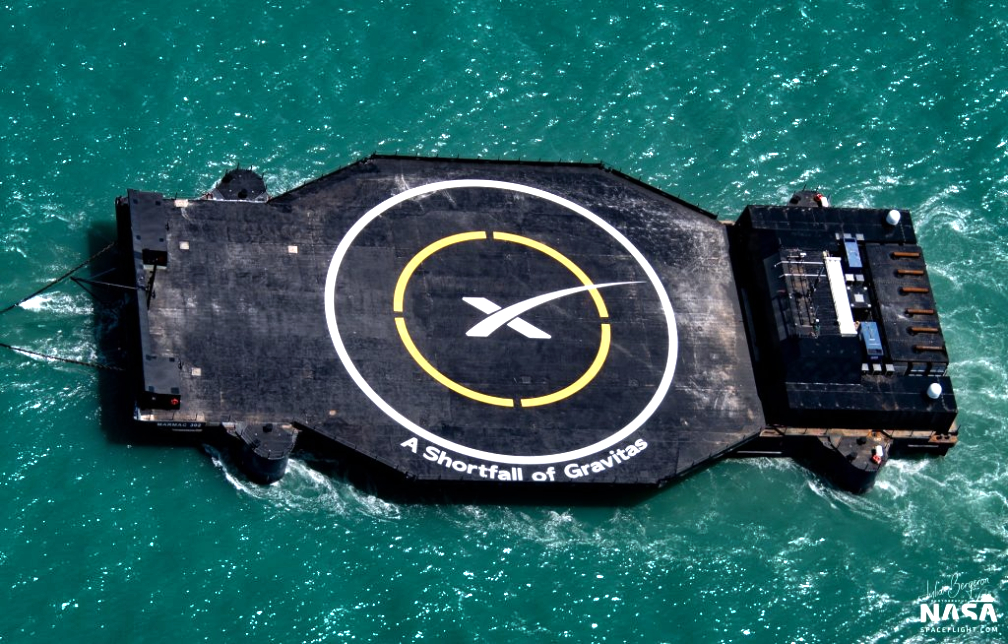
As is becoming customary for SpaceX, the first stage successfully returned to Earth and landed on the A Shortfall of Gravitas droneship station in the Atlantic Ocean.

The first stage booster supporting this mission previously launched CRS-22, Crew-3, Turksat 5B, Crew-4, CRS-25, Eutelsat HOTBIRD 13G, mPOWER-a, and two Starlink missions.

Previous information posting…

SpaceX is targeting Friday, March 24th., at 11:33 a.m., ET, (15:33 UTC) for a Falcon 9 launch of 56 Starlink satellites to LEO from Space Launch Complex 40 (SLC-40) at Cape Canaveral Space Force Station in Florida.

If needed, there are additional launch opportunities the same day at 1:14 p.m. ET (17:14 UTC) and 2:55 p.m. ET (18:55 UTC).

Backup opportunities are also available on Saturday, March 25th., at 11:08 a.m., ET (15:08 UTC), 12:49 p.m. ET (16:49 UTC), and 2:30 p.m. ET (18:30 UTC).

The first stage booster supporting this mission previously launched CRS-22, Crew-3, Turksat 5B, Crew-4, CRS-25, Eutelsat HOTBIRD 13G, mPOWER-a, and two Starlink missions.

Following stage separation, the first stage will land on the A Shortfall of Gravitas droneship, which will be stationed in the Atlantic Ocean.

Watch the live launch webcast starting about 5 minutes before liftoff.

Filed Under: News

UPDATE: Rocket Lab launches 35th Electron + sets new company record for fastest launch turnaround

March 24, 2023 by editorial

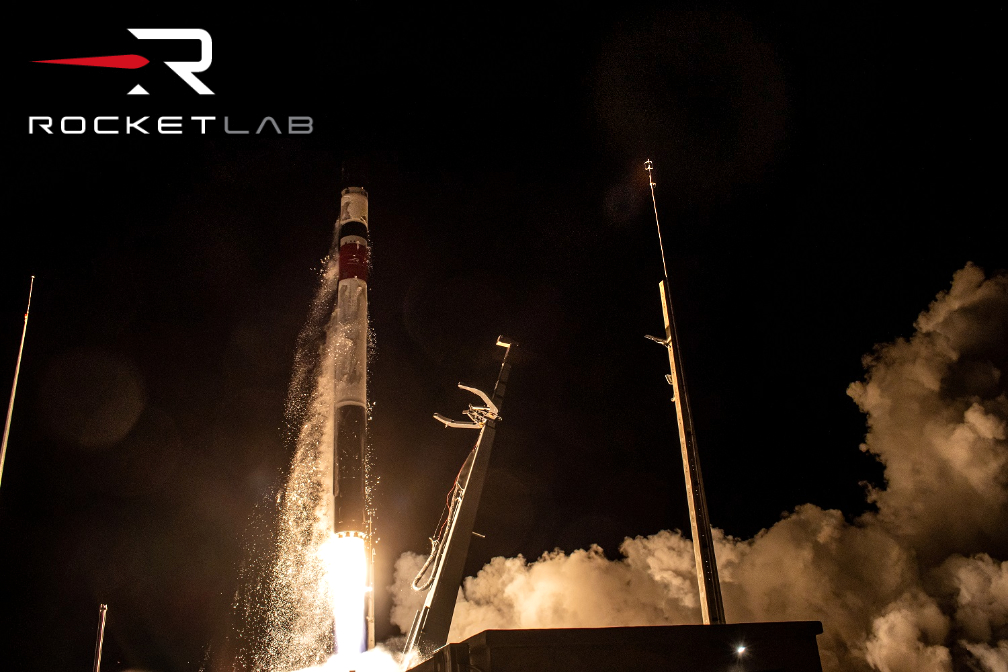
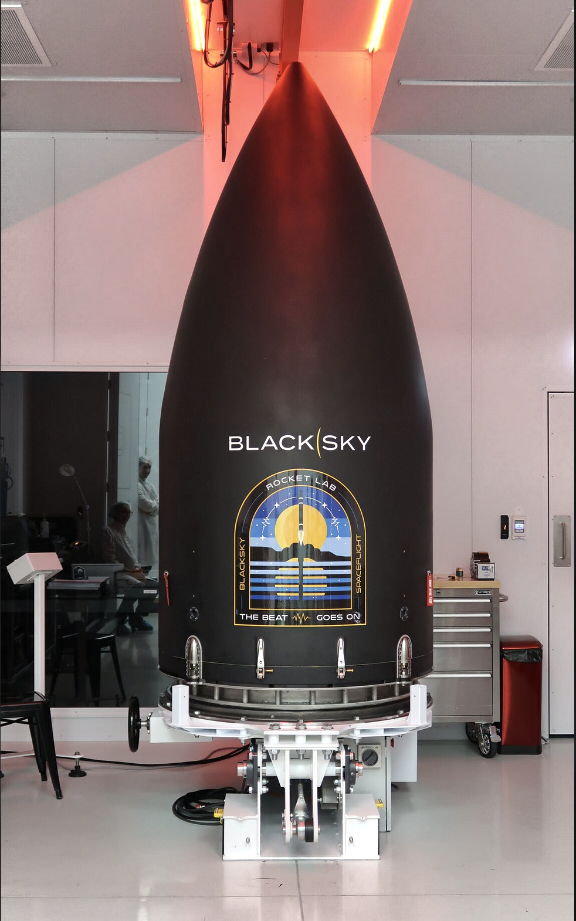
Launch photo is courtesy of Rocket Lab

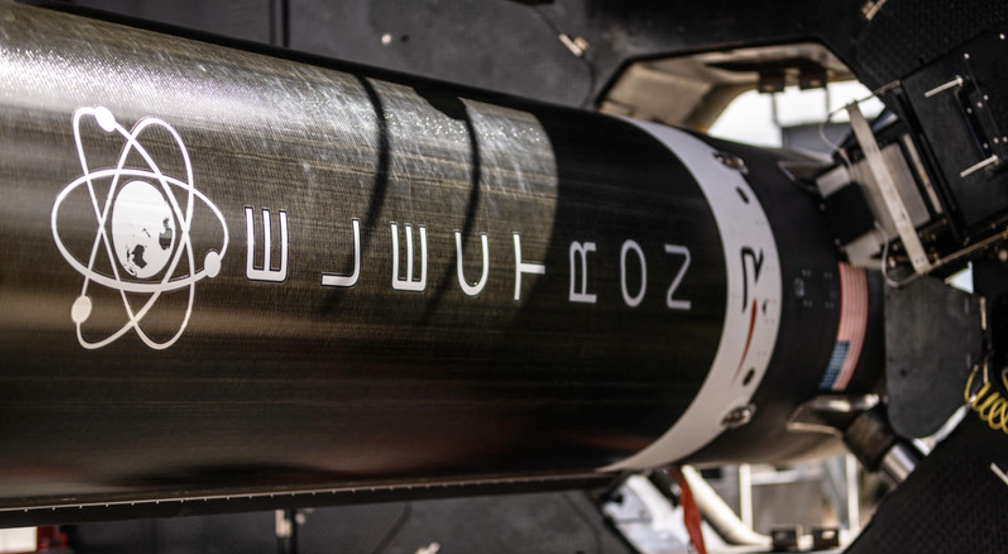
Rocket Lab USA, Inc. (Nasdaq: RKLB) successfully launched their 35th Electron rocket from Mahia, New Zealand, deploying two, multi-spectral, Gen-2 satellites to LEO for BlackSky (NYSE: BKSY) through launch services provider Spaceflight, Inc.

The mission occurred only seven days following the Company’s previous Electron mission from Launch Complex 2 in Virginia, setting a new company record for fastest turnaround between Electron missions.

Photo is courtesy of Rocket Lab

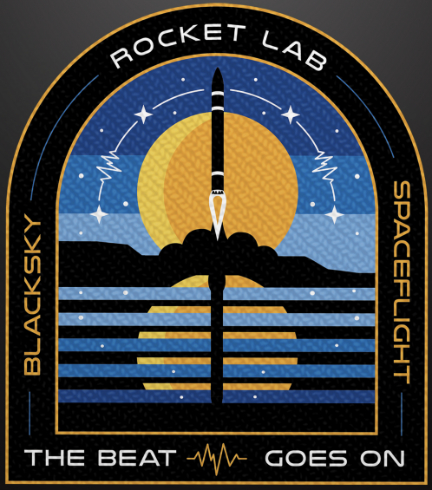
The mission, named “The Beat Goes On,” lifted off at 09:14 UTC, March 24th., 2023, from Pad B at Launch Complex 1, Rocket Lab’s private launch site on New Zealand’s Mahia Peninsula and was Rocket Lab’s seventh launch for BlackSky since 2019, helping to build out BlackSky’s growing, real-time, geospatial intelligence constellation.

Additionally, Rocket Lab accomplished a successful ocean splashdown of Electron’s first stage in an effort to make Electron the world’s first, reusable, orbital, small launch vehicle. The first stage will now be transported back to Rocket Lab’s production complex for assessment, testing and re-qualification to inform future recovery missions. Pending the outcome of these assessments Rocket Lab may choose to proceed with marine operations as the primary recovery method, opting to transition away from helicopter use.

Rocket Lab is on track this year to surpass its launch record of nine launches set in 2022 with 15 planned launches. Upcoming disclosed Electron missions in 2023 include two launches for the NASA TROPICS constellation, the first of five dedicated missions for Internet-of-Things (IoT) connectivity provider Kinéis; several launches for Capella Space, and the launch of a mission to demonstrate space debris removal technology by Astroscale Japan.

“Electron has repeatedly proven itself as a reliable constellation builder and today we’re proud to deliver mission success once again for BlackSky and Spaceflight after many previous missions together. Launching two successful missions just seven days apart from two different hemispheres is a real demonstration of responsive space in action, and successfully splashing down Electron’s first stage as part of our reusability program is the icing on the cake.”

Rocket Lab founder and CEO Peter Beck

Previous information posting…

UPDATE: Rocket Lab has delayed the launch to low Earth orbit of a two-stage Electron rocket due to bad weather. The launch will take place from the New Zealand site on Friday at 3:45 a.m. EDT (0745 GMT; 8:45 p.m. local New Zealand time). The mission had been targeted for Wednesday (March 22), but Rocket Lab pushed it back because of bad weather. The mission, named “The Beat Goes On,”will launch a pair of satellites on a dedicated Electron mission for BlackSky (NYSE: BKSY) through global launch services provider Spaceflight, Inc.

Rocket Lab USA, Inc. (Nasdaq: RKLB) will launch a pair of satellites on a dedicated Electron mission for BlackSky (NYSE: BKSY) through global launch services provider Spaceflight, Inc., during a launch window that opens on March 22nd., 2023 UTC.

The mission, named “The Beat Goes On,” will launch two of BlackSky’s Gen-2, Earth-imaging satellites from Pad B at Rocket Lab Launch Complex 1 in Mahia, New Zealand, and will bring the total number of satellites delivered by Electron to orbit to 159 — Electron will deliver the satellites to a circular 450 km orbit, that will bring the total number of satellites in BlackSky’s constellation to 16.

As a secondary mission, Rocket Lab plans to recover Electron’s first stage after it parachutes back to Earth and splashes down in the ocean. Rocket Lab’s recovery team will retrieve Electron using a customized vessel and transport the stage back to Rocket Lab’s production complex for analysis. Data from this recovered stage will inform Rocket Lab’s ongoing recovery and reuse program.

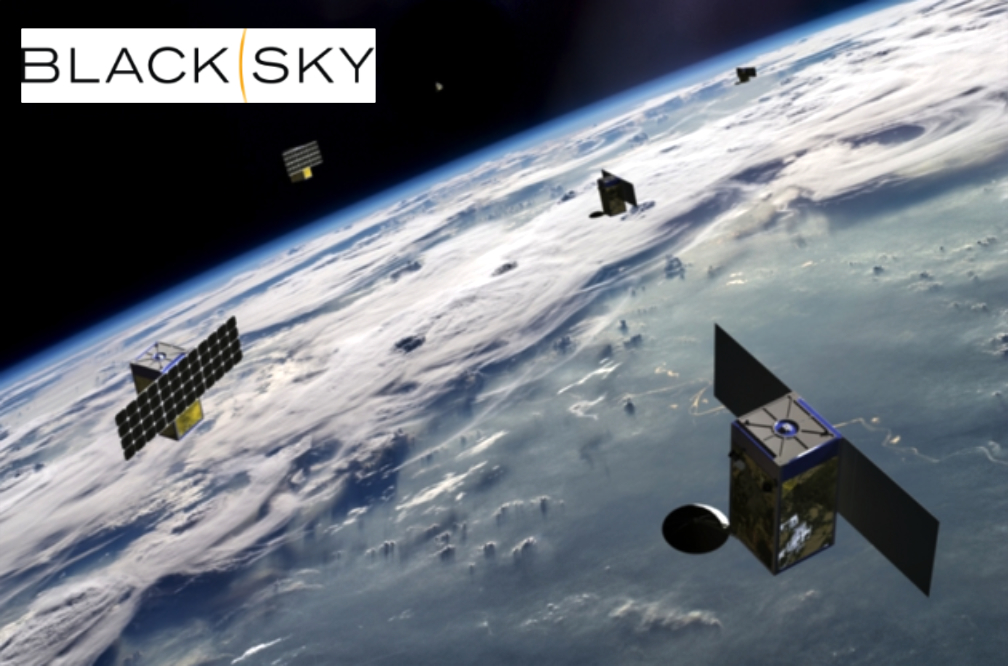
The pair of high-resolution, multi-spectral, Gen-2 satellites to be launched on Electron will expand BlackSky’s network in space and its offering of real-time geospatial intelligence and monitoring services. BlackSky combines high-resolution images captured by its constellation of microsatellites with its proprietary artificial intelligence software to deliver analytics and insights to industries including transportation, infrastructure, land use, defense, supply chain management, and humanitarian aid.

Rocket Lab founder and Chief Executive, Peter Beck, said, “We’re proud to continue playing a key role in building out BlackSky’s growing constellation. We’ve now delivered 9 satellites to orbit for BlackSky since our first launch for them in 2019 and we’re grateful to have been entrusted with their mission once again. Counting down to another mission just six days after a successful launch from LC-2 in Virginia is no mean feat and testament to our team’s experience and dedication to delivering response launch.”

Filed Under: News

Next Starlink launch event set for March 24th from Cape Canaveral SFS by SpaceX

March 24, 2023 by editorial

SpaceX is targeting Friday, March 24th., at 11:33 a.m., ET, (15:33 UTC) for a Falcon 9 launch of 56 Starlink satellites to LEO from Space Launch Complex 40 (SLC-40) at Cape Canaveral Space Force Station in Florida.

If needed, there are additional launch opportunities the same day at 1:14 p.m. ET (17:14 UTC) and 2:55 p.m. ET (18:55 UTC).

Backup opportunities are also available on Saturday, March 25th., at 11:08 a.m., ET (15:08 UTC), 12:49 p.m. ET (16:49 UTC), and 2:30 p.m. ET (18:30 UTC).

The first stage booster supporting this mission previously launched CRS-22, Crew-3, Turksat 5B, Crew-4, CRS-25, Eutelsat HOTBIRD 13G, mPOWER-a, and two Starlink missions.

Following stage separation, the first stage will land on the A Shortfall of Gravitas droneship, which will be stationed in the Atlantic Ocean.

Watch the live launch webcast starting about 5 minutes before liftoff.

Filed Under: News

Globalstar, Ovinto offer safe worldwide transport of hazardous gases thanks to satIoT

March 24, 2023 by editorial

Globalstar Europe Satellite Services Ltd., a wholly owned subsidiary of Globalstar, Inc. (NYSE American: GSAT) has announced that a major, international provider of hazardous gases is helping organizations and consumers to use cleaner energy.

The gas exporter has deployed the Ovinto Sat smart asset monitoring system to ensure the safety of Liquefied Natural Gas (LNG) as it travels in cryogenic tank containers to customers around the globe.

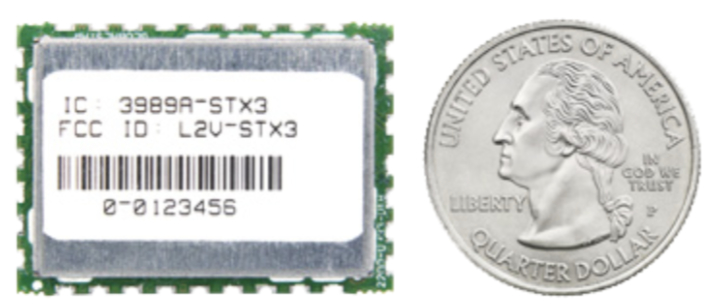
Ovinto Sat is enabled by the Globalstar worldwide satellite fleet and includes multifunction sensors built around Globalstar’s STX3 chipset (pictured below), the smallest and lowest power consuming satellite IoT chipset on the market.

LNG is a rapidly growing business area for the company, particularly in the U.S. and Mexico. It is believed that the LNG market will see significant growth in the coming years as demand surges for sources of energy alternative to traditional fossil fuels. Particularly to fuel vehicles, hydrogen demand is on the rise. Many of the initiatives aimed at promoting using hydrogen for vehicles are backed by governments as part of their commitments to reduce carbon emissions.

Ovinto Sat owns 600 tank containers, each fitted with an Ovinto Sat sensor device, as is every new container purchased.

The company began to deploy Ovinto Sat four years ago. Earlier solutions the company tried were only able to provide positioning information. Only Ovinto Sat sensors could measure internal temperature and pressure and the sensor’s configurability was also a huge factor in the exporter’s procurement decision. The company also found Ovinto Sat’s operational dashboard to be highly functional and user friendly.

Alternative systems trialed were unable to provide uninterrupted tracking due to reliance on GSM technology. Others were too complex for speedy implementation, or their operational user interface was unintuitive. The robustness, low power consumption and long battery life of Ovinto Sat units were further valued features.

It’s critical to be able to continually monitor the pressure inside these containers to ensure the safe travel and delivery of these highly dangerous liquefied gases. Tank containers get stacked during transport and storage. The sensor devices are affixed to the outside of the container, each safe inside its own rugged domed casing, to keep a continuous line of sight with the satellites. The devices maintain uninterrupted visibility of the Globalstar satellite network in LEO, so data on the environmental characteristics of the container flow uninterrupted as they traverse the globe.

Critically important for the conveyance of hazardous materials, Ovinto Sat complies with the highest possible ATEX (AT mosphère EX plosibles) standard certification for explosion prevention. At the heart of Ovinto Sat is Globalstar’s low power STX3, the smallest and lowest power consuming chipset on the market. Because it’s powered by long-life batteries, Ovinto Sat allows customers to monitor materials in unpowered environments including rail tank cars and containers.

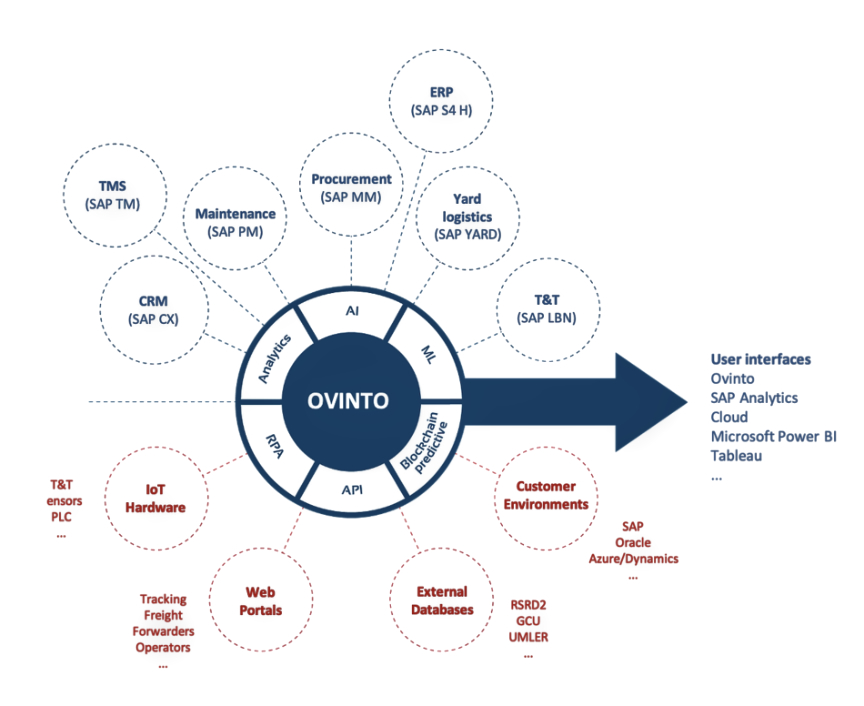
Ovinto is an add on SaaS platform, filling the gaps for your existing software infrastructure for rail & intermodal freight.

As the world turns to cleaner sources of energy, hydrogen is a big part of the solution to solve the global energy crisis. We were confident that Ovinto Sat units were rugged enough to withstand the long journeys on road, rail and sea that our containers take.”

Assets Manager for the gas exporting company

The Globalstar satellite system remains the best solution on the planet on account of its coverage, minimal latency, low power and, as a result, its affordability.”

Frederick Ronse, Managing Director of Ovinto

We are continually amazed by the myriad of ways in which Satellite IoT enabled solutions based on Globalstar are used to improve people’s lives, businesses and the environment. And we’re tremendously proud that, together with our valued partner Ovinto, we’re enabling the safe delivery of cleaner energy solutions to ever more customers.”

Mark O’Connell, General Manager for Globalstar EMEA & APAC

Filed Under: News

Exolaunch all set for 15 customer smallsat launches on the SpaceX Transporter-7 mission

March 23, 2023 by editorial

On its 7th Transporter mission with SpaceX, Exolaunch is conducting a launch campaign for more than 15 satellites for a number of companies, including Spire Global, NanoAvionics, Unseenlabs, GomSpace, EnduroSat and Plan-S.

Exolaunch also welcomes new customers (they account for 50% of the launch manifest): Space Flight Laboratory on behalf of the Norwegian Space Agency, TÜBİTAK UZAY, Kenya Space Agency with SayariLabs and EnduroSat, ISILAUNCH on behalf of Orbital Solutions Monaco (OSM) and Laboratoire Athmosphères, Observations Spatiales (LATMOS), Stanford Student Space Initiative, Bronco Space, the Colombian Air Force and two, additional undisclosed customers

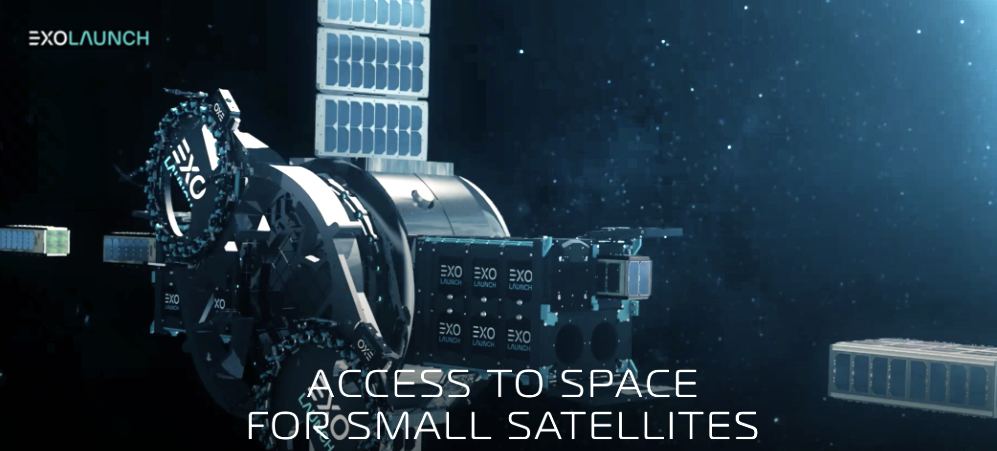
The company’s EXOpod Nova enhanced CubeSat separation system and the newly designed, multi-satellite adapter EXOport ‘Europa’ will fly on Transporter-7

Exolaunch will cross the milestone of having launched more than 285 satellites for global customers. First flown on Transporter-5 and Transporter-6, Nova enhances the EXOpod design with superior specifications. Nova increases the allowable satellite mass by up to 30% and the available side panel volume by a factor of 4 when compared to traditional, CubeSat deployment systems. It also enables CubeSat manufacturers to keep launch costs low while building larger, heavier and more capable satellites. Nova brings the EXOpod family’s deployment record to 186 satellites as of March of 2023.

The extensive integration campaign for Transporter-7 has already been completed for all satellites flying with Exolaunch. After a successful CubeSat integration at the company’s new facilities in Berlin, the Exolaunch team finalized the integration of the remaining smallsats with the Falcon 9 launch vehicle at the Vandenberg Space Force Base.

This is the seventh Transporter mission in a series of rideshare launches, which Exolaunch is manifesting on Falcon 9 under a Multi-Launch Agreement (MLA) with SpaceX that was first signed in 2020 and later extended to include new missions. For each Falcon 9 procured through the MLA, Exolaunch provides a turnkey solution encompassing industry-leading mission management & satellite integration services in addition to its flight-proven separation systems.

Exolaunch has manifested on every Transporter mission since the program’s inception, deploying more than 150 smallsats and CubeSats through the dedicated rideshare program. Transporter-7 is the latest addition to Exolaunch’s streak of ever-more diverse manifests, strengthening its position as a trusted and reliable launch & deployment service provider.

“As always, we are entirely focused on delivering a smooth launch experience for each and every customer. This time around, we were delighted with the opportunity to welcome both well-known and new faces in our brand-new integration facilities in Germany. The entire team is particularly proud of our work with SpaceX on the Transporter program and being able to offer access to space that is unrivaled in its regularity and cost-effectiveness.”

Jeanne Allarie, VP Launch at Exolaunch

“The integration proceeded flawlessly for all customer satellites. Our team works hand in hand with our customers throughout stringent validation and testing processes, so it’s a great experience to take the final step together. It speaks volumes to the advantages of the Nova deployer that it was chosen to fly all the CubeSats manifested by our new customers. On the other hand, SpaceX has been a marvelous launch provider and an inestimable force to revolutionize access to space.”

Michael Tolstoj, Mission Director at Exolaunch

This year promises to be Exolaunch’s busiest yet: With customers manifested aboard multiple launch vehicles and every SpaceX Transporter mission in 2023, the German launch service provider is poised to achieve the significant milestone of the 300th satellite launched into orbit.

Filed Under: News

  • « Go to Previous Page
  • Page 1
  • Interim pages omitted …
  • Page 130
  • Page 131
  • Page 132
  • Page 133
  • Page 134
  • Interim pages omitted …
  • Page 338
  • Go to Next Page »

Primary Sidebar

WEEKLY NEWSLETTER

Archives

  • March 2026
  • February 2026
  • January 2026
  • December 2025
  • November 2025
  • October 2025
  • September 2025
  • August 2025
  • July 2025
  • June 2025
  • May 2025
  • April 2025
  • March 2025
  • February 2025
  • January 2025
  • December 2024
  • November 2024
  • October 2024
  • September 2024
  • August 2024
  • July 2024
  • June 2024
  • May 2024
  • April 2024
  • March 2024
  • February 2024
  • January 2024
  • December 2023
  • November 2023
  • October 2023
  • September 2023
  • August 2023
  • July 2023
  • June 2023
  • May 2023
  • April 2023
  • March 2023
  • February 2023
  • January 2023
  • December 2022
  • November 2022
  • October 2022
  • September 2022
  • August 2022
  • July 2022
  • June 2022
  • May 2022
  • April 2022
  • March 2022
  • February 2022
  • January 2022
  • December 2021
  • November 2021
  • October 2021
  • September 2021
  • August 2021
  • July 2021
  • June 2021
  • May 2021
  • April 2021
  • March 2021
  • February 2021
  • January 2021
  • December 2020
  • November 2020
  • October 2020
  • September 2020
  • August 2020
  • July 2020
  • June 2020
  • May 2020
  • April 2020
  • March 2020
  • February 2020
  • January 2020
  • December 2019
  • November 2019
  • October 2019

© 2019–2026 SatNews

Insert/edit link

Enter the destination URL

Or link to existing content

    No search term specified. Showing recent items. Search or use up and down arrow keys to select an item.
      x
      Sign Up Now!

      Enjoy a free weekly newsletter with recent headlines from the global SmallSat industry.

      Invalid email address
      We promise not to spam you. You can unsubscribe at any time.
      Thanks for subscribing! You will now receive weekly SmallSat News updates.
      We love our advertisers.
      And you will too!

      Please disable Ad Blocker to continue... We promise to keep it unobtrusive.
      We promise not to spam you. You can unsubscribe at any time.
      Invalid email address
      Thanks for subscribing!