• Skip to main content
  • Skip to primary sidebar
  • Home
  • News
  • Featured
  • More News ⌄
    • SatNews
    • SatMagazine
    • MilSatMagazine
  • Events ⌄
    • MilSat Symposium
    • SmallSat Symposium
    • Satellite Innovation
  • Contacts
  • SUBSCRIPTION

SmallSat News

You are here: Home / Archives for News

News

Skykraft Air Traffic Management Constellation To Launch Aboard The SpaceX Transporter-5 Mission In Mid-2022

December 2, 2021 by editorial

Skykraft and SpaceX have agreed to a follow-on to the Transporter-5 launch for Skykraft’s Air Traffic Management constellation.
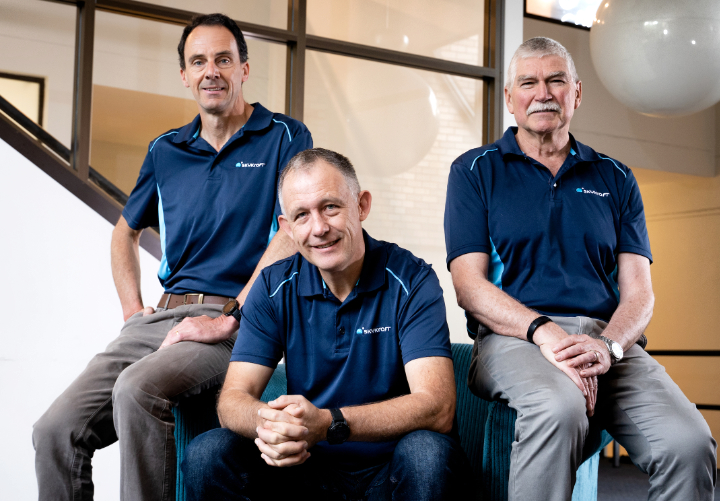
(L to R) Dr. Craig Benson, Dr. Doug Griffin, Mark Skidmore – Skykraft Team

The second tranche of Air Traffic Management satellites will fly on SpaceX’s Transporter-6 launch in October of 2022 under a recently signed contract.

This repeat launch is part of Skykraft’s rapid progress toward the roll-out of the full constellation of more than 200 satellites in 2023.

Skykraft’s Space-based Air Traffic Management constellation will improve the safety and efficiency of global air travel by providing global surveillance and communication for all air traffic.

Skykraft is also pleased to be flying demonstration payloads for Australian National University (ANU), CSIRO, Valiant, University of Melbourne, and Swinbourne as part of the Skyride rapid space access program. These organizations are on track to have space-demonstrated payloads on the June 2022 Transporter-5 launch.
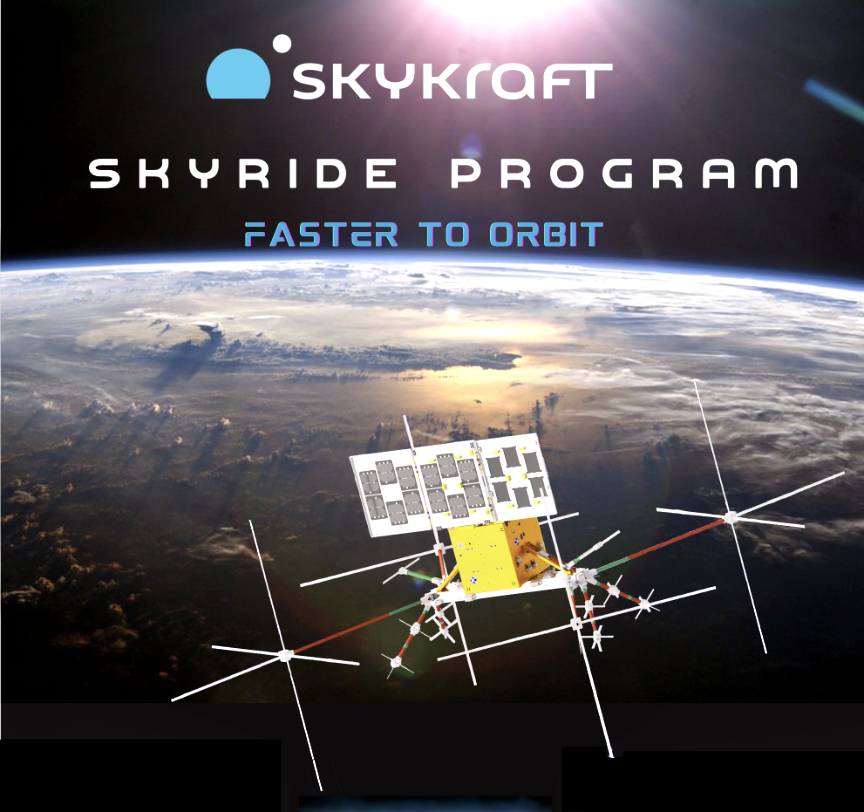
Dr. Doug Griffin, Chief Engineer of Skykraft, said, “By choosing SpaceX as our launch provider, we get regular and reliable flights to run an aggressive spiral development program and supercharge the services we can provide from space. SpaceX’s launch capability is transforming humanity’s relationship with space.”

Filed Under: News

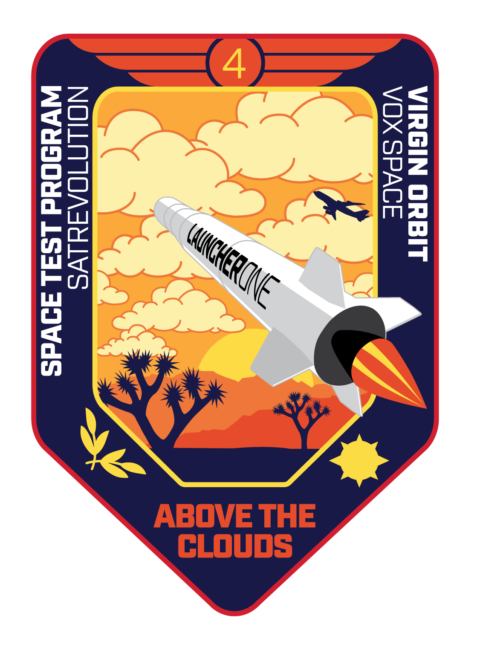
BlogIt: Virgin Orbit’s Next Mission ‘Above The Clouds’ Enters Launch Prep

December 1, 2021 by editorial

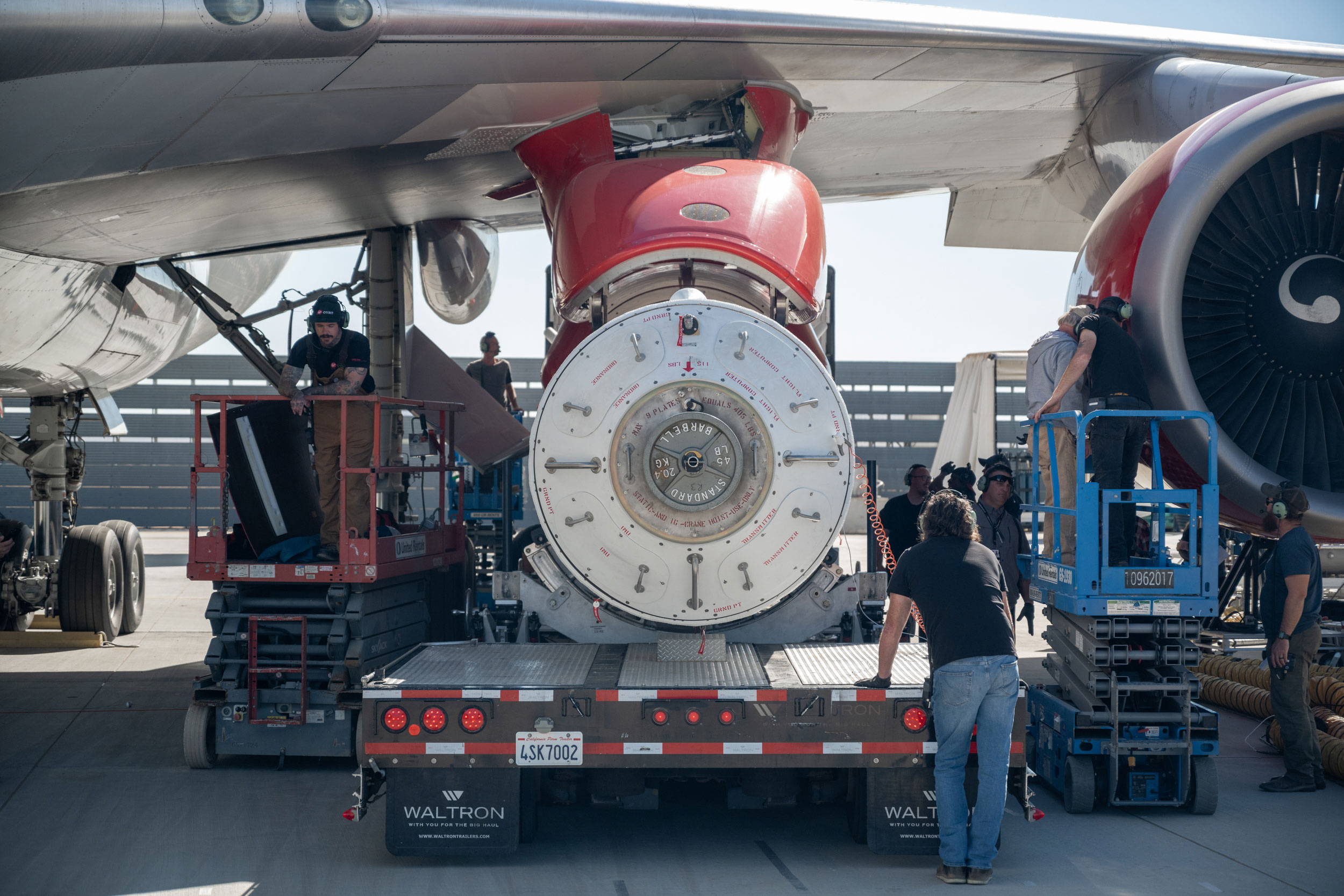
Coming off flawless back-to-back launches, the Virgin Orbit team has settled into a steady flight preparation rhythm with LauncherOne. The fully assembled rocket that will carry our next customers’ satellites to space left our rocket factory in Long Beach and headed up to the bare concrete pad at the Mojave Air and Space Port that serves as all the spaceport we need. Already, the rocket has been mated to the customized 747 that serves as our flying launch pad, mobile mission control and fully re-usable first stage all at once.

With our pre-launch preparation now officially underway, we’re delighted to tell you more about our next mission, which is on track to launch later this year. On the heels of our flawless Tubular Bells, Part One mission in June, which sounded our new era of routine commercial flights to orbit, we’re happy some of our Tubular Bells customers have now become our first repeat clients. We’re working with some old friends, but headed to some new places.

We invite you to turn your attention skyward, to a mission we have dubbed Above the Clouds.

Mission Manifest:

The U.S. Department of Defense, which is launching several Research and Development (R&D) satellites from multiple government agencies that are experiments in space-based communications and in-space navigation, as well as a university payload sponsored by NASA. This launch, also known as STP-27VPB, was awarded to Virgin Orbit’s subsidiary VOX Space by the DoD’s Defense Innovation Unit (DIU) as part of the DoD Space Test Program’s (STP) Rapid Agile Launch (RALI) Initiative. DIU is an organization working to accelerate the adoption of commercial technology into the U.S. military to strengthen national security.

Polish company SatRevolution, which is launching two smallsats: STORK-3 and SteamSat-2. STORK-3 join the STORK-4 and STORK-5 Marta satellites placed in orbit on our June 2021 mission as part of the SatRevolution’s EO capabilities, with a focus on serving customers in the agricultural sector to take medium-resolution photos. SteamSat-2 is a technology demonstrated for SteamJet Space System (UK)’s innovative water-fueled thrusters for in-space propulsion.

Launch Site: Our fully mobile LauncherOne system will conduct the flight from what is currently a bare concrete pad at the Mojave Air and Space Port in California

Target Orbit: mid-inclination Low Earth Orbit

Launch Timing: Q4 2021

Launch Coverage: Real time updates to be provided via social media and a public livestream

Mission Name: Above the Clouds

Filed Under: News

SmallSat Symposium 2022’s Early-Bird Discount In Play Plus Subject-Matter Expertise Galore

November 24, 2021 by editorial

Filed Under: Featured, News

New, Sustainable Space Firm Outpost Launches To Design + Manufacture Reusable Satellites

November 24, 2021 by editorial

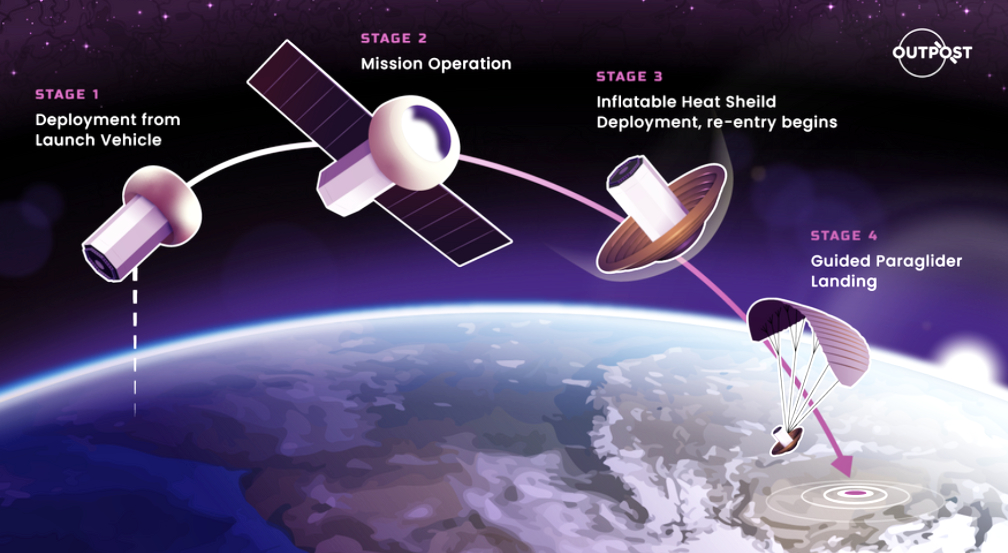
An Outpost infographic of the company’s return to Earth of orbital payloads. Image is courtesy of the company.

Outpost has launched as a sustainable space firm that is working to redefine what it means to be a space company with sustainability at its core. The company is starting by first solving one of the biggest problems — creating reusable satellites and enabling precision Earth Return of orbital payloads — and designing and manufacturing reusable satellites.

Today, much of the work in space is inefficient, wasteful and expensive. Outpost is radically reducing the cost and time of working in space, which unlocks an iterative, sustainable space economy for the future.

The company believes the future of space (and Earth) requires a focus on sustainability and it’s important that this industry develop from the start with sustainability at its core. All space companies must ultimately become sustainable space companies.

Outpost’s future in space must be built with sustainability at its core — efficient, precise Earth Return is essential for the development of new industries in space and the improvement of life on Earth. Outpost allows companies to iterate on technical developments in space and ensure mission success.

The company’s platform is able to deliver payloads to space and Outpost has two-stage re-entry to bring satellites home. The platform is a 200 kg. spacecraft and, to the best of the company’s knowledge, no spacecraft of that small size has attained orbit and then returned home. Importantly, this also allows for more precise deployment of satellites rather than them having to be dropped off at the same port.

Outpost can provide local delivery to where satellites need to be the platform enables local delivery of orbital payloads and their return to Earth with pinpoint landing accuracy. The immediate opportunity for Outpost is helping rethink how satellites are deployed and used, and re-usable satellites will unlock many new opportunities for research and sustainability. Even being able to return damaged satellites so they can be repaired and reflown will be a major advancement in the industry.

Outpost was founded in 2021 by Jason Dunn, Michael Vergalla, and Aaron Kemmer. Jason and Aaron were both previously founders of Made In Space, which was acquired in 2020 by Redwire. Michael (CTO) is an engineer, environmentalist, and adventurer. He has previously held positions at Moon Express, SpinLaunch and Airbus A3. He is also the founder of Free Flight Research Lab (FFRL) is a Non-Profit Research Institute developed to create positive global impact through applications of technology for advancing weather science & forecasting; conservation & resource preservation; and aerospace science, human factors and free flight safety.

Filed Under: News

Rocket Lab’s Exclusive License From Johns Hopkins University Applied Physics Laboratory To Manufacture Space Radio Technology

November 24, 2021 by editorial

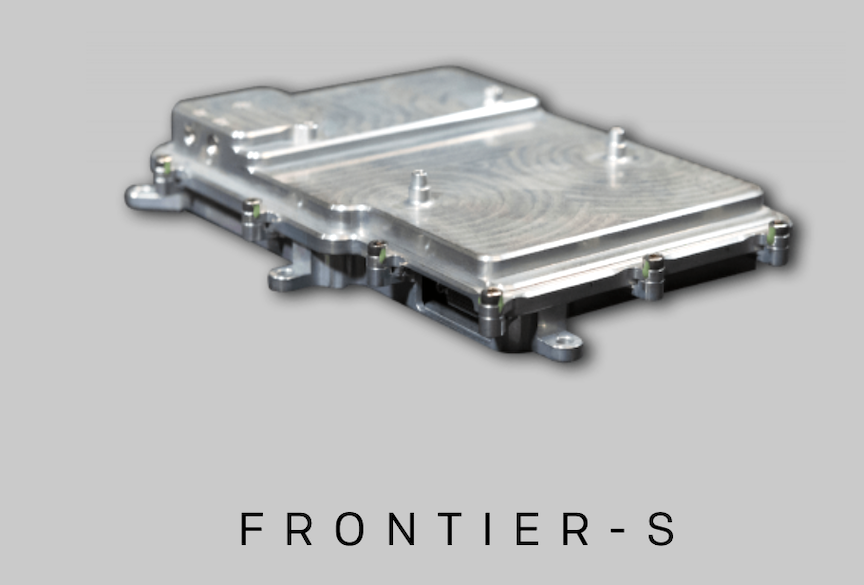
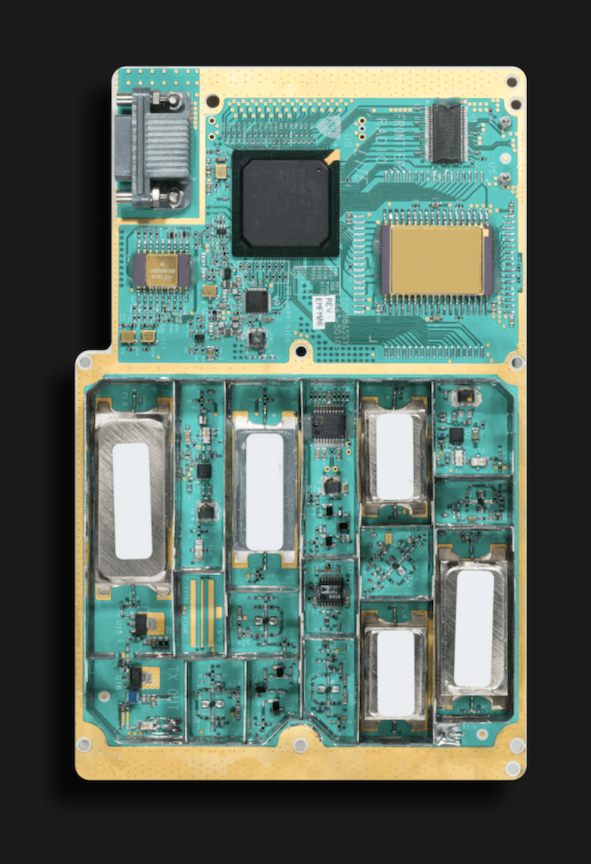
Rocket Lab USA, Inc. (Nasdaq: RKLB) (“Rocket Lab” or “the Company”), provider of launch services and space systems, announced it has entered into an exclusive license agreement with the Johns Hopkins University Applied Physics Laboratory (APL) to commercialize near and deep space capable small spacecraft telemetry and control radio technology. The Frontier-S by Rocket Lab software defined radio (SDR) enables affordable communications and radio navigation for planetary and other missions beyond low Earth orbit (LEO), as well as communications and radio navigation for missions in GPS-denied environments.

The Frontier-S by Rocket Lab, based on the APL Frontier Radio that flew on missions like the Van Allen Probes, Parker Solar Probe, and the Emirates Mars Mission, packs Deep Space Network and other common waveforms into a single board package with up-screened commercial components and low power digital signal processing for high reliability applications. Frontier-S by Rocket Lab includes extended functionality not typically available in a low-cost radio including a coherent transponder to enable radiometric navigation methods, timekeeping functions, and a hardware-based critical command decoder. Compatible with spacecraft as small as 6U cubsesats, the Frontier-S by Rocket Lab SDR offers a lightweight, low power, high radiation tolerant telemetry and command solution for deep space missions that is also affordable for missions in LEO demanding high reliability.

The APL-designed and Rocket Lab-manufactured Frontier-S SDRs are flying today on Pathstone, Rocket Lab’s second Photon mission, are currently being integrated into Rocket Lab’s upcoming CAPSTONE mission to the moon for NASA and are planned for Rocket Lab’s own private Photon mission to Venus. The Frontier-S by Rocket Lab is also the baseline telemetry and control radio for all Photon missions requiring an S-band radio. Rocket Lab is offering the Frontier-S SDR commercially as an off-the-shelf radio solution to other satellite integrators, joining a growing list of spacecraft component offerings like reaction wheels and star trackers.

“Frontier-S radios are another strategic addition to Rocket Lab’s growing space systems portfolio of in-house built products and capabilities, further strengthening our position as an end-to-end space company,” said Peter Beck, Rocket Lab Founder and CEO. “Enabling long-distance communication and telemetry in deep space is difficult for any mission, but especially for small satellites where mass and power constraints are a challenge. Frontier-S radios provide a compelling communications solution for interplanetary missions, as well as those closer to home in low Earth orbit. APL has a long history of making critical contributions to NASA and international missions to meet the challenges of space, applying science, engineering, and technology to develop leading spacecraft, instruments, and subsystems. We are excited to combine APL’s strong history of innovation with Rocket Lab’s proven ability for high-volume manufacturing to deliver an industry-leading communications solution at competitive costs and on reduced timelines.”

Filed Under: News

Maritime Launch Services First Payload Services Provider Is Nanoracks — Spaceport Nova Scotia Is ‘Unveiled’

November 23, 2021 by editorial

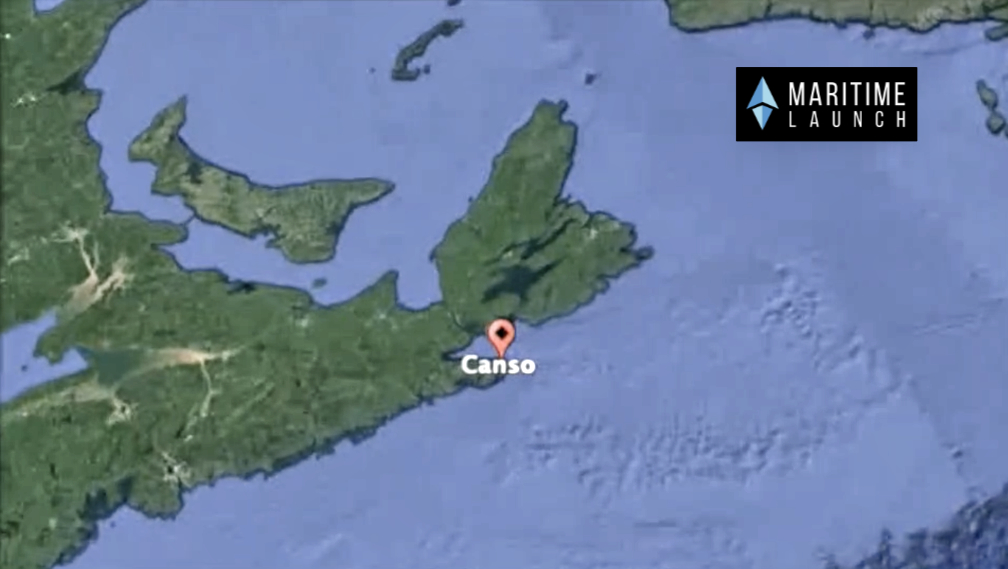
Maritime Launch Services spaceport location in Canso, Nova Scotia, Canada.

Maritime Launch Services, the owner of Canada’s first commercial spaceport, has announced that Nanoracks, a Voyager Space company and a leading, commercial, payload provider to the International Space Station (ISS), will serve as the company’s first client when Spaceport Nova Scotia’s operations go live in 2023. For this first mission, Nanoracks will deploy customer smallsats and host spacecraft technology demonstrations.

Nanoracks is currently engaged with Canada’s smallsat efforts. The company provides satellite deployment services from the ISS for the Canadian Space Agency’s Canadian CubeSat Project (CCP).

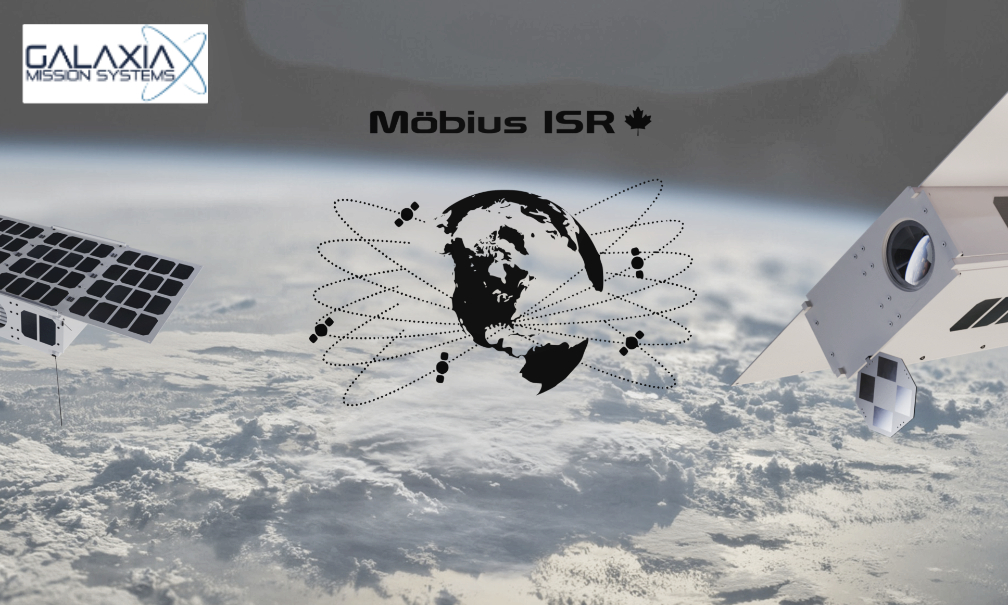
In addition to signing a contract with Nanoracks, Maritime Launch signed a  Letter of Intent (LoI) to launch with Nova Scotia-based GALAXIA Mission Systems, an aerospace company that will deploy smallsats aboard Spaceport Nova Scotia’s first flight. GALAXIA’s founder, Arad Gharagozli, is the former founder and president of Dalhousie University’s Space Systems Lab, which is funded by the Canadian Space Agency.

Maritime Launch unveiled preliminary designs for its Launch Control Centre (LCC), which is a facility on site that will manage all launch activities, including the deployment and initial control of satellites launched from Spaceport Nova Scotia. Designed by Architecture49, the LCC includes a visitor and educational center to showcase ​Nova Scotia’s diverse culture and environment and will provide a space accessible to students to discover the science of space and explore career opportunities in the sector.

The LCC will welcome students, tourists, and community members to learn about space, opportunities in STEM related education, and the exciting advancements within the aerospace sector. Interpretive planners and exhibit designers, AldrichPears Associates, will be developing the visitor center experience in collaboration with the local communities and the architectural team.

Construction and operation of Spaceport Nova Scotia will be sourced directly from a regional supply chain. As Canada’s first Spaceport advances toward full construction, Maritime Launch will be a significant contributor to economic recovery, as the province and region emerge from the COVID-19 pandemic.

“The team at Nanoracks is excited to partner with Maritime Launch to accelerate the growing space ecosystem in Canada,” said Jeffrey Manber, President of International and Space Stations, Voyager Space, and Co-Founder of Nanoracks. “Spaceport Nova Scotia represents a globally competitive location for launch, while the Cyclone-4M is a descendant of perhaps the most reliable launch vehicle ever built. Our work with CSA has shown us the breadth of expertise and interest across the country. This mission with Maritime Launch will provide an opportunity for Canadian companies and universities to access orbit onboard a domestic launch vehicle, developing key technologies while showing the value of international partnerships.”
“This announcement is an important step for Canada’s future in the growing commercial space sector in Canada. We are incredibly proud to be collaborating with Nanoracks, an innovative company with over a decade of experience in the commercial space sector,” said Steve Matier, President and CEO of Maritime Launch. “For Canada’s first launch to space, we could not have selected a better partner. Nanoracks is a champion for the Canadian space sector and has an ongoing relationship with the Canadian Space Agency to deploy Canadian satellites. We are thrilled that the Government of Canada, Province of Nova Scotia, and the Municipality of the District of Guysborough are here with us to mark this occasion, and we are grateful for their continued commitment to support the commercial aerospace sector.”

At the event, Maritime Launch was pleased to welcome the Honorable Sean Fraser, Minister of Immigration, Refugees and Citizenship, and the Honorable François-Philippe Champagne, Minister of Innovation, Science and Industry, who brought remarks on behalf of the Government of Canada.

“Canada's space sector is giving entrepreneurs, creators, engineers, scientists, and researchers the opportunity to make incredible advancements in science and technology and be part of the growing global space economy,” said Minister Champagne. “I congratulate the collaboration and innovation that has gone into making this announcement a reality today. This commercial launch venture will inspire young people to look to careers in STEM, while offering economic opportunities in Nova Scotia, Canada, and in Ukraine. The results of these efforts will help put Canada at the forefront of space innovation while creating the good jobs of tomorrow.”
Lisa Campbell, President of the Canadian Space Agency, and Chairman Volodymyr Taftai, Head of Ukraine’s State Space Agency, shared remarks and leaders from Yuzhmash and Yuzhnoye State Design Office (SDO) were in attendance.

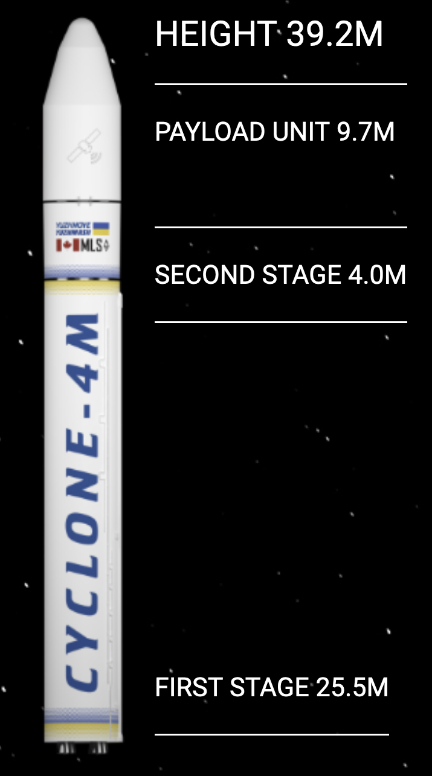
The Cyclone-4M launch vehicle (pictured to the right), which will be the first launch from Spaceport Nova Scotia, is developed by Yuzhnoye SDO and manufactured by Yuzhmash, both of Dnipro, Ukraine. These companies are proven leaders in the aerospace industry with more than 65 years of experience, with 877 successful launches to date.

SpaceQ has posted on Twitter a view of the Spaceport Nova Scotia launch site at this direct link...

Maritime Launch is a Canadian-owned commercial aerospace company based in Nova Scotia. Maritime Launch is developing Spaceport Nova Scotia, a launch site that will provide satellite delivery services to clients in support of the growing commercial space transportation industry over a wide range of inclinations. The development of this facility will allow the Cyclone-4M and other prospective launch vehicles to place their satellites into low-earth orbit, building to a launch tempo of eight launches per year. This will be the first commercial orbital launch complex in Canada. Maritime Launch’s suppliers, Yuzhnoye and Yuzhmash, are the developers of the Cyclone-4M payload delivery system and they are proven leaders in the aerospace industry with over 65 years of experience with 877 successful launches to date.

Filed Under: News

Astra’s Rocket 3.3’s Fourth Launch Attempt Is Successful From Kodiak Island, Alaska

November 22, 2021 by editorial

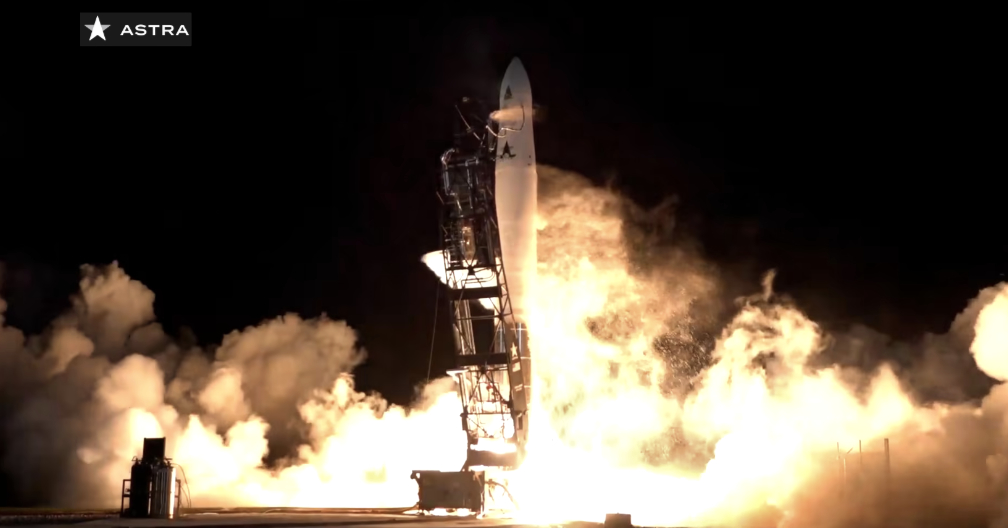
Astra Space, Inc. (“Astra”) (Nasdaq: ASTR) successfully completed their first, commercial, orbital launch for the United States Space Force (USSF) on November 19, 2021, PST. The launch, STP-27AD2, was conducted from Astra’s Kodiak Spaceport, located at the Pacific Spaceport Complex in Kodiak, Alaska.

Astra’s launch system successfully demonstrated the orbital placement of a test payload to an inclination of 86.0 degrees at an altitude of 500 km. The payload achieved an orbital velocity of 7.61 kilometers per second in 8 minutes and 47 seconds.

The United States Space Force contracted this launch through a Defense Innovation Unit Other Transaction Agreement.

Astra was founded in 2016 to launch a new generation of space services enabled by large constellations of smallsats in LEO. The team set out to design a rocket that could be mass produced like an automobile, and a launch system that could deliver payloads into orbit from spaceports everywhere, inspired by the opportunity to provide daily access to space. In just five years, Astra successfully “learned its way” to orbit, launch by launch, increasing capabilities, decreasing costs and increasing operational efficiencies with each iteration.

“Reaching orbit is a historic milestone for Astra,” said Chris Kemp, Founder, Chairman and CEO of Astra. “We can now focus on delivering for our customers and scaling up rocket production and launch cadence.”
“We owe this success to our incredible team and the culture we’ve built at Astra,” said Adam London, Co-Founder and CTO of Astra. “I’m humbled by their courage and commitment to keep building, launching, learning, and iterating until we succeeded.”

Astra’s mission is to improve life on Earth from space by creating a healthier and more connected planet. Today, Astra offers the lowest cost-per-launch dedicated orbital launch service of any operational launch provider in the world. Astra delivered its first commercial payload into Earth orbit in 2021, making it the fastest company in history to reach this milestone, just five years after it was founded in 2016. Astra (NASDAQ: ASTR) was the first space launch company to be publicly traded on Nasdaq.

Filed Under: Featured, News

The DoD’s Pivot To LEO Smallsats Has Analysts Predicting A Commercial Satellite Industry Boon

November 22, 2021 by editorial

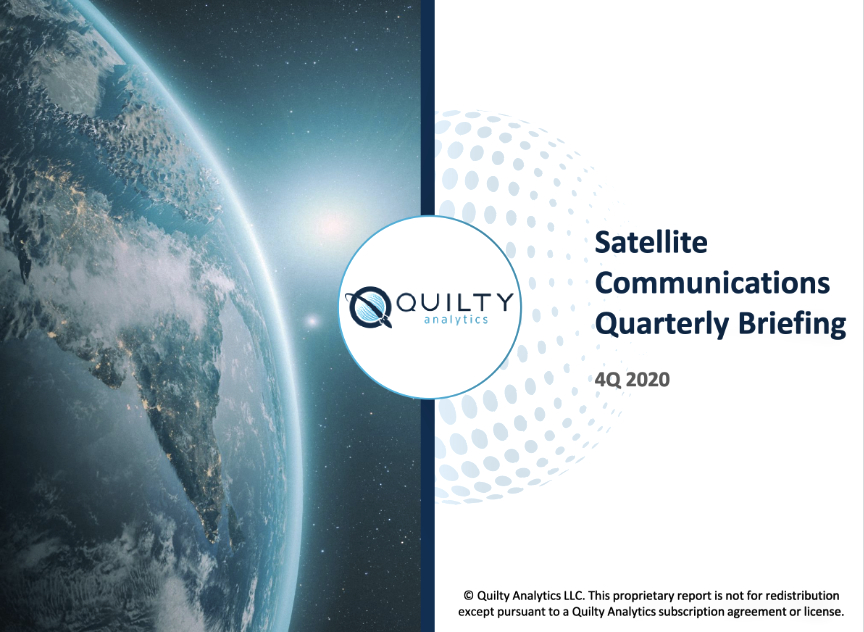
The U.S. Military’s strategic “Pivot to LEO” plan to implement a global mesh network of optically connected satellites in LEO will be a significant growth driver for the commercial satellite industry, according to a newly released report by Quilty Analytics, a leading research and advisory firm for the Satellite & Space sector.

Featuring input from the Space Development Agency (SDA), space industry executives and commentary from Wall Street space sector analyst Chris Quilty, the 60-page report summarizes the SDA’s race to implement a proliferated LEO (PLEO) space architecture that will enable the U.S. to maintain its strategic and tactical advantages by delivering advanced capabilities for missile tracking, narrowband and broadband communications, GPS augmentation, and other military objectives.

The Quilty Analytics Satcom Quarterly highlights key sector developments and offers in-depth analysis on timely issues affecting the Satellite & Space industry. The Q3’21 edition covers topics including space sustainability, FCC spectrum filing rounds, the Viasat/Inmarsat acquisition, and management shifts at Eutelsat and Intelsat. The report also provides the latest information on commercial GEO satellite launches, satellite operator revenue KPIs, and constellation updates for Amazon, OneWeb, SES, SpaceX and Telesat.

“Overall, we see DoD’s pivot to LEO as a positive not just for the U.S. military, but also for LEO operators, satellite manufacturers, terminal makers, and the commercial satellite industry as a whole,” Quilty stated. “We expect the NDSA to bolster established and New Space companies working to develop new technologies. The NDSA innovations will benefit national defense along with commercial SATCOM operators and the markets they serve.”

Filed Under: News

Strategic Agreement Signed By Voyager Space + Space Micro

November 22, 2021 by editorial

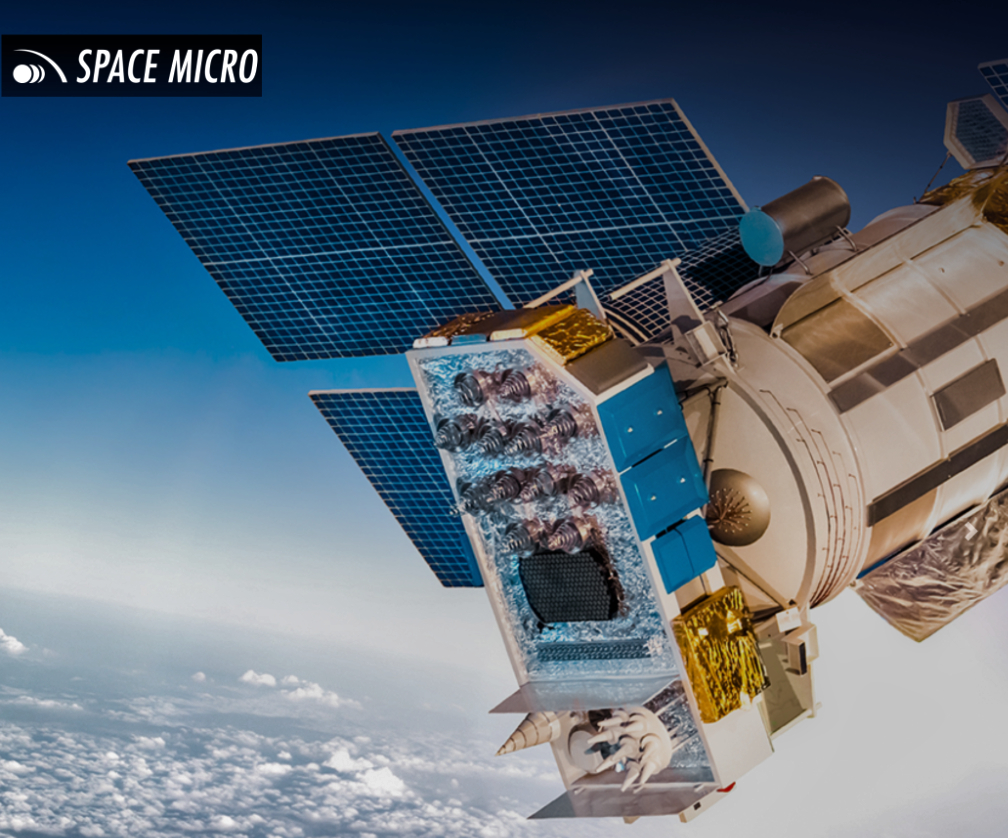
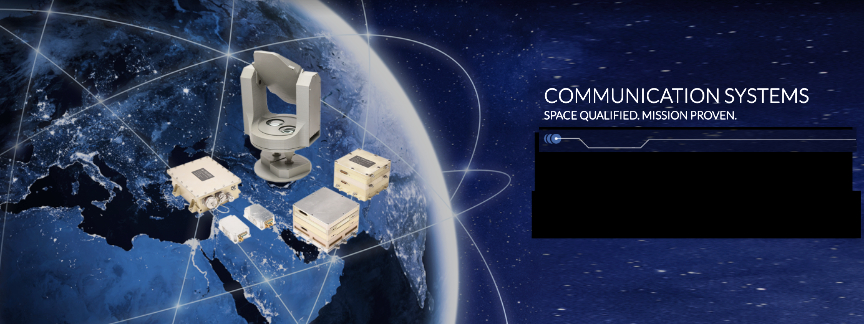
Voyager Space Inc. (Voyager) is intending to acquire a majority stake in Space Micro, an innovative engineering-driven business focused on advancing high-performance satellite communications (SATCOM), digital and electro-optical systems with more than 2.7 million hours of space flight heritage.

Space Micro developed the world’s highest data rate Laser Communications Terminal in orbit. As part of the agreement, Voyager intends to provide strategic operations support to help advance Space Micro’s technology throughput to civil, commercial and defense customers.

Founded in 2002, Space Micro delivers best-in-class satellite technology to the growing commercial market. Space Micro delivered its first computer and image-processing subsystem in space within the first four years as an organization, then went on to develop its first advanced Software Defined Radios for NASA’s Interface Region Imaging Spectrograph (IRIS), Lunar Atmosphere Dust and Environment Explorer (LADEE) and The Transiting Exoplanet Survey Satellite (TESS).

The company now has multiple active contracts with NASA, including the development of real-time data sorting inference processing units (IPUs) for Earth Observation (EO) missions and for providing X-band transponders for two lunar missions selected under the Artemis program. Space Micro also has a long history in providing critical technology for the U.S. Department of Defense, including Intelligence, Surveillance and Reconnaissance (ISR) space payloads, laser secure communications terminals, and digital RF-to-optical and optical-to-RF signal converters.

Space Micro’s customers include NASA, the U.S. Space Force (USSF), U.S. Air Force (USAF), Space Systems Command (SSC), U.S. Special Operations Command (SOCOM), Space IL (recipient of the Google X-Prize Moonshot Award), the German Space Agency, and many more. Most recently, Space Micro was awarded a contract to deliver ten NanocomTM Software Defined Radios (SDRs) via Lockheed Martin in support of the Space Development Agency’s Tranche 0 satellite constellation.

This announcement rounds out nearly two years of immense growth for Voyager Space, following most recently the acquisition of Valley Tech Systems.

“For almost two decades Space Micro has developed game-changing technologies and provided trusted high-performance satellite communications systems,” said Space Micro Co-Founder and Chairman, David Strobel. “Today marks a huge step in our growth trajectory. The satellite constellation market stands at the tipping point of explosive expansion and now, with the Voyager team and operational functions by our side, we will be prepared to scale our technologies to meet these market needs.”
“Expanding our already rapidly-growing laser and optical communications systems is a top priority going forward,” said Space Micro Co-Founder and CEO, David Czajkowski. “We have an unbeatable record of zero in-orbit failures since our first launch, and that’s a record we seek to maintain as we continue to grow these critical, high-demand satellite technologies.”
“Space Micro is a perfect addition to Voyager’s growing NewSpace portfolio of entrepreneurs and technology capabilities,” said Matthew Kuta, President and COO of Voyager Space. “What Space Micro has accomplished on their own is outstanding - and they have a diverse customer base to prove it. Now in partnership with Voyager, Space Micro will have the opportunity to expand its technology footprint and remain at the forefront of innovation for advanced satellite and communications systems.”

Filed Under: News

Aegis Aerospace Awards STPSat-7 Smallsat Mission Power Systems To AAC Clyde Space

November 22, 2021 by editorial

AAC Clyde Space AB has won an order from U.S.-based Aegis Aerospace to supply the Starbuck power systems and battery solutions, worth $500,000, for a satellite mission carried out on behalf of the U.S. Department of Defense (DoD).

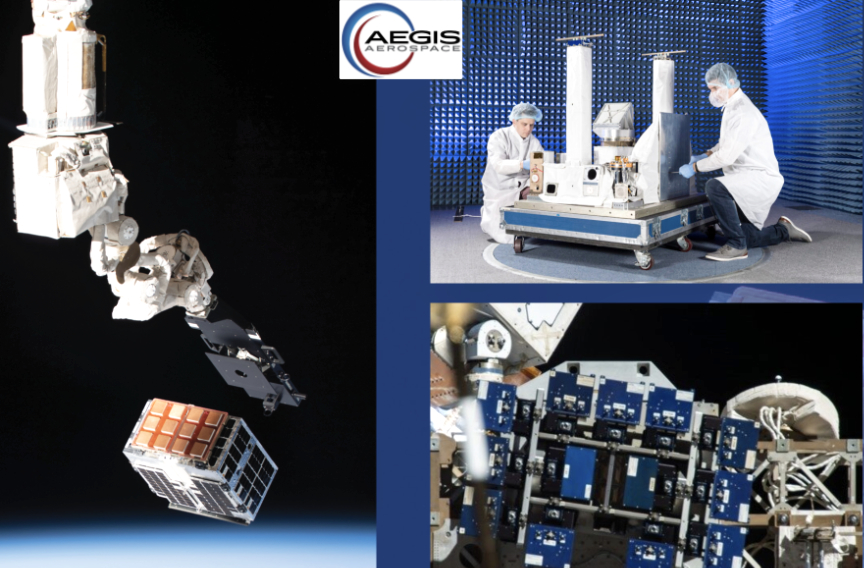
The mission, the STPSat-7, is a 150 kg. smallsat that will host research and technology demonstration payloads for the Department of Defense Space Test Program and will operate in LEO. The order is expected to be delivered in Q4, 2022.

The STPsat-7 smallsat. Image is courtesy of Aegis Aerospace.

This mission is part of the Space Test Program (STP), the primary provider of spaceflight for the DoD space science and technology community. The program has been in existence for more than 50 years, with a multitude of launches, and serves as a vehicle for testing novel technologies.

"We are proud to have won this prestigious order. The proven reliability, modular design, and flexibility were key in Aegis Aerospace's decision to choose our Starbuck power systems for the mission," said AAC Clyde Space CEO Luis Gomes.

Filed Under: News

  • « Go to Previous Page
  • Page 1
  • Interim pages omitted …
  • Page 207
  • Page 208
  • Page 209
  • Page 210
  • Page 211
  • Interim pages omitted …
  • Page 338
  • Go to Next Page »

Primary Sidebar

WEEKLY NEWSLETTER

Archives

  • March 2026
  • February 2026
  • January 2026
  • December 2025
  • November 2025
  • October 2025
  • September 2025
  • August 2025
  • July 2025
  • June 2025
  • May 2025
  • April 2025
  • March 2025
  • February 2025
  • January 2025
  • December 2024
  • November 2024
  • October 2024
  • September 2024
  • August 2024
  • July 2024
  • June 2024
  • May 2024
  • April 2024
  • March 2024
  • February 2024
  • January 2024
  • December 2023
  • November 2023
  • October 2023
  • September 2023
  • August 2023
  • July 2023
  • June 2023
  • May 2023
  • April 2023
  • March 2023
  • February 2023
  • January 2023
  • December 2022
  • November 2022
  • October 2022
  • September 2022
  • August 2022
  • July 2022
  • June 2022
  • May 2022
  • April 2022
  • March 2022
  • February 2022
  • January 2022
  • December 2021
  • November 2021
  • October 2021
  • September 2021
  • August 2021
  • July 2021
  • June 2021
  • May 2021
  • April 2021
  • March 2021
  • February 2021
  • January 2021
  • December 2020
  • November 2020
  • October 2020
  • September 2020
  • August 2020
  • July 2020
  • June 2020
  • May 2020
  • April 2020
  • March 2020
  • February 2020
  • January 2020
  • December 2019
  • November 2019
  • October 2019

© 2019–2026 SatNews

Insert/edit link

Enter the destination URL

Or link to existing content

    No search term specified. Showing recent items. Search or use up and down arrow keys to select an item.
      x
      Sign Up Now!

      Enjoy a free weekly newsletter with recent headlines from the global SmallSat industry.

      Invalid email address
      We promise not to spam you. You can unsubscribe at any time.
      Thanks for subscribing! You will now receive weekly SmallSat News updates.
      We love our advertisers.
      And you will too!

      Please disable Ad Blocker to continue... We promise to keep it unobtrusive.
      We promise not to spam you. You can unsubscribe at any time.
      Invalid email address
      Thanks for subscribing!