• Skip to main content
  • Skip to primary sidebar
  • Home
  • News
  • Featured
  • More News ⌄
    • SatNews
    • SatMagazine
    • MilSatMagazine
  • Events ⌄
    • MilSat Symposium
    • SmallSat Symposium
    • Satellite Innovation
  • Contacts
  • SUBSCRIPTION

SmallSat News

You are here: Home / Archives for News

News

Alba Orbital Rolls Out Their New Unicorn Satellite Payload Boards

September 8, 2020 by editorial

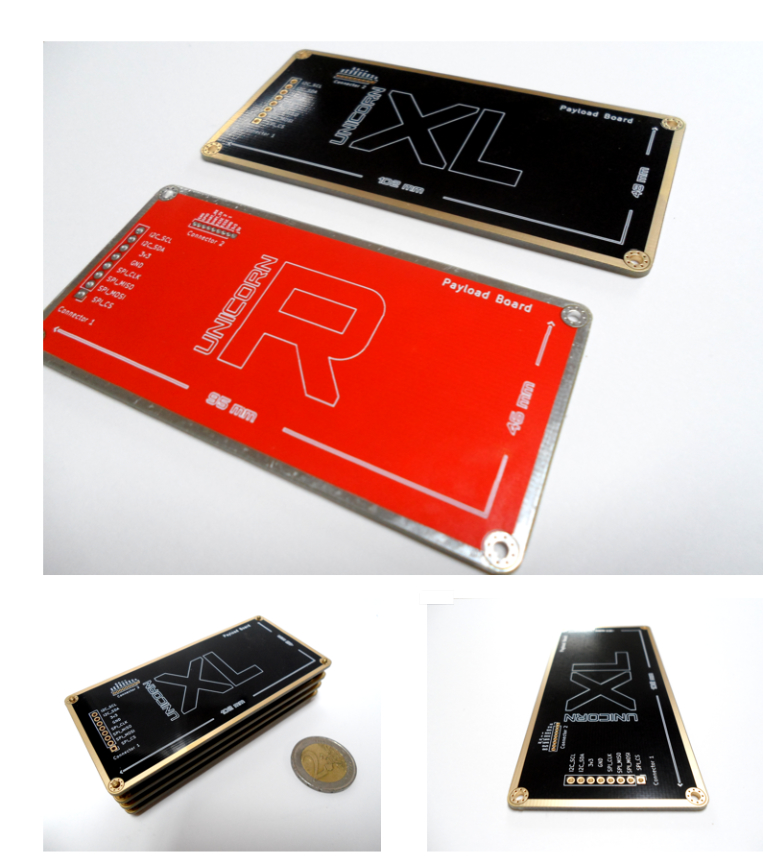
Alba Orbital has introduced their new Unicorn-2 satellite payload boards, Unicorn-R and Unicorn-XL.

Free PCB samples are available upon request to enable the planning for the next spacecraft missions immediately.

With Alba Orbital’s Unicorn-2 satellite platform, all that has to be done for a successful 0n-orbit mission is to plug-in the payload and let the company take care of the rest, making space access easier than ever.

The Unicorn-R + XL payload boards are designed to help users get hands-on with starting their mission plan and to become familiar with the payload space available on Unicorn-2.

Download the electrical and mechanical templates from the firm’s website, and request your free Unicorn payload boards to start your mission.
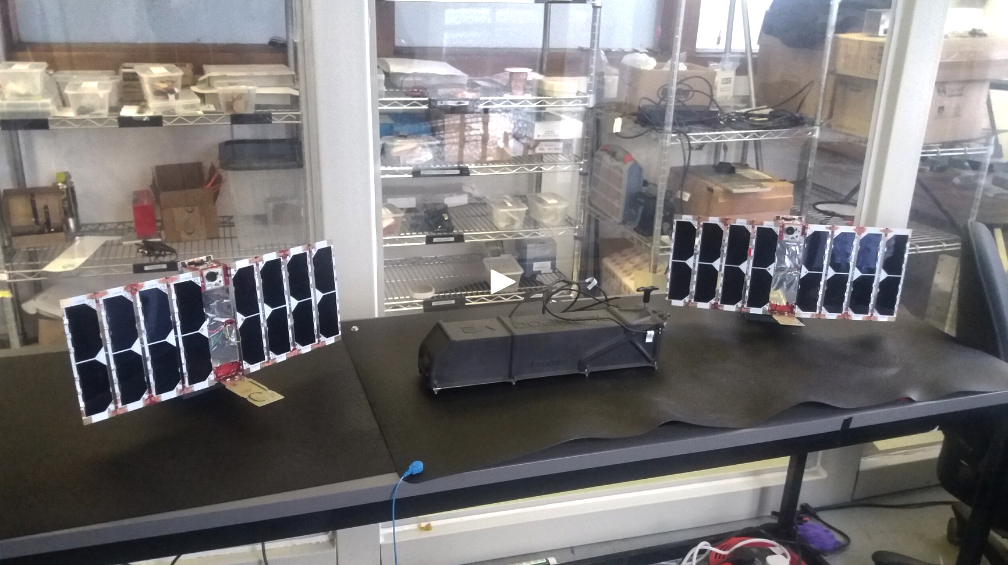
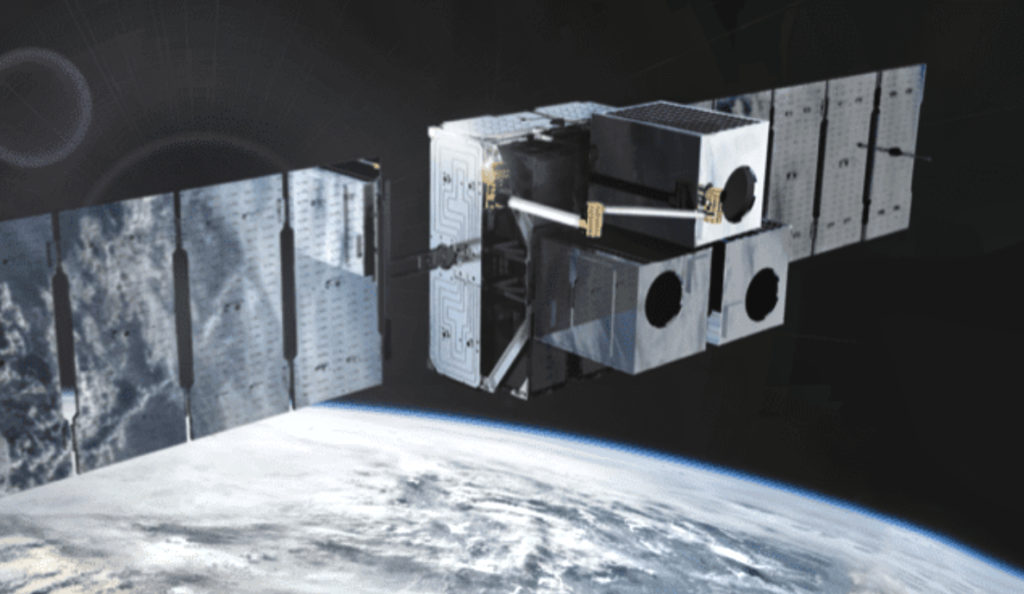
The Alba Orbital Unicorn-2 smallsat platform.

Filed Under: News

Joint Spaceflight Mission Planned By Made In Space Europe + Momentus… + An Agreement With FOSSA

September 4, 2020 by editorial

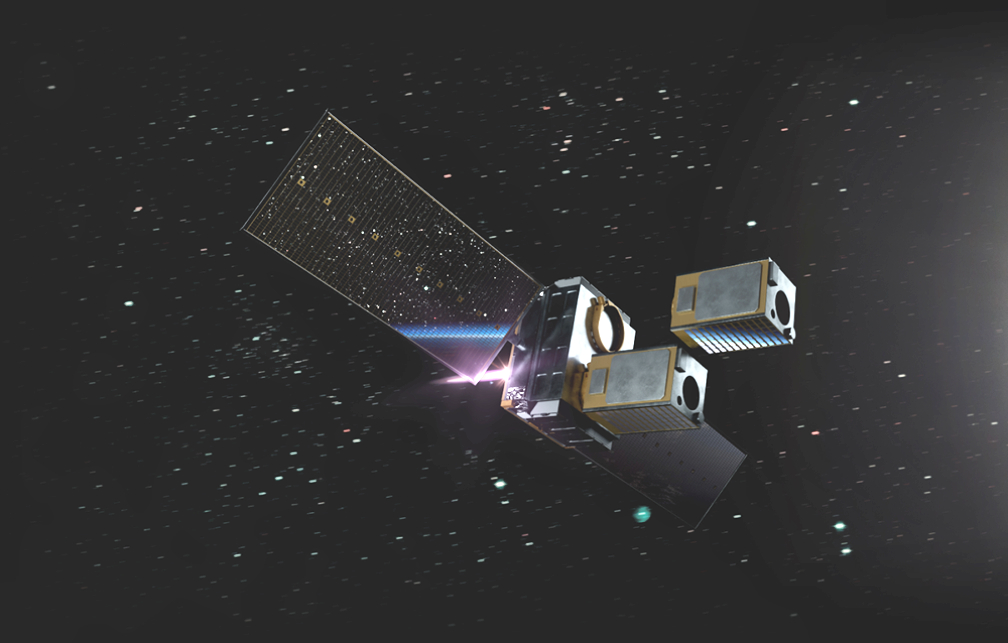
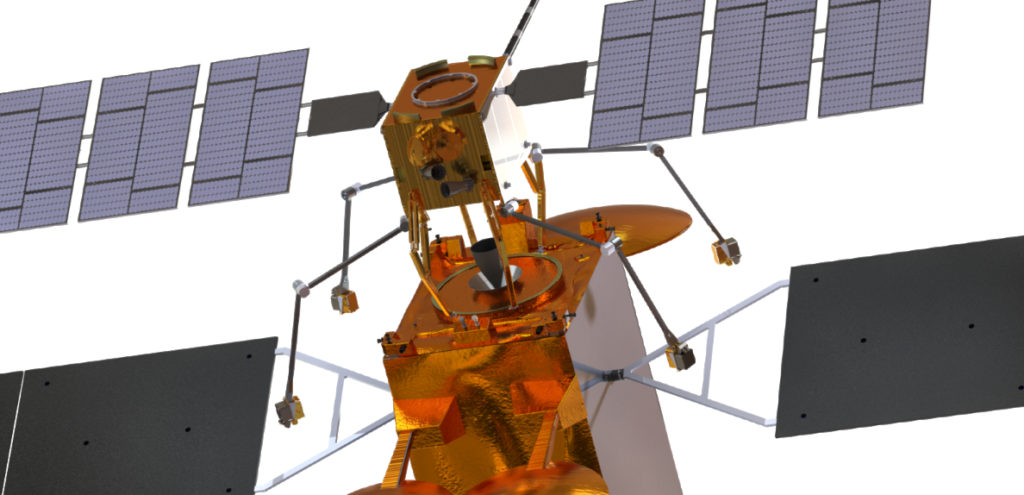
Artistic rendition of a Momentus satellite with a Made In Space robotic arm attached.

Made In Space Europe, a Redwire subsidiary, now has an agreement with Momentus to jointly develop a robotic spaceflight mission that is scheduled to launch in 2022.

Under the MoU, the companies will mount a Made In Space robotic arm on a Momentus Vigoride transfer vehicle. With the robotic arm, Vigoride could grab onto a satellite in space to move it to a new orbit.

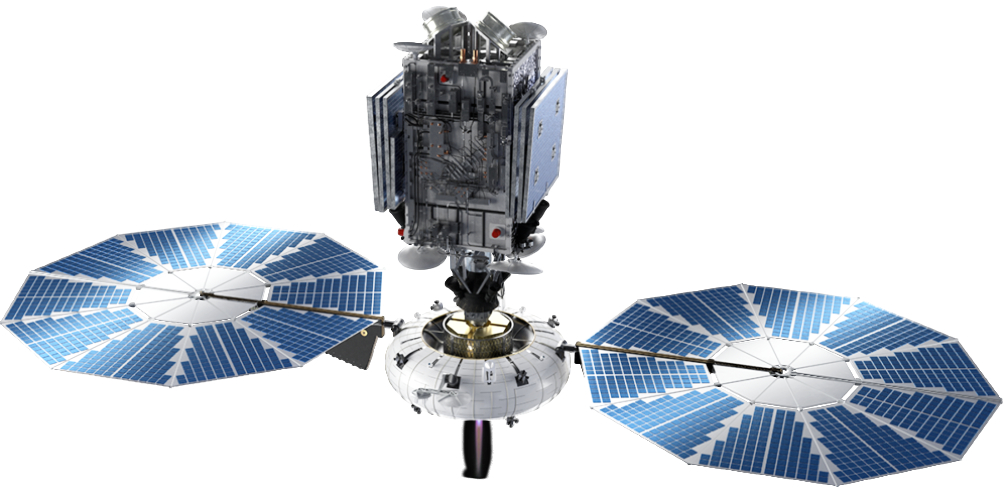
Momentus Space Vigoride satellite in space.

Executive Comments

Harrison Pitman, the Product Development Specialist for Made In Space Europe, stated, “To provide transportation services to these assets, a robotic arm is used to capture the external satellites before initiating transportation operations. Robotic arms are preferred to traditional docking methods as this enables a wider array of spacecraft to be serviced by Vigoride.”

Jaroslaw Jaworski, the Made In Space Europe GM, noted that the 2022 demonstration mission will show “how robotic arms can improve in-space transportation. We are looking to critically evaluate the viability of these two highly advanced, commercial technologies working within a fully integrated system.”

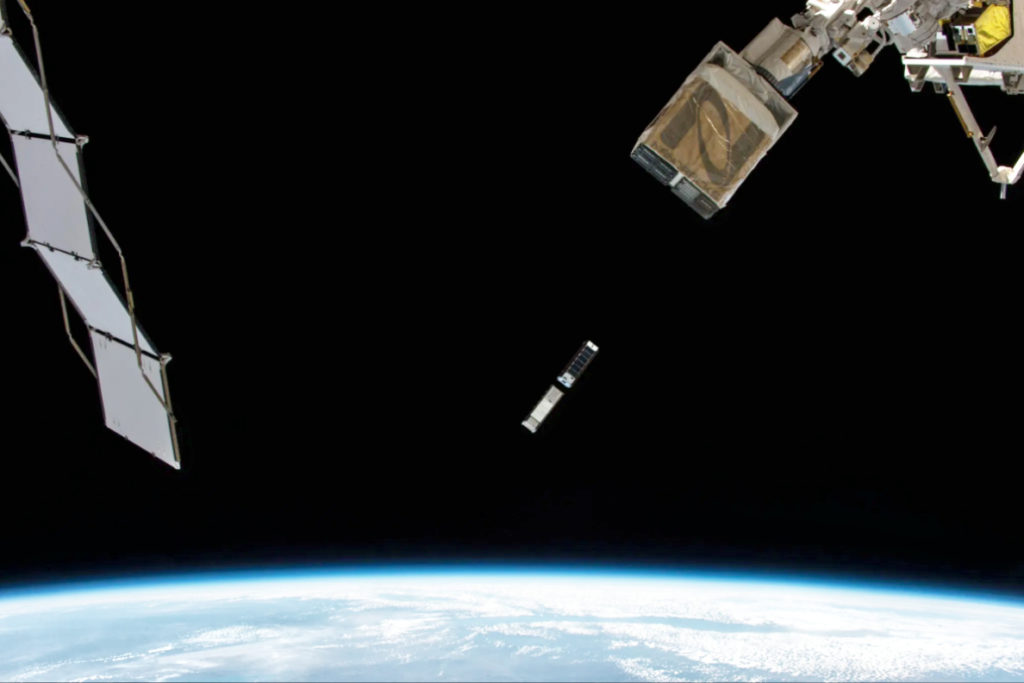
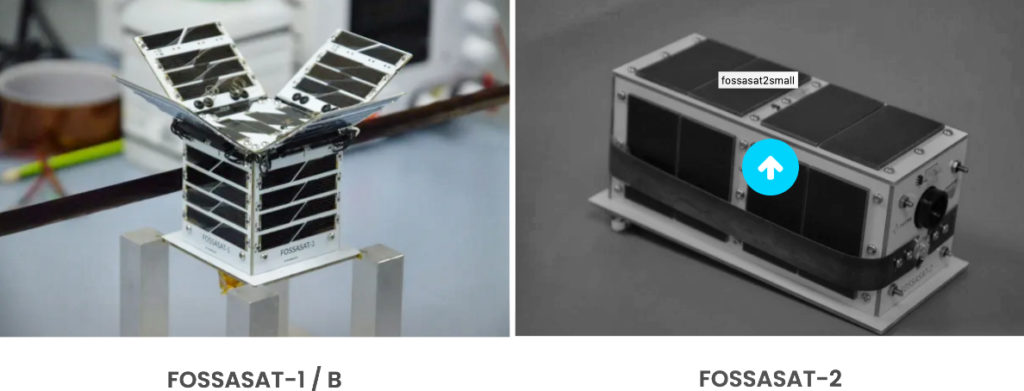
Additionally, Momentus has signed an agreement to integrate two PocketPod deployers containing nine PocketQube spacecraft from Spain’s Fossa Systems with the second Vigoride demonstration mission, scheduled to launch in February 2021 on a SpaceX Falcon 9 rocket.

PocketQubes are miniature spacecraft measuring five centimeters on a side. Similar to cubesats, multiple PocketQubes can be combined to create satellites of various sizes.

The PocketQubes Fossa plans to launch carry communications and Earth Observation (EO) payloads, weather sensors and an experimental propulsion system. Three Fossa PocketQubes are designed to provide Long-Range (LoRa) internet-of-things communications. LoRa is a low power wide area network protocol.

Executive Comments

“FOSSA is very pleased to be partnering with Momentus in these initial steps, we are looking forward to working with Momentus to establish a stable low-cost orbital access service for the long-run,” Julian Fernandez, Fossa CEO, said in a statement.

Mikhail Kokorich, Momentus CEO, said in a statement the new partnership “demonstrates the versatility of the Vigoride shuttle service.”

Momentus previously signed a launch service agreement with British PocketQube manufacturer Alba Orbital. Vigoride missions carrying picosatellites “will pave the way for affordable constellations of picosatellites in the near future,” Momentus said in a recent news release.

Momentus Space’s Fevoride-2 spacecraft.

Filed Under: Featured, News

Third Kepler Space Data Backhaul Smallsat — TARS — Launched By Arianespace

September 4, 2020 by editorial

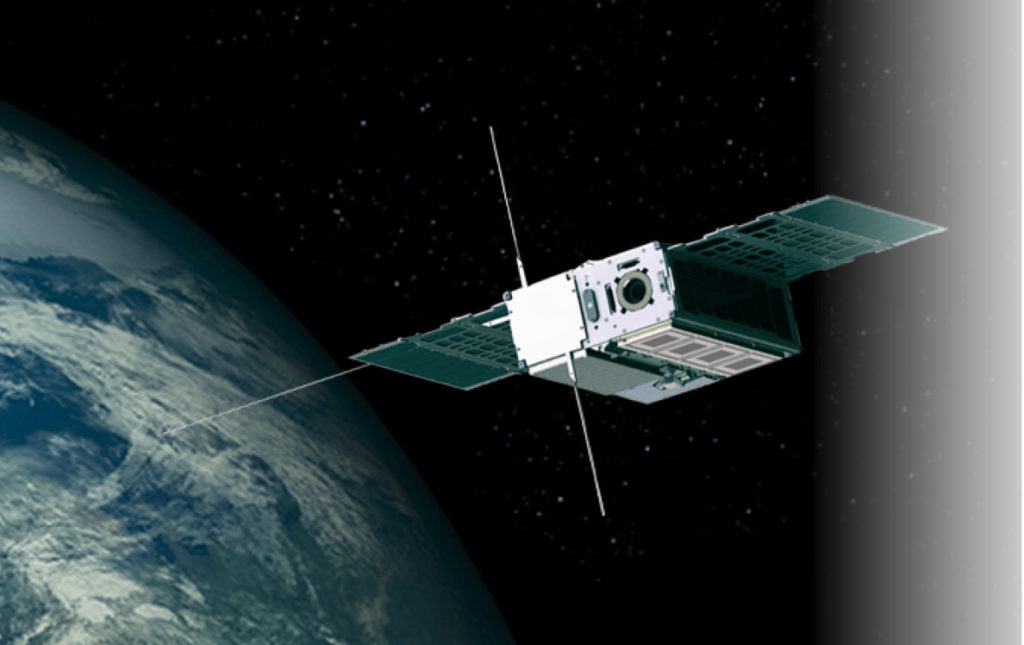
Artistic rendition of Kepler’s TARS smallsat on-orbit.

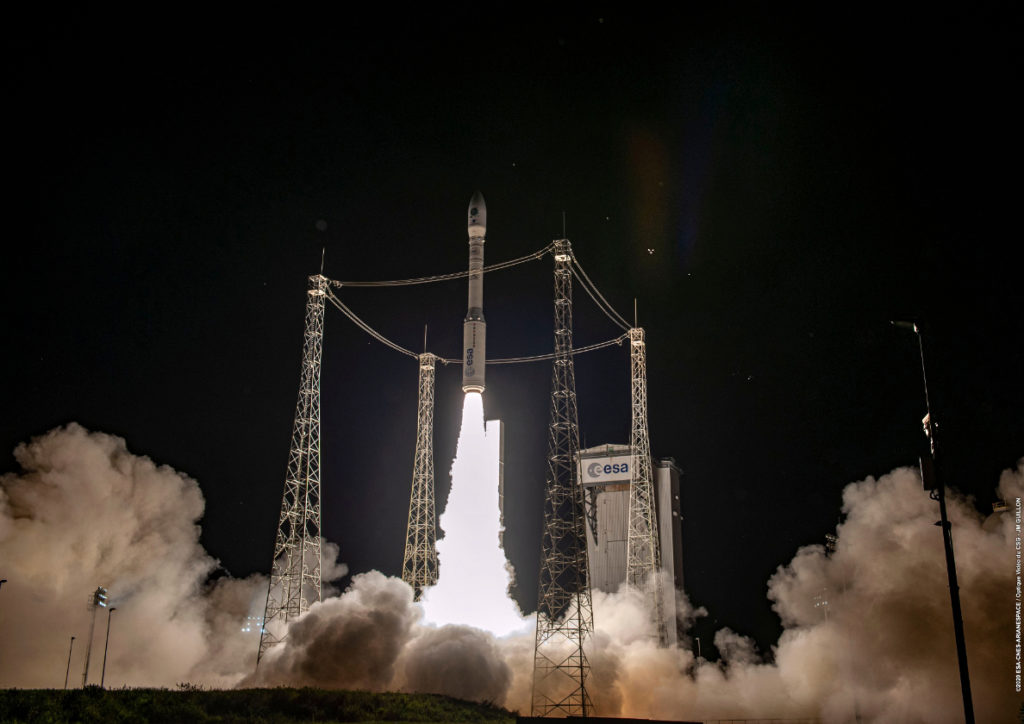
Kepler’s LEO constellation has expanded with the successful launch of the company’s third satellite — the satellite, internally referred to as TARS, was launched onboard the Arianespace Vega SSMS (Small Spacecraft Mission Service) from the Guiana Space Centre at approximately 01:51 UTC, with communication established shortly thereafter.

Developed as part of the UK’s Satellite Applications Catapult’s In-Orbit Demonstration (IOD) program, IOD-5 TARS is the final pathfinding satellite launched by Kepler ahead of the deployment of their GEN1 satellites set to launch in the coming months. The satellite bus and integration work was completed in partnership with AAC Clyde Space at their facility in Scotland, with launch services provided by Innovative Space Logistics B.V (ISL).

The satellite joins Kepler’s two other satellites, both launched in 2018, and will bring additional capacity to Kepler’s Global Data Services (GDS) data backhaul offering. This capacity will enable Kepler to increase the service level of GDS for existing users as well as add new users who have been awaiting the service.

In addition, TARS will advance the capabilities of Kepler’s constellation with the addition of narrowband support for IoT applications. Kepler became the first to provide Ku service from LEO with the launches in 2018, and with TARS will become the first to provide both Ku and narrowband from a single platform in LEO, a feat made possible by Kepler’s proprietary Software Defined Radio technology.

Demand for Kepler’s IoT service has been building since the announcement of the Kepler IoT DevKit, which will now be released to early program participants.

Kepler’s currently available Global Data Service (GDS) covers every part of the globe, from pole to pole, and allows the movement of Gigabytes of data to and from the user’s location at economic rates. With this launch, Kepler’s EverywhereIoT service will offer the same global coverage for IoT applications, with data plans that support a wide range of applications across a wide range of industries and use cases.

Executive Comments

Mina Mitry

“TARS represent another important and incremental step in Kepler’s Mission to deliver the Internet in space,” said Mina Mitry, CEO at Kepler. “We’ve seen great demand for our GDS Service, and we have significant pent-up demand for our IoT service. Based on customer discussions we’ve heard of the clear need for a global, affordable IoT solution across a range of industries, from monitoring to asset tracking to smart agriculture and beyond. With TARS and the GEN1 satellites to follow, we’ll start to address those needs.”

Jeffrey Osborne

Jeffrey Osborne, VP of Business Development at Kepler, added, “The development and launch of TARS represents a truly successful outcome for the Catapult’s IOD program. Our partnership with SAC contributed not only to the build and launch of TARS, but was also fundamental in our choice to have the UK as the site of our first international expansion and first international hire. We look forward to continuing to advance our business in the UK and Europe, and further collaboration with the space ecosystem there.”

Stuart Martin

Stuart Martin, CEO, Satellite Applications Catapult, commented,“We have been delighted to work with Kepler Communications on this mission and to build on our Canada-UK relationship. With LEO satellite communications becoming a necessary and fast-growing sector, we are looking forward to seeing IOD-5 TARS support this growth with its new IoT service capabilities.”

Filed Under: News

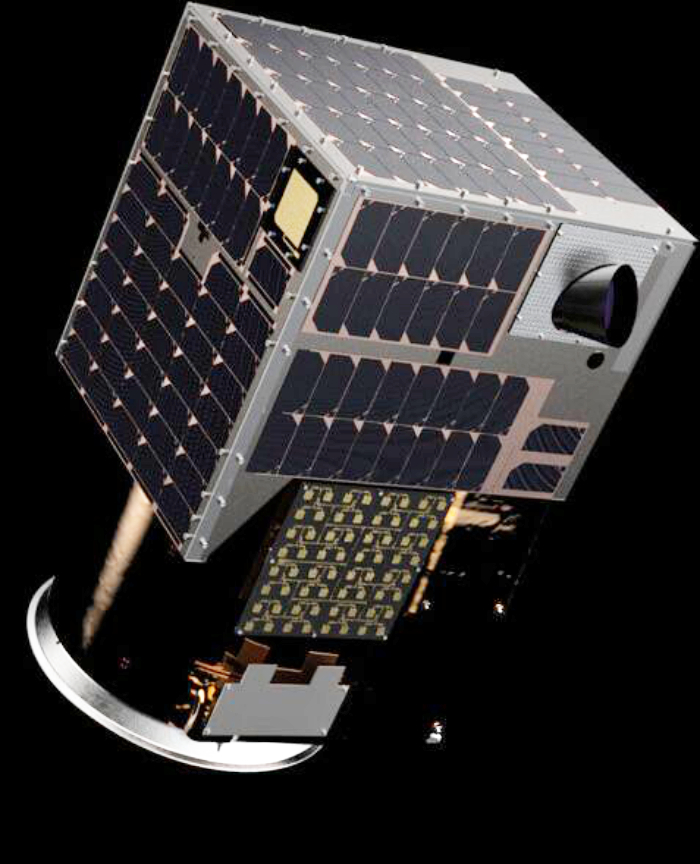
Satellogic’s Hypatia Smallsat Successfully Launched

September 4, 2020 by editorial

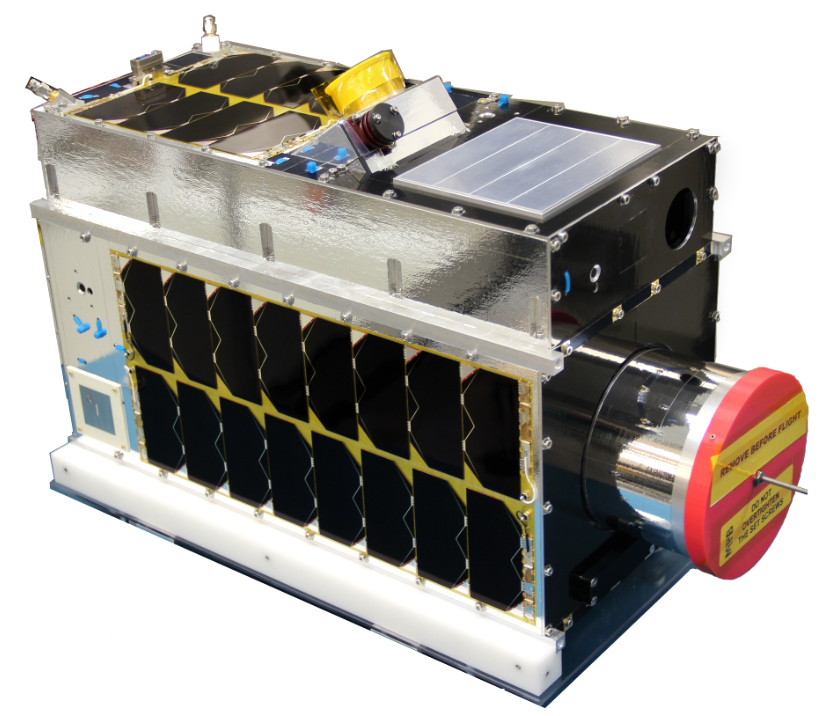
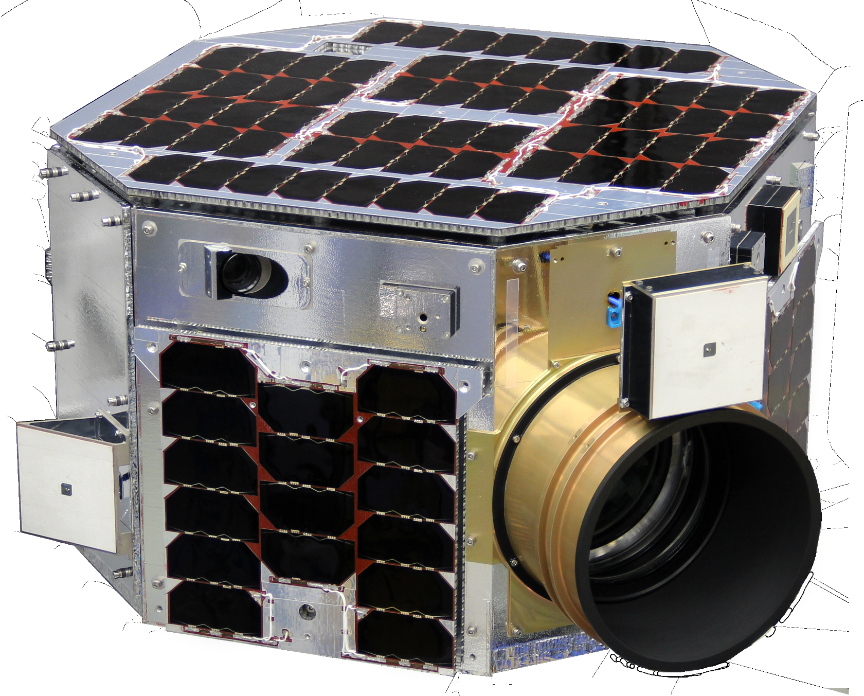
Satellogic has launched their new spacecraft from the Guiana Space Center via a launch procured by Spaceflight, Inc. — the satellite, a NewSat Mark IV, was delivered to a SSO LEO on a Vega rocket from Arianespace at 1:51am UTC on September 3, 2020.

The spacecraft is named “Hypatia” after the philosopher, astronomer, and mathematician who lived in Alexandria and was a symbol of learning and science. She was renowned in her own lifetime as a great teacher and a wise counselor and as an icon for women’s rights.

In line with Satellogic’s NewSats already in orbit, Hypatia is equipped with sub-meter multi-spectral and 30 meter hyperspectral cameras. This NewSat Mark IV is also equipped with new technologies in service of Satellogic’s research and development of Earth Observation (EO) capabilities. Upon successful commissioning, these new capabilities will be available to existing Satellogic customers.

The launch demonstrates Satellogic’s ability to adapt its satellites to different rockets and deployment systems. This mission will also allow Satellogic to test sub-meter imaging technology.

Satellogic’s current constellation remaps the planet at high resolution, which combined with Satellogic’s low-cost offering, has opened up applications for its customers across industries. Through the refinement of sub-meter imaging, the company plans to further drive down the cost of high-frequency geospatial analytics.

This news follows Satellogic’s launch in January 2020 of two spacecraft with China Great Wall Industry Corporation. Satellogic now has 11 satellites on-orbit, bringing the company closer to its established vision of a constellation that is capable of delivering weekly, high-resolution remaps of the entire planet at a price that will set a new standard for access and affordability in this market.

Executive Comments

Gerardo Richarte

“We design and build our own satellites, which gives our R&D teams the chance to validate new technologies in every launch. Each new generation of our satellites includes new products and further delivers on the promise of new space,” said Satellogic Founder and CTO, Gerardo Richarte. “This launch is an exciting indicator of all that is to come as we continue to bring new solutions into production and deliver them into space and to our customers.”

Stephane Israël

“Ambitious research and development efforts are crucial to both the development of the space industry and to humanity’s advancement overall,” said Stephane Israël, CEO of Arianespace. “We’re proud to work with Spaceflight to launch Satellogic’s newest satellite, which will enable Satellogic to test technologies that have the potential to dramatically reduce the cost of high-resolution, high-frequency geospatial insights.”

Filed Under: News

A Smallsat Rideshare Opportunity Now Available From NanoAvionics

September 4, 2020 by editorial

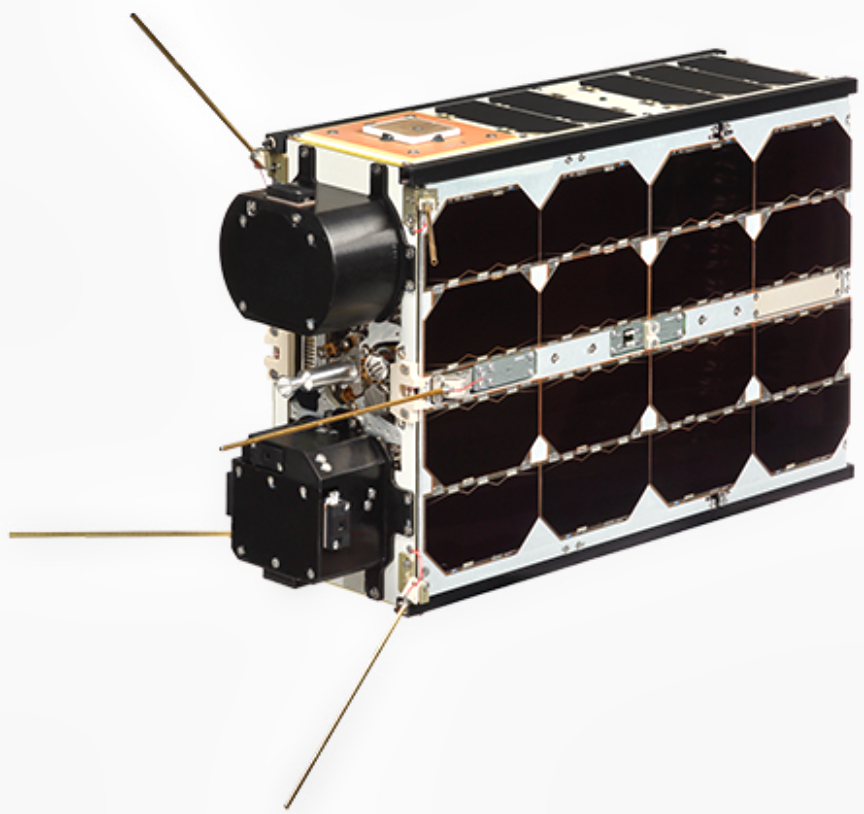
NanoAvionics MP6 smallsat bus.

NanoAvionics is now making available a hosted payload flight opportunity to LEO onboard a reliable satellite bus and, as the company has stated, at a low cost.

The payload will be integrated into the NanoAvionics flight-proven 6U bus M6P and launched during the 3rd quarter of 2021. This is a considerable opportunity for company’s that possess a technology that needs to validated in space.

The ride-share mission includes a complete launch package for a customer, taking care of all aspects related to launch and operations:

Payload integration
Performance testing
Flight acceptance testing
Spacecraft registration
Launch and logistics
Frequencies allocation
Spacecraft commissioning
Payload on-orbit operations for 12 months
Secure data delivery to the customer

In order to use this unique opportunity and take a leap in technology development, please fill in the form located at this direct link and NanoAvionics will contact you with all of the details.

Filed Under: News

Two Space Flight Laboratory (SFL) Built Smallsats Successfully Gain Orbit

September 4, 2020 by editorial

An Arianespace Vega rocket successfully carried two smallsats built by Space Flight Laboratory into space from the Guiana Space Center in French Guiana, South America. (Credit: Arianespace)

Space Flight Laboratory (SFL) is celebrating the successful launch and deployment of the GHGSat-C1 greenhouse gas monitoring smallsat and the Slovenian NEMO-HD Earth Observation (EO) smallsat, both developed in the Toronto, Ontario, Canada.

GHGSat-C1 (“Iris”), owned by GHGSAT Inc. of Montreal, is a microsatellite designed to monitor greenhouse gases from space. (Credit: SFL)

Both satellites were in contact with ground control within hours of their launch on September 2, 2020, aboard an Arianespace Vega rocket from the Guiana Space Center in French Guiana, South America. The satellites are healthy and operating as planned.

Slovenia’s NEMO-HD smallsat will capture 2.8-meter resolution high-definition multi-spectral imagery and video for use in a variety of applications. (Credit: SFL)

Established at the University of Toronto Institute for Aerospace Studies (UTIAS) in 1998, SFL has developed cubesats, smallsats (which encompasses nanosatellites and microsatellites, all having achieved more than 126 cumulative years of operation in orbit. These missions have included SFL’s trusted attitude control and, in some cases, formation-flying capabilities. Other core SFL-developed components include modular (scalable) power systems, onboard radios, flight computers, and control software.

GHGSat Inc. awarded SFL the development contract for GHGSat-C1 (“Iris”) after building the pathfinding GHGSat-D (“Claire”) smallsat launched in 2016. Using high-precision target tracking capabilities developed by SFL, Claire successfully demonstrated that sources of methane and other gas emissions could be detected and measured from space. SFL is currently developing another microsatellite, GHGSat-C2, for the company.

Precise pointing made possible by a stable platform at a relatively low cost was also a factor in Slovenia’s selection of SFL to build the NEMO-HD Earth observation microsatellite. It will capture 2.8-meter resolution high-definition multi-spectral imagery and video for use in a variety of applications. The microsatellite itself is only 60x60x30 centimeters.

SFL’s heritage of on-orbit successes includes missions related to Earth observation, atmospheric monitoring, ship tracking and communication, radio frequency signal geolocation, technology demonstration, space astronomy, solar physics, space plasma, and other scientific research.

Executive Comments

Dr. Robert E. Zee

“Congratulations to GHGSat Inc. of Montreal and SPACE-SI of Slovenia for making these groundbreaking microspace missions a reality,” said SFL Director, Dr. Robert E. Zee. “Our space-proven attitude control and precise pointing technologies were major factors in winning the development contracts for GHGSat-C1 and NEMO-HD.”

Stephane Germain

“The GHGSat-C1 mission is critical to GHGSat, and we knew we could rely on SFL to deliver our satellite. In addition to the normal challenges of spaceflight, SFL overcame a litany of launch delays beyond their control to make this mission a success. That’s the kind of service that keeps customers coming back to SFL,” said Stephane Germain, President of GHGSat Inc.

Filed Under: News

Dutch Company, Hyperion Technologies’, SmallSat Components launched on Vega VV16c

September 4, 2020 by editorial

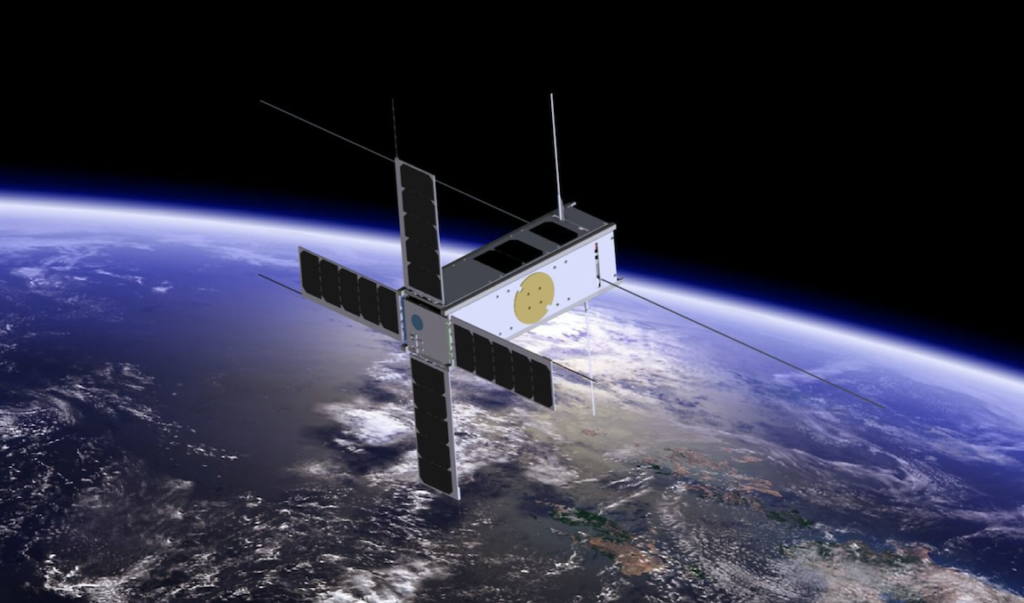
Picasso Cube Sat

September 3, 2020 at 3:51 am CEST, was an historical date for the Dutch space company Hyperion Technologies, with the launch of Vega VV16, that took 53 small satellites into space.

Arianespace’s Small Spacecraft Mission Service (SSMS) Proof of Concept (PoC) carried, among these, three small satellites of particular interest to the Dutch space company Hyperion Technologies:  ESA’s Picasso mission, the University of Maribor’s TRISAT satellite and D-Orbit’s ION Satellite Carrier.

Increased flight heritage for Star Tracker and integrated ADCS
Two components which have been jointly developed with Berlin Space Technologies have increased their flight heritage count again, thanks to the successful launch: The ST200 star tracker and the integrated ADCS, optimised for 3U satellites. 

The ST200 is part of ESA’s Picasso mission enabling the satellite to determine its attitude accurately, while the integrated ADCS is a key element to the University of Maribor’s TRISAT mission.

In Orbit demonstration for large magnetorquers
Another milestone is the first flight of Hyperion’s large magnetorquers. They are providing D-Orbit’s ION Satellite Carrier with powerful attitude control. Originally developed for D-Orbit, Hyperion will make them available commercially to all its clients seeking for magnetic control for small satellites beyond 12U.

3D printed propulsion module in space
Hyperion’s and Dawn Aerospace’s 1U CubeSat propulsion module PM200 reached space upon the successful Vega launch. The PM200 was the first ECSS compliant 3D printed bi-propellant propulsion system to be allowed to be launched to space. It shared a ride aboard D-Orbit’s first ION Satellite Carrier. 

Bert Monna, CEO of Hyperion Technologies concluded after the Vega launch, “This launch is certainly an important moment for many satellite integrators and their suppliers. Quite a number of launches experienced delays due to the pandemic. Although we at Hyperion were continuously busy, the goal remains to bring our solutions up there, into space, and to contribute to the state of the art, and eventually enable better services for users on Earth.”

Filed Under: News

Rocket Lab’s First Configurable Photon Satellite Is Successfully Launched

September 4, 2020 by editorial

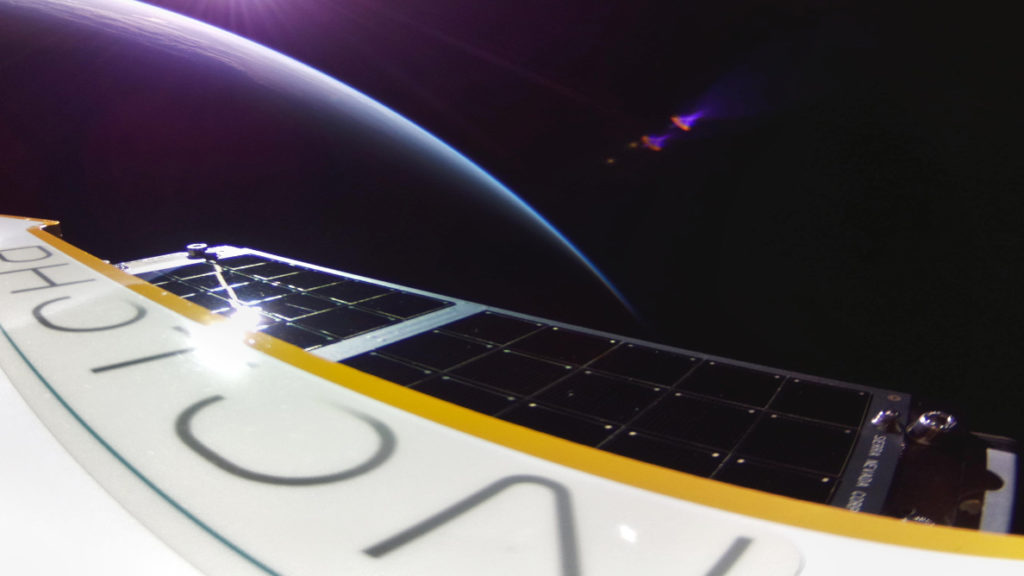
Rocket Lab’s Photon platform’s First Light satellite.

Rocket Lab has launched their first in-house designed and built operational satellite, cementing the company’s evolution from a launch provider to an end-to-end space solutions company that offers turnkey satellites and spacecraft components, launch, and on-orbit operations.

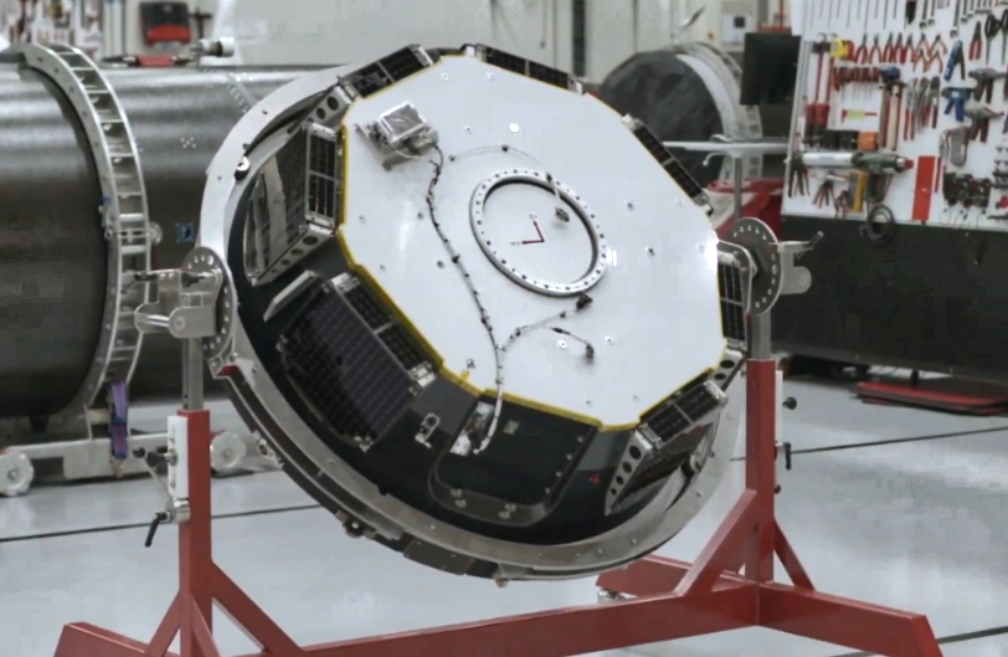
The Photon satellite platform. Photo is courtesy of Rocket Lab.

The satellite, named ‘First Light,’ is the first spacecraft from Rocket Lab’s family of configurable Photon satellites to be deployed to orbit. Launched as a technology demonstration, ‘First Light’ builds upon the existing capabilities of the Electron launch vehicle’s Kick Stage with additional subsystems to enable long duration satellite operations.

This pathfinding mission is an initial demonstration of the new power management, thermal control and attitude control subsystem capabilities. By testing these systems for an extended period on orbit, Rocket Lab is building up flight heritage for future Photon satellite missions planned to low Earth orbit, the Moon, and Venus.

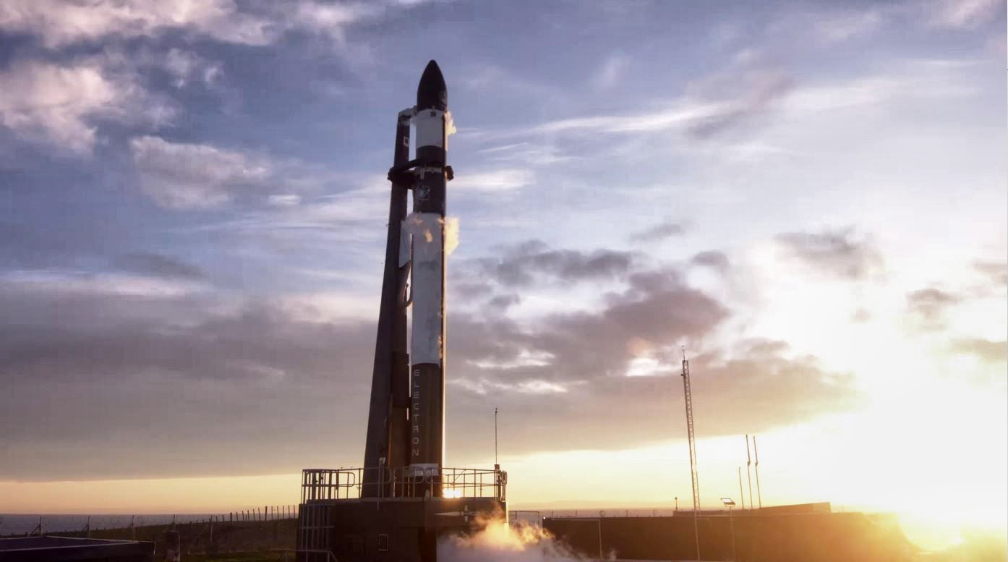
‘First Light’ was deployed to orbit on Rocket Lab’s 14th Electron mission, ‘I Can’t Believe It’s Not Optical’, which lifted-off from Rocket Lab Launch Complex 1 in New Zealand on August 31, 2020. Approximately 60 minutes after lift-off, Electron deployed a 100 kg smallsat for Capella Space, an action that would typically signal the successful completion of a standard Rocket Lab mission.

However, shortly after deploying the customer payload, Rocket Lab conducted an entirely new operation for the first time: Rocket Lab engineers sent a command to transition the Kick Stage into Photon satellite mode. This action marked the first, on-orbit demonstration of Rocket Lab’s Photon satellite as a two-in-one spacecraft, first using it to complete its conventional launch vehicle function to deploy customer satellites, then transitioning into a satellite to continue a standalone mission.

Designed for launch on Electron, as well as other launch vehicles, ‘First Light’ paves the way for future, high-energy variations of Photon designed for lunar and interplanetary missions, including the CAPSTONE mission to the Moon for NASA in early 2021.

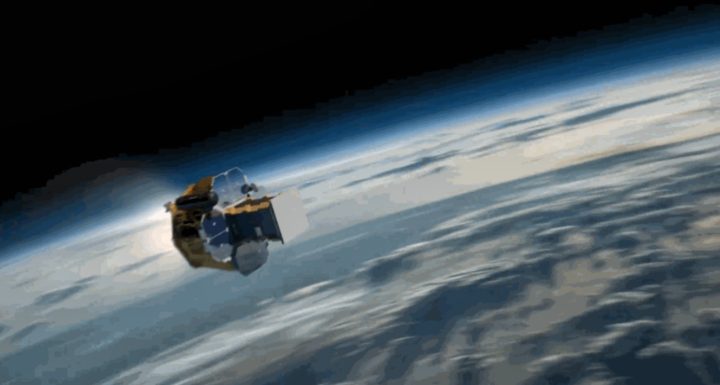
Artistic rendition of First Light in space. Image is courtesy of Rocket Lab.

Lifting off from Launch Complex 2 in Virginia, Rocket Lab will use the Electron rocket and Photon Lunar spacecraft to launch NASA’s Cislunar Autonomous Positioning System Technology Operations and Navigation Experiment (CAPSTONE) CubeSat to Near Rectilinear Halo Orbit (NRHO), the same orbit planned for Artemis.

Rocket Lab’s Electron Launch Vehicle.

With the ‘First Light’ mission, Rocket Lab has completed its first full demonstration of its end-to-end mission services, encompassing mission design, component build and spacecraft assembly, integration and test (AIT), launch, ground segment, and on-orbit mission operation. The process of developing the first on-orbit Photon also enabled Rocket Lab to refine and streamline production and testing processes for higher volume Photon production to meet growing customer demand.

Executive Comment

Peter Beck

“We started with launch and solved it, releasing small satellites from the time and orbit constraints experienced when flying on larger launch vehicles. Now we’ve simplified satellites too,” said Rocket Lab’s founder and CEO, Peter Beck. “Launching the first Photon mission marks a major turning point for space users – it’s now easier to launch and operate a space mission than it has ever been. When our customers choose a launch-plus-spacecraft mission with Electron and Photon, they immediately eliminate the complexity, risk, and delays associated with having to build their own satellite hardware and procure a separate launch.”

Rocket Lab recently opened a new headquarters and manufacturing complex in Long Beach, California, to accommodate streamlined, rapid production of Photons. The facility is also home to payload integration facilities for Photon missions, as well as a state-of-the-art mission operations center. The production complex is already home to extensive production lines delivering more than 130 Rutherford engines for the Electron launch vehicle every year, along with guidance and avionics hardware.

In addition to expanding its manufacturing complex, Rocket Lab recently acquired Sinclair Interplanetary, a leading provider of high-quality, flight-proven satellite hardware, to strengthen the Rocket Lab Space Systems division. Sinclair Interplanetary products have become key features of the Photon satellite platforms, and Rocket Lab is also dedicating resources to grow Sinclair’s already strong merchant spacecraft components business.

The acquisition enables Sinclair Interplanetary to tap into Rocket Lab’s resources, scale, manufacturing capability, and innovative technologies to make world-leading satellite hardware accessible to more customers.

Filed Under: News

SpaceX’s Successful Launch, Again

September 3, 2020 by editorial

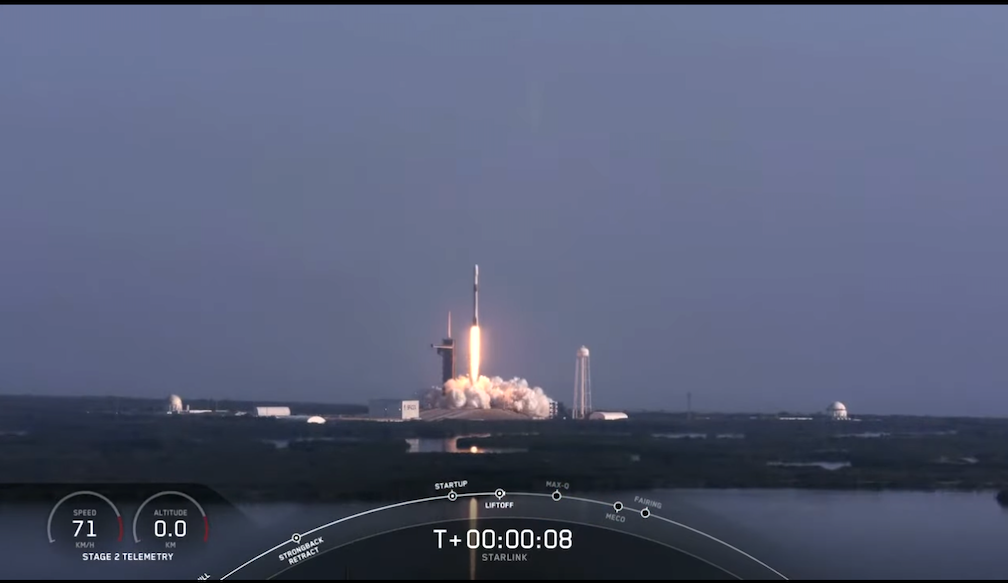
A SpaceX Falcon 9 lifted off from pad 39A at NASA’s Kennedy Space Center in Florida the Kennedy Space Center at 8:46 a.m. this morning, deploying a set of approximately 60 Starlink broadband satellites 15 minutes later.

Earlier this week SpaceX confirmed that employees have been testing Starlink’s latency and download speeds, key measures for an internet service provider.

According to SpaceX engineer Kate Tice, “They show super low latency and download speeds greater than 100 [megabits] per second. That means our latency is low enough to play the fastest online video games and our download speeds are fast enough to stream multiple HD movies at once.”

The goal of SpaceX is to build an interconnected network of about 12,000 small satellites in low Earth orbit. To date, SpaceX has launched about 650 of its version 1.0 satellites and is currently building a system of ground stations and user terminals to connect consumers directly to its network.

Filed Under: Featured, News

Astroscale Names A New UK Operations Director

September 2, 2020 by editorial

Astroscale ASUS LEX.

Astroscale Ltd. (“Astroscale UK”), the UK subsidiary of Astroscale Holdings Inc. (“Astroscale”), has appointed Sharon Parker-Lines as the firm’s UK Operations Director, effective September 1, 2020.

Sharon joins Astroscale with more than 20 years of experience in operations, specializing in human resources, finance, production, commercial, and strategic planning. Most recently, Sharon was Centre Director for the Oxford Centre for Innovation, where she was responsible for supporting SMEs and start-ups to achieve sustainable growth. Prior to that, she was Group Chief Operating Officer of a global publishing company for nine years.

Sharon will work closely with John Auburn, CCO and Astroscale UK Managing Director, to build a world-class multi-skilled engineering and operations team in the UK and ensure the commercial success of the company. She will manage and oversee the support functions of the Astroscale UK business, including finance, human resources, IT, administration and procurement, whilst managing the resource requirements across the wider engineering team.

On her appointment, Sharon said, “Astroscale is an exciting and agile company that’s working on ground-breaking missions to address orbital sustainability, including the growing concern of space debris. To join this talented team is a dream come true for me.”

Since its establishment in 2017, Astroscale UK has grown to over 30 personnel with plans to grow to 80 by 2022. The UK unit includes the ground segment and operations engineering teams, that are leading the development of the In-Orbit Servicing Control Centre – National Facility. This state-of-the-art facility will form the basis for operating missions to clean up space debris and conduct other in-orbit servicing operations, providing Astroscale with a world-leading operational capability. The team is currently in the process of testing the operational procedures for the upcoming End-of-Life Services by Astroscale-demonstration (ELSA-d) mission.

Filed Under: News

  • « Go to Previous Page
  • Page 1
  • Interim pages omitted …
  • Page 286
  • Page 287
  • Page 288
  • Page 289
  • Page 290
  • Interim pages omitted …
  • Page 339
  • Go to Next Page »

Primary Sidebar

WEEKLY NEWSLETTER

Archives

  • March 2026
  • February 2026
  • January 2026
  • December 2025
  • November 2025
  • October 2025
  • September 2025
  • August 2025
  • July 2025
  • June 2025
  • May 2025
  • April 2025
  • March 2025
  • February 2025
  • January 2025
  • December 2024
  • November 2024
  • October 2024
  • September 2024
  • August 2024
  • July 2024
  • June 2024
  • May 2024
  • April 2024
  • March 2024
  • February 2024
  • January 2024
  • December 2023
  • November 2023
  • October 2023
  • September 2023
  • August 2023
  • July 2023
  • June 2023
  • May 2023
  • April 2023
  • March 2023
  • February 2023
  • January 2023
  • December 2022
  • November 2022
  • October 2022
  • September 2022
  • August 2022
  • July 2022
  • June 2022
  • May 2022
  • April 2022
  • March 2022
  • February 2022
  • January 2022
  • December 2021
  • November 2021
  • October 2021
  • September 2021
  • August 2021
  • July 2021
  • June 2021
  • May 2021
  • April 2021
  • March 2021
  • February 2021
  • January 2021
  • December 2020
  • November 2020
  • October 2020
  • September 2020
  • August 2020
  • July 2020
  • June 2020
  • May 2020
  • April 2020
  • March 2020
  • February 2020
  • January 2020
  • December 2019
  • November 2019
  • October 2019

© 2019–2026 SatNews

Insert/edit link

Enter the destination URL

Or link to existing content

    No search term specified. Showing recent items. Search or use up and down arrow keys to select an item.
      x
      Sign Up Now!

      Enjoy a free weekly newsletter with recent headlines from the global SmallSat industry.

      Invalid email address
      We promise not to spam you. You can unsubscribe at any time.
      Thanks for subscribing! You will now receive weekly SmallSat News updates.
      We love our advertisers.
      And you will too!

      Please disable Ad Blocker to continue... We promise to keep it unobtrusive.
      We promise not to spam you. You can unsubscribe at any time.
      Invalid email address
      Thanks for subscribing!