• Skip to main content
  • Skip to primary sidebar
  • Home
  • News
  • Featured
  • More News ⌄
    • SatNews
    • SatMagazine
    • MilSatMagazine
  • Events ⌄
    • MilSat Symposium
    • SmallSat Symposium
    • Satellite Innovation
  • Contacts
  • SUBSCRIPTION

SmallSat News

You are here: Home / Archives for News

News

Kleos Space and Global Spatial Technology Solutions Sign an MOU to Enhance Maritime Domain Awareness

May 28, 2020 by editorial

Kleos Space S.A. (ASX: KSS, Frankfurt: KS1) has partnered with GSTS to provide enhanced Maritime Domain Awareness capability to GSTS’s OCIANA product suite.

GSTS (Global Spatial Technology Solutions) is a wholly-owned Canadian company that provides innovative decision-support solutions for the maritime market through the use of Artificial Intelligence (AI) and Big Data analytics. GSTS predictive technologies empower future-friendly decision-making to help the maritime, security, logistics and service sectors navigate tomorrow… today.

Kleos data will provide a valuable addition to GSTS services and data solutions by supporting vessel detection, classification and identification.

Kleos’ Scouting Mission satellites that are in Chennai, India, awaiting launch on Indian Space Research Organisation (ISRO) PSLV C49, will detect and geolocate maritime radio frequency transmissions to provide global activity-based intelligence, enhancing the intelligence, surveillance and reconnaissance (ISR) capabilities of governments and commercial entities when Automatic Identification System (AIS) is defeated, imagery unclear or targets out of patrol range.

Kleos’ satellites will be in a 37-degree inclination orbit, covering crucial shipping regions for defense and security customers including the Strait of Hormuz, South China Sea, Australian coast, Southern US coast as well as the East and West African coast.

The Memorandum of Agreement signed by Kleos and GSTS allows for investigating opportunities to collaborate and develop marketable solutions; and to implement a scenario and demonstration to validate the technical feasibility and usability of collaborative solutions with the initial data licence procured for demonstration and assessment purposes.

Andy Bowyer, the Kleos CEO, said the company’s satellites and data will enhance GSTS capabilities when fused with other data sets in their innovative OCIANA environment, assisting in the goal to provide greater insights, detecting illegal activities and threats for their customers.

Richard Kolacz, the GSTS CEO, commented that Kleos will add another powerful data set to the OCIANA product suite to further enhance our maritime situational awareness capability and improve the firm’s ability to detect and predict vessel activity to support defence, civil and commercial solutions.


Filed Under: News

Rocket Lab Resumes Launch Ops for ‘Don’t Stop Me Now’ New Zealand Launch

May 28, 2020 by editorial

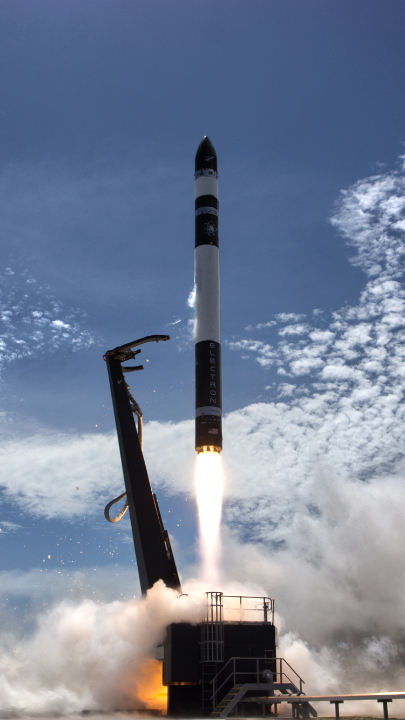
Rocket Lab has resumed launch operations for the firm’s next Electron launch, following the easing of COVID-19 restrictions.

Rocket Lab’s 12th Electron launch was postponed from its original date of March 27th following the implementation of the New Zealand Government’s Alert Level 4 Covid-19 national response, which required most businesses to close, restricted travel and instructed people to stay home.

With COVID-19 restrictions now eased, a new launch window for this mission has been scheduled to commence June 11, 2020, NZT, from Rocket Lab Launch Complex 1 on New Zealand’s Mahia Peninsula. The mission will loft payloads for the National Aeronautics and Space Administration (NASA), the National Reconnaissance Office (NRO) and the University of New South Wales (UNSW) Canberra Space.

The Electron launch vehicle and the Launch Complex 1 ground systems have remained in a state of readiness throughout the Covid-19 lockdown in preparation for a quick return to launch operations. Enhanced health and safety processes will be implemented for this launch in line with government health advice to protect Rocket Lab personnel. These measures include physical distancing, split shifts, maintaining contact tracing registers, limiting interaction between team members, enhanced cleaning, and stringent hygiene standards.

Payloads onboard ‘Don’t Stop Me Now’: NASA’s ANDESITE (Ad-Hoc Network Demonstration for Extended Satellite-Based Inquiry and Other Team Endeavors) satellite will launch as part of the agency’s CubeSat Launch Initiative (CSLI). Created by students and researchers at Boston University, ANDESITE will conduct groundbreaking scientific study into Earth’s magnetic field.

This mission also carries three payloads designed, built and operated by the National Reconnaissance Office. The mission was procured under the agency’s Rapid Acquisition of a Small Rocket (RASR) contract vehicle. RASR allows the NRO to explore new launch opportunities that provide a streamlined, commercial approach for getting small satellites into space, as well as provide those working in the small satellite community with timely and cost-effective access to space.

The final payload onboard is the M2 Pathfinder satellite built in a collaboration between the University of New South Wales Canberra Space and the Australian Government. The M2 Pathfinder will test communications architecture and other technologies that will assist in informing the future space capabilities of Australia. The satellite will demonstrate the ability of an onboard software-based radio to operate and reconfigure while on-orbit.


Filed Under: Featured, News

Exos Aerospace’s Rocket Engine Test Successful Despite Explosion

May 28, 2020 by editorial

Set upon the Caddo Mills (Texas) Airport Testpad, Exos Aerospace’s new SARGE R2 rocket engine was ready for testing.

The company’s efficient, eight-man Operations Team prepared to conduct a 55-second engine run test. In the briefest moment, as the valves opened and the liquid oxygen mixed with the Ethanol fuel, the ambient noise was sucked into a vapor of silence, then blasted by the roar of a clean-burning engine.

For 15 seconds, the fiery exhaust gave a glimpse into the thrust that will fly the Exos’ SARGE R2 rocket. However, the impressive display of power was cut short by the failure of the LOX tank on the test stand, resulting in the near-instantaneous release of the liquid oxygen and ignition of the residual Ethanol in the supply lines between the tanks and the engine. This created all the pomp & circumstance expected of such an energetic event.

After the level-two Safety event was under control, the Exos team was in good spirits, as they seemed more focused on the new data and slight performance boost of the SARGE engine than with the theatrics that accompanied the test.


John Quinn

Co-Founder and COO, John Quinn, said the company knew the test-stand was nearing its end-of-life, but the failure will feed the firm’s Weibull analysis and will make our space vehicles more reliable as hard data points feed better models, resulting in better hardware understanding. If you can safely Run To Failure, it can provide both valuable data on in-service hardware and also offer financial benefits. Quinn relayed that the SARGE platform continues to serve as a capability demonstrator and risk mitigation program as the company proceeds to develop this reusable orbital rocket.

The Exos team team was well outside the blast zone and the engine survived with minimal damage. The test stand Ethanol and other supply tanks on the truck were unscathed by the blast. Though prognostic event prediction is far preferred, the failure provides valuable data that the team is working to extract from the test sleds memory. While the hope had been to obtain a few more uses out of the test stand, it served the company well, having supported more than 200 tests.

The cost savings of Running To Failure could pay for most of the materials needed to build several test stands, but the real value is understanding the operational Failure Mode.

Co-Founder Phil Eaton added that the company expected some improvements on this second SARGE build, but the engine ran at the high-end of our design range.

“She was hauling,” exclaimed safety officer Neil Milburn who has 20+ years deciphering the physics of many such engines.

The Texas-based rocket manufacturer is proving, once again, that high-performance space flight technologies can be developed on an accelerated timeframe, with a small efficient team, using their ExosWorks program structure. Their last SARGE reusable test flight marked the decommissioning of SARGE I. This was the fourth consecutive flight of the same rocket.

Exos stands with the three companies in the world that have flown the same rocket four times. SpaceX did it with 6,000+ employees, Blue Origin with a team of over 3,000, and Exos Aerospace (on a smaller scale, of course) with fewer than 20 employees.

Significant progress is being made to that end as EXOS has begun work through its first National Charter Enterprise Program in Italy (working with PricewaterhouseCoopers) and is working to replicate the effort in South Australia. The team will be applying their accelerated processes to orbital rocket development in a Special Economic Zone in the Basilicata region of Italy. The National Charter Enterprise model may mark the beginning of a new alternative to VC financing with Exos Aerospace poised to become a cost-effective microgravity provider, making SPACEavailable… to the world.


Filed Under: News

Self-Organizing Smallsats to Form the First 3D Formation

May 27, 2020 by editorial


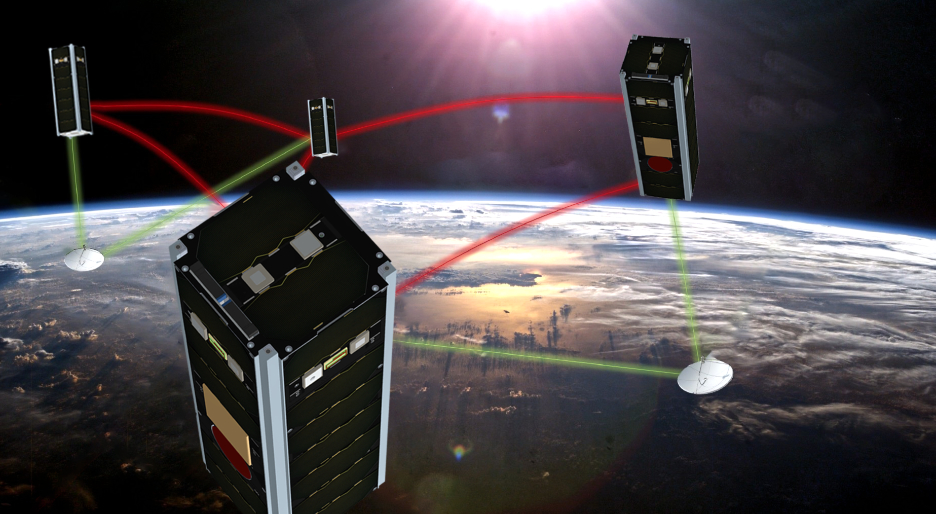
NetSat: Four satellites in formation at an altitude of 600km.

Four NetSat smallsats will autonomously control — for the first time — a three-dimensional configuration in space to enable new observation methods for climate research as well as for innovative future telecommunication systems.

To capture an object without blind spots, it needs to be imaged from different directions and by sensor data fusion, from which information is then derived. In NetSat, four nano-satellites will demonstrate relevant techniques for optimum self-organization of a satellite formation in three-dimensional space. This opens new perspectives in Earth Observation (EO) as well as for future telecommunication networks. In addition, there are strategies for collision avoidance.

The four smallsats (each one possesses a mass of 4 kg) are currently being finalized at the research center Zentrum für Telematik (ZfT) in Würzburg (Germany. In August of 2020, they will be delivered to orbit via a Russian Soyuz-rocket at a 600 km altitude.

The objectives of NetSat are to produce scientific breakthroughs for control of the three-dimensional configuration to provide optimum observation conditions. For this purpose, each satellite carries a highly efficient, electric propulsion system (developed by the Austrian company, Enpulsion) and a high-precision attitude control system composed of extremely small and power-efficient reaction wheels (from S4–Smart Small Satellite Systems and Wittenstein Cyber Motors).

The telecommunication link between the satellites supports data exchange on position, attitude and planned maneuvers. In combination with advanced control methods, the coordination of these four smallsats can be realized. While the long-term task planning is done by the space control center in Würzburg, the reaction on deviations and the fine tuning of the formation is handled autonomously by the smallsats onboard software.

The NetSat mission is sponsored by an ERC Advanced Grant and by the Bavarian Ministry of Economics. In 2012, the European Research Council (ERC) honored Prof. Dr. Klaus Schilling with the highly valued European research award to promote scientific pioneer research in space technology and control systems. The independent research, institute Zentrum für Telematik (ZfT) in Würzburg, was selected as the host institution for NetSat due to that organization’s outstanding test infrastructure for multi-satellite systems. (https://erc.europa.eu/projects-figures/stories/small-cooperative-future-spacecraft-systems )

The NetSat results will be directly transferred to the follow-up smallsat Eo missions: TIM – Telematics International Mission:

  • The ZfT coordinates, within the RLS partnership from 5 continents, the implementation and use of 9 satellites for innovative 3D-EO for volcano eruptions, earthquakes and environment monitoring. (launch expected in 2021; www.rls-sciences.org/small-satellites.html)
  • In CloudCT, the self-organization of 10 smallsats will be used to characterize, via computed tomography methods, the interior of clouds, obtaining… for the first time… important parameters for climate models. (launch expected to occur in 2022; cordis.europa.eu/project/id/810370)

Measurement networks composed of smallsats will provide quickly improved decision support for emergency situations as well as address challenges in climate change.


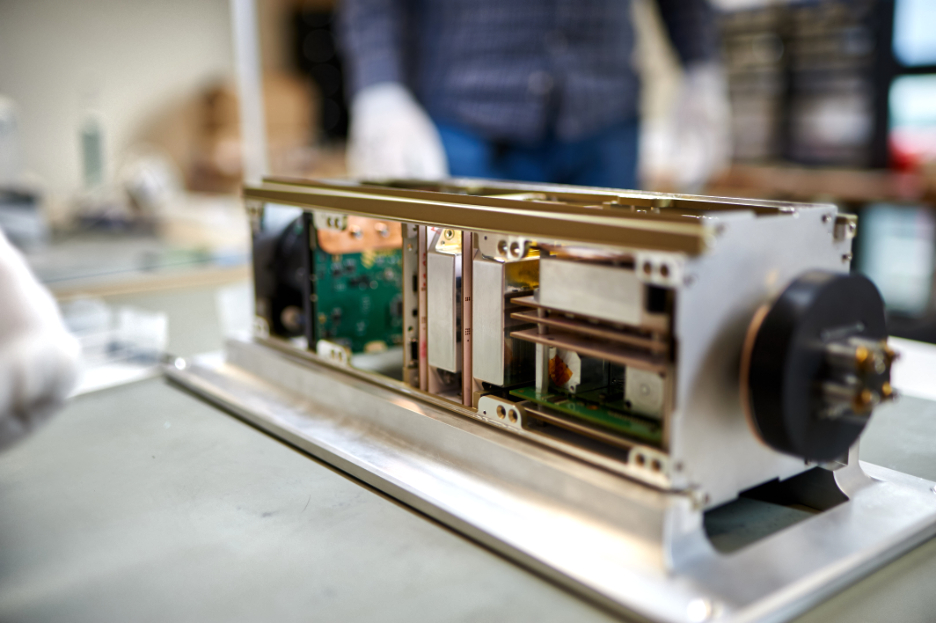
Integration of a NetSat satellite at Zentrum für Telematik.


Filed Under: Featured, News

Launch Partnership Signed Between University of Edinburgh’s Asteria Student Satellite Group and Responsive Access

May 27, 2020 by editorial

A student-led satellite group from the University of Edinburgh has signed a Memorandum of Understanding (MoU) with Responsive Access, a launch brokerage firm that participates in the European Space Agency Business Incubation program, with a view to procuring a launch opportunity.

Student satellite group Asteria are hosted at Edinburgh’s Bayes Centre innovation hub. Their team is working on the production of a cubesay in order to monitor the likes of vegetative blight and flooding, as well as a new mission entitled “Remote Sensing of Air Pollution: New Insights Into Seasonal Respiratory Diseases,” which started two months ago in light of the COVID19 pandemic.

By partnering with Responsive Access, the project’s chance of finding a swift and suitable launch opportunity will increase, while the group intend to benefit from the various mission management processes provided by the space brokerage company from their base at the Higgs Centre for Innovation, part of the Royal Observatory site in Edinburgh.

Asteria was founded last year to address the motivated interests in data science and space engineering among Edinburgh’s students and academics, with a view to developing solutions around matters of the environment and the United Nation’s Sustainability Development Goals (UNSDGs). They plan to achieve their aims using purpose-built satellites, state-of-the-art sensors, robust system designs and advanced post-processing.

The cubesat project is supported by the University Fellow for Space and Satellite Analysis, as well as academics from the Schools of Geosciences, Informatics and Engineering.

Their base at the Bayes Centre allows them to work alongside cutting-edge robotics and artificial intelligence developments, as part of an innovation hub that was opened in 2018 by Her Royal Highness, The Princess Royal, after receiving funding through the Edinburgh City Deal. Edinburgh is currently home to several space data organizations capturing and analyzing downstream data for a variety of reasons, including the monitoring of environmental change, food and agricultural stock and maritime channels.

The data-driven innovation taking place in the city is part of a wider space ecosystem in the country that has seen more than 100 satellites built in Glasgow, rocket manufacturers developing launch systems and no-less than five developing spaceport sites in areas such as Prestwick and Scotland’s Highlands and Islands.

Responsive Access Chief Executive, Andrew Paliwoda, stated that the company’s team is delighted to have been selected to help move Asteria’s exciting project toward launch. The opportunity to work with leading UK universities provides the firm with a valuable way to fine-tune the Responsive Access offering, which is based around the delivery of low-cost launch via the firm’s launch vehicle partners. It also lets for the testing of the ancillary services that can be offeedr to clients, from environmental testing and certification for satellites, through to assistance with insurance and license paperwork.

The partnership with Asteria marks the further milestone for Responsive Access, following their announcement last month surrounding their support of GU Orbit, based at the University of Glasgow, with their mission preparation.

Ani Vasudevan, Managing Director at Asteria, said the organization is thrilled to be collaborating with Responsive Access for the launch of the team’s first satellite, Oracle 1. Developing a satellite from mission planning to launch is something that very few, if any, students in the UK have exposure to, yet many are enthralled by the potential. This is true in a time where student projects are becoming an increasingly vital aspect of learning at Universities. This partnership with Responsive Access will help Asteria nurture that excitement in space for many years and many satellites to come.


Filed Under: News

Equatorial Space Systems’ ‘Down Under’ Launch Support is Southern Launch Australia

May 26, 2020 by editorial

Equatorial Space Systems has signed a Memorandum of Understanding (MoU) to use the facilities of Southern Launch Australia for their upcoming, suborbital, mission program.

The Singapore-based launcher company, notable for their hybrid propulsion systems, last month revealed the Dorado sounding rocket is capable of delivering up to 25 kilograms of payload beyond the boundary of space.

Southern Launch is providing infrastructure and logistics to meet the increasing global demand for orbital and sub-orbital launches of satellites and space payloads. With two multi-user launch sites located in South Australia, having good year-round weather and minimal air and maritime traffic, customers benefit from greater launch window availability and improved launch schedule flexibility.

The company describes themselves as a space tech startup developing innovative technologies for space launch and exploration activities. With proprietary hybrid propulsion, the firm’s technology allows for less expensive, safer and greener alternatives to existing solutions in orbital launch systems as well planetary landing missions.

Aiming for the first orbital launch by 2022, Equatorial Space Systems has previously been crowned the winner of MBRSC Innovation Cup 2018 in Dubai, identified as a Top 500 Deep Tech Startup by Hello Tomorrow 2018 and the Most Promising Startup at the NAMIC Innovation Day 2019.

Simon Gwozdz, the Founder and CEO of Equatorial Space Systems, said when he was a child, he always wanted to take the ‘Indian Pacific’ train journey across the Nullarbor Plain of Southern Australia. The prospect of sending the company’s first rockets into space from its very edge is incredible — Equatorial Space Systems is looking forward to operating from the Southern Launch Australia’s facilities in the very near future.

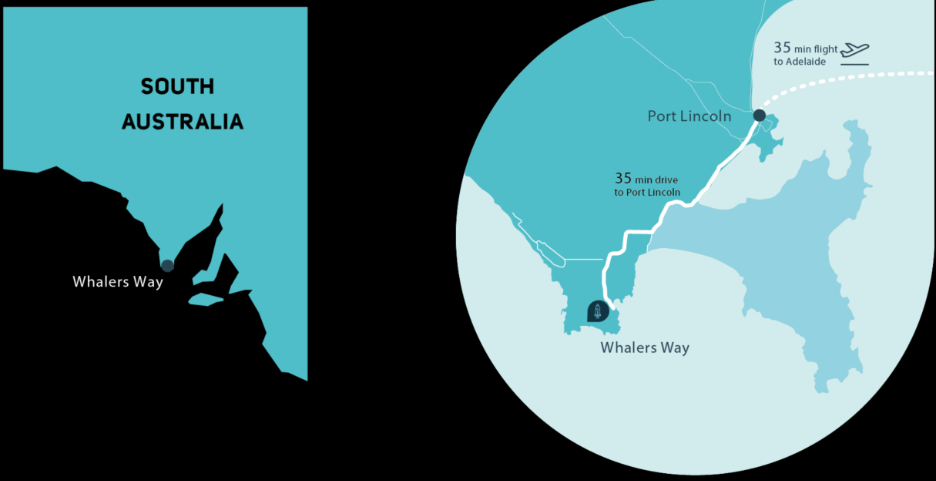
Lloyd Damp, Founder and CEO of Southern Launch, said the company is delighted to be working with Equatorial Space Systems and their cutting edge HRF-1 hybrid rocket propulsion technology. The firm looks forward to fully supporting their suborbital mission from the Koonibba Test Range in South Australia and demonstrating to the world these emerging capabilities for safe access to space.


Filed Under: News

Virgin Orbit’s Demo Mission: The Good + the Not-So-Good

May 26, 2020 by editorial

Virgin Orbit conducted a launch demo of the company’s air-launched rocket on May 25 in the skies over the Pacific Ocean, just off the California coast.

The company successfully completed all of the pre-launch procedures, the captive carry flight out to the drop site, clean telemetry lock from multiple dishes, a smooth pass through the racetrack, terminal count, and a clean release. After being released from the carrier aircraft, the LauncherOne rocket successfully lighted its booster engine on cue — the first time the company had attempted an in-air ignition.

An anomaly then occurred early in first stage flight, and the mission safely terminated. The carrier aircraft Cosmic Girl and all of its crew landed safely at Mojave Air and Space Port, concluding the mission.

The company’s next rocket is in final stages of integration at their Long Beach manufacturing facility, with a half-dozen other rockets for subsequent missions not far behind. Virgin Orbit’s decision to begin production of multiple rockets well in advance of this test flight will enable the team to progress to the next attempt at a significantly faster pace, shortly after making any necessary modifications to the launch system.


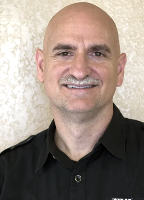
Dan Hart

Virgin Orbit CEO Dan Hart said that the team performed their prelaunch and flight operations with incredible skill. Test flights are instrumented to yield data and we now have a treasure trove of that. We accomplished many of the goals set for this flight, though not as many as all would have liked. Nevertheless, this is a big step forward.  The Virgin Orbit engineers are already poring through the data. and the next rocket is waiting. The company will learn, adjust and begin preparing for the next test, which is coming up soon.


Filed Under: News

Virgin Orbit Prepares for Their Upcoming Launch Demo Mission

May 21, 2020 by editorial

Virgin Orbit has announced that their Launch Demo mission starts on Sunday, May 24th, and extends through Monday, May 25th, with an opportunity to launch from 10 a.m. to 2 p.m., Pacific (17:00 – 21:00 GMT), each day.

The 747 carrier aircraft Cosmic Girl will prepare to take off from Mojave Air and Space Port, fly out over the Pacific ocean and release our two-stage, orbital rocket, LauncherOne — which will then proceed to ignite its engine in mid-air for the first time.

This Launch Demo marks the apex of a five-year-long development program. On this journey to open up space for everyone, Virgin Orbit has conducted hundreds of hotfires of the engines and the rocket stages, performed two dozen test flights with the carrier aircraft and conducted countless other tests of every bit of the system that could be tested on the ground.

Launching from the Earth to space is difficult — thousands of components all need to function as planned, while controlling high energy and flying at incredibly fast speeds. The vehicle’s structures must be robust enough to tolerate traveling at up to 18,000 mph without disintegrating; the temperatures and pressures of its propellants can’t be too high or too low; every internal valve must click open and closed in perfect synchronicity…  there’s a long list of factors that need to line up in order to make it all the way. The company is mindful of the fact that for the governments and companies who have preceded us in developing spaceflight systems, maiden flights have statistically ended in failure about half of the time.

In the future, the goal of the launches will be to deploy satellites for a new generation of space-based services. For this Launch Demo, though, the goal is to safely learn as much as possible and prove out the LauncherOne system the company has worked so hard to design, build, test and operate.

The instant the Newton Three engine ignites, Virgin Orbit will have done something no one has ever done before — lighting an orbital-class, liquid-fueled, horizontally-launched vehicle in flight. If LauncherOne reaches an altitude of 50 miles on this mission, it will be the first time this kind of launch system has reached space.

The mission will continue for as long as possible. The longer LauncherOne flies, the more data can be able to collect. Should the historical odds be defied and if this becomes one of those exceedingly rare teams to complete a mission on first attempt, the company will deploy a test payload into an orbit, take the data and then quickly de-orbit so as not to clutter the heavens.

For near real-time updates, follow the company on Twitter (@Virgin_Orbit).


Filed Under: Featured, News

Orbital Micro Systems GEMS EO Data to be Delivered to the DRIP Program at the University of Colorado Boulder

May 20, 2020 by editorial


IOD-1 GEMS 3U demonstration satellite deployed on July 3, 2019.

Orbital Micro Systems (OMS) has entered into collaboration with the University of Colorado-Boulder’s Mortenson Center in Global Engineering (MCGE) for their Drought Resilience Impact Platform (DRIP) program — as part of the relationship, OMS will provide Earth Observation (EO) data collected by its Global Earth Monitoring System (GEMS) satellites to the effort.

DRIP gathers daily information, enabling scientists and engineers to monitor the water supply serving some three million people in East Africa. Using multiple data sources, DRIP provides critical information on drought conditions and trends which affect food security, health, safety, and other critical issues throughout the region.

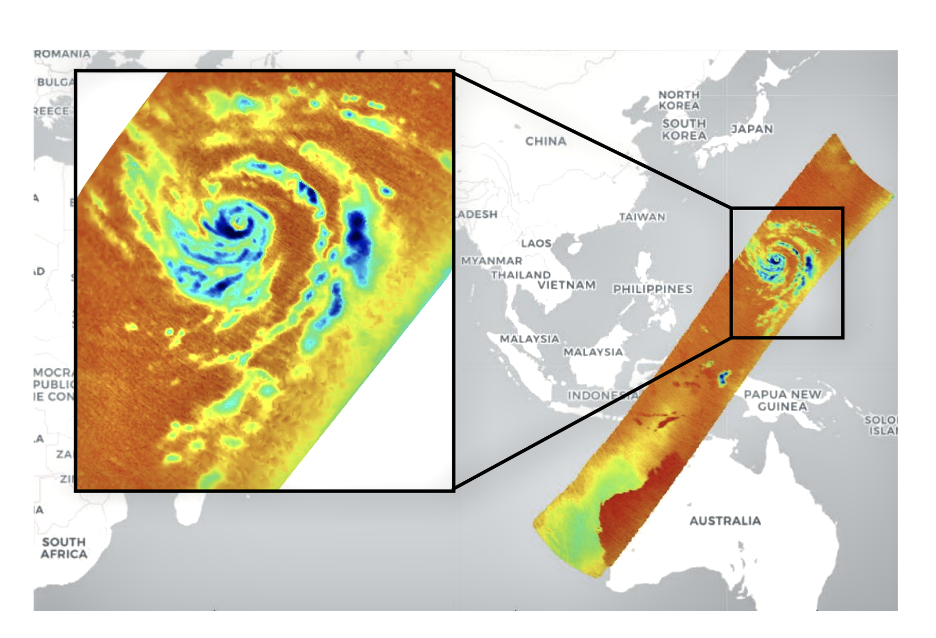
GEMS uses highly optimized microwave radiometers to passively measure atmospheric temperature and moisture content from small satellites operating in low earth orbit (LEO.) A single GEMS satellite observes the entire surface of the earth approximately two and one-half times each day. In addition, GEMS data enhances the information gathered from IoT sensors and ground-based monitoring points, enabling DRIP to deliver more detailed information to a region’s decision makers.

Dr. Evan Thomas, Director, MCGE and CU associate professor, said the observations received from OMS will not only help a better understanding of the conditions on the ground in East Africa, but will also enable DRIP to monitor drought conditions in other regions, including the United States. In addition, OMS brings expertise in data science and engineering which will help support DRIP’s core mission to characterize environmental, weather, and climate parameters in all the covered geographies.

Michael Hurowitz, OMS CTO, added that empowering solutions that impact global welfare and productivity are core principles of OMS, and the firm is delighted to be a part of the continuing DRIP success. As OMS continues building out the GEMS constellation of satellites, the company anticipates gathering live observations for any point on Earth at intervals of one hour or less. Delivering observed weather data at this level of temporal frequency has—until this point—never been possible. These frequent intervals will empower systems such as DRIP to easily expand to new regions while enhancing the platform’s performance.

GEMS EO datasets are available to download for evaluation from the website.


Filed Under: Featured, News

Smallsat Utility Project for Militaries Contracted to Kleos Space

May 19, 2020 by editorial

Kleos Space (ASX: KSS, Frankfurt: KS1) has been awarded a contract to prepare Kleos data to be accessed by the Micro-Satellite Military Utility (MSMU Project) Project Arrangement (PA), which is an agreement under the Responsive Space Capabilities Memorandum of Understanding involving the Departments and Ministries of Defense of Australia, Canada, Germany, Italy, Netherlands, New Zealand, Norway, United Kingdom and United States.

The MSMU Project aims to develop a blueprint for a Multinational Heterogeneous Space Enterprise (ISR Enterprise), to provide military users with reliable access to a broad spectrum of information in an opportunistic environment. The MSMU Project is building the architecture and infrastructure to enable machine intelligence, including automation, human-machine teaming, and ultimately, artificial intelligence; these initiatives will define how the ISR Enterprise executes operations.

The program is coordinated by the Utah State University Space Dynamics Laboratory (SDL) in collaboration with the US Air Force Research Laboratory (AFRL). Kleos’ Scouting Mission satellites that are in Chennai, India, awaiting launch on Indian Space Research Organisation (ISRO) PSLV C49, will detect and geolocate maritime radio frequency transmissions to provide global activity-based intelligence, enhancing the intelligence, surveillance and reconnaissance (ISR) capabilities of governments and commercial entities when Automatic Identification System (AIS) is defeated, imagery unclear or targets out of patrol range.

Kleos’ satellites will be in a 37-degree inclination.


Andy Bowyer

Andy Bowyer, the company’s CEO, commented  that his opportunity delivered by the team; Peter Round and Karyn Hayes-Ryan, is a great achievement and validation for the company. The firm is seeing increasing demand for Kleos’ global geolocation intelligence data, which will enhance the ISR capabilities of governments and commercial entities.


Karyn
Hayes-Ryan

Karyn Hayes-Ryan, Director noted that the company’s satellites and data will enhance defense capabilities when fused with other data sets in the Government environment, as well as providing timely monitoring of illegal fishing, oil embargoes and other illicit action that both damages the environment and hurts economies.

Filed Under: Featured, News

  • « Go to Previous Page
  • Page 1
  • Interim pages omitted …
  • Page 305
  • Page 306
  • Page 307
  • Page 308
  • Page 309
  • Interim pages omitted …
  • Page 339
  • Go to Next Page »

Primary Sidebar

WEEKLY NEWSLETTER

Archives

  • March 2026
  • February 2026
  • January 2026
  • December 2025
  • November 2025
  • October 2025
  • September 2025
  • August 2025
  • July 2025
  • June 2025
  • May 2025
  • April 2025
  • March 2025
  • February 2025
  • January 2025
  • December 2024
  • November 2024
  • October 2024
  • September 2024
  • August 2024
  • July 2024
  • June 2024
  • May 2024
  • April 2024
  • March 2024
  • February 2024
  • January 2024
  • December 2023
  • November 2023
  • October 2023
  • September 2023
  • August 2023
  • July 2023
  • June 2023
  • May 2023
  • April 2023
  • March 2023
  • February 2023
  • January 2023
  • December 2022
  • November 2022
  • October 2022
  • September 2022
  • August 2022
  • July 2022
  • June 2022
  • May 2022
  • April 2022
  • March 2022
  • February 2022
  • January 2022
  • December 2021
  • November 2021
  • October 2021
  • September 2021
  • August 2021
  • July 2021
  • June 2021
  • May 2021
  • April 2021
  • March 2021
  • February 2021
  • January 2021
  • December 2020
  • November 2020
  • October 2020
  • September 2020
  • August 2020
  • July 2020
  • June 2020
  • May 2020
  • April 2020
  • March 2020
  • February 2020
  • January 2020
  • December 2019
  • November 2019
  • October 2019

© 2019–2026 SatNews

Insert/edit link

Enter the destination URL

Or link to existing content

    No search term specified. Showing recent items. Search or use up and down arrow keys to select an item.
      x
      Sign Up Now!

      Enjoy a free weekly newsletter with recent headlines from the global SmallSat industry.

      Invalid email address
      We promise not to spam you. You can unsubscribe at any time.
      Thanks for subscribing! You will now receive weekly SmallSat News updates.
      We love our advertisers.
      And you will too!

      Please disable Ad Blocker to continue... We promise to keep it unobtrusive.
      We promise not to spam you. You can unsubscribe at any time.
      Invalid email address
      Thanks for subscribing!