
Astroscale Ltd. (“Astroscale UK”), the UK subsidiary of Astroscale Holdings Inc., has agreed to provide Xona Space Systems with next-generation docking plates for integration into Xona’s growing constellation of LEO satellites.

The collaboration supports two critical goals: building a resilient Positioning, Navigation, and Timing (PNT) infrastructure and keeping Earth’s orbit safe and sustainable.
Xona is developing Pulsar, the world’s most advanced PNT satellite infrastructure based in LEO. Pulsar operates alongside legacy systems like GPS, delivering stronger signals, centimeter-level precision, and built-in protection against interference like jamming and spoofing. As threats to global navigation escalate, a more resilient and secure PNT architecture has become essential for national security, critical infrastructure, and connected devices around the world.
PNT powers the systems that modern life depends on—from aircraft landings and emergency response to financial transactions and transportation systems, nearly every sector of the global economy relies on precise location and timing data.
However, legacy systems like GPS were designed for a different era. In both civilian and national security settings, the consequences of disruption are severe. Jamming, spoofing, cyberattacks, and rising tension in space have exposed the risks of relying on an aging and unprotected system. Resilient alternatives designed for dual-use and built for the next era are now a strategic necessity for governments and commercial technologies.
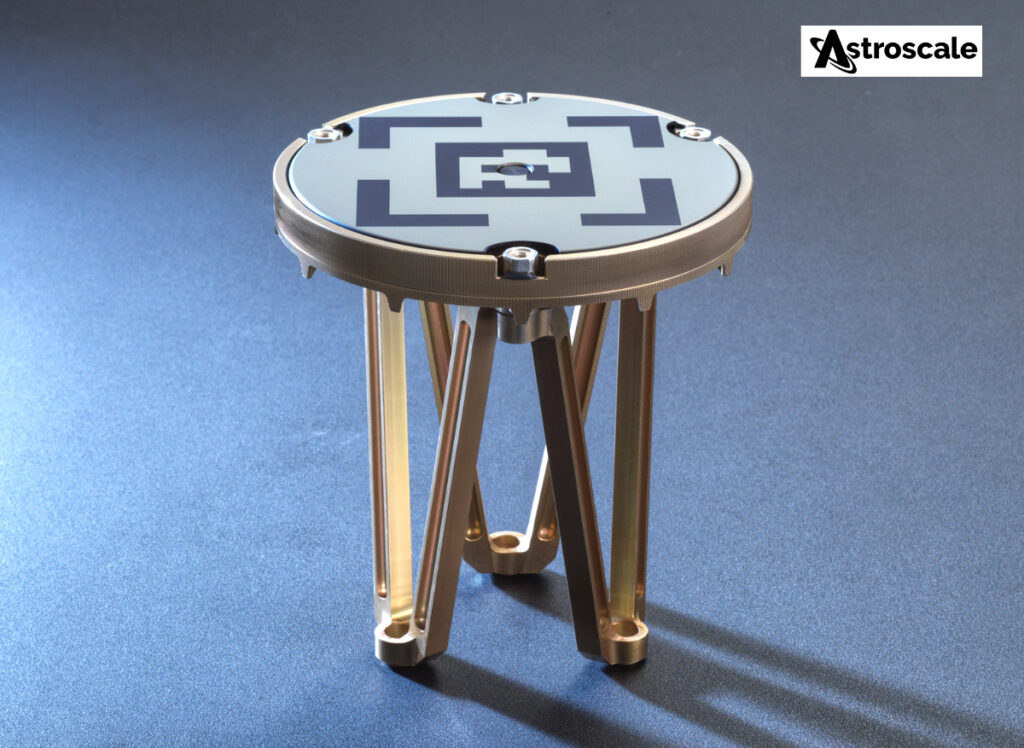
Astroscale will provide docking plates for Xona’s future Pulsar satellites as the company scales to launch its full constellation, allowing for future in-orbit servicing, upgrades, or safe deorbiting. This supports a more flexible and responsive satellite architecture and helps prevent space debris. These are both key parts of responsible space operations.
Resilient PNT is a national and economic priority,” said Giorgio Taylor, Director of Business Development, Xona UK & Europe. “Pulsar delivers stronger, faster, and more secure navigational intelligence designed for the threats we face today. Our work with Astroscale reinforces our belief that space infrastructure should evolve to continue meeting user needs, not remain frozen in time.”
With tens of thousands of satellites being launched in the coming years, we have to build the infrastructure in space with long-term stewardship in mind,” said Andrew Faiola, Commercial VP and Director, Astroscale UK. “Our docking plates make Xona’s satellites ready for the future, whether that means extending their life, removing them responsibly, or upgrading their capabilities. It is a great example export-led growth of the emerging ISAM industry from the UK.”