

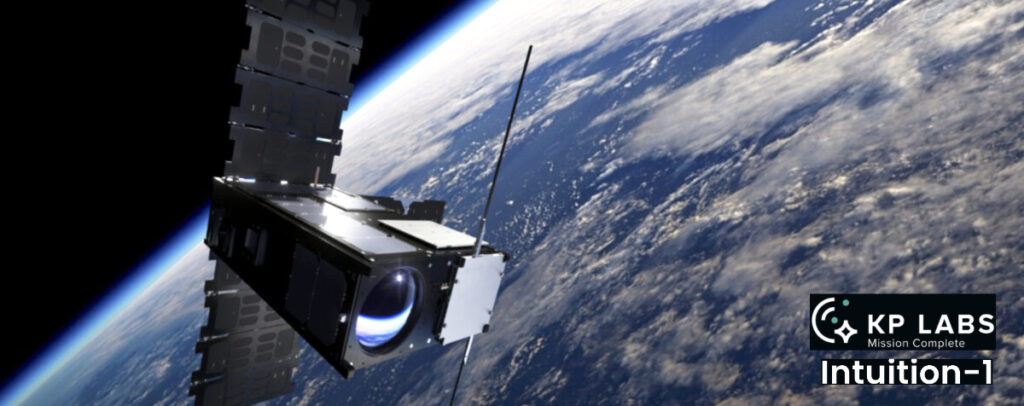
Engineers from Gliwice, Poland, carried out an unusual experiment on board their Intuition-1 satellite—using the Leopard Data Processing Unit, they successfully launched the 1993 classic game Doom in space.
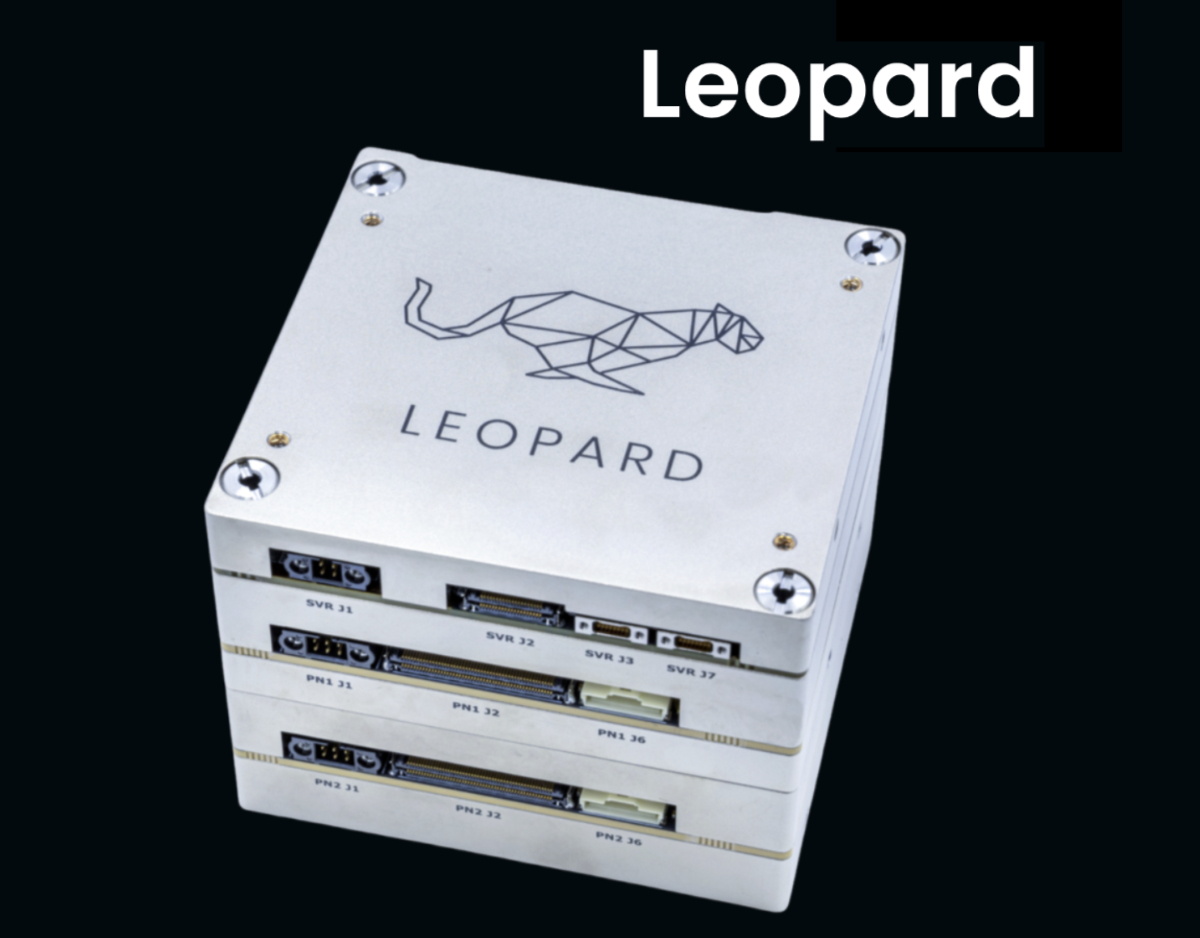
Meanwhile, the Polish satellite continued to deliver new hyperspectral images from various regions of the Earth, demonstrating full operational capability nearly two years after launch. Intuition-1 has been orbiting Earth since November 11, 2023, completing an average of 15 orbits per day. Over 647 days in orbit, it has already circled our planet nearly 9,807 times.
This constant presence makes it possible to provide regular observations from different climatic zones—from the tropics to temperate regions of Europe. In recent months, the satellite’s instruments have captured views from across the globe: coastal areas of Mula, Tamaulipas in Mexico, the urban sprawl of Beijing, the desert landscapes of Phoenix, Arizona, the vibrant shoreline of Miami, Florida, the tropical mangroves of Mein-ma-hla-kyun Wildlife Reserve in Myanmar, the diverse cerrado of Goiás State in Brazil, and the green scenery of Rarangi, New Zealand.
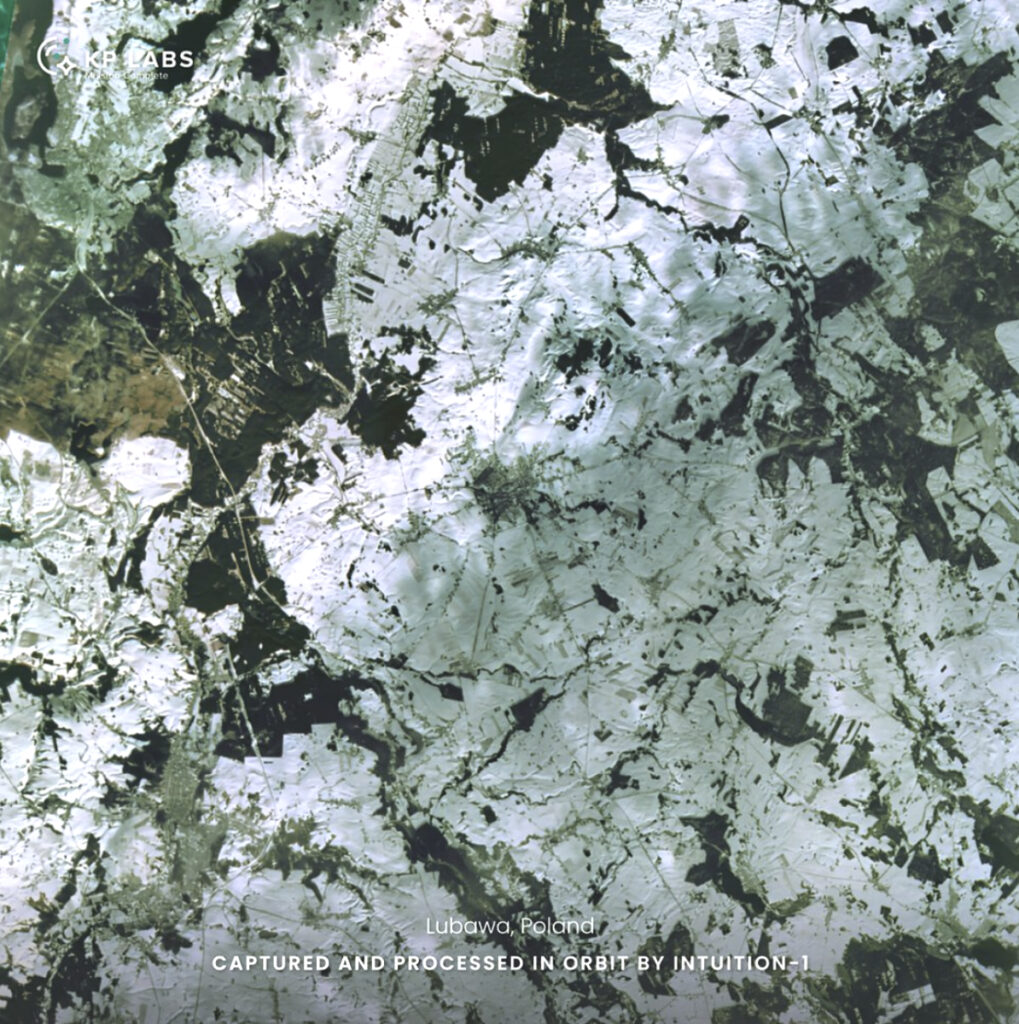
The satellite also turned its eye to Poland—one image shows snow-covered Lubawa, proving that hyperspectral data is collected all year round. At the heart of the mission is the Leopard Data Processing Unit (DPU), designed and built by KP Labs. Leopard enables data processing directly in orbit, allowing analysis of images before they are transmitted to Earth. This onboard processing capability significantly reduces the volume of data that needs to be downlinked, delivering faster and more practical information to end users.
On August 12, 2025, KP Labs engineers used Leopard for a unique demonstration: they ran Doom, originally released in 1993 by ID Software, in space—on board the satellite. To achieve this, they modified an open-source version of the game’s code, and before sending it to orbit, the entire solution was tested on a ground-based FlatSat setup.
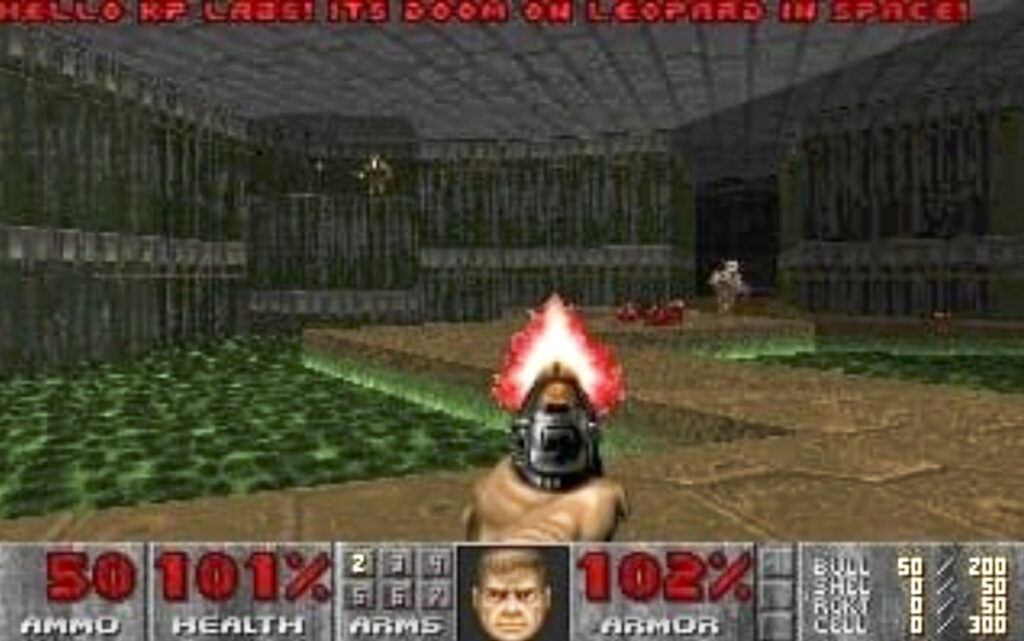
Although the Doom experiment was primarily symbolic, its significance goes far beyond nostalgia as it demonstrated that Leopard can handle diverse computational tasks—from simple to complex—even in the harsh conditions of space. This confirmed the flexibility of the system and its ability to support a wide range of scenarios.
Since the beginning of its mission, Intuition-1 has repeatedly proven the value of Polish-developed space technology. In its first months, it downlinked hyperspectral images processed entirely on board, becoming one of the first satellites worldwide to achieve this. Later, its data was used to test algorithms for vegetation classification and environmental monitoring, showing that Intuition-1 can support applications such as precision agriculture, ecosystem monitoring, and resource management.
KP Labs also operates another DPU on-orbit—LeopardISS, installed on the International Space Station as part of the ESA-led IGNIS mission involving Polish astronaut Sławosz Uznański-Wiśniewski. The compact module, integrated in the Columbus laboratory via the ICE Cubes platform, has been running AI algorithms in microgravity. The first task was testing a 3D terrain mapping algorithm developed by Poznań University of Technology—a technology that could one day support autonomous lunar or Martian rovers.