• Skip to main content
  • Skip to primary sidebar
  • Home
  • News
  • Featured
  • More News ⌄
    • SatNews
    • SatMagazine
    • MilSatMagazine
  • Events ⌄
    • MilSat Symposium
    • SmallSat Symposium
    • Satellite Innovation
  • Contacts
  • SUBSCRIPTION

SmallSat News

You are here: Home / Archives for News

News

Development Grant Received By AstroAgency To Develop Space Hub For The Scottish Space Leadership Council

November 18, 2020 by editorial

A strategic marketing firm working exclusively across the international space sector has been awarded a development grant from the UK Space Agency to establish a space hub on behalf of the Scottish Space Leadership Council (SSLC).

AstroAgency will use this financial support to advance the SSLC into a formalized entity, with the ultimate aim of connecting and promoting Scotland’s fast-growing space ecosystem nationally and internationally.

The SSLC was formed in 2016 as a voluntary, cross-sectoral representative organisation in response to the need for greater connection and collaboration within the Scottish and wider UK space community.

Established by industry experts, the space intelligence and marketing firm has grown to 12 staff in its first year, securing a long list of high profile and established global space clients and new entrants looking to transition into the sector.

Executive Comments

UK Science Minister Amanda Solloway explained, “This funding will arm local leaders up and down the UK with the tools they need to put their local areas at the front of the commercial space race, while refuelling the tank of the UK economy.”

UK Government Minister for Scotland, Iain Stewart, added, “Today’s funding announcement is another example of how the UK Government is securing the UK’s position as a global leader in the space sector. The investment in Scottish projects will contribute to regional economic growth and support the development of the space industry across the country.”

Scottish Trade, Investment & Innovation Minister, Ivan McKee, said, “The SSLC, with strong support from the Scottish Government and its agencies, already plays an important role in the development of our growing space sector, most recently bringing together the developing spaceports across the UK to form the Spaceports Alliance. This funding will further enhance its work and support our ambitions for Scotland to become Europe’s leading space nation. I welcome the UK Space Agency’s recognition of the importance of a unified industry voice from Scotland and for my part, I will champion the views of our sector at all levels of government. The Scottish Government’s aim is for Scotland to secure a £4 billion slice of the global space market by 2030, an ambitious but realistic target, and I look forward to continuing our close collaboration in order to further develop the sector and promote opportunities for our businesses.”

AstroAgency Founder Daniel Smith stated, “We look forward to outlining a strategy that ensures the SSLC remains at the forefront of industry developments. AstroAgency’s strategic space marketing focus means that we don’t simply raise awareness in space activity, but identify partnership and investment opportunities, provide regular market intelligence and connect partners directly into the NewSpace ecosystem. Our experienced international space team understands the opportunities that this innovative industry can deliver across every sector imaginable, not to mention the important role it has to play in boosting local economies and protecting our environment.”

Chair of the Scottish Space Leadership Council, John Innes, commented, “The SSLC, working together with the AstroAgency team, look forward to establishing a formalized Scottish hub suited to connecting and promoting the country’s vibrant space sector.”

Linda Hannah, Interim CEO of Scottish Enterprise, added, “The companies, organizations and support structures within the sector are on the same mission to create a thriving, world-leading and innovative hub that will drive an ambitious growth plan to create the jobs and tech solutions of the future too — this award is great news for the space sector.”

Filed Under: News

Skyrora Completes Successful Test Firings Of Their LEO Engine

November 17, 2020 by editorial

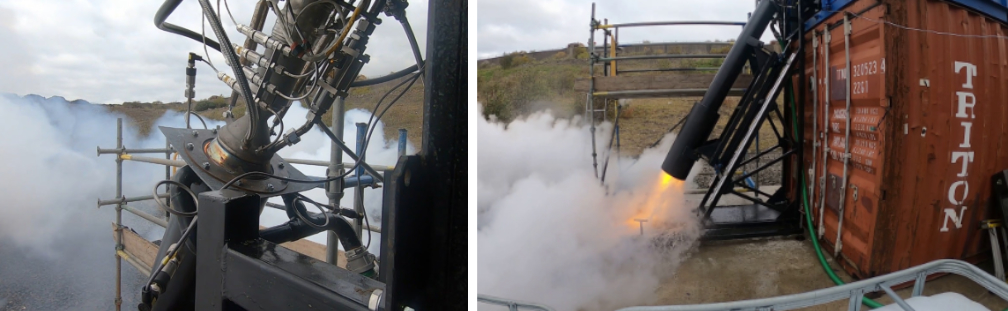
Skyrora has conducted a series of static test fires of their 3rd stage LEO engine, including a vacuum chamber test, designed to replicate space-like conditions to further advance its launch ambitions.

All tests, totaling 100 and conducted at the company’s Engine Test Complex located in Fife, Scotland, were successful, and the results met Skyrora’s test criteria. This means that this sub-system of the three-stage orbital launcher, “Skyrora XL” is ready for an envisaged launch that is planned for 2023.

Skyrora LEO engine test firings.

Skyrora’s LEO engine is unique as it can re-ignite numerous amounts of times in orbit to deliver payloads into different altitudes and phases, as required for the mission and acting as a ‘taxi’ service to satellite customers. 

With the ongoing development of the Skyrora XL orbital vehicle, Skyrora has already signed over 23 letters of intent with interested customers and is planning to have a launch service agreement in place within the next six months. Plans such as these will open 150 – 170 job opportunities across Scotland.

The primary purpose of Skyrora’s test program was to verify the life-time cycle according to ESA standards for their 3.5kN LEO engine, as well as testing vacuum configuration, operational envelope limits and Thrust Vector Control (TVC). This meant that the engine was fired three times longer than a normal mission required, while also conducting a number of re-ignitions. 

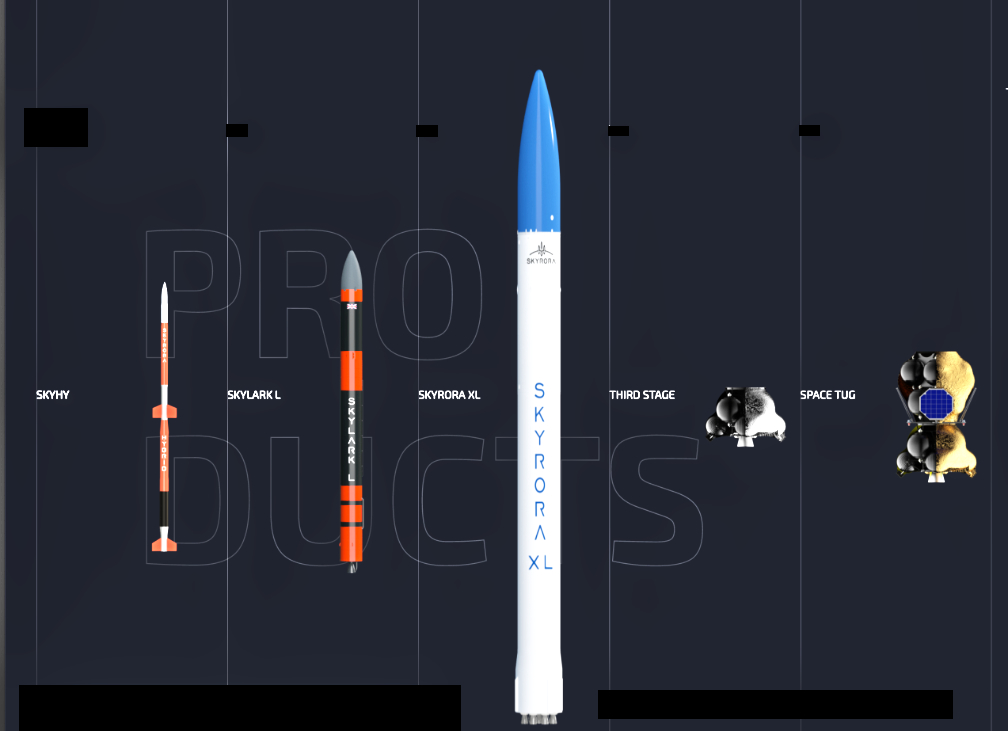
Skyrora is heavily focused on the environmental impact of their launch vehicles, Skylark L and Skyrora XL, with plans to use their kerosene equivalent derived from unrecyclable plastic waste as their rocket propellant. In January of 2020, the fuel known as Ecosene was successfully tested on Skyrora’s LEO engine. Skyrora is determined to become an eco-friendly launch provider and to continue to focus their efforts in protecting the planet.

A major accomplishment for the Scotland-based company during these 100 tests was that Skyrora’s LEO engine achieved 1,500 seconds of operation within 20 firing tests under vacuum conditions. Skyrora used a gas-dynamic tube, designed and manufactured in-house, to provide the necessary low-pressure environment, as the engine is to be operated in the upper atmosphere.

The 3.5kN engine has the ability to conveniently and reliably restart in orbit (because of the Hydrogen Peroxide system). It is this element that makes it suitable as an orbital maneuvering unit or a space tug.  The functionality of an orbital maneuvering unit or space tug could include a range of tasks, from space debris removal to aiding in a moon mission. 

The next step for Skyrora is to develop the 70kN engine, that will be installed on the first and second stage of the commercial-class orbital vehicle, Skyrora XL. Skyrora is also looking at launch options and locations for their suborbital vehicle “Skylark L.”  

Skyrora products.

Executive Comment

Head of Engineering, Dr. Jack-James Marlow, said, “These tests were a fundamental step for our verification programme for the third stage LEO engine, which make us a stage closer to fully developing our polar orbital vehicle, Skyrora XL. We designed and manufactured a vacuum tube to allow us to lower ambient pressure conditions to approximately 10% of sea level. This is a great technological achievement for Skyrora.” 

Filed Under: News

Space Flight Laboratory To Build Three Smallsats For GHGSat

November 17, 2020 by editorial

Space Flight Laboratory (SFL) has been awarded a contract by GHGSat to build the next three smallsats in its commercial greenhouse gas monitoring constellation.

Greenhouse gas emissions detected and measured by the satellites are processed into emission reports and other products by GHGSat on behalf of a broad range of customers, including energy facilities, government agencies, and environmental organizations.

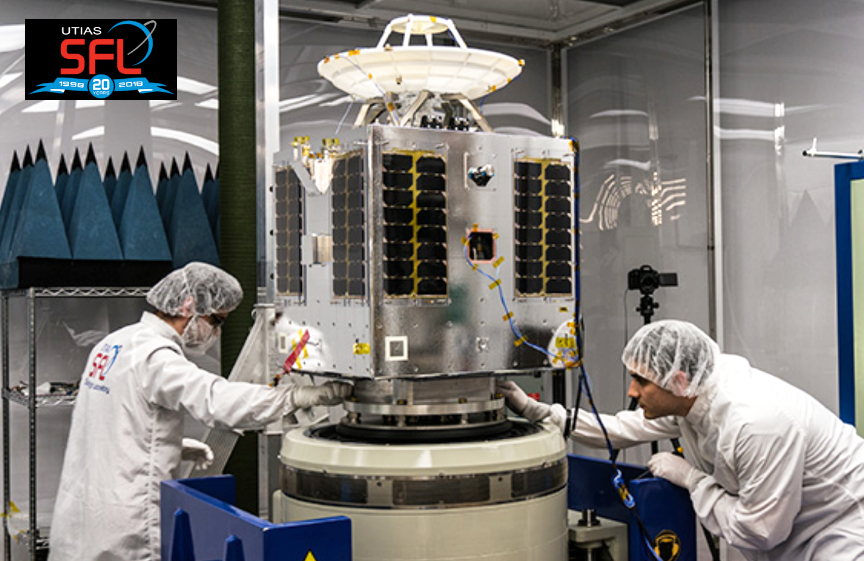
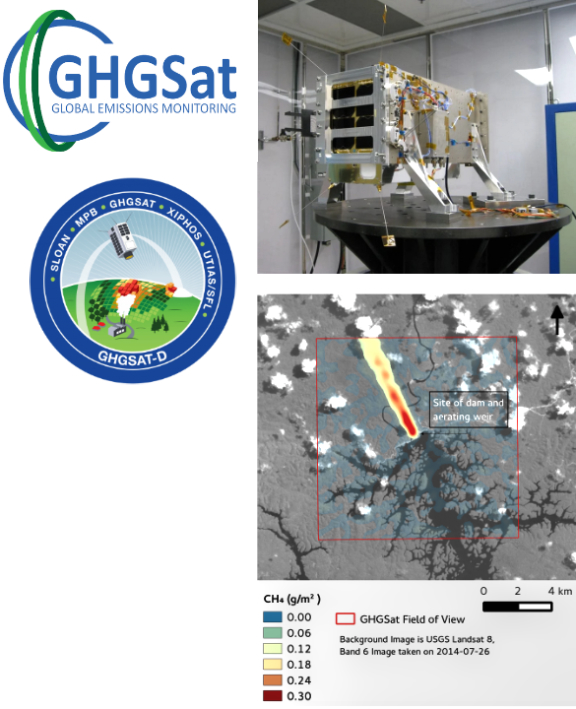
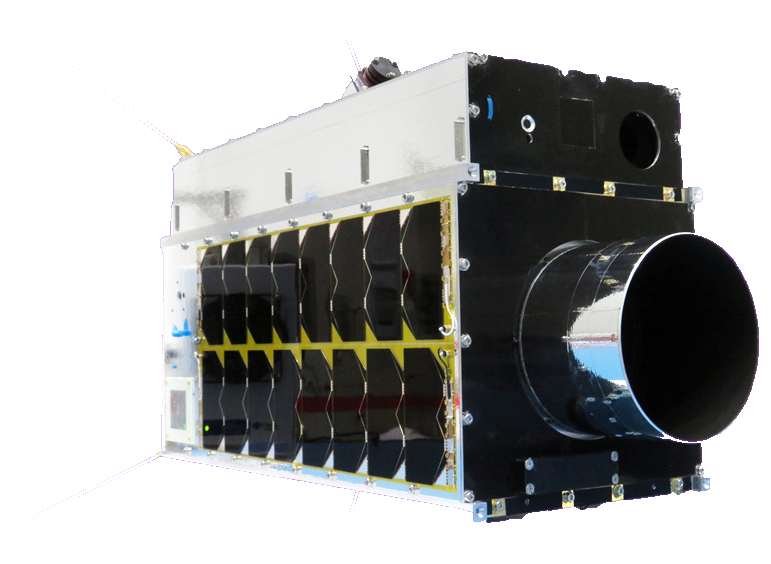
SFL built the pathfinding GHGSat-D (Claire) smallsat launched in 2016 and then was awarded the contract by GHGSat Inc. to develop the first two commercial service satellites, GHGSat-C1 (Iris) and C2 (Hugo). Iris was launched in September 2020, and Hugo is slated for launch late this year. These satellites were all developed on the SFL 15-kilogram Next-generation Earth Monitoring and Observation (NEMO) smallsat platform, as will be the case for the next three.

In just two months since its launch, GHGSat-C1 has achieved remarkable results detecting small methane emissions from point sources on the ground. In one test area, the satellite pinpointed five separate methane emissions, two of which were smaller than 220 kg/hr, a notable performance improvement on GHGSat’s demonstration satellite (Claire).

GHGSat-C1 smallsat. Image is courtesy of SFL.

GHGSat-C1’s ability to detect and measure small point sources of greenhouse gas emissions is due in part to the precise attitude control and target tracking capability of the SFL NEMO bus. Rare among satellite platforms of this size and relatively low cost, precise pointing of the onboard sensor is made possible by an accurate and stable platform – an important factor in SFL’s selection to build the GHGSat microsatellites.

Executive Comment

“SFL has proven their technical expertise with our first two satellites. We are looking forward to this next phase of our partnership to support the growth of GHGSat’s constellation,” said Stephane Germain, CEO of GHGSat.

“SFL congratulates GHGSat on its success in providing commercial greenhouse gas monitoring services from space,” said SFL Director, Dr. Robert E. Zee. “This contract highlights GHGSat’s need to expand data collection capacity to meet the growing demand for its valuable services. We have a very mature, well-developed, and high-performance attitude control system that can handle various maneuvers and pointing modes with relative ease. We fine-tuned the attitude control required for GHGSat-C1 by leveraging the results from the GHGSat-D demonstration mission, and we will make continued advancements in the next GHGSat constellation.”

Established at the University of Toronto Institute for Aerospace Studies (UTIAS) in 1998, SFL has developed CubeSats, nanosatellites, and microsatellites that have achieved more than 128 cumulative years of operation in orbit. These microspace missions have included SFL’s trusted attitude control and, in some cases, formation-flying capabilities. Other core SFL-developed components include modular (scalable) power systems, onboard radios, flight computers, and control software. SFL’s heritage of on-orbit successes includes missions related to Earth observation, atmospheric monitoring, ship tracking and communication, radio frequency signal geolocation, technology demonstration, space astronomy, solar physics, space plasma, and other scientific research.

Filed Under: Featured, News

Orbit Fab’s First Operational Gas Station In Space To Launch In 2021

November 17, 2020 by editorial

Orbit Fab has signed an agreement with Spaceflight Inc. to launch the company’s first operational fuel depot to orbit. Tanker 001 Tenzing, which will provide fuel for the fast growing in-orbit servicing industry, is expected to launch aboard a SpaceX Falcon 9 no earlier than in June 2021.

Once launched, Tanker 001 Tenzing will store propellant in sun synchronous orbit, where it will be available to satellite servicing vehicles or other spacecraft that need to replenish fuel supplies. The tanker is one of several payloads to launch on a Spaceflight Sherpa orbital transfer vehicle, which is capable of executing multiple deployments. Spaceflight’s first OTV, Sherpa-FX, is scheduled to debut no earlier than December 2020 on a SpaceX rideshare mission and provides independent and detailed deployment telemetry, and flexible interfaces, all at a low cost.

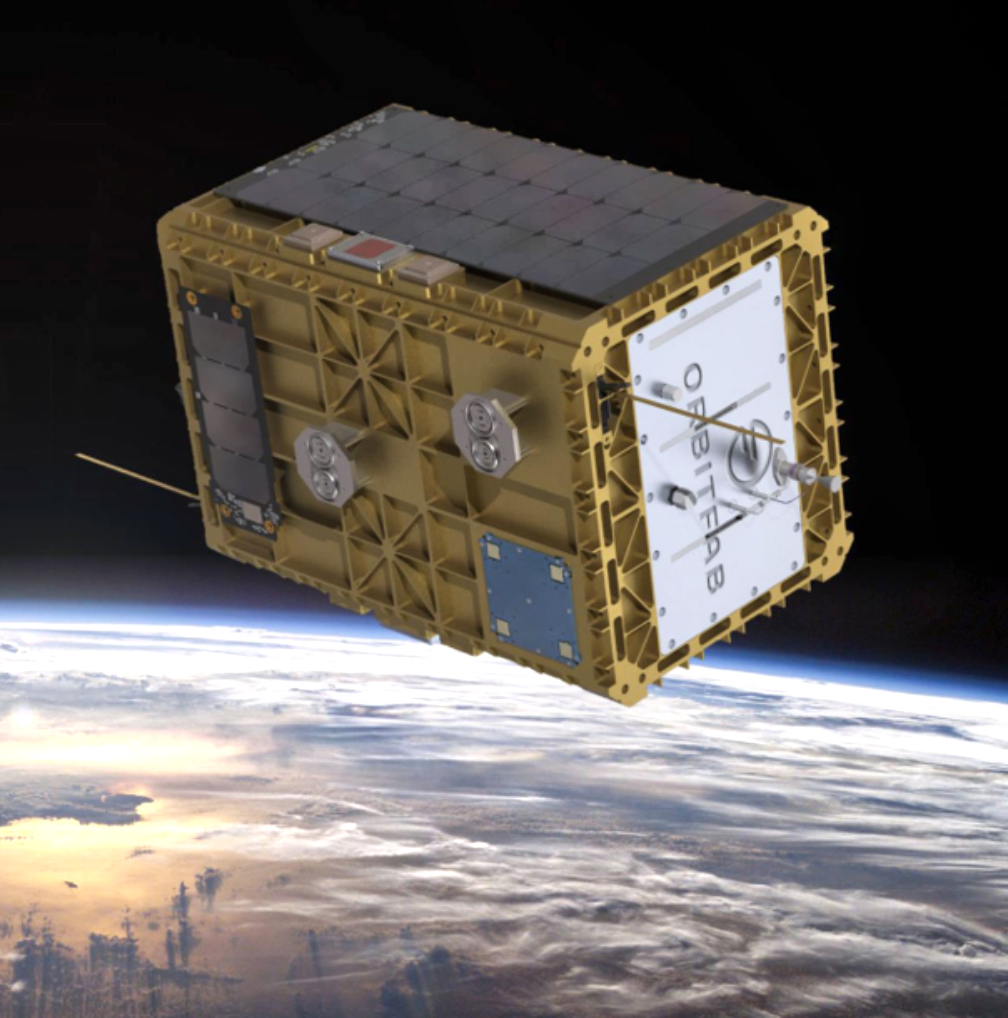
The Generation-1 Tanker is Orbit Fab’s “minimal viable product”, a 16U sized satellite holding 15 liters of propellant. This form factor was selected as it can be launched on a variety of launch vehicles inside off-the-shelf deployers, providing isolation from the launch vehicle and primary payloads. Photo is courtesy of Orbit Fab.

Orbit Fab’s fuel depots are designed to support more sustainable spacecraft through the use of the Rapidly Attachable Fluid Transfer Interface (RAFTI), which has been adopted by multiple spacecraft manufacturers to extend the life of their satellites. RAFTI, which is also known as a “Satellite Gas Cap™,” was developed in cooperation with 30 companies and organizations and it is expected to become the industry’s common refueling interface.


In today’s contested space domain RAFTI provides reliable propellant transfer both on the ground and in orbit with a self-driving satellite kit for docking and attachment of two spacecraft without the need for complex robotic arms.

Earlier this year Orbit Fab received a $3 million contract from the U.S. Air Force to fully flight qualify the RAFTI service valve, and it received a National Science Foundation (NSF) grant to test its docking system. Previously, Orbit Fab successfully demonstrated its propellant storage and delivery systems in an unprecedented private transfer of water to the International Space Station.

Executive Comments

Daniel Faber

“For capital intensive emerging markets, the way to identify value is by the velocity of new entrants,” said Daniel Faber, Orbit Fab CEO. “In-orbit servicing companies are rapidly proliferating with a five-fold increase since we founded Orbit Fab in 2018. Our gas stations in space are an essential resource to fuel this industry and support the infrastructure in space that enables projected commerce, exploration and national security.”

“Orbit Fab’s RAFTI supports the Air Force and Space Force need for space combat logistics capabilities (On-Orbit Servicing), which enables space domain awareness,” said Jeremy Schiel, CDO of Orbit Fab. “Refueling is a requirement in the emerging Space Force architecture and for good reason. You don’t want to run out of fuel in the middle of a confrontation.”

Filed Under: News

Arianespace Gives The “Green Light” For The VV17 Launch

November 15, 2020 by editorial

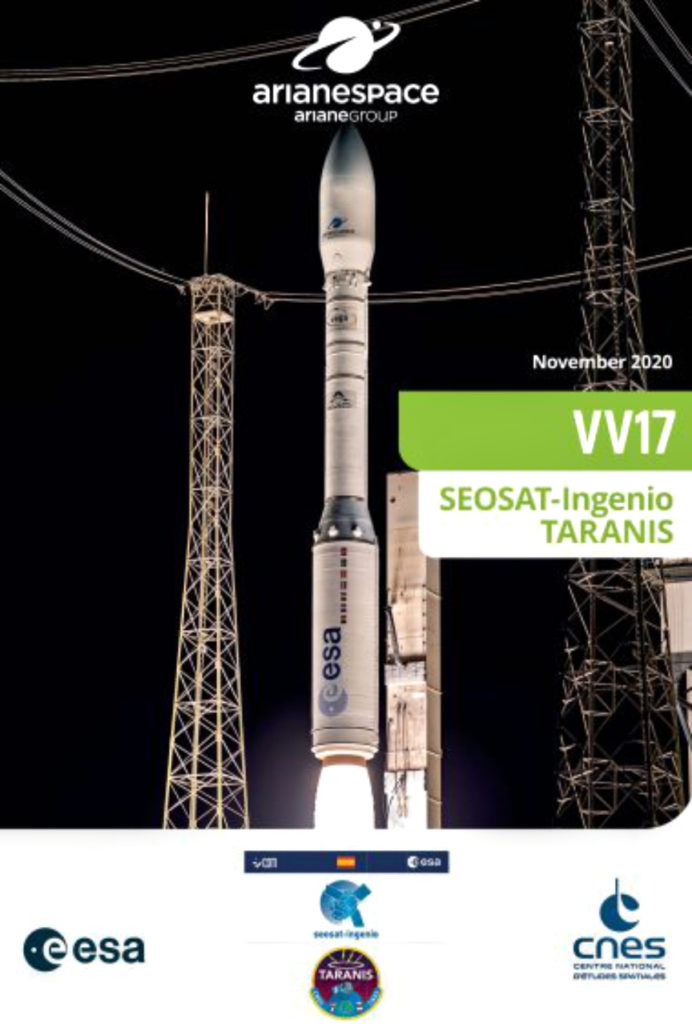
Arianespace has given the “green light” go-ahead for its Vega launch on November 16, which will orbit a pair of European-built satellites: Spain’s SEOSAT-Ingenio and TARANIS of France.

The approval followed today’s launch readiness review in French Guiana, which confirmed the preparedness of Vega, along with the payloads, the Spaceport’s launch site infrastructure, and the network of tracking stations.

All is now set for the nighttime liftoff on November 16 at precisely 10:52 p.m. local time in French Guiana (1:52 UTC on November 17), initiating a flight that will last 1 hr. and 42 min. until final payload separation. Total payload performance is estimated at 1,192 kg.

This mission to Sun-Synchronous Orbit (SSO) is designated VV17, and it will be performed from the Spaceport’s ZLV launch complex – where Vega was assembled and now stands in a flight-ready configuration, protected by a mobile gantry that will be withdrawn prior to liftoff.

Flight VV17 will mark Arianespace’s seventh mission in 2020, and is the company’s second this year using a lightweight Vega – which is one of three launch vehicles operated by Arianespace at the Spaceport, along with the medium-lift Soyuz and heavyweight Ariane 5. Vega’s production prime contractor is Avio.

Vega began operations from Europe’s Spaceport in 2012, with the upcoming Flight VV17 to become its 17th. SEOSAT-Ingenio and TARANIS are to be the 84th and 85th satellites orbited by this vehicle – and the 745th and 746th lofted on an Arianespace mission overall.

For this latest Vega flight, the launcher is equipped with a Vega Secondary Payload Adaptor (VESPA), which enables the multi-satellite payload to be carried and deployed. VESPA is produced by Airbus Defence and Space in Spain for Avio.

SEOSAT-Ingenio will be released first during the Vega flight sequence, deployed from atop the VESPA structure. As the initial Spanish Earth Observation (EO) satellite, this spacecraft was built by an industrial consortium of Spanish space-sector companies led by Airbus Defence and Space. It will be orbited for the European Space Agency (ESA) at the benefit of Spain’s CDTI (Center for Development of Industrial Technology). The Spanish Instituto Nacional de Técnica Aeroespacial (INTA) will own and operate SEOSAT-Ingenio.

Artistic rendition of SEOSAT-Ingenio on-orbit.

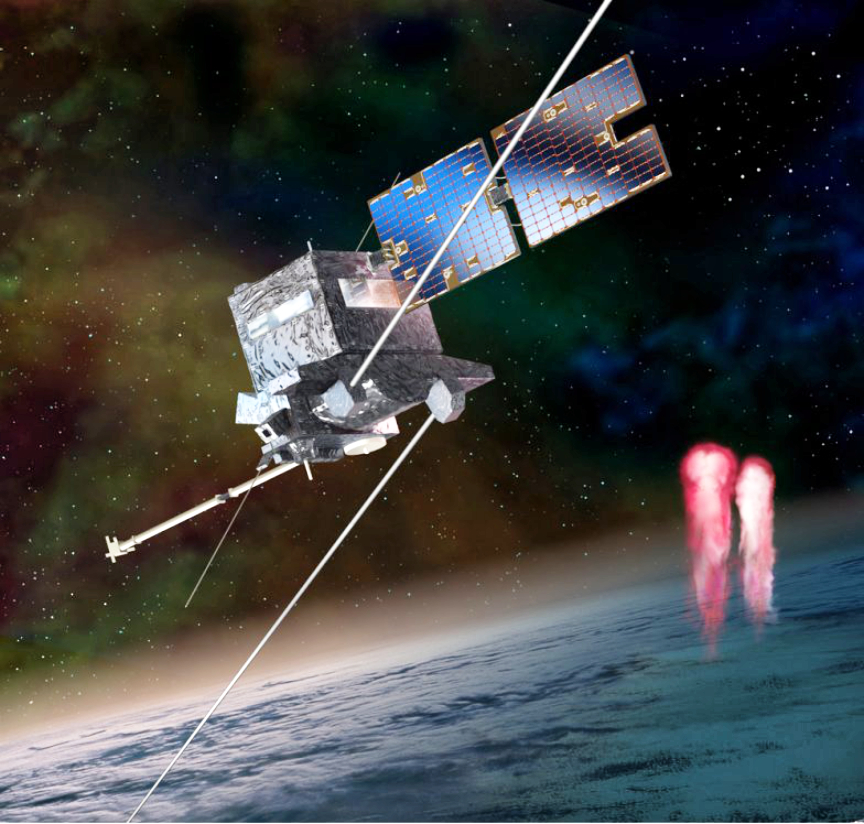
TARANIS is installed inside VESPA, and will be deployed to complete Arianespace’s Flight VV17 – sending this spacecraft on its scientific mission to observe the mysterious red sprites, blue jets, elves and sprite halos that occur at altitudes of 20 to 100 km. above thunderstorms. It is being launched for the French CNES space agency as both customer and spacecraft prime contractor.

Artistic rendition of the TARANIS satellite, courtesy of CNES.

Filed Under: Featured, News

SSC UK Awarded ESA Contract For Development Of Ground Systems Segments For Smallsats

November 12, 2020 by editorial

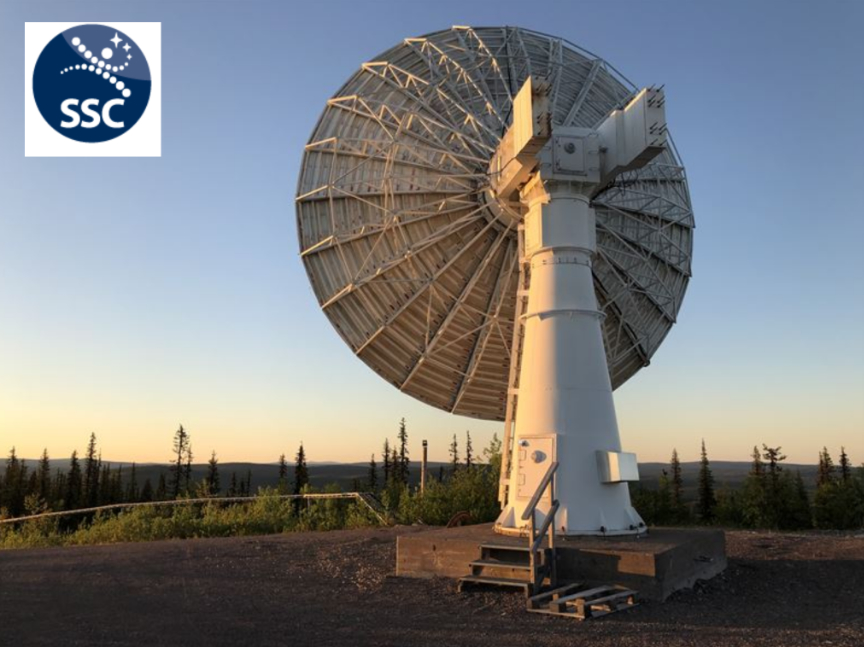
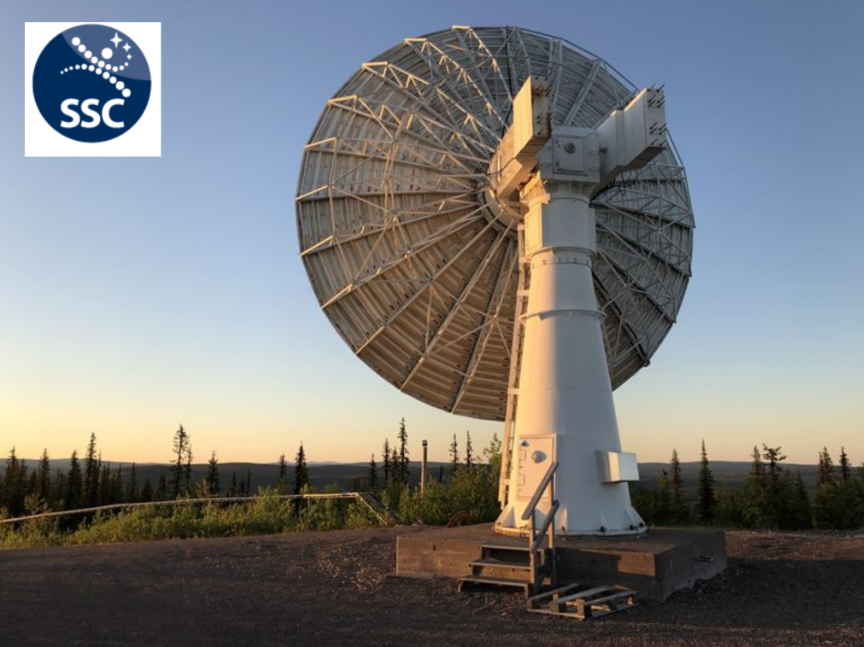
One of SSC antennas at Esrange Space Center in northern Sweden, where SSC has one of the world’s largest ground stations for satellite management.
Photo is courtesy of Photographer: Robert Unga.

The UK subsidiary of SSC (Swedish Space Corporation) has been awarded a contract by the European Space Agency ESA to develop a next generation concept for space to ground communications targeting NewSpace (cubesats and smallsats) market.

The initiative is supported by the UK Space Agency and aims at developing a range of new technologies that will address some of the market entry barriers faced by cubesat organizations across the globe.

The Global Newspace Network Evolution (GNNetE) project brings together a number of new technologies that address costs and technical difficulties surrounding space to ground communications. It aims to support activities of CubeSat operators and manufacturers who are developing cost effective small to medium constellations and solutions for rapid deployment of space assets.

The SSC UK team is working closely with a wide range of European CubeSat manufacturers and technology partners to develop solutions that can eliminate some of their most challenging technical problems, such as spectrum allocation and effective management of spacecraft constellations.

Executive Comments

“Space to ground communications have not yet managed to harness the dramatic technology advances and cost efficiencies that CubeSats have brought to the space segment. We are committed to changing this by introducing a range of new technologies into this market. We are working with some of the most talented teams in the world and I am confident that we can deliver the next generation of space communication technologies,” said Iraklis Hatziathanasiou, Vice President of Business Development at SSC UK.

“This program acts as a catalyst for the development of next generation satellite communications systems and marks the start of the journey of our UK venture to become a world leading player in this field. We have a very ambitious growth target and we are grateful for the support of the UK Space Agency, ESA and the wider space community that has embraced our activities,” added John Stuart, Managing Director at SSC UK.

Filed Under: News

Raytheon Enters Definitive Agreement To Acquire Blue Canyon Technologies

November 12, 2020 by editorial

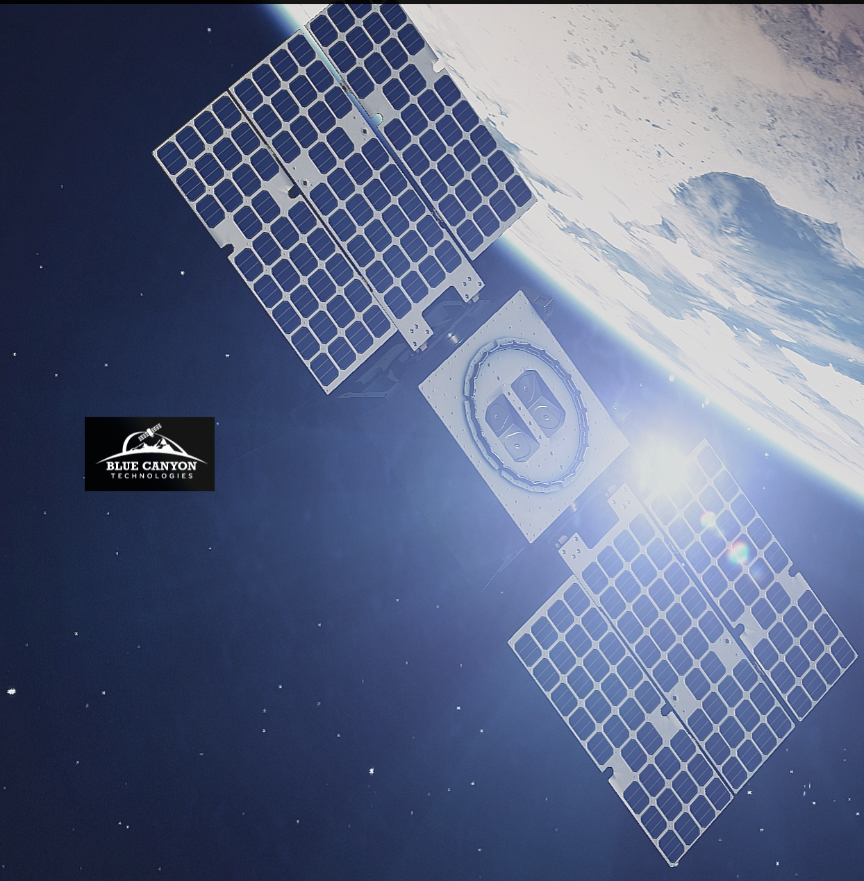
Raytheon Technologies (NYSE: RTX) has signed a definitive agreement to acquire privately held Blue Canyon Technologies, a provider of smallsats and spacecraft systems components.

Closure of the acquisition, expected by early 2021, is subject to the completion of customary conditions and regulatory approvals. Blue Canyon Technologies will report into Raytheon Intelligence & Space upon closing.

Based in Boulder, Colorado with more than 200 employees, Blue Canyon Technologies was founded in 2008. The company currently has more than 90 satellites in production, and has supported missions for the U.S. Air Force, NASA and the Defense Advanced Research Projects Agency.

Executive Comment

Roy Azevedo

“The space market is rapidly expanding and our customers need comprehensive solutions faster than ever before,” said Roy Azevedo, President of Raytheon Intelligence & Space. “What makes Blue Canyon Technologies the right fit for our business is its agile, innovative culture and expertise in small satellite systems and technologies. This acquisition enables us to deliver a broader range of solutions to support our customers’ space missions – from sensing subsystems to mission systems integration and from launch and range support to on-orbit operations.“

Filed Under: Featured, News

SSC UK Awarded ESA Contract For Development Of Ground Systems Segments For Smallsats

November 11, 2020 by editorial

One of SSC antennas at Esrange Space Center in northern Sweden, where SSC has one of the world’s largest ground stations for satellite management.
Photo is courtesy of Photographer: Robert Unga.

The UK subsidiary of SSC (Swedish Space Corporation) has been awarded a contract by the European Space Agency ESA to develop a next generation concept for space to ground communications targeting NewSpace (cubesats and smallsats) market.

The initiative is supported by the UK Space Agency and aims at developing a range of new technologies that will address some of the market entry barriers faced by cubesat organizations across the globe.

The Global Newspace Network Evolution (GNNetE) project brings together a number of new technologies that address costs and technical difficulties surrounding space to ground communications. It aims to support activities of CubeSat operators and manufacturers who are developing cost effective small to medium constellations and solutions for rapid deployment of space assets.

The SSC UK team is working closely with a wide range of European CubeSat manufacturers and technology partners to develop solutions that can eliminate some of their most challenging technical problems, such as spectrum allocation and effective management of spacecraft constellations.

Executive Comments

“Space to ground communications have not yet managed to harness the dramatic technology advances and cost efficiencies that CubeSats have brought to the space segment. We are committed to changing this by introducing a range of new technologies into this market. We are working with some of the most talented teams in the world and I am confident that we can deliver the next generation of space communication technologies,” said Iraklis Hatziathanasiou, Vice President of Business Development at SSC UK.

“This program acts as a catalyst for the development of next generation satellite communications systems and marks the start of the journey of our UK venture to become a world leading player in this field. We have a very ambitious growth target and we are grateful for the support of the UK Space Agency, ESA and the wider space community that has embraced our activities,” added John Stuart, Managing Director at SSC UK.

Filed Under: News

Lacuna Space’s Fourth IoT Smallsat Launched + Comms Established

November 10, 2020 by editorial

Lacuna Space has successfully launched and has established communications with their fourth IoT (Internet of Things) gateway in space. The satellite, carrying a new generation of space gateways, was transported to LEO onboard the PSLV-C49 mission from India last Saturday, November 7, 2020. The mission will cover a geographic band around the entire globe between the 40th parallels North and South, stretching from Madrid all the way down to Cape Town.

Lacuna Space and IoT satellite services for farming.

One of Lacuna’s early partners has been Sustainability Tech, a technology systems developer that focuses on tropical forest ecosystems in Southeast Asia. Sustainability Tech is working with Lacuna Space to produce new satellite-connected sensors that monitor wetland hydrology. These enable a variety of companies, from commercial plantation managers to conservation projects such as peatland restoration, to monitor fire risk and water levels from any internet-connected device.

Peatland ecosystems, a type of wetlands, are home to some of the world’s rarest and unique species and store more carbon than all other vegetation types in the world combined. With over 14 million hectares (140,000 km2), Indonesia has some of the largest peatlands globally. Degradation from commercial development has turned them into a major contributor of greenhouse gas emissions (globally they account for six percent of anthropogenic CO2 emissions) and led to increased fires and haze. The damage poses enormous climate risk and negatively affects the health of rural people and local economies. Peatland restoration can significantly reduce these emissions.

Tracking elephants. Image is courtesy of Lacuna Space.

The satellite platform and early operations have been supplied by smallsat integrator NanoAvionics. Other key equipment was provided by Oxford Space Systems and Parametric in Switzerland. Service commissioning — the on-orbit checkout period — is underway and telemetry data is already being received by the company. The mission is expected to enter full service before the close of this year.

Executive Comments

Rob Spurrett

“We are continuing to push the boundaries of what’s technically possible with extremely low power IoT technology with each generation of IoT gateways we are putting into space,” said Rob Spurrett, CEO of Lacuna Space. “This latest one offers higher sensitivity and capacity for message reception from LoRaWAN® (long range wide area network) devices. It also allows us to better cover regions around the equator offering more opportunities for our technology partners and IoT services providers across South America, Africa and Southeast Asia.”

Josh Van Vianen, Managing Director of Sustainability Tech, added, “The Lacuna satellite connection allows our clients to monitor their peatland restoration impact in harsh environments with more reliable uptime and lower costs compared with first generation systems. This is exactly the type of technology needed to massively scale up the climate solutions necessary to protect our planet from further warming. By partnering with Lacuna, Sustainability Tech is improving its sensor suite and enabling clients to effectively monitor and manage large areas with access to better data. Low orbit satellites improve coverage for these sensor networks and reduce costs for clients, which include conservation and climate mitigation projects, researchers and agribusiness that need real-time management tools. The partnership with Lacuna will benefit all local actors, ensuring they can transparently measure their impacts and implement interventions at scale.”

Another partner is Interco Cloud, an IT integrator based in Colombia, that Lacuna Space has been working with to develop forest monitoring services across Latin America. Together they also enable governments in the region to monitor electricity generation from solar farms in the remote regions, where other networks become cost prohibitive. Nelson Velandia, the CEO of Interco Cloud, noted, “The low availability of land connectivity, especially in the jungle tropics, hinders the viability of these projects. Lacuna Space is a strategic partner to integrate these types of solutions, where short messages are needed, making the project viable. This new satellite in equatorial orbit will also allow us to better advance such projects.”

Filed Under: News

Kleos Scouting Mission Smallsats Deployed

November 10, 2020 by editorial

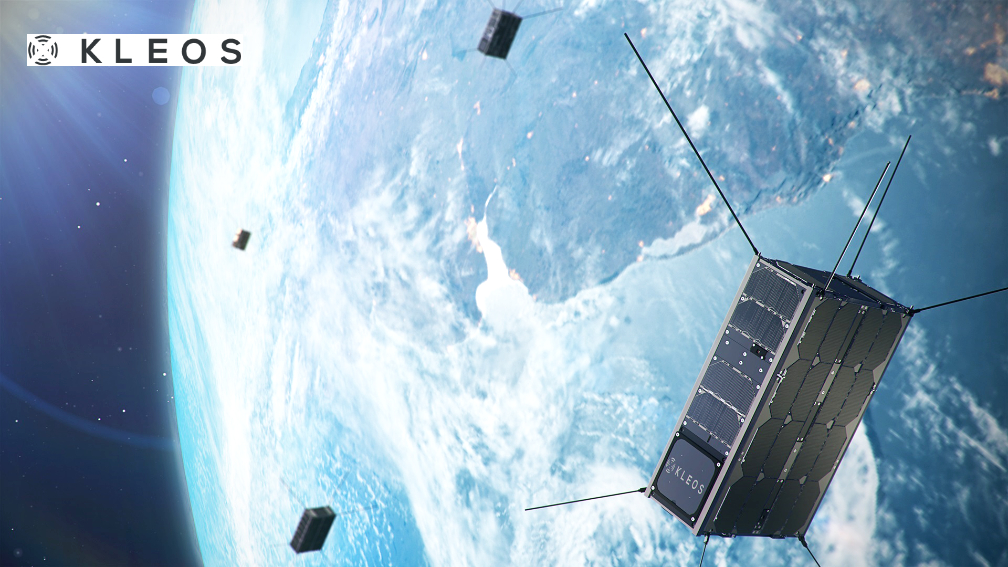
Artistic rendition of the Kleos Scouting Mission on-orbit. Image is courtesy of Kleos Space.

Kleos Space S.A. (ASX: KSS, Frankfurt: KS1) has successfully deployed their Scouting Mission satellites (KSM1) via the launch on India Space Research Organization’s (ISRO) Polar Satellite Launch Vehicle (PSLV) C49 from Chennai, India, on the November 7, 2020.

Liftoff of India’s PSLV C49.

Kleos’ cluster of four satellites have been launched from the Satish Dhawan Space Centre under a rideshare contract with Spaceflight Inc. Deployment from the launch vehicle into their allocated orbit at 37 degree inclination has occurred and initial communications has been established. The on-orbit commissioning phase now commences to prepare the satellites to collect data over crucial areas of interest such as Strait of Hormuz, South China Sea, East/West Africa, Southern Sea of Japan, northern Australian coast, e.g., the Timor Sea.

The multi-satellite Scouting Mission system forms the foundation of a constellation that delivers a global picture of hidden maritime activity, enhancing the intelligence capability of government and commercial entities when AIS (Automatic Identification System) is defeated, imagery is unclear, or targets are out of patrol range. The first scouting mission is comprised of 4x satellites built by GomSpace in Denmark.

While the first cluster is in orbit, Kleos remains focused on securing additional Government and commercial contracts and is on track to generate first revenues in Q1 2021. The development of Kleos’ second cluster of satellites (KSF1), is already underway and subsequent to an initial review on the 6th November is expected to pass PDR within the next week.

That activity is on track to have satellites procured, assembled and integrated for the mid 2021 launch slot (window opens 1st June 2021). This mission will be named Polar Vigilance Mission and is a cluster of four satellites, launching into SSO. The Polar Vigilance Mission will enhance the company’s RF geolocation data delivered by the Kleos Scouting Mission by covering areas North and South of the Scouting Mission 37 degree inclined orbit in addition to increasing overall coverage time in the equatorial region and increasing revenues.

Executive Comments

Andy Bowyer

Kleos CEO Andy Bowyer said, “We are very excited to have our cluster of four satellites in orbit, only three years after founding Kleos Space. This launch marks an important milestone for Kleos to start delivering our commercial and independent data to government agencies, the intelligence, surveillance and reconnaissance (ISR) community and organisations interested in locating threats, assets or those in need of search and rescue. I would like to thank the entire team at Kleos Space, GomSpace, ISRO and Space Flight as they have gone above and beyond the call of duty to get our Scouting satellites launched in the middle of a worldwide pandemic. Additionally I would like to thank the wider team around us, we have an incredible group of shareholders, stakeholders and partners who have been on this journey with us, and I look forward to working with them as we now grow.”

Miles Ashcroft

Kleos CTO Miles Ashcroft said of the successful launch, “This is the fruition of a massive amount of hard work by the team. They have made sure this has happened through the most unusual of times, and I am grateful for their dedication which has been exemplary. I am proud of them for what they have achieved, and they should be proud of themselves too. We are in a good position for developing our systems to exploit data, we are making fantastic progress on the next mission (KSF1) already, these really are exciting times for Kleos.”

Franz Fayot

Franz Fayot, Luxembourg Minister of the Economy, Minister for Development Cooperation and Humanitarian Affairs, congratulated the Kleos Space team and said, “With the launch of the first satellites, the team of Kleos has reached yet another milestone in the successful development of the company. Kleos and its activities in Luxembourg are a perfect showcase to demonstrate how space- Kleos Space S.A.- 26, rue des Gaulois – L-1618 Luxembourg 2/ 4 related companies find here a nurturing and supportive environment with an established community of high-tech businesses, researchers, and entrepreneurs along with access to the necessary support, services and facilities.”

François Bausch

François Bausch, Luxembourg Minister of Defence, Deputy Prime Minister and Minister for Mobility and Public Works, added, “It is for me of utmost importance that all our endeavours serve to keep our World, but also Space, a peaceful domain. We should therefore develop meaningful capacities for our common defence as well as for society in general. The activities of Kleos in Luxembourg and the launch of these first satellites are perfectly in line with this objective and we look forward to Kleos contributing to our efforts to build valuable data sets. While using innovative technologies developed in Luxembourg, Kleos can contribute to make this World a bit more safe and secure. I would sincerely like to congratulate Kleos for the launch of these first satellites and wish you a lot of success.”

Filed Under: News

  • « Go to Previous Page
  • Page 1
  • Interim pages omitted …
  • Page 274
  • Page 275
  • Page 276
  • Page 277
  • Page 278
  • Interim pages omitted …
  • Page 339
  • Go to Next Page »

Primary Sidebar

WEEKLY NEWSLETTER

Archives

  • March 2026
  • February 2026
  • January 2026
  • December 2025
  • November 2025
  • October 2025
  • September 2025
  • August 2025
  • July 2025
  • June 2025
  • May 2025
  • April 2025
  • March 2025
  • February 2025
  • January 2025
  • December 2024
  • November 2024
  • October 2024
  • September 2024
  • August 2024
  • July 2024
  • June 2024
  • May 2024
  • April 2024
  • March 2024
  • February 2024
  • January 2024
  • December 2023
  • November 2023
  • October 2023
  • September 2023
  • August 2023
  • July 2023
  • June 2023
  • May 2023
  • April 2023
  • March 2023
  • February 2023
  • January 2023
  • December 2022
  • November 2022
  • October 2022
  • September 2022
  • August 2022
  • July 2022
  • June 2022
  • May 2022
  • April 2022
  • March 2022
  • February 2022
  • January 2022
  • December 2021
  • November 2021
  • October 2021
  • September 2021
  • August 2021
  • July 2021
  • June 2021
  • May 2021
  • April 2021
  • March 2021
  • February 2021
  • January 2021
  • December 2020
  • November 2020
  • October 2020
  • September 2020
  • August 2020
  • July 2020
  • June 2020
  • May 2020
  • April 2020
  • March 2020
  • February 2020
  • January 2020
  • December 2019
  • November 2019
  • October 2019

© 2019–2026 SatNews

Insert/edit link

Enter the destination URL

Or link to existing content

    No search term specified. Showing recent items. Search or use up and down arrow keys to select an item.
      x
      Sign Up Now!

      Enjoy a free weekly newsletter with recent headlines from the global SmallSat industry.

      Invalid email address
      We promise not to spam you. You can unsubscribe at any time.
      Thanks for subscribing! You will now receive weekly SmallSat News updates.
      We love our advertisers.
      And you will too!

      Please disable Ad Blocker to continue... We promise to keep it unobtrusive.
      We promise not to spam you. You can unsubscribe at any time.
      Invalid email address
      Thanks for subscribing!