• Skip to main content
  • Skip to primary sidebar
  • Home
  • News
  • Featured
  • More News ⌄
    • SatNews
    • SatMagazine
    • MilSatMagazine
  • Events ⌄
    • MilSat Symposium
    • SmallSat Symposium
    • Satellite Innovation
  • Contacts
  • SUBSCRIPTION

SmallSat News

You are here: Home / Archives for News

News

Orbital Deployment Contract Awarded by Sen to Momentus

May 13, 2020 by editorial

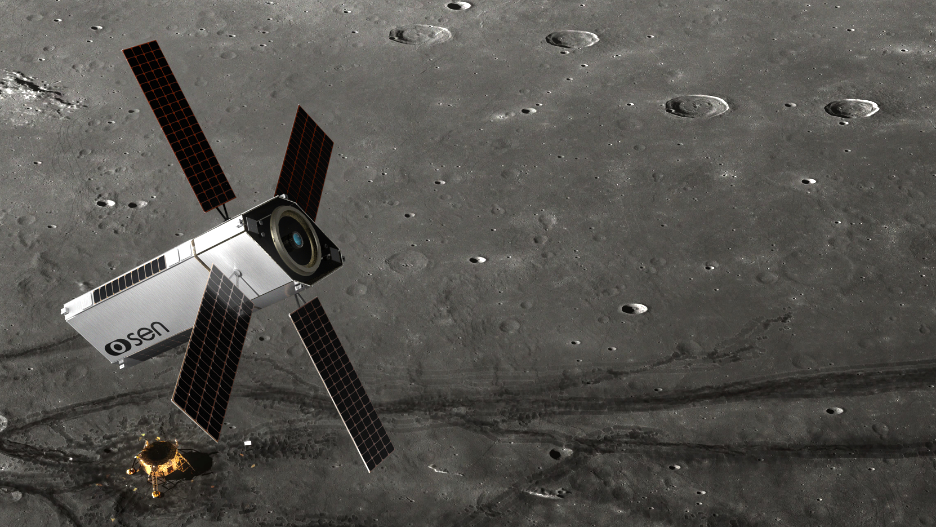
Sen, a British space company establishing a video streaming service to provide real-time and timely Ultra-High Definition (UHD) video of Earth, and Momentus, a provider of in-space transportation services for satellites, today announced a contract for the orbital deployment of Sen’s first satellite, with an option to launch a further four satellites for Sen in 2022.

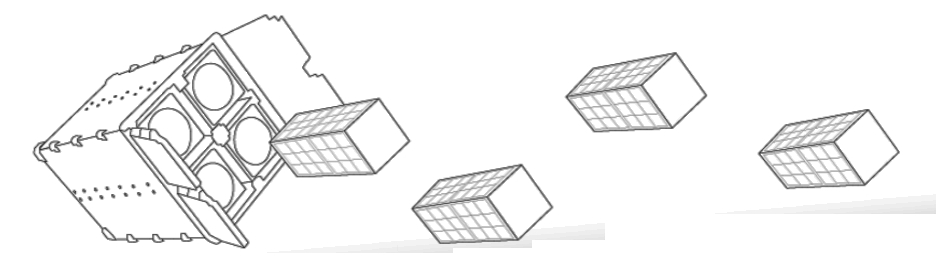
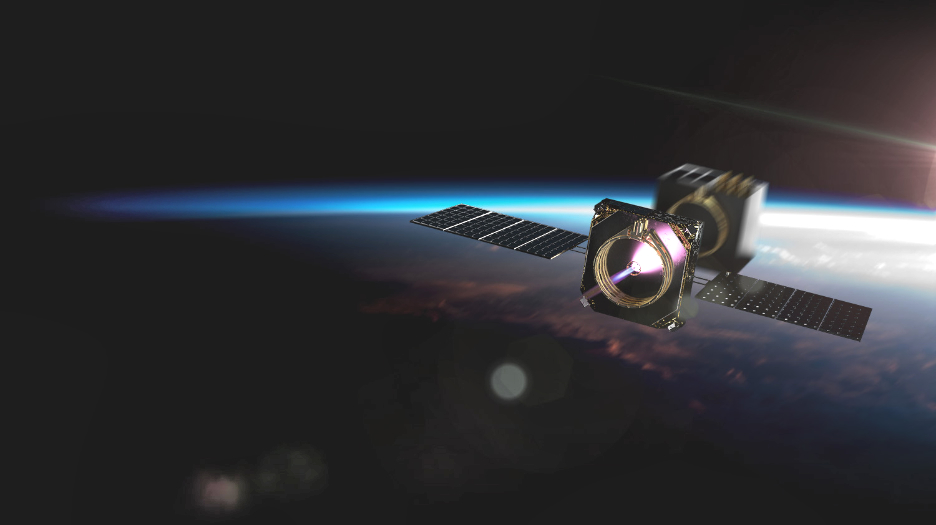
Under the agreement, Momentus’ Vigoride orbital transfer vehicles will carry Sen’s satellites to sun-synchronous orbit (SSO) riding on SpaceX Falcon 9 rockets, with the first launch booked for summer 2021 and a further four satellites scheduled for late 2022. From their drop-off orbits, the Vigorides will deploy the EarthTV satellites to their final desired altitudes. In the case of the cluster of four, Vigoride will also equally distribute the satellites in their orbital plane.

Built by NanoAvionics under a separate contract that was announced in March, the EarthTV satellites are cubesats with a 16U form factor, which makes them the largest payloads contracted to Momentus so far. This is also the first agreement specifically leveraging the orbital maneuvering capabilities of the Vigoride shuttle.

Momentus will test fly the Vigoride transfer vehicle later this year. It is optimized for orbital maneuvers in low Earth orbit such as altitude raising, in plane phasing, change of orbital planes, correction of inclination, and more. Vigoride will commence operations in 2021 with up to three commercial missions by the end of that year. A more capable variant called Ardoride will be introduced in 2022-2023, offering larger capacity as well as the ability to deliver satellites to higher orbits – Geostationary and medium Earth orbits – and even to the Moon.

Founded in 2014, Sen already demonstrated 4K Ultra High Definition video from a satellite with six cameras during its first mission which launched in February 2019, filming both the satellite and wide-angle imagery of Earth with its steerable cameras. Sen’s videos will provide news and information to people who want to explore Earth and follow major events and planetary changes.

The videos will be freely accessible for individuals both online and with a smart phone app. Sen will also provide an open source data platform and premium services for businesses and organizations. Sen’s open source data platform will enable partner organisations to build apps and analytics using the video data with the aim of opening up new markets and uses for space data.

After the launch of Sen’s first five satellites, the company plans to grow its EarthTV constellation in LEO and also place video cameras in other orbits in deep space locations around Earth, the Moon and eventually beyond.

A graduate of the prestigious Y Combinator program and based in Santa Clara, California, Momentus announced a $25.5 million Series A raise last year, bringing total funding to nearly $50 million. Momentus employs new and proprietary technologies, including water plasma propulsion to enable revolutionary low cost orbital shuttle and charter services. The prototype of the Vigoride vehicle, “El Camino Real”, was launched and tested last year. The first Vigoride test mission is planned for December2020 on a SpaceX dedicated rideshare mission to sun-synchronous Orbit (SSO).

Charles Black, Sen Founder and CEO, said the EarthTV constellation of nano-satellites will stream real-time videos from space to smart phones so that everyone can enjoy the unique perspectives of Earth from space. The company is delighted to be working with Momentus for the launch requirements as we share a vision to democratize space for the benefit of humanity. Their launch services are flexible and very attractive for smallsat constellations.

Mikhail Kokorich, CEO of Momentus, added that the firm is elated to partner with Sen and kickstart this ambitious Earth gazing project. Sen and Momentus will be ideally positioned with the firm’s family of transfer vehicles for prospective growth.

 

Filed Under: News

DARPA’s Smallsat Flights to Start

May 12, 2020 by editorial

In partnership with the U.S. Space Force (USSF) and Space Development Agency (SDA), DARPA’s Blackjack program is targeting flights to LEO later this year and 2021.

Using a series of small, risk reduction satellites, the program aims to demonstrate advanced technology for satellite constellation autonomy and space mesh networks. Blackjack seeks to develop and validate critical elements of global high-speed autonomous networks in LEO, proving a capability that could provide the Department of Defense (DoD) with highly connected, resilient, and persistent overhead coverage.

The upcoming demonstration flights are all planned as rideshares, catching a ride to LEO on a launch with other missions. The first demonstration, Mandrake 1, is a smallsat that will carry supercomputer processing chips. Mandrake 2 is a pair of smallsats that will carry optical inter-satellite links for broadband data. These could form the basis of future optically meshed computer networks in LEO.

The program also is targeting a risk reduction payload called Wildcard, a software-defined radio (SDR) that will experiment with links from LEO to tactical radios. A data fusion experiment with the ability to host advanced third party algorithms, known as massless payloads, is intended for an upcoming Loft Orbital mission.

Blackjack aims to demonstrate sensors that are low in size, weight, and power, and that can be mass produced to fit on many different buses from many different providers, for less than $2 million per payload.

The agency is evaluating buses from Airbus, Blue Canyon Technologies and Telesat, all of which have progressed through preliminary design review. The final selection of buses will happen in 2020. The program recently completed preliminary design review for Pit Boss, selecting SEAKR as the primary performer for the on-orbit autonomy system. The agency also awarded a contract to Lockheed Martin as the satellite integrator.

Several sensor payloads are under consideration for the Blackjack demonstration sub-constellation, including overhead persistent infrared (OPIR) from Collins Aerospace and Raytheon; radio frequency systems from Northrop Grumman Mission Systems, Trident, and Systems & Technology Research; position, navigation, and timing from Northrop Grumman; optical inter-satellite links from SA Photonics; and electro-optical/infrared from L3Harris. The program also recently completed a Small Business Innovation Research contract with Augustus Aerospace to work on an Army Space and Missile Defense Command-related payload.

Over the next few months, the program will run simulations to test payloads in virtual constellations of all types of missions. The goal is to show interoperability between the commoditized buses and the various payloads being considered.

Paul “Rusty” Thomas, the program manager for Blackjack’s , said it is important that the agency gets the design right. DARPA focused first on buses and payloads, then the autonomous mission management system, which is called Pit Boss. Integration of the first two military payloads should start next summer, with launch via rideshare in late 2021, followed by the remainder of the Blackjack demonstration sub-constellation in 2022. The organization needs to show the constellations can move the right amount of data and support the data fusion and command and control wanted from Pit Boss. From there, DARPA will start building the actual hardware. By late next spring, the hardware will be in-hand and then next summer will be spent focused on satellite-level qualification for launch readiness in late 2021.

Filed Under: News

C6 Launch Systems R&D Project for the Canadian Space Agency Completed

May 12, 2020 by editorial

C6 Launch Systems Inc. has successfully completed a Canadian Space Agency (CSA) funded research and development project that paves the way for next-generation, low-cost space communications for smallsat rockets.

Named C6 STARS™ (Space Transmission and Reception System), the system was developed on time with a $71,990 Space Technology Development Program (STDP) contribution from the CSA. As a result, C6 Launch was able to expand the scope of the project to develop a comprehensive test plan for this critical technology, to move even closer to the development and commercialization of their smallsat rocket.

C6 Launch expects to move to the next phases of commercializing C6 STARS with additional system evaluation during a planned engine Static Integration Test (SIT) in the fall of this year and further testing planned to take place at the CSA’s David Florida Laboratory in Ottawa. Subject to those milestones, C6 STARS will provide communications capability with the initial suborbital launch scheduled for late 2021 and the first orbital launch in mid-2022.

Daniel McCammon, Co-founder and VP Technology, C6 Launch, relayed that with C6 STARS, the compabeen able to demonstrate the reality of a low-cost, high-gain, compact space-grade communications systems for small-sat rockets from the launch pad to LEO for payload delivery. The support of the Government of Canada and the Canadian Space Agency was instrumental in achieving this milestone.”

An interim presentation delivered by C6 Launch at the International Aerospace Congress (IAC) 2019 in Washington D.C., received considerable interest from the space community.


Filed Under: News

NewSpace Systems to Supply Product for the Kinéis Smallsat IoT Constellation

May 11, 2020 by editorial


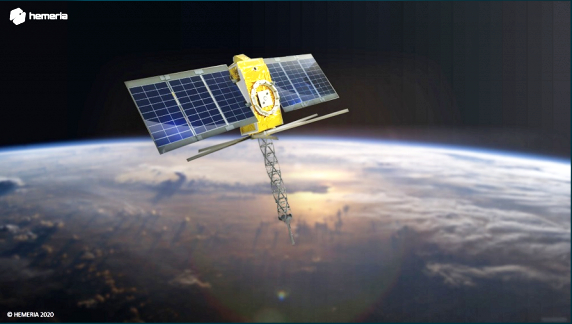
An artistic rendition of a HEMERIA constellation smallsat.
Image is courtesy of Kinéis.

NewSpace Systems (NSS), the manufacturer of “lean”, high-quality space components and sub-systems, has been down-selected by the Hemeria team to provide several of the ADCS products for the Kinéis constellation.

This constellation of smallsats will be dedicated to the Internet of Things (IoT).

The South African company design and manufacture a range of components and sub-systems from both its facilities in South Africa and the United Kingdom. Particularly strong in the area of Attitude Control Systems, NewSpace predominantly focuses on the smallsat market.

NSS CEO James Barrington-Brown said the company is excited to announce that with the successful completion of the EQSR last month, the NSS team is now working closely with the Hemeria team on the qualification phase for this program.


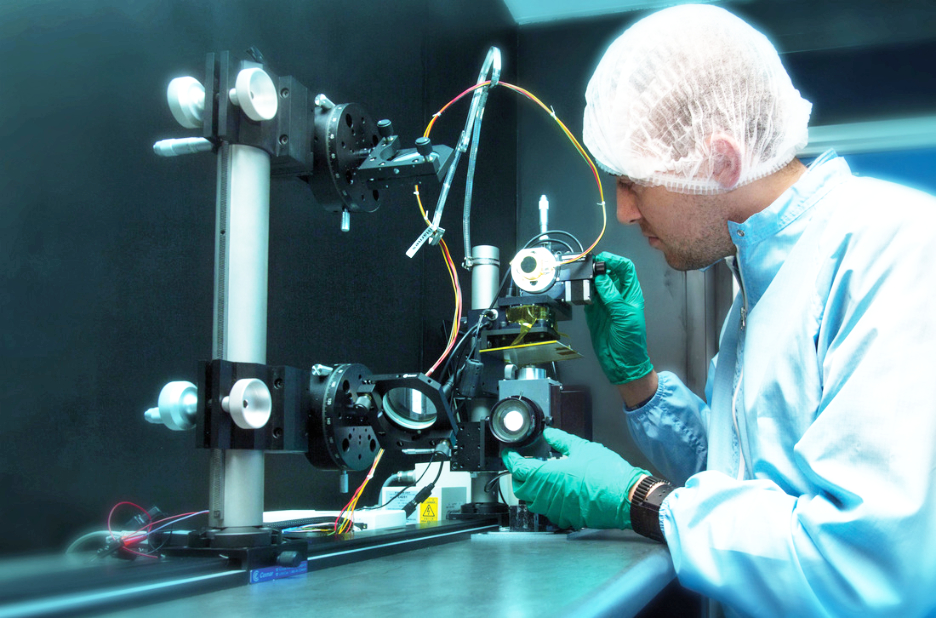
The NewSpace Systems’ Dark Room, which contains an artificial sun for the testing of their Fine Sun Sensors forms part of the NewSpace ISO-7 certified (Class 10,000) Clean Room.
Photo is courtesy of NewSpace Systems.


Filed Under: Featured, News

China Launches Two IoT Satellites

May 11, 2020 by editorial


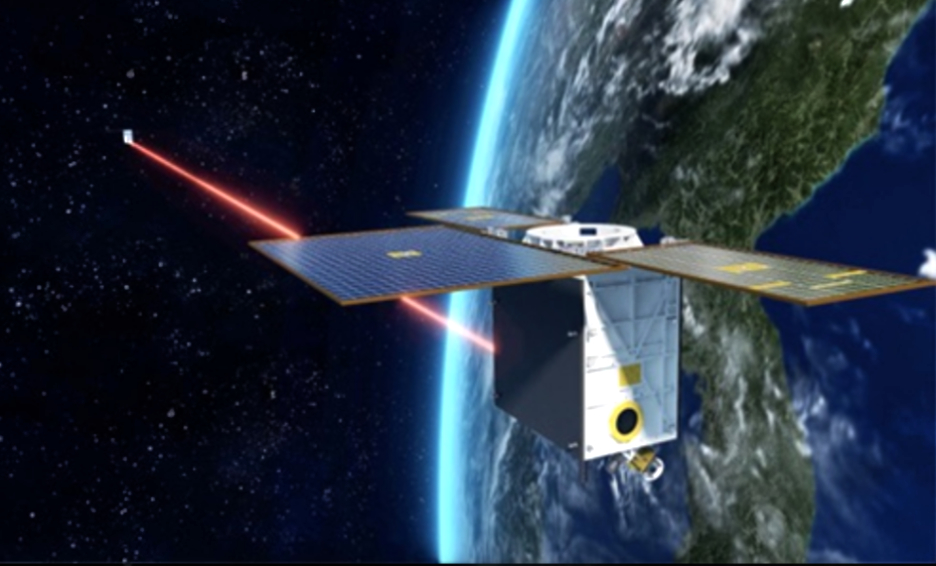
Artistic rendition of China’s Xingyun-2 01 satellite.
Image is courtesy of Global Times.

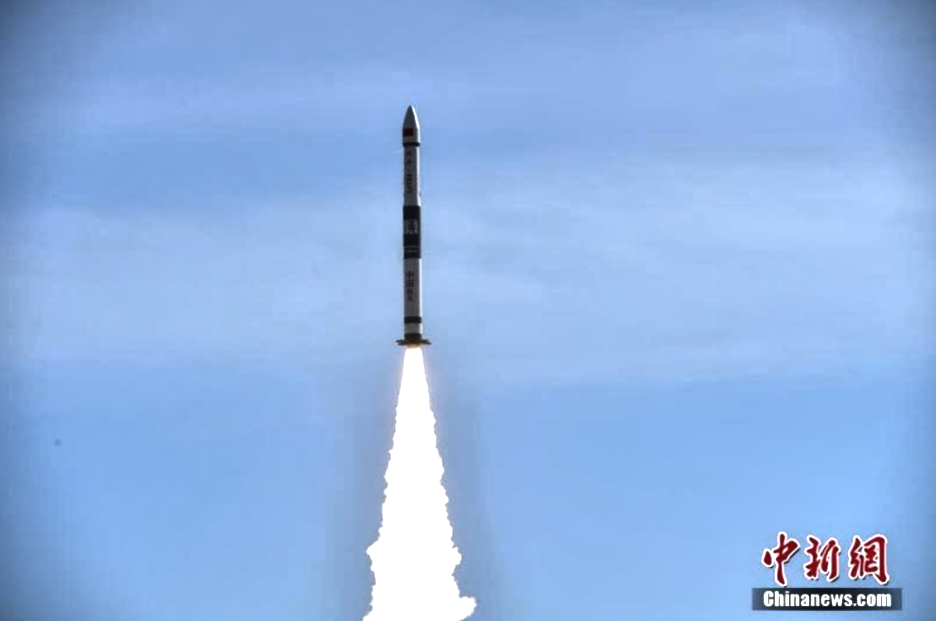
China sent two satellites into orbit on May 12 to test space-based Internet of Things (IoT) communications technology.

The satellites will conduct tests on technologies including space-based IoT communications, inter-satellite laser communications and a low-cost commercial satellite platform.

The satellites, Xingyun-2 01 and 02, were launched by a Kuaizhou-1A (KZ-1A) carrier rocket at 9:16 a.m. (Beijing Time) from the Jiuquan Satellite Launch Center in northwest China. They have successfully entered their planned orbit.

Developed by the Xingyun Satellite Co., the satellites will conduct tests on technologies including space-based IoT communications, inter-satellite laser communications and a low-cost commercial satellite platform. They will also carry out initial pilot IoT applications, according to the company.

KZ-1A is a low-cost solid-fuel carrier rocket featuring high orbit precision and a short preparation period. The rocket, developed by a company affiliated with Sanjiang Group under the China Aerospace Science and Industry Corporation (CASIC), is mainly used to launch low-orbit smallsats.

This launch was the ninth mission of the Chinese KZ-1A carrier rocket.


China’s Xingyun-2 01 & 02 satellites are launched by a Kuaizhou-1A (KZ-1A) carrier rocket at 9:16 am from the Jiuquan Satellite Launch Center in China, on May 12, 2020. The photo of the launch is courtesy of Wang Jiangbo, Chinanews.com.


Filed Under: News

Michigan Tech University’s Next Student-Built Smallsat to Launch in 2021

May 11, 2020 by editorial


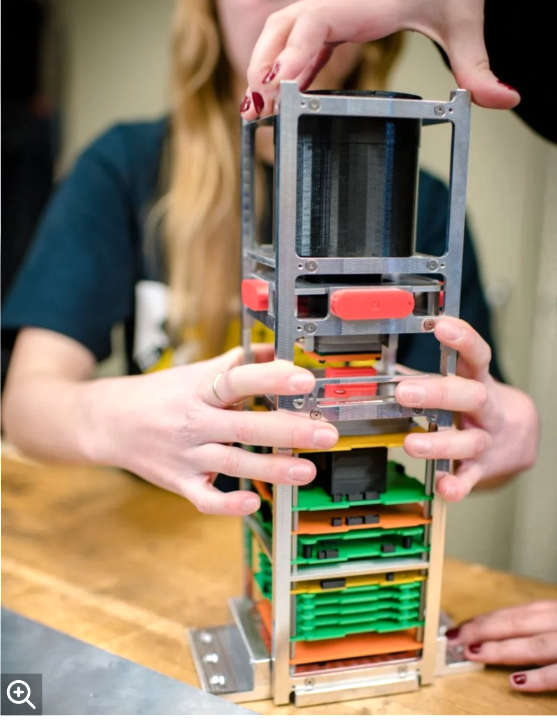
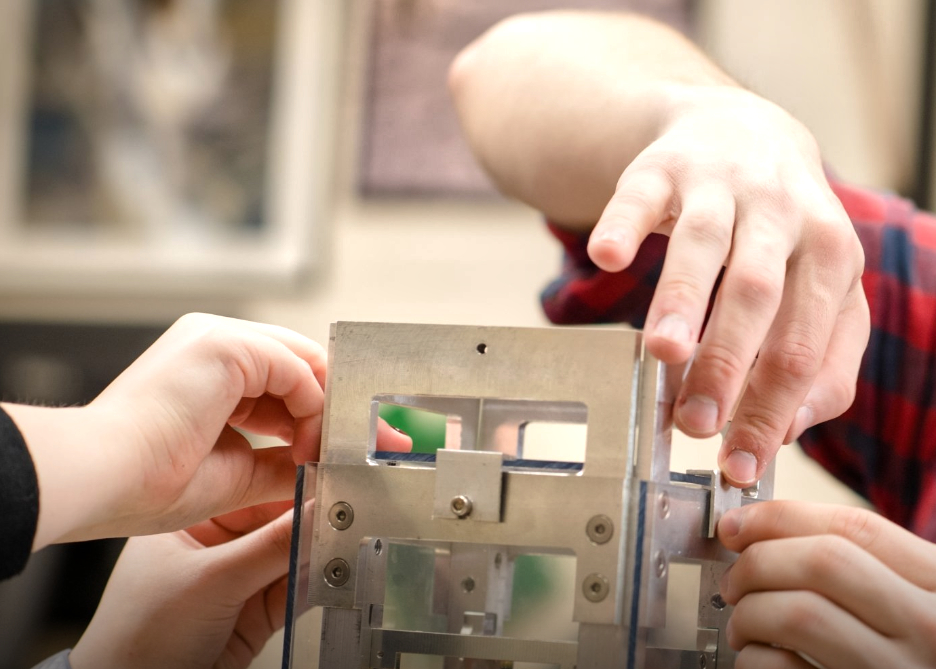
Stratus is a 3U spacecraft, which means the smallsat is composed of three units. This photo was taken in fall 2019 and is courtesy of Michigan Tech University.

NASA has slated Michigan Technological University’s second student-built satellite for a March 2021 deployment from the International Space Station (ISS).

Stratus, named for its cloud-imaging mission, will be carried to the space station, 200 miles above Earth, in a SpaceX Dragon cargo capsule on a Falcon 9 rocket. The Dragon will dock to the ISS.

Brad King, Michigan Tech’s Henes Endowed Professor in Space Systems, who has served as Aerospace Enterprise advisor since students came to him with the idea to form a team nearly two decades ago, said Stratus will be unloaded by the crew and then placed in the Kibo Module’s airlock, where the Japanese Experiment Module Remote Manipulator System robotic arm will move the satellite into the correct position and deploy it into space.

Once successfully deployed, Stratus will be the University’s second orbiting smallsat. The first, Oculus-ASR, was launched from Cape Canaveral in June 2019. Another satellite, Auris, designed to monitor communications emissions from geostationary satellites, has cleared system concept review in the design and development phase of the Air Force Research Lab University Nanosatellite Program (AFRL UNP).

Bill Predebon, J.S. Endowed Chair of the Department of Mechanical Engineering-Engineering Mechanics in the College of Engineering, welcomed the news of a second satellite launch with praise for King and Aerospace Enterprise team members and said it is amazing that Michigan Tech will have a second student-built satellite in space next year. This is a testament to the creativity, ingenuity, and hands-on ability of the students.

Stratus is funded through NASA’s Undergraduate Student Instrument Program and CubeSat Launch Initiative. Michigan Tech’s third satellite, Auris, is funded by the AFRL University Nanosatellite Program.

Stratus will use infrared imagery to gather cloud data that can validate and improve numerical weather models.

Michigan Tech Aerospace Team Program Manager Troy Maust, a fourth-year computer engineering major, has been working on the cubesat project for about a year. He said this mission has been in the works for much longer and, as with Oculus, I estimate more than 200 students and alumni have been part of this mission; it wouldn’t be possible without them.

The 10-by-10-by-30-centimeter, 4.4-kilogram Stratus smallsat is considerably smaller than the 70-kilogram Oculus-ASR, a microsat which measures 50-by-50-by-80 centimeters. But both, as well as Auris, are classed in the broader category of nanosatellites, the craft that represent an important development in space industry trends.

Maust added that, in the past, satellites have been large, multimillion-dollar projects. While large satellites are still being built, there is a shift toward using multiple smaller spacecraft in a constellation. In addition to lowering the overall cost, constellations can provide coverage spread over a larger area. Stratus is an example of using this mindset for weather satellites. All of this will keep everyone busy until the December 2020 handover date.

The COVID-19 global pandemic has affected university access around the world, and Michigan Tech is no exception. Maust said much remains to be done. However, this isn’t the first time the Aerospace Enterprise has contended with unexpectedly condensed timelines. System level testing will take place as soon as campus is able to reopen.

Maust continued that the teams will continue with FlatSat 1 and 2. The names are explanatory and the steps are necessary before the smallsat is entirely assembled. Spacecraft components are laid flat on the workbench and connected to the cubesat’s subsystems to verify that the system works together as a whole.

Maust added that next comes DITL 1 and 2, or Day In The Life. Again, the name is apt, as the tests simulate the actions the assembled spacecraft will perform in a day, with the final test running for a full 24 hours. Vibration and thermal vacuum testing will also be performed to ensure the spacecraft can withstand the harsh conditions of launch and space.

The process of designing, building and flying a spacecraft is multi-faceted, which is why the Aerospace Enterprise, one of the largest at Michigan Tech, welcomes members from disciplines across campus and is organized into numerous subteams. While Stratus system-level testing is taking place, another subteam will be working on procuring any necessary Federal Communications Commission (FCC) and National Oceanic and Atmospheric Administration (NOAA) licensing, which can be a long process and must be started well in advance of launch, as the project will not be allowed to continue without the proper licensing.

In 2016, Michigan Tech was selected to fly Stratus as an auxiliary payload. In early December 2019, a NASA-Goddard Spaceflight Center team conducted a thorough critical design review, or CDR.

Advisor King noted that while a few nicks and dings were suffered from the event, as is common during CDR, the project passed and were able to move on to system integration in preparation for an upcoming launch. Winning the NASA launch was great news, but this celebration was short. Suddenly the ’to-do’ list has gotten a lot longer and the stakes have gotten a lot higher.

Story by Cyndi Perkins, Senior Content Specialist, University Marketing and Communications, Michigan Tech.


Filed Under: News

VOX Space Missions to Now Occur from Andersen AFB in Guam

May 8, 2020 by editorial

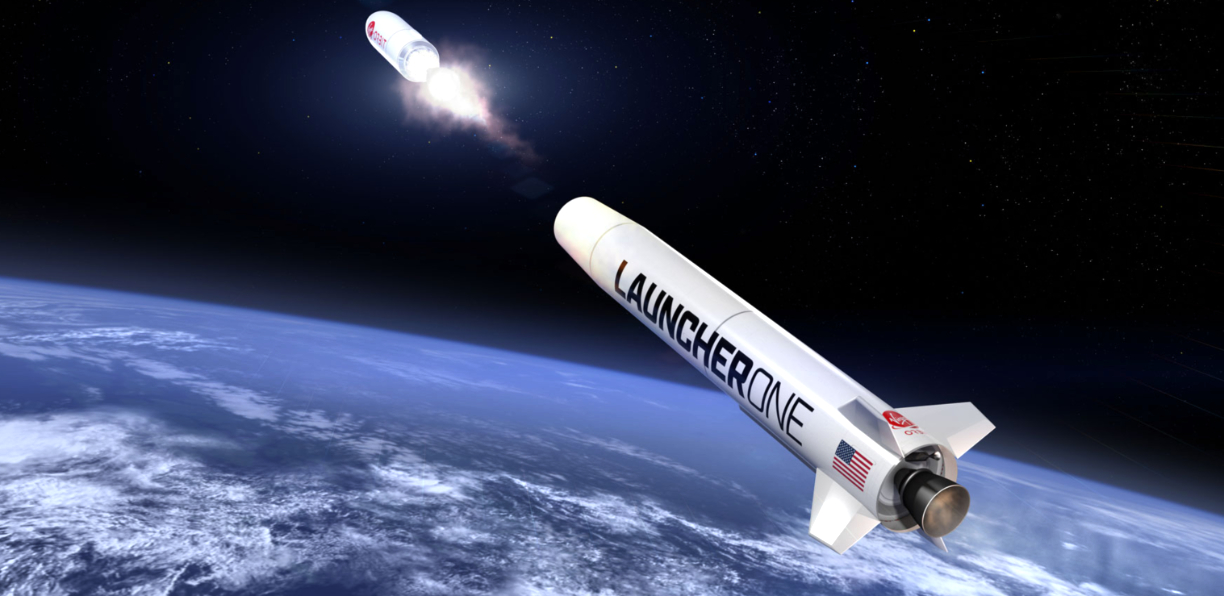
VOX Space, the Virgin Orbit subsidiary, has signed a new agreement with the Department of the Air Force, allowing the company’s LauncherOne system to conduct missions to space from Andersen Air Force Base in Guam.

VOX Space President Mandy Vaughn and U.S. Air Force 36thWing Commander Brig. Gen. Gentry Boswell, signed the Commercial Space Operations Support Agreement (COSOSA) Annex in early April, setting the stage for the STP-27VP mission, VOX Space’s first launch from Andersen Air Force Base.

Virgin Orbit and VOX Space first expressed interest in launching from the Pacific island of Guam in mid-2019. Due to Guam’s low latitude and clear launch trajectories in almost all directions, the company’s uniquely mobile LauncherOne system can effectively serve all orbital inclinations, such as delivering up to 450 kg to a 500 km equatorial orbit. 

The U.S. Department of Defense (DoD) Space Test Program (STP) procured the STP-27VP launch with VOX Space under the Rapid Agile Launch Initiative (RALI), leveraging the Defense Innovation Unit’s (DIU) Other Transaction Agreement. One of the first missions to fly on LauncherOne, the STP-27VP manifest consists of several CubeSats from various government agencies performing experiments and technology demonstrations for the DoD. 

As the system is not tied to a traditional ground-based launch site, LauncherOne will leverage key locations around the world including Guam to provide responsive and affordable flights to space for a broad variety of customers. Even now, VOX Space and Virgin Orbit are working closely with multiple allied governments and international organizations interested in establishing launch capabilities closer to home. 

After successfully demonstrating all major vehicle assemblies and completing an extensive flight test program, the Virgin Orbit team is in the midst of final preparations for an orbital launch demonstration expected soon. 

Ms. Vaughn said the company is grateful to Brig. Gen. Deanna Burt and her team at HQ USSF/S3, as well as Wing Commander Brig. Gen. Boswell, Vice Commander Col. Matthew Nicholson, and all of the excellent airmen and women of the 36thWing and Pacific Air Forces for their support,” said VOX Space President Mandy Vaughn.  “Lt. Gen. John Thompson and his team at the Space and Missile Systems Center have also provided visionary leadership throughout this process. We’re very excited to demonstrate the flexibility and mobility that only LauncherOne can offer.” 

Filed Under: Featured, News

Two Smallsats for MIT to be Built by NanoAvionics

May 7, 2020 by editorial


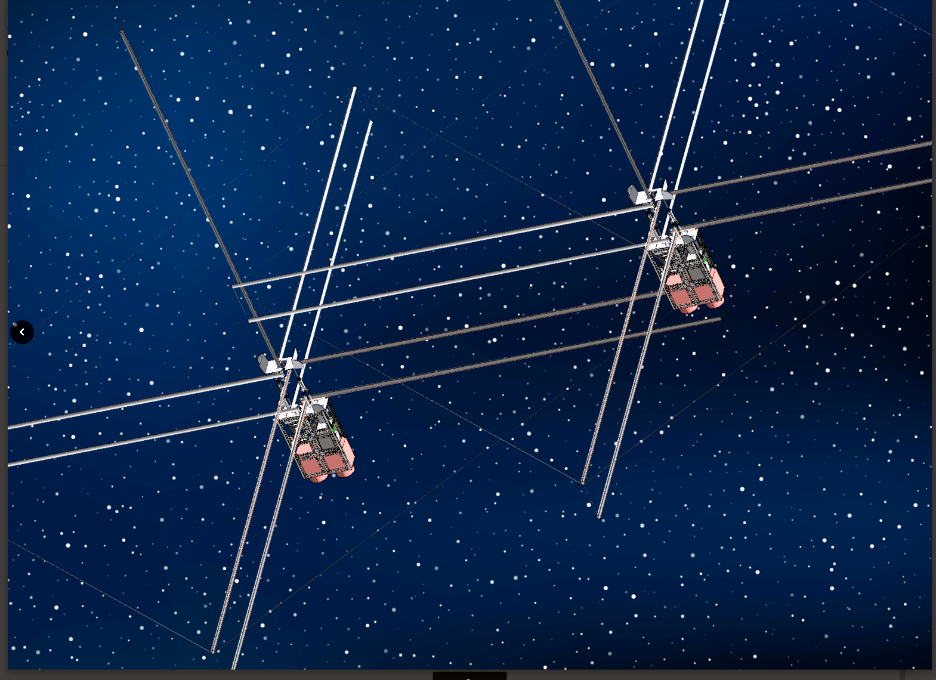
Artistic rendition of the AERO and VISTA smallsats.

NanoAvionics has received a contract to build two nanosatellites for the Massachusetts Institute of Technology (MIT) AERO-VISTA mission team at the recently opened NanoAvionics manufacturing facility in Columbia, Illinois, USA.

Funded by NASA’s H-TIDeS (Heliophysics Technology and Instrument Development for Science program), the mission is led by MIT and includes several partners: MIT Haystack Observatory, MIT Lincoln Laboratory, Merrimack College, Dartmouth College, and Morehead State University. Morehead State is responsible for bus contracting and ground operations services.

The two identical spacecraft: AERO (Auroral Emissions Radio Observer) and VISTA (Vector Interferometry Space Technology with AERO) will be based on NanoAvionics’ standardized pre-integrated and pre-qualified 6U nanosatellite bus M6P. Both will house a novel electromagnetic vector sensor antenna developed by MIT’s Lincoln Laboratory.

The aim of this first in-space demonstration is to study from an LEO unexplained features about the nature and sources of radio emission from the Earth’s aurora. With a targeted launch in 2022, the AERO-VISTA mission is expected to last three months.

To accomplish the AERO-VISTA mission, the vector sensor onboard the two smallsats will measure amplitude and phase of radio emission in the Earth’s aurora zone – the geographic area above the Arctic Circle where the Northern Lights appear. Using a sun-synchronous polar orbit will allow sensing of radiation not visible from Earth.

In addition to their respective mission, coordinated observations by the pair will demonstrate interferometry, merging or superimposing waves to create an interference pattern from which information about the source can be extracted. Interference measures how two or more waves interact, akin to throwing stones into a calm pool. If successful and validated in flight, the expected result will produce higher-resolution data providing deeper insight into phenomena investigated by space-based radio telescopes.

According to Dr. Philip Erickson, principal investigator (PI) of AERO, the aim of the NASA-funded mission is to greatly improve knowledge of Earth’s aurora by studying its fascinating radio emissions from orbit. This is an ambitious task and takes a talented set of dedicated professionals to solve the many technical and science challenges of small satellite platforms. The resulting understanding of the near-Earth space environment benefits all who seek to learn about the natural world.

Dr. Frank Lind, VISTA PI, stated that, ultimately space science missions are about people exploring our world. It takes a great team of people to make that happen. NanoAvionics is now a key part of the team and all are looking forward to designing and building these satellites with them.

Dr. Benjamin K. Malphrus, professor of Space Science at Morehead State University and co-PI on the mission , added that the room for discovery in this area is wide open and there are many aspects of the aurora that are not well understood. The vector sensor antenna is unlike anything that has previously flown. It has the potential to produce significant science returns. He continued that after a long and competitive search process, the team selected NanoAvionics to provide the two satellite buses. NanoAvionics is an innovative company with a highly capable bus and was an excellent fit for this potentially significant science mission.

F. Brent Abbott, CEO of NanoAvionics US, stated that being part of this first-of-its-kind MIT research mission and working with such an august team is very exciting and the selection of NanoAvionics as the mission integrator shows the confidence in the company’s technology and strong performance of the firm’s nanosatellite buses.


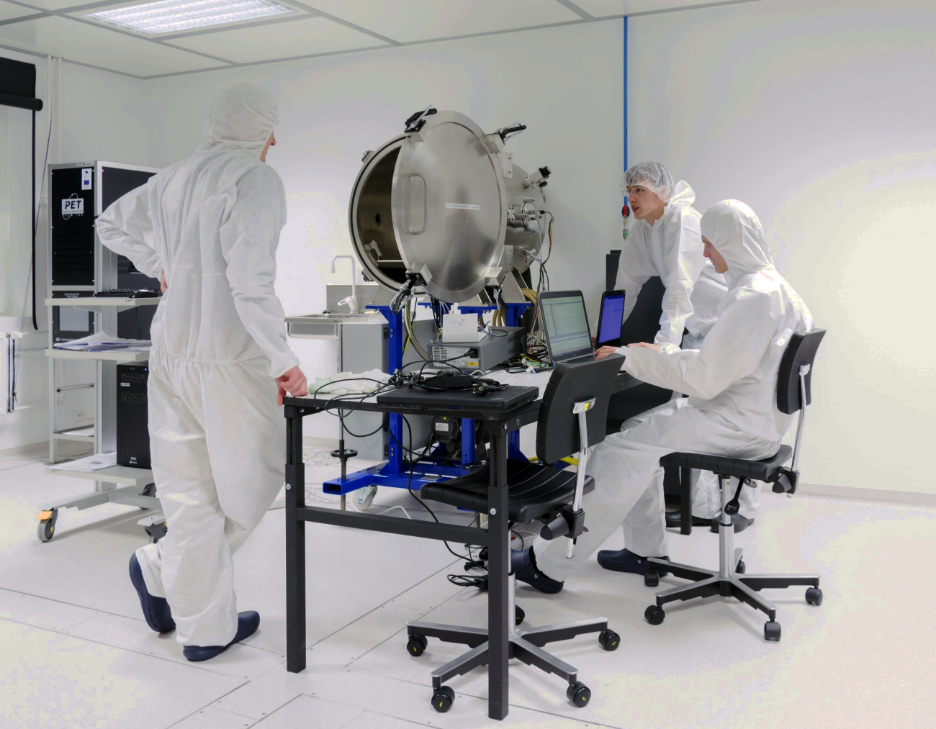
NanoAvionics thermal vacuum testing of the company’s smallsats.


Filed Under: Featured, News

Launch Ops Resumed by Rocket Lab

May 7, 2020 by editorial


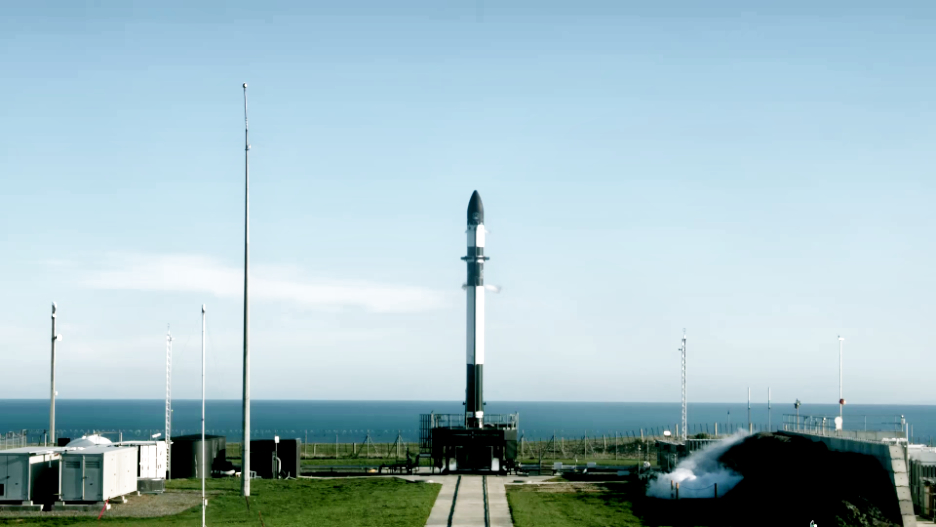
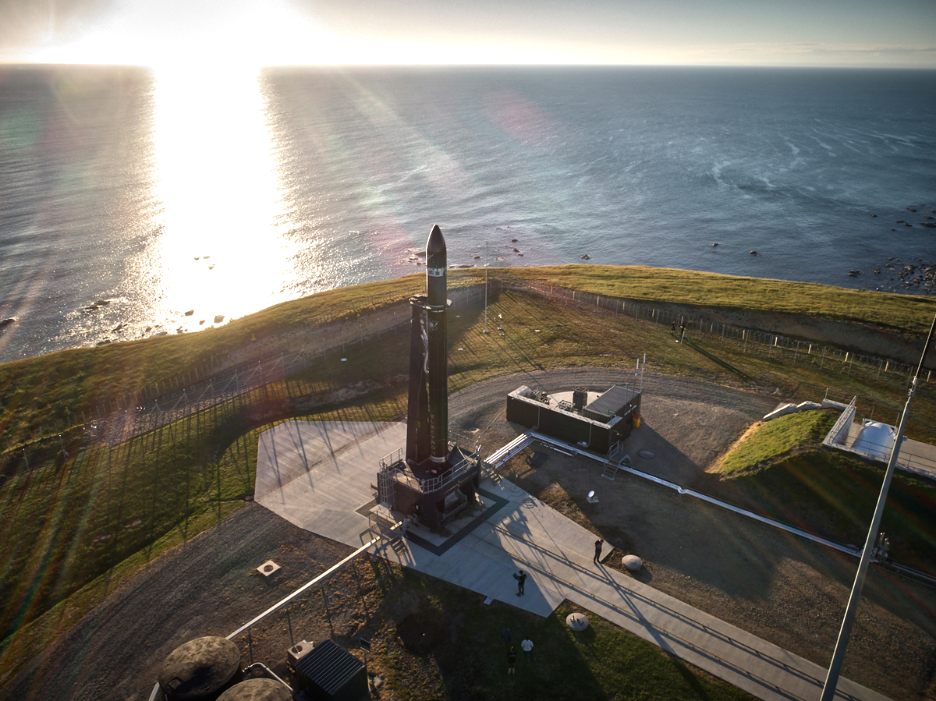
Rocket Lab’s 12th Electron launch dress rehearsal.
Photo is courtesy of the company.

Rocket Lab has resumed launch operations for the firm’s next Electron launch, following the easing of Covid-19 restrictions at Launch Complex 1. The mission will launch payloads for the National Reconnaissance Office (NRO), National Aeronautics and Space Administration (NASA), and the University of New South Wales (UNSW) Canberra Space.

Rocket Lab’s 12th Electron launch was originally scheduled for March 27th, however, the launch was postponed in response to ‘Stay At Home’ orders that required most businesses to close in response to COVID-19. With restrictions now easing and some businesses able to re-open with safety measures in place, launch operations have resumed safely and crews at Launch Complex 1 completed a successful wet dress rehearsal on May 7, NZT.

The launch is scheduled to take place from Rocket Lab Launch Complex 1 on New Zealand’s Mahia Peninsula. A new 14-day launch window for the mission will be confirmed soon.

The Electron launch vehicle and the Launch Complex 1 ground systems have remained in a state of readiness throughout the Covid-19 lockdown in preparation for a quick return to launch operations. Enhanced health and safety processes will be implemented for this launch in line with government health advice to protect Rocket Lab personnel. These measures include physical distancing, split shifts, maintaining contact tracing registers, and enhanced cleaning procedures.

This week, Rocket Lab was also able to return to full production for Electron launch vehicles and Photon satellites. Accelerated manufacturing processes are in place to deliver a launch vehicle off the production line every 18 days to meet a busy launch manifest for the remainder of the year and into 2021. Through the brief pause in launch operations, Rocket Lab has maintained its entire workforce and continued placing orders with its suppliers, many of whom operate small businesses across the U.S. and New Zealand. 


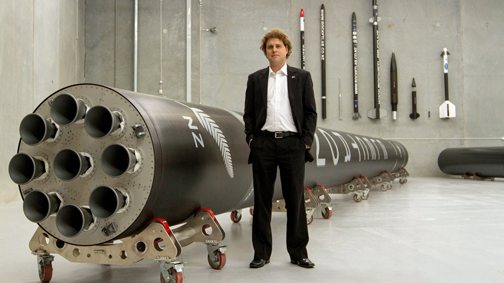
Peter Beck

Peter Beck, Rocket Lab founder and CEO, stated the early and decisive lockdown action has enabled the company to resume launch operations safely, providing commercial and government small satellite operators with access to space when they need it most. He said the company’s focus in recent years has been to structure Rocket Lab’s teams and operations in a way that enables rapid production and launch capability in order to respond quickly to our customers’ needs and spool up launch operations within days. The company built the team and facilities with a focus on flexibility and responsiveness, and while Rocket Lab didn’t think a global pandemic would be the reason for demonstrating rapid launch capability, the firm is able to put it into practice now. Beck stated that the firm counts themselves incredibly fortunate to be working with such dedicated teams at NASA, the NRO and UNSW Canberra Space who have been steadfast in their support and look forward to delivering their payloads to orbit and keeping access to space open for them through these times.


Rocket Lab’s Launch Complex 1 in New Zealand. Photo is courtesy of the company.


Filed Under: News

Amateur Radio Linear Transponder on Russian Satellite DOSAAF-85 (RS-44) Now Active

May 7, 2020 by editorial


Artist impression of DOSAAF-85/RS-44 flying free but seems to be still attached to Breeze K/M rocket body

The amateur radio linear transponder (SSB/CW) payload on the Russian satellite DOSAAF-85 (RS-44) has been activated.

Dmitry Pashkov R4UAB reports:

DOSAAF-85 is a small scientific satellite created by specialists of the company Information Satellite Systems (ISS) Reshetnev and students of the Siberian State Aerospace University (SibSAU) Krasnoyarsk.


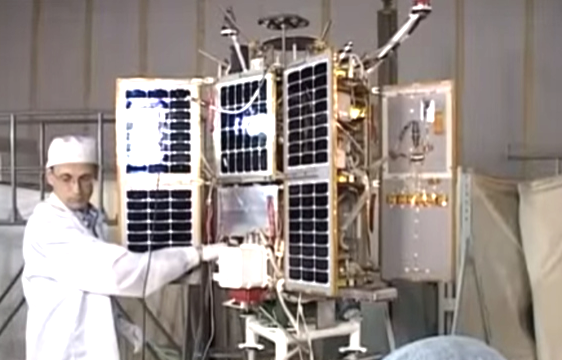
DOSAAF-85 / RS-44 under construction

The satellite is named after the 85th anniversary of the Voluntary Society for the Assistance to the Army, Aviation and Navy, the organization responsible for the military training of Soviet youth.

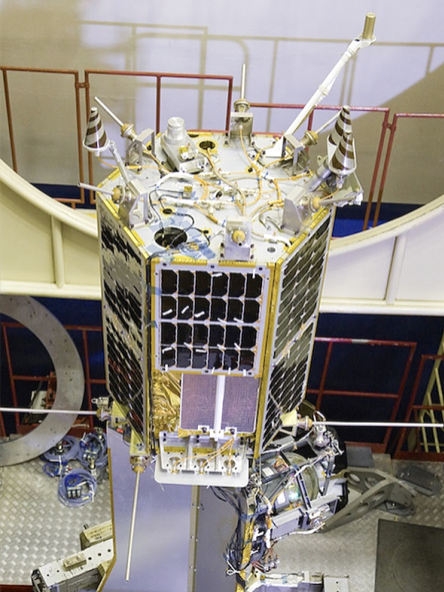
The DOSAAF-85 satellite is designed to provide amateur radio communications, as well as to develop promising technologies. This is the third satellite that was created by specialists of ISS-Reshetnev and is based on the Yubileyniy platform, which features a hexagonal prism structure with body mounted solar cells.


DOSAAF-95 / RS-44 Antennas, 435 MHz top 145 MHz bottom

The satellite was launched into orbit on December 26, 2019 from the Plesetsk Cosmodrome and is in an elliptical orbit with a perigee of 1175 km, an apogee of 1511 km and an inclination of 82.5 degrees.

Transmitter power: 5 watts
Beacon: 435.605 MHz – transmits CW call sign RS44

Inverting transponder:
Earth-to-Space: 145.965 MHz +/- 30 kHz
Space-to-Earth: 435.640 MHz +/- 30 kHz

Source Dmitry Pashkov R4UAB whose page also contains the satellite’s TLE, see
https://tinyurl.com/RussiaR4UAB

Peter 2M0SQL has added RS-44 to the AMSAT Live OSCAR Satellite Status Page at
https://www.amsat.org/status/

Linear Satellite Frequency Summary https://www.amsat.org/linear-satellite-frequency-summary/

RS-44 Pass Prediction http://amsat.org.ar/pass?satx=rs-44

By Dimitry Pashkov,  AmSatUK


Filed Under: News

  • « Go to Previous Page
  • Page 1
  • Interim pages omitted …
  • Page 307
  • Page 308
  • Page 309
  • Page 310
  • Page 311
  • Interim pages omitted …
  • Page 339
  • Go to Next Page »

Primary Sidebar

WEEKLY NEWSLETTER

Archives

  • March 2026
  • February 2026
  • January 2026
  • December 2025
  • November 2025
  • October 2025
  • September 2025
  • August 2025
  • July 2025
  • June 2025
  • May 2025
  • April 2025
  • March 2025
  • February 2025
  • January 2025
  • December 2024
  • November 2024
  • October 2024
  • September 2024
  • August 2024
  • July 2024
  • June 2024
  • May 2024
  • April 2024
  • March 2024
  • February 2024
  • January 2024
  • December 2023
  • November 2023
  • October 2023
  • September 2023
  • August 2023
  • July 2023
  • June 2023
  • May 2023
  • April 2023
  • March 2023
  • February 2023
  • January 2023
  • December 2022
  • November 2022
  • October 2022
  • September 2022
  • August 2022
  • July 2022
  • June 2022
  • May 2022
  • April 2022
  • March 2022
  • February 2022
  • January 2022
  • December 2021
  • November 2021
  • October 2021
  • September 2021
  • August 2021
  • July 2021
  • June 2021
  • May 2021
  • April 2021
  • March 2021
  • February 2021
  • January 2021
  • December 2020
  • November 2020
  • October 2020
  • September 2020
  • August 2020
  • July 2020
  • June 2020
  • May 2020
  • April 2020
  • March 2020
  • February 2020
  • January 2020
  • December 2019
  • November 2019
  • October 2019

© 2019–2026 SatNews

Insert/edit link

Enter the destination URL

Or link to existing content

    No search term specified. Showing recent items. Search or use up and down arrow keys to select an item.
      x
      Sign Up Now!

      Enjoy a free weekly newsletter with recent headlines from the global SmallSat industry.

      Invalid email address
      We promise not to spam you. You can unsubscribe at any time.
      Thanks for subscribing! You will now receive weekly SmallSat News updates.
      We love our advertisers.
      And you will too!

      Please disable Ad Blocker to continue... We promise to keep it unobtrusive.
      We promise not to spam you. You can unsubscribe at any time.
      Invalid email address
      Thanks for subscribing!