

These two Planet SkySat images were captured on February 7, 2023, and reveals major damage in central Kahramanmaraş, Turkey, in the aftermath of yesterday’s earthquakes in Turkey and Syria.


These two Planet SkySat images were captured on February 7, 2023, and reveals major damage in central Kahramanmaraş, Turkey, in the aftermath of yesterday’s earthquakes in Turkey and Syria.
Procures satellites and plans Australian operations for new Low Earth Orbit constellation to power connectivity for smart devices

EchoStar Corporation (Nasdaq: SATS) has announced an agreement with Astro Digital, a designer, manufacturer and operator of smallsat systems, for the construction of a global, S-band, mobile satellite service (MSS) network.
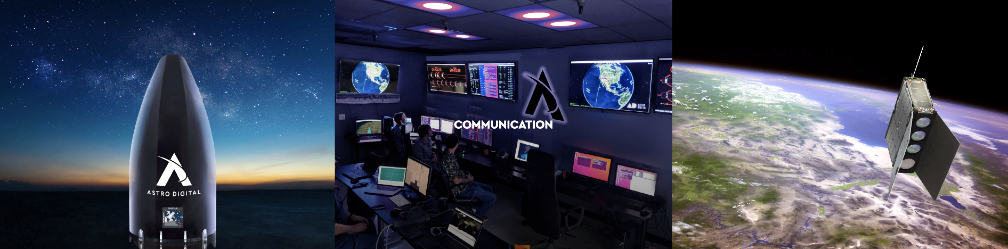
Under the agreement, Astro Digital will manufacture the satellites for the constellation, which will deliver global Internet of Things (IoT), machine-to-machine (M2M) and other data services starting in 2024. EchoStar will operate the constellation from its Australian subsidiary, EchoStar Global.
The 28 satellites in this constellation design will feature an advanced software-defined radio (SDR) with onboard storage and processing to power smart two-way device connectivity. The satellites will be enabled with the LoRa® (meaning “Long Range”) protocol for connecting very low-cost, long-lived devices. With support for 5G non-terrestrial network (NTN) services, the constellation will serve as a foundation for EchoStar to engineer 5G New Radio (NR) based NTN capabilities, according to 3GPP release 17 specifications.
Through its subsidiary, EchoStar Mobile Limited, EchoStar also operates an MSS network in Europe using the GEO EchoStar XXI satellite, which will interoperate seamlessly with the new LEO constellation.

“This agreement represents another step forward towards our goal of a global non-terrestrial 5G network,” said Hamid Akhavan, CEO, EchoStar. “With our engineering ingenuity, our service delivery expertise and our spectrum rights, EchoStar is uniquely positioned to offer worldwide S-band satellite services to help meet the insatiable demand for complete and constant connectivity.”
“These new capabilities will fill a gap in the connected ecosystem, greatly expanding worldwide IoT interoperability,” said Josh Williams, managing director, EchoStar Global Australia. “Our team, together with Astro Digital, has already begun integration of our Australian-based operations to bring to market a truly global solution with consistent and reliable network performance.”
5G NB-IoT nanosatellite constellation from Sateliot to improve high voltage lines’ sensor connection in blank areas, help first responders to pinpoint broken wires in just 5 minutes from actual 4 hours time.

Sateliot and Sentrisense have launched the first 5G satellite connectivity to IoT electric grid sensors — attached to electric towers and power lines, Sentrisense’s devices are capable of connecting seamlessly to cellular towers and satellite networks which helps to monitor and modify the correct amperage and manage electric grids more efficiently, even in the case of accidents, fires, or broken lines.

Sateliot’s 5G NB-IoT smallsat constellation will give Sentrisense the necessary access to retrieve data from all their devices, even if those are out of the reach of any cell tower connectivity.
Sentrisense’s network of devices is capable of pinpointing broken or damaged wire locations within 5 minutes, instead of the actual average reaction time of 4 hours. With Sateliot’s constellation, Sentrisense will be able to expand its solution in any place on Earth, allowing first responders to answer the fastest in case of any eventuality. The company has deployed sensors to electric wires in the USA, Australia, Belgium, Chile, Spain, and Sweden.
The agreement between Sateliot and Sentrisense is also key to massive data gathering from sensors spread across several locations, which will also make electric grids smarter. The devices can gather information from the current ambiental conditions, such as humidity, temperature and wind direction and speed, making electric grids able to predict the weather and fire conditions. This feature brings electric grids to be more sustainable while preventing energy leaks, and also makes them an ally to face heat waves or blizzard conditions.
Sentrisense sensors are attached directly to a hot line with a standard industrial SnapFast® clamp, and they can even be installed with the use of a drone. Provided with a solar panel and a battery, the sensor allows for a 10 years lifespan, and can be connected to several networks like Wi-Fi, 4G or 5G to transmit the data gathered.
Jaume Sanpera, CEO of Sateliot, said, “The massive connectivity between 5G satellites and the sensors will allow far more accurate predictions on wear and tear analysis, alert to the presence of fallen trees or ice on the lines, and make models of wire inclination and distance from the ground and model the ideal ampacity, among other applications. All of it with an affordable connection of just $1 per month per device.”
Sebastán Cerone, CEO of Sentrisense, said, “This connectivity agreement will allow Sentrisense Line guard sensors to connect anywhere in the world, even in remote locations. The electric grid is the largest engineering feat of humankind right now, by definition is an analog asset, and we are fully digitizing it. We want to turn the grid from a mere instrumental transporting method into a smart tool, able to predict fires and other weather and environmental hazards.”
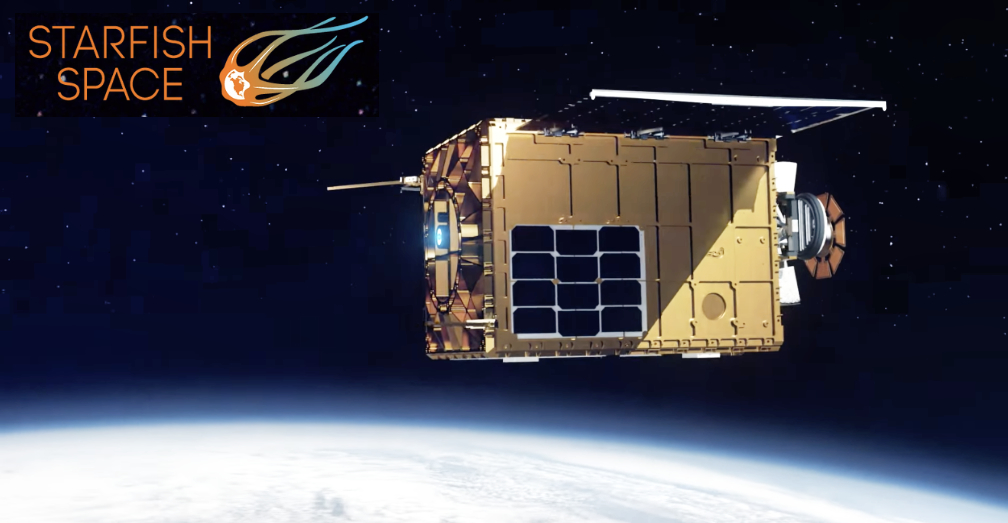
Starfish Space, a satellite servicing company founded by former Blue Origin and NASA engineers, recently announced that the company’s Otter Pup satellite will launch in the summer of 2023 and then dock with another satellite in the fall of 2023. This mission will achieve many firsts, including being the first ever satellite docking with high performance, low-thrust electric propulsion, and the first ever, commercial satellite docking in LEO.

Autonomously docking satellites in orbit is an incredibly complex and intricate task. It’s also the essential technology to enable satellite servicing (the ability to interact with and improve satellites on orbit).
The types of missions unlocked by this technology include space debris disposal, satellite life extension, and, eventually, in-space logistics, on-orbit assembly, and more. Dynamic and interactive missions represent a new paradigm for how humans can go out into the universe. By docking with electric propulsion, Starfish Space will be able to build smaller, more efficient vehicles that for the first time enable this new paradigm in a cost-efficient manner.
With the Otter Pup mission, Starfish Space will demonstrate the essential core pieces of technology to open up the new paradigm of satellite servicing. There are three major Starfish rendezvous, proximity operations, and docking (RPOD) technologies that will be demonstrated by this mission.


To bring the Otter Pup docking mission to life around their key enabling technologies, Starfish Space has built a team of partners throughout the space industry.
The full satellite is being launched on a SpaceX Falcon 9 rocket as part of their Transporter 8 mission which is expected to occur in June of 2023.
Successfully docking Otter Pup with the Orbiter satellite will be an incredible milestone in the development of Starfish Space. Otter Pup will test all of the key technologies necessary for the fully grown Otter.
Following on the Otter Pup, the Otter satellite servicing vehicle will be sized to extend the life of geostationary satellites, and dispose of space debris in commercially viable manners. By paving the way for commercial use cases, the Otter Pup docking mission represents a next step in the future of satellite servicing and the new paradigm for how humans operate in space.
“We are trying to dock a satellite at 5% the cost of any similar mission in history,” says Starfish Space Co-Founder Trevor Bennett. “This mission will be an extraordinary demonstration of Starfish Space’s ability to do affordable satellite servicing for the first time ever.”

Recently, KSAT became the lead to study the efficient distribution of future ground station locations and use of novel downlink protocols, as prime contractor with partners DLR, Kongsberg Defence and Aerospace and Airbus Defence and Space for this study contract by the European Space Agency (ESA).
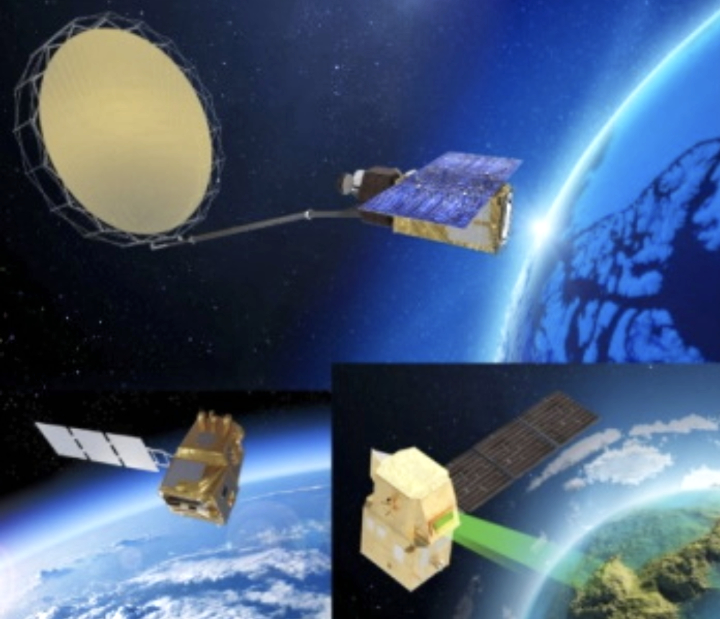
The study goal is to refine the future dataflow ground architecture for ESA Earth Observation (EO) satellites and deliver a roadmap for its adaptation in the timeframe 2027. ESA is planning to significantly increase the number of operational EO satellites in the coming years, with the launch of the Copernicus Expansion Missions and the Sentinel Next-Generation Satellites. The evolving landscape of ESA EO will bring a substantial increase to data volume and higher data rate requirements.

The general trend toward higher data rates and higher downlink frequencies (K-band) for ESA institutional EO satellites requires the use of novel protocols to improve the robustness and resiliency of the LEO to Earth communication. In particular, the impact of using communication protocols such as the CCSDS File Delivery Protocol CFDP Class 2 on the ground segment will be assessed in the context of forthcoming fully based DTN-network architectures.
KSAT is currently a core provider of data acquisition and TT&C (Telemetry, Tracking and Control) services for the European Space Agency’s Earth Observation Missions.

“We are very happy to be awarded with this study contract, contributing to the continued success of the Copernicus program,” said Amund Nylund, Chief Operation Officer (COO) at KSAT. “Our global ground station network with antenna terminals on all continents, including Antarctica, is an indispensable asset for LEO Earth Observation missions.”
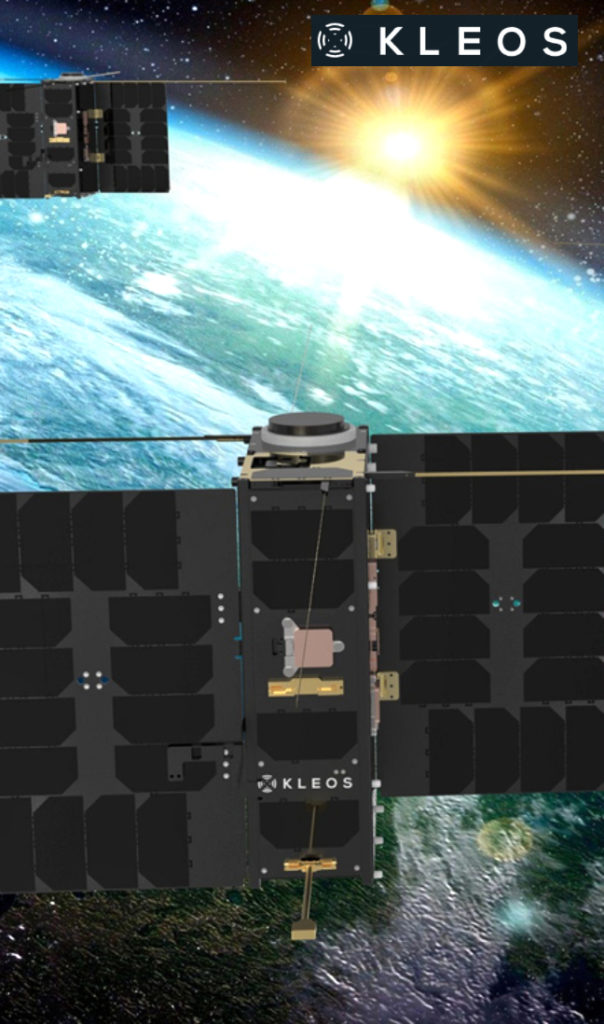
Recently, Kleos Space S.A. (ASX: KSS, Frankfurt: KS1) reached the milestone of daily product delivery collected from a strategically critical area of interest to its early adopter customers.
RF data is collected by the Vigilance Mission (KSF1) satellites and is then processed through Kleos systems to generate intelligence products. The Vigilance Mission RF data collection satellites are in SSO, enabling them to collect data daily from the target area of interest.
Kleos intelligence products provide valuable intelligence, surveillance, and reconnaissance (ISR) capability to governments and commercial entities. This complements other intelligence sources to improve the detection of illegal and/or hidden activity such as piracy, drug and people smuggling, illegal fishing, pollution, and border challenges.
Kleos’ CEO, Alan Khalili, said, “Following our announcement at the end of last year confirming that our intelligence product was made available to initial customers, we have now achieved yet another milestone in delivering product daily. We also want to thank our satellite builder partner ISISpace for their ongoing support and service; they have recently brought online a capability in Australia that has been transformational to progress.”
Kleos is a Space-powered defence & intelligence technology Company with operations in Luxembourg, the U.S. and U.K. Kleos uses RF sensors in Space to collect radio transmissions (RF Data) in key areas of interest around the globe. Collected data is processed through Kleos’ proprietary processing platform delivering an intelligence output, in order to efficiently uncover and expose activity on land and sea. Intelligence product customers, including analytics and intelligence entities, license data on a subscription basis (Data-as-a-Service aka DaaS), for government and commercial use cases – aiding better and faster decision making. Kleos’ first satellite cluster, the Scouting Mission (KSM), successfully launched in November 2020 and performed as a test and technology demonstration whilst collecting data. The Company’s second satellite cluster, the Vigilance Mission, successfully launched in June 2021 and its Patrol Mission launched in April 2022. Kleos’ fourth cluster, the Observer Mission, was launched in January of 2023.

Marlink is adding Starlink LEO connectivity to Eastern Pacific Shipping’s (EPS) existing smart hybrid network as the Singapore-based ship manager looks to enhance business operations and seafarer wellbeing services across its fleet.
The Starlink service initially will be trialed onboard selected vessels, and integrated into the smart blend of networks fully managed by Marlink, which already serves the majority of the EPS fleet with VSAT connectivity and multiple L-band backup alternatives.

A Marlink customer since 2016, EPS has progressively adopted digital solutions to support the efficiency and safety of its operations. This includes a strong focus on digitalization, sustainability, covering all aspects of environmental protection and programs to enhance crew welfare.

EPS is currently undergoing unprecedented growth with an expanding orderbook increasing the fleet size to 21m DWT under management. To manage this exponential growth in a fast-changing environment, EPS is shifting its culture from managing ships to assisting people. Supporting this culture shift is the EPS Life at Sea Program — a robust initiative designed to improve the long term mental and physical wellbeing of its 6,000 strong workforce.
“Marlink is the right partner to help EPS evaluate and potentially adopt new services that can enhance our operational and seafarer wellbeing strategies,” said Max Wong, Head of IT, Eastern Pacific Shipping. “These trials will provide us with insights into how high throughput and low latency data transfer capabilities will affect business use cases on our vessels. We are optimistic that a successful trial will enable us to accelerate technology adoption, allowing us to do more with less.”
“The focus on new LEO services as a component of the Marlink smart hybrid network is increasing rapidly as shipowners focus on new ways to deliver crew welfare and smart connectivity services,” said Tore Morten Olsen, President, Maritime, Marlink. “Our partnership with Eastern Pacific creates the opportunity to understand and evaluate what Starlink can bring to the table alongside our established hybrid network offering.”
In December of 2022, OHB Sweden and ENPULSION signed a dedicated sales contract for a Horizon2020 IOV/IOD Mission called EIS.
After delivering ENPULSION’s propulsion products to previous OHB Sweden’s InnoSat smallsat platform missions, OHB Sweden decided to order a next series of ENPULSION thrusters for the firm’s upcoming EIS mission.
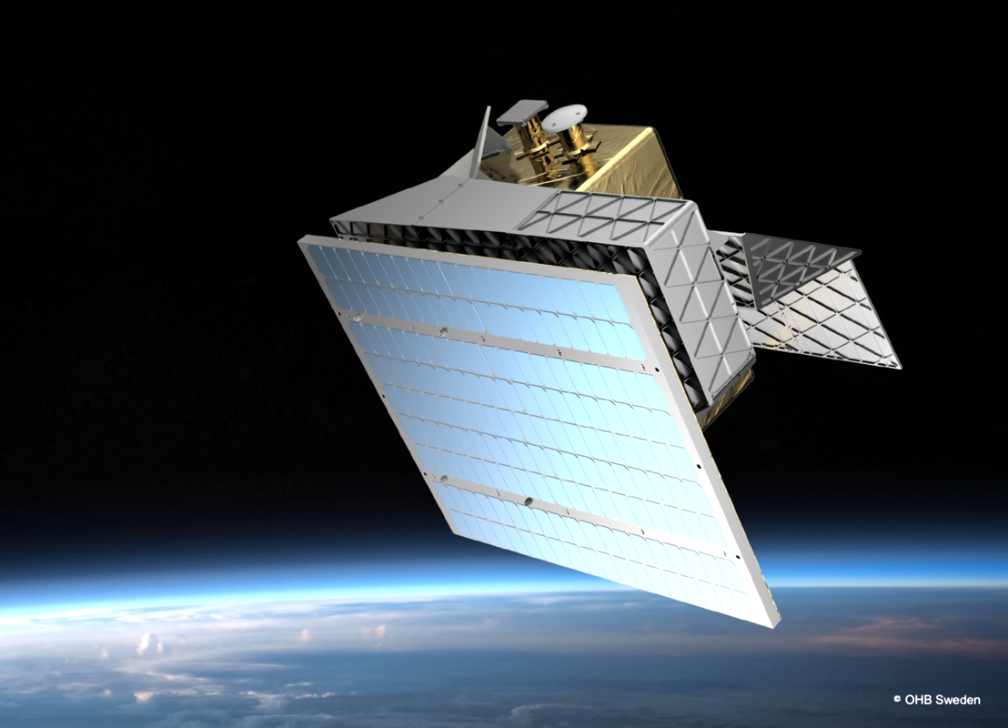
OHB Sweden and ENPULSION have successfully worked together on previous missions, including the Arctic Weather Satellite (AWS) program using the ENPULSION NANO R3 thrusters, as well as the GMS-T satellite, launched in 2021, in which the ENPULSION MICRO R3 thrusters are being used.

The AWS is a part of ESA’s Earth Watch program and the AWS satellite will be the proto-flight model for a possible constellation of satellites. The launch of the AWS is planned for 2024.

The fourth mission to be realized using the InnoSat platform is the European IOD/IOV Satellite (EIS) mission. EIS will host a single experiment from the Belgian company AMOS called “ELOIS.”
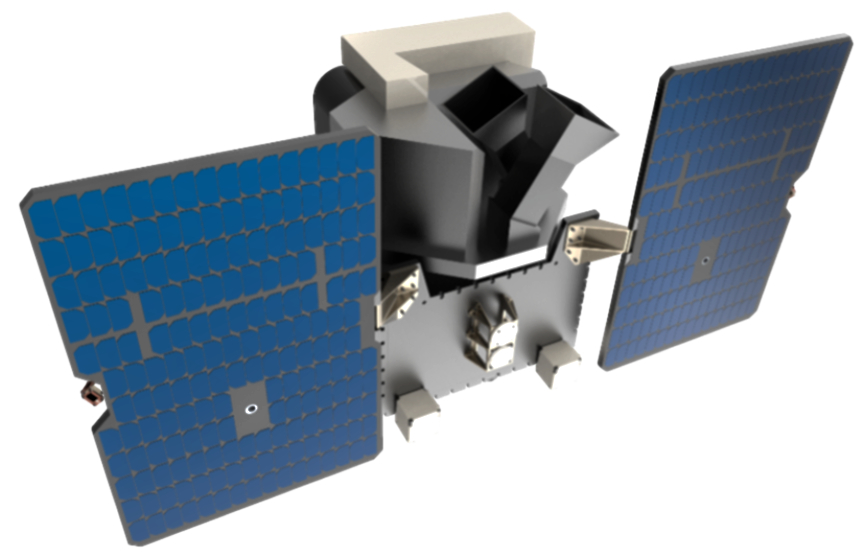
OHB Sweden is the satellite prime, carrier/platform provider, system integrator and overall ground segment responsible (incl. operations). For this mission, OHB Sweden will again rely fully on the existing, flight proven, InnoSat platform, with a minimum of adaptations, and will again be using the ENPULSION NANO R3 thrusters. The EIS satellite is under a contract with the European Space Agency, funded by the European Commission. The launch of EIS is planned for early 2024.
“We are particularly proud to work with the team of OHB Sweden on key projects with such high strategic relevance for European competitiveness in the upcoming years. This long-standing fruitful collaboration with OHB Sweden is highly valuable to our company and therefore we will be looking forward to further developing this partnership,” said Alexander Reissner, the CEO of ENPULSION
OHB Sweden’s InnoSat smallsat platform solutions offers a highly integrated, capable satellite platform intended for a wide range of LEO applications such as EO, telecom, scientific research and orbital launch vehicles. It is designed to provide high performance in pointing, power and data downlink for the lowest cost/reliability ratio and builds upon a long-standing heritage of 3 decades mission experience. The platform is designed to interface with multiple types of payloads and can easily be tailored to the customers’ requirements.
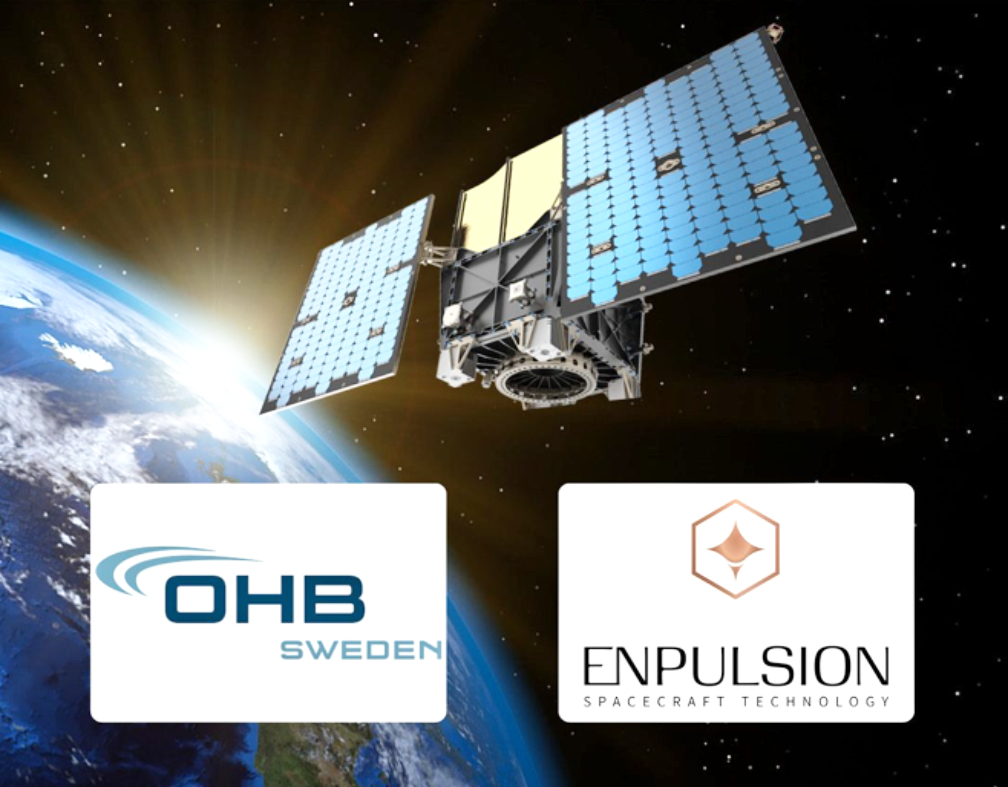
In December of 2022, OHB Sweden and ENPULSION signed a dedicated sales contract for a Horizon2020 IOV/IOD Mission called EIS.
After delivering ENPULSION’s propulsion products to previous OHB Sweden’s InnoSat smallsat platform missions, OHB Sweden decided to order a next series of ENPULSION thrusters for the firm’s upcoming EIS mission.
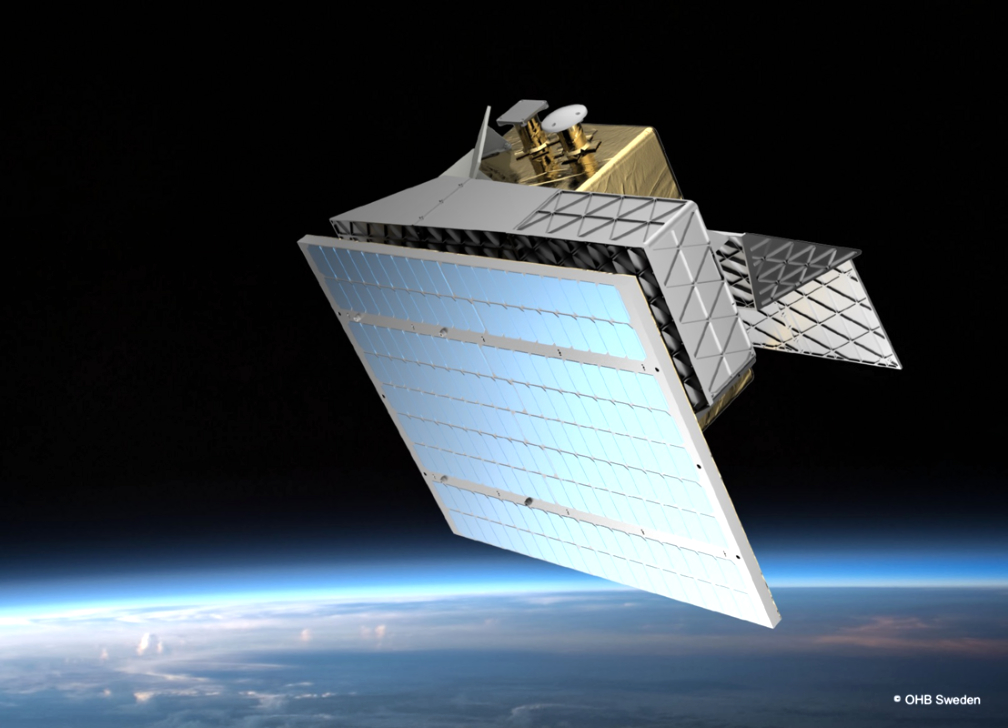
OHB Sweden and ENPULSION have successfully worked together on previous missions, including the Arctic Weather Satellite (AWS) program using the ENPULSION NANO R3 thrusters, as well as the GMS-T satellite, launched in 2021, in which the ENPULSION MICRO R3 thrusters are being used.

The AWS is a part of ESA’s Earth Watch program and the AWS satellite will be the proto-flight model for a possible constellation of satellites. The launch of the AWS is planned for 2024.

The fourth mission to be realized using the InnoSat platform is the European IOD/IOV Satellite (EIS) mission. EIS will host a single experiment from the Belgian company AMOS called “ELOIS.”
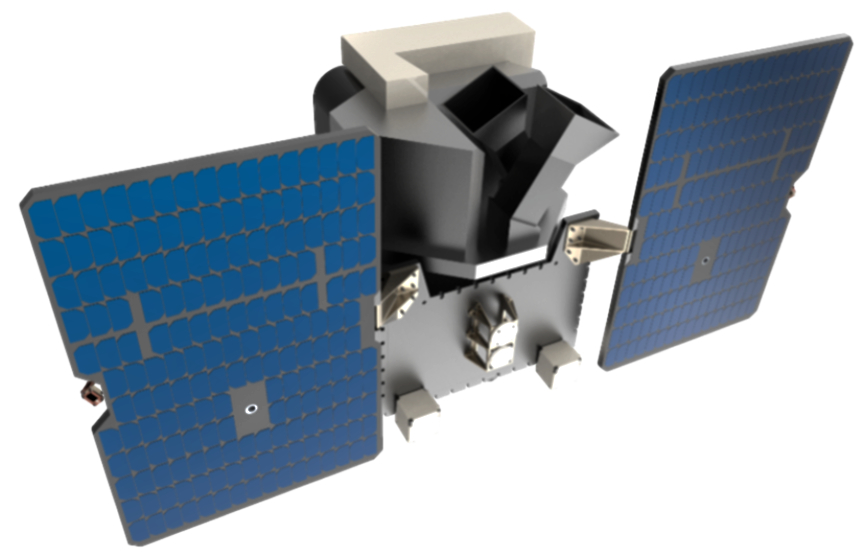
OHB Sweden is the satellite prime, carrier/platform provider, system integrator and overall ground segment responsible (incl. operations). For this mission, OHB Sweden will again rely fully on the existing, flight proven, InnoSat platform, with a minimum of adaptations, and will again be using the ENPULSION NANO R3 thrusters. The EIS satellite is under a contract with the European Space Agency, funded by the European Commission. The launch of EIS is planned for early 2024.
“We are particularly proud to work with the team of OHB Sweden on key projects with such high strategic relevance for European competitiveness in the upcoming years. This long-standing fruitful collaboration with OHB Sweden is highly valuable to our company and therefore we will be looking forward to further developing this partnership,” said Alexander Reissner, the CEO of ENPULSION
OHB Sweden’s InnoSat smallsat platform solutions offers a highly integrated, capable satellite platform intended for a wide range of LEO applications such as EO, telecom, scientific research and orbital launch vehicles. It is designed to provide high performance in pointing, power and data downlink for the lowest cost/reliability ratio and builds upon a long-standing heritage of 3 decades mission experience. The platform is designed to interface with multiple types of payloads and can easily be tailored to the customers’ requirements.

Spacemind, the space division of Italian company NPC, has accomplished a series of three smallsat launches. DanteSat, Futura-SM1 and Futura-SM3 have been successfully launched into orbit from the International Space Station (ISS).
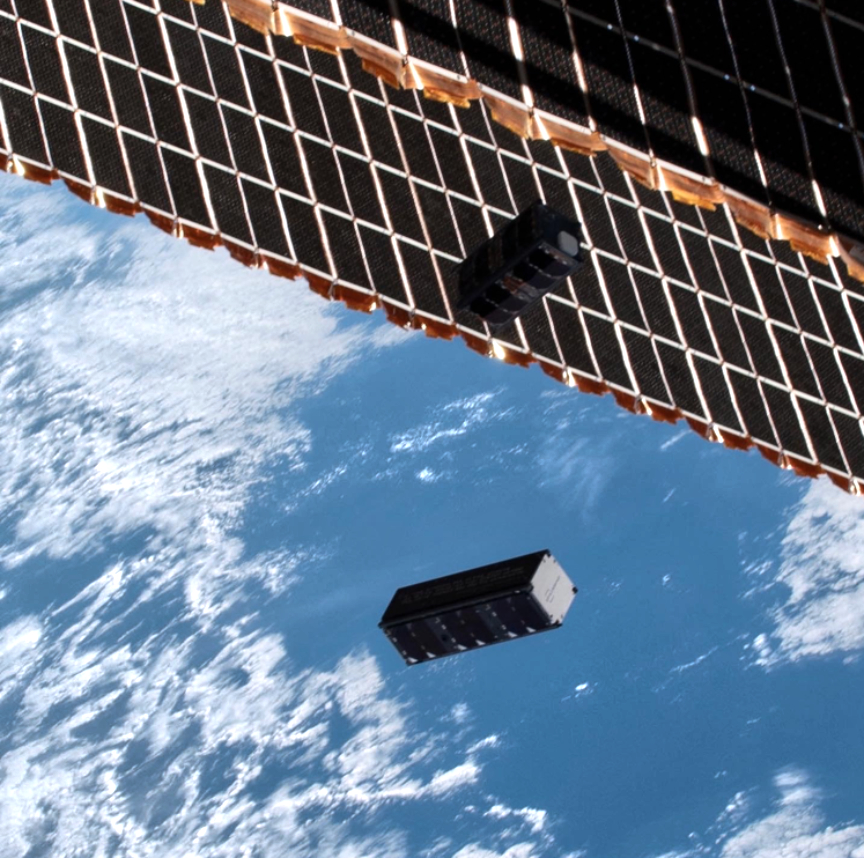
This has also validated the operation of the new SMPod cubesat deployer, on-board equipment as well as a larger version of the Artica deorbiting sail.

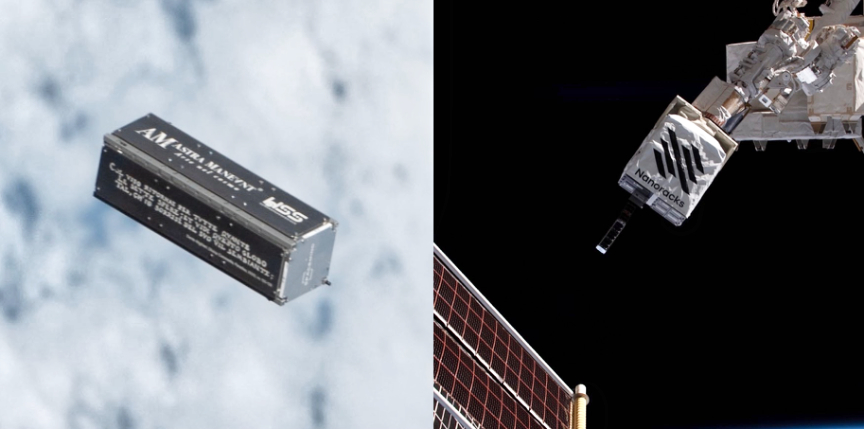
The DanteSat nanosatellite is a 3U cubesat that is shaped like a small parallelepiped (with a square base measuring 10 cm on a side and a height of 30 cm) and is an original project promoted by Human Space Services for the Italian publishing house Scripta Maneant to celebrate the 700th anniversary of Dante Alighieri‘s death: its metal structure is, in fact, engraved with the Divine Comedy, while the on-board radio transmits the first verses of the work to Earth.
In November of last year, the satellite was transported to ISS by a Dragon capsule that was launched by a SpaceX Falcon 9. DanteSat was then released into orbit in late December of 2022 via Nanoracks Europe’s external deployer. Subsequently, the satellite opened the Artica sail and will soon burn up on re-entry into the Earth’s atmosphere.
The two Futuras were launched at the start of January and transferred into the planned orbit by an autonomous ION Satellite Carrier platform, manufactured by the space logistics company D-Orbit, and then finally released into space via the new SMPod deployer from Spacemind.
The Futura-SM1 is a 3U cubesat and is intended to test new on-board equipment (power generation system, deployable antennas, space sail and OBC on-board computer developed by partner Apogeo Space). The Futura-SM3, on the other hand, is a 6U cubesat (equal to two 3U cubesats, side-by-side) and is equipped with a new, larger Artica space sail for deorbiting the satellite at the end of the mission.
Nicolò Benini, Marketing Manager of NPC Spacemind, said, “We are thrilled with the initial results of these in-orbit missions, which confirm our company’s position as a turnkey service provider for the production of cubesats for commercial and scientific projects. Our recent launches have solidified relationships with important Italian and foreign customers, paving the way for future space missions. All systems on board the three cubesats are working perfectly and they are receiving signals and telemetry data. The SMPod deployer also released the two Futuras into orbit, successfully meeting all mission objectives. These excellent results position Spacemind to offer reliable and innovative services on the expanding nanosatellite market.”