• Skip to main content
  • Skip to primary sidebar
  • Home
  • News
  • Featured
  • More News ⌄
    • SatNews
    • SatMagazine
    • MilSatMagazine
  • Events ⌄
    • MilSat Symposium
    • SmallSat Symposium
    • Satellite Innovation
  • Contacts
  • SUBSCRIPTION

SmallSat News

You are here: Home / Archives for editorial

editorial

Rocket Lab’s Next Mission Demos Fastest Turnaround of Seven Smallsats for Electron Liftoff

June 15, 2020 by editorial

Rocket Lab has announced their next Electron mission, which is scheduled to launch three weeks after their most recent mission in a demo of the company’s rapid launch capability.

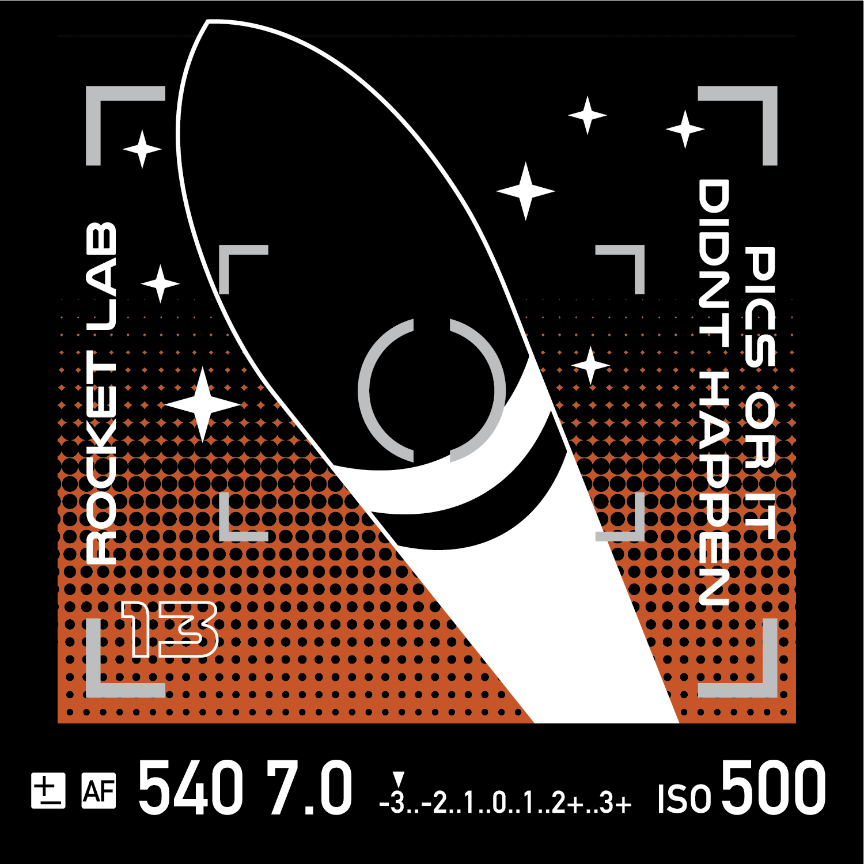
The mission, ‘Pics Or It Didn’t Happen,’ is scheduled to launch from Rocket Lab Launch Complex 1 Pad A on New Zealand’s Mahia Peninsula no earlier than July 3, 2020, UTC — just days after the successful launch of Rocket Lab’s most recent mission, ‘Don’t Stop Me Now,’ on June 13, 2020, UTC. The back-to-back missions will represent Rocket Lab’s fastest turnaround between missions to date.

‘Pics Or It Didn’t Happen’ will deploy seven smallsats to a 500 km circular LEO for a range of customers that include Spaceflight Inc.’s customer Canon Electronics as well as Planet and In-Space Missions.

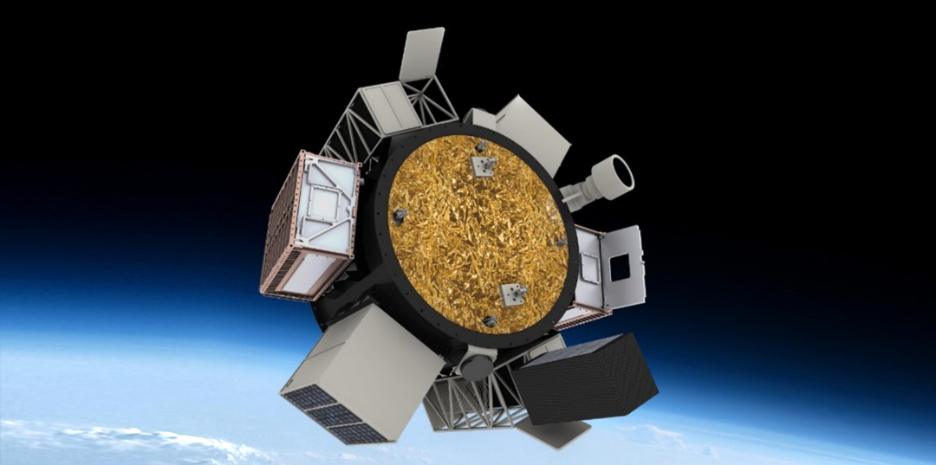
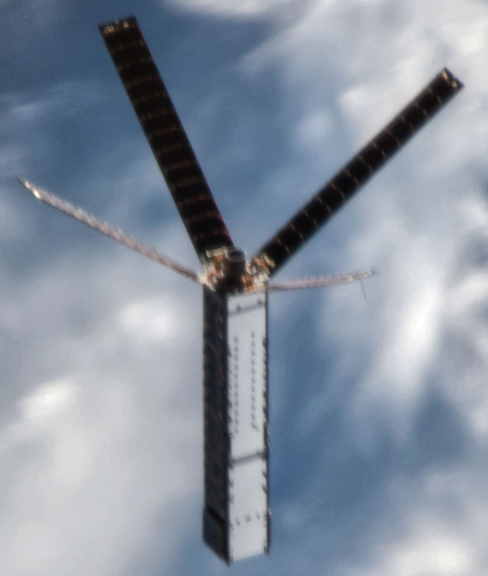
The primary payload aboard this mission, Canon Electronics Inc.’s CE-SAT-IB, was procured by satellite rideshare and mission management provider Spaceflight Inc. The mission objective for the CE-SAT-IB satellite is to demonstrate Canon Electronics Inc.’s Earth-imaging technology with high-resolution and wide-angle cameras, as well as test the smallsat for mass production.
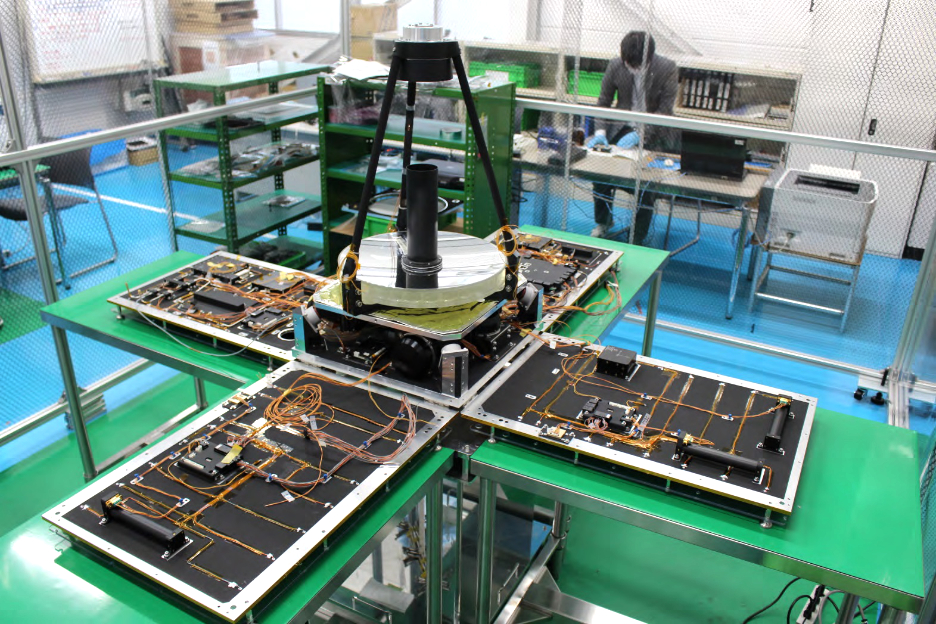

Photo of Canon Electronics Inc.’s CE-SAT-IB satellite
is courtesy of the company.

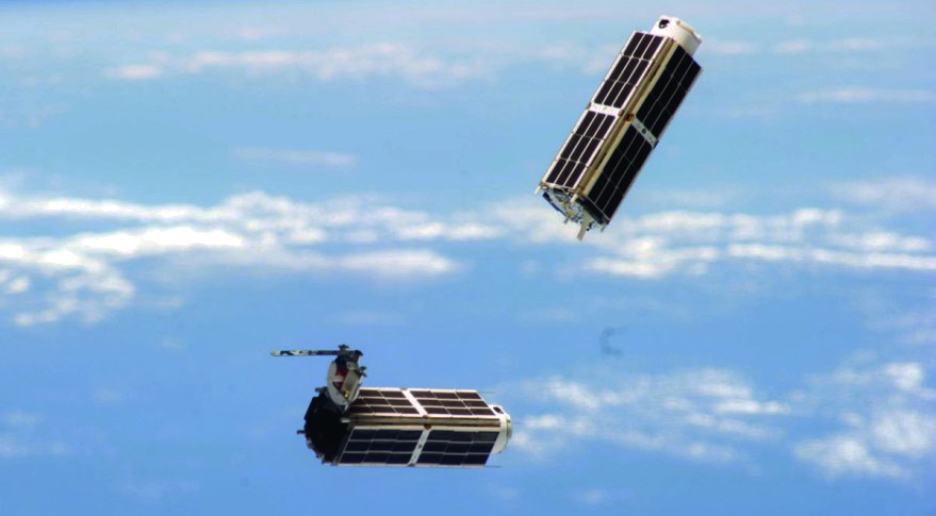
The next five spacecrafts manifested for this mission are the latest generation of SuperDove satellites manufactured by Planet, operator of the world’s largest constellation of EO satellites. Planet’s satellites are capable of imaging the Earth’s entire landmass on a near-daily basis. This unprecedented dataset helps researchers, students, businesses and governments discover patterns, detect early signals of change, and make timely, informed decisions. These five SuperDoves, Flock 4v, are equipped with new sensors to enable higher image quality with sharper, more vibrant colors and accurate surface reflectance values for advanced algorithms and time-series analysis.
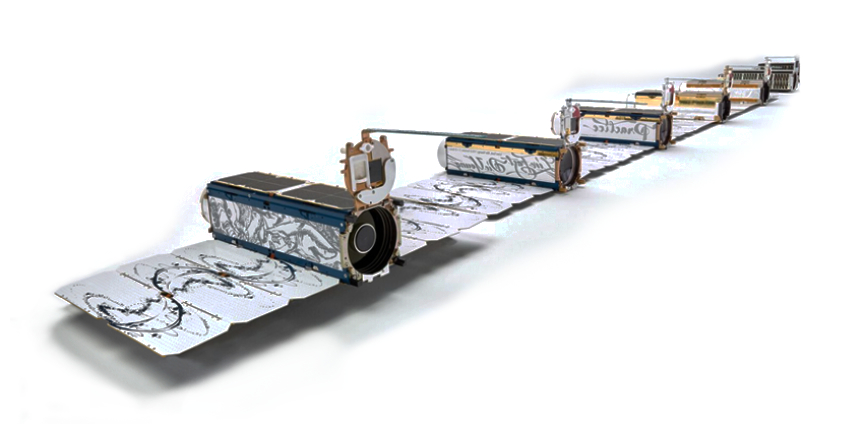

Planet’s Dove smallsats.

The final spacecraft aboard Electron for this mission has been supplied by British small mission prime, In-Space Missions. The Faraday-1 6U cubesat is a hosted payload mission providing a low-cost route to orbit for start-ups, institutions and large corporate R&D groups.  In addition, the satellite provides a first flight demonstration of In-Space’s own software-defined payload that will enable uploadable payload capabilities on future missions.  Faraday-1 is the first flight of the Faraday service with four future satellites already under contract.

With a new Electron launch vehicle built every 18 days, Rocket Lab remains on target to deliver monthly launches for the remainder of 2020 and into 2021, including the company’s first launch from Launch Complex 2 for the U.S. Space Force in Q3 and a mission to the Moon for NASA aboard Electron and Rocket Lab’s spacecraft bus platform Photon in 2021.

Peter Beck, Rocket Lab founder and CEO, said that launching the next mission so quickly after the last one demonstrates Rocket Lab’s unique capability to provide dedicated and responsive space access to small satellite customers. He noted that Rocket Lab has eliminated the smallsat waiting room for orbit and that the company has focused heavily on shoring up rapid launch capability in recent years and the firm is proud to be putting that into practice for the smallsat community with launches just days apart. Rocket Lab is excited to continue expanding the firm’s responsive space capability with this third launch pad coming online before the end of the year, as well as the continued growth of the company’s Photon satellite program that enables smallsat operators to do more, spend less and get to orbit faster.
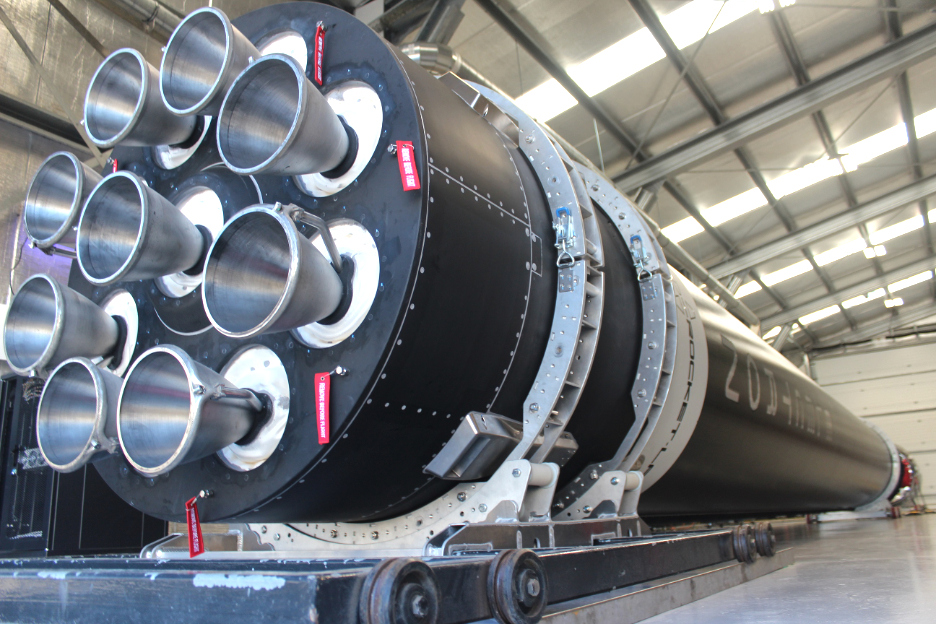

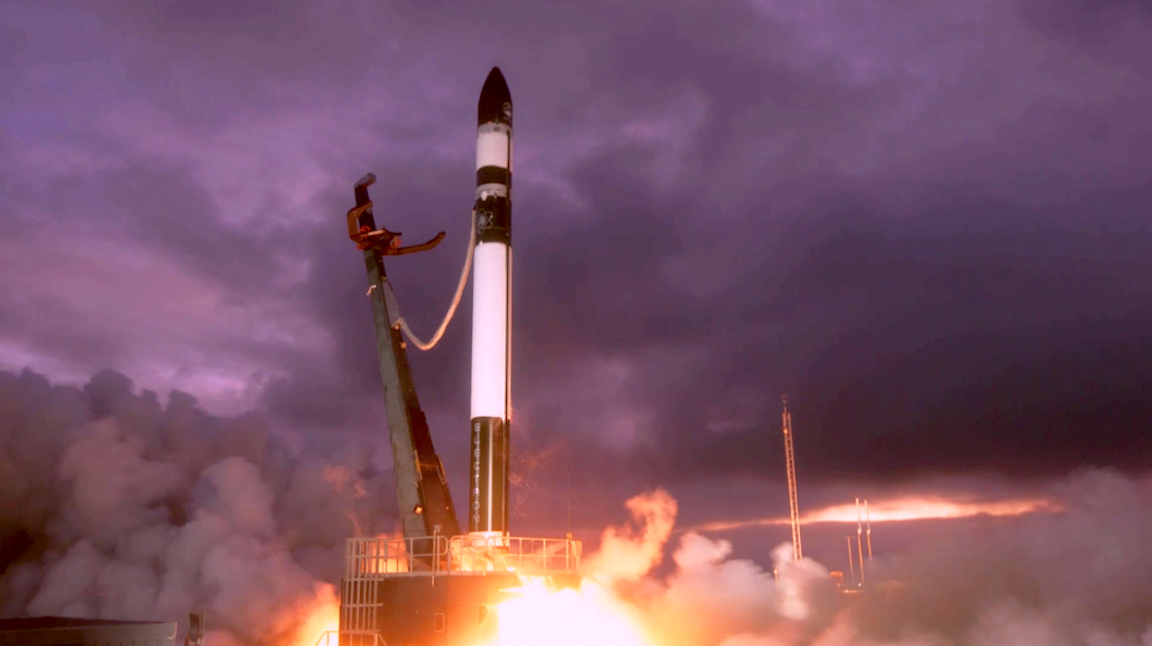
Rocket Lab Electron Vehicle #13.
Photo is courtesy of the company.


Filed Under: News

The ESAIL Maritime Satellite is Ready for Launch

June 15, 2020 by editorial


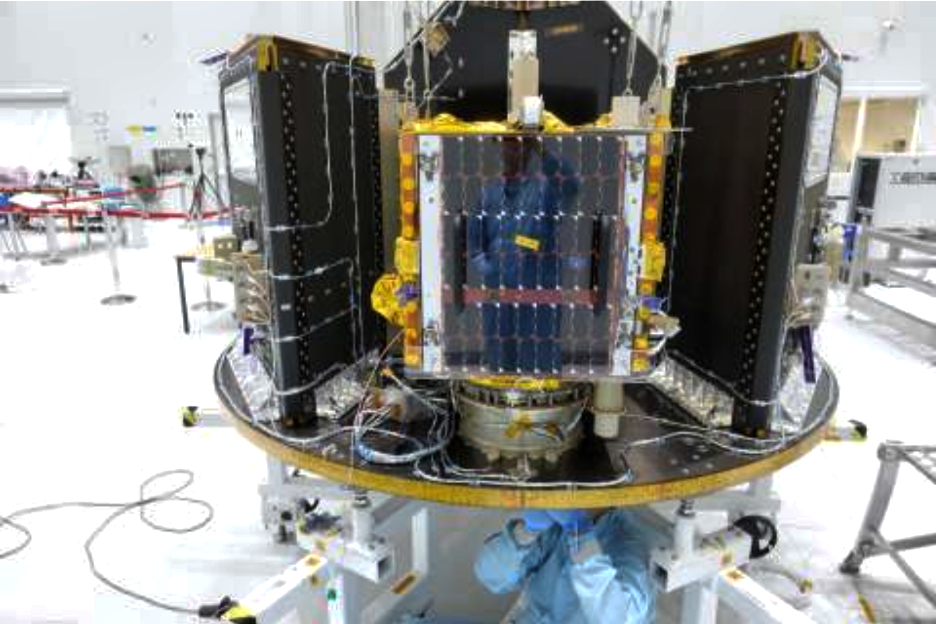
The ESAIL satellite mounted on Arianespace’s new launch adapter.

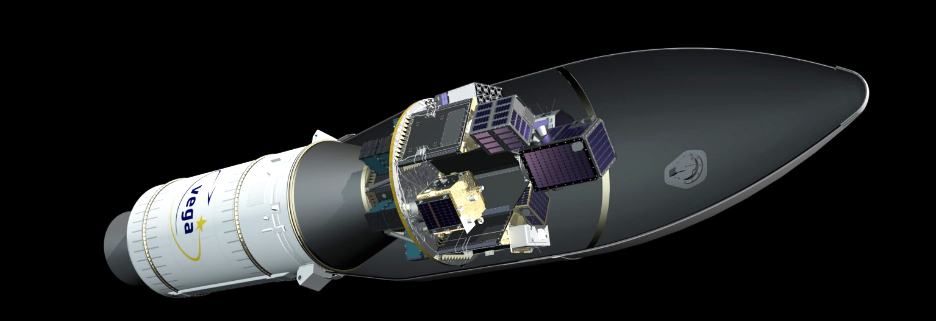
The ESAIL smallsat for tracking ships worldwide – developed under an ESA Partnership Project – has completed its accommodation on Vega’s new dispenser for small satellites and is ready for launch.

The Vega launch campaign at Europe’s spaceport in Kourou, French Guiana, resumed three weeks ago, following an interruption caused by the coronavirus pandemic.

ESAIL is due to be delivered into a SSO at an altitude of more than 500 km on Arianespace’s first Vega Small Spacecraft Mission Service (SSMS) rideshare flight. The launch will deliver seven microsatellites and 46 cubesats into orbit, using a new satellite dispenser that spreads the cost of launch between many customers.


Europe’s next Vega launch will premiere a new dispenser called the Small Spacecraft Mission Service, or SSMS. It will transport more than 50 satellites at once into orbit on the first rideshare mission dedicated to light satellites.
Image is courtesy of ESA.

The ESAIL high-performance smallsat was built by LuxSpace under an ESA Partnership Project with the Canadian operator exactEarth. The project was supported by the Luxembourg Space Agency and other ESA member states. ESA’s Partnership Projects aim to develop sustainable end-to-end systems, right up to in-orbit validation.


Smallsats on orbit artistic rendition is courtesy of LuxSpace.

ESAIL will track ships worldwide by detecting messages that ships radio-broadcast with their automatic identification systems (AIS). As part of exactEarth’s satellite-based AIS constellation, ESAIL will provide data also to the European Maritime Safety Agency for the next generation of global maritime traffic services.


Artistic rendition is courtesy of exactEarth.

ESAIL enables fisheries monitoring, fleet management, environmental protection and security monitoring for maritime and government authorities and industry – making the seas safer.

Filed Under: News

SpaceX Success with Starlink / Planet SkySat Launch

June 13, 2020 by editorial

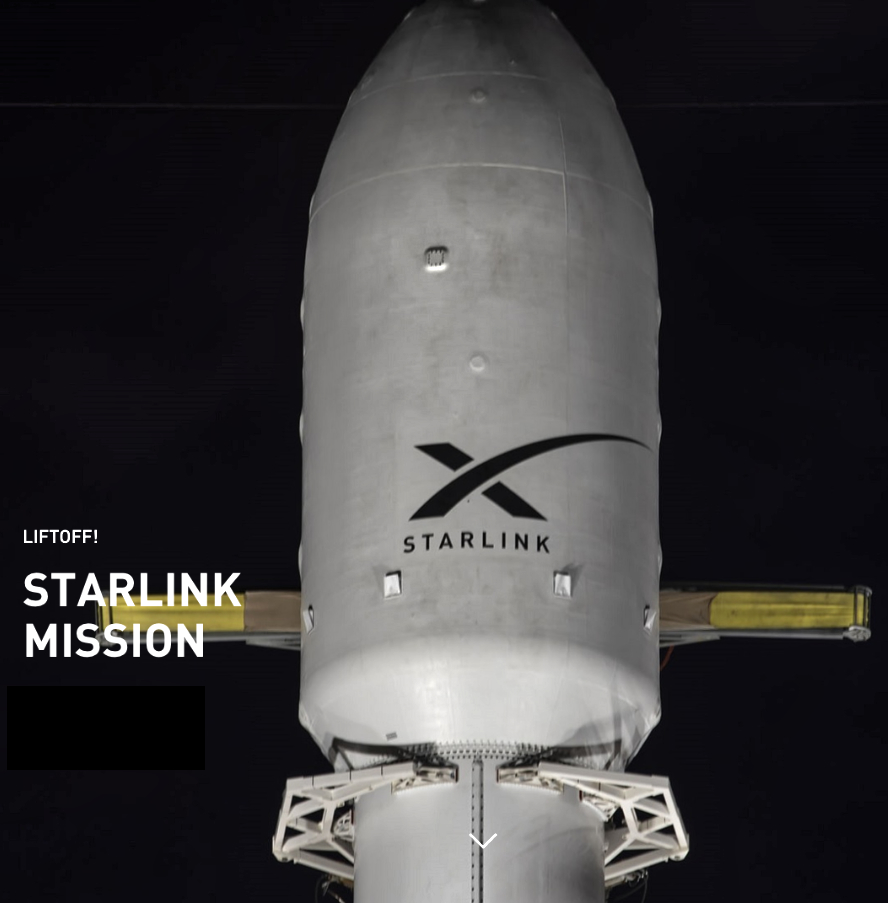
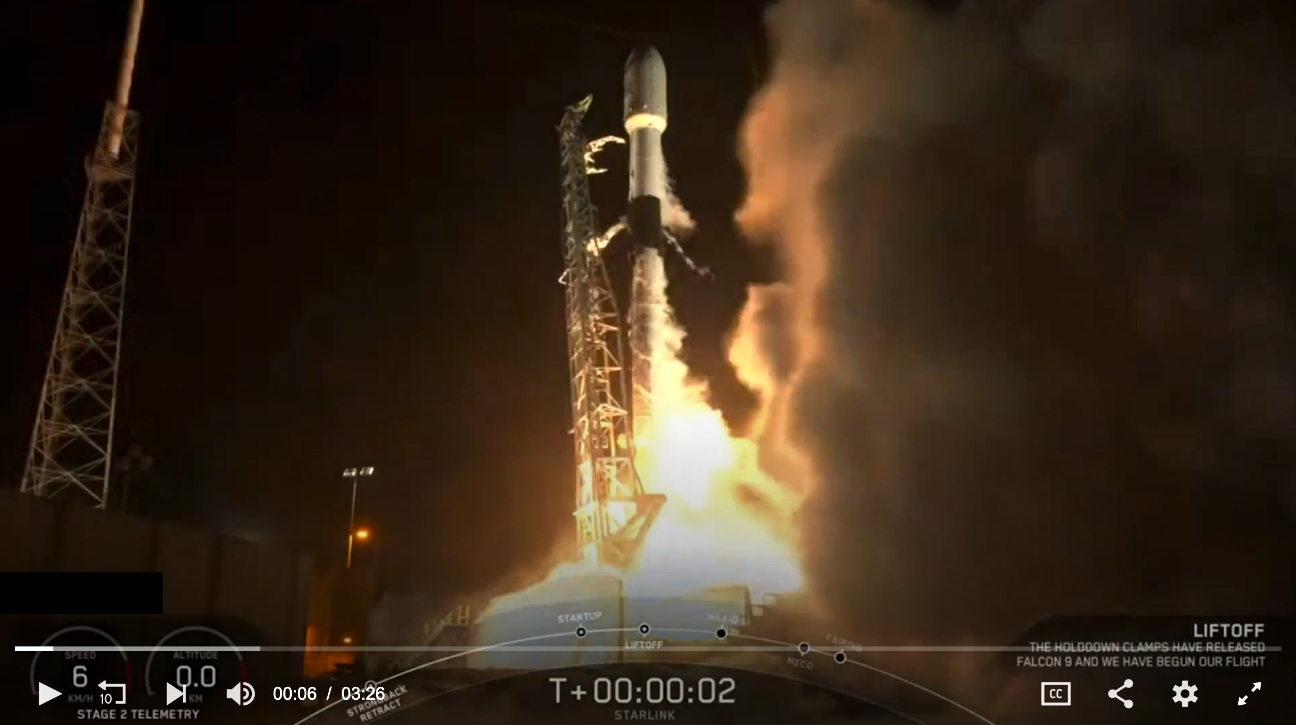
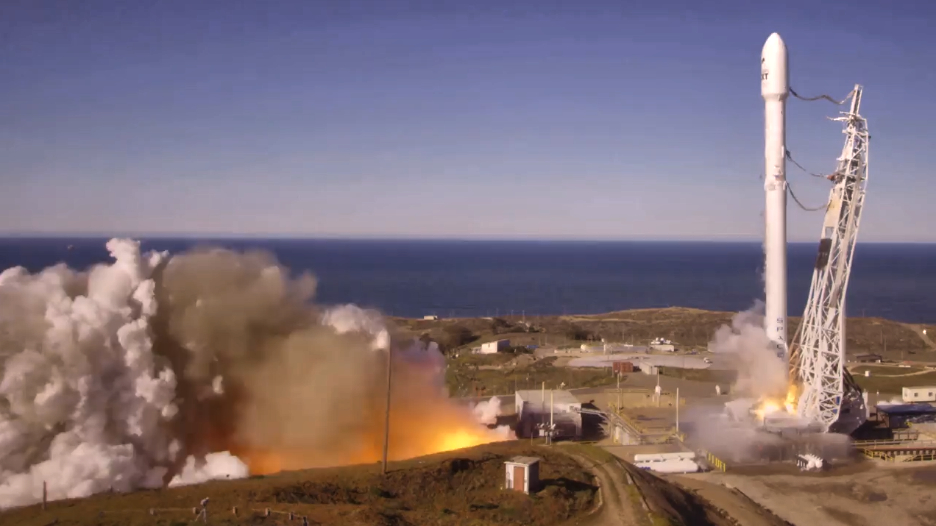
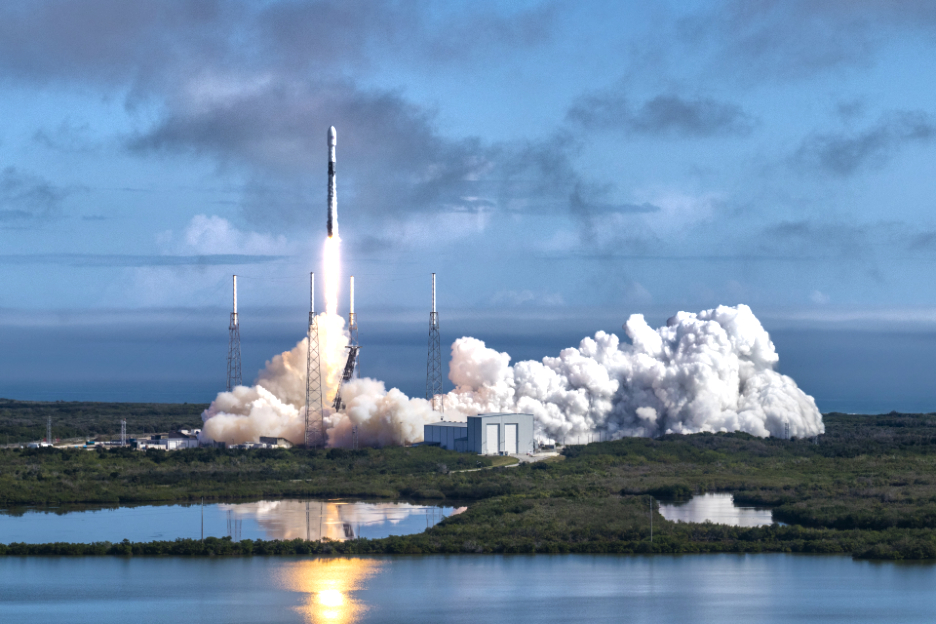
On Saturday, June 13, at 5:21 a.m. EDT, 9:21 UTC, SpaceX successfully launched their ninth Starlink mission, carrying 58 Starlink satellites and three of Planet’s SkySats — this mission marked SpaceX’s first SmallSat Rideshare Program launch.

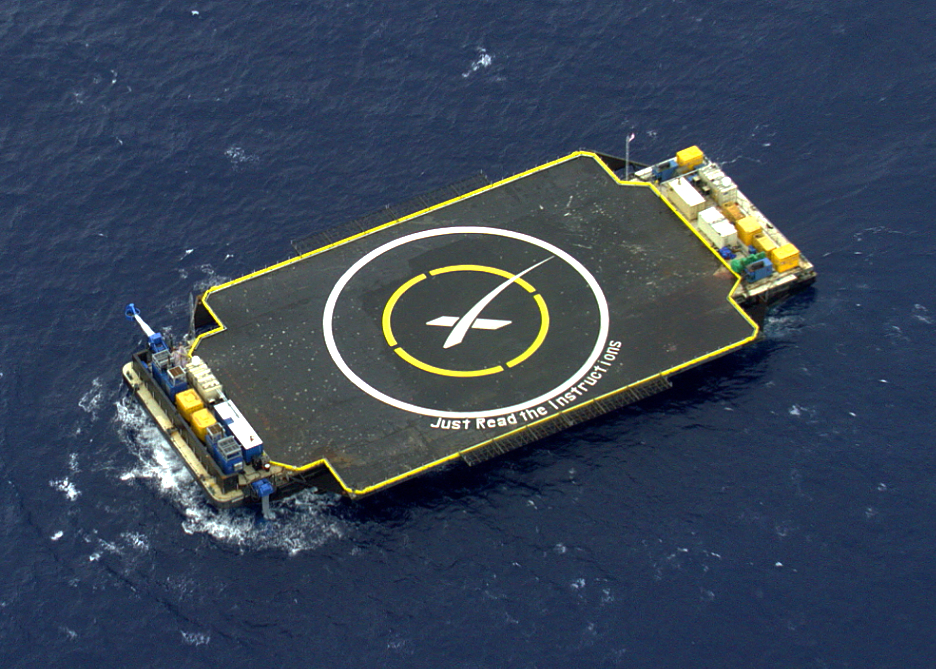
Falcon 9’s first stage previously supported Dragon’s 19th and 20th resupply missions to the International Space Station. Following stage separation, SpaceX’s Falcon 9 first stage successfully landed on the “Of Course I Still Love You” droneship stationed in the Atlantic Ocean.


The “Of Course I Still Love You” droneship.
Photo is courtesy of SpaceX.

One half of Falcon 9’s fairing previously flew on the JCSAT-18/Kacific1 mission and the other half previously flew on SpaceX’s third Starlink mission. Planet’s SkySats were deployed sequentially beginning about 12 minutes after liftoff and then the Starlink satellites were deployed approximately 26 minutes after liftoff.


Artistic rendition of Planet’s SkySat smallsats.
Image is courtesy of the company.

 

Filed Under: Featured, News

Rocket Lab’s Successful 12th Electron Mission Launch for NASA, NRO and UNSW Canberra 

June 13, 2020 by editorial


Rocket Lab’s statement …

Rocket Lab, a space systems company and the global leader in dedicated small satellite launch, has successfully launched its 12th Electron mission and deployed satellites to orbit for NASA, the National Reconnaissance Office (NRO) and the University of New South Wales (UNSW) Canberra Space. 

The ‘Don’t Stop Me Now’ mission launched from Rocket Lab Launch Complex 1 on New Zealand’s Mahia Peninsula at 05:12 UTC, 13 June 2020. The mission was Rocket Lab’s 12th Electron launch and continued the company’s record of 100 percent mission success for customers since Electron’s first orbital mission in January 2018. Rocket Lab has now deployed 53 satellites to orbit with the Electron launch vehicle.

This launch is the first conducted by Rocket Lab since Covid-19 national restrictions were eased earlier this month, demonstrating the company’s rapid launch and responsive space capability for small satellite customers.

The satellites deployed as part of this rideshare mission include NASA’s ANDESITE (Ad-Hoc Network Demonstration for Extended Satellite-Based Inquiry and Other Team Endeavors) satellite created by students and professors at Boston University to study Earth’s magnetic field as part of NASA’s CubeSat Launch Initiative (CSLI); three payloads designed, built and operated by the NRO; and the M2 Pathfinder satellite, a collaboration between the UNSW Canberra Space and the Australian Government, to test communications architecture and other technologies.

This latest mission marks the second time NASA and the NRO have launched payloads on Electron, following dedicated missions for each organisation in 2018 and 2020 respectively. Rocket Lab founder and chief executive, Peter Beck, said the mission highlighted Electron’s continued ability to meet the needs of government missions, whether payloads required a dedicated mission or could fly as part of a rideshare.

“It was a privilege to once again provide access to space for the NRO and NASA, and to welcome UNSW Canberra Space to orbit for the first time,” he said. “Missions like this one are testament to the flexibility we offer small satellite operators through our ability to deploy multiple payloads to precise and individual orbits on the same launch. This collaborative mission was also a great demonstration of Rocket Lab’s capability in meeting the unique national security needs of the NRO, while on the same mission making space easy and accessible for educational payloads from NASA and UNSW Canberra. I’m also incredibly proud of the way our team has quickly adapted to working safely and efficiently to ensure our customers remain connected to space through the challenges posed by COVID-19.” 

With Covid-19 restrictions now easing, Rocket Lab has also returned to full production of Electron launch vehicles and Photon satellites. Rocket Lab is now delivering a launch vehicle off the production line every 18 days to meet a busy launch manifest for the rest of the year. Final checks are being completed in the lead up to Rocket Lab’s first launch from its new U.S. launch site, Launch Complex 2 in Virginia — a dedicated mission in partnership with the Department of Defense’s Space Test Program and the Space and Missile Systems Center’s Small Launch and Targets Division. The mission is scheduled for Q3 2020. Details of Rocket Lab’s next launch from Launch Complex 1 will be announced shortly.


Filed Under: Featured, News

Bradford ECAPS Thrusts Out the Firm’s Successes

June 12, 2020 by editorial

Bradford Space and ECAPS manufacture and deliver the high performance (HPGP) 1N thruster for the firm’s satellite customers’ attitude and orbit control needs.

The company has a large number of these thrusters on order, in production and at the customer. These include:

Preparatory activities for Moog’s first SL-OMV mission out of the United Kingdom with a scheduled delivery of 6 units in Q3, 2020. For more information about this mission, see Small Launch Orbital Maneuvering Vehicle will Enable UK Launched Small Satellite Missions.


SL-OMV ready to deploy six payloads to their optimal orbits.
Image is courtesy of Moog.


Procurement and manufacturing begun on 100 thrusters for Boeing.

Eight 1N HPGP High Throughput systems for the first Astranis micro-GEO mission. Targeting delivery by Q3 and ready for launch Q1, 2021 this program will feature an innovative combined HPGP / EP system.


Bradford ECAPS’s 1N HPGP Thruster.
Image is courtesy of the company.
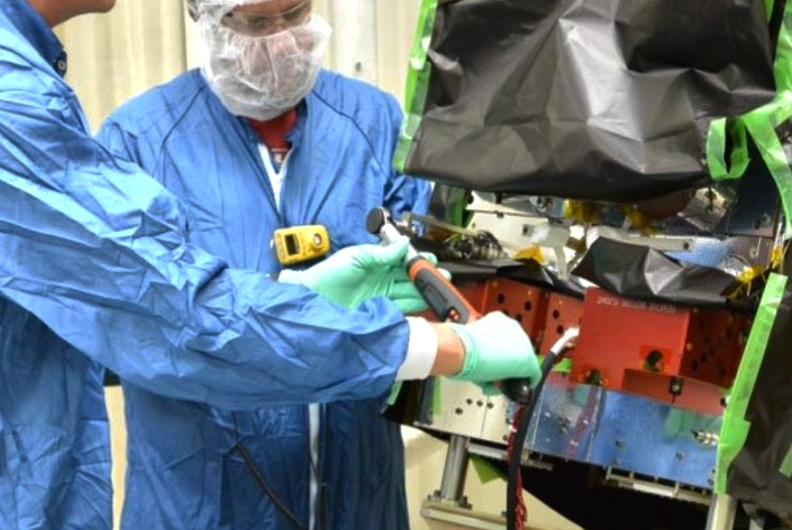
Twelve thrusters delivered to VACCO in Q4 2019 and the latest four have been delivered in March 2020 for use on Millennium Space Systems ALTAIR spacecraft.


Millennium Space Systems
ALTAIR™ spacecraft.
Image is courtesy of NASA.


Four thrusters delivered to NanoAvionics in early May 2020.


The NanoAvionics smallsat bus.
Image is courtesy of the company.
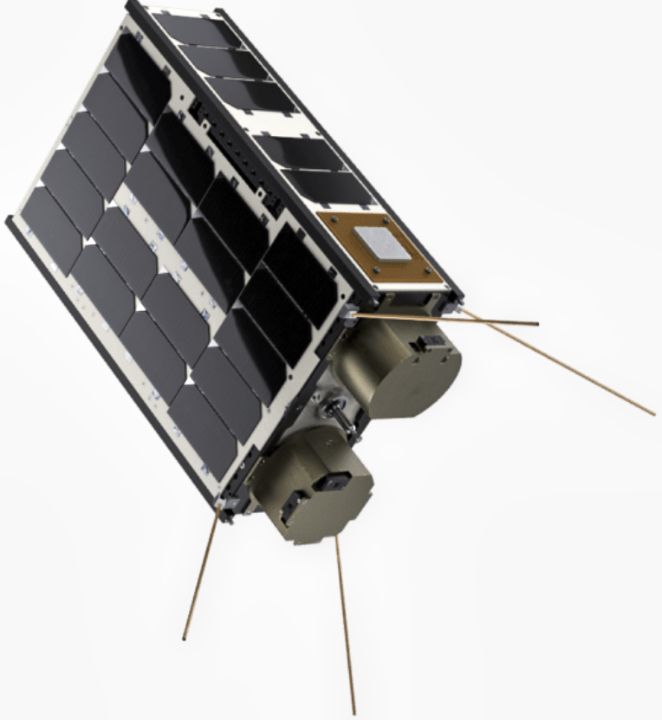
A double-capacity SkySat-like system is being engineered and built at Bradford Space in the Netherlands for York Space Systems, US, with a scheduled delivery in Q2, 2021.

SkySat Systems Ready for Launch
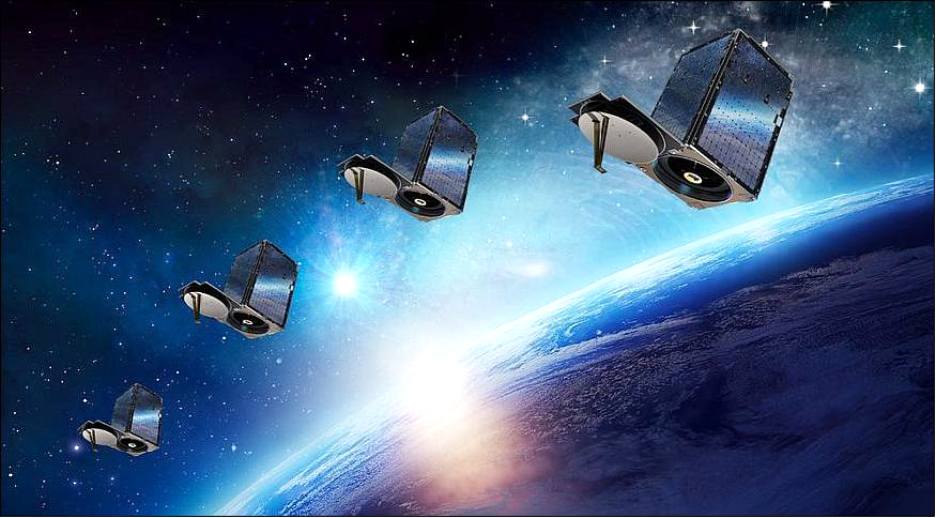
The Bradford ECAPS propulsion systems for SkySats 16 – 18 are fueled and ready for lift-off at Cape Canaveral Air Force Station USA onboard the SpaceX Falcon 9 Starlink 8 mission. Three other systems, for SkySats 19 – 21, will be launched later this summer on another SpaceX Falcon 9. For more details on this SkySat Block 3 mission go to Planet’s announcement SkySats 16-21 To Launch On SpaceX Falcon 9 Rideshare Missions.


Artistic rendition of Planet’s SkySats on-orbit.
Image is courtesy of the company.
The SkySat propulsion is a highly compact system originally designed by ECAPS for Skybox Imaging, now Planet. The SkySat spacecraft are powered by four 1N HPGP thrusters and ADN propellant, providing the highest performance in the liquid monopropellant market.

To date, 19 propulsion systems have been delivered to Planet of which 13 have been successfully deployed and are operating in orbit. Earlier successful launches in this series are:

  • SkySat 3 – Launched in June 2016 from Satish Dhawan Space Centre,
    India (Antrix’s PSLV, C-34)
  • SkySats 4-7 – Launched in September 2016 from Guiana Space Centre, French Guiana (Arianespace’s Vega, 007)
  • SkySats 8-13 – Launched in October 2017 from Vandenberg Air Force Base, USA (Orbital ATK’s Minotaur-C, 010)
  • SkySats 14-15 – Launched in December 2018 from Vandenberg Air Force Base, USA (SpaceX’s Falcon 9, 064)

Other Upcoming Missions Equipped with ECAPS Thrusters

  • The Astroscale ELSA-d, launching in October 2020 (TBC), will have eight 1N HPGP thrusters
  • Fueling of the ArgoMoon subsystem, built by VACCO and powered by one ECAPS 100mN thruster with ADN propellant, is scheduled to be “fueled at the factory” at one of the ECAPS facilities in Sweden in Q4, 2020
  • One tailored SkySat system, comprising four ECAPS 1N HPGP thrusters on the Blue Canyon Tetra-3 mission for launch in Q1, 2021

5N and 22N HPGP Thruster Development
These larger thrusters, designed for attitude, trajectory and orbit control on small, medium and larger satellites, are in development and almost ready for production. ECAPS is working with NASA’s Goddard Space Flight Center to characterize the performance of each system for use on future NASA observatory and/or interplanetary missions. The 22N is on track to be flight qualified by the end of this year, and the 5N will be fully qualified by early 2021.


Filed Under: News

Spaceflight Acquired

June 12, 2020 by editorial

Spaceflight Inc. has been acquired by Mitsui & Co., Ltd., in partnership with Yamasa Co., Ltd. — this acquisition is now complete with the final review of the Committee on Foreign Investment in the United States (CFIUS).

In February 2020, Spaceflight’s parent company, Spaceflight Industries, announced it had signed an agreement with the Japanese companies for the sale of the launch service provider, pending the CFIUS review. The review was completes in April and the acquisition finalized on June 12, 2020. Mitsui & Co. and Yamasa will have 50/50 joint venture ownership in Spaceflight, but the launch service provider will continue to operate as a privately held, independent U.S.-based company.

The acquisition is a unique opportunity for Spaceflight to further invest and expand its commercial and government rideshare launch services while Mitsui & Co. expands its portfolio to offer space services.

Since its founding in 2013, Spaceflight has launched a record-setting 271 satellites via 29 rocket launches, establishing itself as the leading rideshare service provider. The company offers comprehensive launch and integration services across a global portfolio of vehicles, including Falcon 9, PSLV, SSLV, Electron, Antares, and Vega.

Spaceflight successfully executed nine missions in 2019, the most rideshare launches the company has performed in one year, with four launches spanning 16 days across three continents. In 2018, Spaceflight executed its historic dedicated rideshare mission, SSO-A, which deployed 64 satellites from 17 different countries from a Falcon 9. The company also completed the first-ever rideshare mission to Geosynchronous Transfer Orbit (GTO) in 2019, launching the first privately funded lunar lander.

Spaceflight headquarters will remain in Seattle with Blake continuing to serve as the CEO and President, reporting to a newly formed board of directors established with a majority of U.S.-based persons.

Curt Blake, the CEO and President of Spaceflight, said the completion of this deal is an exciting step for Spaceflight. Joining the high-growth Mitsui & Co. portfolio positions Spaceflight to deliver and expand on the comprehensive launch services the company offers. The firm is exploring the development of new, standardized, deployment systems, new digital initiatives, and other programs that further help the company’s customers reliably and affordably access space, in the most flexible way possible. Spaceflight’s biggest priority, as always, is ensuring all customers are fully supported through this transition and the necessary steps are being taken to establish infrastructure to meet their needs.

Tomohiro Musha, GM of Transportation & Machinery Business Div. IV in Mitsui & Co., added that Spaceflight has contributed significantly to the space industry, pushing boundaries and achieving great success making rideshare a credible and reliable option for smallsat launches. The acquisition of this industry leader will allow the company to expand business in exciting new ways.


Filed Under: News

Planet Data Assists the Copernicus Emergency Management Service

June 12, 2020 by editorial


Planet’s Dove smallsats.
Image is courtesy of the company.
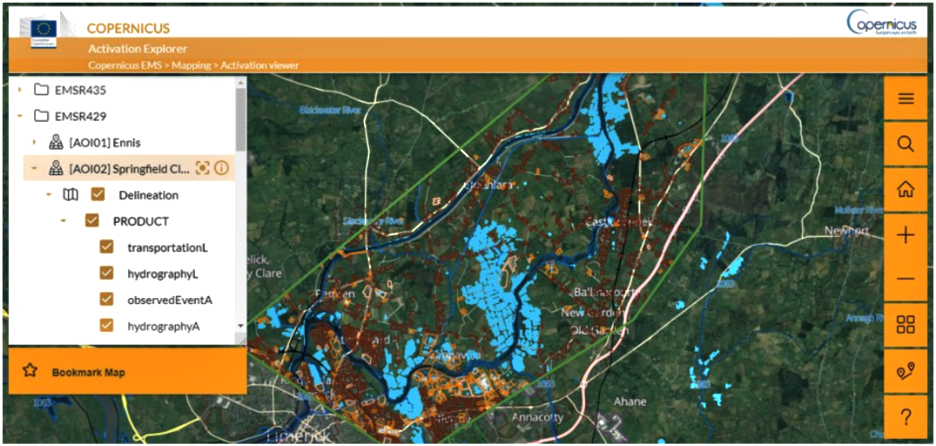
The Copernicus Emergency Management Service, or Copernicus EMS, uses Planet data to help provide emergency response mapping services for a variety of disaster situations, ranging from geophysical and meteorological hazards to humanitarian and man-made crises.

When events occur, authorized users can alert Copernicus EMS to an emergency location, and the service provides satellite-derived products for quick and effective response. It also provides information that can aid in disaster preparedness, prevention and recovery.

Copernicus EMS is managed by the European Commission and operated by the Joint Research Centre of the European Commission. The European Space Agency (ESA) is responsible for providing satellite data for the requested products, both from Sentinel missions and from commercial data providers. Planet and ESA entered into an agreement allowing ESA to access both PlanetScope and SkySat as one of the Copernicus Contributing Missions—with the aim of combining Planet data with information gleaned from Sentinel satellites.

As Copernicus EMS has access to Planet’s SkySat constellation—which will have increased rapid revisit capabilities due to the upcoming launch of more SkySats—the service is able to provide governments and other organizations with critical geospatial information within hours or days of a disaster, charting changes in near-real time. With access to Planet’s extensive PlanetScope and SkySat imagery archive, Copernicus EMS is also able to supply organizations with imagery of a location before an event occurs. This allows the service to provide risk and recovery maps and an early warning and monitoring component, which includes support in case of droughts, wildfires and floods.

The service connects decision-makers with the critical geoinformation they need, empowering them to assess situations with more clarity and make educated decisions.


Filed Under: News

Launch Services Agreement Signed Between Exolaunch and Loft Orbital

June 11, 2020 by editorial

Exolaunch has signed a Launch Services Agreement with Loft Orbital to deliver Loft Orbital’s YAM smallsat into SSO via a SpaceX Falcon 9 launch vehicle.


A Falcon 9 launch vehicle lift off. Image is courtesy of SpaceX.

Under the contract, Exolaunch will deliver mission management, deployment and integration services to Loft Orbital, who operates microsatellites and flies customers’ payloads as a service. The launch is targeted for December 2020 and is part of SpaceX’s SmallSat Rideshare Program.

The YAM-3 smallsat will carry various payloads for Loft Orbital’s customers, including an Internet of Things (IoT) payload, an onboard autonomy demonstration, a positioning and queuing demonstration and blockchain applications. Using a unique aggregation approach, Loft Orbital offers its customers end-to-end services and delivery of missions to orbit on a standardized satellite bus. Its customers provide payloads, sensors or experiments while also saving time and avoiding the complexity and costs of building their own spacecraft.

YAM-3 will be deployed from a Falcon 9 ESPA port with CarboNIX, Exolaunch’s shock-free, lightweight, separation system for smallsats. This launch will mark the first cooperation between Loft Orbital and Exolaunch. In addition to the upcoming Falcon 9 mission, Exolaunch is set to arrange the launch and provide deployment services for Loft Orbital’s next microsatellite in 2021.


Exolaunch’s CarboNIX.

Earlier this spring, Exolaunch procured launch capacity from SpaceX to launch multiple small satellites aboard Falcon 9 as part of SpaceX’s SmallSat Rideshare Program. Exolaunch will provide comprehensive rideshare mission management, deployment and integration services for the customers joining this launch. Exolaunch has numerous customers who already signed up for this mission, and the company now begins to release more information on its manifest.

To date, Exolaunch has successfully arranged launch campaigns for nearly one hundred small satellites. The company’s expertise in rideshare launches – in combination with its brand new multi-port adapters, flight-proven sequencers and CarboNIX shock-free separation systems – allows smallsat developers to benefit from top-tier mission management under SpaceX’s SmallSat Rideshare Program.

Pierre-Damien Vaujour, Co-CEO at Loft Orbital, said the company is thrilled to be partnering with Exolaunch for YAM-3’s launch. Loft Orbital has been extremely impressed with the Exolaunch team and the CarboNIX technology. Remaining satellite bus, payload and launch vehicle agnostic is a core part of Loft Orbital’s value proposition and YAM-3 is a prime example of the schedule benefits resulting from that strategy.

Jeanne Medvedeva, Commercial Director at Exolaunch, added that Loft Orbital’s unique service of aggregating multiple payloads on their satellites addresses the industry’s acute demand for reduced complexity and costs. Exolaunch is proud to deploy the YAM-3 microsatellite into orbit with Falcon 9 and provide comprehensive mission support for the launch and the firm looks forward to supporting additional YAM launches in the future.


Artistic rendition is courtesy of Loft Orbital.


Filed Under: News

Arianespace’s Flight VV16 to Perform Small Spacecraft Mission Proof of Concept Flight 

June 11, 2020 by editorial


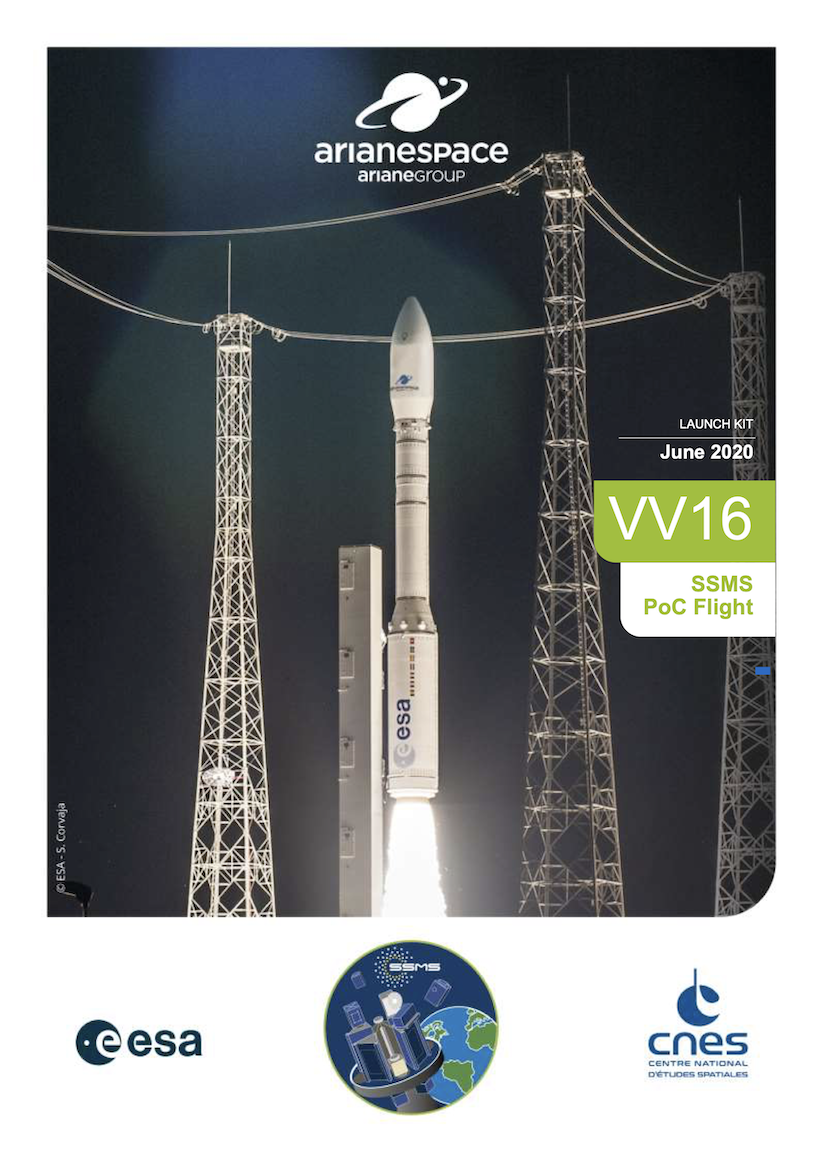
Arianespace is preparing for the first launch of 2020, on Thursday, June 18. With this mission, designated Flight VV16, Arianespace stresses its wide range of services to address the nano- and micro-satellite market sub-segment, by serving both institutional and commercial needs.

The creation of such a new service using the company’s light-lift Vega led to the Small Spacecraft Mission Service (SSMS) project. For its fifth mission in 2020, and the first Vega flight of the year, the launch will take place from the Vega Launch Complex (SLV) in Kourou, French Guiana. Arianespace will orbit 53 satellites with seven microsatellites (from 15 kg. to 150 kg.) on the upper portion, along with 46 smaller CubeSats on the lower portion’s Hexamodule, on the Small Spacecraft Mission Service (SSMS) Proof of Concept (PoC) Flight. VV16’s mission, with 21 customers from 13 countries on board that will serve different types of applications: Earth observation, telecommunications, science, technology/education, etc. The SSMS rideshare concept is now integrated into Arianespace commercial offer, as a new service to address the small satellite market.

The European Space Agency (ESA) funded the SSMS hardware development, and also contributed with the European Union to the funding of this “Proof of Concept” (PoC) flight. The combined European efforts will enhance Arianespace’s response to the rideshare demand with solutions that are perfectly suited to the flourishing small satellite market.

Arianespace ensures their clients that by choosing Arianespace, all customers are entitled to the same level of quality and reliability, and new customers such as laboratories, universities and start-ups are guaranteed the optimum conditions for the launch of their space projects.

This Arianespace’s concept —with multiple small satellites from 1 kg. to 500 kg. being flown together on Vega with the objective of sharing the launch cost — has been developed with the support of ESA and Avio. The satellite dispenser is an ESA product developed by Avio under ESA leadership and it is produced by the Czech company, SAB Aerospace s.r.o. (CZ). Satellite integration has been performed for the first time in Europe (Czech Republi

With this new service, Arianespace will be able to respond to the constellation and small satellite market demand thanks to the dual strategy of shared launches on Vega / Vega C and Ariane 6.


Filed Under: News

York Space Systems and LatConnect 60 Partnership for a Smallsat Constellation

June 10, 2020 by editorial

York Space Systems has been selected as a strategic partner and subcontractor by LatConnect 60, a firm that is currently developing a smallsat constellation that will provide greater access and control to critical Earth Observation (EO) data required by the Australian government and a wide range of commercial clients across the world.

York Space Systems will manufacture its spacecraft platform for the constellation as well as provide its full mission operations and deployment capabilities at an unprecedented cost and delivery time.

LatConnect 60’s initial constellation of three satellites will carry multiple payloads, with each satellite capable of both RF Signal Intelligence and High Resolution Multispectral Imaging. The first satellite is scheduled for launch in June 2021. LatConnect 60 is working to deliver AI capabilities onboard its satellites, where each satellite is able to autonomously geolocate and process RF signals identified in order to trigger its imaging payload and any other secondary payloads to conduct data collection over an Area of Interest. Collected data is fused and delivered to end users in an Activity Intelligence Report.

York Space Systems’ spacecraft platform is designed to improve affordability and ease of access to space for next generation space companies around the world. The platform itself can support a wide range of missions, including Earth observation, the key focus of the LatConnect 60 constellation. Pricing and fast delivery of satellites is an attractive differentiator for York and is a primary factor in gaining LatConnect 60’s business.

Dirk Wallinger, CEO of York Space Systems, said the firm strongly believes in LatConnect 60’s mission, especially as it serves to help national security surveillance efforts by the Australian government. York Space Systems is eager to work with their team on this constellation build out to highlight the company’s delivery times and competitive price points as well as to be a part of the latest innovation in space.

LatConnect 60 CEO Venkat Pillay added that in addition to York’s fast delivery time, which is well under nine months to orbit and at an attractive price point, the company also found their design methodology, delivery and mission services plan to be well defined. This partnership will enable LatConnect 60 to provide a truly responsive space capability at affordable service levels to the firm’s clients in Australia and Asia Pacific.


Filed Under: News

  • « Go to Previous Page
  • Page 1
  • Interim pages omitted …
  • Page 301
  • Page 302
  • Page 303
  • Page 304
  • Page 305
  • Interim pages omitted …
  • Page 338
  • Go to Next Page »

Primary Sidebar

WEEKLY NEWSLETTER

Archives

  • October 2026
  • September 2026
  • August 2026
  • July 2026
  • June 2026
  • May 2026
  • April 2026
  • March 2026
  • February 2026
  • January 2026
  • December 2025
  • November 2025
  • October 2025
  • September 2025
  • August 2025
  • July 2025
  • June 2025
  • May 2025
  • April 2025
  • March 2025
  • February 2025
  • January 2025
  • December 2024
  • November 2024
  • October 2024
  • September 2024
  • August 2024
  • July 2024
  • June 2024
  • May 2024
  • April 2024
  • March 2024
  • February 2024
  • January 2024
  • December 2023
  • November 2023
  • October 2023
  • September 2023
  • August 2023
  • July 2023
  • June 2023
  • May 2023
  • April 2023
  • March 2023
  • February 2023
  • January 2023
  • December 2022
  • November 2022
  • October 2022
  • September 2022
  • August 2022
  • July 2022
  • June 2022
  • May 2022
  • April 2022
  • March 2022
  • February 2022
  • January 2022
  • December 2021
  • November 2021
  • October 2021
  • September 2021
  • August 2021
  • July 2021
  • June 2021
  • May 2021
  • April 2021
  • March 2021
  • February 2021
  • January 2021
  • December 2020
  • November 2020
  • October 2020
  • September 2020
  • August 2020
  • July 2020
  • June 2020
  • May 2020
  • April 2020
  • March 2020
  • February 2020
  • January 2020
  • December 2019
  • November 2019
  • October 2019

© 2019–2026 SatNews

Insert/edit link

Enter the destination URL

Or link to existing content

    No search term specified. Showing recent items. Search or use up and down arrow keys to select an item.
      x
      Sign Up Now!

      Enjoy a free weekly newsletter with recent headlines from the global SmallSat industry.

      Invalid email address
      We promise not to spam you. You can unsubscribe at any time.
      Thanks for subscribing! You will now receive weekly SmallSat News updates.
      We love our advertisers.
      And you will too!

      Please disable Ad Blocker to continue... We promise to keep it unobtrusive.
      We promise not to spam you. You can unsubscribe at any time.
      Invalid email address
      Thanks for subscribing!