• Skip to main content
  • Skip to primary sidebar
  • Home
  • News
  • Featured
  • More News ⌄
    • SatNews
    • SatMagazine
    • MilSatMagazine
  • Events ⌄
    • MilSat Symposium
    • SmallSat Symposium
    • Satellite Innovation
  • Contacts
  • SUBSCRIPTION

SmallSat News

You are here: Home / Archives for 2020

Archives for 2020

Spaceflight Managing Canon Electronics Smallsat Launch

June 16, 2020 by editorial

Spaceflight Inc. is managing the launch of Canon Electronics’ CE-SAT-IB imaging satellite on Rocket Lab’s Electron launch vehicle — the mission will lift off from Rocket Lab’s Launch Complex 1 at the southern tip of Mahia Peninsula, on the east coast of New Zealand’s North Island, with the launch window opening on July 4 NZT/July 3, UTC.

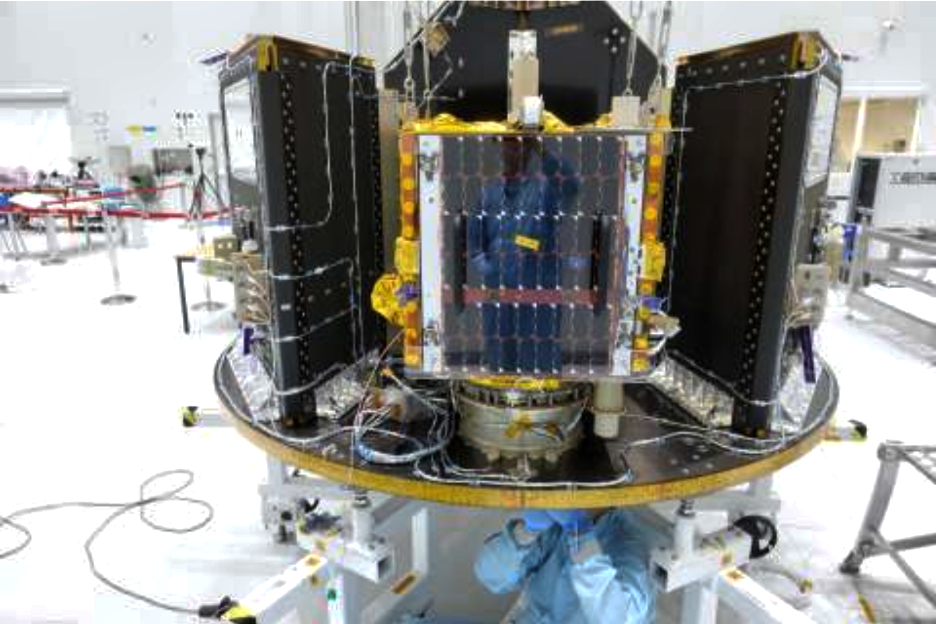
CE-SAT-IB is a 67 kilogram microsatellite which can resolve 90 centimeter objects on the ground from space. Additionally, Spaceflight is coordinating the launch of another Canon satellite, CE-SAT-IIB, which is slated to lift off after the CE-SAT-IB mission later in 2020, also aboard an Electron. It will carry three cameras with different resolutions and sensitivities.
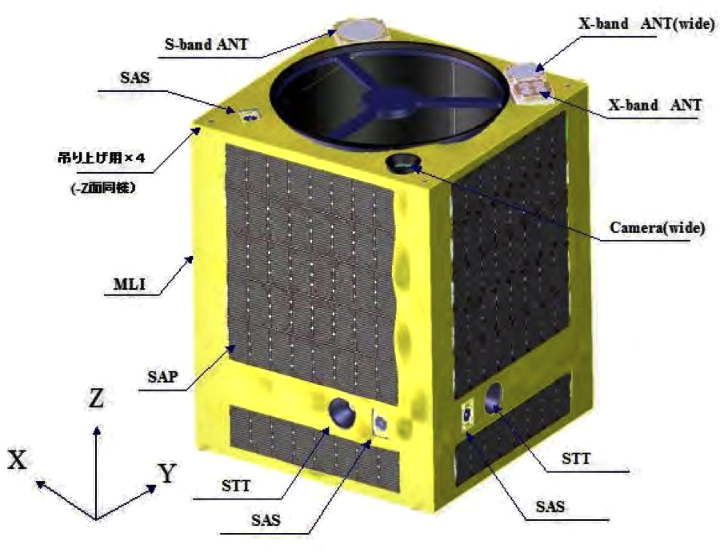

Canon Electronics CE-SAT 1.

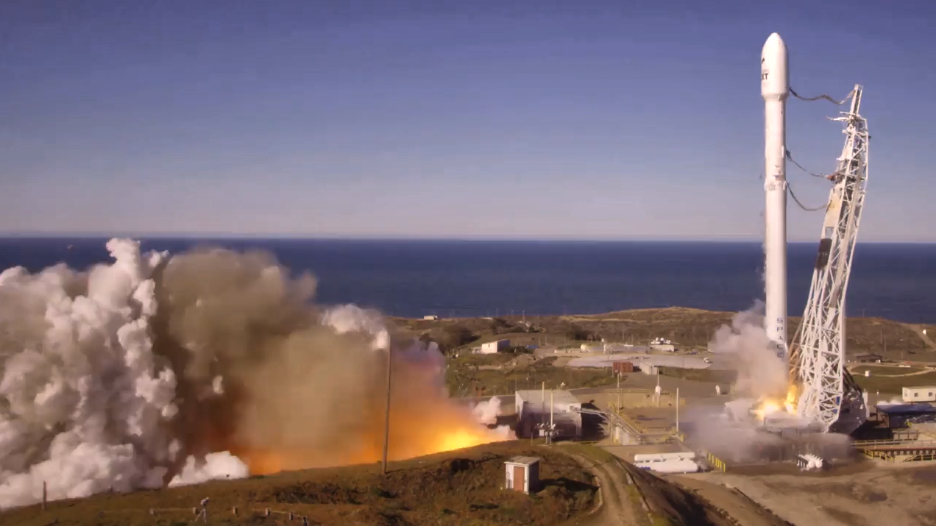
This mission, called Pics Or It Didn’t Happen by Rocket Lab, represents Spaceflight’s fourth launch with Rocket Lab in the past 12 months and follows the successful launches of 10 spacecraft on earlier missions “Make it Rain” (June 2019), “Look Ma No Hands” (August 2019), and “Running Out of Fingers“ (November 2019). While this mission was scheduled to launch earlier this year, it was delayed due to the COVID-19 global pandemic.

Spaceflight has continued to work closely with Canon Electronics, Rocket Lab, and government officials to launch as expeditiously and safely as the conditions allow. Like the previous missions, Spaceflight managed the launch capacity procurement, integration and mission management services for the rideshare spacecraft.

Since its founding, Spaceflight has launched more than 270 satellites via 29 rocket launches, establishing itself as the leading rideshare service provider. Spaceflight is scheduled to execute more than six missions in 2020 across many different launch vehicles, including the Falcon 9, Electron, Vega, SSLV and PSLV.


Curt Blake

Curt Blake, the CEO and President of Spaceflight, stated the company is looking forward to getting these next generation Canon spacecraft on orbit and helping them kickstart their constellation. Spaceflight’s ability to find the most expedient rides to space for the firm’s customers is critical, especially when their business plans require a frequent cadence of launches. Offering end-to-end launch services across multiple launch vehicles gives Spaceflight customers flexibility, along with confidence that the company will get them where they want to go, aligned with their schedule.

Dr. Nobutada Sako, group executive, Satellite Systems Lab, Canon Electronics Inc., added that this launch is critical for Canon Electronics as the company is launching a satellite where the firm has remarkably increased the ratio of in-house development of components compared to the previous launch. Partnering with Spaceflight on this mission has been very helpful and the company looks forward to a successful launch of Canon Electronics’ satellites.
 

Filed Under: News

The ESAIL Maritime Satellite is Ready for Launch

June 15, 2020 by editorial


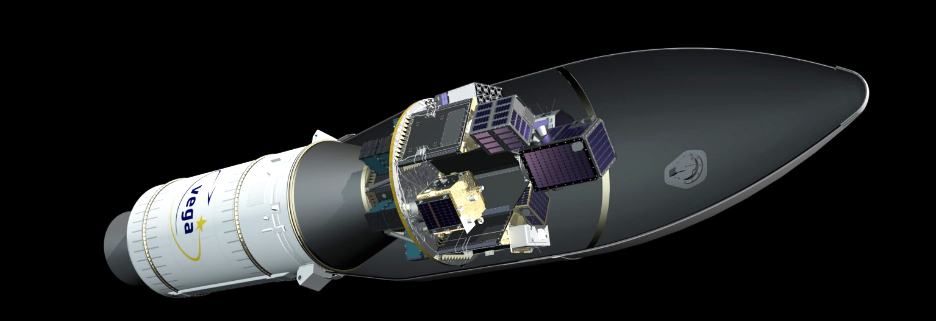
The ESAIL satellite mounted on Arianespace’s new launch adapter.

The ESAIL smallsat for tracking ships worldwide – developed under an ESA Partnership Project – has completed its accommodation on Vega’s new dispenser for small satellites and is ready for launch.

The Vega launch campaign at Europe’s spaceport in Kourou, French Guiana, resumed three weeks ago, following an interruption caused by the coronavirus pandemic.

ESAIL is due to be delivered into a SSO at an altitude of more than 500 km on Arianespace’s first Vega Small Spacecraft Mission Service (SSMS) rideshare flight. The launch will deliver seven microsatellites and 46 cubesats into orbit, using a new satellite dispenser that spreads the cost of launch between many customers.


Europe’s next Vega launch will premiere a new dispenser called the Small Spacecraft Mission Service, or SSMS. It will transport more than 50 satellites at once into orbit on the first rideshare mission dedicated to light satellites.
Image is courtesy of ESA.

The ESAIL high-performance smallsat was built by LuxSpace under an ESA Partnership Project with the Canadian operator exactEarth. The project was supported by the Luxembourg Space Agency and other ESA member states. ESA’s Partnership Projects aim to develop sustainable end-to-end systems, right up to in-orbit validation.


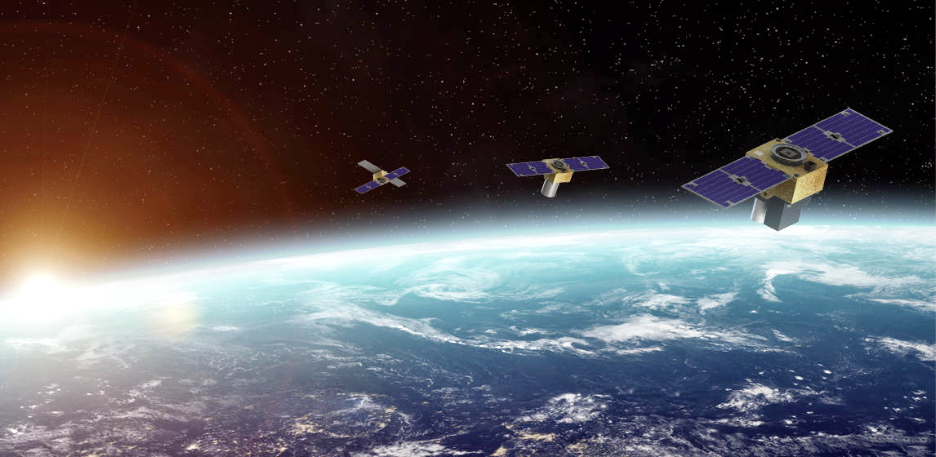
Smallsats on orbit artistic rendition is courtesy of LuxSpace.

ESAIL will track ships worldwide by detecting messages that ships radio-broadcast with their automatic identification systems (AIS). As part of exactEarth’s satellite-based AIS constellation, ESAIL will provide data also to the European Maritime Safety Agency for the next generation of global maritime traffic services.


Artistic rendition is courtesy of exactEarth.

ESAIL enables fisheries monitoring, fleet management, environmental protection and security monitoring for maritime and government authorities and industry – making the seas safer.

Filed Under: News

Rocket Lab’s Next Mission Demos Fastest Turnaround of Seven Smallsats for Electron Liftoff

June 15, 2020 by editorial

Rocket Lab has announced their next Electron mission, which is scheduled to launch three weeks after their most recent mission in a demo of the company’s rapid launch capability.

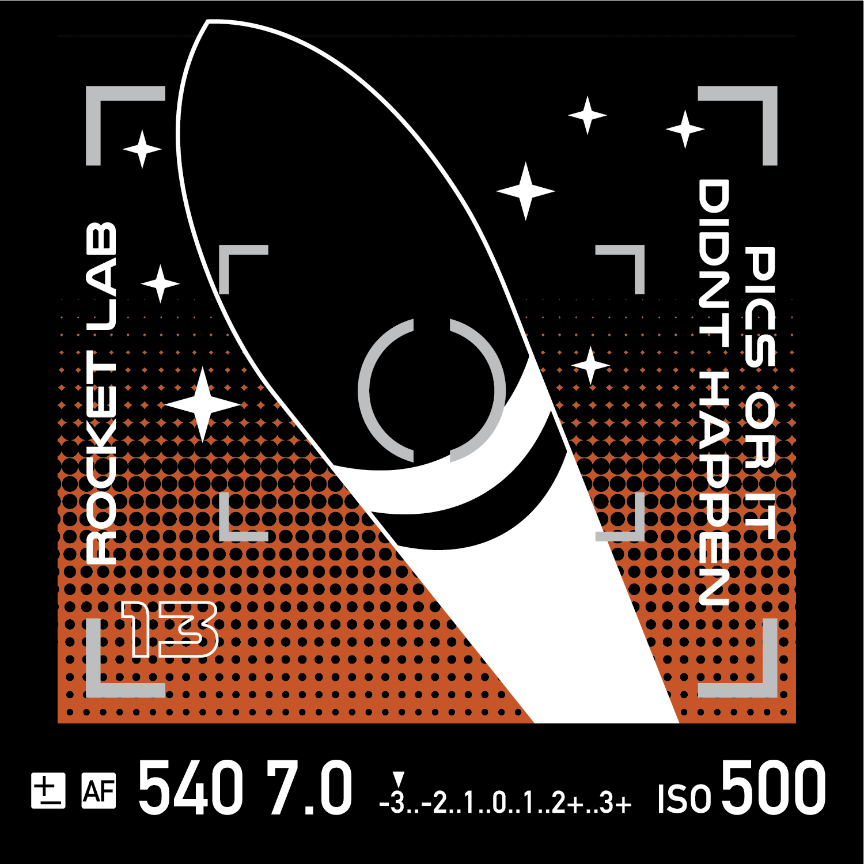
The mission, ‘Pics Or It Didn’t Happen,’ is scheduled to launch from Rocket Lab Launch Complex 1 Pad A on New Zealand’s Mahia Peninsula no earlier than July 3, 2020, UTC — just days after the successful launch of Rocket Lab’s most recent mission, ‘Don’t Stop Me Now,’ on June 13, 2020, UTC. The back-to-back missions will represent Rocket Lab’s fastest turnaround between missions to date.

‘Pics Or It Didn’t Happen’ will deploy seven smallsats to a 500 km circular LEO for a range of customers that include Spaceflight Inc.’s customer Canon Electronics as well as Planet and In-Space Missions.

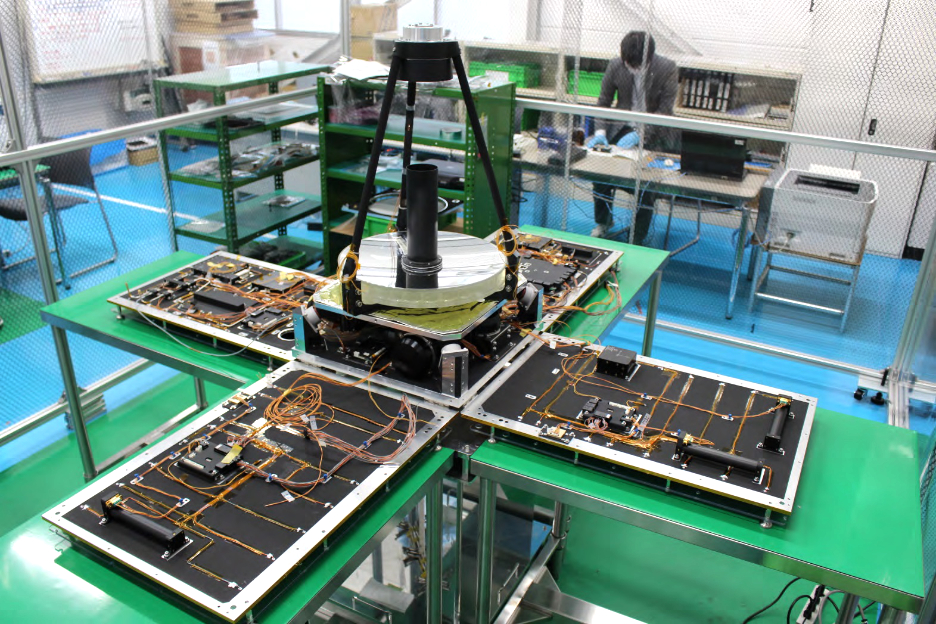
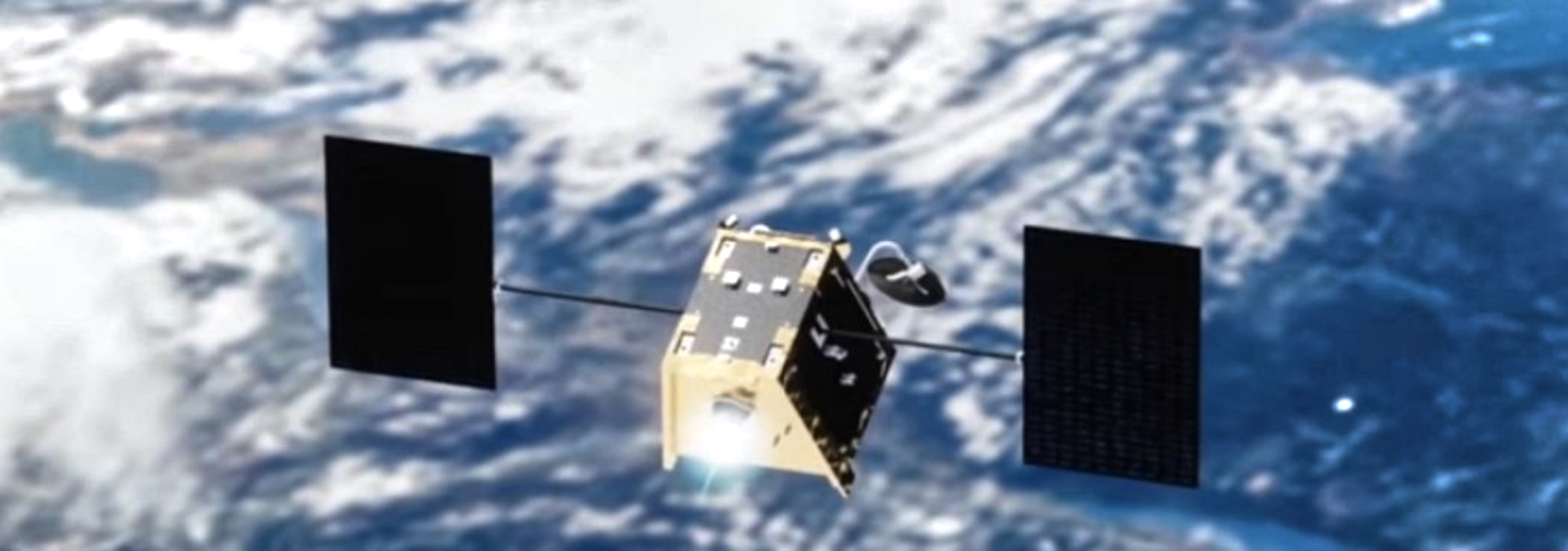
The primary payload aboard this mission, Canon Electronics Inc.’s CE-SAT-IB, was procured by satellite rideshare and mission management provider Spaceflight Inc. The mission objective for the CE-SAT-IB satellite is to demonstrate Canon Electronics Inc.’s Earth-imaging technology with high-resolution and wide-angle cameras, as well as test the smallsat for mass production.


Photo of Canon Electronics Inc.’s CE-SAT-IB satellite
is courtesy of the company.

The next five spacecrafts manifested for this mission are the latest generation of SuperDove satellites manufactured by Planet, operator of the world’s largest constellation of EO satellites. Planet’s satellites are capable of imaging the Earth’s entire landmass on a near-daily basis. This unprecedented dataset helps researchers, students, businesses and governments discover patterns, detect early signals of change, and make timely, informed decisions. These five SuperDoves, Flock 4v, are equipped with new sensors to enable higher image quality with sharper, more vibrant colors and accurate surface reflectance values for advanced algorithms and time-series analysis.


Planet’s Dove smallsats.

The final spacecraft aboard Electron for this mission has been supplied by British small mission prime, In-Space Missions. The Faraday-1 6U cubesat is a hosted payload mission providing a low-cost route to orbit for start-ups, institutions and large corporate R&D groups.  In addition, the satellite provides a first flight demonstration of In-Space’s own software-defined payload that will enable uploadable payload capabilities on future missions.  Faraday-1 is the first flight of the Faraday service with four future satellites already under contract.

With a new Electron launch vehicle built every 18 days, Rocket Lab remains on target to deliver monthly launches for the remainder of 2020 and into 2021, including the company’s first launch from Launch Complex 2 for the U.S. Space Force in Q3 and a mission to the Moon for NASA aboard Electron and Rocket Lab’s spacecraft bus platform Photon in 2021.

Peter Beck, Rocket Lab founder and CEO, said that launching the next mission so quickly after the last one demonstrates Rocket Lab’s unique capability to provide dedicated and responsive space access to small satellite customers. He noted that Rocket Lab has eliminated the smallsat waiting room for orbit and that the company has focused heavily on shoring up rapid launch capability in recent years and the firm is proud to be putting that into practice for the smallsat community with launches just days apart. Rocket Lab is excited to continue expanding the firm’s responsive space capability with this third launch pad coming online before the end of the year, as well as the continued growth of the company’s Photon satellite program that enables smallsat operators to do more, spend less and get to orbit faster.


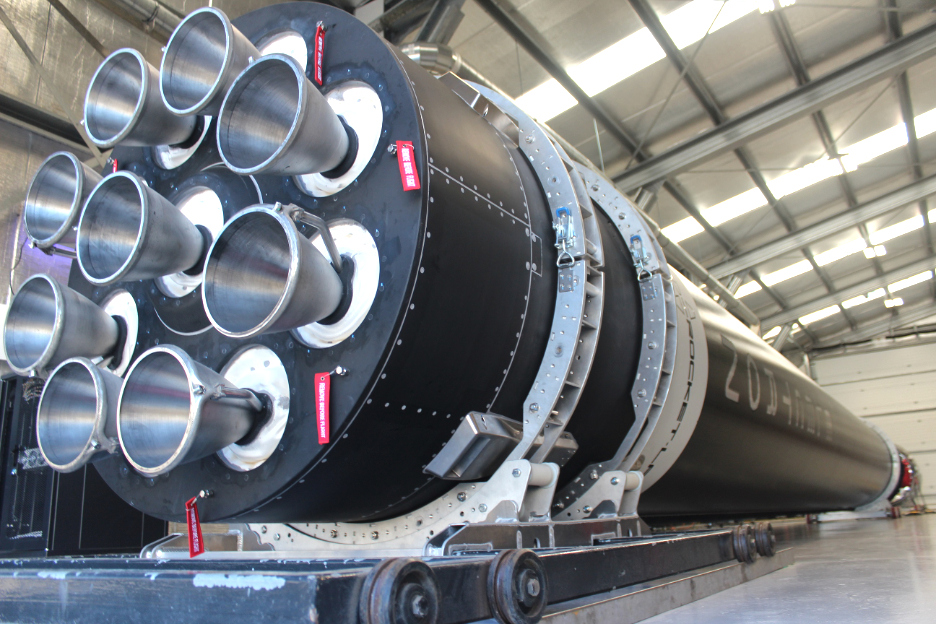
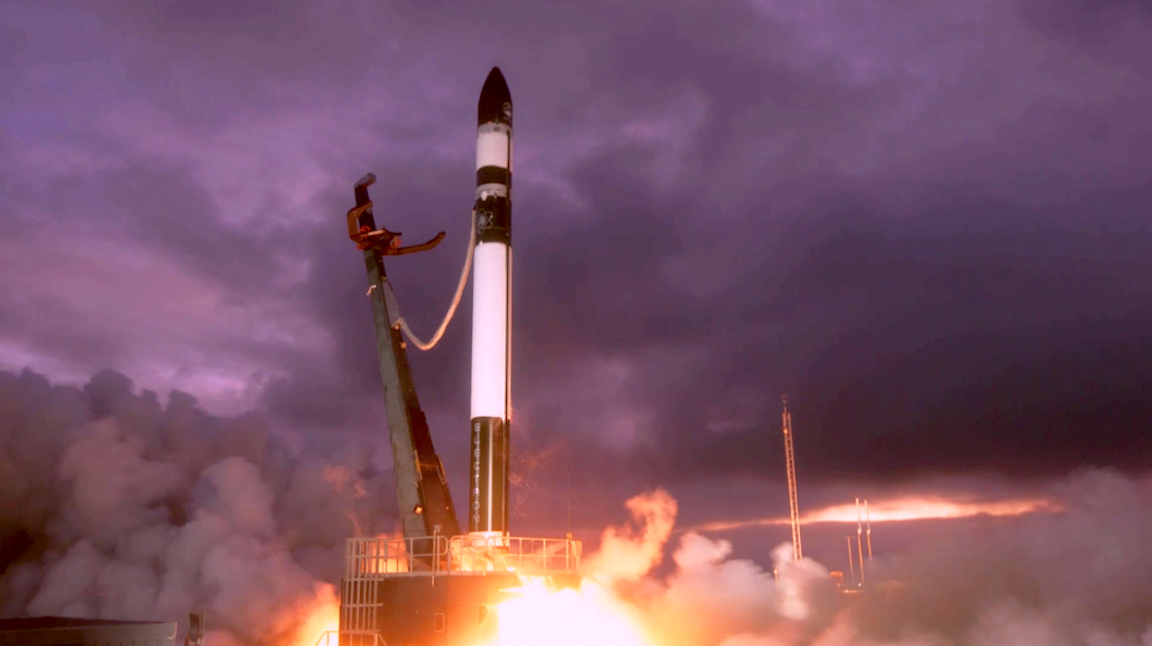
Rocket Lab Electron Vehicle #13.
Photo is courtesy of the company.


Filed Under: News

Sateliot’s Smallsat Constellation Plan Calls for $113 Million in Investments

June 15, 2020 by editorial

Sateliot will invest more than 100 million euros ($113 million) through 2022 to launch their first constellation of smallsats.

The company, led by Jaume Sanpera and other founders of the Eurona satellite telecommunications company, will deploy a constellation of up to 100 nanosatellites over the next two years that will function as low-latency telecommunications towers for mobile operators who are deploying IoT services in remote areas where terrestrial networks do not reach.

The first two smallsats, which will be the size of a microwave oven, will provide low-latency IoT services from LEO after they are launched in late 2020. The rest of the constellation will be launched by the end of 2022 to provide global coverage to IoT operators. Sateliot’s British partner, Open Cosmos, will manufacture the satellites and manage their launch and operations.

The objective of Sateliot’s business plan is to close 2022 with a turnover of around 400 million euros ($453 million) and a total workforce of more than 100 people. To make this possible, Sateliot has completed its first capital raise of 2.4 million euros ($2.7 million) contributed by the company’s founders and business angels. Sateliot is currently negotiating a financing round with several interested international funds for an amount in excess of 10 million euros ($11.25 million).

Sateliot is working with various partners to demonstrate the service and sign user agreements. Those partners include a technology laboratory in Asia and an operator in the United States with which Sateliot plans to create a consortium. The European Space Agency is providing advice on the development and execution of the project.

Sateliot believes the IoT market with satellite connectivity will offer ample potential in the coming years. According to estimates by Riot Research, this market will be worth more than 5.4 billion euros ($6.1 billion) in 2025. Forecasts also indicate that 60 billion connected objects worldwide will be reached in that year.

Sateliot’s technology is complementary for IoT operators, to whom it can offer an extension of coverage for communications services in areas such as maritime, railway, aeronautics, connected vehicles, oil and gas exploration, electrical services, critical infrastructure, agro-technology and environmental monitoring.

Sateliot will be the first satellite telecommunications operator that will provide global and continuous connectivity to all IoT elements under a 5G architecture. Thanks to a constellation of the latest generation nanosatellites, Sateliot will provide large telecommunications companies with the necessary infrastructure in areas where terrestrial technologies do not reach.

“Only 10% of the land surface has mobile coverage, the remaining 90% does not, that is where the latest generation infrastructure of Sateliot comes into play as a complement to traditional operators to make possible the hyper-connected universe of the IOT with the arrival of 5G,” company CEO Sanpera said.


Filed Under: News

Real-Time Vessel Tracking Solution Resultant of exactEarth and IHS Markit Alliance

June 15, 2020 by editorial

exactEarth Ltd. (“the Company”) and IHS Markit (Nasdaq: INFO) have a new alliance agreement that will provide a new combined tracking service, AIS Platinum, offering unprecedented frequency and coverage of vessel movements worldwide.

The AIS Platinum solution will provide an exceptionally fast flow of real-time intelligence to assist organizations that require the most time-critical intelligence. The solution has been developed with exactEarth’s global, persistent real-time Satellite AIS service, exactView™ RT powered by Harris, which will consist of a system of more than 60 maritime satellite payloads.

exactEarth’s satellite coverage is coupled with more than 2,000 IHS Markit terrestrial AIS stations that will provide further geographical coverage in high-density areas along coastal locations and busy port locations around the world. Additional global trade intelligence from IHS Markit will provide insights on commodity movements, along with ship information, including details on the owner, the operator and technical manager, among other information, that will give customers a clearer picture of the operating and commercial structure of the movement of goods.

Stuart Strachan, SVP for maritime and trade at IHS Markit, said this unique partnership between two industry leaders in the vessel tracking sector will deliver major benefits to customers in the commodity, finance, security and government sectors. The combination of the firm’s capabilities means customers of AIS Platinum will experience significant enhancements to what is available today from combined terrestrial / Satellite AIS services in terms of coverage, frequency and latency. No other vendor in the market will be able to offer a combined AIS service of this quality and speed.

Peter Mabson, CEO at exactEarth, said that when measured by vessel detection, update rates, reliability and expected longevity, exactView RT is the premium high-performance service in the satellite AIS industry. We are extremely pleased to be partnering with IHS Markit to expand our market footprint and to provide such improvements to the customer experience. High density areas in the Gulf of Mexico and South China Sea have always been difficult for detection rates, due to the volume of vessels in close proximity. Moving forward, with the combined coverage of both terrestrial and exactView RT satellite AIS services, customers will see far greater detection rates than any other service on the market.

AIS Platinum has been created for customers requiring real-time vessel position information and intelligence, including, but not limited to, the following:

  • Quant Analysts: Vessel position information within computer algorithms and programs enables the identification of, and capitalization on, available trading opportunities. Historical data can also assist with identifying profit opportunities.
  • Commodity Traders: As commodity markets move and change throughout the world, verified intelligence on commodity shipment activities helps commodity traders stay ahead of markets and capitalize on trading opportunities.
  • Compliance Officers: Information can help reveal whether a company is conducting its business in full compliance with all national and international laws and regulations that pertain to the financial sector, ensuring that business operations are not conducted with sanctioned countries, companies, or individuals.
  • Defence Intelligence Analysts: Information can give visibility within a maritime domain to understand the potential risks that vessels may pose. Analysts can use the information to understand anything associated with the maritime domain that could impact the security and safety of a country.
  • Customs & Border Agents: Help agents evaluate the impact of illegal importing and exporting of commodities through seaborne activity. Track and trace irregular behavior that could indicate drug trafficking, illegal arms importation and illegal, unreported and unregulated fishing.


Filed Under: News

Scotland’s Skyrora Sends First Ever Launch from Shetland

June 15, 2020 by editorial


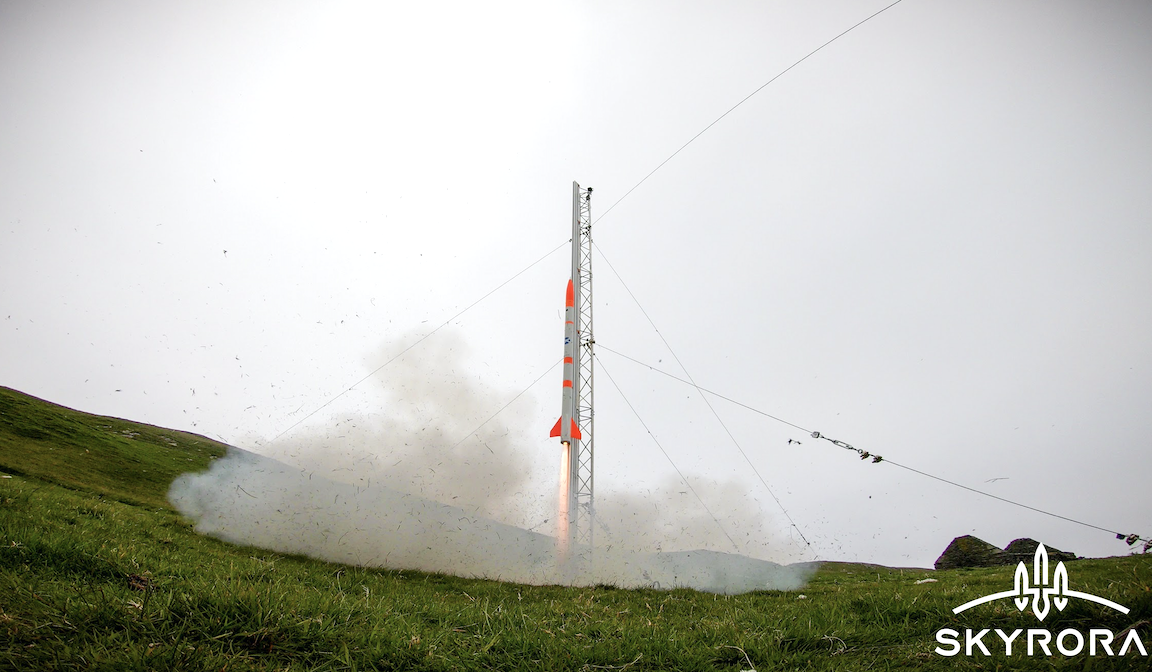
Skylark Nano III


Shetland in Scotland isn’t just for ponies … as of Saturday, June 13th, Edinburgh-based Skyrora successfully launched its Skylark Nano rocket from that remote land, in the Fethaland Peninsula at North Roe, on the Scottish island of Shetland. This was the first, ever, to take place in Shetland, which brought comments indicating that ‘UK’s space race is heating up’.

Skyrora, based in Edinburgh, plans to launch from one of the three proposed spaceports in Scotland and commercially launching from Shetland in the future is a potential option for them. 

Reaching an altitude of six kilometers, this marked the third time the two-meter (6.5ft) projectile took to the skies. The launch was completed for educational purposes, collecting meteorological data, measuring wind profiles, analyzing the vehicles trajectory and providing critical training in support of Skyrora’s future plans. 

Skyrora invited local journalists to attend the launch and to be a part of the education and learning process. All social distancing measures were met during the launch days. 

Robin Hague, head of launch at Skyroa, said that the launch signifies a vital step towards Skyrora’s ambitions to become the UK’s “go-to” satellite launch provider. They’re ecstatic and truly proud. This is a great success for Skylark Nano, and the Skyrora team in general. Launching from Shetland is very important for them because it’s a potential option for their Skyrora XL orbital commercial launch vehicle. To understand the local launch conditions learning more about the wind profiles in Shetland is critical.

He continued saying that Skylark Nano’s third successive launch is testament to the engineers who have worked tirelessly to bring to life a reusable rocket that can provide valuable intelligence for the future of the UK space program.

It comes after Skyrora successfully completed a full static fire test on their Skylark-L launch vehicle. 

Volodymyr Levykin, CEO Skyrora, said that with this successful launch from Shetland they are further closing the gap to making the UK a rocket launching nation again.

Continuing on saying that for Skyrora this test was all about learning and training. The innovation at Skyrora is enormous, not only are they producing high quality results, but they are doing so with minimum impact to the environment as they strive to develop eco-friendly technology in their launches. At a time of such uncertainty it is important they keep focusing on ingenuity and enterprise. They hope reaching space will inspire the whole nation and show the younger generation what the future of UK Space hold.

Skylark Nano’s first launch took place in Ross-shire in summer 2018, with the firm continuing to develop cutting-edge research and technology ahead of its first planned commercial orbital launches. Expanding their company across Scotland will allow them to leverage the highly skilled workforce available with their aim of creating 170 jobs by the end of 2023. Skyrora is developing launch vehicle technology that builds on previous rocket systems with the aim of reducing the cost of launches thanks to proven technology and advanced engineering methods.

The firm draws on Britain’s launch heritage and aims to build a robust supply chain while creating new employment opportunities to inspire the next generation of talent.


Filed Under: News

Forrester Reports: SpaceX Targeting This Summer for Starlink Service / More on OneWeb…

June 15, 2020 by editorial


Chris Forrester

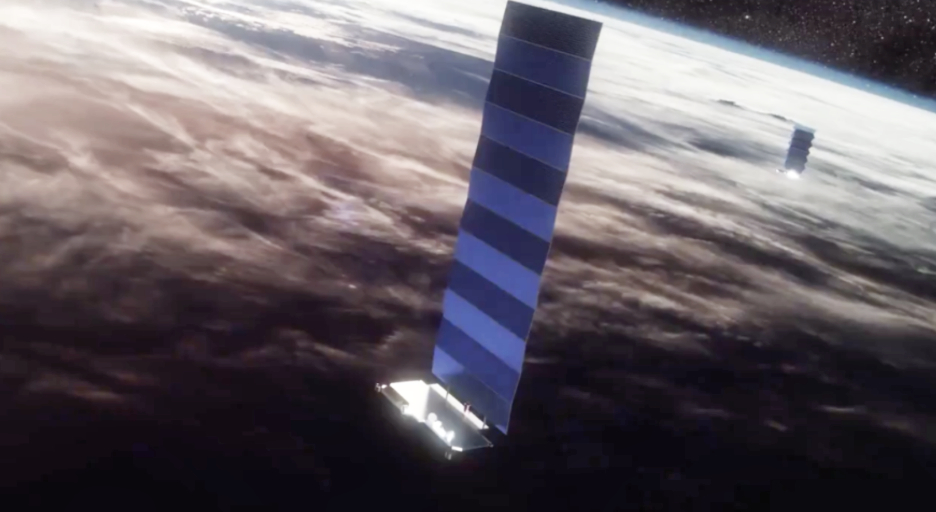
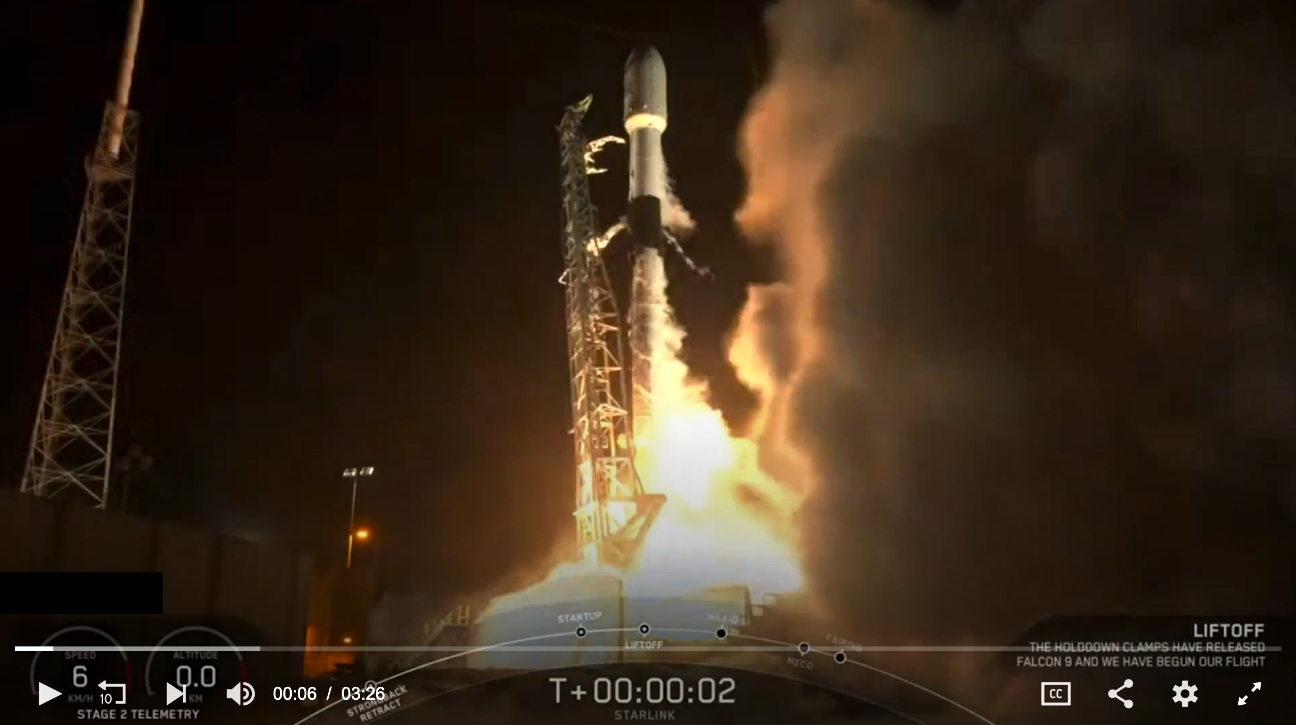
Journalist Chris Forrester has posted the following at the Advanced Television infosite… after a day’s delay, a SpaceX rocket placed the ninth batch of Starlink satellites into orbit at 5:21 a.m., Florida time, on June 13th.

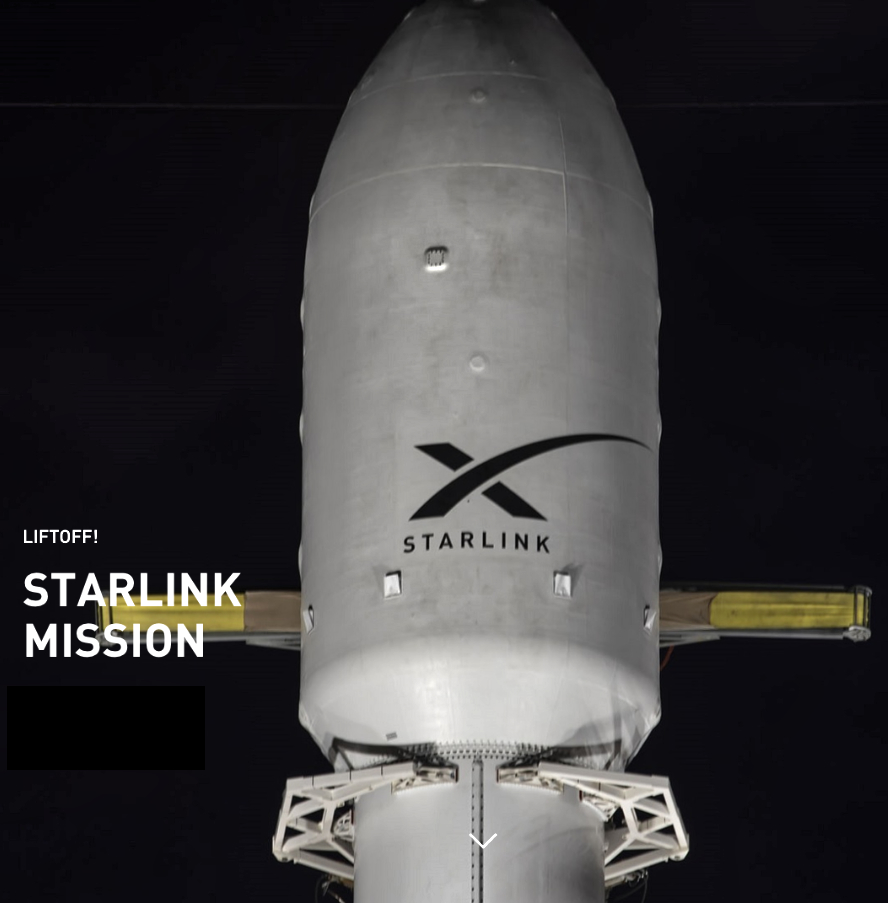
The normal Starlink manifest is 60 satellites per launch; however, on this flight there was also a cargo of three ‘piggyback’ satellites for San Francisco-based Planet Labs and that firm’s SkySat Earth Observation (EO) satellites, and thus, the SpaceX’s portfolio was comprised 58 of their own craft.

A few minutes after launch, the Falcon 9 booster made a textbook landing onto the floating barge, ‘Of Course I Still Love You’. This was the third time that the booster had been recovered.

The launch means that SpaceX now has some 538 craft on orbit (and probably around 525-530 that are working as planned). Elon Musk says that his Starlink service will debut “later this summer,” first serving Alaska and the northern US and Canadian regions. He has said that he only needs about 400 satellites on orbit to provide a basic ‘beta’ service and that a fleet of 800 would provide “moderate” coverage for public subscribers/users.

The next Starlink launch is planned for June 24th.  Potential users can now sign up (on the Starlink website) for hard news and service announcements.

Musk’s plan is to girdle the Earth with tens of thousands of broadband-friendly high-speed satellites. Musk says Starlink “will rapidly expand to near-global coverage of the populated world by 2021. Starlink will deliver high speed broadband Internet to locations where access has been unreliable, expensive, or completely unavailable.”

All that Musk now do is to develop global partners and customers to start paying for a service…


An additional post by Chris at the Advanced Television infosite reveals that would-be mega-constellation operator OneWeb, now in Chapter 11 bankruptcy, has a key date looming — June 26th is a deadline for final bids to be entered for either the whole business or parts of the company.

The bankruptcy is being handled by a court in New York and, according to Space Intel Report (SIR), the original two Chinese companies to have expressed an interest has now grown to four in number.

SIR says that the initial tire-kicking from the likes of SpaceX and Amazon has faded while a Eutelsat/French-backed bid has failed to win support from outside France. There is still interest from UK and US parties. UK regulator Ofcom, for example, is the licensing authority for OneWeb. The UK military is said to be interested.

The rules of the bankruptcy are that, unless successful bids are entered by June 26th, then OneWeb will have an auction of assets on July 2nd. The auction is obliged to take the “highest or best bid” for the assets which will be sold free and clear of encumbrances.

Interested bidders have to pay a 10 percent deposit of the value of their bid.


Filed Under: News

China’s IoT Satellites Complete Phase-1 In-Orbit Tests

June 15, 2020 by editorial


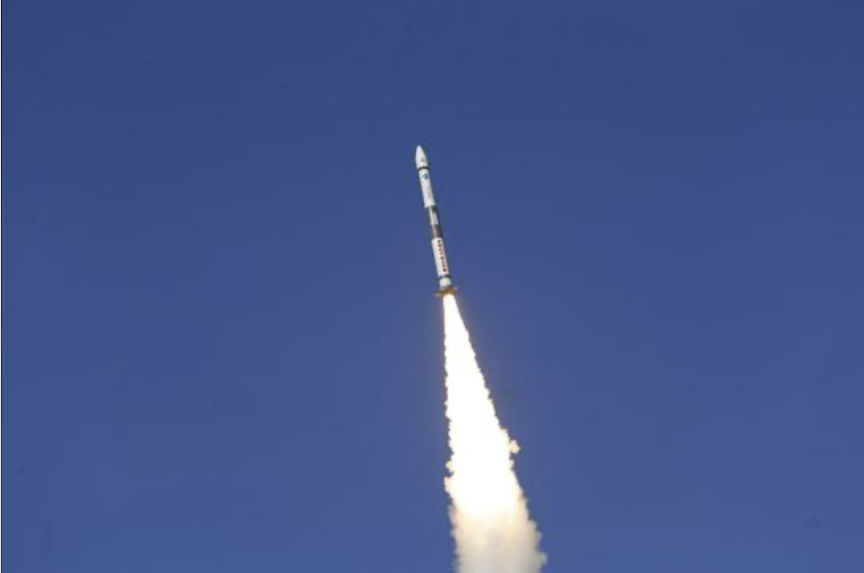
Two satellites, Xingyun-2 01 and 02, are launched by a Kuaizhou-1A (KZ-1A) carrier rocket from the Jiuquan Satellite Launch Center in northwest China, May 12, 2020. (Photo by Shan Biao/Xinhua)
 

Two satellites for China’s space-based Internet-of-Things (IoT) project have completed phase-1 tests in orbit, sources with the China Aerospace Science and Industry Corporation said.

The satellites, Xingyun-2 01 and 02, were launched by a Kuaizhou-1A carrier rocket on May 12 from the Jiuquan Satellite Launch Center.

Engineers tested the satellite platforms, payloads, and key technologies such as inter-satellite links. The results were in line with expectations, the corporation said.

Additional in-orbit tests will be continued for the completion of the Xingyun project, China’s first self-developed, space-based IoT constellation.

The project is anticipated to solve problems detected in the IoT businesses’ communication blind-zone, as a result of deficient coverage of cellular wireless communication networks.

By around 2023, the Xingyun project will have completed construction of the space-based IoT constellation with 80 low-orbit communication satellites.

The Xingyun-2 01 and 02 satellites employ the technology of inter-satellite laser links, which enables the in-orbit satellites to communicate over long distances and hence upgrade the real-time performance of communication services.

By Wang Fan, Xinhau news

Filed Under: News

Rocket Lab’s Successful 12th Electron Mission Launch for NASA, NRO and UNSW Canberra 

June 13, 2020 by editorial


Rocket Lab’s statement …

Rocket Lab, a space systems company and the global leader in dedicated small satellite launch, has successfully launched its 12th Electron mission and deployed satellites to orbit for NASA, the National Reconnaissance Office (NRO) and the University of New South Wales (UNSW) Canberra Space. 

The ‘Don’t Stop Me Now’ mission launched from Rocket Lab Launch Complex 1 on New Zealand’s Mahia Peninsula at 05:12 UTC, 13 June 2020. The mission was Rocket Lab’s 12th Electron launch and continued the company’s record of 100 percent mission success for customers since Electron’s first orbital mission in January 2018. Rocket Lab has now deployed 53 satellites to orbit with the Electron launch vehicle.

This launch is the first conducted by Rocket Lab since Covid-19 national restrictions were eased earlier this month, demonstrating the company’s rapid launch and responsive space capability for small satellite customers.

The satellites deployed as part of this rideshare mission include NASA’s ANDESITE (Ad-Hoc Network Demonstration for Extended Satellite-Based Inquiry and Other Team Endeavors) satellite created by students and professors at Boston University to study Earth’s magnetic field as part of NASA’s CubeSat Launch Initiative (CSLI); three payloads designed, built and operated by the NRO; and the M2 Pathfinder satellite, a collaboration between the UNSW Canberra Space and the Australian Government, to test communications architecture and other technologies.

This latest mission marks the second time NASA and the NRO have launched payloads on Electron, following dedicated missions for each organisation in 2018 and 2020 respectively. Rocket Lab founder and chief executive, Peter Beck, said the mission highlighted Electron’s continued ability to meet the needs of government missions, whether payloads required a dedicated mission or could fly as part of a rideshare.

“It was a privilege to once again provide access to space for the NRO and NASA, and to welcome UNSW Canberra Space to orbit for the first time,” he said. “Missions like this one are testament to the flexibility we offer small satellite operators through our ability to deploy multiple payloads to precise and individual orbits on the same launch. This collaborative mission was also a great demonstration of Rocket Lab’s capability in meeting the unique national security needs of the NRO, while on the same mission making space easy and accessible for educational payloads from NASA and UNSW Canberra. I’m also incredibly proud of the way our team has quickly adapted to working safely and efficiently to ensure our customers remain connected to space through the challenges posed by COVID-19.” 

With Covid-19 restrictions now easing, Rocket Lab has also returned to full production of Electron launch vehicles and Photon satellites. Rocket Lab is now delivering a launch vehicle off the production line every 18 days to meet a busy launch manifest for the rest of the year. Final checks are being completed in the lead up to Rocket Lab’s first launch from its new U.S. launch site, Launch Complex 2 in Virginia — a dedicated mission in partnership with the Department of Defense’s Space Test Program and the Space and Missile Systems Center’s Small Launch and Targets Division. The mission is scheduled for Q3 2020. Details of Rocket Lab’s next launch from Launch Complex 1 will be announced shortly.


Filed Under: Featured, News

SpaceX Success with Starlink / Planet SkySat Launch

June 13, 2020 by editorial

On Saturday, June 13, at 5:21 a.m. EDT, 9:21 UTC, SpaceX successfully launched their ninth Starlink mission, carrying 58 Starlink satellites and three of Planet’s SkySats — this mission marked SpaceX’s first SmallSat Rideshare Program launch.

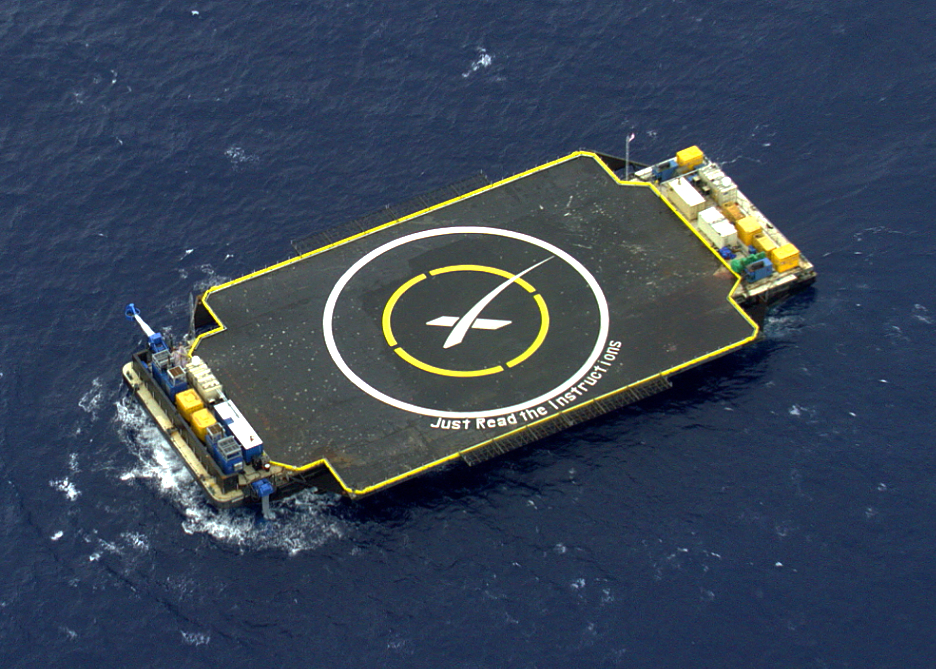
Falcon 9’s first stage previously supported Dragon’s 19th and 20th resupply missions to the International Space Station. Following stage separation, SpaceX’s Falcon 9 first stage successfully landed on the “Of Course I Still Love You” droneship stationed in the Atlantic Ocean.


The “Of Course I Still Love You” droneship.
Photo is courtesy of SpaceX.

One half of Falcon 9’s fairing previously flew on the JCSAT-18/Kacific1 mission and the other half previously flew on SpaceX’s third Starlink mission. Planet’s SkySats were deployed sequentially beginning about 12 minutes after liftoff and then the Starlink satellites were deployed approximately 26 minutes after liftoff.


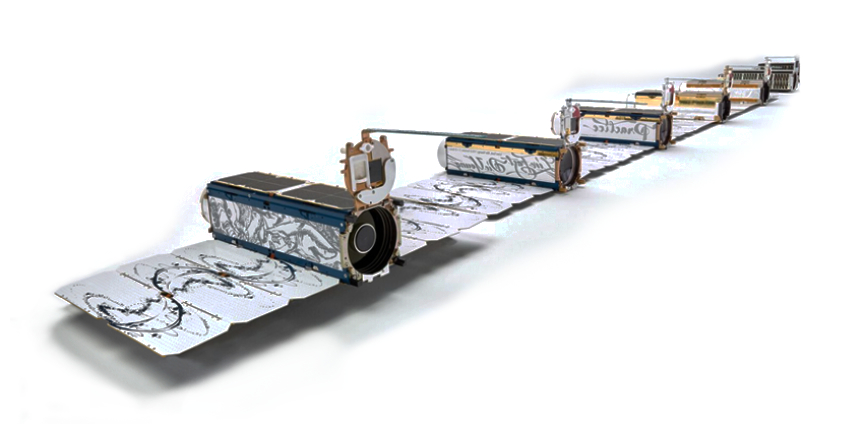
Artistic rendition of Planet’s SkySat smallsats.
Image is courtesy of the company.


Filed Under: Featured, News

  • « Go to Previous Page
  • Page 1
  • Interim pages omitted …
  • Page 31
  • Page 32
  • Page 33
  • Page 34
  • Page 35
  • Interim pages omitted …
  • Page 57
  • Go to Next Page »

Primary Sidebar

WEEKLY NEWSLETTER

Archives

  • June 2026
  • May 2026
  • April 2026
  • March 2026
  • February 2026
  • January 2026
  • December 2025
  • November 2025
  • October 2025
  • September 2025
  • August 2025
  • July 2025
  • June 2025
  • May 2025
  • April 2025
  • March 2025
  • February 2025
  • January 2025
  • December 2024
  • November 2024
  • October 2024
  • September 2024
  • August 2024
  • July 2024
  • June 2024
  • May 2024
  • April 2024
  • March 2024
  • February 2024
  • January 2024
  • December 2023
  • November 2023
  • October 2023
  • September 2023
  • August 2023
  • July 2023
  • June 2023
  • May 2023
  • April 2023
  • March 2023
  • February 2023
  • January 2023
  • December 2022
  • November 2022
  • October 2022
  • September 2022
  • August 2022
  • July 2022
  • June 2022
  • May 2022
  • April 2022
  • March 2022
  • February 2022
  • January 2022
  • December 2021
  • November 2021
  • October 2021
  • September 2021
  • August 2021
  • July 2021
  • June 2021
  • May 2021
  • April 2021
  • March 2021
  • February 2021
  • January 2021
  • December 2020
  • November 2020
  • October 2020
  • September 2020
  • August 2020
  • July 2020
  • June 2020
  • May 2020
  • April 2020
  • March 2020
  • February 2020
  • January 2020
  • December 2019
  • November 2019
  • October 2019

© 2019–2026 SatNews

Insert/edit link

Enter the destination URL

Or link to existing content

    No search term specified. Showing recent items. Search or use up and down arrow keys to select an item.
      x
      Sign Up Now!

      Enjoy a free weekly newsletter with recent headlines from the global SmallSat industry.

      Invalid email address
      We promise not to spam you. You can unsubscribe at any time.
      Thanks for subscribing! You will now receive weekly SmallSat News updates.
      We love our advertisers.
      And you will too!

      Please disable Ad Blocker to continue... We promise to keep it unobtrusive.
      We promise not to spam you. You can unsubscribe at any time.
      Invalid email address
      Thanks for subscribing!