• Skip to main content
  • Skip to primary sidebar
  • Home
  • News
  • Featured
  • More News ⌄
    • SatNews
    • SatMagazine
    • MilSatMagazine
  • Events ⌄
    • MilSat Symposium
    • SmallSat Symposium
    • Satellite Innovation
  • Contacts
  • SUBSCRIPTION

SmallSat News

You are here: Home / Archives for 2022

Archives for 2022

Spire Global + Sierra Nevada Corporation Blend Tech In Forming A New Partnership

March 7, 2022 by editorial

Spire Global, Inc. (NYSE: SPIR) has engaged in a partnership with Sierra Nevada Corporation (SNC) on a space services program to address a growing market need for radio frequency (RF) collection and analysis. Spire’s cluster of four 6U smallsats will enhance SNC technology that detects and geolocates certain objects based on targeted RF emissions. The program will provide valuable insight into how military and government organizations can better manage RF emissions and safeguard against RF and GPS interference.

SNC is a global aerospace and national security leader, delivering tailored solutions to government and commercial customers with technological applications in satellites and space exploration, aircraft integration, navigation and guidance systems, security and threat detection, scientific research, and infrastructure protection. A pioneer in artificial intelligence and machine learning (AI/ML), SNC brings more than 12 years of experience developing advanced algorithms, analytics, process automation and leading laboratories to the project.

Spire has offices in San Francisco, Boulder, Washington DC, Glasgow, Luxembourg, Cambridge, Ontario, Oxfordshire, and Singapore.

“This is an exciting and important strategic partnership for Spire, and we thank SNC for their confidence in our team and our space-as-a-service offering,” Director Intelligence Community Sales, Spire Federal’s Mark Carhart said. “Spire’s secure, scalable and space-proven satellite platform will enable SNC to advance its RF collection capabilities in an efficient, low-risk and cost-effective manner.”

“We are excited to partner with Spire and further extend our geospatial intelligence capabilities,” said SNC Executive Vice President, Tim Owings. “We’re looking forward to bringing this new commercial data stream and enhanced RF awareness to our customers in the national security and defense areas.”

Spire is a leading global provider of space-based data, analytics, and space services, offering access to unique datasets and powerful insights about Earth from the ultimate vantage point so that organizations can make decisions with confidence, accuracy, and speed. Spire uses one of the world’s largest multi-purpose satellite constellations to source hard to acquire, valuable data and enriches it with predictive solutions. Spire then provides this data as a subscription to organizations around the world so they can improve business operations, decrease their environmental footprint, deploy resources for growth and competitive advantage, and mitigate risk. Spire gives commercial and government organizations the competitive advantage they seek to innovate and solve some of the world’s toughest problems with insights from space.

Sierra Nevada Corporation (SNC) is a trusted leader in innovative, advanced technology solutions and open architecture integrations in aerospace and national security. Best known for its unique mission applications, SNC creates customized solutions for the world’s most pressing technology challenges in the fields of aviation, national security space, electronic warfare, command and control, mission systems and inline cybersecurity. SNC is owned by Chairwoman and President Eren Ozmen and CEO Fatih Ozmen, and is once again recognized as a US Best Managed Company by Deloitte Private. In spring 2021, SNC announced the transition of its Space Systems business area to an independent commercial space company, Sierra Space.

Filed Under: News

General Atomics Awarded Contract By USSF To Provide Weather System Satellite Prototype

March 7, 2022 by editorial

General Atomics Electromagnetic Systems (GA-EMS) has announced that the U.S. Space Force (USSF) Space Systems Command has elected to exercise a follow-on option that will ultimately provide a prototype weather satellite that can produce operational data as part of the Electro-Optical Infrared (EO/IR) Weather System (EWS) satellite program.

GA-EMS will deliver the EWS spacecraft with an integrated EO/IR payload along with on-orbit mission control and data collection services to support the mission. EWS will support the transition from the Defense Meteorological Support Program (DMSP) on-orbit systems to a new generation of affordable, high performance, small weather satellites.The satellite launch is anticipated to occur in 2024.

As the prime contractor, GA-EMS has assembled a highly experienced, best-in-class team to successfully deliver the EWS satellites. The team includes EO Vista, LLC. to provide the EO/IR weather sensor payload, Atmospheric and Environmental Research (AER) Inc. for weather product expertise and Parsons Corporation (NYSE:PSN) to provide Enterprise Ground Station command and control and operations support.

“We have been under contract since late 2020 to develop an integrated EWS satellite system design that will provide the USSF with increased capabilities to collect critical global weather imagery and data to support the warfighter,” said Scott Forney, president of GA-EMS. “Today’s announcement is testament to our entire team’s dedication to completing a high-fidelity design in a very short time. EWS is more than a demonstrator. The system will provide three-to-five years of on-orbit operational capabilities to help the USSF fill EO/IR data gaps as the legacy DMSP satellites are retired.”

“This award is a tremendous win for us and comes right on the heels of our successfully completing the Final Design Review milestone,” said Gregg Burgess, vice president of GA-EMS Space Systems. “We now look forward to completing the work already underway to deliver the next generation of on-orbit weather data collection technologies and high-resolution imagery, data products and services to support EWS Program mission requirements. Our goal is to be a USSF mission partner for the long haul, providing capabilities critical to ensuring that reliable and timely weather prediction data is available to support military decision makers worldwide. The team we have assembled is well positioned to manufacture the EWS satellites at the production rates sufficient to meet the USSF weather information refresh requirements.”

General Atomics Electromagnetic Systems (GA-EMS) Group is a global leader in the research, design, and manufacture of first-of-a-kind electromagnetic and electric power generation systems. GA-EMS’ history of research, development, and technology innovation has led to an expanding portfolio of specialized products and integrated system solutions supporting aviation, space systems and satellites, missile defense, power and energy, and processing and monitoring applications for critical defense, industrial, and commercial customers worldwide.

Filed Under: News

SpaceX’s Starlinks Soar Skyward

March 4, 2022 by editorial

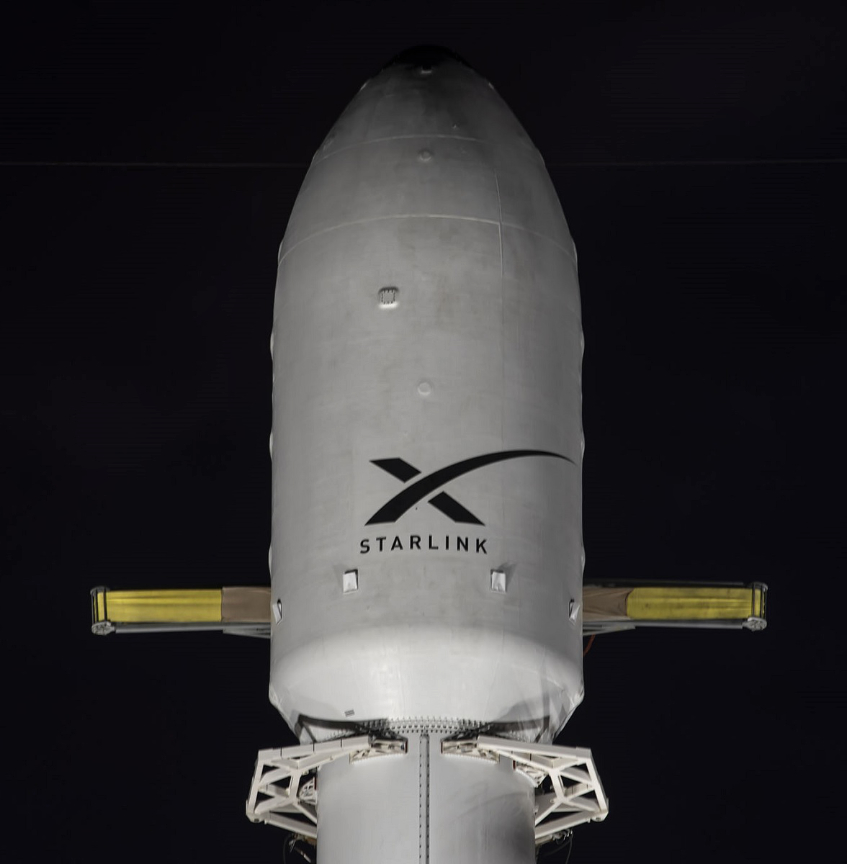
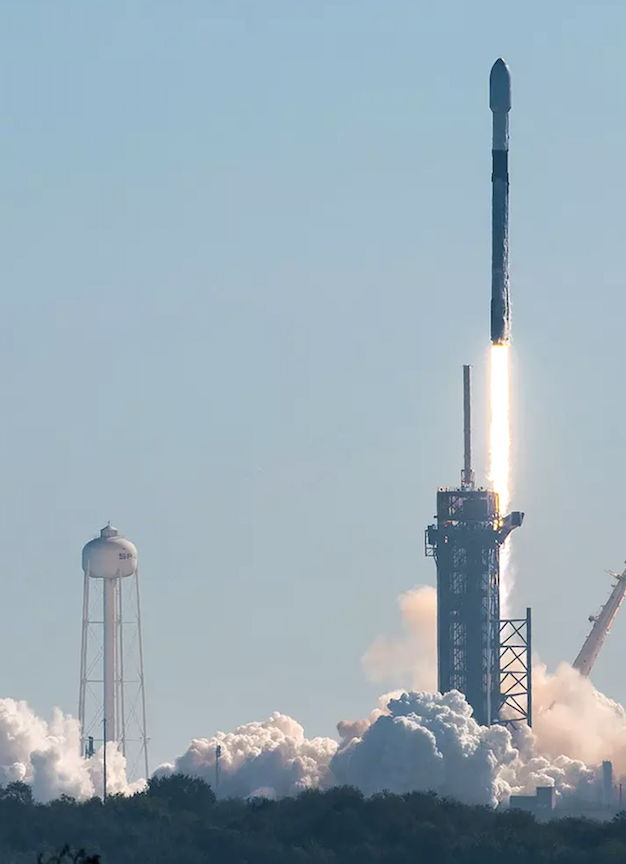
Photo courtesy of SpaceX

Yet another successful liftoff for SpaceX’s Starlinks on a beautiful day in Florida. SpaceX released the following announcement.

On Thursday, March 3 at 9:25 a.m. EST, SpaceX launched 47 Starlink satellites from Launch Complex 39A (LC-39A) at Kennedy Space Center in Florida.

This was the 11th flight for the Falcon 9 first stage booster supporting this mission, which previously launched GPS III-3, Turksat-5A, Transporter 2, and now eight Starlink missions.

Filed Under: News

Strategic Partnership Initiated Between Sidus Space + Aitech Systems

March 4, 2022 by editorial

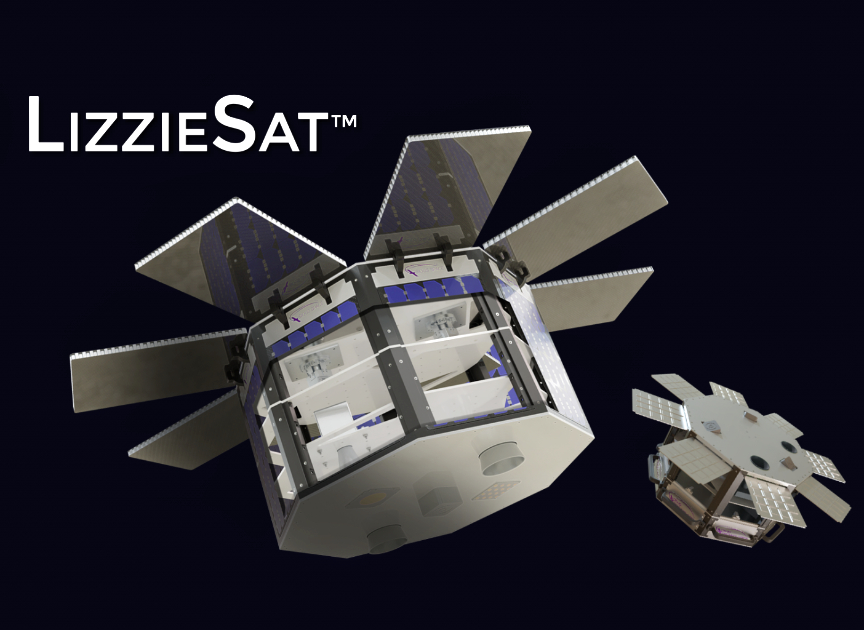
Sidus Space, Inc. (NASDAQ:SIDU) has engaged in a strategic partnership with Aitech Systems to support the LizzieSat™ constellation.

Through this partnership, Aitech Systems is developing and delivering custom LizzieSat Command and Data Handling (C&DH) flight computers and peripherals.

LizzieSats (LS) are 3D manufactured, LEO smallsats focused on rapid, cost-effective development and testing of upcoming innovative spacecraft technologies for multiple customers. LS is a 100 kg. (220-pound) satellite with space to rapidly integrate customer sensors and technologies.

“We have recently received initial components of our core C&DH system development environment from Aitech Systems to support LizzieSat,” said Jamie Adams, Chief Technology Officer for Sidus Space. “The C&DH flight computers are a vital component of LizzieSat as they essentially function as the ‘brain’ of the system.”

With 40 years of experience, Aitech Systems is the oldest and largest independent global high-tech manufacturer providing reliable, rugged embedded systems for the harshest, most unforgiving environments in military, defense, aerospace and space applications. Aitech Systems, based in Chatsworth, CA, offers custom integrated systems to take on the most challenging projects in the harshest environment and succeed. As a pioneer in space applications, Aitech Systems offers an unparalleled space pedigree with trillion of miles flown in a variety of space missions without a single failure.

Sidus Space, located in Cape Canaveral, Florida, operates from a 35,000-square-foot manufacturing, assembly, integration, and testing facility focused on commercial satellite design, manufacture, launch, and data collection. The company’s rich heritage includes the design and manufacture of many flight and ground component parts and systems for various space related customers and programs. Sidus Space has a mission of Bringing Space Down to Earth™ and a vision of enabling space flight heritage status for new technologies while delivering data and predictive analytics to domestic and global customers. Any corporation, industry, or vertical can start their journey off-planet with Sidus Space’s rapidly scalable, low-cost satellite services, space-based solutions, and testing alternatives. More than just a “Satellite-as-a-Service” provider, Sidus Space is a trusted Mission Partner–from concept to LEO and beyond. Sidus is ISO 9001:2015, AS9100 Rev. D certified, and ITAR registered.

Filed Under: News

New Digital Intelligence Business Formed By BAE Systems

March 4, 2022 by editorial

BAE Systems recently formed a new Digital Intelligence business, bringing together many world-class digital, data and cyber capabilities from across the Company to deliver a greater digital advantage to its customers and partners.

The creation of the new business, comprising almost 5,000 people in 16 countries around the world, reflects a growing requirement from customers to gather, process and manage complex data. Digital Intelligence will deliver a greater range of digital capabilities alongside leading cyber, intelligence and security expertise to an extensive portfolio of government, defence and commercial customers around the globe. The business will focus on helping customers from across the Company to operate successfully, securely and efficiently in the digital world.

Digital Intelligence incorporates recent strategic acquisitions by BAE Systems, which further enhance the Company’s capabilities in digital, data analytics and space, positioning it to accelerate growth in an evolving market. Acquisitions include: In-Space Missions, a UK company which designs, builds and operates satellites and satellite systems; PPM, a developer and manufacturer of high-end electronics; and data consultancy and digital services company, Techmodal.

David Armstrong

David Armstrong, Group Managing Director, BAE Systems’ Digital Intelligence business, said, “We have some of the very best digital capabilities in the market. By bringing them together into one business, we will bring a greater range of capabilities to our customers and capitalize on market opportunities. We will also be able to offer exciting career development opportunities to the most talented people operating in this sector.”

Existing projects under the new business

The business will specialize in securely collecting, connecting and understanding complex data, so that customers can make can make near-real time decisions in the most demanding multi domain environments. Existing projects include:

  • Developing communication systems which enable military land, air and maritime platforms to communicate with each other to share real-time mission imagery while on operations;
  • Transforming national Automatic Number Plate Recognition (ANPR) technology to prevent crime – the resulting data set involves over 50m ANPR reads per day, with feeds from 11,000 cameras;
  • Delivering satellite and communications technology, which is embedded within the operational infrastructure of major broadcasters globally;
  • Helping the Royal Navy predict failures on warships before they happen and providing detailed analysis of how to diagnose issues;
  • The 2020 In-Space Missions launch of the world’s first commercial satellite ‘rideshare’ service, Faraday;
  • Veritas, the product which helps the British Army accurately plan and forecast requirements for equipment and material – significantly improving inventory and fleet management and delivering multi-million-pound savings;
  • Working with more than 200 financial institutions worldwide to help protect them against financial crime, fraud and cyber crime;
  • Developing a simulation modelling toolkit for passenger and vehicle security screening, which is used to provide the UK’s Department for Transport with a detailed understanding of the impact of different security screening operations at major air and sea ports;
  • Helping the Royal Navy transform how it gains insight from vast amounts of disparate data, enabling better decision making; and
  • Creating a mixed vendor ‘rainbow team’ in Australia to address integrated cloud and data capabilities in a way that will enable global collaboration within multiple geographies for our customers.

Filed Under: News

QuadSAT Performs Antenna Validation Campaign For OneWeb @ KSAT

March 4, 2022 by editorial

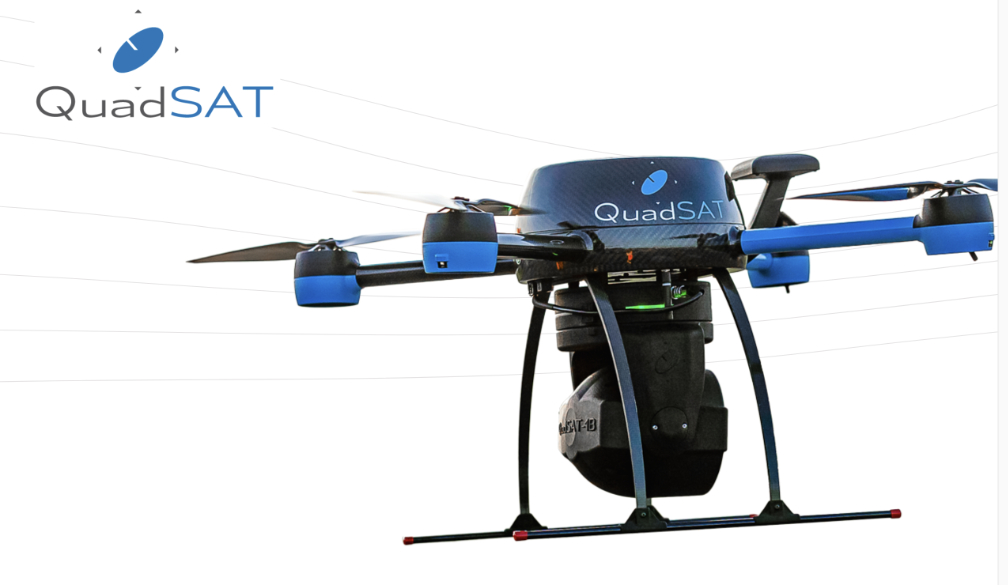
QuadSAT has performed an antenna validation campaign as part of its ongoing work with LEO satellite operator, OneWeb. QuadSAT performed in-situ verification of 10 antennas at the KSAT Svalbard Ground Station, the world´s largest and northernmost station ideally located at 78´North, in Norway, as part of OneWeb’s ground segment rollout.

The tests focused on the measurements of antenna radiation diagrams and the verification of the North offset in antenna pointing using the drone as the source. QuadSAT executed several measurements, including azimuth, elevation, and raster cuts to provide accurate data for processing. Data was aggregated through QuadSAT’s own software to deliver accurate results.

QuadSAT improves accessibility to high-quality testing solutions for the ground segment. The system ensures repeatability, control over the drone during measurements, ease of operation and data delivery in a uniform format. This in-depth testing provides quality assurance and improves reliability throughout the SATCOM industry, allowing the industry to deliver the networks required for the connectivity of the future.

Joakim Espeland, CEO of QuadSAT, said, “RF management is crucial when maintaining complex ground segment networks and OneWeb is keen to ensure that it delivers the best service possible to its customers. Our product enables in-depth testing and validation of antennas to take place in-situ, providing OneWeb with accurate data for its antennas within their own environment. This intensive validation campaign endorses the capabilities of OneWeb’s sophisticated ground segment.”

Daniel Costenbader, Ground Systems Engineer of OneWeb, said, “As the rollout of our ground segment progresses, we are using innovative methods to ensure that our networks are robust and accurate. By validating our antennas in-situ, we can review and verify the technology in its own environment. The product and expertise provided by QuadSAT has provided us with sophisticated and detailed results from the validation campaign.”

QuadSAT is a key disruptor within interference management as its drone-based system provides users with flexible and accurate antenna testing and calibration. A broad range of testing missions can be undertaken, depending on user requirements, and antennas can be tested regardless of location.

OneWeb is a global communications network powered by a constellation of 650 LEO satellites. OneWeb enables high-speed, low latency connectivity for governments, businesses, and communities globally. Its satellites, network of gateways, and range of User Terminals provide fast, high bandwidth, low latency communication services.

Filed Under: News

Forrester’s Digest: OneWeb | LEO Comms | New Scottish Spaceport | Telesat | Turning Off Russian Transponders

March 3, 2022 by editorial

OneWeb Satellite Construction Could Remain In Florida

When the UK made its $500 million investment in the – then bankrupt – OneWeb satellite constellation, much was made of the prospects for production of the actual satellites, with UK officials talking optimistically about satellites being built in the UK.

Alok Sharma, then business secretary in the UK government, spoke at the time of the prospects for OneWeb boosting the UK’s existing satellite production and output. OneWeb itself also confirmed at the time a wish to see satellites being built in the UK. Chris McLaughlin, OneWeb’s head of government affairs, said he could see output being transferred by 2024 or 2025.

However, Bharti Enterprises and its chairman, Sunil Mittal, which owns 40 percent of OneWeb, said that it is happy to “nudge” whoever wins the contract for OneWeb’s second-generation satellites toward the UK but “there’s a lot of things that’ll depend on it.” He added that pricing would be key, reports the FT.

OneWeb’s satellites are currently being built in Florida, where Airbus and OneWeb have a production joint-venture.

LEO Potentials Realized With Starlinks New SATCOM Ukraine Services

Elon Musk’s SpaceX has initiated Starlink satellite broadband service in war-hit Ukraine. The latest development highlights the significance and future potential of LEOs across key applications, stated GlobalData, a data and analytics company.

Reportedly, Starlink terminals receive Internet from SpaceX’s 2,000 satellites to allow users to get online even if their service has been disconnected.

GlobalData’s FutureTech Series report reveals that the growing deployment of a large group of LEOs, often dubbed LEO mega constellations, could herald the next era of connectivity, with their potential to address the gaps in internet adoption and infrastructure access in remote areas that are not served by terrestrial and traditional satellite networks.

Kiran Raj, Principal Disruptive Tech Analyst at GlobalData, said, “An unprecedented level of VC funding is flowing into the space economy. LEOs’ low latency compared to geostationary orbit (GEO) and middle earth orbit (MEO) satellites can play a crucial role in applications that require real time data access such as voice over internet protocol (VoIP), surveillance and imaging, telemedicine, and remote-controlled machines. LEOs can backup telcos to optimize their existing backhaul network for the transmission of large volumes of different types of data in compliance with 4G and 5G. In this regard, both terrestrial and LEO- based backhaul connectivity can be selected to manage the traffic demand. LEO backhaul can also provide additional backup during massive events such as concerts and sports. During emergency response situations, LEOs service providers can launch satellite broadband services in victimized areas to offer continuous connectivity.”

Although no new major commercialization initiatives have been observed in the short-term, LEOs are touted to play a key role in connecting millions of IoT-backed devices and sensors, managing the boom in Internet users, and minimizing the digital divide to strengthen community resilience.

At present, LEO projects, such as Amazon’s Kuiper, SpaceX’s Starlink and OneWeb, are aiming to bridge the digital divide and offer Internet services with low latency and high-speed broadband connectivity to remote and unserved communities globally.

Raj concluded, “Coupled with machine learning, edge computing, and artificial intelligence, LEOs can promote enterprise digital transformation. With greater adoption of remote work models, LEOs will become critical to offering lightning speed broadband services, tracking of assets, securing data, and strengthening the network infrastructure of organizations. With the advantage of near-earth location and lower orbital periods, LEOs can strengthen community and business resilience, and unlock new possibilities for latency-critical applications.”

Planning Permission Received For Scottish Spaceport

A planned spaceport in Unst, Shetland, in the far North of the UK, has received planning permission to go ahead.

Shetland Islands Council says work to prepare the Saxavord Spaceport can proceed, provided Scottish ministers don’t call the project in for further review. Three rocket pads would be built at the Lamba Ness peninsula in Unst, Shetland.

The plan is that the first launch of what’s likely to be a meteorological satellite could occur before the year’s end. However, both Saxavord itself and the rocket company expected to send up the spacecraft will first need a license from the UK’s Civil Aviation Authority.

Saxavord Spaceport CEO Frank Strang described the planning approval as a “huge tipping point in our evolution. This is such a big day for us. We’ve been on this journey for five years. We’ve had to overcome all sorts of obstacles, and I take great pride in this team. Until we got that planning permission, nobody was really going to take us seriously and we can now really charge on,” he told BBC News.

Telesat Moves To Increase Focus On Africa

Ottawa-based satellite operator Telesat, which is planning an LEO constellation called Lightspeed, has said the company has signed with Liquid Intelligent Technologies for a strategic cooperation agreement for Telesat’s Lightspeed services in Africa.

Liquid Intelligent Technologies is part of Cassava Technologies, a pan-African fiber network group.

As part of the agreement, the companies will closely collaborate on the commercial and technical aspects of integrating the Telesat Lightspeed enterprise-grade, high-throughput, low-latency satellite network with Liquid’s global value-added services network. This integration can enable the expansion of Liquid’s enterprise portfolio offerings, including next-generation cloud services, managed security services, business Wi-Fi and data center connectivity.

At the same time, Telesat will explore combining Liquid’s landing stations, Points of Presences (PoPs), site hosting, management services, and fibre network as part of its global terrestrial infrastructure that seamlessly integrates with the Telesat Lightspeed satellite network.

“Liquid’s terrestrial infrastructure in Africa is second to none, from the largest fiber network spanning over 100,000 kms to state-of-the-art teleports and access to diverse points-of-presence within the continent,” said Glenn Katz, Telesat’s CCO. “We’re eager to explore the synergies between both of our company’s offerings, with confidence that we will establish a ‘win-win’ for our organizations and the future of connectivity for Africa.”

“Telesat Lightspeed will be the world’s most advanced LEO network, delivering the enterprise-grade, fibre-like connectivity that Africa’s massively underserved market needs,” said Scott Mumford, Liquid Satellite Services CEO. “Integrating ubiquitous, multi-gigabit per second links with guaranteed SLA’s from Telesat Lightspeed will enable Liquid to expand their award-winning services via an untethered network in the sky, and deliver expanded service offerings to our customers not possible through the current satellite-based offerings.”

This is good news for Telesat, but the company – despite planning for Lightspeed’s 298 satellites – has yet to confirm launch dates for the Lightspeed fleet. Thales Alenia is building the satellites.

Eutelsat could switch off Russia transponders

Eutelsat executives say they have about 6 percent of group revenues exposed to Russian activity. The bulk of this comes from distribution deals on Russian pay-TV systems operated by Tricolor and NTV+.

A report from analysts at investment bank Exane/BNPP forecasts a scenario – unconfirmed by the company – where the French government requests (or Eutelsat offers) to switch off transponders for Russia on its Eutelsat 36B satellite thereby blacking out dozens of millions of TV sets.

“We believe such a move could improve Eutelsat’s position on the EU-backed constellation project,” said the bank’s note.

The EU constellation is a proposed LEO satellite system now being researched and specified by the EU.

“[Eutelsat] management sees the EU-backed government constellation project as an attractive opportunity but believes many uncertainties remain and sees related benefits taking time to materialize. In particular, Eutelsat is working to have OneWeb 2nd-generation satellites meets EU eligibility criteria,” added the bank.

It also emerged that Eutelsat is not contractually obliged to participate in the funding of OneWeb’s 2nd-generation craft but considers all its options, including ownership dilution of its stake in OneWeb, or the opposite which would see it increase its stake.

Filed Under: Featured, News

SpaceX Sets March 3rd For Next Starlink Satellites Launch To LEO

March 3, 2022 by editorial

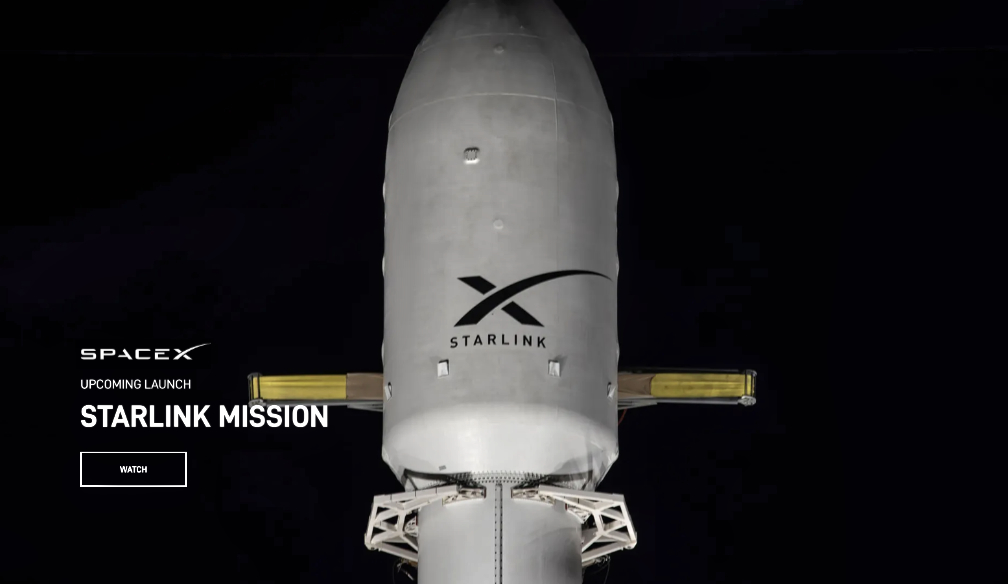
SpaceX is targeting Thursday, March 3rd, for a Falcon 9 launch of 47 Starlink satellites to LEO from Launch Complex 39A (LC-39A) at Kennedy Space Center in Florida.

The instantaneous launch window is at 9:35 a.m., EST, or 14:35 UTC, and a backup opportunity is available on Friday, March 4th, at 9:10 a.m. EST, or 14:10 UTC.

The first stage booster supporting this mission previously launched GPS III-3, Turksat-5A, Transporter 2, and seven Starlink missions.

Following stage separation, SpaceX will land Falcon 9’s first stage on the Just Read the Instructions droneship that will be stationed in the Atlantic Ocean.

Watch the live launch webcast starting about 15 minutes before liftoff at this direct link…

Filed Under: News

Additional Growth For Fleet Space Technologies + Australian Government Awards Million$$

March 3, 2022 by editorial

Fleet Space Technologies has announced that the Australian Government has committed $20 million to the development of the Space Manufacturing Hub in Adelaide, South Australia. This adds to funds already committed by The Government of South Australia (A$20 million) and a consortium of leading space, aerospace and advanced air mobility companies including Fleet, Q-CTRL, AtSpace Pty Ltd and Alauda Aeronautics, the manufacturer of the world’s first, electric, flying racing cars. That total value of the project is A$66 million.

Artistic rendition of the Fleet Space Hyper Factory.

This state-of-the-art facility will enable the further growth of Fleet Space Technologies in line with Australia’s ambitions to create one of the world’s leading space industries. In total 221 jobs are expected to be created in the sector across Fleet Space Technologies and its partners. A further 1,104 indirect jobs can also be created in the supply chain and associated businesses.

The Space Manufacturing Hub is set to be one of the most advanced facilities of its kind in the world and will create a common user facility that will support Australia’s rapidly growing space industry and its overall space ecosystem. This forms a key strategic pillar of the space National Manufacturing priority by playing a critical next step in supporting Australia’s space industry to scale and compete globally. The Space Manufacturing Hub will provide the required facilities to design, manufacture, test and launch critical components for space-going vehicles and satellites. This will include highly innovative approaches pioneered by Fleet, including the development of ‘Alpha’, an entirely new constellation of small satellites using the latest additive manufacturing and 3D printing technology. This will drive down costs and democratize a technology that enables global connectivity across multiple sectors and user-cases.

Image is courtesy of Fleet Space.

The Hyper Factory by Fleet Space will harness the power of local robotics and automation capabilities and will enable the development and manufacture of vehicles for Moon to Mars missions including lunar rovers. Overall, this will play a major role in providing Australian businesses with connections to the global space economy.

Building Australia’s Space Industry

Artistic rendition of a Fleet Space Alpha smallsat.

The Fleet Space’s Alpha smallsat constellation will be designed, engineered and manufactured from the Hyper Factory and will integrate beamforming antennas and electronics.

The Australian Space Park in which Fleet Space Technology will build the Hyper Factory will be the first of its kind in the southern hemisphere. Four companies, Fleet Space Technologies, Q-CTRL, ATSpace and Alauda Aeronautics, will co-locate in a purpose-built facility with a focus on collaboration and production of small satellites and their payloads, rockets, electric vertical take-off and landing vehicles (eVTOL), and supporting component and technical systems.

Adelaide Airport has been identified by the industry consortium as an ideal location for the Australian Space Park due to its proximity to traditional aerospace companies and the central business district and innovation precinct, Lot Fourteen, which is home to a growing community of space companies. The State Government is in discussions with Adelaide Airport as a potential location for the Australian Space Park.

As the centerpiece of the nation’s space endeavors, the state is presently targeting an annual growth rate in the space sector of 5.8 per cent over the next decade.

The rapid growth of Fleet Space Technologies and its space tech cohorts indicates that Australia is fast becoming a global leader in space technology. Australia was one of the first countries to launch a satellite into space from its home soil, and subsequently its leaders have consistently voiced a requirement for the nation to continue growing its presence and capability in this critical sector. The nation itself relies heavily on space technology to power the everyday lives of its people – from communication services to Earth observation for navigation purposes and weather forecasting.

“The addition of this very significant investment from the Australian Government to the funds already pledged by the South Australian Government is affirmation of our nation’s commitment to the development of a rapidly growing industry and innovation in sovereign technological capabilities in space manufacturing. Fleet Space Technologies is proud to lead the Austrian space sector. This industry is creating jobs, technological capability and lasting economic impact for Australia. The Space Hub in Adelaide will position South Australia as a true global centre of excellence in the development of space technologies,” said Flavia Tata Nardini, CEO and Co-Founder, Fleet Space Technologies

Australia already boasts commercial rocket launches and a burgeoning space-centric software industry, positioning the nation as a capable, strategic and globally engaged leader in the field. Homegrown Australian technology is also supporting the wider space industry. Fleet Space will join the Seven Sisters’ Australian space industry consortium in support of NASA’s Artemis program to land the first woman and next man on the Moon by 2024 and create a sustainable human presence for later crewed Martian exploration.

Fleet Space Technologies is Australia’s leading space company and operates from a state-of-the-art HQ in Adelaide, South Australia, a region rapidly emerging as a global center of excellence in space and advanced aerospace technologies. The company has designed, built and launched the country’s only commercial satellites and has six satellites already on-orbit as it works toward a mission building a constellation of 140 smallsats in LEO.

Filed Under: News

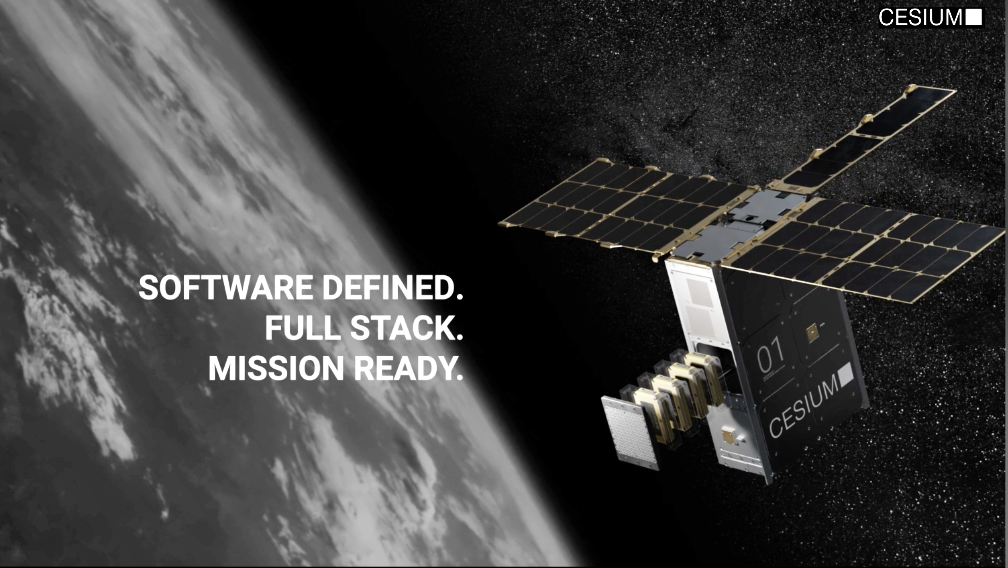
Oversubscribed Series B Funding Delivers Million$$ To CesiumAstro

March 3, 2022 by editorial

CesiumAstro Inc. (“Cesium” or “Company”) has secured $60 million in an oversubscribed Series B funding round, co-led by Airbus Ventures and Forever Ventures, with strategic participation from L3Harris Technologies (NYSE: LHX) — returning investors include Kleiner Perkins, Lavrock Ventures, Franklin Templeton Blackhorse Fund, and HEICO (NYSE: HEI).

CesiumAstro has raised nearly $90 million in capital since the firm’s founding in 2017. With this latest financing, Cesium will accelerate the growth of its core research, development, and rapid manufacturing capabilities, and expand its facilities both domestically and abroad.

Cesium’s products are designed to address a wide set of applications, including satellite and drone communications, missile defense and in-flight connectivity (IFC). At the heart of these products is the company’s ability to deliver the full stack of Active Electronically Steered Arrays (AESAs): Cesium offers a modular ecosystem of hardware and software with RF and antenna front-ends that cover critical space frequency allocations, along with a common reconfigurable digital back-end to address mission needs for high-throughput communication, under even the tightest budgetary and schedule constraints.

Encompassing more than 80 engineers, scientists, and business professionals with in-house rapid prototyping and environmental test capability, the Company has grown a full suite of capabilities across development, production, and deployment of high-reliability systems. The company is set to deploy several additional assets into space later this year, with targeted launch dates to be announced in the coming months.

“We are honored to have strong support from our new and existing investors. With their backing, we are now set to scale the Company and realize the full potential of our proprietary technology,” said Shey Sabripour, Founder and CEO of CesiumAstro. “This investment is a key endorsement of our ability to deliver advanced communication systems to both our commercial and defense customers and fully secures our growth trajectory.”

“Teaming with CesiumAstro reflects our strategy of partnering across industry to rapidly develop advanced multi-domain solutions that address our customers’ critical needs,” said Christopher E. Kubasik, Vice Chair and Chief Executive Officer, L3Harris. “Incorporating CesiumAstro’s technologies will enhance our existing resilient space and communications solutions, while we collaborate with their agile technical team to help develop entirely new approaches that drive our next-generation innovations.”

Headquartered in Austin, Texas, with offices in Broomfield, Colorado, CesiumAstro builds high-throughput, plug-and-play active phased array communication payloads for airborne and in-orbit platforms. Cesium’s full-stack, multi-mission hardware and software products enable a range of commercial and defense objectives.

Filed Under: News

  • « Go to Previous Page
  • Page 1
  • Interim pages omitted …
  • Page 45
  • Page 46
  • Page 47
  • Page 48
  • Page 49
  • Interim pages omitted …
  • Page 58
  • Go to Next Page »

Primary Sidebar

WEEKLY NEWSLETTER

Archives

  • April 2026
  • March 2026
  • February 2026
  • January 2026
  • December 2025
  • November 2025
  • October 2025
  • September 2025
  • August 2025
  • July 2025
  • June 2025
  • May 2025
  • April 2025
  • March 2025
  • February 2025
  • January 2025
  • December 2024
  • November 2024
  • October 2024
  • September 2024
  • August 2024
  • July 2024
  • June 2024
  • May 2024
  • April 2024
  • March 2024
  • February 2024
  • January 2024
  • December 2023
  • November 2023
  • October 2023
  • September 2023
  • August 2023
  • July 2023
  • June 2023
  • May 2023
  • April 2023
  • March 2023
  • February 2023
  • January 2023
  • December 2022
  • November 2022
  • October 2022
  • September 2022
  • August 2022
  • July 2022
  • June 2022
  • May 2022
  • April 2022
  • March 2022
  • February 2022
  • January 2022
  • December 2021
  • November 2021
  • October 2021
  • September 2021
  • August 2021
  • July 2021
  • June 2021
  • May 2021
  • April 2021
  • March 2021
  • February 2021
  • January 2021
  • December 2020
  • November 2020
  • October 2020
  • September 2020
  • August 2020
  • July 2020
  • June 2020
  • May 2020
  • April 2020
  • March 2020
  • February 2020
  • January 2020
  • December 2019
  • November 2019
  • October 2019

© 2019–2026 SatNews

Insert/edit link

Enter the destination URL

Or link to existing content

    No search term specified. Showing recent items. Search or use up and down arrow keys to select an item.
      x
      Sign Up Now!

      Enjoy a free weekly newsletter with recent headlines from the global SmallSat industry.

      Invalid email address
      We promise not to spam you. You can unsubscribe at any time.
      Thanks for subscribing! You will now receive weekly SmallSat News updates.
      We love our advertisers.
      And you will too!

      Please disable Ad Blocker to continue... We promise to keep it unobtrusive.
      We promise not to spam you. You can unsubscribe at any time.
      Invalid email address
      Thanks for subscribing!