• Skip to main content
  • Skip to primary sidebar
  • Home
  • News
  • Featured
  • More News ⌄
    • SatNews
    • SatMagazine
    • MilSatMagazine
  • Events ⌄
    • MilSat Symposium
    • SmallSat Symposium
    • Satellite Innovation
  • Contacts
  • SUBSCRIPTION

SmallSat News

You are here: Home / Archives for Featured

Featured

AAC Clyde Space laser comms terminal in space succeeds

January 29, 2024 by editorial

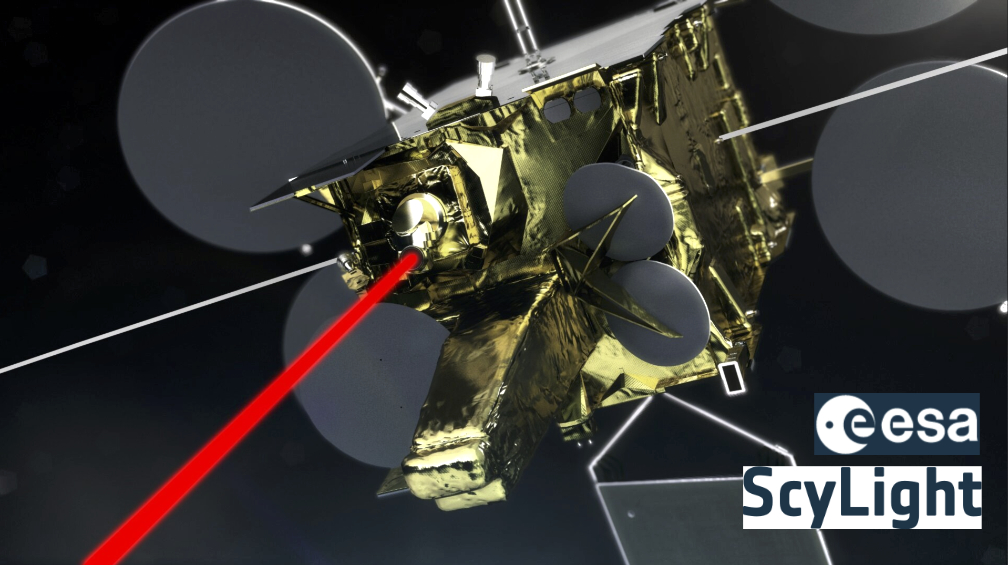
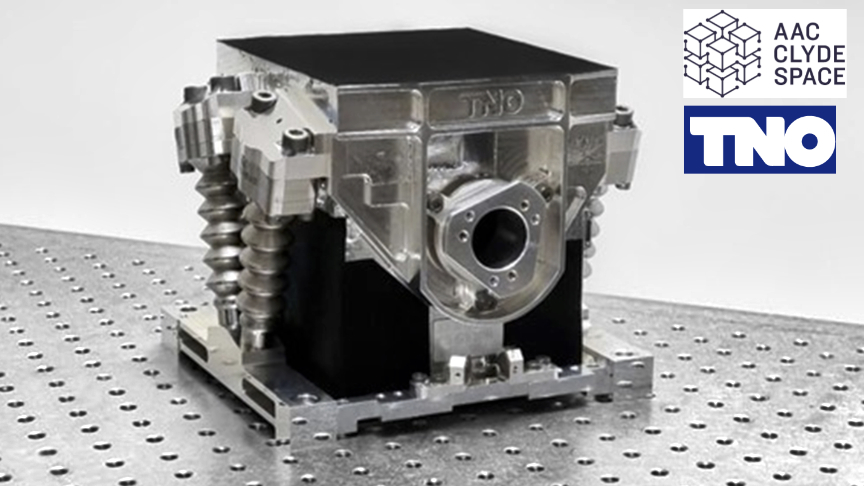
AAC Clyde Space, with its partner TNO, have successfully transferred data from a compact laser SATCOM terminal, called SmallCAT, onboard a spacecraft in LEO to Earth — this demonstrates that the laser satellite communication technology works under spaceflight conditions. AAC has contributed electronics and firmware to the laser communication terminal.
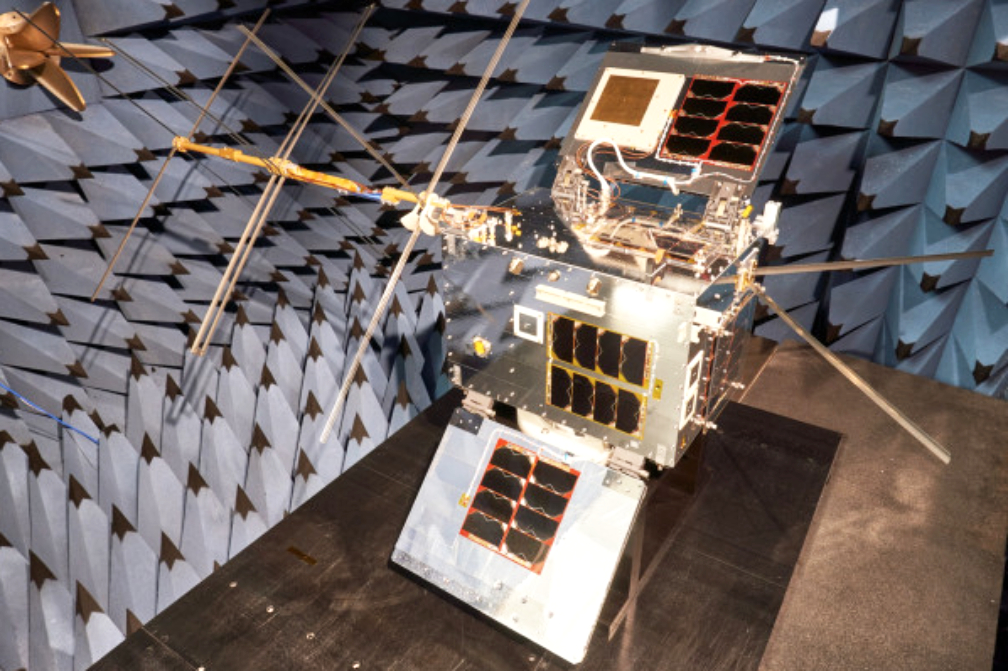
SmallCAT photo credit: University of Toronto Institute of ‘Aerospace Studies Space Flight Laboratory’

The satellite communication terminal is developed by a TNO-led consortium with AAC Hyperion, the AAC Group’s subsidiary in the Netherlands specialized in optical communications, for the onboard electronics, drivers as well as software, and Gooch & Housego for the laser transmitter. The development was financed by the Netherlands Space Office (NSO) through the ESA ARTES ScyLight Programme program and the Dutch Ministry of Defense‘s innovation budget. TNO also contributed in co-funding this program.
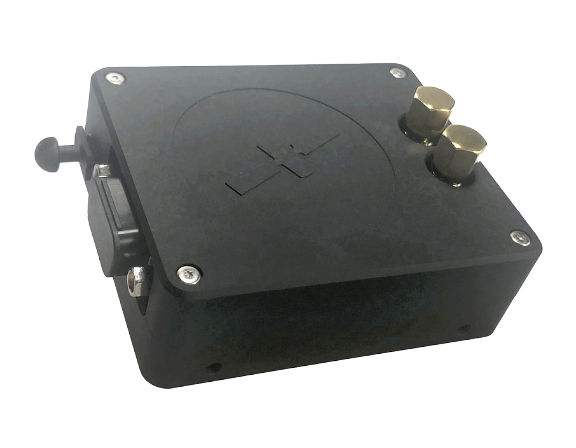
AAC Hyperion’s GD200.

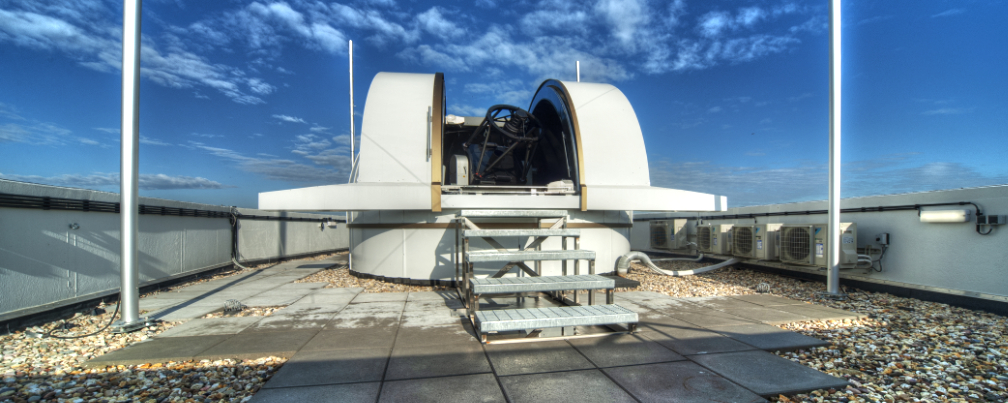
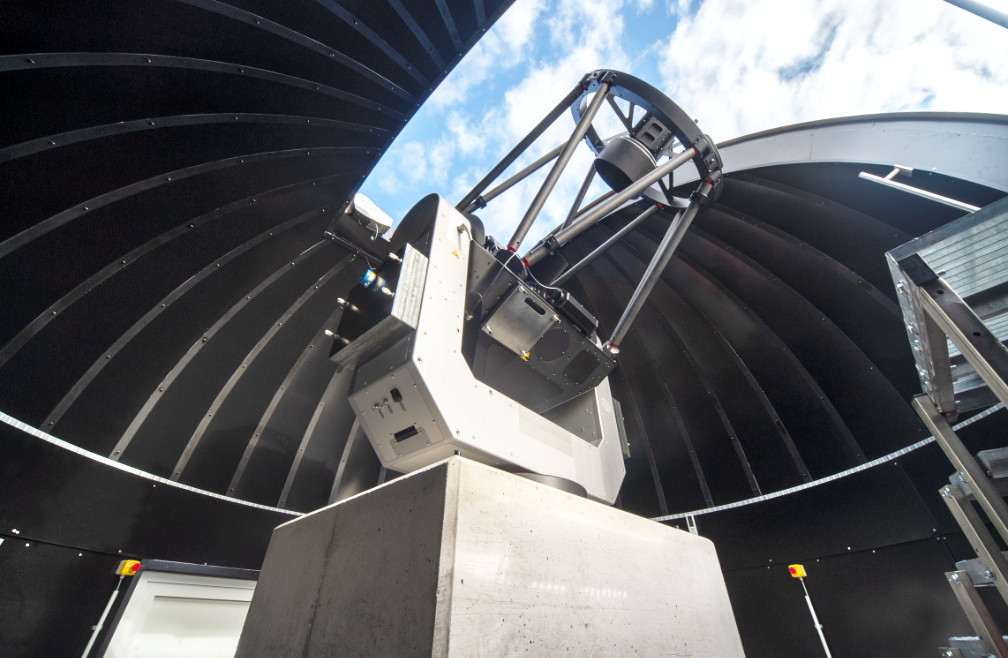
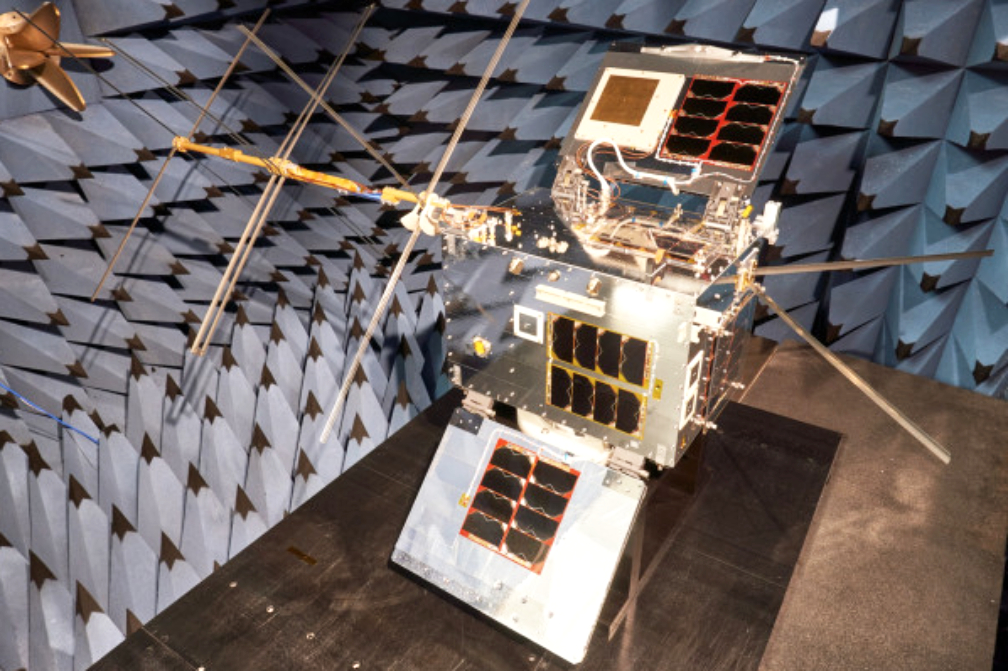
The project also includes delivery of AAC Hyperion’s gigabit detector — the GD200 — for the optical ground station in the Hague which successfully detected signal from the terminal which is carried by the Norwegian NORSAT-TD satellite launched in April 2023.

Artistic rendition of the NORSAT-TD satellite on-orbit, courtesy of Space Flight Laboratory (SFL).

A commercial version of the laser communication terminal, CubeCAT, is being commercialized by AAC Hyperion with its Dutch partner, FSO Instruments. Measuring 10 x 10 x 10 cm and weighing 1.3 kg, the terminal is ideally suited for use on nano satellites.
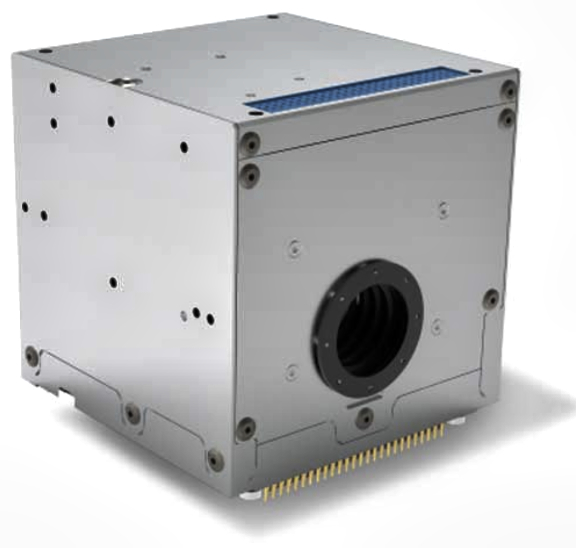
Photo of AAC Clyde Space’s CubeCAT laser comms terminal.

As commercial and government data demands continue to grow, the need for high-quality, timely data from space is growing rapidly. Laser communication technologies are being increasingly used to send data generated on satellites directly to Earth, as an alternative to traditional radio-frequency (RF) communication. By transmitting through the infra-red wavelength band, the limitations of standard radio frequency communication technologies are avoided, thereby increasing transmission capabilities of satellites by factors of 10 to 100. Moreover, laser communication links are seen as more secure and laser communication systems have the potential of lower size, weight, and power, which is important in the space domain.

“This is a milestone in our aim to remain in the forefront of space tech development. The demand for direct laser communication between satellites and Earth is growing rapidly catering to the needs of customers in several sector. This achievement points towards the future of space-based communication,” says AAC Clyde Space CEO Luis Gomes.

Filed Under: Featured, News

Dutch satellite instrument achieves milestone in laser data transfer to Earth

January 24, 2024 by editorial

Researchers from TNO have successfully connected a satellite to a ground station on Earth via self-developed laser communication technology — this is the first time this has been achieved with a Dutch laser satellite instrument. The technology enables much faster and safer data transfer than the radio frequencies currently used for communication.

Norwegian satellite with on-board laser communication system SmallCAT. Photo is courtesy of the University of Toronto Institute for Aerospace Studies Space Flight Laboratory.

Almost all connections in daily life, such as Wi-Fi, Bluetooth or 5G, are based on radio frequency waves. Partly due to the increase in data consumption, this radio frequency spectrum is slowly filling up, creating scarcity and interference.

Laser satellite communication offers a solution as it can send data faster and more securely via invisible laser signals. Radio frequencies achieve speeds of hundreds of megabits, in some cases several gigabits per second (Gbps). Laser communication achieves speeds of 100 to 1000 times faster. Laser communication links are interesting even at lower speeds because systems are much smaller, lighter and more energy efficient, which is important for space applications. It is also more secure because very narrow optical laser beams are used instead of wide radio signals. This makes eavesdropping more difficult, and interference is quickly detected.

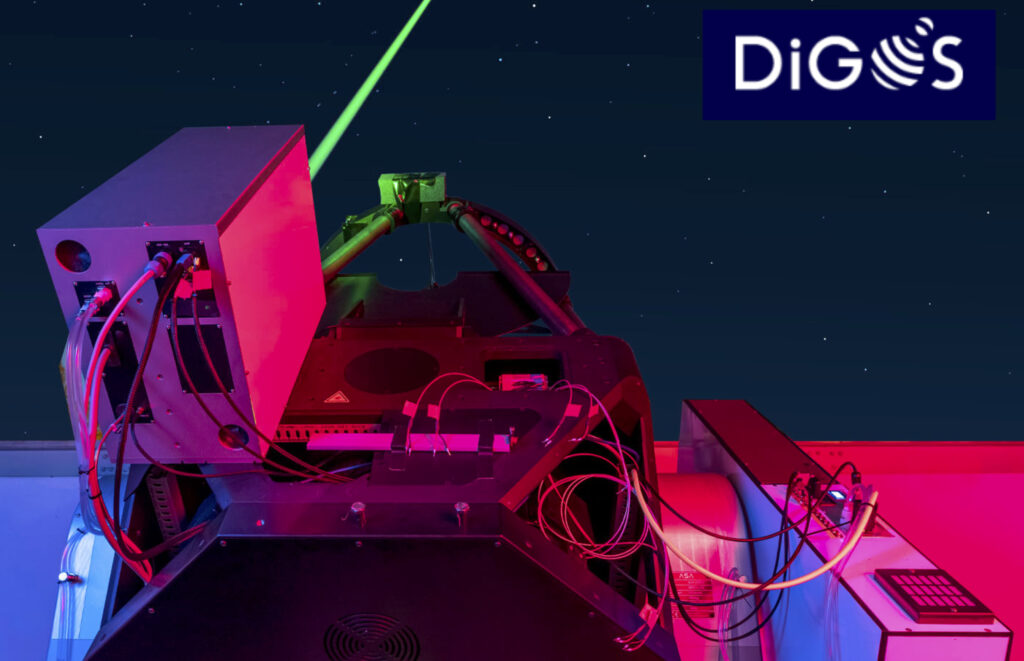
The optical ground station at TNO in The Hague.

The laser communication system, SmallCAT (Small Communication Active Terminal), was launched in April of 2023 by SpaceX aboard a satellite that is operated by the Norwegian Space Agency.

Since then, TNO has been preparing to establish a connection between the satellite, which flies in LEO, and optical ground stations in The Hague (TNO) and Tenerife (ESA ESOC’s IZN-1).

The optical ground station at TNO in The Hague.

During such an experiment, the ground station first sends a signal to the satellite, where it has to be found by the laser communication system on board through its overpass and then sends its laser back to Earth where the ground station needs to capture the signal.

This is incredibly challenging as the satellite is flying at an altitude of 500 kilometers at a speed of 28,000 kilometers per hour. During several experiments TNO succeeded in finding both ground stations from space and sending back and recapturing the laser beams with extreme precision. Once a link was established, data was transferred from the satellite instrument and received by the optical ground station in The Hague at a maximum data rate of one gigabit per second.

The ground station at TNO in The Hague was developed by TNO together with Airbus Netherlands and is the first time this has been achieved with such a compact satellite instrument of Dutch manufacture. It demonstrates that the terminal on the satellite and the ground station work and can also find each other under real conditions.

This success is an important step in the development of laser terminals (AAC Clyde Space) and Ground Stations (Airbus Netherlands) for the emerging laser communications market and, thus, in the creation of an European ecosystem for fast and secure laser satellite communications. Eventually, the laser communication system is intended to communicate with other European optical ground stations that are part of the ‘Optical Nucleus Network,’ operated by Norway’s KSAT (Kongsberg Satellite Services).

Laser satellite communication works best if a network of multiple satellites is built for that purpose. Ultimately a constellation of satellites is needed for a reliable network.

The satellite instrument is developed by a TNO-led consortium that includes AAC Hyperion (part of AAC Clyde Space) for the onboard electronics, drivers as well as software, and Gooch & Housego (laser transmitter). The development was financed with Netherlands Space Office (NSO) funds through the ESA ARTES ScyLight program and the Dutch Ministry of Defense’s innovation budget.

TNO also contributed in co-funding this program. The optical ground station in The Hague is developed by TNO in collaboration with Airbus Netherlands B.V., ASA, and Digos.

Kees Buijsrogge, director TNO Space, said, “This pivotal milestone marks a significant achievement in advancing technological sovereignty for both the Netherlands and Europe in a strong NATO, as it will enable faster and more secure broadband connectivity. It’s a provisional outcome of collaborative endeavors within a nascent Dutch industry specializing in optical satellite communication.”

Filed Under: Featured, News

Innoflight delivers initial engineering development units to L3Harris for SDA Tranche T1TL

January 23, 2024 by editorial

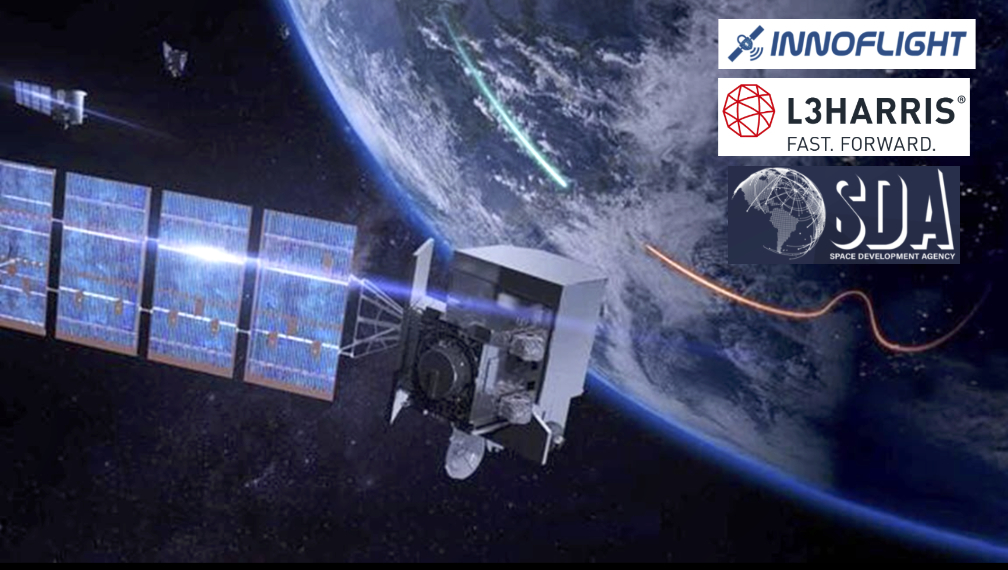
The Space Development Agency (SDA) awarded a prototype agreement to L3Harris Technologies last year to provide initial missile warning/missile tracking warfighting capability of the Proliferated Warfighter Space Architecture (PWSA).

Innoflight is on contract with L3Harris for the delivery of key avionics, including mesh network encryption/decryption, networking, processing and precision timing for the SDA T1 Tracking Layer program.

Innoflight’s deliverables to L3Harris include “mesh network” End Cryptographic Units (ECUs), network IP routers with Multi-Protocol Label Switching (MPLS), network Ethernet switches, Secure Independent Processors, and Mission Timing Electronics.

Innoflight recently delivered mesh network encryption/decryption, networking and precision timing EDUs and precision timing Flight Units to L3Harris. The EDUs are being used for software development and integration testing.

“Innoflight is pleased to continue our PWSA journey with L3Harris on the T1 Tracking Layer program after the successful delivery of T0 Tracking Layer hardware,” said Jeff Janicik, Innoflight President & CEO. “Innoflight and L3Harris have developed a synergy and strong business relationship that will make us even more successful moving forward.”

Filed Under: Featured, News

Innoflight successfully delivers avionics hardware to L3Harris

January 19, 2024 by editorial

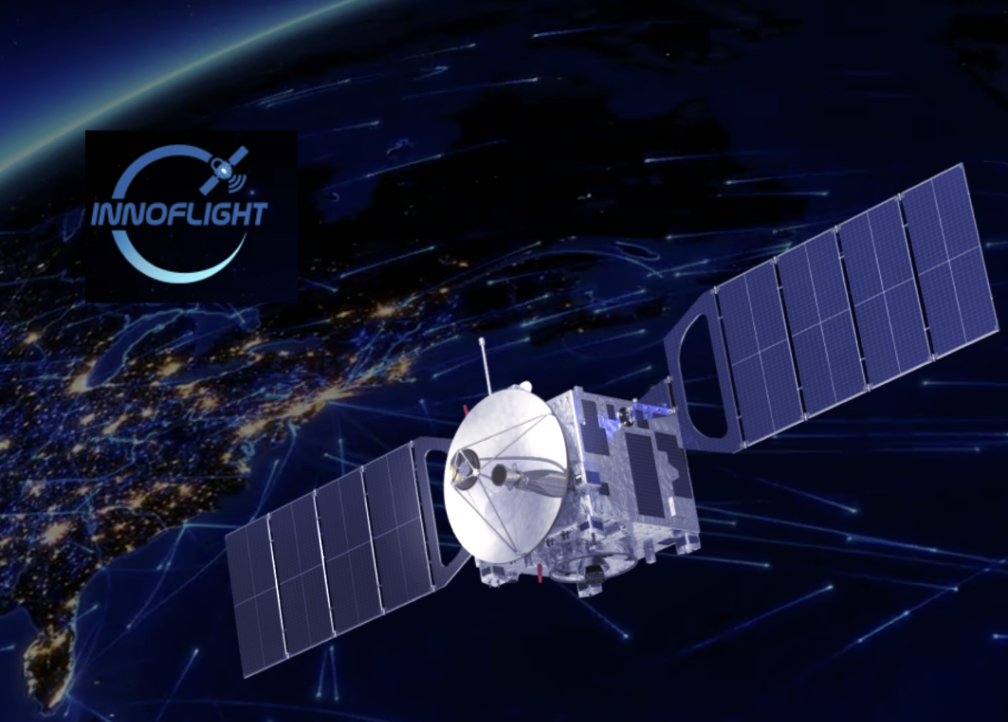
The Space Development Agency (SDA) awarded a prototype agreement to L3Harris Technologies in 2023 to provide initial missile warning/missile tracking warfighting capability of the Proliferated Warfighter Space Architecture (PWSA).

Innoflight is on contract with L3Harris for the delivery of key avionics, including mesh network encryption/decryption, networking, processing and precision timing for the SDA T1 Tracking Layer program.

Innoflight’s deliverables to L3Harris include “mesh network” End Cryptographic Units (ECUs), network Internet Protocol (IP) routers with Multi-Protocol Label Switching (MPLS), network Ethernet switches, Secure Independent Processors, and Mission Timing Electronics.

Innoflight recently delivered mesh network encryption/decryption, networking and precision timing EDUs and precision timing Flight Units to L3Harris where the EDUs are being used for software development and integration testing.

“Innoflight is pleased to continue our PWSA journey with L3Harris on the T1 Tracking Layer program after the successful delivery of T0 Tracking Layer hardware,” said Jeff Janicik, Innoflight President & CEO. “Innoflight and L3Harris have developed a synergy and strong business relationship that will make us even more successful moving forward.”

Filed Under: Featured, News

Sateliot receives million€ in funding from Banco Santander

January 18, 2024 by editorial

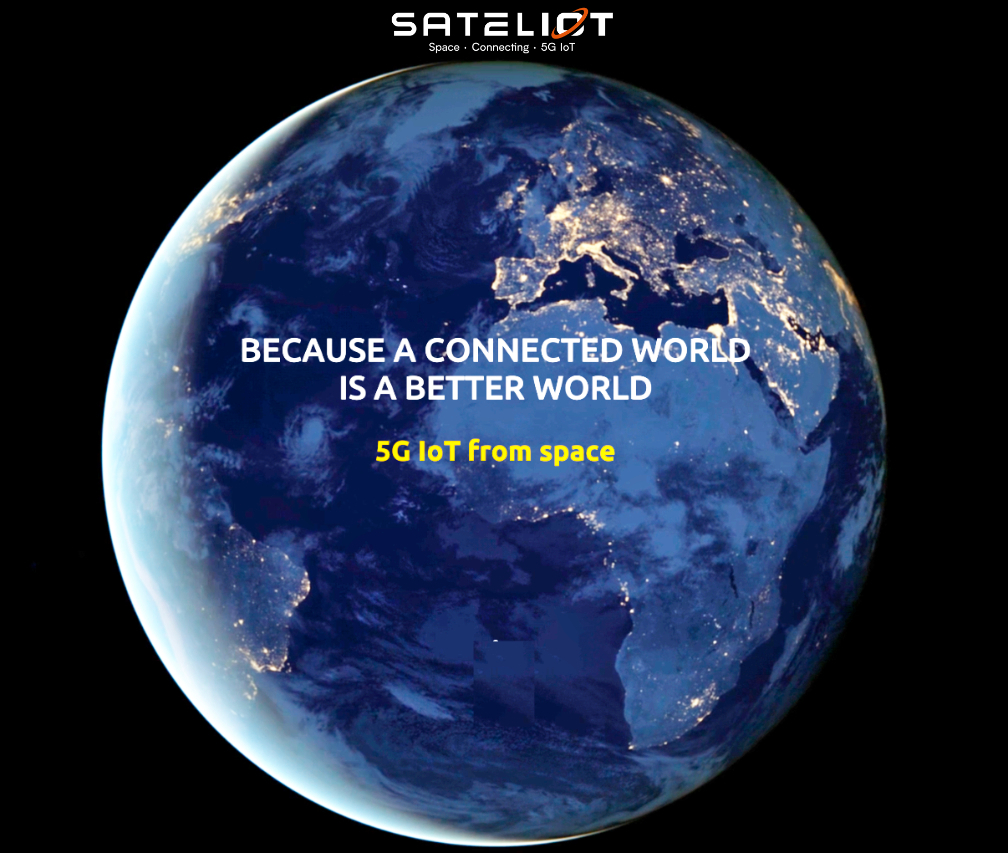
Recently, Sateliot secured €6 million in funding from Banco Santander. This financial backing will enable Sateliot to accelerate the development of its technology and the deployment of its satellite constellation. In 2024, the company is poised for significant growth with the launch of four new satellites, marking the beginning of its commercial phase.

With this transaction, Banco Santander reaffirms its commitment to the growth and digitization of companies and the promotion of innovation through its Growth program, particularly with the support of Santander Corporate & Investment Banking (Santander CIB)

This funding and two additional, recent, capital injections totaling €13.5 million in less than a year, solidify Sateliot’s financial position. One is a participatory loan of €2.5 million granted just two weeks ago by the public company Avança. In addition, there are also €5 million from the convertible note issued by the company.

This financial strength allows Sateliot to approach 2024 with the necessary stability to execute its business strategy, sending a strong message of confidence to the market. Sateliot has Indra and Cellnex as industrial partners, holding 10.5% and 3.5% ownership, respectively. Additionally, Sepides holds approximately 5% of the capital.

Sateliot’s next strategic move will be initiating a Series B funding. This will finance the next phase of the satellite constellation comprising 250 smallsats deployed under the 5G standard, launching an additional 64 smallsats over the next 18 months. Sateliot has already secured agreements with global telecommunications operators and companies in the sector, boosting a binding orders backlog of over €150 million.

Jaume Sanpera, CEO and co-founder of Sateliot, said, “The completion of these three operations demonstrates the confidence that top-tier banks, regional public administrations, and other groups such as venture capital, family offices, or business angels have placed in us. With all of them, we have created a strategic partnership that reinforces our leadership in the first ever 5G-IoT constellation.”

Filed Under: Featured, News

Aurora to deliver a Plasma Brake for SpeQtral’s quantum key distribution satellite

January 17, 2024 by editorial

Aurora Propulsion Technologies, together with SpeQtral, last month signed a deal for the former to deliver a Plasma Brake for SpeQtral’s next satellite.

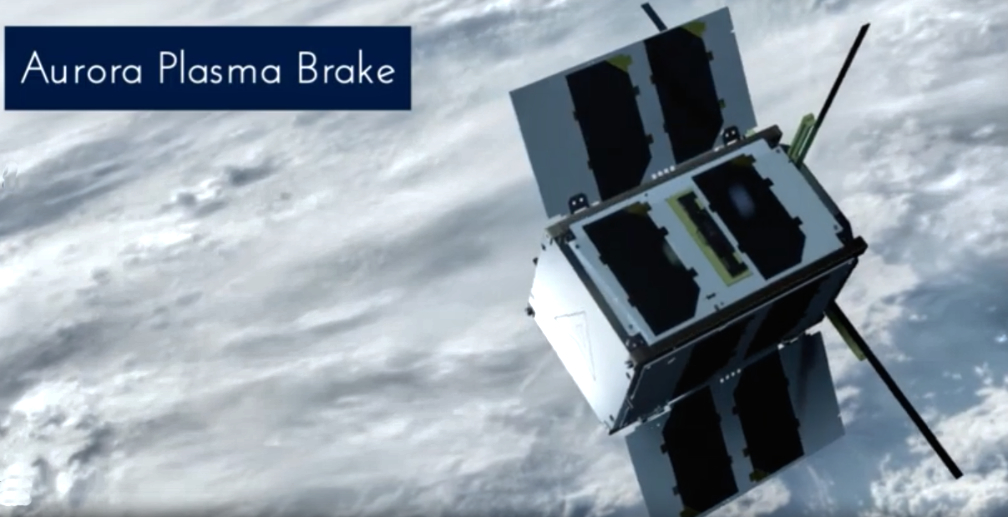
The Plasma Brake is a deorbiting system that disposes of the satellite by safely bringing it back into the atmosphere after its mission is finished. This CubeSat “TunaCan” Plasma Brake is designed to be a plug-and play solutions for any CubeSats that have no space for a large thruster system but does include a free TunaCan slot that can be used by a Plasma Brake, allowing compliance with space debris mitigation regulation.

The Plasma Brake works by deploying a charged microtether that interacts with the LEO plasma environment, creating a drag force. This allows it to generate a small amount of thrust continuously and indefinitely, also on higher orbits up to 1000 km where aerodynamic drag is not an option.

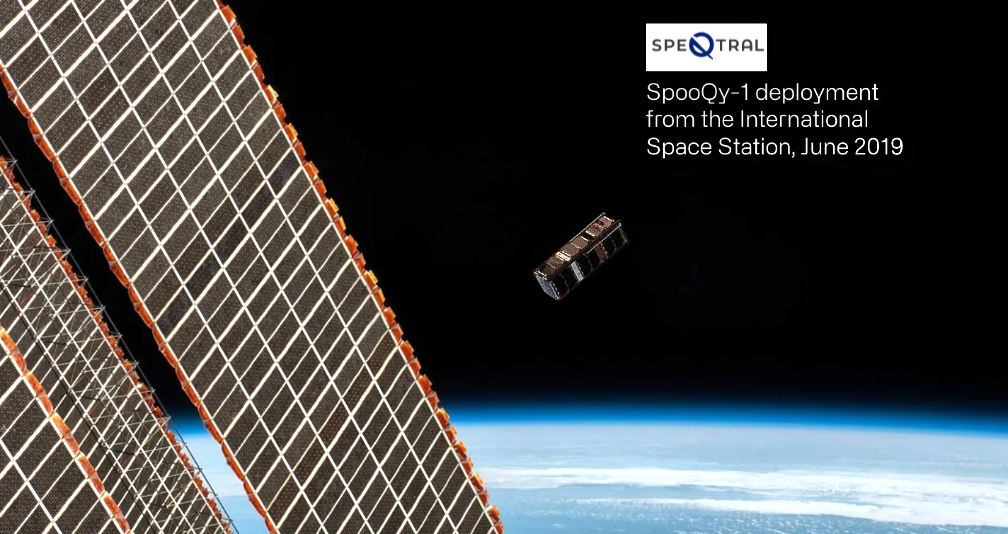
The SpeQtral-1 mission will be SpeQtral’s second quantum key distribution (QKD) satellite, serving as a pathfinder commercial demonstrator and defining future QKD services. The mission follows the SpeQtre technology demonstrator mission, itself built on technologies demonstrated on the 2019 SpooQy-1 CubeSat.

The SpeQtral-1 satellite is one of the first in the world to contain both BB84 and BBM92 quantum payloads in a CubeSat form factor. Operating at an altitude of 500 kms in SSO, SpeQtral-1 can provide quantum keys to any location on Earth.

The BBM92 payload offers unparalleled security, and the BB84 payload offers higher key rates allowing seamless integration with fiber QKD networks around the globe. SpeQtral-1 brings cutting-edge quantum communication technologies, enabling partners and customers to securely transmit their data with highest levels of encryption.

Perttu Yli-Opas, the CEO of Aurora Propulsion Technologies, said, “This mission is a great example of a business-oriented satellite that simply must have a deorbiting solution with a minimal footprint – which we’re more than happy to provide.”

Filed Under: Featured, News

John Deere + SpaceX to expand rural connectivity for farmers

January 17, 2024 by editorial

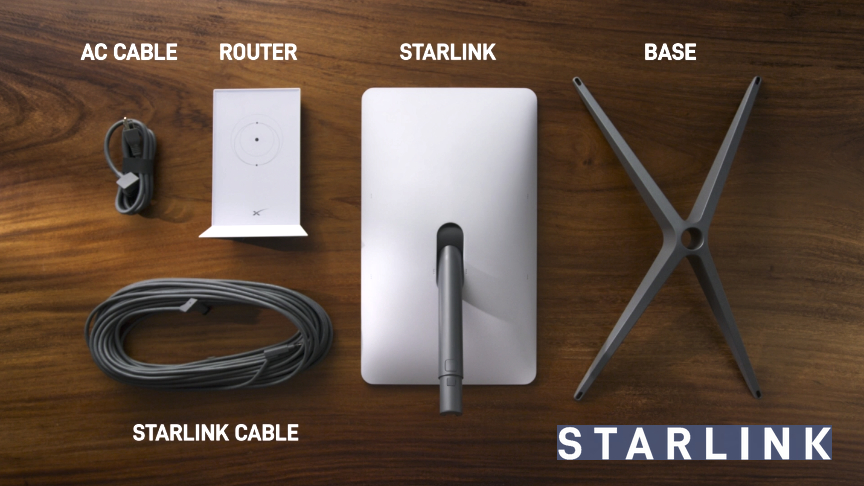
Deere & Company (NYSE: DE) has entered into an agreement with SpaceX to provide SATCOM service to farmers — using the Starlink network, this solution will allow farmers facing rural connectivity challenges to fully leverage precision agriculture technologies.

This partnership, an industry first, will enable John Deere customers to be more productive, profitable, and sustainable in their operations as they continue to provide food, fuel, and fiber for their communities and a growing global population.

The SATCOM solution will connect new and existing machines through satellite internet service and ruggedized satellite terminals. This will fully enable technologies, such as autonomy, real-time data sharing, remote diagnostics, enhanced self-repair solutions, and Machine-to-Machine (M2M) communication, all of which help farmers work more efficiently while minimizing downtime.

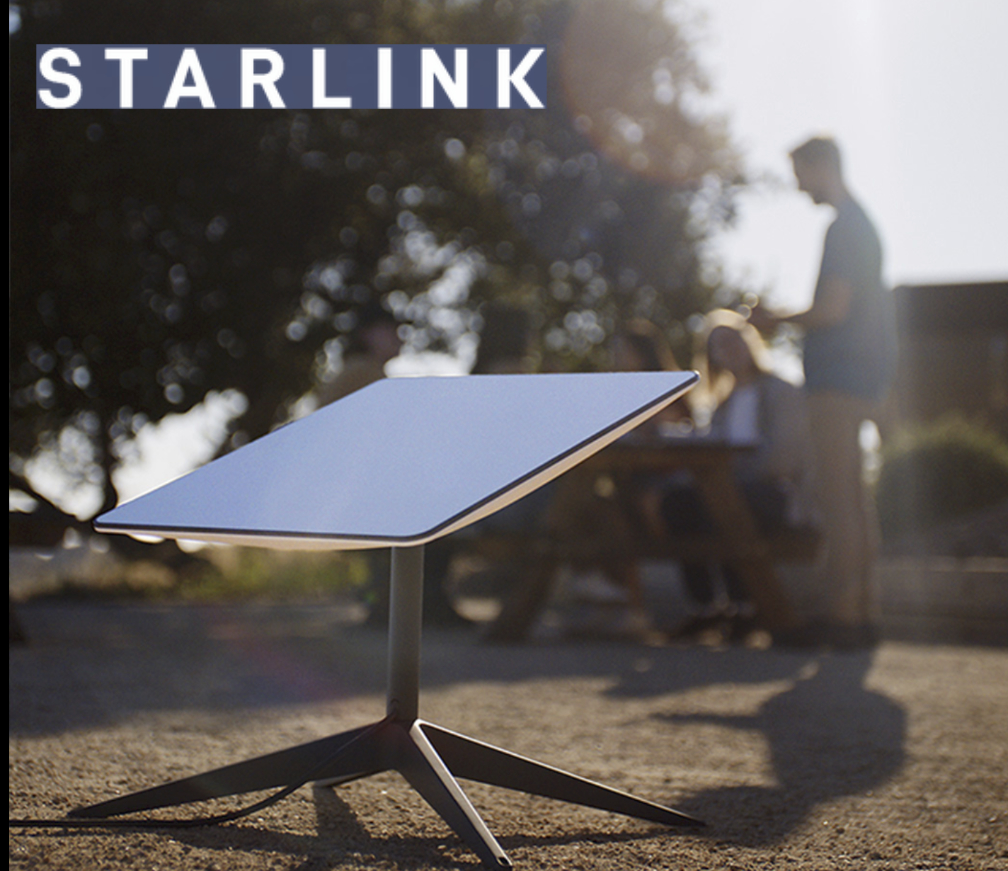
John Deere’s SATCOM solution will leverage SpaceX’s Starlink satellite internet constellation. To activate this solution, John Deere dealers will install a ruggedized Starlink terminal on compatible machines, along with a 4G LTE JDLink modem to connect the machine to the John Deere Operations Center. The SATCOM solution will initially be available through a limited release in the United States and Brazil starting in the second half of 2024.

“The value of connectivity to farmers is broader than any single task or action. Connectivity unlocks vast opportunities that were previously limited or unavailable,” said Aaron Wetzel, Vice President of Production and Precision Ag Production Systems at John Deere. “For example, throughout the year, farmers must complete tasks within extremely short windows of time. This requires executing incredibly precise production steps while coordinating between machines and managing machine performance. Each of these areas are enhanced through connectivity, making the entire operation more efficient, effective, and profitable.”

“John Deere has led the agriculture equipment industry for more than two decades with satellite-based precision guidance technology,” said Jahmy Hindman, Senior Vice President & Chief Technology Officer at John Deere. “Now, we are bringing satellite communications service to the farm at scale so farmers with cellular coverage challenges can maximize the value of connectivity to their operations. The SATCOM solution unlocks the John Deere tech stack so every farmer can fully utilize their current precision agriculture technology in addition to the new innovative solutions they will deploy in the future. We initiated this process with a fierce focus on delivering value to our customers, and this partnership ensures we have a solution that meets their needs today and in the future.”

Filed Under: Featured, News

Safran to equip LeoStella satellite constellations

January 12, 2024 by editorial

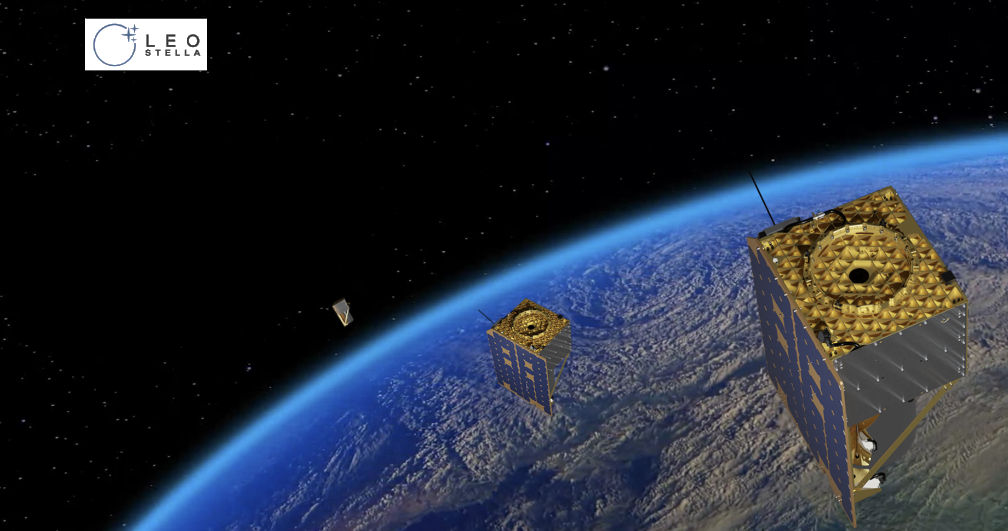
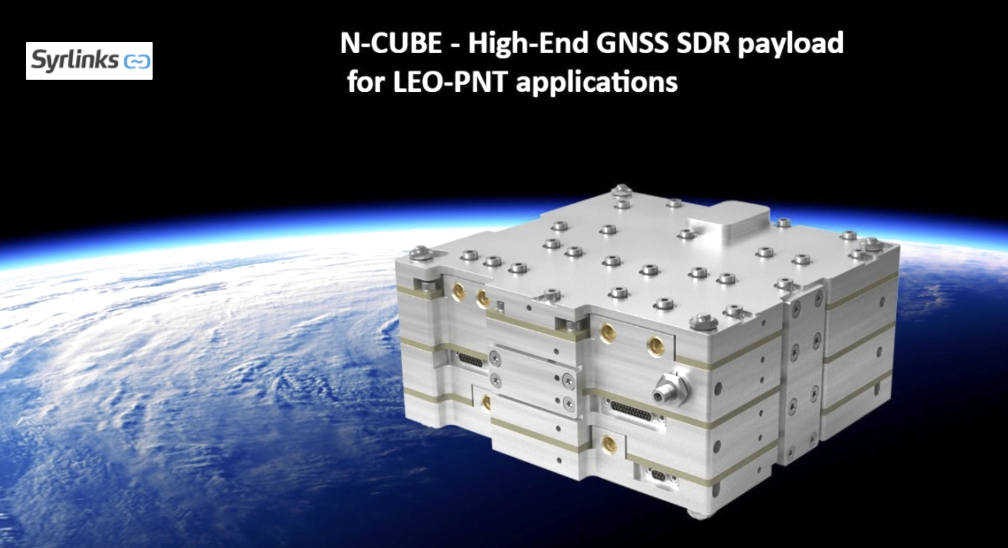
LeoStella is pursuing its partnership with Syrlinks, a Safran Electronics & Defense company, that will equip LeoStella’s latest-generation of LS-300 satellite buses with its high-performance, resilient, N-SPHERE GNSS receiver for applications.

The N-SPHERE solution is a new-generation, GNSS receiver designed by Syrlinks and implements the latest state-of-the-art positioning and synchronization techniques to achieve real-time precise onboard orbit determination (P2OD). N-SPHERE can be synchronized with various GNSS systems and offers high-precision positioning, of the order of 10 centimeters.

The integration of this very high precision localization capability into the LS-300 bus gives LeoStella access to international defense customers.

“We’re delighted to be pursuing our collaboration with LeoStella, based on the selection of our advanced GNSS receiver,” said Jean-Marie Bétermier, Senior Vice President Space, Safran Electronics & Defense. “There’s no better vote of confidence than continued collaboration with a customer. It shows that our products are dependable and always at the forefront of technology.”

“Syrlinks and LeoStella have built a solid partnership over the course of several collaborative programs,” said Kylie Hall, Supply Chain Manager for LeoStella. “LeoStella is looking forward to building N-SPHERE into the development of its future satellite platforms, which marks an important milestone in our ongoing partnership.”

Filed Under: Featured, News

Axelspace raises million$$ + closes Series D funding round

December 21, 2023 by editorial

Axelspace Holdings Corporation has completed the firm’s Series D funding round raising approximately JPY 6.24 billion (equivalent to $44.0 million) — this round sees the allocation of new shares to SMBC-GB Growth I Investment Limited Partnership, several other venture capitals, and corporate investors and brings the cumulative amount of equity financing to approximately JPY 14.3 billion.

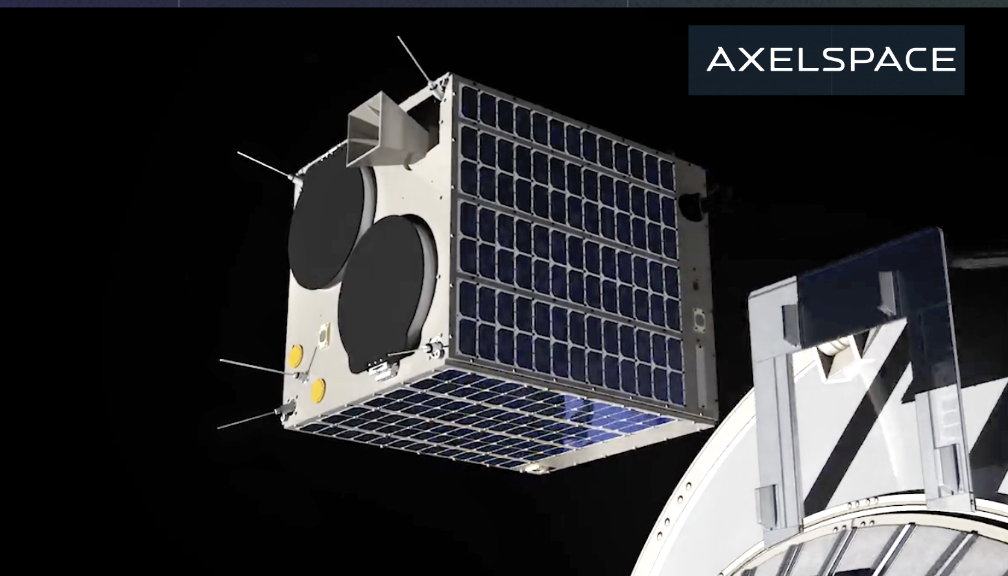
Axelspace Corporation, a wholly owned subsidiary of Axelspace Holdings, will use the new funds to meet more diverse customer demands. This involves enhancing EO services through the expansion of the company’s proprietary smallsat constellation that currently consists of five satellites that provide full-scale services to public and private sectors as well as optical data relay operations.

In the 15 years since its establishment in 2008, Axelspace has a proven track record in the development and operation of a total of nine smallsats, including a technology demonstration satellite for the Japan Aerospace Exploration Agency (JAXA).

In addition to the EO service “AxelGlobe,” which started in 2015, Axelspace has been progressing its R&D to realize an innovative one-stop service, “AxelLiner.” This service was announced in 2022 aiming to offer feasibility studies, designing, manufacturing, launch, and on-orbit operations for microsatellites, and its demo satellite is expected to launch in early 2024.

“We would like to express our gratitude to the investors who, despite challenging market conditions, have decided to invest in us, demonstrating confidence in our future business growth. This August, we celebrated the company’s 15th anniversary. Although it was not an easy road, we have steadily accumulated achievements and evolved our business with invaluable assistance from many people. With this financing, we hope to further solidify the business foundations of both AxelGlobe and AxelLiner services and to establish ourselves as a leading player in providing comprehensive microsatellite solutions.” — Yuya Nakamura, the President and CEO of Axelspace Holdings

Filed Under: Featured, News

Firefly Aerospace ready to Launch Alpha FLTA004 for no earlier than December 20

December 20, 2023 by editorial

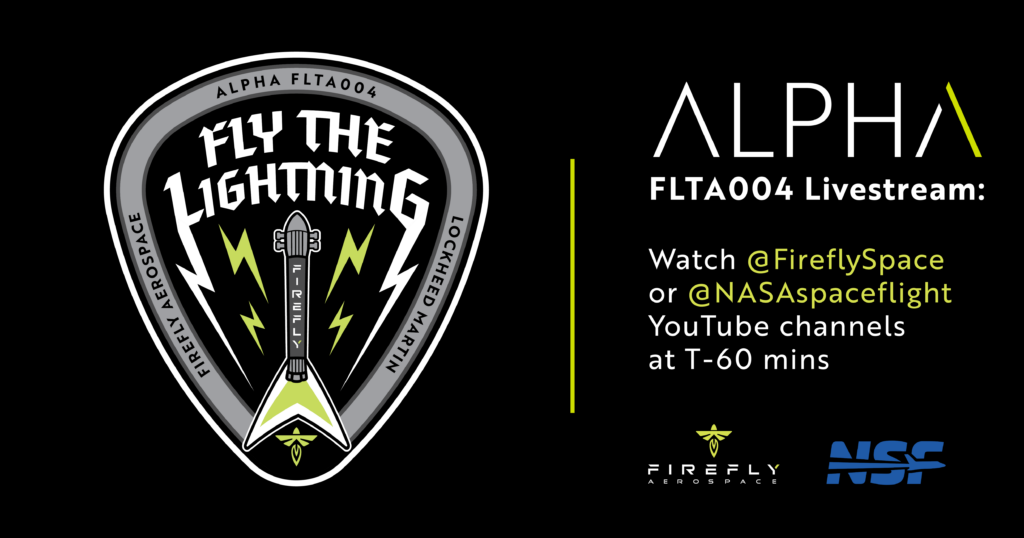
Alpha FLTA004 Livestream with NASA Spaceflight

As Firefly’s second responsive space operation, Fly the Lightning will get on-orbit capabilities into the hands of U.S. warfighters faster

Firefly Aerospace recently reported that the company’s Alpha FLTA004 Fly the Lightning mission is prepared to launch no earlier than December 20, with backup dates through December 22, depending on local weather — the daily 20-minute launch window will open at 9:18 am PST.

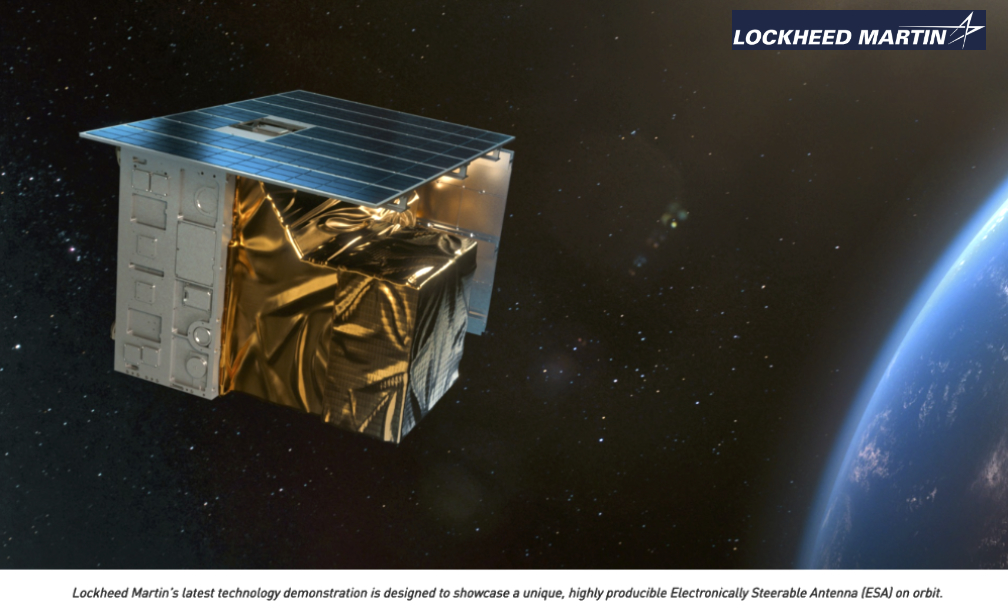
The Fly the Lightning mission will deploy an Electronically Steered Antenna (ESA) payload developed by Lockheed Martin to demonstrate rapid delivery of on-orbit capabilities for U.S. warfighters. As a secondary objective, the mission team will further demonstrate responsive space capabilities by tracking and improving the total working hours required from payload receival to launch readiness compared to Alpha FLTA003, the record-breaking VICTUS NOX mission.

“On the heels of our successful Alpha launch for the U.S Space Force, the Firefly team will continue to push the limits and set new standards in the industry, operating at a rapid pace for Alpha FLTA004 and future missions in response to the needs of our customers,” said Bill Weber, CEO of Firefly Aerospace. “This team is utilizing lessons from our VICTUS NOX mission to fundamentally change how quickly both government and commercial customers can process their payloads and launch assets to space.”

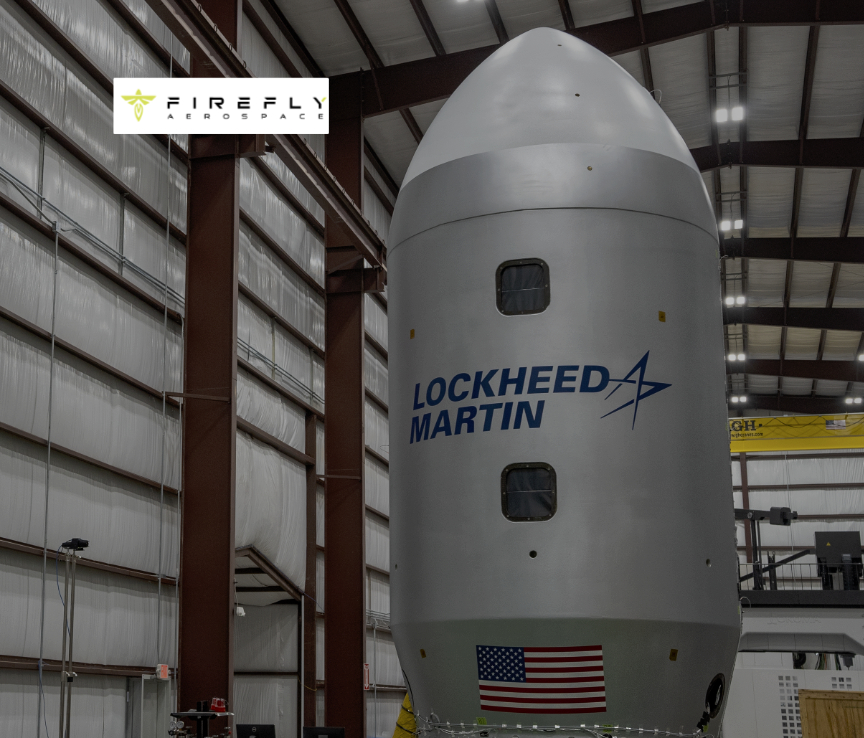
During the final launch operations, the team will transport the payload faring to the launch pad and mate it to Firefly’s Alpha rocket using similar responsive operations to VICTUS NOX. The launch is being observed by members of the U.S. Space Force Tactically Responsive Space team to inform future missions and the requirements for repeatable on-demand launch capabilities.

“Through the VICTUS NOX demonstration, the Space Force proved the United States can rapidly respond to national security threats in space on an unprecedented timeline,” said Lt. Col. Justin Beltz, Materiel Leader and Chief of the Small Launch and Targets Division of the U.S. Space Force. “We’re now focused on transforming Tactically Responsive Space from a groundbreaking achievement into a repeatable capability. By partnering with Firefly to observe Alpha FLT004, we can continue to build synergy with commercial industry and further define the training, infrastructure, and operational requirements for long-term repeatability.”

Fly the Lightning will launch from Firefly’s SLC-2 complex at the Vandenberg Space Force Base in California. Firefly’s new payload processing facility at its launch site allows the team to rapidly fuel and integrate payloads in a clean room environment. The company’s flight-proven Alpha rocket, lifting more than 1,000 kg to LEO, further enables direct, on-demand deliveries when and where customers need to fly. 

“What we’re most excited about is that this mission features several firsts – a new payload, built rapidly in a new way, with Firefly as a new launch partner,” said Bob Behnken, director of Technology Acceleration for Lockheed Martin’s Ignite organization. “This also marks the first of our self-funded technology demonstrations through Lockheed Martin’s Ignite organization, created to accelerate development projects like this, push limits and expand capabilities for customers.”

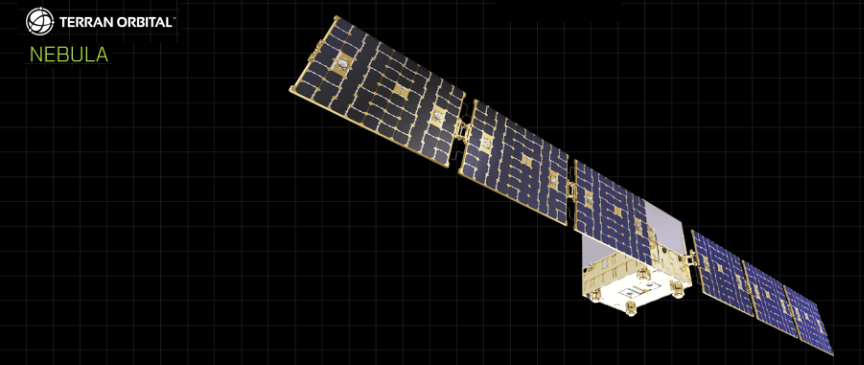
Lockheed Martin’s ESA demonstrator payload, integrated on a Terran Orbital Nebula smallsat bus.

The payload was developed by Lockheed Martin’s Ignite organization stood up to focus on exploratory research and development, accelerating the pace of technology development, and introducing new product innovations.

Filed Under: Featured, News

  • « Go to Previous Page
  • Page 1
  • Interim pages omitted …
  • Page 17
  • Page 18
  • Page 19
  • Page 20
  • Page 21
  • Interim pages omitted …
  • Page 61
  • Go to Next Page »

Primary Sidebar

WEEKLY NEWSLETTER

Archives

  • August 2026
  • July 2026
  • June 2026
  • May 2026
  • April 2026
  • March 2026
  • February 2026
  • January 2026
  • December 2025
  • November 2025
  • October 2025
  • September 2025
  • August 2025
  • July 2025
  • June 2025
  • May 2025
  • April 2025
  • March 2025
  • February 2025
  • January 2025
  • December 2024
  • November 2024
  • October 2024
  • September 2024
  • August 2024
  • July 2024
  • June 2024
  • May 2024
  • April 2024
  • March 2024
  • February 2024
  • January 2024
  • December 2023
  • November 2023
  • October 2023
  • September 2023
  • August 2023
  • July 2023
  • June 2023
  • May 2023
  • April 2023
  • March 2023
  • February 2023
  • January 2023
  • December 2022
  • November 2022
  • October 2022
  • September 2022
  • August 2022
  • July 2022
  • June 2022
  • May 2022
  • April 2022
  • March 2022
  • February 2022
  • January 2022
  • December 2021
  • November 2021
  • October 2021
  • September 2021
  • August 2021
  • July 2021
  • June 2021
  • May 2021
  • April 2021
  • March 2021
  • February 2021
  • January 2021
  • December 2020
  • November 2020
  • October 2020
  • September 2020
  • August 2020
  • July 2020
  • June 2020
  • May 2020
  • April 2020
  • March 2020
  • February 2020
  • January 2020
  • December 2019
  • November 2019
  • October 2019

© 2019–2026 SatNews

Insert/edit link

Enter the destination URL

Or link to existing content

    No search term specified. Showing recent items. Search or use up and down arrow keys to select an item.
      x
      Sign Up Now!

      Enjoy a free weekly newsletter with recent headlines from the global SmallSat industry.

      Invalid email address
      We promise not to spam you. You can unsubscribe at any time.
      Thanks for subscribing! You will now receive weekly SmallSat News updates.
      We love our advertisers.
      And you will too!

      Please disable Ad Blocker to continue... We promise to keep it unobtrusive.
      We promise not to spam you. You can unsubscribe at any time.
      Invalid email address
      Thanks for subscribing!