• Skip to main content
  • Skip to primary sidebar
  • Home
  • News
  • Featured
  • More News ⌄
    • SatNews
    • SatMagazine
    • MilSatMagazine
  • Events ⌄
    • MilSat Symposium
    • SmallSat Symposium
    • Satellite Innovation
  • Contacts
  • SUBSCRIPTION

SmallSat News

You are here: Home / Archives for Featured

Featured

SatixFy finalizes their business combo with Endurance Acquisition Corp

October 31, 2022 by editorial

SatixFy Communications Ltd. (“SatixFy”) has completed its previously-announced business combination with Endurance Acquisition Corp. (“Endurance”) following the approval of the business combination by Endurance’s stockholders on October 25, 2022, and satisfaction of customary closing conditions.

In addition, on October 24, 2022, Endurance and SatixFy entered into a previously disclosed OTC Prepaid Forward Purchase Agreement that calls for purchase and resale of up to 10 million class A shares, subject to the terms and conditions therein. SatixFy has agreed to register the offer and resale of such shares.

Following the business combination, David Ripstein will continue in his role as SatixFy’s CEO, Yoav Leibovitch will serve as Executive Chairman, and Endurance’s CEO Richard Davis will join SatixFy’s Board of Directors.

The combined company’s shares and warrants are expected to begin trading on the NYSE American under the symbols “SATX” and “SATX WSA,” respectively, starting tomorrow, Friday, October 28, 2022.

“This is an exciting time for the satellite communications industry, with the emergence of LEO mega-constellations creating a massive opportunity for SatixFy’s next-generation technologies,” said David Ripstein, CEO of SatixFy. “Our unique chips, antennas and satellite payloads are critical for scaling the performance of the new satellites while reducing their operational costs, making ‘everywhere, all-the-time’ communications practical for diverse types of customers and application. We are confident that this will drive growth for SatixFy, and create significant value and transparency for our existing and new customers.”

“Antarctica Capital and the Endurance team are looking forward to continuing our work with SatixFy as they begin this exciting new chapter,” said Richard Davis, Managing Director of Antarctica Capital, CEO of Endurance and now a member of SatixFy’s Board of Directors. “SatixFy’s unique technology is a key enabler for next generation satellite communications, and its new platform as a publicly-traded company gives it the financial strength needed to close business with the industry’s largest players.”

SatixFy develops end-to-end next-generation satellite communications systems, including satellite payloads, user terminals and modems, based on powerful chipsets that it develops in house. SatixFy’s products include modems that feature Software Defined Radio (SDR) and Fully Electronically Steered Multi Beam Antennas (ESMA) that support the advanced communications standard DVB-S2X. SatixFy’s innovative ASICs improve the overall performance of satellite communications systems, reduce the weight and power requirements of terminals and payloads, and save real estate for gateway equipment. SatixFy’s advanced VSATs and multi-beam fully electronically steered antenna arrays are optimized for a variety of mobile applications and services, using LEO, MEO and GEO satellite communications systems, for aero/in-flight connectivity systems, communications-on-the-move applications, satellite-enabled Internet-of-Things, and consumer user terminals. SatixFy is headquartered in Rehovot, Israel with additional offices in the US, UK and Bulgaria.

Filed Under: Featured, News

Beyond Gravity awarded a ULA contract in support of upcoming Amazon Project Kuiper launches

October 27, 2022 by editorial

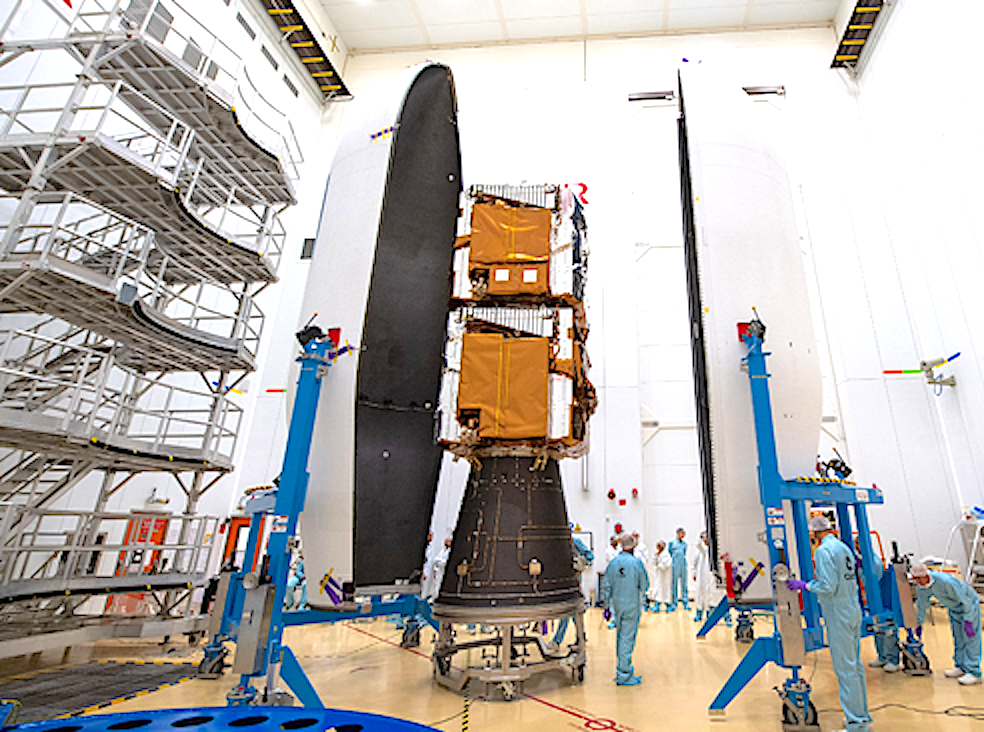
In mid-March this year, Beyond Gravity (formerly RUAG Space) was awarded a contract by United Launch Alliance (ULA)to develop and deliver the dispenser system for Amazon’s planned satellite constellation, Project Kuiper.

Project Kuiper aims to provide affordable, high-speed broadband connections around the world. Now, ULA has also awarded Beyond Gravity the contract to supply 38 payload fairings for the Vulcan rockets. These will protect the Amazon satellites from launch to deployment. To handle the volume, Beyond Gravity is doubling its production capacity in the U.S. and is working with ULA to build a new manufacturing facility at its site in Decatur, Alabama, by early 2024, creating 200 additional jobs, The 38 payload fairings for ULA will be manufactured at Beyond Gravity’s site in Decatur, Alabama. The new building measures more than 250,000 square feet of space, including 30,000 square feet of warehouse along with 20,000 square feet for offices and will initiate operations in early 2024.

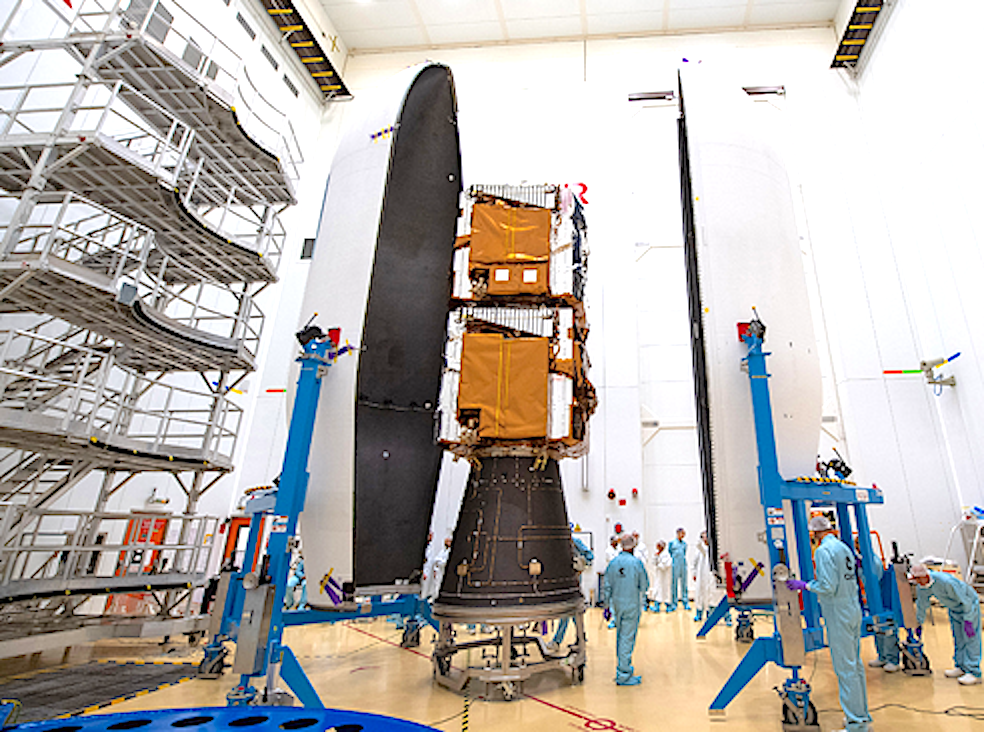
Fast, affordable internet worldwide — this is the promise of Amazon’s planned Kuiper satellite constellation, which aims to put 3,236 satellites into LEO. Back in March, Beyond Gravity secured a major contract directly from Amazon to develop and manufacture the customized, scalable dispenser systems. Beyond Gravity was also awarded the contract for the delivery of 38 shipsets to U.S. rocket builder United Launch Alliance (ULA) for its Vulcan rockets that will take Amazon’s Kuiper constellation into space. A shipset is comprise of three composite structures, which include a payload fairing (the top of the launch vehicle protecting the satellites on their way into orbit), the heat shield that protects the launch vehicle from the heat generated by the engine during launch, plus an interstage adapter that interfaces to the launcher’s upper stage.

Since 2015, ULA and Beyond Gravity have had a strategic partnership for the production of composite structures for the Atlas V rocket as well as the Vulcan Centaur launch vehicle.

André Wall, CEO of Beyond Gravity, said, “I am very proud that the Vulcan launch vehicles that will carry the Kuiper constellation into space rely on our leading-edge and proven technology in the field of composite structures. This contract with ULA marks the next chapter in our long-standing partnership and further strengthens and expands our presence in the U.S.”

Paul Horstink, who heads the Launchers Division as Executive Vice President, said, “Beyond Gravity has fantastic people with a high level of commitment and a clear focus on the needs of our customers. With this new facility, Beyond Gravity will move to the next level: from producing a total of 10 payload fairings in Decatur per year to a target of 25. Also, Beyond Gravity’s workforce in the U.S. will grow from just over 200 today to an expected 400 employees.”

“We have a long history of a strong partnership with Beyond Gravity and look forward to continuing the great work as we increase our launch rate for our Vulcan launch vehicle,” said Tory Bruno, CEO of ULA.

Filed Under: Featured, News

SIIS signs SkyFi as a partner enabling broader access to KOMPSAT satellite Imagery

October 24, 2022 by editorial

Recently, SI Imaging Services (SIIS) expanded their SAR imagery smallsats offerings via a new partnership agreement with SkyFi, giving that company access to SIIS’s VHR Korean Multi-Purpose Satellite (KOMPSAT) images.

SIIS is the sales representative of KOMPSAT series 2, 3, 3A, and 5. It contributes to the remote sensing and Earth Observation (EO) industries by supplying VHR optical and SAR satellite imagery through 160 partners worldwide.

KOMPSAT was developed under the Korean National Space Program by Korea Aerospace Research Institute (KARI). Customers from industries and governments use KOMPSAT imagery for their missions and research, such as defense, disaster monitoring, mapping, urban planning, agriculture, and so on.

The current marketplace for satellite imagery is convoluted and expensive. Typically, purchasers unable to spend six figures for images are shut out of the market. Those who can muster the minimum budget must negotiate with sales representatives and often find it difficult to nail down a firm price. SkyFi provides a special platform which empowers individuals and organizations to browse images, self-select the ones they want, pay a reasonable, transparent fee, and receive their photos in a few days.

Incorporating SIIS’s KOMPSAT data into its in-network constellation gives SkyFi additional, LEO image sources as well as access to their partner’s archive of existing photos. More images in a larger library translates to more choices and more precision for end-users. The ability to market the existing imagery is instrumental in their mission to democratize EO and simplify the way businesses and individuals purchase satellite photos by making them available through a user-friendly marketplace accessible by desktop computer and mobile device.

“SkyFi is extremely excited to partner with SIIS, a leader in the industry with earth observation solutions,” said SkyFi Chief Executive Officer, Luke Fischer. “With SIIS’s very high-resolution satellite imagery, SkyFi will be able to provide consumers of all types with a superior product. SIIS and SkyFi share a vision of establishing transparency to the earth observation industry and are excited to bring this vision to consumers.”

“Through the partnership with SkyFi, SIIS expects more visibility and accessibility of our very high-resolution KOMPSAT imagery for a broader customer base across various sectors,” said Moongyu Kim, CEO of SIIS. “SkyFi’s platform gives innovative and intuitive user experiences to customers in acquiring satellite images from various providers without forcing them to wade through any (space) jargon.”

Filed Under: Featured, News

Solstar to provide assured communications for deorbiting LEO satellites

October 18, 2022 by editorial

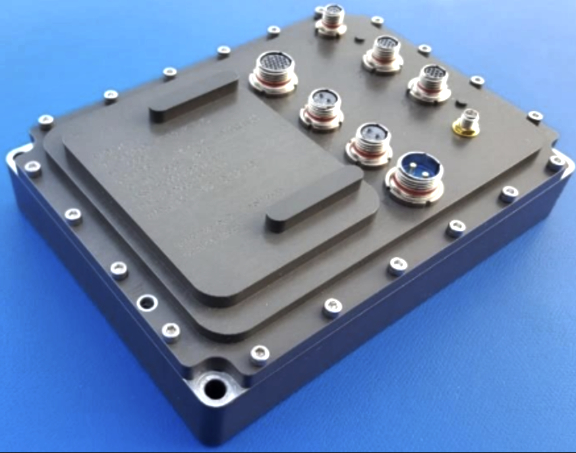
Solstar Space (Solstar) and their Deke Space Communicator will provide a cost-effective and easy communications solution to support end-of-life decommissioning of spacecraft. When installed on satellites prior to initial launch, the Solstar Deke Space Communicator will give satellite operators persistent communications with LEO assets, even when out of range of ground stations.

“When installed on space-based assets prior to launch, Deke Space Communicators will make it simple for satellite operators and constellation owners to communicate with spacecraft to comply with regulations aimed at managing space debris. In addition, it can provide timely connectivity that supports anomaly resolution actions and collision avoidance maneuvers,” said Brian Barnett, CEO, Solstar Space. “Any organization launching spacecraft into low earth orbit has a responsibility to ensure there are redundant systems onboard for monitoring, managing, and deorbiting assets throughout the lifecycle. This will become a necessity as LEO becomes increasingly congested.”

“With the Deke Space Communicator designed into spacecraft during manufacturing, it provides a method for deorbiting LEO assets at the end-of-life, thereby avoiding creation of even more space debris in the future. This small, lightweight, and reliable communications solution is straightforward to add to any spacecraft. It will provide a narrowband connection designed to allow satellite operators to issue commands immediately instead of waiting for a ground station to come into view of the satellite. This instantaneous communications path provides peace of mind and ensures long-term security for LEO spacecraft,” said Paul Frey, Director, Product Development, Solstar Space. “Earlier prototypes of the Deke Space Communicator demonstrated persistent communications aboard Blue Origin New Shepard and sounding rocket flights. Providing a plug and play solution that will safeguard the future of spaceflight and space exploration by helping to manage space debris is a central mission for our crew here at Solstar.”

Filed Under: Featured, News

The Exploration Company selects Benchmark Space Systems Propulsion System to power their ‘Mission Possible’ demonstrator flight

October 18, 2022 by editorial

The Exploration Company has selected Benchmark Space Systems propulsion system to power their ‘Mission Possible’ demonstrator flight.

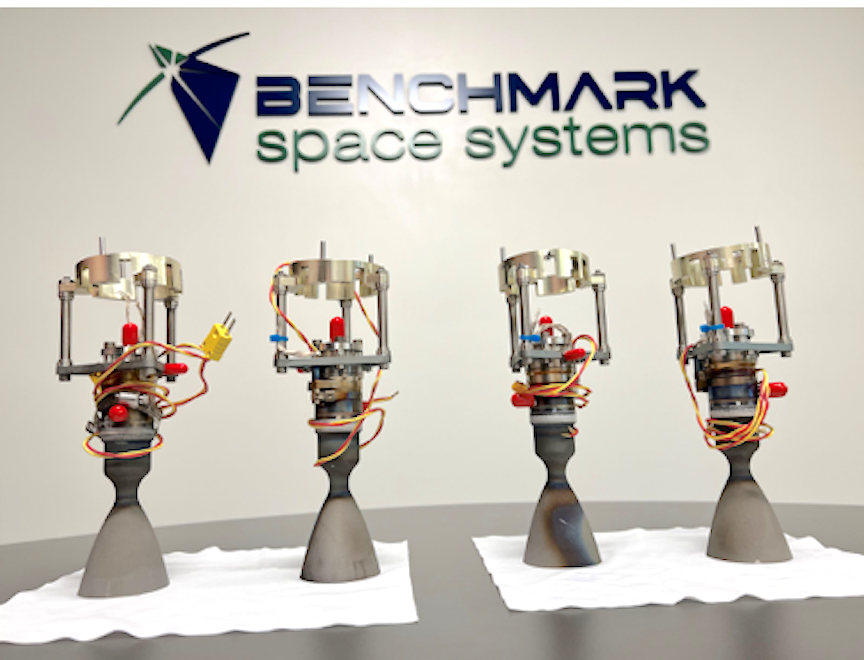
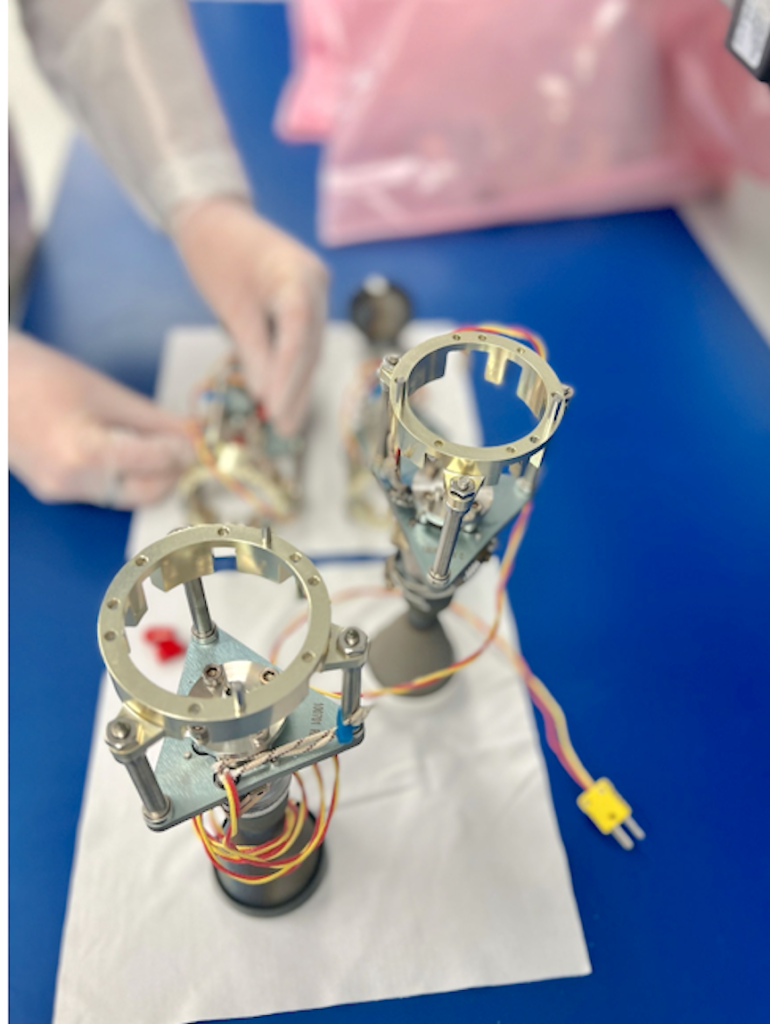
Under a collaborative agreement, Benchmark and The Exploration Company will work together to develop an innovative propulsion system that will use non-toxic, high-test, peroxide propellant, in line with The Exploration Company’s long-term commitment towards reusability and sustainability. The system will be based on Benchmark’s flight-proven Halcyon Avant propulsion system, featuring Benchmark’s 22N “Ocelot” bi-propellant (HTP + IPA) thrusters.

Benchmark will be responsible for the design, manufacturing, verification and delivery of the propulsion equipment and assemblies, such as the thruster assembly and the propellant tanks.

The Exploration Company will be responsible for the design, verification and qualification of the overall propulsion system, including the coordination of the interface between the demonstration capsule ‘Nyx’ and the propulsion system.

The Exploration Company scheduled its launch of the demonstration Mission Possible in 2024 with the main objective to perform a safe re-entry of the capsule that will host payloads from first customers. Moreover, the target is to perform a safe splash-down in the ocean, including recovery.

“We are thrilled to bring our proven non-toxic propulsion solutions to power The Exploration Company’s upcoming in-orbit vehicle demonstrator mission,” said Ryan McDevitt, Chief Executive Officer at Benchmark Space Systems.

“Thanks to the collaboration with Benchmark Space Systems, we will be able to test our technology in a real environment that allows us to accelerate and de-risk our technology roadmap,” said Jon Reijneveld, Chief Engineer at The Exploration Company. “The propulsion system that will be developed for the demonstration mission will lower the barriers for the planned maiden flight of our orbital vehicle Nyx Earth.”

Filed Under: Featured, News

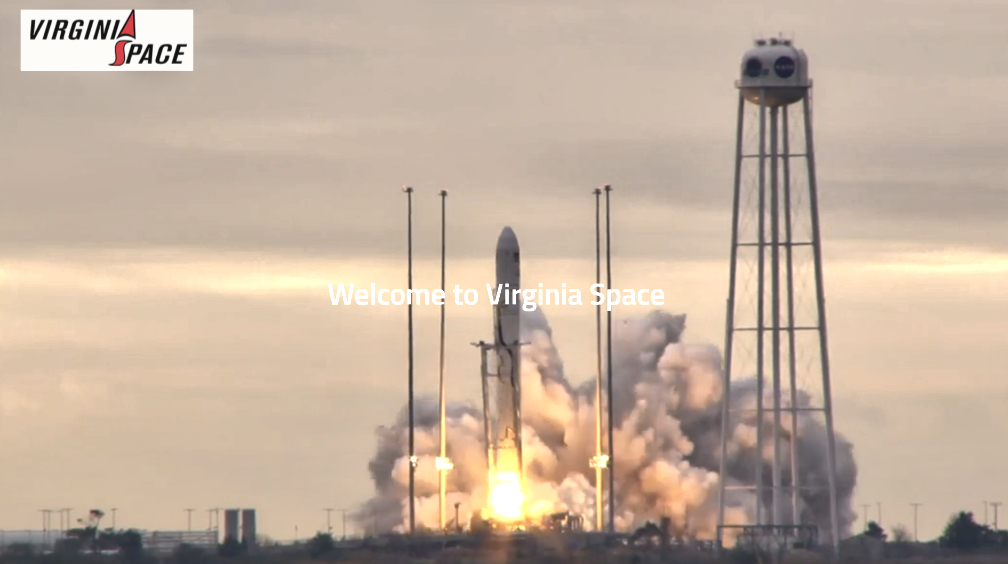
Rocket Lab’s Electron arrives at Wallops Launch Complex 2 for the firm’s 1st launch from Virginia

October 13, 2022 by editorial

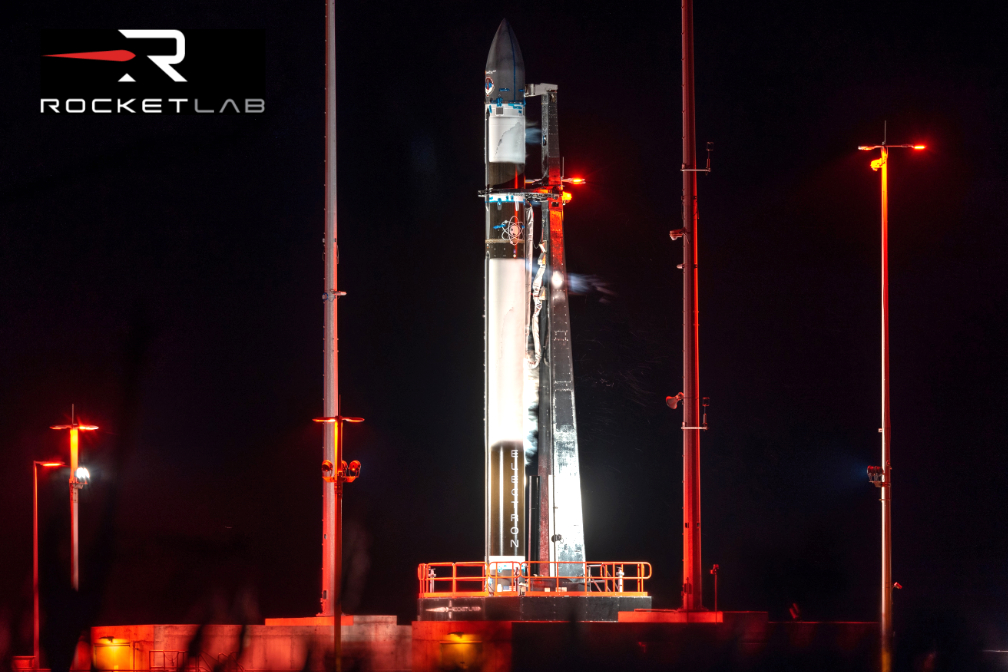
Rocket Lab USA, Inc.’s Electron rocket has arrived at Launch Complex 2 within NASA’s Wallops Flight Facility in Virginia to launch the company’s first mission from U.S. soil.

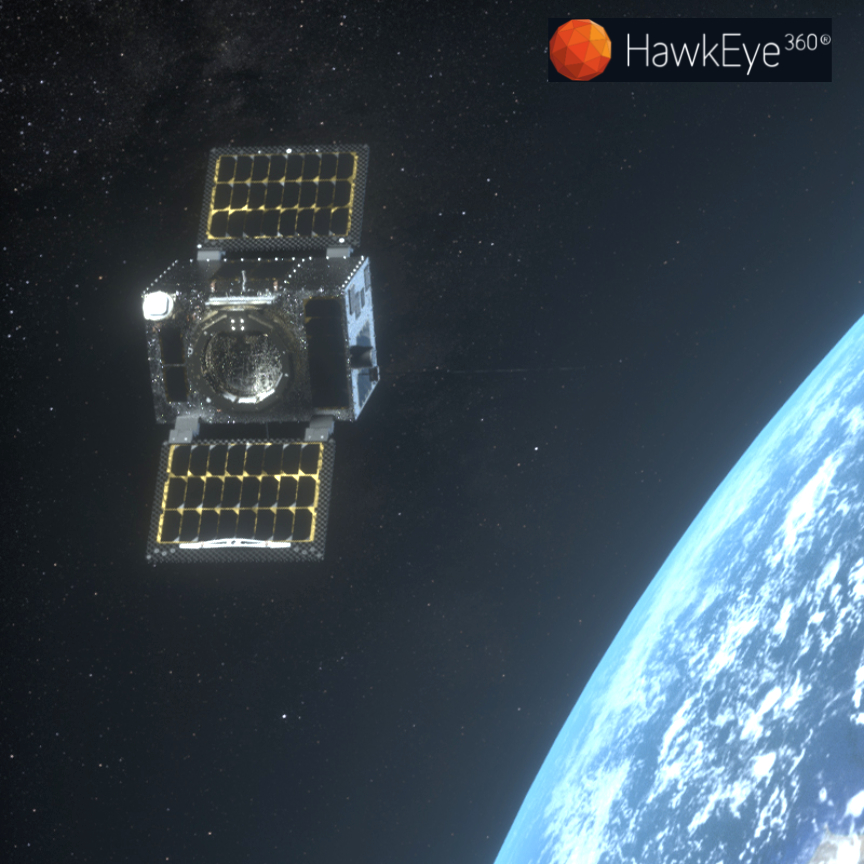
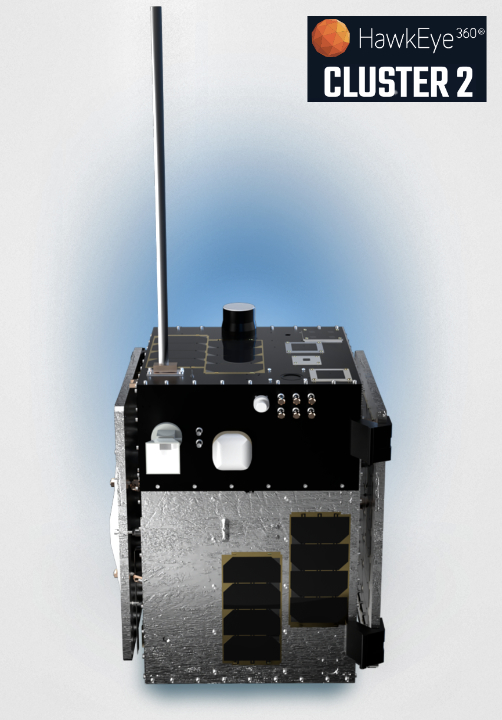
The mission will deploy satellites for radio frequency (RF) geospatial analytics provider HawkEye 360. The launch pad was developed to support Electron missions from U.S. soil for government and commercial customers. Encouraged by NASA’s recent progress in certifying its Autonomous Flight Termination Unit (NAFTU) software, which is required to enable Electron launches from Virginia, Rocket Lab has scheduled the mission from Launch Complex 2 to occur in December of 2022.

Rocket Lab will now start final launch preparations that includes a standard launch dress rehearsal and payload integration at th company’s dedicated Integration and Control Facility near the launch site.

Launch Complex 2 (pictured below) supplements Rocket Lab’s existing site, Launch Complex 1, in New Zealand, from which 31 Electron missions have already launched. The two launch complexes combined can support more than 130 launch opportunities every year, delivering flexibility for rapid, responsive launch for government and commercial satellite operators. The launch pad and production complex for Rocket Lab’s large reusable Neutron launch vehicle will also be located at the Mid-Atlantic Regional Spaceport, streamlining operations across small and large launch opportunities.

The mission will be the first of three Electron launches for HawkEye 360 in a contract that will seethe firm deliver 15 satellites to LEO between late 2022 and 2024. These missions will grow the number of HawkEye 360’s constellation of RF monitoring satellites, enabling the firm to better deliver precise mapping of RF emissions anywhere in the world. Supporting Rocket Lab’s vertical integration strategy, Rocket Lab will also supply HawkEye 360 with separation systems produced by Planetary Systems Corporation, a Maryland-based space hardware company acquired by Rocket Lab in December 2021.

“We are looking forward to seeing Electron take to Virginia skies for the first time very soon,” said Rocket Lab founder and CEO, Peter Beck. “Rocket Lab has been providing reliable and responsive access to orbit for more than four and a half years with Electron and we’re excited to build on that strong heritage by unlocking a new path to orbit from right here on Virginia’s Eastern Shore. We are delighted to be working with the dedicated teams at NASA, Virginia Space, Accomack County and HawkEye 360 to launch this historic mission and begin a new era of space access.”

Filed Under: Featured, News

AAC Clyde Space’s IOD-3 Amber is ready for the company’s first UK satellite launch

October 12, 2022 by editorial

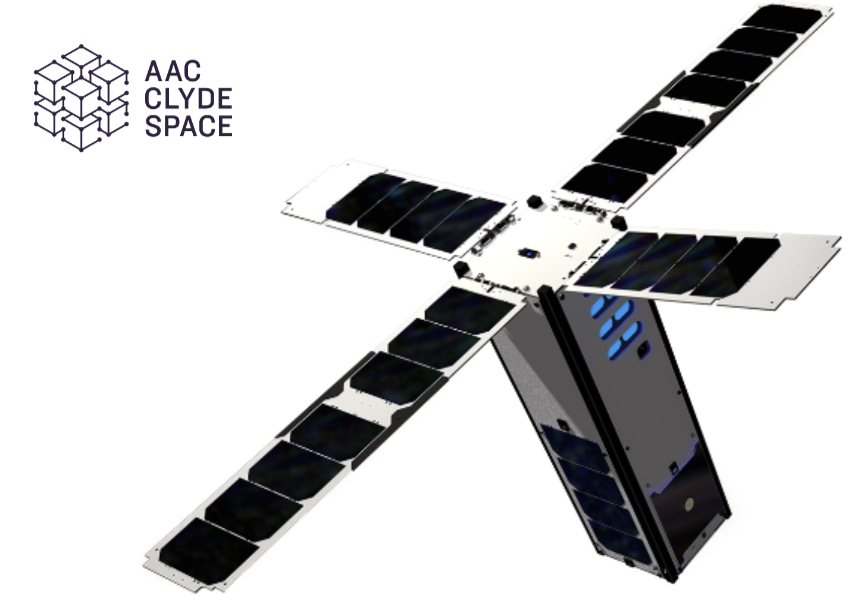
AAC Clyde Space’s has shipped the smallsat IOD-3 Amber™ to the launch site at Cornwall Spaceport where it has been prepared for launch on a Virgin Orbit launch vehicle, the first ever launch from UK soil — the launch is planned to take place before year-end.

AAC Clyde Space’s IOD-3 Amber smallsat. Photo is courtesy of the company.

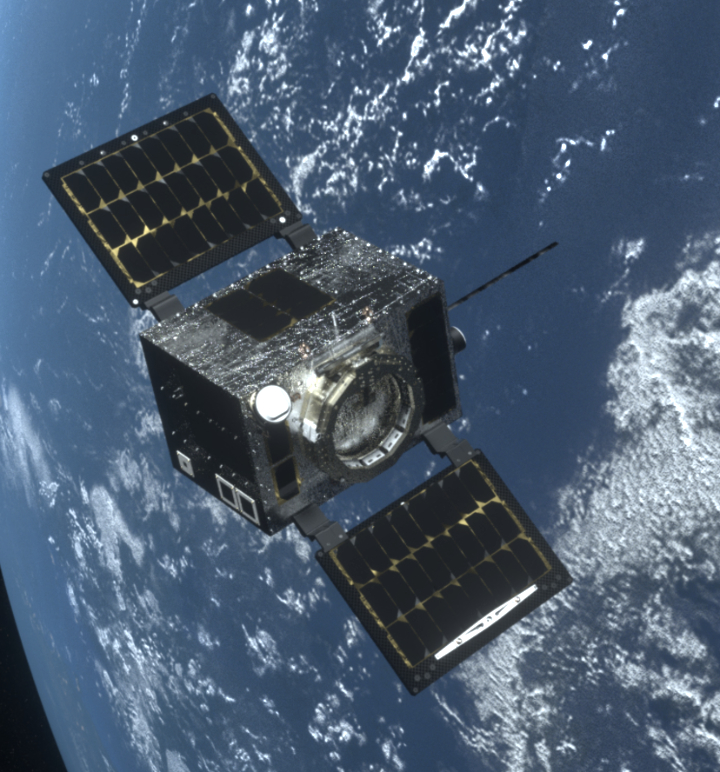
IOD-3 Amber forms part of the Satellite Applications Catapult’s In-Orbit Demonstration (IOD) program, which supports UK businesses to rapidly develop and launch a satellite data service into orbit. The 6U cubesat has been developed by the Satellite Applications Catapult, Horizon Technologies, the UK Space Agency and was designed and built by AAC Clyde Space.

This satellite is designed for communication missions and carries Horizon Space Technologies’ AMBER Payload, dedicated to delivering Maritime Domain Awareness intelligence data. It is highly integrated and uses in-built precision engineered avionics with decades of heritage from AAC Clyde Space’s widely used subsystems.

IOD-3 Amber will be able to locate and track vessels worldwide by geolocating and demodulating RF signals in a system that can be used to fight piracy, illegal trans-shipments, illegal fishing, and refugee smuggling, but can also be used for other purposes such as detecting and tracking a variety of RF emitters. The satellite will be the first of more than 20 in Horizon’s planned Amber constellation.

“The entire team at Horizon Technologies applauds this critical step in our path to orbit. We have been working closely with AAC Clyde Space and the Satellite Applications Catapult for many months now, and it’s great to see that our customers are now closer to receiving the unique dataset from the Amber™ constellation,” said John Beckner, CEO of Horizon Technologies

“This inaugural launch illustrates the strength of the UK space industry, placing several domestically developed cutting edge small satellites into orbit. AAC Clyde Space is proud to have a central role in the UK’s development of a sustainable, commercial small satellite launch market,” said AAC Clyde Space CEO, Luis Gomes.

“Glasgow is a global hub of small satellite manufacturing, pioneered by companies like AAC Clyde Space and supported by a thriving sector across the country. We’re building a sustainable, commercial launch market to give these companies access to space from UK soil and catalyse investment from all over the world. As we countdown to the first launch from Spaceport Cornwall, it’s very encouraging and exciting to see British-built satellites, including IOD-3 Amber, beginning their journey to orbit from the UK,” said Ian Annett, Deputy CEO of the UK Space Agency.

Filed Under: Featured, News

With the manifest complete, Virgin Orbit’s flight hardware is heading to Spaceport Cornwall for the 1st orbital launch from U.K. soil

October 11, 2022 by editorial

The countdown to Cornwall has begun as Virgin Orbit (Nasdaq: VORB) readies for Start Me Up, the newly-titled, forthcoming, historic launch from the United Kingdom.

Virgin Orbit’s Cosmic Girl sends Launcher One on its mission. Photo is courtesy of the company.

The launch provider’s carrier aircraft, ground support equipment (GSE) and rocket will depart this week from California following the first round of now completed, wet dress rehearsals. On track for a November launch, Start Me Up is led by a joint mission between the U.S. and U.K. governments, launched by Virgin Orbit, the United Kingdom Space Agency (UKSA), UK Space Command, and Spaceport Cornwall.

Artistic rendition of Virgin Orbit’s Launcher One deploying a smallsat to orbit. Image courtesy of the company.

Start Me Up will be a launch of many firsts: the first orbital launch ever from the United Kingdom; the first international launch for Virgin Orbit, and the first commercial launch from Western Europe.

The first of the company’s hardware will begin its transport to Cornwall, U.K. on Sunday, October 9th, due to arrive at Spaceport Cornwall on Tuesday, October 11th, with the GSE and rocket quickly following later in the week.

This will be the fifth consecutive Virgin Orbit launch to carry payloads for both private companies and governmental agencies. The flight manifest, now completely full, includes payloads from seven global customers, a testament to the flexibility and possibilities offered through responsive launch solutions.

The launch service was acquired by the National Reconnaissance Office (NRO) from Virgin Orbit National Systems, a Virgin Orbit U.S. subsidiary serving classified customers, as the first task order on NRO’s Streamlined Launch Indefinite Delivery, Indefinite Quantity Contract or “SLIC.”

The Start Me Up manifest includes:

  • IOD-3 AMBER (aka IOD-3) — Developed by Satellite Applications Catapult (“SA Catapult”) and Horizon Technologies and built by AAC Clyde Space, all based in the U.K. IOD-3 Amber is expected to be the first of more than 20 Amber satellites to provide space-based Maritime Domain Awareness (MDA) data to users.
  • Prometheus-2 —Two cubesats owned by the U.K. Ministry of Defense’s (MOD) Defense Science & Technology Laboratory Dstl. These satellites, co-funded with Airbus Defence and Space who are designing them jointly with In-Space Missions, will support MOD science and technology (S&T) activities on-orbit and on the ground through the development of ground systems focused at Dstl’s site near Portsmouth.
  • CIRCE (Coordinated Ionospheric Reconstruction CubeSat Experiment) — CIRCE is part of a joint mission between the U.K.’s Defense Science and Technology Laboratory and the U.S. Naval Research Laboratory (NRL).
  • DOVER — Developed by RHEA Group in the UK, this is the company’s first satellite in its 30 year history. The satellite is being co-funded through the European Space Agency’s (ESA) Navigation Program (NAVISP) and built by Open Cosmos of the United Kingdom. DOVER is a smallsat that was created as a pathfinder for resilient global navigation satellite systems.
  • ForgeStar-0 — Developed by Space Forge of Wales, the satellite is a fully returnable and reusable platform to enable in-space manufacturing. This launch will be the first for the company’s ForgeStar platform and will test future returns from space technology.
  • AMAN – Oman’s first orbital mission, it is a single, Earth Observation (EO) satellite meant to demonstrate the future feasibility of a larger constellation and was developed after a memorandum of understanding among the Sultanate of Oman, Polish smallsat manufacturer and operator SatRev, Poland-originated AI data analytics specialists TUATARA, and Omani-based merging technology innovator ETCO. The agreement includes additional planned small satellites, including this, the first in Oman’s history.
  • STORK-6 — STORK-6 is the next installment of Polish smallsat manufacturer and operator SatRev’s STORK constellation. Virgin Orbit previously launched two spacecraft in this constellation on a previous launch and looks forward to continuing to launch SatRev’s STORK spacecraft in the future. The missions of these satellites span a wide range of activities aimed at improving life on planet Earth, including reducing the environmental impact of production; preventing illegal trafficking, smuggling, and terrorism; and a host of national security functions.

Virgin Orbit has been working closely with the United Kingdom’s Civil Aviation Authority (CAA), the Royal Air Force (RAF), and the Spaceport Cornwall team to make all necessary preparations for liftoff.

Start Me Up is so named as a tribute to one of the most iconic British rock and roll bands of all time, the Rolling Stones. The hit song debuted on the 1981 album Tattoo You and was later released on the Forty Licks compilation by Virgin Records in 2002.

Dan Hart, CEO of Virgin Orbit, said, “What an incredible honor it is for us to be part of something as monumental as bringing Britain into the business of launch. Working with our partners across the UK government, we’re starting up a new capability that will serve the people, the economy, and the security of the UK.”

U.K. Minister of Science, Nusrat Ghani, said, “As we move ever closer to the first satellite launch from U.K. soil, it’s excellent to see the progress being made by Virgin Orbit, Spaceport Cornwall and those across government in delivering this historic mission, the first of its kind in Europe. With 47,000 jobs across the U.K., our growing space industry is a vital part of the economy and has an important role to play in catalysing investment, generating growth and prosperity. I’m looking forward to working with this innovative sector and delivering on our National Space Strategy.”

Ian Annett, Deputy CEO at the U.K. Space Agency, said, “Seeing Virgin Orbit’s aircraft take off is an exciting reminder that we are close to the first launch from U.K. soil and first launch of a satellite from Europe. This will be an iconic moment in the history of U.K. space endeavors, so it is fitting that the mission has been named after a song from the Rolling Stones, one of the U.K.’s most iconic bands.”

Air Vice-Marshal Paul Godfrey (Commander, U.K. Space Command), said, “The completion of the fuelling and pressurisation dress rehearsals in the USA, and the announcement of the mission name and manifest, has started countdown to launch from the U.K. I’ve seen first-hand the hard work and collaboration that has gone into making this happen, and we can now look forward to Virgin Orbit’s arrival in Cornwall. The very first space launch, carrying government and industry satellite payloads, marks Start Me Up as a historic moment for the United Kingdom. Developing new launch capabilities will build on the strengths of our space sector and attract companies from around the world to benefit from these commercial opportunities. This will catalyze investment, bring new jobs to communities and organisations right across the U.K., as well as inspiring the next generation of space scientists and engineers.”

Melissa Thorpe, Head of Spaceport Cornwall, said, “It’s time to Start Us Up! This is a huge moment for us all in Cornwall as the journey to U.K. space launch has officially begun. The mission name and patch reflect and embrace the incredible partnerships between our two countries and teams.”

Filed Under: Featured, News

Rocket Factory Augsburg + Spaceflight sign an MOU for upcoming launches

September 20, 2022 by editorial

Spaceflight Inc. has signed a Memorandum of Understanding (MOU) for upcoming launches with Rocket Factory Augsburg AG (RFA) — this agreement formalizes the plan for Spaceflight to fly their Sherpa® orbital transfer vehicles (OTVs) and other rideshare payloads on upcoming RFA missions from a variety of European launch sites, including from facilities in the United Kingdom, French Guiana and others — the companies are targeting mid-2024 for their first launch.

Leveraging its location in the hub of the German automobile manufacturing industry, RFA is minimizing launch system costs with its serial production and assembly approach. RFA ONE, a three-stage, 30-meter rocket can deliver up to 1,350 kg. to a polar Earth orbit.

The company successfully completed the first test campaign of their Helix flight configuration engine in July of 2022, confirming the firm’s milestone traction toward service commercialization. RFA has already signed launch contracts with the German government and about a dozen customers for launches starting in 2023. The RFA ONE rocket is expected to launch as many as 50 times a year in the future, delivering satellites into near-Earth orbit quickly and reliably at a highly competitive price point.

Artistic rendition of RFA’s RFA ONE, rocket, courtesy of the company.

Spaceflight’s Sherpa family of space vehicles are designed to minimize development timelines while maximizing launch schedule reliability and mission assurance. Beyond functioning as a port expander, the modular and flexible transportation vehicles bridge the gap between where a launch vehicle drops its satellites off and the satellites’ final destination orbit – whether that’s LEO, trans-lunar and low-lunar orbits, or beyond to GEO. In addition to precise orbit insertion, Sherpa OTVs support payload hosting, as well as in-space servicing, such as spacecraft maintenance, infrastructure development and debris mitigation.

Earlier this month, Spaceflight successfully launched Sherpa-LTC, the company’s chemical propulsive OTV onboard a SpaceX Starlink mission. The high-thrust propulsive Sherpa successfully deployed from the Falcon 9 and is targeting a 310 km. circular orbit before igniting and transporting a customer payload to a 1,000 km. circular orbit. Previously, the company launched 50 payloads in 2021 from three different Sherpa OTVs, establishing a strong history of success with the program.

“Spaceflight pioneered and truly defined the rideshare market and we’re very excited to partner with them on future launches,” said Jörn Spurmann, Chief Commercial Officer of RFA. “Together with Spaceflight’s unmatched launch and in-space transportation expertise, we can provide the industry with more launch flexibility and options for competitively priced launches to LEO and beyond.”

“The demand for access to cost-effective, last-mile delivery launches is growing rapidly from customers with payloads of all sizes and types,” said Curt Blake, CEO and president of Spaceflight. “Having many different launch options across different price points, orbital destinations, and facility locations are all very important to our savvy spacecraft developer customers. RFA brings increased price competitiveness and launch frequency from many different launch locations throughout Europe. We’re looking forward to extending our launch vehicle portfolio for Sherpa OTVs and rideshare services to now include RFA ONE, and wish them well on their upcoming maiden flight.”

Filed Under: Featured, News

Spire Global’s space services agreement with GHGSat will launch satellites for greenhouse gas emissions monitoring

September 16, 2022 by editorial

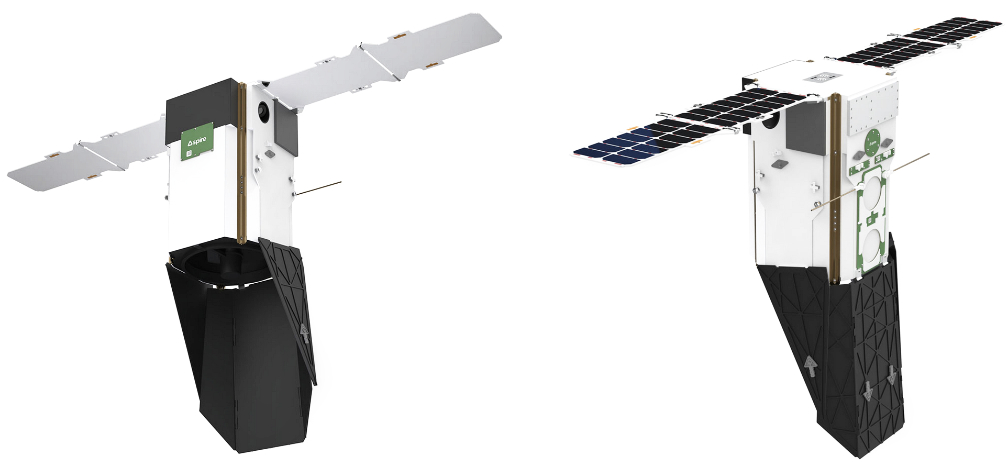
Three Spire 16U satellites carrying GHGSat’s payload will collect data on greenhouse gas emissions critical to helping organizations across the globe reduce their carbon footprint

Spire Global, Inc., provider of space-based data, analytics and space services, announced a Space Services agreement with GHGSat, a leader in high-resolution methane monitoring from space, to expand its satellite constellation for greenhouse gas emissions monitoring. Under the agreement, Spire will launch three 16U satellites in 2023 that will carry GHGSat’s payload and provide the company with Spire’s robust, scalable, and simple-to-integrate API to effortlessly receive its data and operate its payloads.

Spire’s more than 350 years of space heritage will help GHGSat, which currently operates six small satellites, meet growing demand for its business of providing timely, accurate measurements of methane emissions from industrial sites worldwide. The data collected by its payload is used to monitor emissions from carbon-intensive industries such as oil and gas, coal mining, waste management and agriculture. GHGSat’s services are critical to detect methane leaks, quantify emissions inventories, support mitigation strategies, and help operators achieve their net-zero targets. Governments, research institutes and international organizations such as UNEP’s International Methane Emissions Observatory (IMEO) also require transparent and accurate emissions data to better understand the industrial carbon footprint and advise on the most productive mitigation actions to fight climate change today.

“Monitoring greenhouse gas emissions to help fight climate change is a perfect example of how data from space can provide insights into the biggest challenges facing humanity,” said Joel Spark, Co-Founder and General Manager, Space Services, Spire. “We’re proud that GHGSat chose to leverage Spire’s proven space platform, end-to-end manufacturing facility, global ground station network and mission operations system to efficiently scale its constellation. Taking the complexity out of space so that great companies like GHGSat can focus on their core mission and solve global problems is exactly why we developed our Space Services offering.”

Spire Space Services has a subscription model that eliminates the upfront costs of building and maintaining infrastructure in space. Commercial and government organizations can deploy and operate a constellation of satellites, a hosted payload, or a software application in space with Spire’s established space, ground, and web infrastructure. Spire handles the end-to-end management, from manufacturing to launch to satellite operations, and the customer operates the system through a web API.

“Hosting GHGSat payloads on Spire satellites allows us to focus on monitoring rather than on satellite manufacturing and operations,” said Stephane Germain, CEO of GHGSat. “Having successfully completed and launched our initial satellite assets, GHGSat plans to add hosted payload solutions to complement our full satellite solutions to accelerate monitoring. We expect to seamlessly manage these three hosted payloads as part of our growing constellation of satellites and payloads in orbit, providing more facility-level emissions measurements for our customers at the lowest detection threshold available in the world today.”

Filed Under: Featured, News

  • « Go to Previous Page
  • Page 1
  • Interim pages omitted …
  • Page 30
  • Page 31
  • Page 32
  • Page 33
  • Page 34
  • Interim pages omitted …
  • Page 60
  • Go to Next Page »

Primary Sidebar

WEEKLY NEWSLETTER

Archives

  • June 2026
  • May 2026
  • April 2026
  • March 2026
  • February 2026
  • January 2026
  • December 2025
  • November 2025
  • October 2025
  • September 2025
  • August 2025
  • July 2025
  • June 2025
  • May 2025
  • April 2025
  • March 2025
  • February 2025
  • January 2025
  • December 2024
  • November 2024
  • October 2024
  • September 2024
  • August 2024
  • July 2024
  • June 2024
  • May 2024
  • April 2024
  • March 2024
  • February 2024
  • January 2024
  • December 2023
  • November 2023
  • October 2023
  • September 2023
  • August 2023
  • July 2023
  • June 2023
  • May 2023
  • April 2023
  • March 2023
  • February 2023
  • January 2023
  • December 2022
  • November 2022
  • October 2022
  • September 2022
  • August 2022
  • July 2022
  • June 2022
  • May 2022
  • April 2022
  • March 2022
  • February 2022
  • January 2022
  • December 2021
  • November 2021
  • October 2021
  • September 2021
  • August 2021
  • July 2021
  • June 2021
  • May 2021
  • April 2021
  • March 2021
  • February 2021
  • January 2021
  • December 2020
  • November 2020
  • October 2020
  • September 2020
  • August 2020
  • July 2020
  • June 2020
  • May 2020
  • April 2020
  • March 2020
  • February 2020
  • January 2020
  • December 2019
  • November 2019
  • October 2019

© 2019–2026 SatNews

Insert/edit link

Enter the destination URL

Or link to existing content

    No search term specified. Showing recent items. Search or use up and down arrow keys to select an item.
      x
      Sign Up Now!

      Enjoy a free weekly newsletter with recent headlines from the global SmallSat industry.

      Invalid email address
      We promise not to spam you. You can unsubscribe at any time.
      Thanks for subscribing! You will now receive weekly SmallSat News updates.
      We love our advertisers.
      And you will too!

      Please disable Ad Blocker to continue... We promise to keep it unobtrusive.
      We promise not to spam you. You can unsubscribe at any time.
      Invalid email address
      Thanks for subscribing!