
• Skip to main content
  • Skip to primary sidebar
  • Home
  • News
  • Featured
  • More News ⌄
    • SatNews
    • SatMagazine
    • MilSatMagazine
  • Events ⌄
    • MilSat Symposium
    • SmallSat Symposium
    • Satellite Innovation
  • Contacts
  • SUBSCRIPTION

SmallSat News

You are here: Home / Archives for News

News

Fraunhofer IIS brings satellites into the 5G era

April 5, 2025 by editorial

Fraunhofer IIS has now researched a splitting method that allows satellites of different classes to be integrated into the 5G network—despite that shortcoming.

With 5G, communication on the ground is to merge with space for the first time to form non-terrestrial networks, in which satellites can completely take over the role of base stations. However, the technical challenges to be resolved are enormous: the existing mobile communications standards are not designed to allow signals to cover thousands of kilometers with the associated latency.

Although the satellites themselves are increasingly being equipped with intelligent on-board processors, they are still reaching their performance limits.

Fraunhofer IIS has successfully demonstrated in the lab how satellites can be integrated into mobile communications, even if their performance falls short. To do this, the researchers split a 5G base station in half, so that only part of the signal processing is moved into space while the rest remains on the ground. This allows the satellites to be active players in the network and support wireless communications while minimizing the use of computing power, energy, and resources.

For the experiment, Fraunhofer IIS used a channel emulator to realistically recreate the extreme conditions of space. This made it possible to simulate the connection to a geostationary satellite located at an altitude of 36,000 kilometers. Fraunhofer IIS used the DVB-S2X satellite communication standard to connect the base station and link the two split components together. Finally, part of the base station ran on a commercially available field-programmable gate array (FPGA), which could conceivably be used on future satellites.

After all, the industry is focused on building cost-effective satellites with robust and energy-efficient components,” said Rainer Wansch, Head of the RF and SatCom Systems Department at Fraunhofer IIS. “Our splitting method opens the door to new and more complex architectures,” Wansch says. That’s because splitting makes it possible to distribute and design functions and tasks variably across different satellite orbits and performance classes. This is particularly relevant for the development of future 6G mobile communications, which are set to integrate not only satellites but also airborne platforms such as drones or aircraft.”

This demonstration of the splitting method is Fraunhofer IIS’s contribution to the TRANTOR project, which the European Commission is funding to prepare the transition of satellite communications from 5G to 6G. By consistently integrating satellites into mobile networks, research and industry hope to create a dense and universally available communications network that is highly resilient, even in crisis situations.
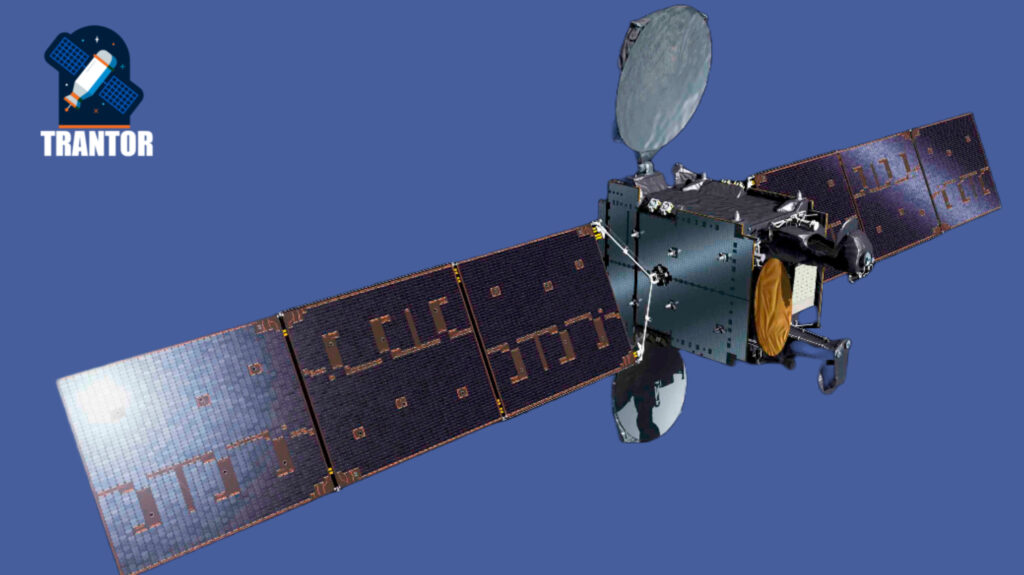
Fraunhofer IIS is currently working on this in numerous other research projects; it’s also involved in 5G standardization through its role on the 3rd Generation Partnership Project (3GPP). Last year, the research institute was appointed to the Steering Board of the newly founded NTN Forum of the European Space Agency (ESA). 

Filed Under: News

MDA Space acquiring SatixFy

April 4, 2025 by editorial

MDA Space Ltd. (TSX:MDA) and SatixFy Communications Ltd. (NYSE American: SATX) have entered into a definitive agreement under which MDA Space will acquire all outstanding shares of SatixFy in an all-cash transaction for $2.10 per share—this transaction, which represents an equity value for SatixFy of approximately $193 million (approximately C$278 million), is expected to further enhance the end-to-end satellite systems offering of MDA Space as demand for next generation digital satellite communications continues to accelerate.

Founded in 2012, SatixFy is a supplier of cutting-edge semiconductors and solutions for the space and the satellite communications value chain. SatixFy’s technology enables satellite broadband and direct-to-device constellations with its radiation hardened digital beamformers enabling them to generate hundreds of beams, designed to significantly improve satellite performance and decrease cost.

SatixFy has invested approximately $270 million in research and development to date, and once closed, the transaction will bring to MDA Space a differentiated technology portfolio including more than 60 patents issued and pending, as well as a talented and largely specialized technical employee base of approximately 165 people globally. In addition to chips to support satellite payload solutions and satellite communications, the SatixFy portfolio includes gateways, multi-beam digital antennas, user terminals and modems.

The market for software-defined digital satellite constellations is rapidly expanding, driven by increased demand for satellite-based broadband, direct-to-device connectivity and IoT. Market research firm NSR forecasts that more than 89% of all communications satellites built in the ten years between 2023 and 2032 will include some level of software-defined technology.

The acquisition of SatixFy is expected to enhance MDA Space’s capabilities in this growing digital satellite communications market by:

  • Adding complementary technology and a rich IP portfolio to enable end-to-end satellite communications solutions and expand offerings by combining MDA Space technology and capabilities in digital LEO and MEO satellites (MDA AURORA™) with SatixFy’s space grade chips and communications systems


  • Vertically integrating a key and differentiated technology provider for MDA Space Satellite Systems business
  • Adding a highly specialized and complementary technical team to MDA Space
  • Aligning the technology roadmap for MDA Space next generation software-defined digital satellites to continue to meet evolving needs of customers

With this acquisition MDA Space is taking a logical next step to further reinforce our technical differentiation as the global market transitions from analog to digital satellite technology,” said Mike Greenley, Chief Executive Officer of MDA Space. “Similar to MDA Space, SatixFy is an innovation company at its core, and bringing these two highly skilled teams together adds complementary expertise and technology that will allow us to further enhance our value proposition for current and future customers by providing vertically integrated and differentiated digital satellite solutions.”

SatixFy has consistently aimed to revolutionize the market with digital chip-based solutions while establishing a world-leading space technology company. Joining MDA Space marks a significant milestone in that journey,” said Nir Barkan, Chief Executive Officer of SatixFy. “This transaction is a testament to the innovation and dedication of our employees over the past decade. It will provide the scale, resources, and stability needed to continue delivering groundbreaking solutions for our customers.”

Filed Under: Featured, News

KONGSBERG to deliver 280 microsatellites to SpinLaunch’s LEO SATCOM constellation

April 4, 2025 by editorial

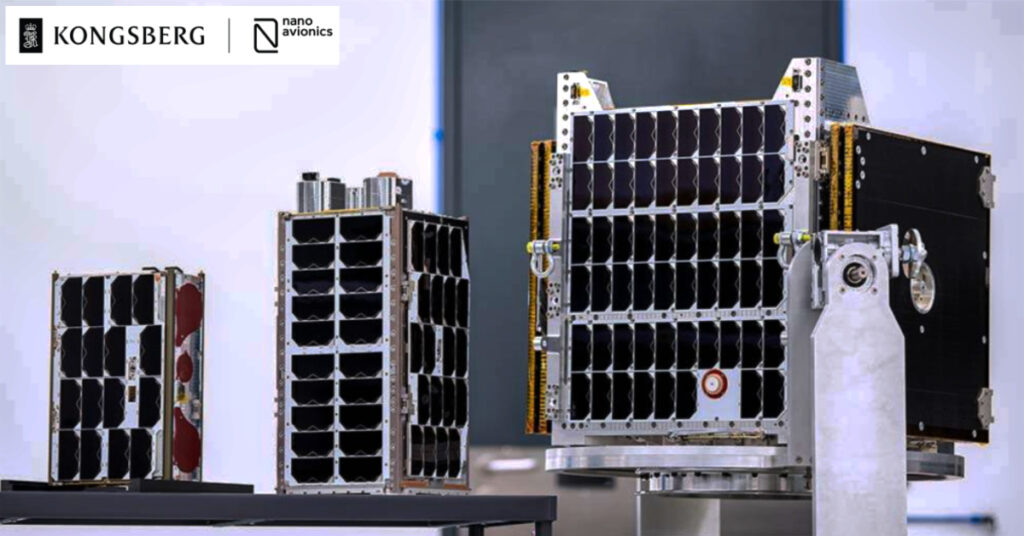
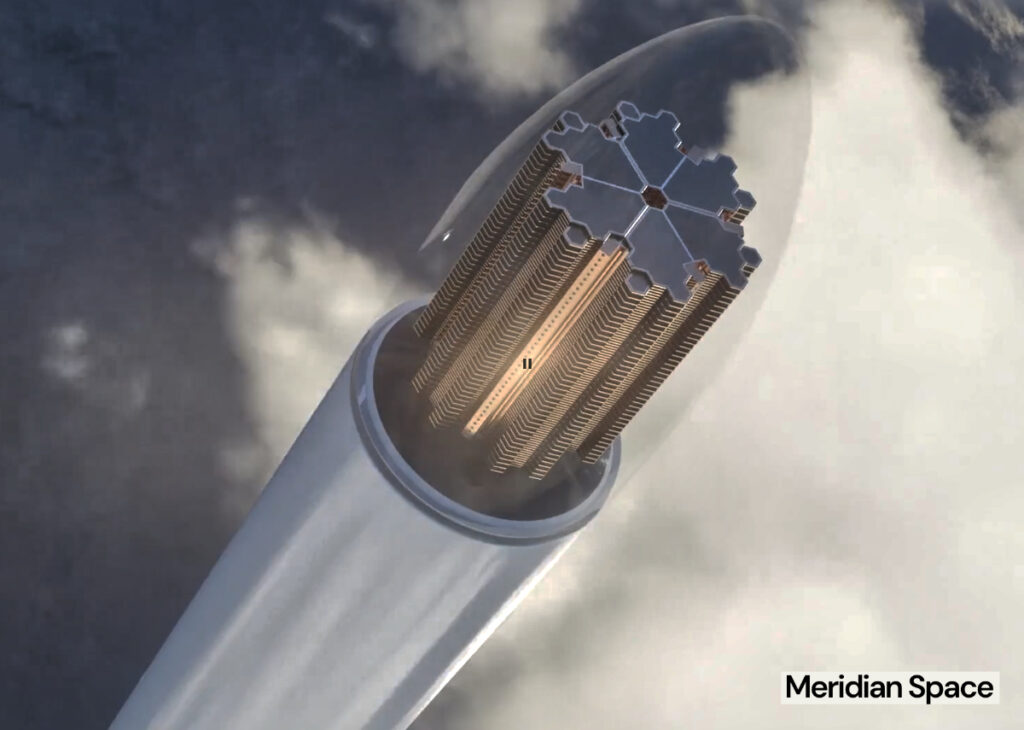
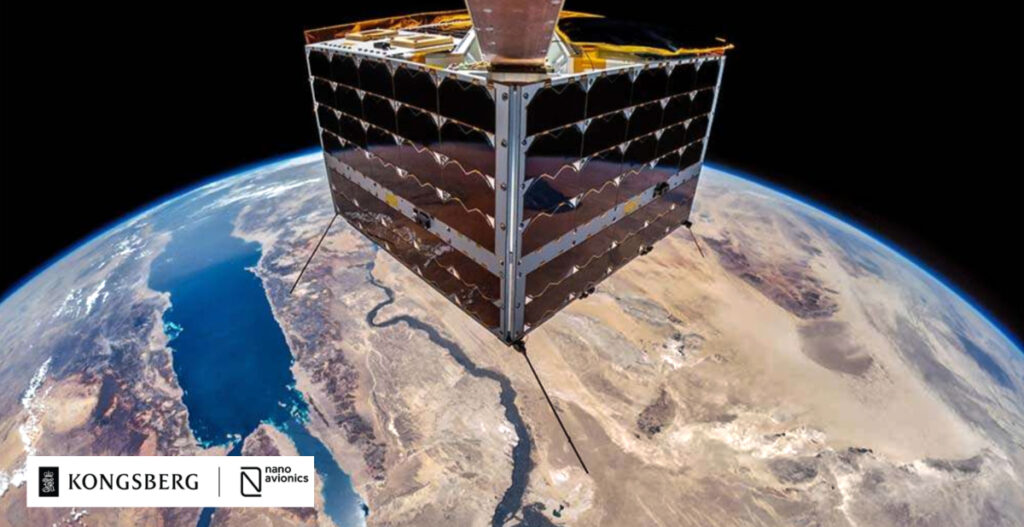
SpinLaunch has selected Kongsberg NanoAvionics (‘KONGSBERG’) as its exclusive satellite supplier for their LEO broadband communication constellation, Meridian Space—the parties have signed a contract for the delivery of 280 of these smallsats, worth 122.5 million euros.

The Meridian Space constellation is taking a fundamentally new approach to space-based broadband by combining a series of advanced technologies never before deployed in a commercial satellite constellation. The partnership includes two prototypes as well as the development and serial production of 280 satellites.

NanoAvionics and SpinLaunch will develop a prototype satellite optimized for higher performance and launch efficiency. The approximately 70 kg satellites for this project are much lighter than currently operational SATCOM platforms, enabling significant performance advantages per kilogram. The unique design combined with the high-performance avionics and payload will allow these satellites to deliver uninterrupted global connectivity with terabits-per-second capacity in a single rocket launch. 

As part of the transaction, Kongsberg Defence & Aerospace has acquired a minority stake in SpinLaunch to support the commercialization of Meridian’s pioneering SATCOM solution. This partnership underscores both organizations’ commitment to delivering affordable and sustainable space services worldwide.

Over time, SpinLaunch plans to grow the Meridian constellation to 1,200 satellites, as originally outlined in the company’s 2021 spectrum filings. To meet the needs of the 280-satellite constellation production schedule, Kongsberg NanoAvionics will ramp up its manufacturing capabilities with the addition of a new assembly and testing facility at its European headquarters in Vilnius, Lithuania. 

The Meridian Space solution, supported by KONGSBERG, will offer significantly higher broadband capacity in a satellite constellation compared with what is available on the market today,” said Eirik Lie, President of Kongsberg Defence & Aerospace. “KONGSBERG’s decision to partner with SpinLaunch reflects our belief in their innovative approach to satellite communications.”

Our supply contract for Meridian is a clear example of how Kongsberg NanoAvionics enables complex satellite missions with standardized, scalable technology,” said Atle Wollo, CEO of Kongsberg NanoAvionics. 

Kongsberg NanoAvionics brings a strong track record in small satellite manufacturing that aligns well with our goal of bringing a highly differentiated satcom constellation to market,” said David Wrenn, CEO of SpinLaunch. ”Together, we are taking meaningful steps towards providing a low-cost, reliable, high-speed broadband service to global enterprises.” 

Filed Under: News

Northrop Grumman selected for in-space demo of refueling technologies

April 4, 2025 by editorial

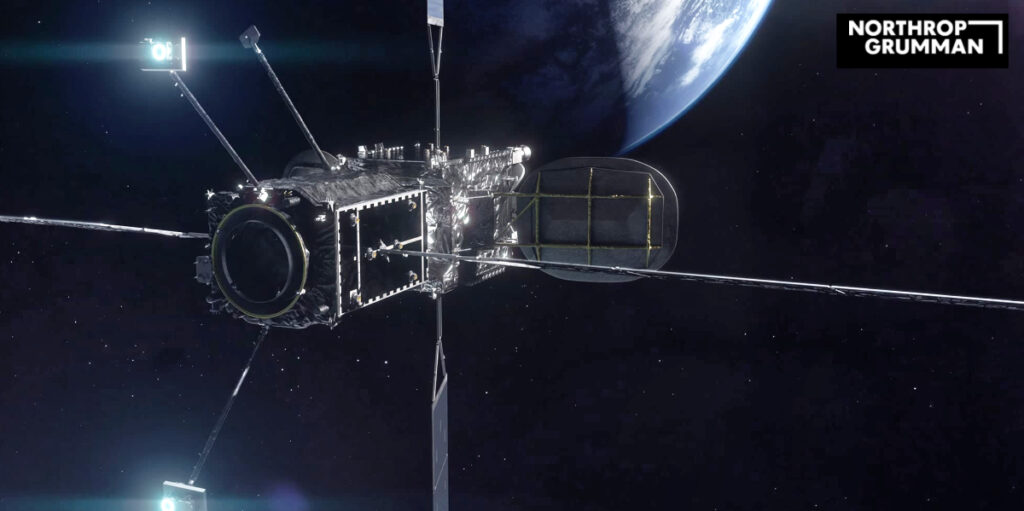
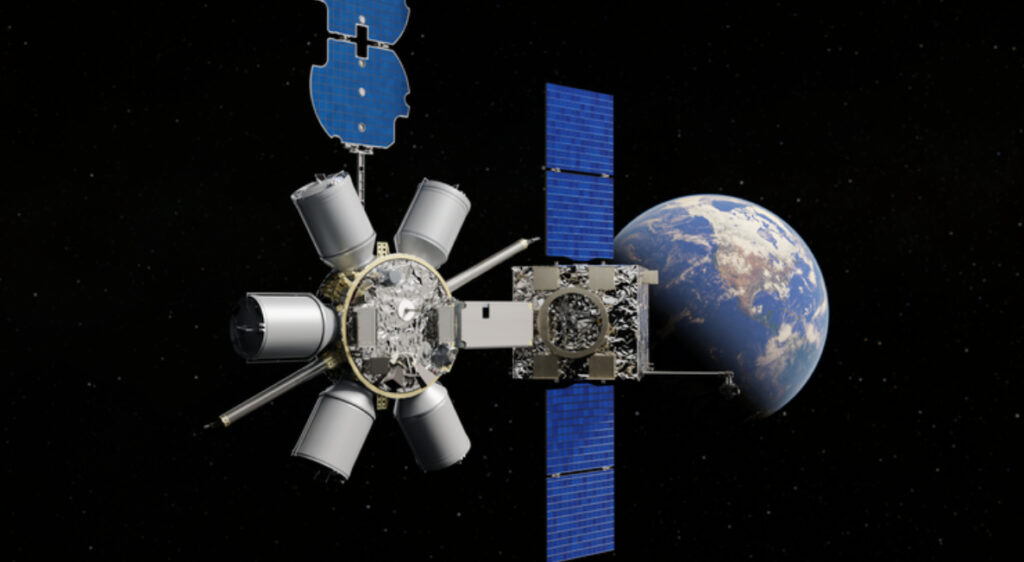
The United States Space Force (USSF) awarded Northrop Grumman Corporation (NYSE: NOC) two national security contracts, including a technology demonstration for in-space refueling—these contracts build on Northrop Grumman’s proven, on-orbit satellite servicing and refueling innovation, including first-of-its-kind mission extension services that protect critical space assets in geosynchronous orbit for both U.S. government and commercial partners.

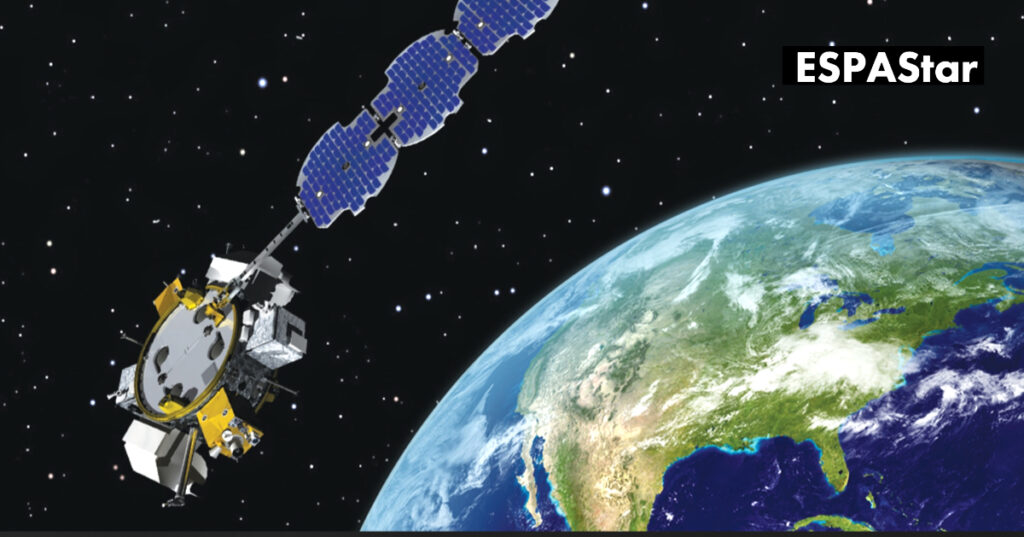
Northrop Grumman’s GAS-T design will leverage an ESPAStar-D satellite platform to add fuel and extend the life of in-orbit assets. (Image credit: Northrop Grumman) 

  • Space Systems Command (SSC) awarded Northrop Grumman a contract for the Elixir refueling payload program, which will enable the Space Force to refine tactics and procedures for rendezvous and proximity operations, docking, refueling, and undocking of on-orbit vehicles – foundational capabilities for servicing, mobility and logistics.
  • Under the Elixir program contract, the company will design, build and integrate a refueling payload onto a space vehicle and demonstrate refueling with a demonstration client satellite.
  • Under a separate contract, Northrop Grumman has been awarded a multi-unit award of four of the company’s proven ESPAStar spacecraft, one of which will host the refueling demonstration payload on its ride to space.
The platform is optimized for GEO missions, but is also adaptable for LEO and MEO missions. Image is courtesy of Northrop Grumman.

The USSF has made a multi-unit ESPAStar purchase, underscoring the increasing demand for rideshare vehicles and rapid access to space. Since its first award in 2016, the ESPAStar product line has provided proven and reliable capability. Each upgraded bus can hold more than 330kg of payload mass on each of its six ports, providing additional mass-to-orbit.

The Elixir program includes elements to successfully perform rendezvous and proximity operations, dock and undock with a demonstration client satellite, to transfer and receive fuel. The refueling payload will be equipped with the company’s Active Refueling Module (ARM), which interfaces with Northrop Grumman’s Passive Refueling Module (PRM) for the transfer and receipt of fuel. Operational client satellites equipped with PRMs will benefit from this mature technology because they can be refueled.

In 2023, the company’s PRM was approved by SSC’s Space Systems Integration Office (SSIO) as a refueling interface for consideration by SSC programs. Multiple PRM flight units are currently in production for the Space Force and will also be integrated onto Northrop Grumman’s next-generation satellite servicing vehicle, the Mission Robotic Vehicle.

The in-orbit demonstration will advance and validate the company’s on-orbit servicing and refueling technology – paving the way for fully operational refueling spacecraft in the future. These developments follow years of work by Northrop Grumman across commercial and U.S. government contracts to mature all elements of key refueling technologies and mission architecture.

Lauren Smith, program manager, in-space refueling, Northrop Grumman, said, “This technology will unlock new possibilities for dynamic space operations, providing the sustained maneuverability our customers need in a complex environment. To deliver this critical national security capability, our team will build on Northrop Grumman’s in-space servicing success and trailblaze new refueling solutions to meet mission needs.”

Matt Verock, vice president, space security systems, Northrop Grumman, said, “Northrop Grumman’s refueling capabilities are pioneering the next generation of satellite technology. The ability to refuel on orbit will have a direct impact on the success of our nation’s most important missions – allowing warfighters to continue operating quickly and safely.”

Filed Under: News

SSC On-Ramps 2 new providers to National Security Space Launch Phase 3 Lane 1 contract

April 3, 2025 by editorial

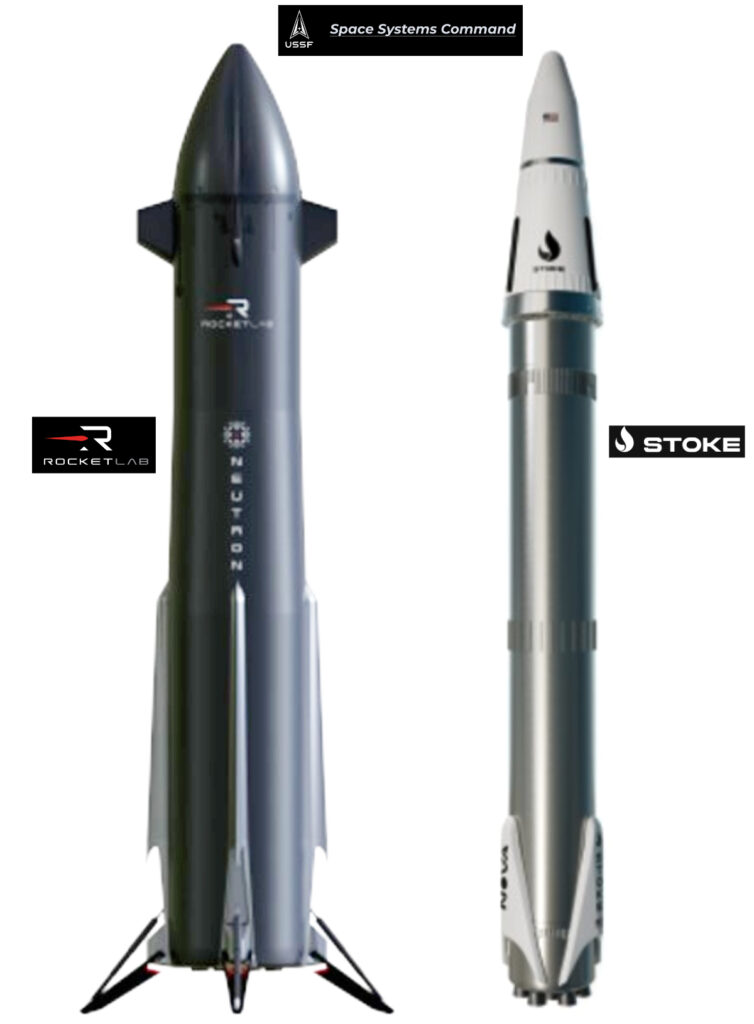
Rocket Lab USA, Inc’s Neutron (left) and Stoke Space’s Nova (right) has been awarded National Security Space Launch (NSSL) Phase 3 Lane 1 FY25 On-Ramp IDIQ contracts, bringing the number of Lane 1 Launch Service Providers to five, joining Blue Origin, SpaceX and ULA. (Image credits: Rocket Lab and Stoke Space)

The U.S. Space Force (USSF’s) Space Systems Command (SSC) awarded Firm Fixed-Price (FFP), Indefinite-Delivery Indefinite-Quantity (IDIQ) National Security Space Launch (NSSL) Phase 3 Lane 1 contracts to Rocket Lab USA, Inc. and Stoke Space, joining Blue Origin, SpaceX and United Launch Alliance (ULA) who were on-ramped to Lane 1 last year.

Rocket Lab and Stoke Space will each receive a $5 million FFP Task Order to conduct an initial capabilities assessment and develop their approach to tailored mission assurance. Tailored mission assurance is a tiered approach to the government’s breadth and depth of the launch vehicle baseline understanding and the associated risks to the mission.

Assured Access to Space executes the U.S. Space Force’s Core Competency of Space Mobility and Logistics. It secures reliable and responsive launch services to deploy the space-based capabilities needed by our Nation’s warfighters, intelligence professionals, decision makers, allies, and partners.

Additionally, it operates and sustains resilient and ready launch and test infrastructure to project on-orbit warfighting capability through all phases of conflict and to expand US economic, technological, and scientific leadership. Further, Assured Access to Space delivers servicing, mobility, and logistics capabilities that operate in, from, and to the space domain.

The next opportunity for providers to on-ramp their emerging systems to the Lane 1 IDIQ contract will occur in the first quarter of fiscal year 2026.

With today’s award, the Space Force expanded our portfolio of launch systems able to deliver critical space capability. These new partners bring innovative approaches and increased competition to our mission area,” said Brig. Gen. Kristin Panzenhagen, USSF program executive officer for Assured Access to Space. “Our Lane 1 goal is to bring in new partners to increase capacity, resiliency, and speed.”
We are excited to bring on new launch providers to the NSSL Phase 3 Lane 1 contract and I’m extremely proud of the team’s hard work on-ramping Rocket Lab and Stoke Space as soon as they were ready,” said Lt. Col. Douglas Downs, SSC’s materiel leader for Space Launch Procurement. “We climbed a tall mountain to execute this source selection quickly, and we’re not done yet. We look forward to on-ramping more emerging companies over the next few years as their systems become read. Once Rocket Lab and Stoke Space complete their first successful launch, they will be eligible to compete for launch service task orders on Lane 1. We will release Requests for Proposals (RFPs) for additional Lane 1 launch services later this spring, and we also have several more missions we will compete in FY26.”
SSC is the U.S. Space Force’s field command responsible for acquiring and delivering resilient warfighting capabilities to protect our nation’s strategic advantage in and from space. SSC manages a $15.6 billion space acquisition budget for the DoD and works in partnership with joint forces, industry, government agencies, and academic and allied organizations to accelerate innovation and outpace emerging threats. Our actions today are making the world a better space for tomo

Filed Under: News

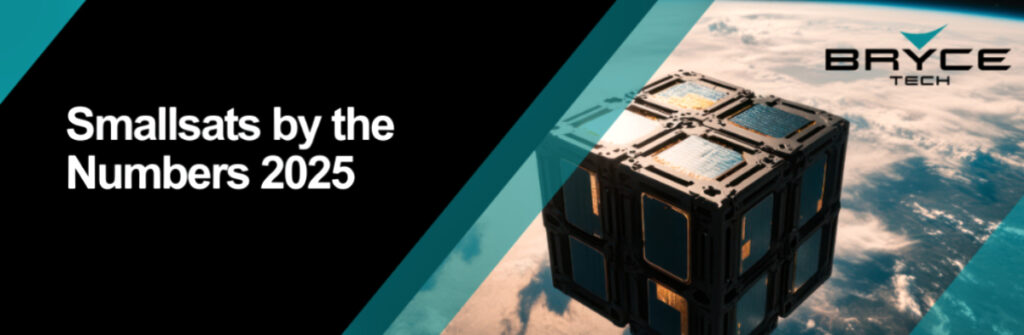
Bryce Tech publishes their Smallsats by the Numbers 2025 report

April 2, 2025 by editorial

Developed by Bryce Tech’s analysts, this report provides insights into global small satellite activity from 2015 to 2024.

Using proprietary data, published datasets, and historical records, the analysis highlights long-term trends in smallsat launches, mission types, and operator activity. Here are some key highlights:

  • Nearly 2,800 smallsats were launched in 2024, representing 97% of all spacecraft.
  • Small satellites accounted for 81% of total upmass last year.
  • U.S. operators were responsible for 75% of all smallsats launched since 2015.
  • Average smallsat mass reached a record 223 kg in 2024.
  • Communications satellites made up the majority of launches.

Readers may download the full Bryce Tech report at this direct link…

Filed Under: News

SDA issues solicitation to recompete 10 Tranche 2 Transport Layer-Gamma Variant space vehicles

April 2, 2025 by editorial

The Space Development Agency (SDA) seeks industry submissions to recompete 10 Tranche 2 Transport Layer (T2TL) Gamma variant space vehicles—this solicitation is for the Gamma (γ) variant of the Tranche 2 Transport Layer (T2TL) to be executed by the Advanced Fire Control (AFC) Program.

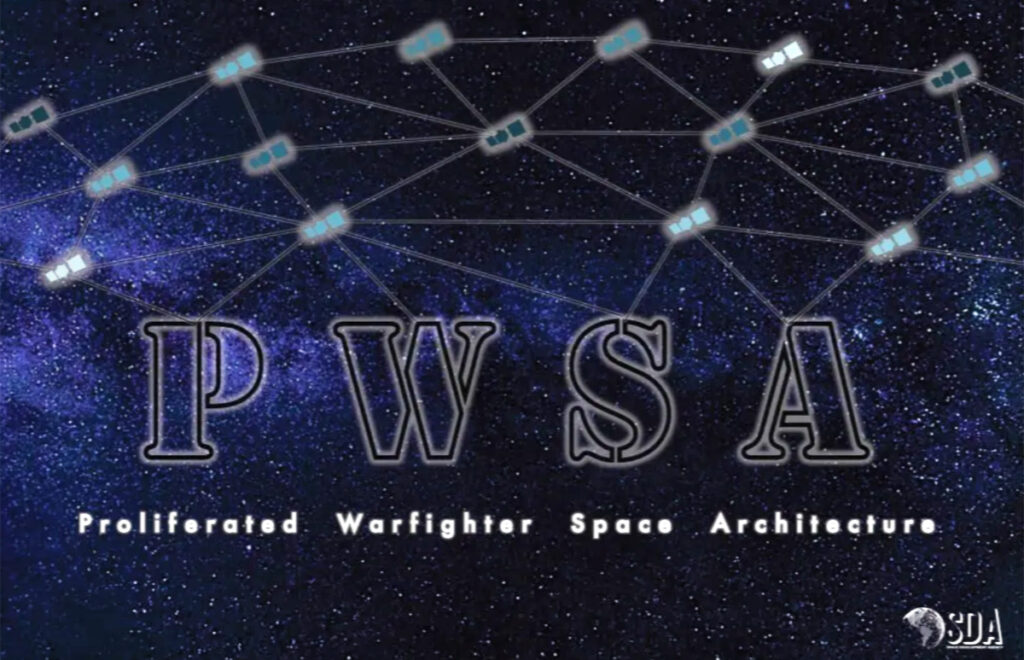
AFC delivers operationally relevant prototypes and integrated ground to inform and influence future Tranches. There is a potential for future mission integration of AFC prototypes into the Proliferated Warfighter Space Architecture (PWSA) operational architecture. 

SDA seeks T2TL Gamma space vehicles with a payload specifically designed to close future kill chains. The Gamma variant will share certain baseline characteristics with the other T2TL variants (Alpha and Beta) outlined in earlier solicitations. Further, SDA expects to make a T2TL-Gamma award to one vendor, subject to available funding, but reserves the right to make no awards or a partial award of less than 10 SVs.

To promote fair and open competition, at the direction of the head of contracting activity, SDA enlisted the support of independent source selection officials from outside the agency who will lead Source Selection activities.

The T2 Gamma solicitation is comprised of unclassified solicitation documents as well as classified material on technical details of payload development.

For information on how to request the classified solicitation documents and for proposal submission instructions, please visit this direct infolink… Responses are due by noon ET on April 22, 2025.

Filed Under: News

CesiumAstro to deliver space payloads + ground systems for Taiwan’s 1st SATCOM constellation

April 2, 2025 by editorial

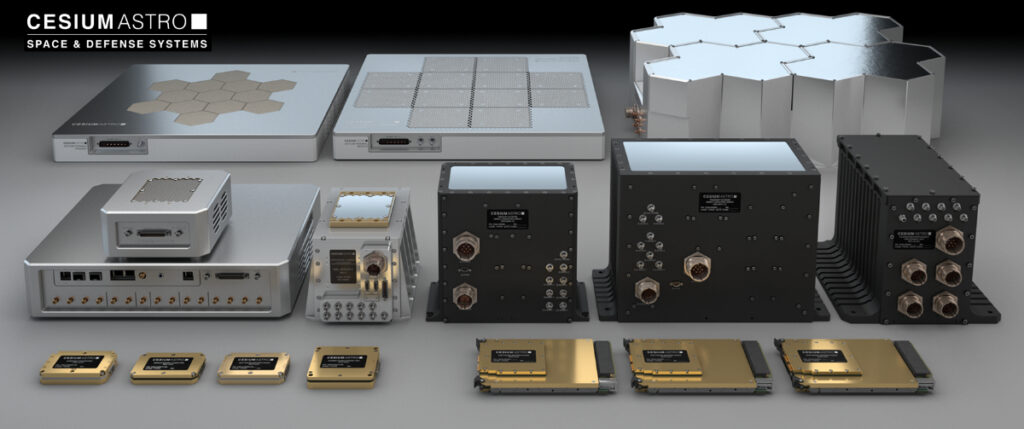
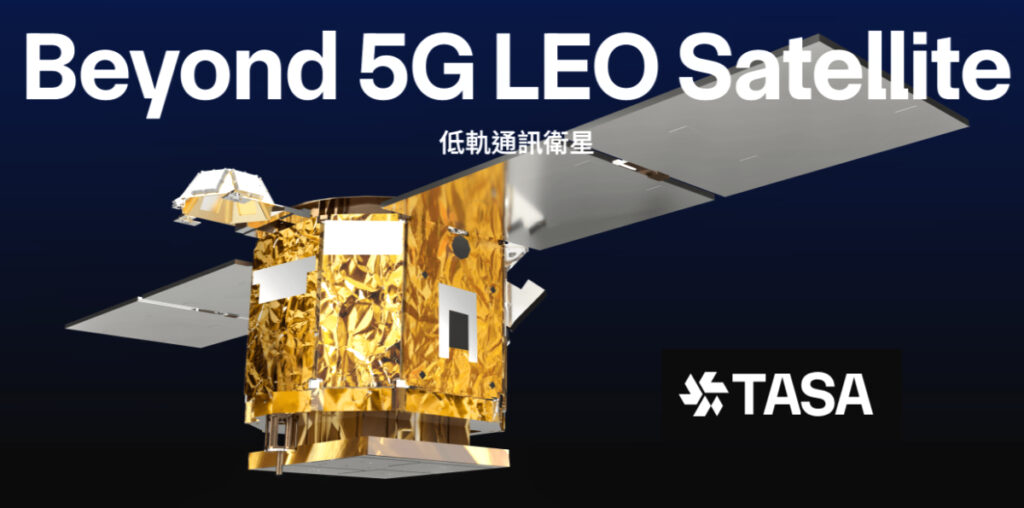
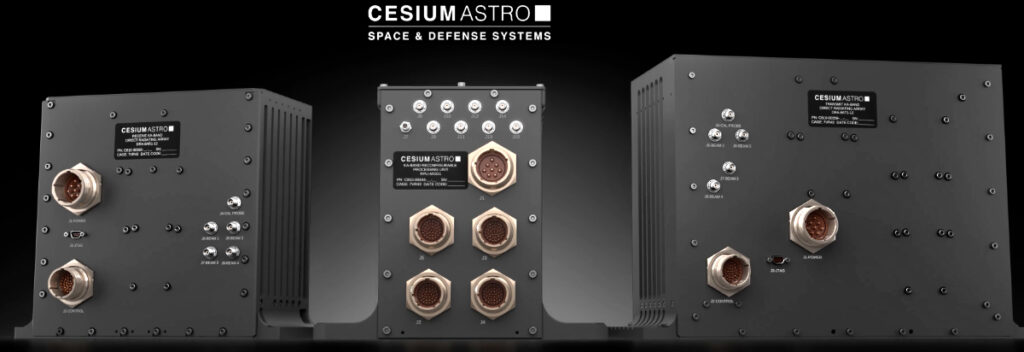
CesiumAstro has entered into a contract with the Taiwan Space Agency (TASA) to deliver software-defined radio (SDR) space communications payloads and ground user terminals for Taiwan’s first LEO communications satellite constellation.

This contract marks a major milestone in Taiwan’s effort to build sovereign LEO communications infrastructure and accelerate the deployment of its indigenous satellite communications network. The Beyond 5G LEO Satellite (B5G) program will receive both space- and ground-based active phased array systems from CesiumAstro, including its Vireo Ka space payload and Skylark user terminal.

Photo of CesiumAstro’s Vireo Ka space payload, courtesy of the company.

The B5G satellites are a critical step in establishing Taiwan’s capacity to design, manufacture, and operate LEO communications satellites. CesiumAstro’s contributions will include a complete space payload leveraging its Vireo Ka active phased array technology, with support for multiple independently steerable beams, real-time reconfigurability, and high-throughput performance.

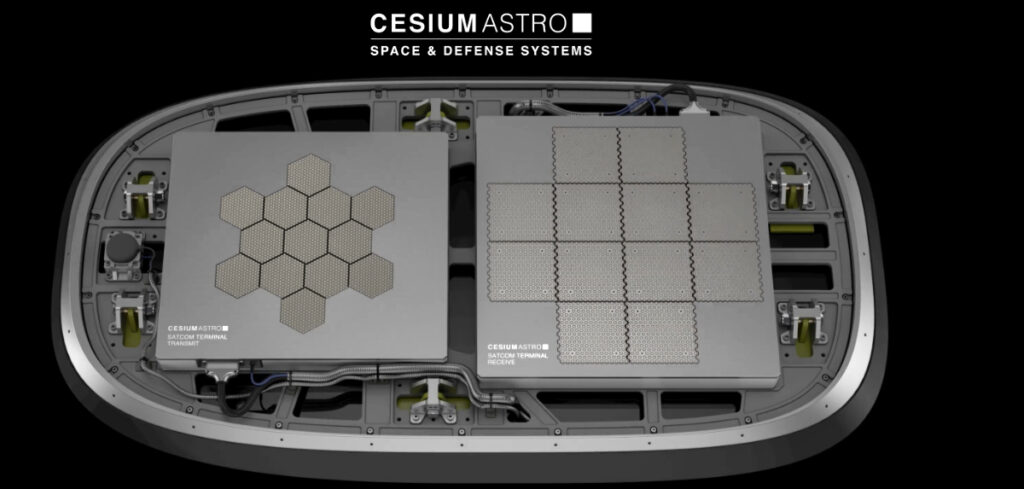
CesiumAstro’s Skylark user terminal, photo courtesy of the company.

Complementing the space segment, CesiumAstro will also deliver Skylark ground terminals, designed to support resilient user-side connectivity across a range of mission profiles.

The B5G program is led by the Taiwan Space Agency and forms part of Taiwan’s National Space Technology Long-Term Development Plan which prioritizes domestic resilience and global competitiveness in emerging technologies, including space-based communications.

We are honored to support TASA’s vision for next-generation communications,” said Shey Sabripour, Founder and CEO of CesiumAstro. “Our modular, flight-proven payload technologies align with TASA’s goals for performance, flexibility, and future scalability, and we look forward to delivering systems that support their ambitions for 5G and beyond.”

As Taiwan invests in secure, sovereign communications infrastructure, CesiumAstro is proud to contribute best-in-class technology and a commitment to mission success,” said Trey Pappas, Chief Revenue Officer at CesiumAstro. “This contract reflects the growing international demand for proven, reconfigurable space communications systems.”

About CesiumAstro
CesiumAstro, headquartered in Austin, Texas, is a leader in advanced connectivity solutions for ground, air, and space. With additional facilities in Colorado, California, the United Kingdom, and Germany, the company delivers end-to-end solutions encompassing satellites, high-performance communications payloads, and advanced computing systems. The company’s full-stack, multi-mission hardware and software serve diverse commercial, government, and defense applications. CesiumAstro maintains complete vertical integration with in-house design, manufacturing, and testing capabilities certified to AS9100D/ISO 9001:2015 standards.

About TASA
The Taiwan Space Agency (TASA) oversees Taiwan’s space affairs. Established in 1991, it became an administrative corporation under the National Science and Technology Council (NSTC) in 2023. TASA has developed independent satellite capabilities, leading programs like FORMOSAT-1, 2, 3, 5, 7, and Triton for scientific research, optical remote sensing, and meteorology. Looking ahead, TASA is advancing Taiwan’s space industry through initiatives such as FORMOSA-8 satellites, FORMOSA-9 satellites, experimental Beyond 5G (B5G) communication satellites, optical laser communication technology, a small launch vehicle program, and a national launch site.

Filed Under: Featured, News

USSI Global, Sinclair Broadcast Group + Eutelsat Group to highlight Eutelsat’s OneWeb LEO network capabilities for live news production

April 2, 2025 by editorial

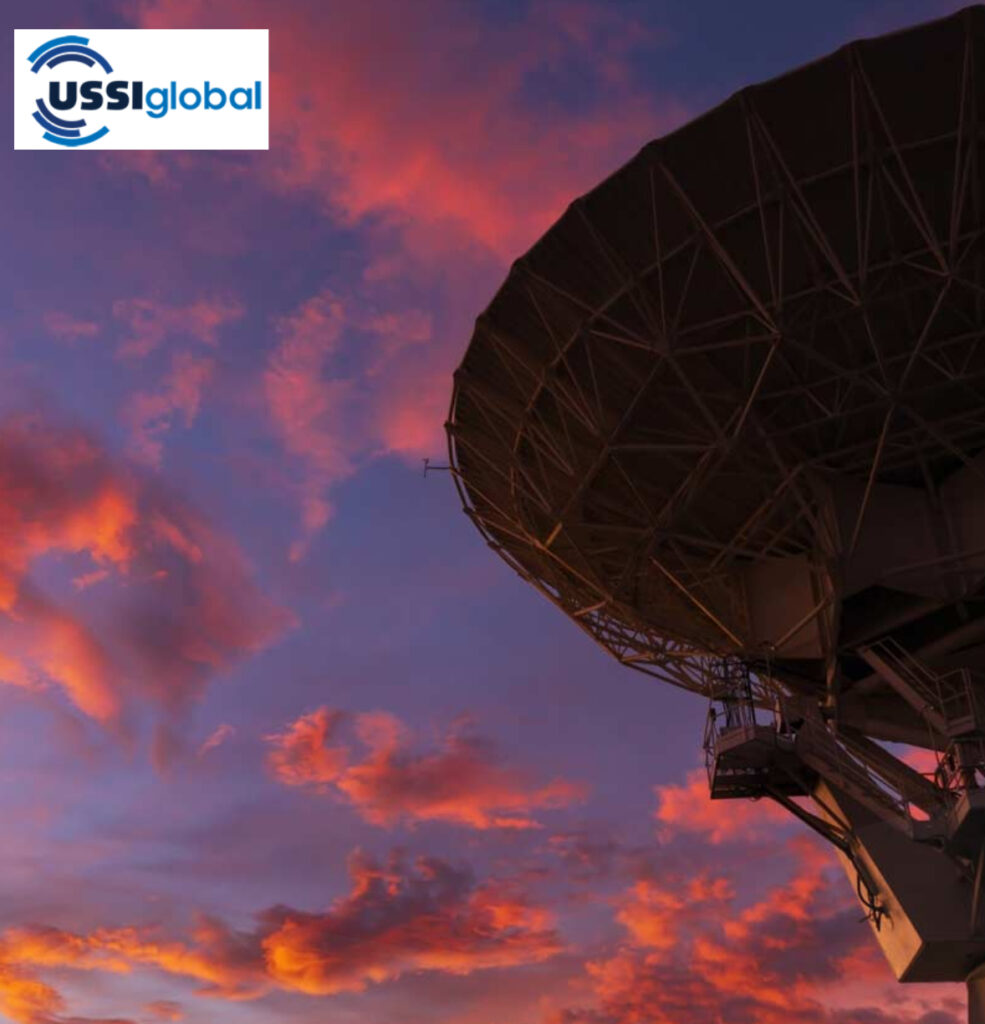
USSI Global and Sinclair Broadcast Group are collaborating to field trial the benefits that Eutelsat Group’s Low Earth Orbit (LEO) satellite connectivity offers for the demanding live, local news production workflow.

These successful ongoing trials highlight real-world examples of how local news teams at three Sinclair-owned TV stations in Washington D.C.; Columbus, Ohio; and Las Vegas, Nevada, leverage Eutelsat’s OneWeb LEO satellite constellation for reliable, real-time news gathering from the acquisition point to their desired production facilities. USSI Global supports logistics, installation and interconnect to the Eutelsat OneWeb LEO network through their full end-to-end managed services.

The entire ecosystem ensures reliable delivery of live news content from the acquisition point to the broadcaster’s production studio with very low latency, offering broadcasters and their local news production teams an affordable alternative to microwave links and bonded cellular technologies. The service can also be added to existing contribution technologies for additional bandwidth and/or redundancy.

Sinclair uses a low-profile, flat-panel user terminal to establish the interconnect to the LEO network. USSI Global provides mounts to securely affix these user terminals to newsgathering vehicles, or the terminals can operate remotely to improve access to news events. The compact and portability of the user terminals combined with USSI Global’s interconnect ensures that the entire service is quick to deploy as a primary or redundant live link with exceptional stability.

USSI Global is enthusiastic about its partnership with Sinclair and Eutelsat Group for this trial as we are well-equipped to provide this service due to its robust presence in North America. We hope this cutting-edge approach to live news production will provide a strategic advantage to the broadcast community,” said Anthony Morelli, CEO and President, USSI Global.

As part of the continuing mission to reduce the costs of live news production without sacrifice to quality standards, we are leveraging a new way to deliver live coverage that can be a primary means of transmission or a complement to cellular options and reduce the need for expensive SNG and ENG vehicles,” said Ernie Ensign, AVP, News Technology and Operations.

At Eutelsat Group, we are committed to empowering customers with seamless, high-quality connectivity, anywhere in the world. Our OneWeb LEO network delivers global coverage, ensuring reliable, real-time content contribution,” said J. Ignacio González-Nuñez, RVP, Americas & MENA, Sales Video Business. “With a low-latency, IP-based solution that is plug-and-play, we provide broadcasters with the flexibility to enhance their live production workflows—whether as a primary transmission path or a seamless complement to existing technologies. This is the future of live news gathering: agile, cost-effective, and always connected.“

Representatives from all three companies close to the trial will be at NAB Show 2025 (April 6-9) and available to meet at Eutelsat’s West Hall booth (W3614) on Las Vegas Convention Center. Email info@ussiglobal.com to schedule a meeting at NAB.

Filed Under: News

SES + SpeQtral sign MoU to advance global quantum-secure comms

April 1, 2025 by editorial

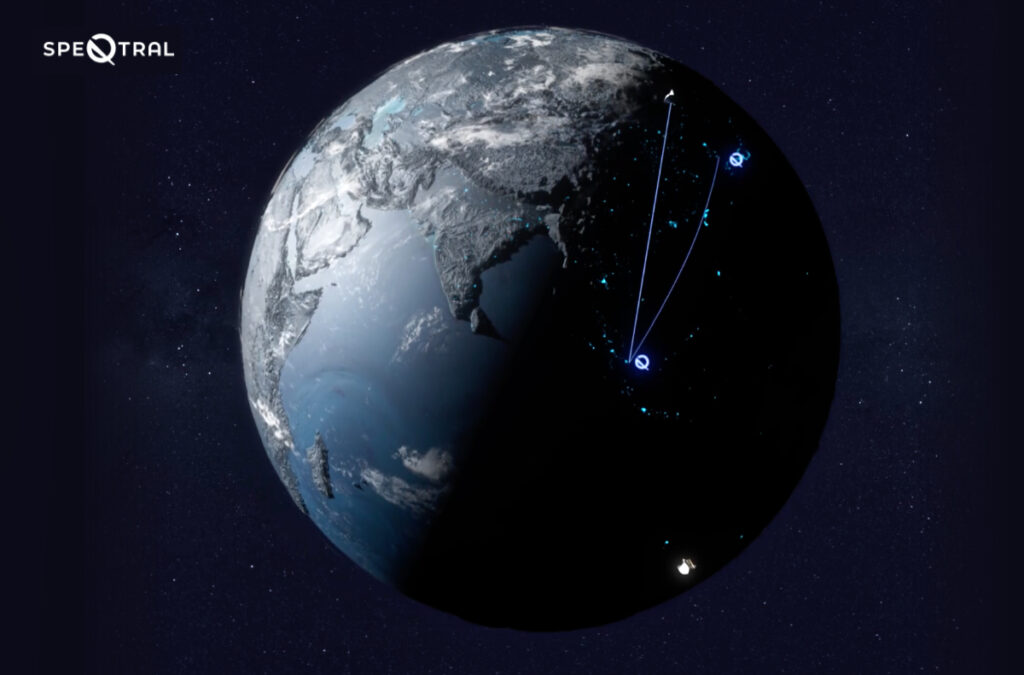
SES and SpeQtral signed a Memorandum of Understanding (MoU) to develop an interoperable Optical Ground Station (OGS) to establish long-distance satellite-based Quantum Key Distribution (QKD) between Asia and Europe. 

Under the agreement, the development of an interoperable OGS will enable SES and SpeQtral to connect both companies’ current and future QKD satellite missions, resulting in easier access to, and diversity in the supply of long-distance QKD to end users in Asia, Europe and other future compatible ground stations worldwide.

SpeQtral

The integration of this proposed OGS with Singapore’s fiber-QKD network will help future customers integrate their networks with satellite QKD networks and demonstrate a practical pathway towards enabling a global QKD connectivity once the QKD satellites are operational.

SES and SpeQtral collaboration will reduce costs associated with quantum communication infrastructure, bridge a critical gap in the QKD service availability and lower barriers for global deployment and adoption. 

The first such OGS is anticipated to be built in Singapore which already hosts a vibrant seedbed of quantum-safe activities including the National Quantum Safe Network Plus (NQSN+) initiative driven by Singapore’s Infocomm Media Development Authority (IMDA). 

Fiber-based QKD networks that are being deployed in major cities around the world will require a satellite-based QKD solution to form an interconnected global QKD network. 

QKD satellites operate in SSO approximately 500 km away from the Earth’s surface, enabling global interconnectivity and laying the foundation for highly secure communications in the age of quantum computing.

SES, in collaboration with a consortium of European partners, is leading the development of the EAGLE-1 project to enable early access to long-distance QKD for ultra-secure data transmissions. The project, which includes both satellite and ground infrastructure, is co-funded by ESA national contributions and the European Commission, reinforcing Europe’s commitment to advancing quantum-secure communications.

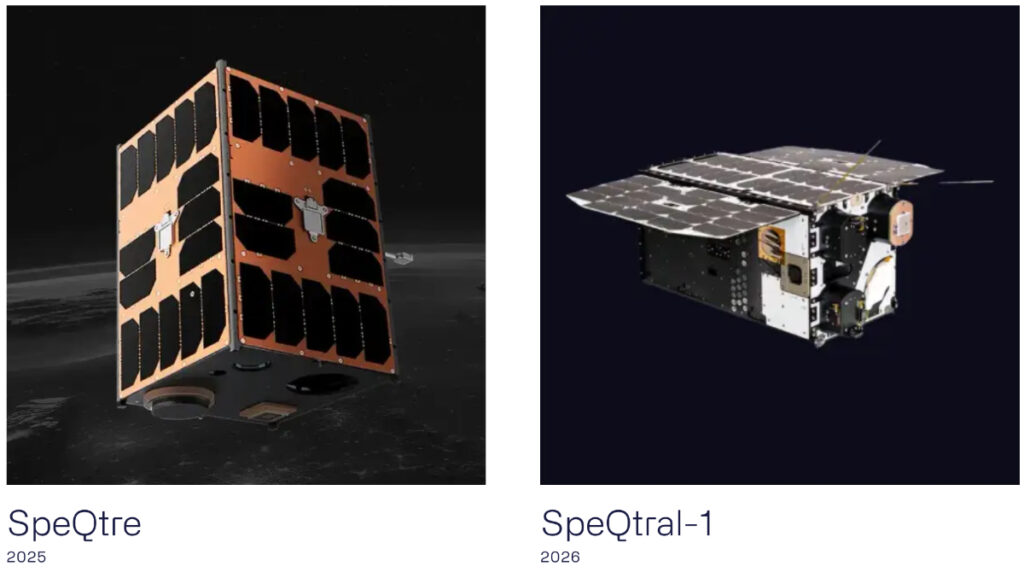
SpeQtral is working on two QKD satellites, SpeQtre and SpeQtral-1, which are supported by the Office for Space Technology & Industry, Singapore (OSTIn).

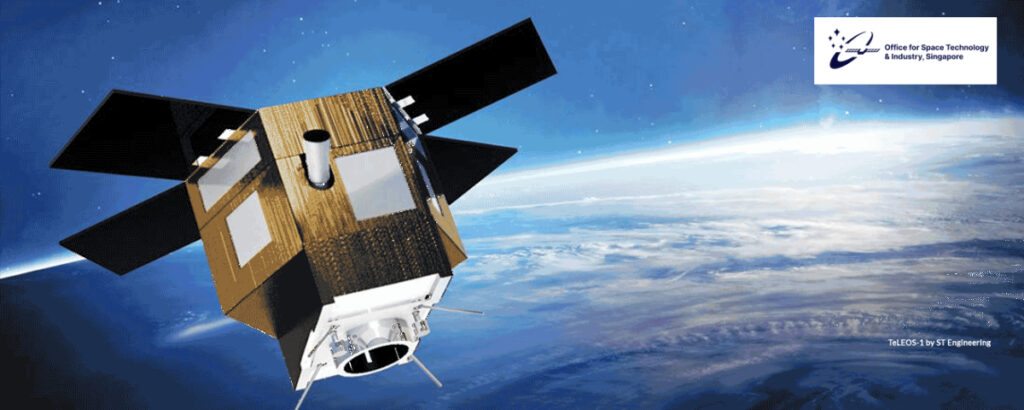
Image: The TeLEOS-1 satellite, courtesy of ST Engineering.

SpeQtre, a joint Singapore-UK mission set for launch later this year, will host SpeQtral’s space-qualified quantum-optics system which enables the establishment of quantum-secure encryption keys. OSTIn’s strong support for technological development in advanced space-based capabilities has played an important role in enabling local startups like SpeQtral, foster impactful international partnerships with the potential to shape the global quantum-security industry.

The MoU agreement was signed by the CEOs of both companies in Betzdorf, Luxembourg, during the State visit of Singapore’s President Tharman Shanmugaratnam to the Grand Duchy of Luxembourg. 

Adel Al-Saleh, CEO of SES, said, “Satellite-enabled Quantum Key Distribution is a fundamental technology for next-generation cyber security, allowing long-distance transmission of encryption keys. At SES we are delighted to bring our innovative expertise in developing secure, interoperable networked solutions, joining efforts with like-minded ecosystem partner SpeQtral in implementing the next milestone of our quantum-secure vision. The agreement allows SES to expand into non-EU markets and serve commercial customers, including facilitating secure exchanges between entities based across different geographies.”

Chune Yang Lum, CEO of SpeQtral, said, “Our partnership with SES represents a significant step towards realising commercially viable space-based QKD. It is important that we build on each other’s expertise, to unlock synergies in this initial phase of enabling the interconnection of localised fibre-based quantum networks. By developing a shared OGS infrastructure, we are reducing costs and strengthening the foundation for a truly global quantum-secure network.“

Mr. Jonathan Hung, Executive Director at OSTIn, said, “The collaboration between SpeQtral and SES marks a significant milestone in Singapore’s quantum technology landscape that will strengthen secure global communications for the future. The partnership leverages SpeQtral’s strengths as one of the first quantum key distribution (QKD) companies, together with SES’s satellite QKD expertise and position of a global content and connectivity solutions provider – to make quantum communications more accessible worldwide and allow seamless services for end-users in Asia and Europe. We welcome more partnerships with companies to strengthen Singapore’s position at the forefront of quantum communications innovation and commercialization.”

Filed Under: News

  • « Go to Previous Page
  • Page 1
  • Interim pages omitted …
  • Page 37
  • Page 38
  • Page 39
  • Page 40
  • Page 41
  • Interim pages omitted …
  • Page 339
  • Go to Next Page »

Primary Sidebar

WEEKLY NEWSLETTER

Archives

  • August 2026
  • July 2026
  • June 2026
  • May 2026
  • April 2026
  • March 2026
  • February 2026
  • January 2026
  • December 2025
  • November 2025
  • October 2025
  • September 2025
  • August 2025
  • July 2025
  • June 2025
  • May 2025
  • April 2025
  • March 2025
  • February 2025
  • January 2025
  • December 2024
  • November 2024
  • October 2024
  • September 2024
  • August 2024
  • July 2024
  • June 2024
  • May 2024
  • April 2024
  • March 2024
  • February 2024
  • January 2024
  • December 2023
  • November 2023
  • October 2023
  • September 2023
  • August 2023
  • July 2023
  • June 2023
  • May 2023
  • April 2023
  • March 2023
  • February 2023
  • January 2023
  • December 2022
  • November 2022
  • October 2022
  • September 2022
  • August 2022
  • July 2022
  • June 2022
  • May 2022
  • April 2022
  • March 2022
  • February 2022
  • January 2022
  • December 2021
  • November 2021
  • October 2021
  • September 2021
  • August 2021
  • July 2021
  • June 2021
  • May 2021
  • April 2021
  • March 2021
  • February 2021
  • January 2021
  • December 2020
  • November 2020
  • October 2020
  • September 2020
  • August 2020
  • July 2020
  • June 2020
  • May 2020
  • April 2020
  • March 2020
  • February 2020
  • January 2020
  • December 2019
  • November 2019
  • October 2019

© 2019–2026 SatNews

Insert/edit link

Enter the destination URL

Or link to existing content

    No search term specified. Showing recent items. Search or use up and down arrow keys to select an item.
      x
      Sign Up Now!

      Enjoy a free weekly newsletter with recent headlines from the global SmallSat industry.

      Invalid email address
      We promise not to spam you. You can unsubscribe at any time.
      Thanks for subscribing! You will now receive weekly SmallSat News updates.
      We love our advertisers.
      And you will too!

      Please disable Ad Blocker to continue... We promise to keep it unobtrusive.
      We promise not to spam you. You can unsubscribe at any time.
      Invalid email address
      Thanks for subscribing!