• Skip to main content
  • Skip to primary sidebar
  • Home
  • News
  • Featured
  • More News ⌄
    • SatNews
    • SatMagazine
    • MilSatMagazine
  • Events ⌄
    • MilSat Symposium
    • SmallSat Symposium
    • Satellite Innovation
  • Contacts
  • SUBSCRIPTION

SmallSat News

You are here: Home / Archives for 2020

Archives for 2020

ESA Signs Up for Exotrail’s Electric Propulsion Systems

September 16, 2020 by editorial

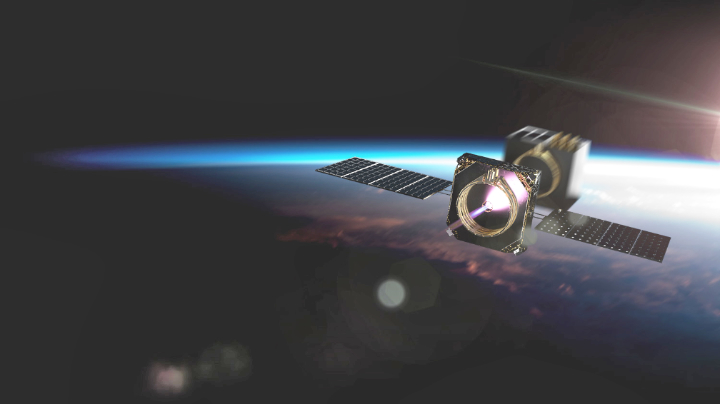
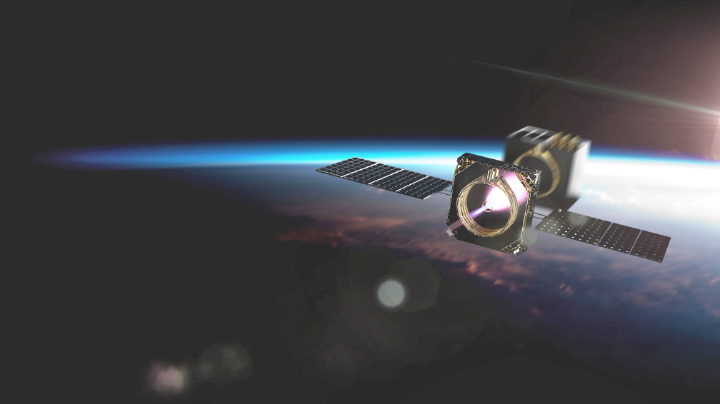
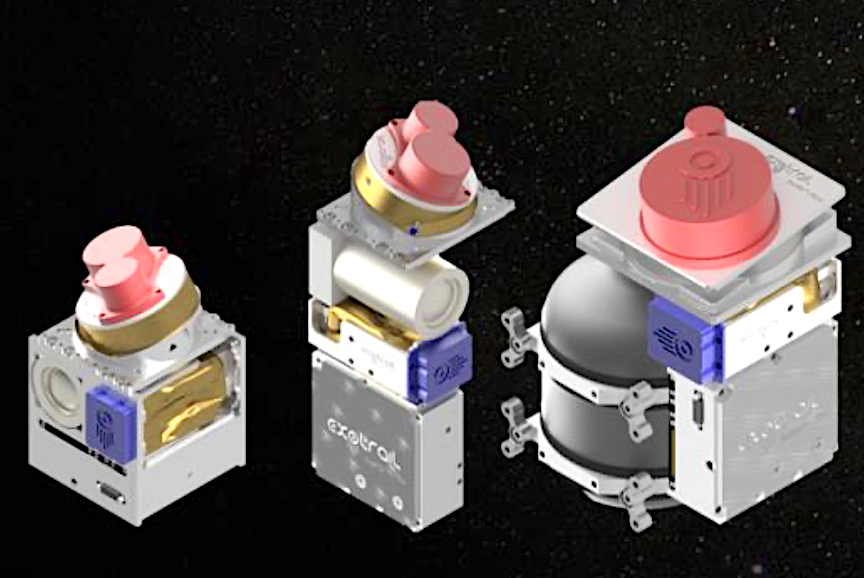
Different configurations of ExoMGTM – nano and micro product

Electric propulsion systems used in rockets and satellites are gaining momentum in the industry, which was validated as ESA has signed two contracts with Exotrail. Under the agreement the company will build and deliver engineering, qualification, and flight models of its ExoMGTM, nano, and ExoMGTM, micro, electric propulsion systems. These contracts will allow Exotrail to develop new features on both products ready to be demonstrated in space.

The first contract follows a General Support Technology Programme (GSTP) under which Exotrail has been supported by the French Space Agency (CNES). It will accelerate the qualification and flight demonstration of ExoMGTM – micro.

The other contract follows a standard competitive procurement process from the European Space Agency through the EXPRO+ mechanism, under which Exotrail has been chosen to deliver a propulsion system in 2021 followed by a test campaign at ESTEC.

David Henri, credit Exotrail

With this new contract award, Exotrail confirms that its ExoMGTM product portfolio meets both commercial customer needs, such as Eutelsat and AAC Clyde Space, as well as institutional customers & agency’s requirements, namely CNES and ESA, for electric propulsion systems.

From the Space Forum conference held in Luxembourg, David Henri, Exotrail’s Cofounder and CEO commented, “Within the last six months, Exotrail has signed a string of contracts with commercial and institutional customers, both in Europe and in Asia. We are thrilled to announce these two new contracts with ESA. It fully confirms our ExoMGTM product strategy and the growing interest of the smallsat market for the solutions we are building to support smallsat constellation deployment and operation. We are super excited to work with ESA!”

Filed Under: News

Growth, Trends and Forecasts

September 16, 2020 by editorial

The “North America Small Satellite Market – Growth, Trends, and Forecasts (2020 – 2025)” report has been added to ResearchAndMarkets.com’s offering.

The North America Small Satellite Market is anticipated to grow at a CAGR of more than 3% during the forecast period.

With the advent of technology, the nature of battles has changed drastically. For various military requirements, including communication, the defense agencies around the globe require space capability to meet the demand for more operationally responsive forces. Smallsats can provide high visibility against tactical enemy operations. Rapid access to near-real-time information and imagery can be helpful for the aerial reconnaissance augmentation process. The nano and microsatellites can also be readily deployed in times of crisis to fill the missing gap for military operations.

The demand for satellite networks and services for commercial applications has increased. The entry of companies, such as Google and Facebook, with commercial services demanding satellite bandwidth and networks has also aided the market. To meet the growing demand for commercial applications, hundreds of new satellites need to be launched. Also, the regulatory relaxation on the sale of high-resolution satellite images for commercial purposes is one of such measures that has provided a new opportunity for the growth of the market.

However, in the recent wake of COVID-19, the current outlook for the satellite industry in North America remains uncertain at this point as the outbreak has caused unforeseen disruptions in the region for both satellite manufacturers and launch service providers.

To learn more, please access this direct infolink…

Filed Under: News

Exolaunch To Handle NetSat Smallsat Formation Launch

September 16, 2020 by editorial

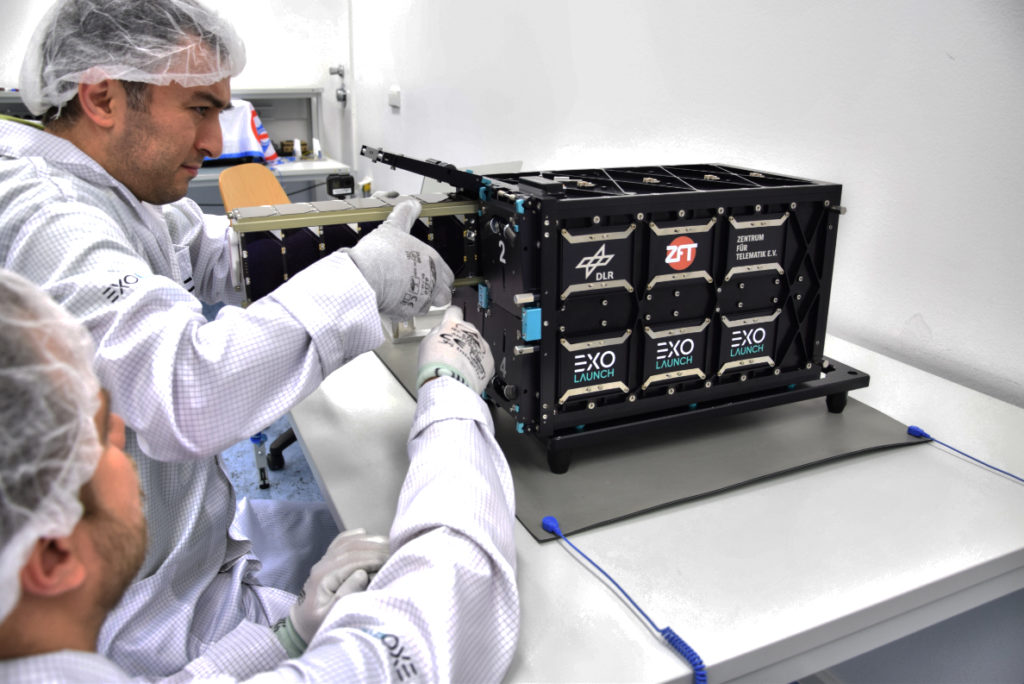
NetSat integration into the upper stage. Photo is courtesy of Exolaunch.

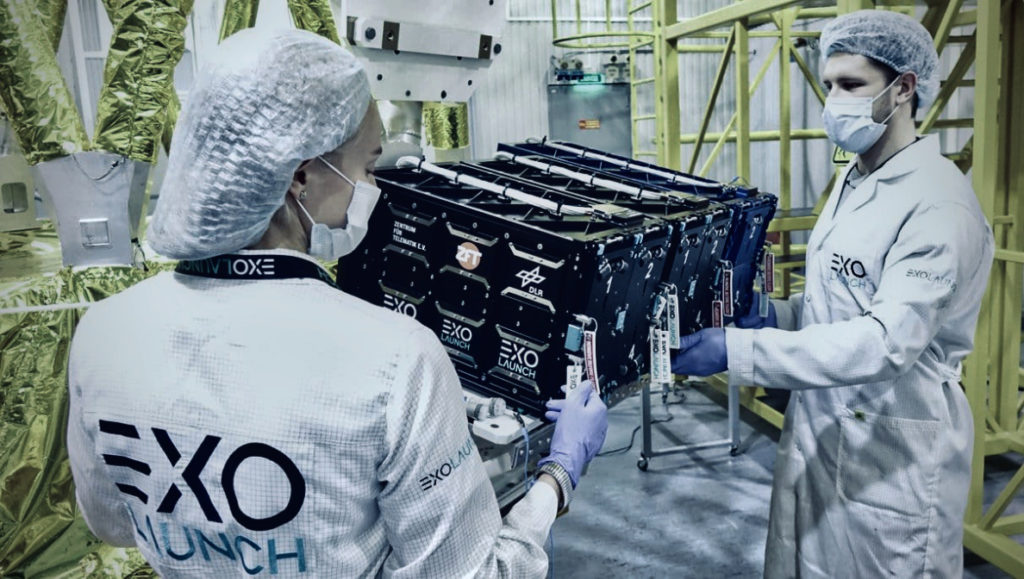
The Würzburg Center for Telematics and Exolaunch now have a launch agreement for a NetSat smallsat formation — under the launch agreement, Exolaunch will coordinate all launcher related activities, including satellite shipment to launch site, integration and deployment services to the Würzburg Center for Telematics’ satellites on a Soyuz-2 rideshare mission scheduled for launch on September 28, 2020.

NetSat is composed of four 3U cubesats that will pioneer research in formation control. The mission will demonstrate the self-organization of several satellites in three-dimensional space to jointly optimize the configuration for given tasks. This will then open up innovative perspectives for future sensor networks in space, including systems for three-dimensional imaging of the Earth’s surface and computer tomography methods for looking inside clouds.

All four satellites will be deployed into orbit with the 12U EXOpod, Exolaunch’s cubesat deployer that has already delivered 80 cubesats into orbit, to date. The satellites have been successfully integrated into the EXOpod at Exolaunch facilities in Berlin, Germany, and made their way to the launch site for integration with the Fregat upper stage.

NetSat integration into the EXOpod. Photo is courtesy of Exolaunch.

The NetSat constellation is a part of a September Soyuz rideshare mission – Exolaunch’s seventh mission with Soyuz-2 that is fully manifested by the company. This mission is set to launch numerous commercial payloads carrying cutting edge technologies from Exolaunch’s international small satellite customers. Named Wanderlust, Desire To Travel, this rideshare symbolizes both the ever-increasing importance of sustainable access to space for smallsats and the longing for travel that is currently restricted.

On the Wanderlust mission, Exolaunch is providing its market-leading separation systems – EXOpod for cubesats and CarboNIX for microsats – as well as its EXObox sequencers, to ensure timely deployment of small satellites into their target orbit. The company has excellent heritage flying international customers on Soyuz, having launched more than 85 smallsats on Soyuz missions to date. On this mission, Exolaunch will deploy a cluster of 15 smallsats into a sun-synchronous orbit for its customers from Europe, the UAE, Canada, and the USA.

Executive Comments

Prof. Dr. Klaus Schilling

“In 2005, a team from Würzburg successfully launched and operated the first German picosatellite in orbit. It continuously placed innovative technology demonstration and application missions. Based on that experience, we appreciated the smooth and good cooperation with Exolaunch, despite all complications of the exceptional COVID-19-period,” said Klaus Schilling, President of the Center for Telematics.

Dmitriy Bogdanov

Dmitriy Bogdanov, CEO at Exolaunch, commented further on the upcoming launch plans and said, “It’s great to see such innovations coming from the German aerospace industry. Given the clear trend within the smallsat industry of heading towards larger constellations, this is an important milestone for increasing the capabilities of satellite formations. Exolaunch is proud to work with the Würzburg Center for Telematics team and we look forward to assisting them in growing their satellite network in the future.”

Filed Under: News

Momentus Space Names New Company President

September 15, 2020 by editorial

Momentus Inc. (“Momentus” or the “Company”) has announced the appointment of Dr. Fred Kennedy as President of the Company, effective September 14, 2020.

Momentus has gained significant traction since its founding in 2017, attracting dozens of customers ranging from private commercial space companies to the likes of Lockheed Martin and NASA, and penning important industry partnerships, most notably with SpaceX. Dr. Kennedy’s significant experience within the industry will help accelerate Momentus’ goal of becoming the leading transportation and infrastructure services company of the new space economy.

Dr. Fred Kennedy

Dr. Kennedy most recently served as the inaugural Director of the Space Development Agency (SDA), a U.S. Department of Defense agency responsible for developing threat-driven space architectures to sustain the U.S.’s technological advantage in space. Prior to that, he led the Tactical Technology Office (TTO) of the Defense Advanced Research Projects Agency (DARPA).

Before joining DARPA, Dr. Kennedy served as the senior policy advisor for the White House Office of Science and Technology Policy (OSTP), advising the President of the United States on space and aviation policy. Dr. Kennedy retired as a colonel from the U.S. Air Force after 23 years of service, filling multiple senior roles related to spacecraft technology demonstration and satellite system production.

Executive Comments

Mikhail Kokorich

“We are pleased to welcome Dr. Fred Kennedy to the Momentus team,” said Mikhail Kokorich, Founder and CEO of the Company. “Dr. Kennedy has a proven track record of leadership and innovation throughout his career in the Department of Defense and brings a wealth of expertise in satellite systems and space technology to our team. We are confident that Dr. Kennedy’s extensive technical experience and relationships across the aerospace and defense industry will support Momentus’ efforts to advance and deploy our leading-edge technology for low-cost satellite transportation.”

Dr. Kennedy commented, “I am absolutely thrilled to be joining Momentus and am eager to start working with its very talented team of engineers and experts. Given the increasing demand for satellite transportation and services across the space industry, Momentus’ water-based propulsion technology is well-positioned to capitalize on this sector’s rapid growth.”

Filed Under: Featured, News

PLD Space Obtains An Investment of 7 Million Euros

September 15, 2020 by editorial

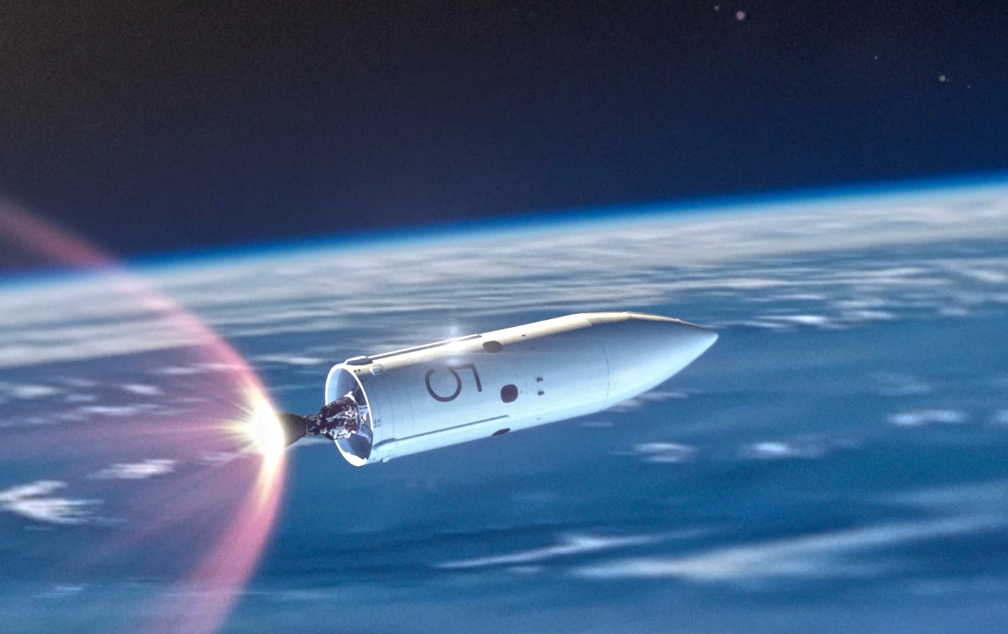
Artistic rendition of MUIRA 5 is courtesy of PLD Space.

PLD Space has announced the closure of further financing through a tie-up with independent financial advisory and alternative asset management group Arcano Partners — this 7 million euros venture will fund the buildout of the PLD Space aerospace project in a deal forming part of its Series B investment round.

PLD Space, based out of Elche (Spain) and founded in 2011, is currently developing the MIURA 5 orbital launcher to provide a commercial launch service to the small satellite industry. As a technological and operational demonstrator, PLD Space is set to fire the suborbital rocket MIURA 1 to power the in-flight validation of the technologies needed to move forward with MIURA 5. It will also be able to carry payloads of up to 100 kg and expose them to zero-g conditions to be later brought back to Earth, stepping up scientific research and technological development services.

PLD Space has attracted more than 18 million in private investment and institutional support to date, in addition to the deal involving Arcano Partners.

Executive Comments

PLD Space fundraising lead and Co-Founder, Raúl Verdú, said, “We are excited to announce the onboarding of a leading firm such as Arcano to PLD Space in a move that will allow us to deliver on our financing goals. We are confident this will be the first of many ventures together with Arcano.”

Arcano Asset & Capital Finance Managing Partner, Jon Garaiyurrebaso Eguía, said, “We are pleased to be able to help make aerospace projects of this scale possible in our country. PLD Space shows great potential for growth and value generation in a sector set to undergo unprecedented change in the next decade.”

Filed Under: News

Nine Imaging Smallsats Launched By China

September 15, 2020 by editorial

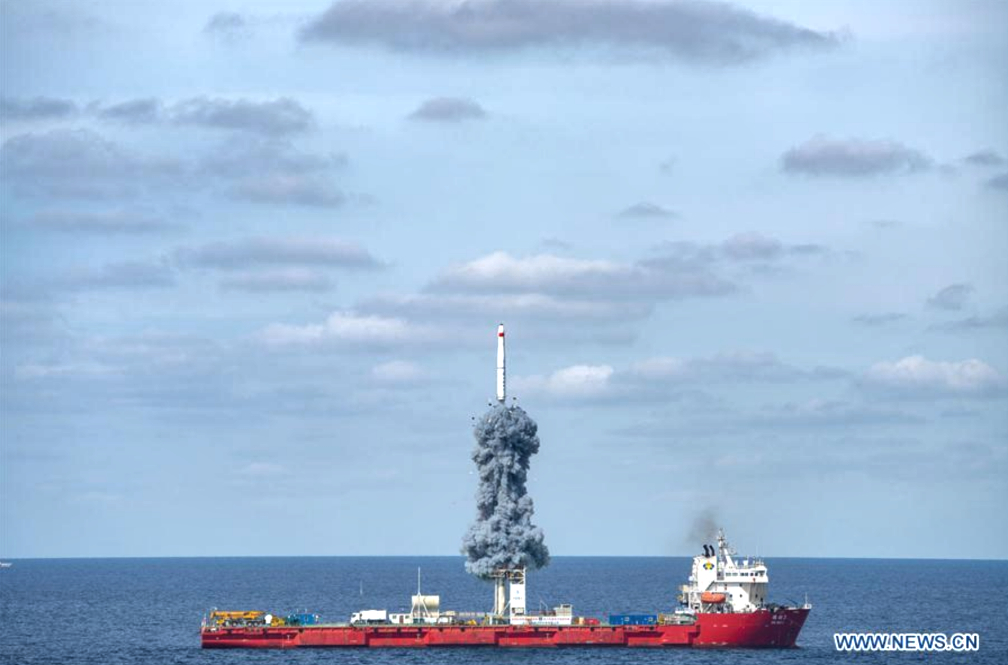
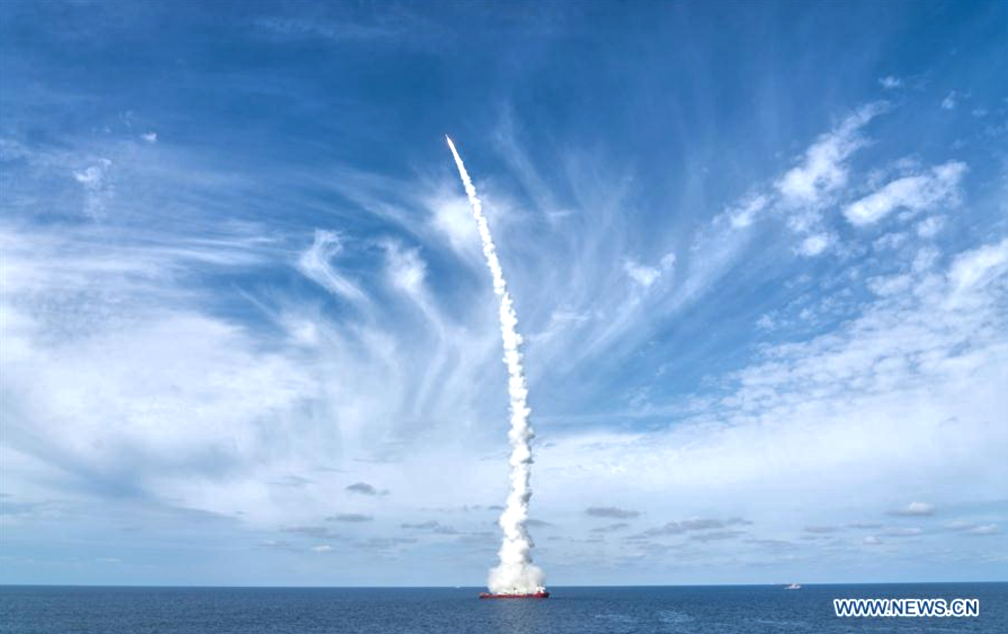
China successfully sent nine Jilin-1 Gaofen 03-1 imaging smallsats into planned orbit from the Yellow Sea on Tuesday, September 15, 2020.

The nine satellites blasted off atop a Long March-11 carrier rocket, China’s first sea-launched rocket, at 9:23 a.m. (Beijing Time).

Launch photos are courtesy of Xinhua — Cai Yang.

Filed Under: News

Thales Alenia Space To Provide Comms + PCDU For The HERA Mission

September 15, 2020 by editorial

Sun and all planets of the Solar System. From left to right: Sun, Mercury, Venus, Earth, Mars, Jupiter, Saturn, Uranus, Neptune, Pluto. The scale of the planets is not absolutely accurate. Some photos of the Planets used thanks to the NASA archive: www.nasa.gov.

Thales Alenia Space has been selected by OHB and the European Space Agency (ESA) to provide the communications system as well as the Power Conditioning and Distribution Unit (PCDU) for the HERA mission.

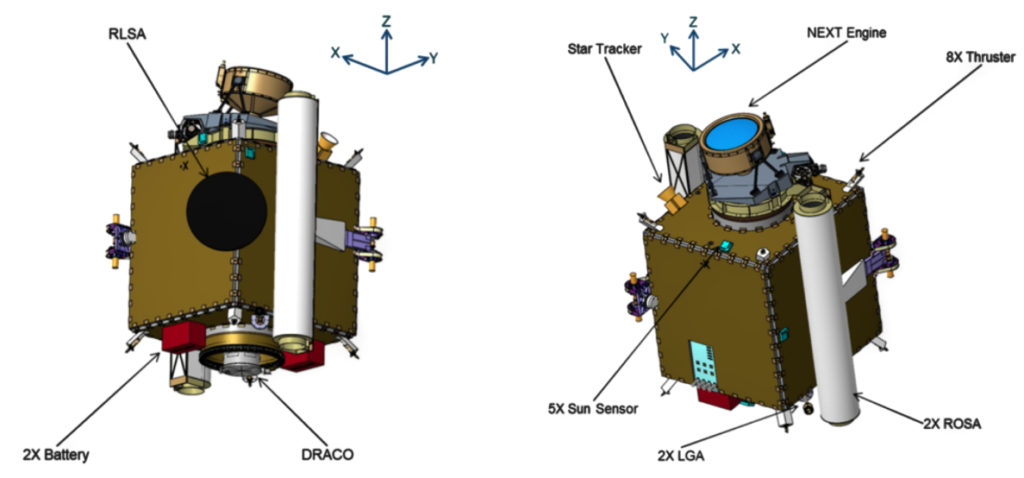
Two different views of the DART spacecraft. The DRACO (Didymos Reconnaissance & Asteroid Camera for OpNav) imaging instrument is based on the LORRI high-resolution imager from New Horizons. The left view also shows the Radial Line Slot Array (RLSA) antenna with the ROSAs (Roll-Out Solar Arrays) rolled up. The view on the right shows a clearer view of the NEXT-C ion engine. Images are courtesy of NASA.

Named after the Greek goddess of marriage, HERA, European contribution to AIDA international cooperation (Asteroid Impact & Deflection Assessment, the first planetary defence mission of humanity) aims to determine if we are capable of deflecting an asteroid and preventing it from hitting Earth.

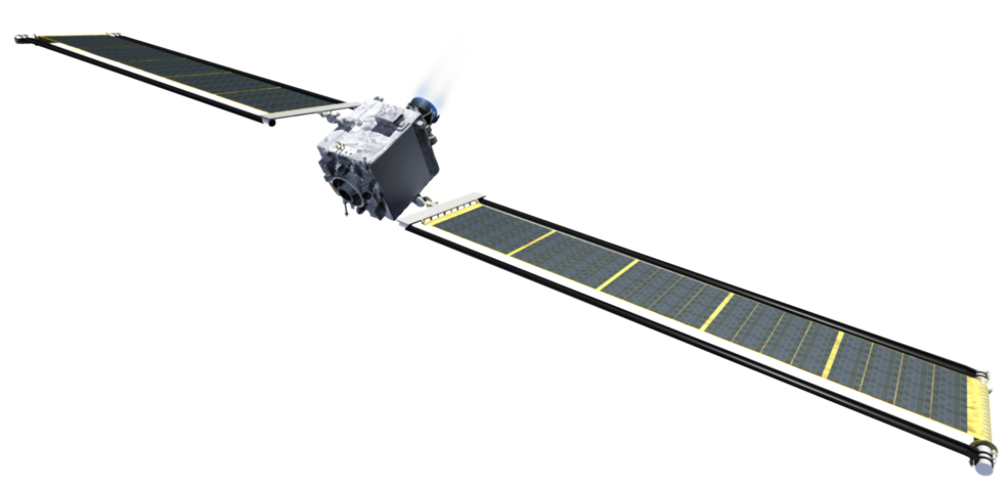
Artistic rendition of NASA’s DART spacecraft is courtesy of the agency.

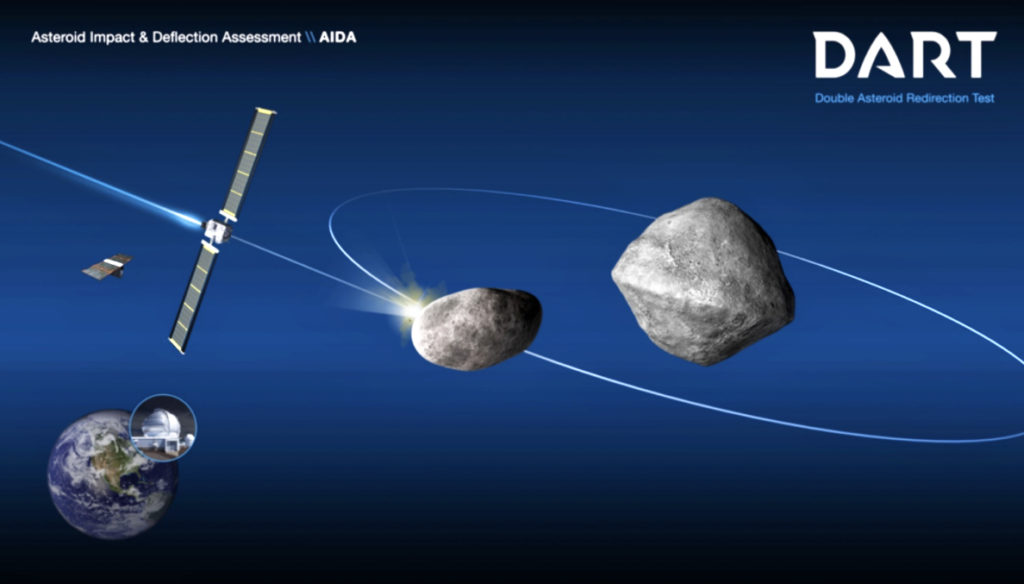
AIDA consists of two missions, NASA’s Double Asteroid Redirection Test (DART), a kinetic impactor designed to deviate the orbit of the smaller of the two Didymos asteroids, and ESA’s HERA inspector spacecraft, that will rendezvous the Didymos target asteroid about 4 years after the DART impact.

HERA, scheduled for launch in 2024, will travel for the first time in history to explore a binary asteroid system. The systems provided by Thales Alenia Space will be key to the mission, allowing to control and track the spacecraft from a distance up to 500 million kilometer far away, to send all the information gathered by HERA back to Earth and to perform radio science.

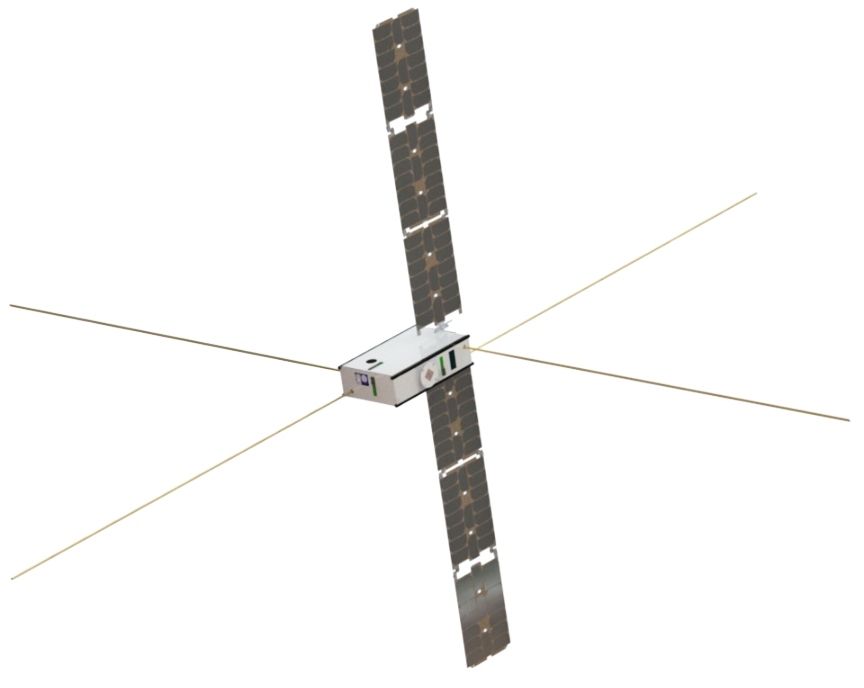
Artistic rendition of the HERA cubesat is courtesy of ESA.

Thales Alenia Space in Spain will be responsible for the X-band Communications System, leading an industrial consortium which includes Thales Alenia Space in Italy, responsible for the state-of-art Deep Space Transponder that, exploiting a flight-proven digital platform, will allow robust communication with the Ground Station and Thales Alenia Space in Belgium, responsible for the Travelling Wave Tube Amplifiers (TWTA), among other companies. Thales Alenia Space in Belgium will also provide the PCDU, the electrical core of the spacecraft.

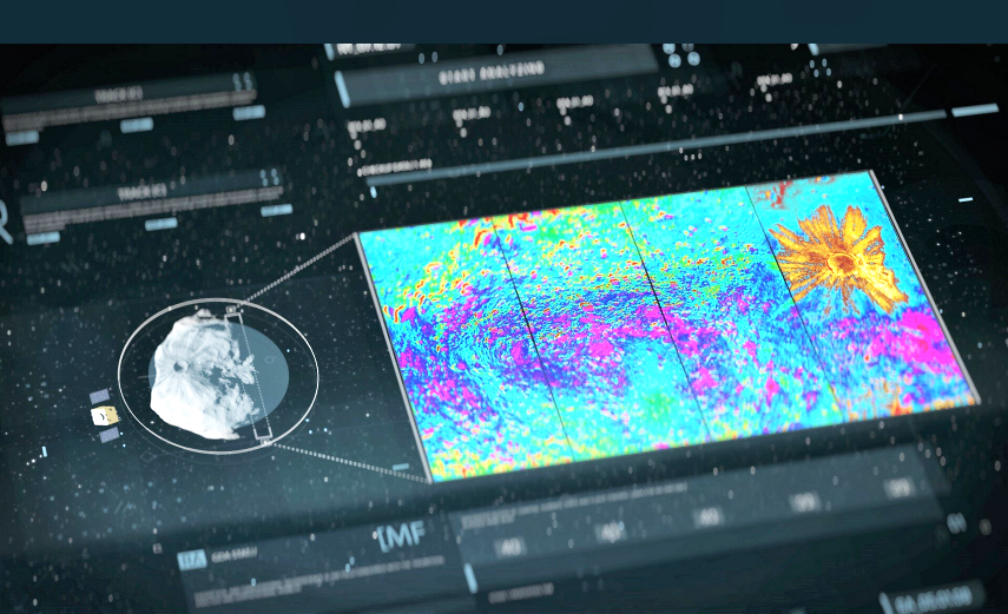
Artistic rendition of HERA scanning Didymoon. Image is courtesy of ESA.

HERA will send key information to Earth on the physical properties of Dimorphos, (including mass, size, shape, volume, density, porosity, size distribution of surface material) to determine the momentum transfer efficiency of the impact and to allow scaling it to different asteroids; details of the crater formed by the impact to improve our understanding of the cratering process; and observations on the subtle dynamic effects that are difficult to detect from ground-based observations.

Executive Comment

Eduardo Bellido

Eduardo Bellido, CEO of Thales Alenia Space in Spain, said, “It is exciting to be part of this historic experiment for humanity to protect the Earth against asteroid collisions. Our technology will deliver essential data to scientists to be able to establish a planetary defence strategy based on asteroids deflection, to prevent the threat of an impact on Earth. Landing on Titan, mapping the Universe with Herschel and Planck, hunting a comet with Rosetta and now preventing Earth against Asteroid, all so amazing and unimaginable challenges our company is so proud to face.”

Saving Our Planet
Asteroids are bodies originated in the young stars nebulae that never grew to planets, formed of rock and metal. Among them, those that have an orbit that brings them close to Earth, known as near-Earth asteroids, pose a risk of hitting the Earth.


There are plenty of such bodies in our Solar system, from tiny little ones measuring a few meters (there’s 40-50 millions of them) up to larger ones, measuring more than 1 km but much more scarce (there’s less than 1000 of them). Neither the smaller near-Earth asteroids nor the larger ones pose a real threat to humanity.


Small asteroids actually hit the Earth quite frequently (every two weeks) with no consequences. The larger ones, although potentially dangerous, are well-known and tracked, and it takes millions of years to have one of them hitting the Earth. Actually, a 10km asteroid impact is the most accepted theory of the Cretaceous extinction around 66 million years ago, ending with three-quarters of the plant and animal species, among others the dinosaurs.


Another famous asteroid impact was Tunguska in Siberia in 1908, presumably belonging to the 30 to 100 meter class, which hit the Earth every 10 years. It is the mid-sized class asteroids of more than 100 meters the ones we need to worry about, such as the asteroid HERA will explore.


There are about 30,000 near-Earth asteroids of the 100 to 300 meter size class, 82% of them still to be spotted, hitting the Earth every 10,000 years. The impact energy of such an asteroid is equivalent to around 50 megatons of TNT, the power of a “Tsar Bomba.” The effect of such an impact would be devastating if it reached a populated area, capable to destroy an entire city or to create a tsunami if it impacted a sea.


The Didymos binary asteroid system is prototypical of the thousands of asteroids that pose a hazardous risk of impact to our planet. Around the main body, 780 meter in diameter (the size of a mountain), orbits a 160 meter moonlet, Dimorphos, similar in size to the great pyramid of Giza. HERA will target this moonlet, which will become the smallest asteroid ever visited by a probe.


The DART spacecraft will be launched in July 2021 and is expected to hit the surface of Dimorphos on September 2022 at a speed of almost 7 kilometers per second, which is expected to modify its orbit around Didymos and create a substantial crater. Dimorphos will thus become the first object in the Solar System whose orbit and physical characteristics have been measurably modified by human effort.


The HERA spacecraft will reach the binary asteroid by the end of 2026, and during 6 months it will perform a detailed study mapping the impact crater caused by DART and measuring the mass and other physical properties of the asteroid to determine the effect of the impact on its orbit. Thus, the data provided by HERA will allow, for the first time, to validate and refine the numerical impact models at the asteroid scale, thus making this deflection technique ready for use for planetary defense if it were ever necessary to safeguard the Earth.

Filed Under: News

Momentus Space Names New Company President

September 15, 2020 by editorial

Momentus Inc. (“Momentus” or the “Company”) has announced the appointment of Dr. Fred Kennedy as President of the Company, effective September 14, 2020.

Momentus has gained significant traction since its founding in 2017, attracting dozens of customers ranging from private commercial space companies to the likes of Lockheed Martin and NASA, and penning important industry partnerships, most notably with SpaceX. Dr. Kennedy’s significant experience within the industry will help accelerate Momentus’ goal of becoming the leading transportation and infrastructure services company of the new space economy.

Dr. Fred Kennedy

Dr. Kennedy most recently served as the inaugural Director of the Space Development Agency (SDA), a U.S. Department of Defense agency responsible for developing threat-driven space architectures to sustain the U.S.’s technological advantage in space. Prior to that, he led the Tactical Technology Office (TTO) of the Defense Advanced Research Projects Agency (DARPA).

Before joining DARPA, Dr. Kennedy served as the senior policy advisor for the White House Office of Science and Technology Policy (OSTP), advising the President of the United States on space and aviation policy. Dr. Kennedy retired as a colonel from the U.S. Air Force after 23 years of service, filling multiple senior roles related to spacecraft technology demonstration and satellite system production.

Executive Comments

Mikhail Kokorich

“We are pleased to welcome Dr. Fred Kennedy to the Momentus team,” said Mikhail Kokorich, Founder and CEO of the Company. “Dr. Kennedy has a proven track record of leadership and innovation throughout his career in the Department of Defense and brings a wealth of expertise in satellite systems and space technology to our team. We are confident that Dr. Kennedy’s extensive technical experience and relationships across the aerospace and defense industry will support Momentus’ efforts to advance and deploy our leading-edge technology for low-cost satellite transportation.”

Dr. Kennedy commented, “I am absolutely thrilled to be joining Momentus and am eager to start working with its very talented team of engineers and experts. Given the increasing demand for satellite transportation and services across the space industry, Momentus’ water-based propulsion technology is well-positioned to capitalize on this sector’s rapid growth.”

Filed Under: News

Astra’s Rocket 3.1 Launch Is A Win Despite In-Flight Engine Shutdown

September 14, 2020 by editorial

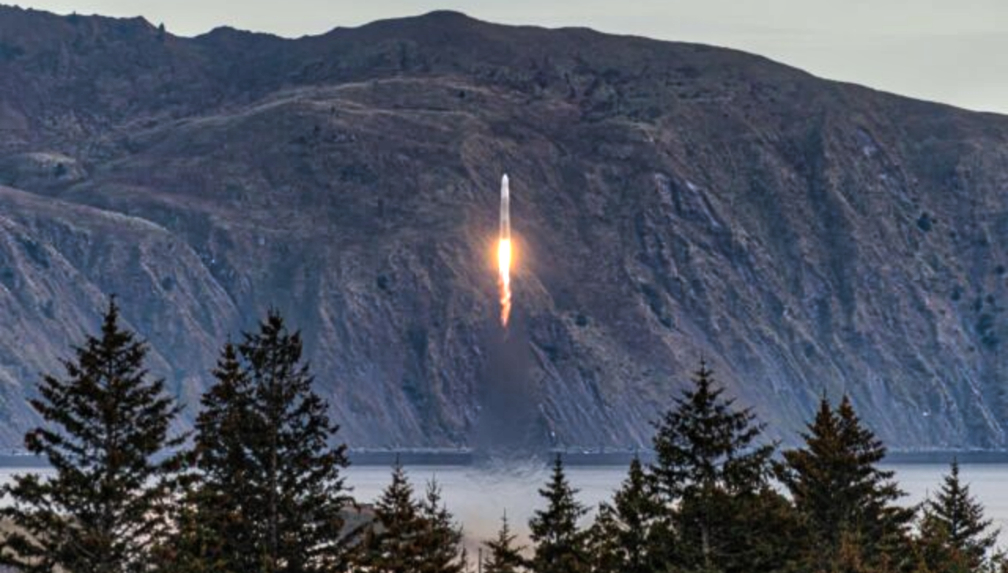
Astra launched their first orbital rocket on Friday, September 11, from a spaceport located in southern Alaska on Kodiak Island.

Rocket 3.1 began to climb straight into the sky before the launch vehicle began to start swaying back and forth. The danger of the flight passing outside of the controlled flight area and it started to drift away from the planned trajectory required a command be sent by Astra to shut down the rocket’s engines. The potential of Rocket 3.1 descending into protected areas required this action be taken. The 30 second burn was terminated.

According to Astra, a flight software problem caused the problem and was not due to any first stage hardware complications. An extensive investigation will now be undertaken to determine the exact cause of this anomaly.

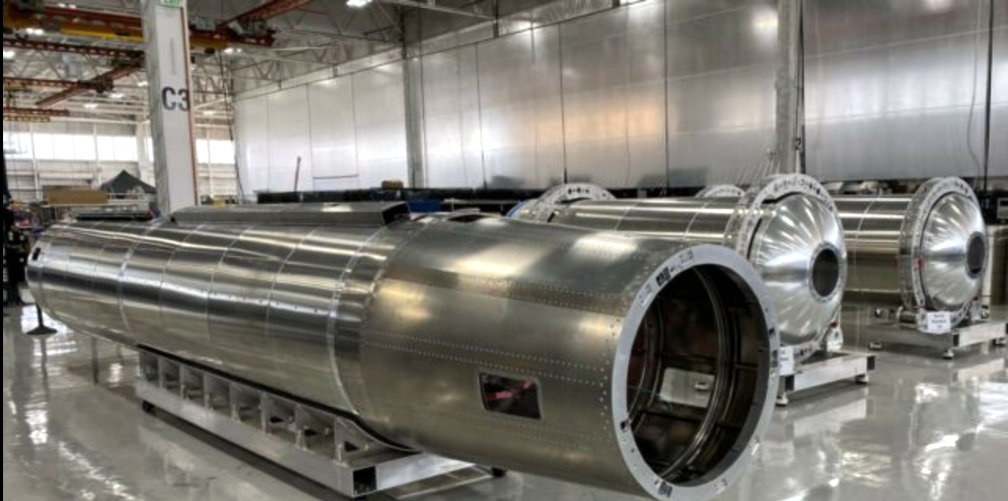
Three Rocket 3.0s within the Astra facility in Alameda.

Astra is scheduled for three additional test flights which, according to company CEO Chris Kemp, remains on track. He stated that there was almost no single part of the rocket that had ever flown before, and that the best method to obtain data about a rocket’s performance is to actually test the hardware in flight and not through simulations that go on and on.

The firm was founded in 2016 and is based in Alameda, California, and employs around 100 staff.

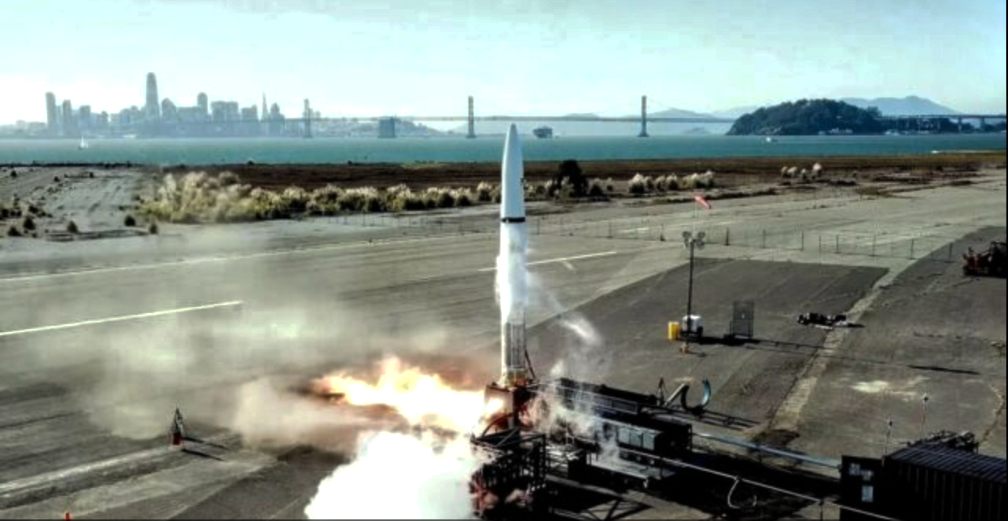
Astra performs a test on its rocket outside its headquarters in Alameda, California.

Filed Under: News

U.S. Navy’s BRICSat-2 Smallsat Causes Russian Concern for ISS Safety

September 14, 2020 by editorial

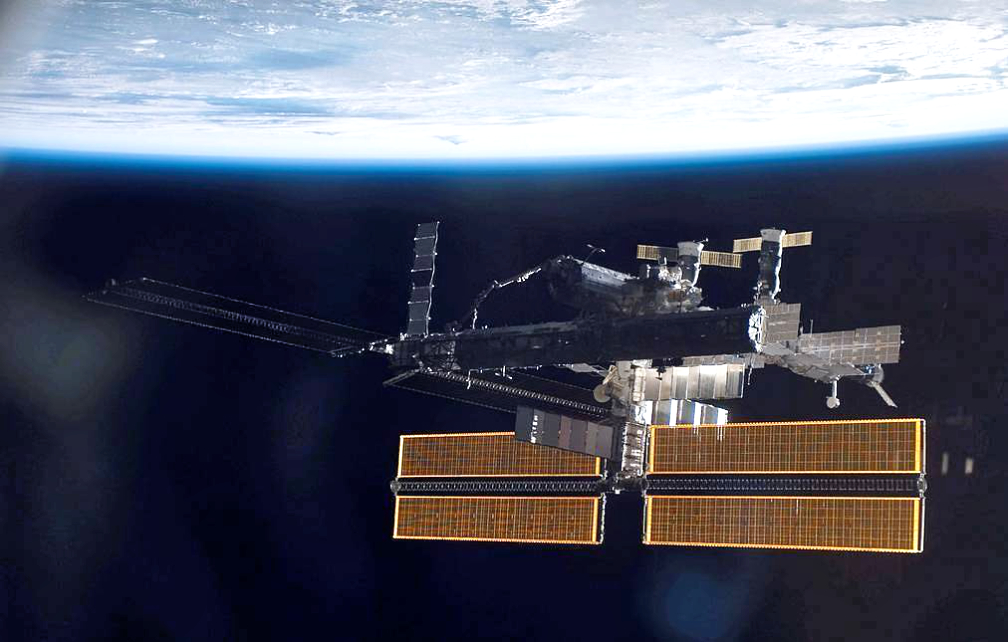
Russia’s state space corporation Roscosmos said on Sunday, September 13, that their specialists have decided not to initiate an avoidance maneuver to adjust the orbit of the International Space Station (ISS) due to the orbit of a US former military satellite named BRICSat-2.

According to Roscosmos, the Automated Warning System on Hazardous Situations in Outer Space, or ASPOS OKP, indicated that BRICSat-2 poses no threat to the International Space Station — the Russian side of ISS ops has repeatedly warned about the threat posed by low-orbit satellite groupings and “suggests special regulations be worked out.”

The experimental communications satellite, BRICSat-2, was placed into orbit by a SpaceX Falcon Heavy rocket in 2019 for the US Navy.

Roscosmos said on Saturday the ISS’ could be adjusted in a time span that ranged from 00:00 to 01:00 Moscow time on September 14 due to the approach of the BRICSat-2 satellite.

Filed Under: News

  • « Go to Previous Page
  • Page 1
  • Interim pages omitted …
  • Page 14
  • Page 15
  • Page 16
  • Page 17
  • Page 18
  • Interim pages omitted …
  • Page 57
  • Go to Next Page »

Primary Sidebar

WEEKLY NEWSLETTER

Archives

  • June 2026
  • May 2026
  • April 2026
  • March 2026
  • February 2026
  • January 2026
  • December 2025
  • November 2025
  • October 2025
  • September 2025
  • August 2025
  • July 2025
  • June 2025
  • May 2025
  • April 2025
  • March 2025
  • February 2025
  • January 2025
  • December 2024
  • November 2024
  • October 2024
  • September 2024
  • August 2024
  • July 2024
  • June 2024
  • May 2024
  • April 2024
  • March 2024
  • February 2024
  • January 2024
  • December 2023
  • November 2023
  • October 2023
  • September 2023
  • August 2023
  • July 2023
  • June 2023
  • May 2023
  • April 2023
  • March 2023
  • February 2023
  • January 2023
  • December 2022
  • November 2022
  • October 2022
  • September 2022
  • August 2022
  • July 2022
  • June 2022
  • May 2022
  • April 2022
  • March 2022
  • February 2022
  • January 2022
  • December 2021
  • November 2021
  • October 2021
  • September 2021
  • August 2021
  • July 2021
  • June 2021
  • May 2021
  • April 2021
  • March 2021
  • February 2021
  • January 2021
  • December 2020
  • November 2020
  • October 2020
  • September 2020
  • August 2020
  • July 2020
  • June 2020
  • May 2020
  • April 2020
  • March 2020
  • February 2020
  • January 2020
  • December 2019
  • November 2019
  • October 2019

© 2019–2026 SatNews

Insert/edit link

Enter the destination URL

Or link to existing content

    No search term specified. Showing recent items. Search or use up and down arrow keys to select an item.
      x
      Sign Up Now!

      Enjoy a free weekly newsletter with recent headlines from the global SmallSat industry.

      Invalid email address
      We promise not to spam you. You can unsubscribe at any time.
      Thanks for subscribing! You will now receive weekly SmallSat News updates.
      We love our advertisers.
      And you will too!

      Please disable Ad Blocker to continue... We promise to keep it unobtrusive.
      We promise not to spam you. You can unsubscribe at any time.
      Invalid email address
      Thanks for subscribing!