• Skip to main content
  • Skip to primary sidebar
  • Home
  • News
  • Featured
  • More News ⌄
    • SatNews
    • SatMagazine
    • MilSatMagazine
  • Events ⌄
    • MilSat Symposium
    • SmallSat Symposium
    • Satellite Innovation
  • Contacts
  • SUBSCRIPTION

SmallSat News

You are here: Home / 2025 / Archives for July 2025

Archives for July 2025

Launch Update: Lacuna Space expands D2D IoT Network with satellite launches

July 10, 2025 by editorial

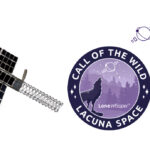
Left: One of Lacuna’s newest satellites, built by Spire with an antenna
by Oxford Space Systems.
Right: Mission patch for Lacuna Space’s “Call of the Wild” mission

Lacuna Space recently launched new satellites under the company’s Call of the Wild mission banner, a major step forward in scaling their direct-to-device (D2D) IoT network.

This is the first of several launches planned for 2025, bringing increased global capacity to meet the fast-growing demand for ultra-low-power, infrastructure-free sensor connectivity in remote environments.

The satellites feature Lacuna’s proprietary LoneWhisper® payload, designed and built entirely in-house. It is optimized to receive small, infrequent messages from low-power devices and transmit them directly to orbit, enabling true global coverage without the need for ground-based communication infrastructure.

Water is among the most critical, and least connected,resources on the planet. Traditional monitoring often depends on manual sampling and site visits, making it expensive, inconsistent, and impractical in remote or dispersed areas. Lacuna’s direct-to-device connectivity changes that. With low-power sensors transmitting data directly from the field, organizations can now monitor water quality continuously, in real time, without relying on cellular networks or gateways.

Field deployments are already supporting:

• Monitoring boreholes and wells for pH, turbidity, and salinity

• Tracking salinity and runoff in agriculture

• Detecting pollution in rivers and coastal zones

These sensors typically send only a few small messages per day, and often operate for years on a single battery. The Call of the Wild satellites are the first of several new missions launching this year. Together, they will significantly expand Lacuna’s coverage and message throughput, strengthening its position as a global leader in direct-to-orbit IoT for remote monitoring. Water quality monitoring is just one example of how Lacuna’s network is being used to solve critical challenges in hard-to-reach environments across the globe.

Lacuna Space was the first to fly Semtech’s high-capacity LoRa® chipset back in 2019. Since then, the team has run multiple missions, completed detailed global spectrum surveys, and fine-tuned every element of the system. This deep experience means they understand how to get the best out of the technology, whether it is tracking soil moisture for smart agriculture or monitoring water quality in remote regions, the system is built for dependable performance in the toughest environments.

The demand for remote IoT connectivity is accelerating fast—and that’s what’s driving this next phase of growth,” said Rob Spurrett, CEO, Lacuna Space. “We’ve already proven that our technology works where others simply can’t: in remote, infrastructure-free environments. Now we’re scaling to meet real-world demand. This mission marks a step-change: from pilot projects to large-scale, operational deployments. With LoneWhisper®, we’ve built the highest-capacity direct-to-device LoRa® receiver in orbit—giving us the ability to support more devices, more reliably, than any other solution in the market. Our system is designed not just to reach remote places, but to scale across the globe.”

From early flood warning systems and pollutant tracking to compliance monitoring for agriculture and industry, the demand for low-power, wide-area connectivity is only increasing. Satellite IoT, as delivered by Lacuna Space, is uniquely positioned to meet this demand,” said Clifford Shapland, Digital Development Officer at Ceredigion County Council. “The ability to capture consistent and accurate measurements in hard-to-reach areas has unlocked a new level of granular environmental insight. We see this use-case as effectively limitless in scale and duration. Wales alone has over 33,000 km of rivers and streams, many of which pass through rural or isolated terrain.”

Lacuna Space is a prime example of UK innovation in satellite communications, addressing real-world needs,” said Dr. Paul Bate, Chief Executive of the UK Space Agency. “Their low-power, direct-to-device connectivity brings the benefits of space down to Earth by enabling efficient and affordable IoT services, including monitoring of vital resources such as water infrastructure. The UK Space Agency is proud to support Lacuna’s journey to becoming a global leader in satellite-based IoT, showcasing the UK’s leadership in new satellite communications markets.”

Filed Under: News

Oxford Space Systems deploys S-band Helical antenna for Astro Digital

July 9, 2025 by editorial

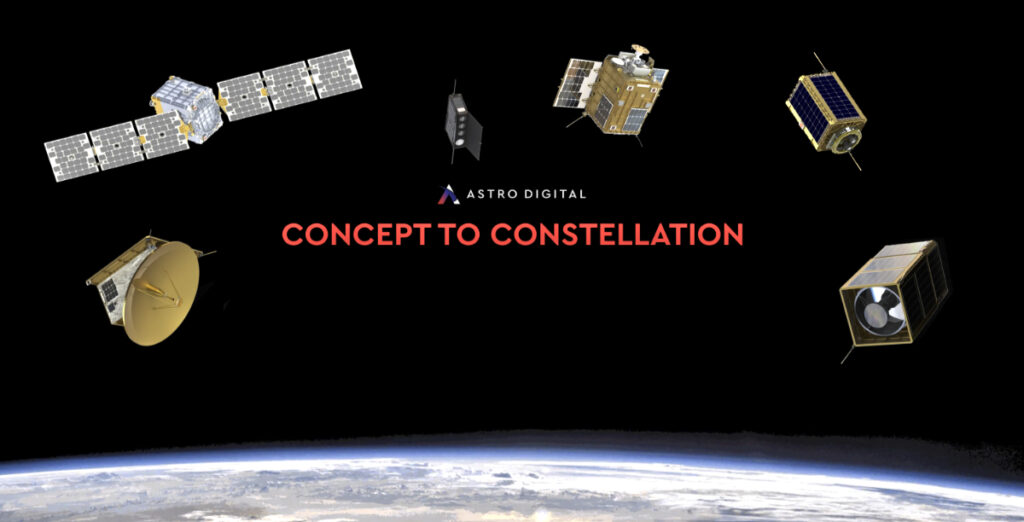
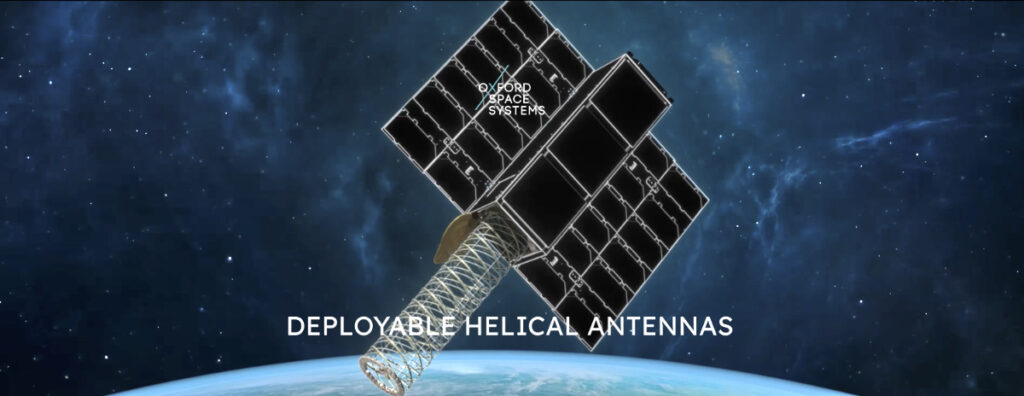
Oxford Space Systems has announced the successful on-orbit deployment of an S-band isoflux helical antenna for Astro Digital—this isoflux pattern enables wide and consistent coverage on the ground, enhancing satellite communication capabilities. This deployment builds on a strong collaboration between Oxford Space Systems and Astro Digital, supporting multiple satellites with advanced antenna solutions.

The S-band antenna was designed and manufactured by Oxford Space Systems to meet Astro Digital’s mission requirements. Its compact stowage and robust deployment mechanism ensure efficient use of spacecraft volume and mass, while delivering high-performance S-band communications for data transmission and ground coverage.

Following deployment, the antenna underwent a transmit test, which confirmed its operational performance on-orbit.

Sean Sutcliffe, CEO of Oxford Space Systems, said, “The successful deployment and performance verification at high power of our S-band isoflux helical antenna for Astro Digital is a clear demonstration of our engineering expertise and commitment to mission success. We are proud to continue supporting Astro Digital with agile and reliable deployable antenna solutions.”

Chris Biddy, CEO of Astro Digital, said, “We value our partnership with Oxford Space Systems and are pleased with the successful deployment of this S-band antenna. Their innovative approach to deployable antennas continues to support our mission needs and enables us to deliver reliable communications for our customers.”

Filed Under: News

Launch Update: D-Orbit has launched 2 OTV Missions with their ION Satellite Carrier

July 9, 2025 by editorial

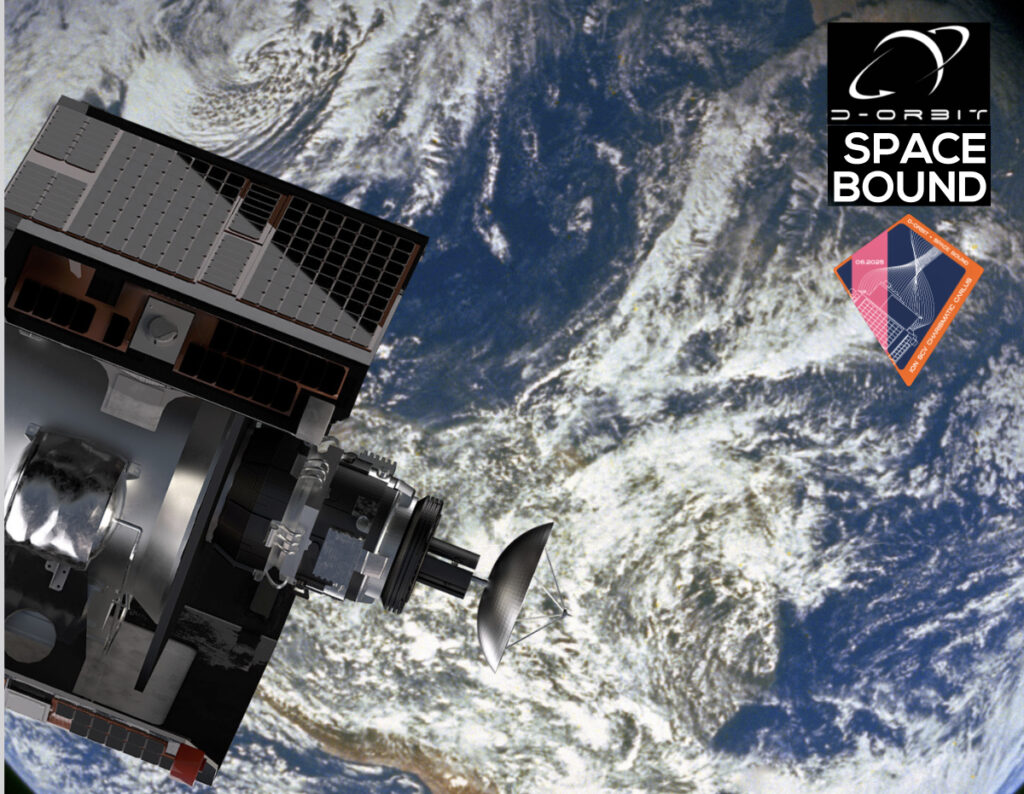
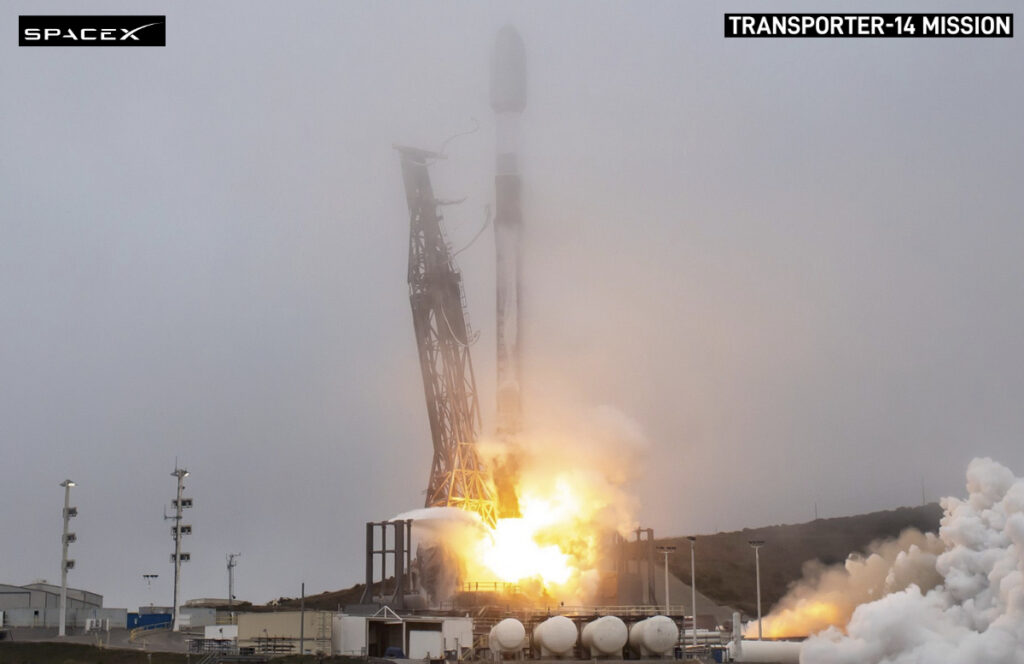
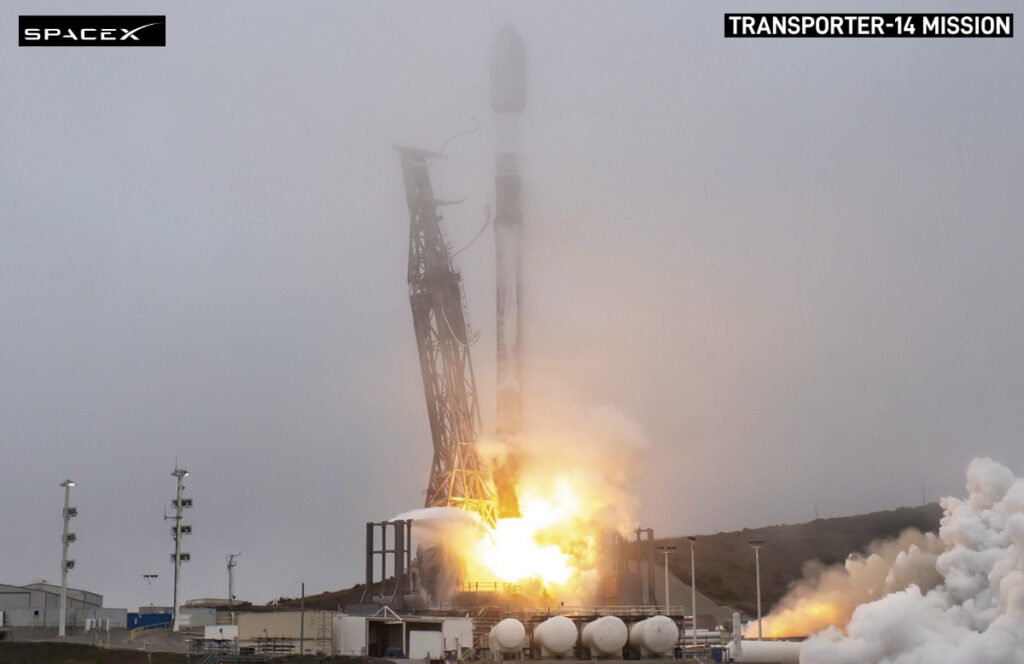
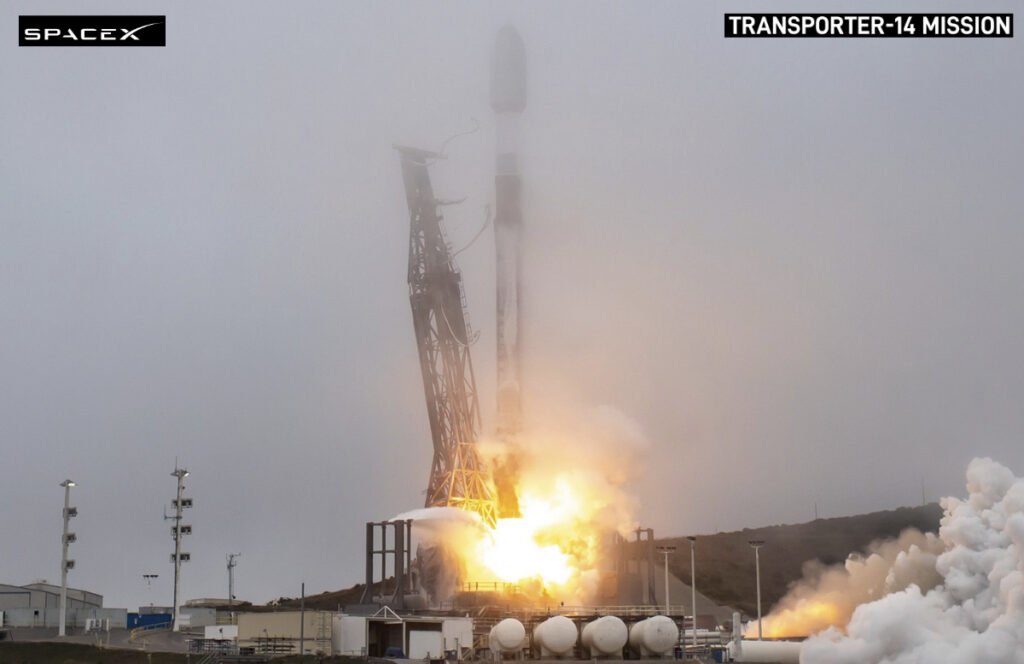
On June 23, 2025, D-Orbit launched Space Bound and Skytrail, the 18th and 19th commercial missions of ION Satellite Carrier (ION), the firm’s orbital transfer vehicle (OTV), aboard SpaceX’s Transporter-14 mission.

The two IONs were launched from Space Launch Complex 4E (SLC-4E) at Vandenberg Space Force Base in California at 02:25:00 PM PT (09:25:00 PM UTC). Following liftoff, the OTVs, ION SCV Charismatic Carlus and ION SCV Passionate Paula, were released into a Sun-synchronous Orbit (SSO) at an altitude of approximately 590 km and 510 respectively

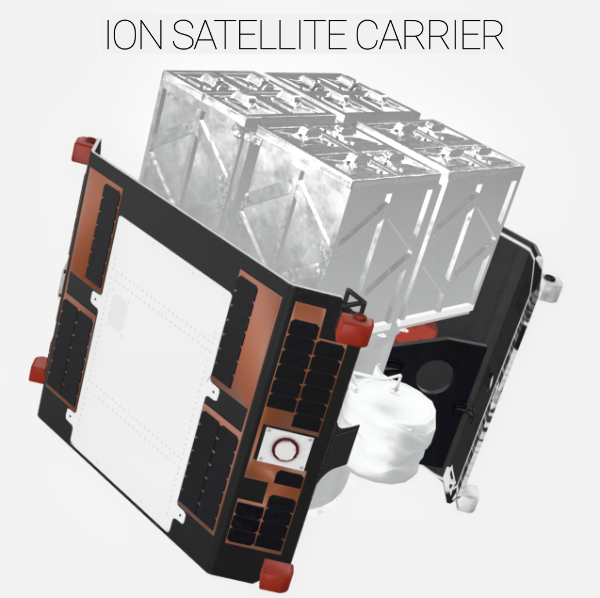
ION Satellite Carrier is a versatile space vehicle capable of transporting and releasing satellites into distinct orbital slots and can also accommodate third-party payloads, including innovative technologies, research experiments, and instruments requiring on-orbit testing. Additionally, ION can support edge computing and space cloud services, providing satellite operators with advanced storage and computational capabilities in orbit.

The two ION vehicles carried payloads from a diverse range of commercial, institutional, and research entities. These included:

Two LEMUR 4U satellites by Spire Global: the satellites combine a Spire-built platform, and a Lacuna-built IoT gateway, expanding Lacuna Space‘s IoT constellation, which is designed to deliver low-cost, reliable global connections to sensors and mobile equipment in remote locations. The constellation supports IoT services across agriculture, environmental monitoring, smart metering, and the blue economy— with use cases ranging from measuring soil moisture to improve crop yields in remote regions to tracking the movement of critical assets.

Early Test Payload by Constellation Technologies & Operations: a regenerative 5G mmWave payload enabling low-latency, high-speed connectivity from Very Low Earth Orbit (VLEO), with initial testing and validation for future satellite operations.

PBI (Water Ion Thruster) by Pale Blue: a miniaturized gridded ion thruster delivering best-in-class total impulse per unit. Its no-high-pressure and propellant-preloaded design eliminates the need for fueling work at launch site. Fully integrated and clusterable, PBI supports a wide range of nanosats and microsats with missions that require high efficiency and reliability.

Rogue Thrusters by Magdrive: the company’s first In Orbit Demonstration of their Rogue thruster. Compact, powerful, and radically efficient, Rogue uses solid metal as its propellant, turning it into plasma to generate bursts of thrust far beyond what traditional electric systems can manage. It delivers up to 10 mN of force, enough to shift satellites with precision, last minute collision avoidance, and tackle deep-space maneuvers. Built with internal energy storage, it’s not just fast, it’s sustainable.

ROQuET—Reconfigurable lower Orbit Quantum Computer for Earth observation Technology by University of Vienna (Austria) in collaboration with CNR Milano (Italy) and the support of the German Aerospace Center in Berlin, Munich, and Trauen: a compact, energy-efficient photonic quantum computer designed to operate reliably in the harsh environment of space missions. Sized like a shoebox, it withstands thermal and mechanical shocks without the need for the controlled conditions typical of terrestrial quantum computers. This mission aims to explore the potential of quantum technologies in the context of space operations, especially for Earth observation scopes.

DNAV (Deep Space Navigation) by Telepix: an onboard processor with deep space navigation algorithm. It is a system designed for satellites to autonomously navigate and determine their position in deep space, far from Earth, independent of ground station communication. It combines a wide-angle, high-resolution camera and advanced image processing algorithms to track celestial bodies like stars and planets, thereby enabling precise calculation of the satellite’s position and velocity. To handle the data processing for this image-based navigation, the system is also equipped with TelePIX’s TetraPLEX, a high-performance onboard AI processor that was successfully space-qualified last year.

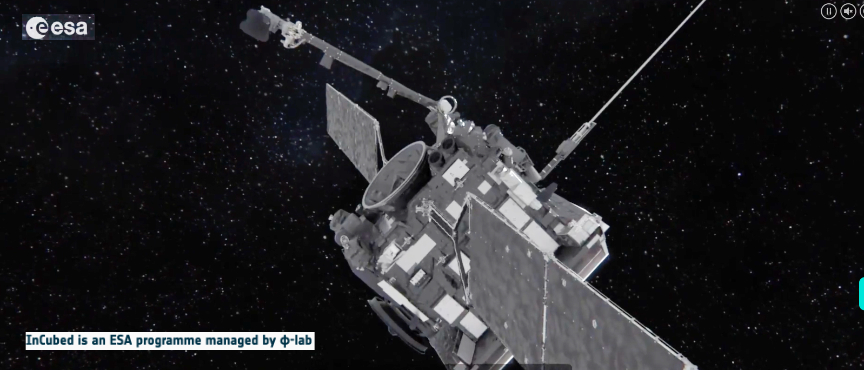
AIX-1: A project by Planetek, in collaboration with D-Orbit and AIKO, and co- funded by ESA Φ-lab’s InCubed program, AIX-1 follows the successful launch of AI-eXpress 1 Precursor (AIX-1p) in January. The project leverages cutting-edge technologies such as Artificial Intelligence (AI) and Blockchain in Space to enhance satellite capabilities in terms of reactivity, responsiveness, and low- latency data delivery. Building on the in-orbit validation of AIX-1p, AIX-1 expands the functionalities of a hybrid edge/cloud ecosystem hosted on a Low Earth Orbit (LEO) platform. The system integrates Earth observation payloads, deployable CubeSats, and a modular software framework that dynamically manages on- board sensors and computing resources.

This mission marks a further step for D-Orbit toward the development of the “satellite-as-a-service” model, bringing us closer to a fully operational space “App Store,” a new frontier for accessing, managing, and monetizing space infrastructure.

On two additional ports of the Transporter-14 mission, D-Orbit also launched four satellites from Plan-S Satellite and Space Technologies (Connecta IOT-9, -10, -11, – 12), deployed via two, NPC Spacemind CubeSat deployers. With this launch, D-Orbit has now deployed 190 payloads in orbit since the inaugural ION mission in 2020.

The launch of these two new missions further validates our ability to deliver timely, precise, and reliable orbital transportation services,” said Renato Panesi, co-founder and Chief Commercial Officer at D-Orbit. “We continue to expand our capabilities to meet the evolving needs of our customers, and these missions mark another step forward in our long-term vision for space infrastructure.”

Filed Under: News

Launch Update: Italy ‘s IRIDE program launches their 1st Argotec-developed satellite constellation

July 9, 2025 by editorial

Seven satellites developed by Argotec have been launched for the Italian Earth observation mission, IRIDE.

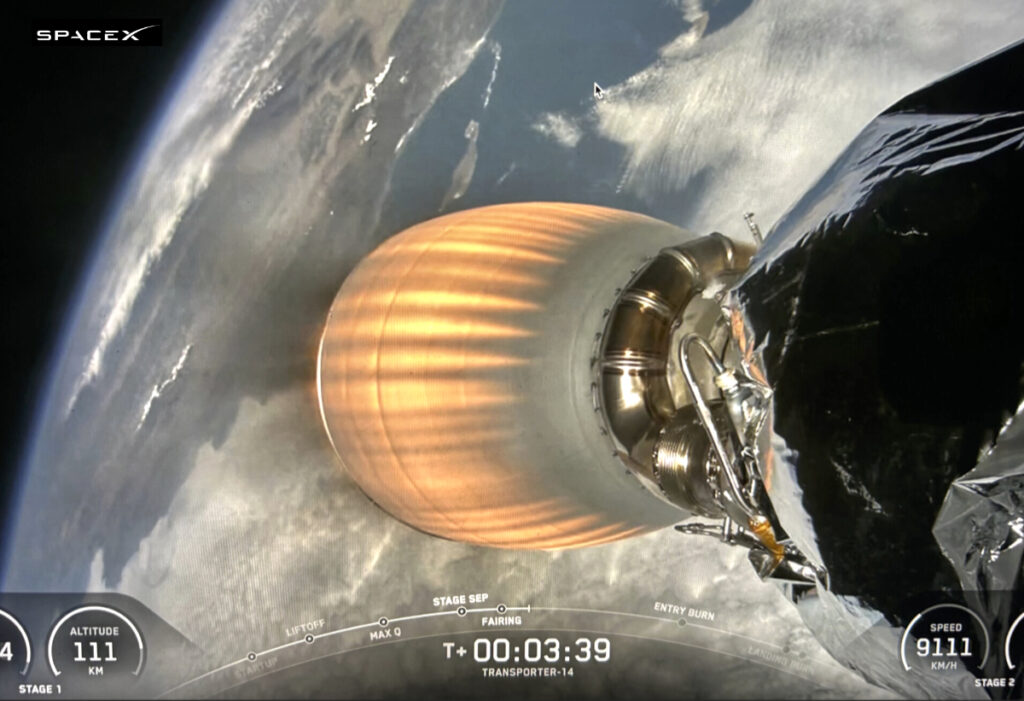
Screenshot

The satellites form part of the Hawk for Earth Observation (HEO) constellation, which carries multispectral optical instruments.

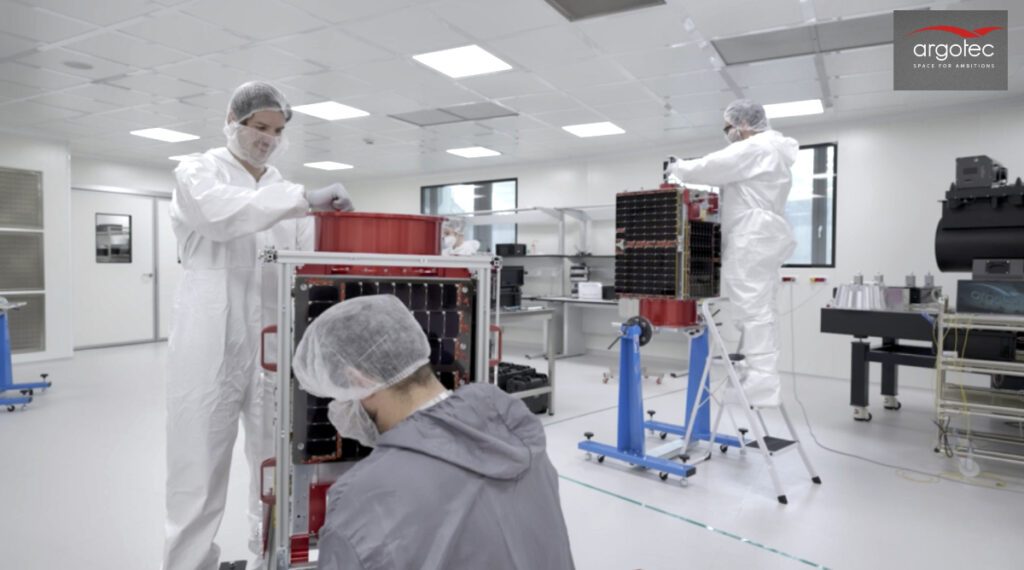
IRIDE HEO in the cleanroom

The seven HEO satellites join HEO Pathfinder, the first IRIDE satellite in orbit, which was launched in January of 2025. Pathfinder captured the program’s first image – a view of Rome and central Italy in high resolution – which was presented at ESA’s site in Italy, ESRIN, earlier this year.

The launch by SpaceX occurred on Monday June 23rd, aboard a Falcon 9 rocket, from Vandenberg Space Force Base in California. Acquisition of signal was confirmed at Argotec’s mission control about four hours after launch.

IRIDE constellation in the cleanroom

Coordinated by ESA with support from the Italian Space Agency (ASI), the IRIDE program involves the deployment of six satellite constellations.This is an ambitious space initiative by the Italian government with funding from Italy’s National Recovery and Resilience Plan (PNRR).

This milestone represents an important step for the IRIDE program,” said Simonetta Cheli, ESA’s Director of Earth Observation Programs. “The program’s satellite data will support the protection of our planet, the management of resources and global security. I would like to thank all the teams involved that made this important result possible. In particular, I would like to congratulate Argotec, Officina Stellare, Exprivia and all the companies involved in the creation of this constellation. This is another important step, but I would like to point out that soon new IRIDE constellations, created by other industrial groups, will be sent into space, further expanding the capabilities of the programme. With this mission, we demonstrate once again our ability to put technology at the service of humanity to support the most urgent challenges.

There have been many variables in the development of these seven satellites, so it’s with great satisfaction that we see the launch occur,” said David Avino, CEO and founder of Argotec. “Our team has shown commitment to offering our country state-of-the-art tools to monitor our planet. If even one step counts, today we have taken seven.”

Filed Under: News

Launch Update: Technical University of Munich’s (TUM) quantum smallsat launched into space

July 9, 2025 by editorial

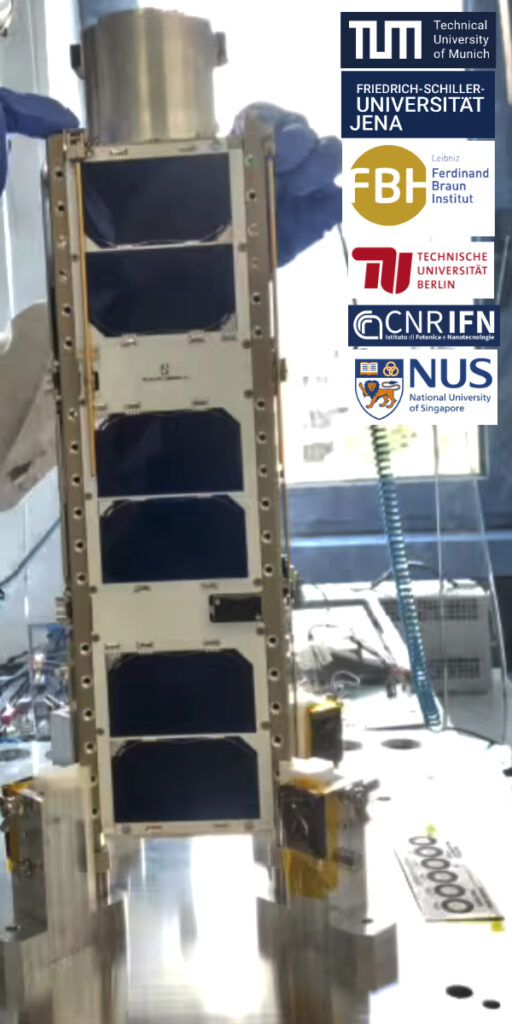
The QUICK³ nano satellite. Photo: Lukas Wiese with the QUICK³ smallsat during tests, courtesy of Friedrich Schiller University Jena.
Image credit to Philipp Werner

The goal of TUM‘s QUICK³ is to make fast and secure communication possible. The QUICK³ nano satellite will test components for use in future quantum satellite systems.

The satellite, developed by a research consortium headed by TUM professor Tobias Vogl, was launched into orbit with a booster rocket from Vandenberg Space Force Base in California on Monday, June 23rd. The mission is expected to deliver its first results by the end of this year.

The QUICK³ satellite is no bigger than a shoebox and weighs around 4kg and it is to test quantum communication components that will achieve fully secure data transmissions from the sender to the receiver.

Unlike conventional communications through fiber-optic cables, the information transmitted by a quantum communication satellite is not contained in light pulses comprised of many photons, but rather in individual, precisely defined photons. These photons have quantum states that make the transmission absolutely secure.

As any attempt to intercept the message will change the state of the photons,such actions will be immediately detected. The individual photons can neither be copied nor amplified. This limits their range in fiber-optic cables to a few hundred kilometers. Satellite-based quantum communication use the special characteristics of the atmosphere. In the upper atmospheric layers, there is minimal scattering or absorption of light. This results in ideal conditions for secure data transmissions over long distances.

The second goal of the mission is to test the Born probability interpretation of the wave function under zero gravity conditions. The function describes the probability of finding a quantum particle in a measurement at a specific location—a central concept of quantum mechanics. The question of whether this rule also applies universally, even in outer space, has never been experimentally verified.

To make quantum communication an everyday reality, a globe-spanning network of several hundred satellites will be needed. Before that, however, the QUICK³ mission aims to demonstrate that the individual components of the nano satellite can withstand conditions in space and successfully interact. The QUICK³ smallsat uses single photon source instead of laser beams

In addition to the researchers from the Technical University of Munich (TUM), the QUICK³ satellite was developed, primarily, by scientists at Friedrich Schiller University Jena (FSU), the Ferdinand-Braun-Institut, Leibniz-Institut für Höchstfrequenztechnik (FBH) and Technical University Berlin (TUB) along with international partners at the Institute for Photonics and Nanotechnologies (CNR-IFN) in Italy and the National University of Singapore (NUS).

In this mission we are testing single photon technology for nano satellites for the first time,” said Tobias Vogl, Professor of Quantum Communication System Engineering at TUM and leader of the project. “At present there is no comparable project anywhere in the world. Either the satellites are much heavier and therefore more expensive or they operate with lasers, which greatly reduces the data transmission rate. The transmission speed is a key advantage of our system, but the satellites have only a few minutes of line-of-sight contact with ground stations on each orbit.”

Filed Under: News

Forrester’s Digest: Airbus shapes new organization structure

July 8, 2025 by editorial

Airbus Defence and Space states they are implementing a new organization structure to shape the company’s future competitiveness, with more than 2,000 jobs to go.

The new organization came into effect on July 1st. The Division has completed all information and consultation processes on European as well as national levels for its adaptation plan and has reached productive agreements with its social partners.

This process followed an announcement in October 2024 to adapt the Division’s organisation and workforce in light of a continued complex business environment, especially in the Space Systems segment where significant financial charges were recorded in 2023 and 2024,” noted Airbus.

Among others, the company announced it would reduce up to 2,043 positions, predominantly management overhead functions, and provide stronger end-to-end accountability to its three business lines—Air Power, Space Systems and Connected Intelligence—in order to better cope with business requirements in the future. As confirmed at the beginning of the information and consultation process, there will be no compulsory redundancies, stressed Airbus.

Airbus is backing the probable merger of its space division with those of Thales and Leonardo.

I thank our social partners and our Airbus Defence and Space colleagues for their constructive engagement and contributions throughout this process. Navigating organisational change is never straightforward for any party, particularly when it involves adapting our workforce. The current geopolitical landscape requires a stronger, faster and more resilient European defence and security industry. Our new structure delivers on this requirement through an efficient and effective end-to-end responsibility for our three businesses and a significantly optimized cost structure while preserving the ability and capacity to benefit from growing defence spending,” said Mike Schoellhorn, CEO Airbus Defence and Space.

Filed Under: Featured, News

Flexible payload interface for spacecraft from Okika Devices

July 8, 2025 by editorial

Modern spacecraft increasingly requires flexible, reconfigurable payload interfaces that can adapt to multiple sensors, instruments, and mission profile—the AN231E03 Field Programmable Analog Array (FPAA) from Okika Devices offers a powerful, low-power, and space-efficient solution to meet these needs.

The AN231E03 replaces bulky analog front-end circuits with a programmable analog signal path, enabling real-time processing and configuration of analog signals from diverse payloads. It dramatically simplifies hardware design, enhances adaptability, and reduces size, weight, and power (SWaP).

Key Benefits

  • Programmable Analog Signal Path: Real-time reconfigurable filters, amplifiers, and signal routing
  • Multi-Payload Support: Reuse one interface board across payloads with differing analog requirements
  • Low Power Consumption: Ideal for SWaP-constrained smallsats and hosted payloads
  • Miniaturization: Replaces dozens of discrete analog components in one chip
  • Low Latency: Real-time analog computation eliminates ADC/DSP round-trip delays
  • On-Orbit Reconfiguration: Supports in-flight updates via microcontroller or FPGA
  • High Precision: Tunable capacitors and low-noise blocks for sensitive instrumentation

Example

Sensors and instruments connect to the AN231E03 FPAA for analog signal conditioning. A microcontroller configures the FPAA and communicates with the spacecraft data bus. This enables plug-and-play analog interfacing and dynamic re-tasking of the same hardware for new missions or experiments.

Applications

  • Adaptive science payload platforms
  • Multi-mission CubeSats
  • RF and signal-processing front ends
  • Hosted payload buses with standardized interfaces

Okika’s AN231E03 FPAA provides a generational leap in spacecraft payload interface flexibility and enables a modular, reconfigurable, and compact analog front-end critical for next-generation space systems.

Filed Under: News

UK’s SatVu secures multi-million ESA contract to power climate and security intelligence

July 8, 2025 by editorial

SatVu, has been awarded a contract worth up to €3 million by the European Space Agency (ESA) to supply advanced thermal data to the Copernicus Contributing Mission (CCM) program.

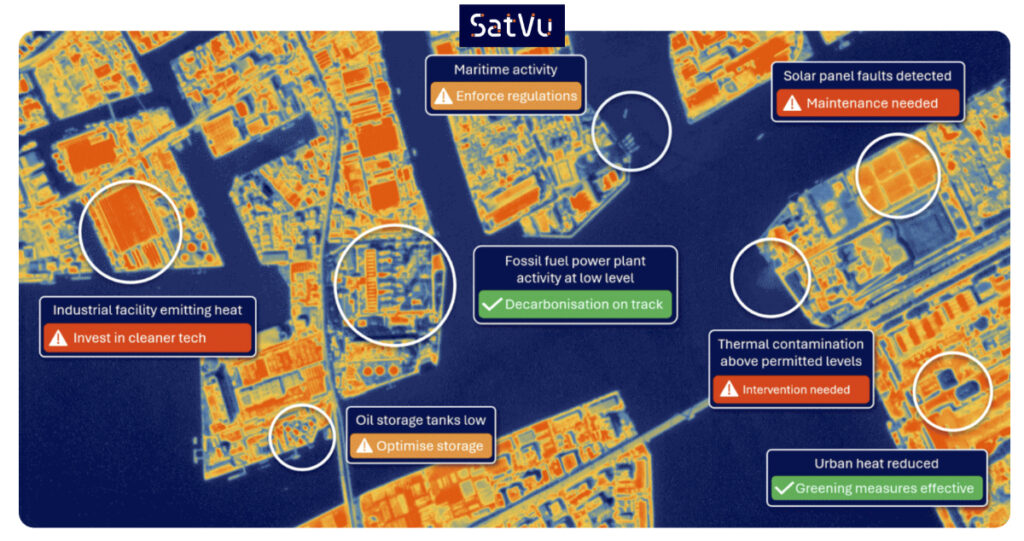
Spanning a three-year period, the agreement marks the first Category 1 CCM contract for a UK company and was officially announced at the Living Planet Symposium in Vienna. It cements SatVu’s role in supporting a broad portfolio of Copernicus thematic services with continuous, high-resolution thermal intelligence—including urban heat monitoring, infrastructure resilience, water resource management, emissions analysis, security applications, and rapid response to climate-related disasters.

Artistic rendition of the company’s HotSat-1 on-orbit

SatVu’s imagery and analytics will strengthen critical areas of European monitoring and decision-making. From an urban heat perspective, by mapping heat risk and cooling loads at street level, SatVu’s data informs energy efficiency programs and adaptation plans—helping cities better prepare for rising temperatures and extreme heat events.

In water and land resource planning, SatVu’s high-resolution thermal insights allow authorities to assess thermal dynamics in rivers, lakes, and coastal zones. These measurements serve as indicators of pollution, outflows from industrial activity, and surface temperature shifts—supporting both environmental protection and regulatory compliance.

SatVu’s thermal capability also enhances Europe’s security and intelligence operations. By detecting unusual heat signatures and monitoring critical infrastructure in low-light or the full cover of darkness, it provides an added activity layer of situational awareness for sensitive or remote locations.

Finally, the data supports faster, more targeted responses to climate-related disasters. From detecting wildfires and industrial incidents to supporting flood monitoring and emergency planning, SatVu enables early warning systems and rapid deployment when time is critical.

SatVu’s satellites capture thermal infrared imagery at up to 3.5 meters ground sample distance (GSD), delivering high-resolution, day-and-night monitoring of Earth’s surface across a spectrum of civil and defence use cases. This level of thermal detail is essential for bridging spatial and temporal gaps left by existing Earth observation systems – especially in security-sensitive, high-risk, or low-visibility environments.

With SatVu’s calibrated thermal insights delivered in near real-time, Copernicus users gain immediate, actionable intelligence without the burden of processing complex data streams.

As the first UK company selected under the new Category 1 Contributing Missions, SatVu reaffirms the UK’s ability to deliver strategic capability to Europe’s climate, security, and resilience ambitions.

Anthony Baker, CEO and Founder, SatVu, said, “From climate risk to national security, the decisions being made today demand data that is both credible and continuous. Being the first UK company awarded a Category 1 contract under Copernicus is not just a milestone for SatVu – it’s a signal that regional thermal capability has a vital role to play in Europe’s climate and security infrastructure. Thermal data is no longer optional, it’s essential for understanding what activity is happening on the ground, in near-real time.”

Simonetta Cheli, ESA’s Director of Earth Observation (EO) Programs, said, “The aim of integrating emerging European New Space companies into Copernicus is to ensure the programme remains at the forefront of Earth observation in a fast-evolving sector. I warmly welcome the newest members to the Copernicus Contributing Missions program.”

Harshbir Sangha, Director of Missions and Capabilities at the UK Space Agency, said, “This contract for SatVu demonstrates the UK’s world-leading industrial capabilities and innovative expertise in thermal imaging technologies. Following the UK’s re-entry into the Copernicus programme, this €3 million agreement showcases how British innovation can deliver critical Earth Observation capabilities that address both environmental challenges and security needs. SatVu’s achievement represents exactly the kind of high-value industrial growth we aim to foster, positioning our expanding UK space sector at the forefront of solving global challenges.”

Filed Under: News

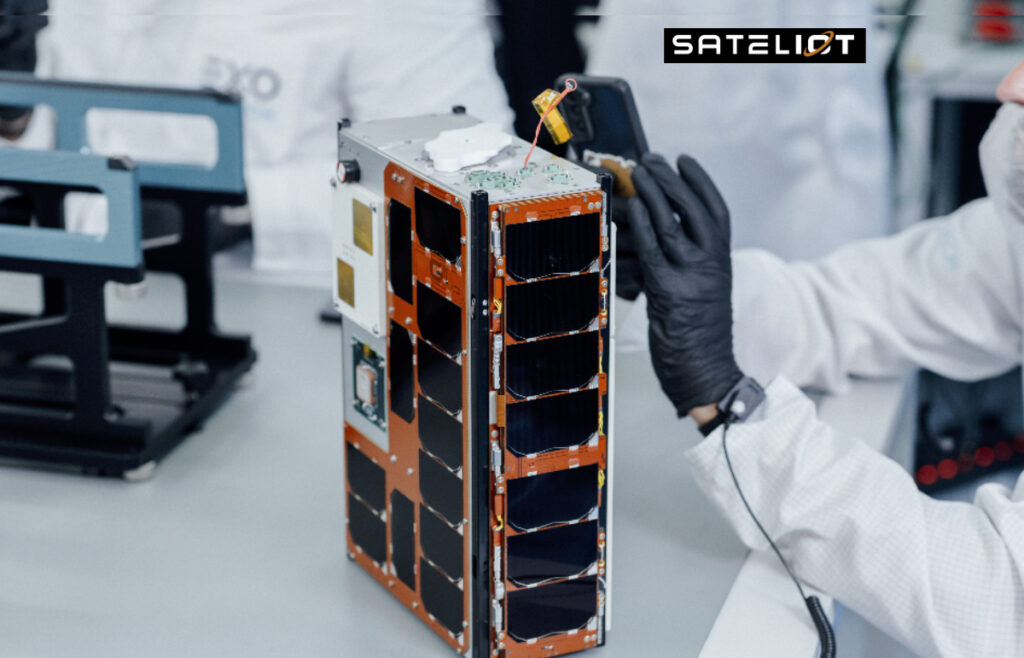
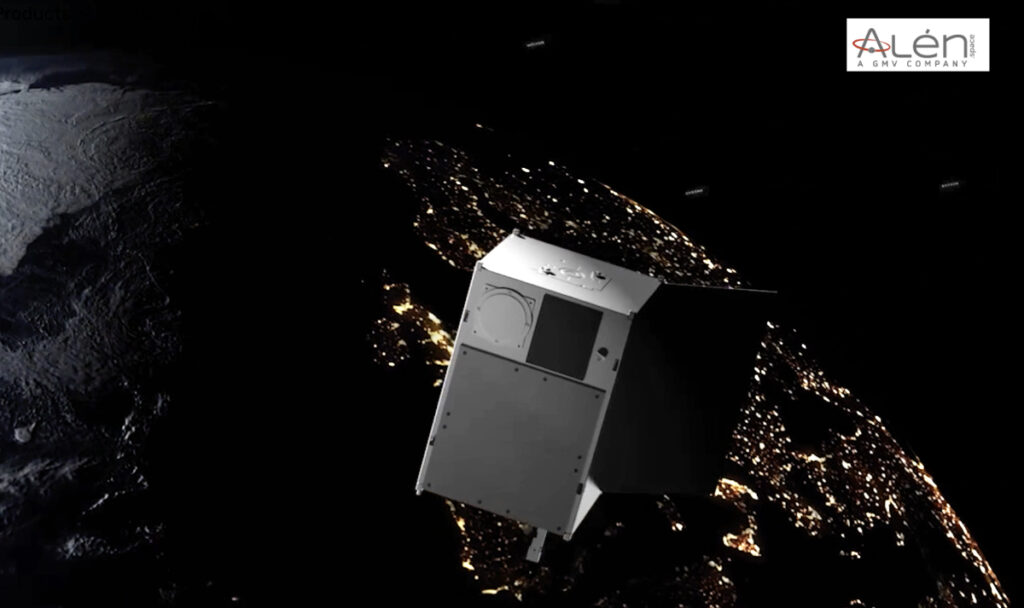
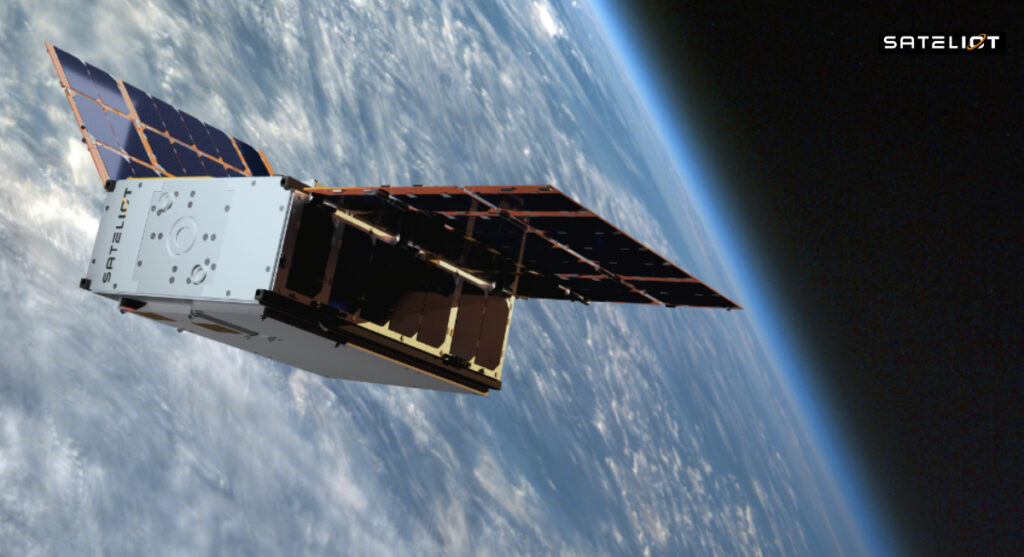
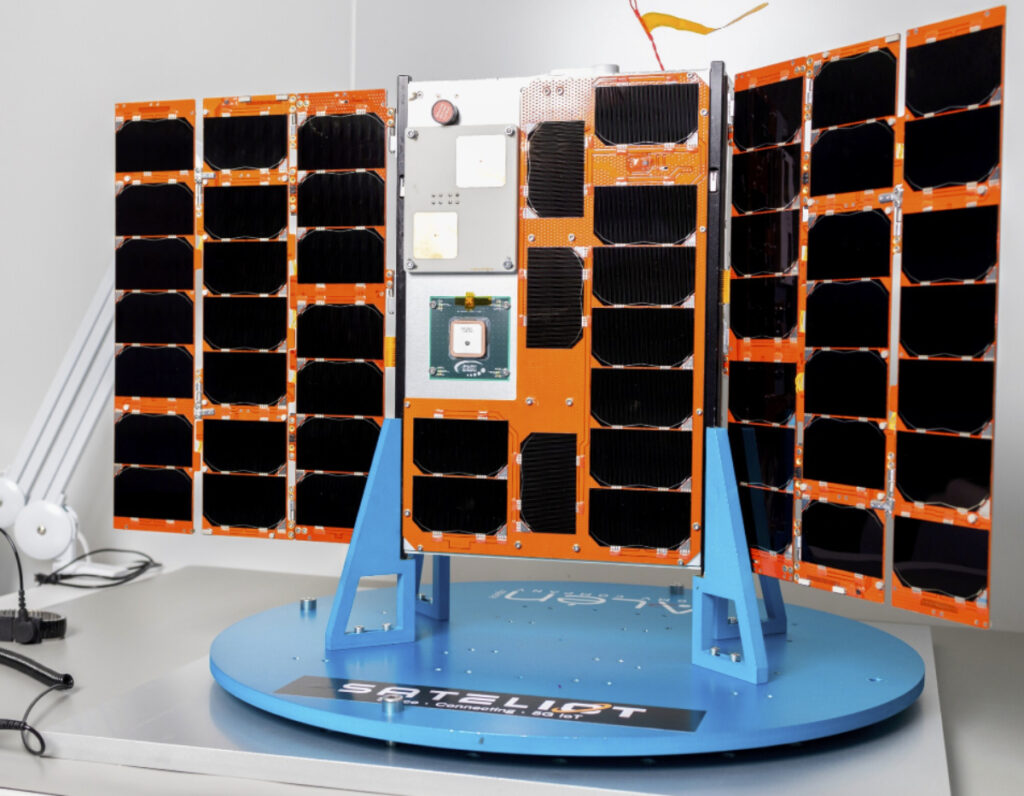
Sateliot advances its constellation with 5 new satellites to be manufactured by Alén Space

July 6, 2025 by editorial

Sateliot has taken another step forward in the deployment of its satellite constellation by entrusting the manufacture of its next five satellites to the Spanish firm Alén Space. These satellites, which will become part of its LEO network, are scheduled for launch in 2026 and reinforce Sateliot’s position as a dual-use —civilian and defense— 5G satellite connectivity operator, in line with Europe’s strategic push for space autonomy.

With this move, Sateliot continues to implement its roadmap to deploy a constellation of over 100 satellites, fully developed in Barcelona and validated by 3GPP—the international telecommunications standards body—with the goal of delivering secure and interoperable global coverage.

The new satellites, which will be manufactured at Alén Space’s facilities in Nigrán (Spain), include significant enhancements compared to the models already in orbit, enabling improved performance and greater payload capacity. This architecture is capable of supporting advanced communication services in both civilian contexts and critical security operations, territorial protection, or emergency response scenarios. As such, it positions Sateliot as a key player in the European space ecosystem.

The collaboration with Alén Space is not new, as both companies previously worked closely on the manufacture of the first four commercial satellites in the constellation, which were successfully launched in August 2024 aboard a SpaceX rocket.

Sateliot already holds contracted commitments worth approximately €270 million with over 400 clients across 50 countries. On this foundation, the company projects revenue of €1 billion by 2030, consolidating its position as a pioneering European operator of global 5G satellite connectivity.

Screenshot

This project demonstrates that we are capable of building critical infrastructure from scratch in Spain,” said Jaume Sanpera, CEO of Sateliot. “We have developed open and interoperable, made-in-Spain technology that not only meets global connectivity needs, but also contributes to European technological sovereignty.”

Guillermo Lamelas, CEO of Alén Space, said, “We are proud to collaborate with Sateliot on such an innovative and pioneering project, which will redefine the future of communications from Spain. This agreement acknowledges the quality of the work carried out on the first four satellites and strengthens our position as the most reliable small satellite manufacturer.”

Filed Under: News

NGA’s new Luno A + Luno B delivery orders

July 6, 2025 by editorial

The National Geospatial-Intelligence Agency‘s latest delivery order awards for the agency’s Luno A and Luno B contracts, as part of NGA’s focus on unlocking the capacity and innovation of the commercial geospatial industry. 

The selected vendors are:

  • Luno A:
    • BlackSky Geospatial Solutions, Inc. was awarded the Facility and Object Monitoring 2 delivery order for $24.4 million, to provide products, data and/or services to detect objects (e.g., aircraft, ships, ground equipment and railcars) as well as object change at specific areas of interest.
  • Luno B:
    • NV5 Geospatial, Inc. was awarded the Almanac delivery order for $4.5 million, to provide information on human geography conditions worldwide, including human geography baseline data.
    • Ursa Space Systems, Inc. was awarded the TrueSight delivery order for $21 million, to provide detection, identification, analysis and alerts describing change and/or movement of objects using commercial sources and automated models for domain awareness.

The Luno A and Luno B indefinite delivery, indefinite quantity (IDIQ) contracts, with a combined $490 million ceiling, are used to acquire unclassified commercial analytic service capabilities for mission users across the GEOINT community. The IDIQs are structured with an agile acquisition strategy to quickly respond to customer needs. Each contract applies GEOINT artificial intelligence to provide decision advantage to warfighters, policy makers and mission partners. As part of these five-year IDIQs, previously selected vendors compete on a full and open basis for delivery orders.

To date, NGA has awarded six delivery orders under the Luno IDIQs. Delivery orders previously awarded under Luno A are:

  • Facility and Object Monitoring, awarded to Maxar Intelligence, Inc. for $3.5 million
  • Feature ID, awarded to Electromagnetic Systems, Inc. for $3.6 million
  • Global Awareness Tracker, awarded to Ursa Space Systems, Inc. for $13.8 million 

We see the mission impact of commercial GEOINT every day,” said Devin Brande, director of NGA Commercial Operations. “The Luno contracts are a key part of NGA’s strategy to leverage this vital source for our mission partners, providing key insights and actionable, shareable intelligence.” 

Filed Under: News

  • « Go to Previous Page
  • Page 1
  • Page 2
  • Page 3
  • Page 4
  • Page 5
  • Go to Next Page »

Primary Sidebar

WEEKLY NEWSLETTER

Archives

  • March 2026
  • February 2026
  • January 2026
  • December 2025
  • November 2025
  • October 2025
  • September 2025
  • August 2025
  • July 2025
  • June 2025
  • May 2025
  • April 2025
  • March 2025
  • February 2025
  • January 2025
  • December 2024
  • November 2024
  • October 2024
  • September 2024
  • August 2024
  • July 2024
  • June 2024
  • May 2024
  • April 2024
  • March 2024
  • February 2024
  • January 2024
  • December 2023
  • November 2023
  • October 2023
  • September 2023
  • August 2023
  • July 2023
  • June 2023
  • May 2023
  • April 2023
  • March 2023
  • February 2023
  • January 2023
  • December 2022
  • November 2022
  • October 2022
  • September 2022
  • August 2022
  • July 2022
  • June 2022
  • May 2022
  • April 2022
  • March 2022
  • February 2022
  • January 2022
  • December 2021
  • November 2021
  • October 2021
  • September 2021
  • August 2021
  • July 2021
  • June 2021
  • May 2021
  • April 2021
  • March 2021
  • February 2021
  • January 2021
  • December 2020
  • November 2020
  • October 2020
  • September 2020
  • August 2020
  • July 2020
  • June 2020
  • May 2020
  • April 2020
  • March 2020
  • February 2020
  • January 2020
  • December 2019
  • November 2019
  • October 2019

© 2019–2026 SatNews

Insert/edit link

Enter the destination URL

Or link to existing content

    No search term specified. Showing recent items. Search or use up and down arrow keys to select an item.
      x
      Sign Up Now!

      Enjoy a free weekly newsletter with recent headlines from the global SmallSat industry.

      Invalid email address
      We promise not to spam you. You can unsubscribe at any time.
      Thanks for subscribing! You will now receive weekly SmallSat News updates.
      We love our advertisers.
      And you will too!

      Please disable Ad Blocker to continue... We promise to keep it unobtrusive.
      We promise not to spam you. You can unsubscribe at any time.
      Invalid email address
      Thanks for subscribing!