• Skip to main content
  • Skip to primary sidebar
  • Home
  • News
  • Featured
  • More News ⌄
    • SatNews
    • SatMagazine
    • MilSatMagazine
  • Events ⌄
    • MilSat Symposium
    • SmallSat Symposium
    • Satellite Innovation
  • Contacts
  • SUBSCRIPTION

SmallSat News

You are here: Home / Archives for editorial

editorial

Phantom Space + Vaya Space plan a new approach for commercial space launches

February 1, 2024 by editorial

Two launch service providers have agreed to simultaneously operate from a single launch complex. Phantom Space COO Mark Lester and Vaya Space COO Rob Fabian signed a memorandum of agreement (MoU) that outlines how the two companies will work concurrently at Cape Canaveral Space Force Station’s Launch Complex 13 (LC-13).
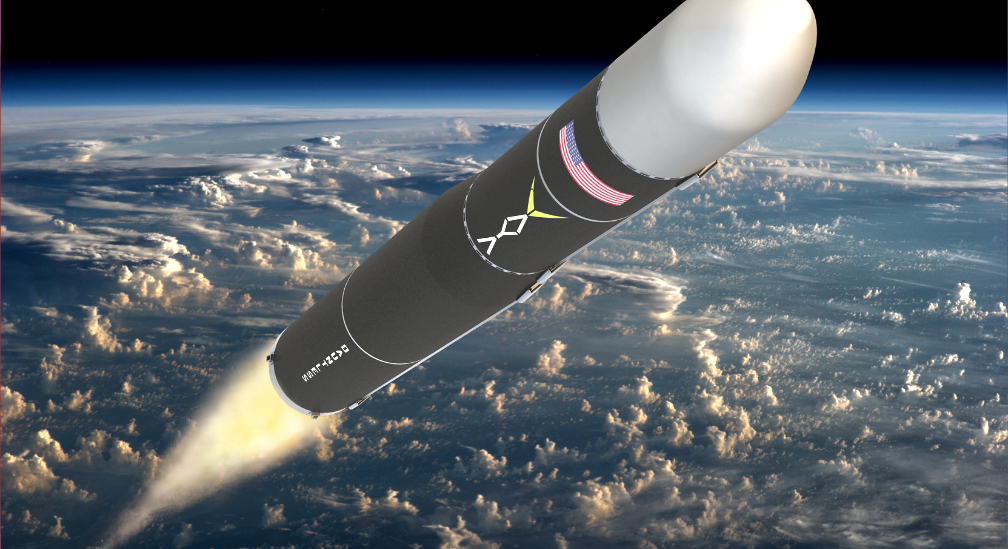
Commercial companies sharing a Launch Complex is a novel approach to maximize limited launch site availability at the Cape. Historically, one company would exclusively occupy a Launch Complex and populate it with unique and proprietary infrastructure dedicated to their use.  While this approach was satisfactory when available launch sites were plentiful and few launch vehicles existed, it is not sustainable in the rapidly growing and diverse commercial space launch environment.

In addition to maximizing available land use, Phantom and Vaya’s approach provides significant national security advantages through responsive and resilient launch.  The ability for multiple companies to share infrastructure and launch support systems in a nimble manner dramatically increases launch pad throughput and launch resilience to provide assured access to space.  This approach leverages proven airport models where runways, taxiways, gates, and operational infrastructure are company agnostic shared resources.

“Vaya Space and Phantom value the importance of collaboration to create new responsive launch capability in a safe and efficient manner for long-term growth and sustainability. We have worked diligently together over the last several months on the agreement to underscore our commitment to safety and best address and balance government, spaceport, and company needs,” said Phantom COO, Mark Lester.

Vaya Space is a privately owned company based on the Space Coast and leveraging patented Vortex Hybrid engine technology to disrupt the Space and Defense Markets.

Founded by inventors and entrepreneurs Jim Cantrell and Michael D’Angelo, Phantom Space Corporation is a space transportation company democratizing space access by mass manufacturing launch vehicles, satellites, and space propulsion systems. Phantom’s vision is to become the “Henry Ford of Space Transportation” through the opportunity to mass manufacture and launch 100s of rockets—a 100% US-controlled and operated enterprise headquartered in Tucson, Arizona, with multiple launch operations centers.

Filed Under: News

Sidus Space’s 3D hybrid satellite ready for launch

February 1, 2024 by editorial

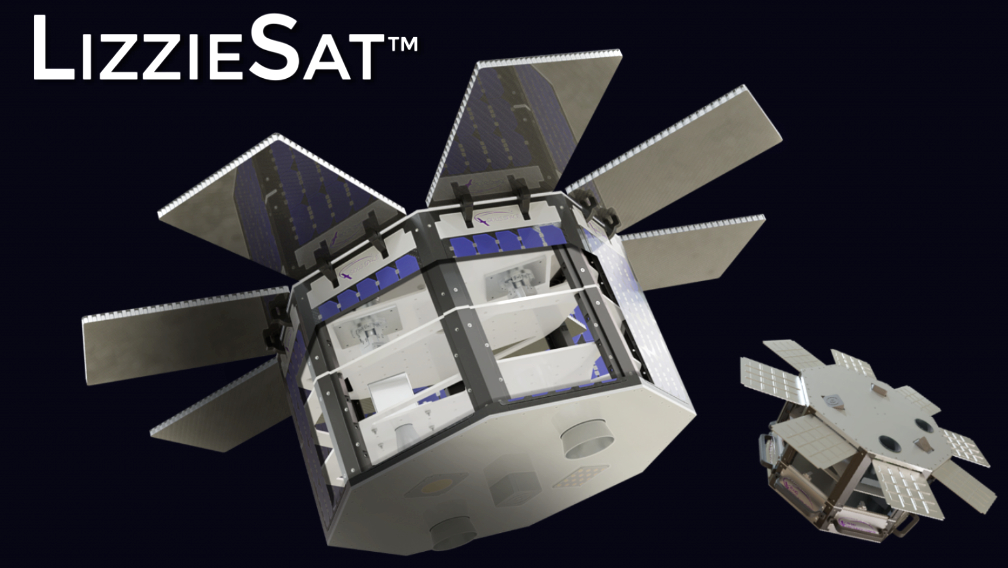
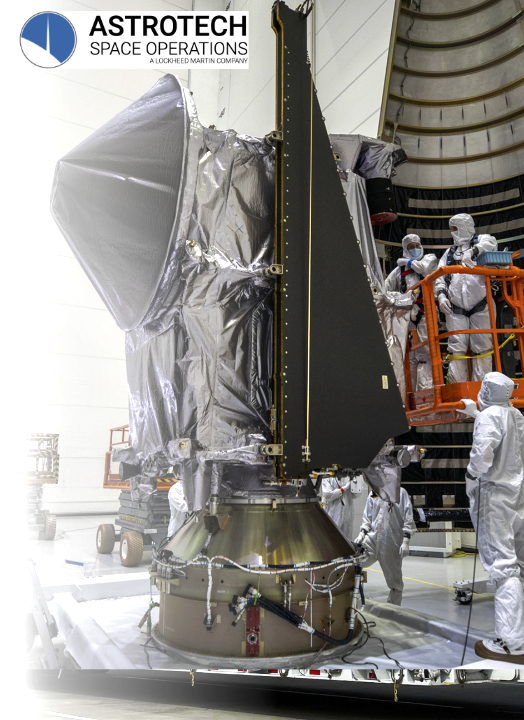
Sidus Space (NASDAQ: SIDU) has successfully completed the launch processing of LizzieSatTM at the Astrotech Space Operations facility at Vandenberg Space Force Base in California. 

The Sidus team executed final steps in launch processing of LizzieSatTM, including mating the satellite to the separation system and the launch vehicle adapter, which allows for mounting to SpaceX’s Falcon 9 rocket. LizzieSatTM has been turned over to SpaceX and is ready for launch on the Transporter-10 mission which is targeted for no earlier than March of 2024.

Fully integrated into the satellite is the Sidus FeatherEdge AI platform which allows for advanced onboard system processing from space-based data sensors. Following launch, Sidus expects to continue to expand both military and commercial customer bases to provide customized intelligence for multiple industries including defense, agriculture, maritime, and oil and gas. 

Sidus Space continues to actively expand the LizzieSatTM constellation, with additional satellites already in production for launches in 2024 and beyond. This ongoing effort underscores our commitment to advancing space exploration and delivering cutting-edge solutions in satellite technology. 

Carol Craig, CEO and Founder of Sidus Space, said, “LizzieSat’s distinctive multi-sensor data collection platform represents a paradigm shift, offering tangible impacts across multiple industries through the utilization of cutting-edge on-orbit satellite technology. This innovative approach consolidates various data sources into a single on-orbit asset, showcasing the transformative power of advanced space technology in revolutionizing how industries access and utilize crucial information.”

Sidus Space (NASDAQ: SIDU) is a Space and Data-as-a-Service satellite company focused on mission-critical hardware manufacturing; multi-disciplinary engineering services; satellite design, production, launch planning, mission operations; and in-orbit support. The Company is in Cape Canaveral, Florida, where it operates from a 35,000-square-foot manufacturing, assembly, integration, and testing facility focused on vertically integrated Space-as-a-Service solutions including end-to-end satellite support. Sidus Space has a mission of Bringing Space Down to Earth™ and a vision of enabling space flight heritage status for new technologies while delivering data and predictive analytics to domestic and global customers. Any corporation, industry, or vertical can start their journey off-planet with Sidus Space’s rapidly scalable, low-cost satellite services, space-based solutions, and testing alternatives. More than just a “Satellite-as-a-Service” provider, Sidus Space is a trusted Mission Partner–from concept to Low Earth Orbit and beyond. Sidus Space is ISO 9001:2015, AS9100 Rev. D certified, and ITAR registered. 
Filed Under: News

RTX completes DARPA Blackjack milestones with four Blue Canyon Technologies smallsats

February 1, 2024 by editorial

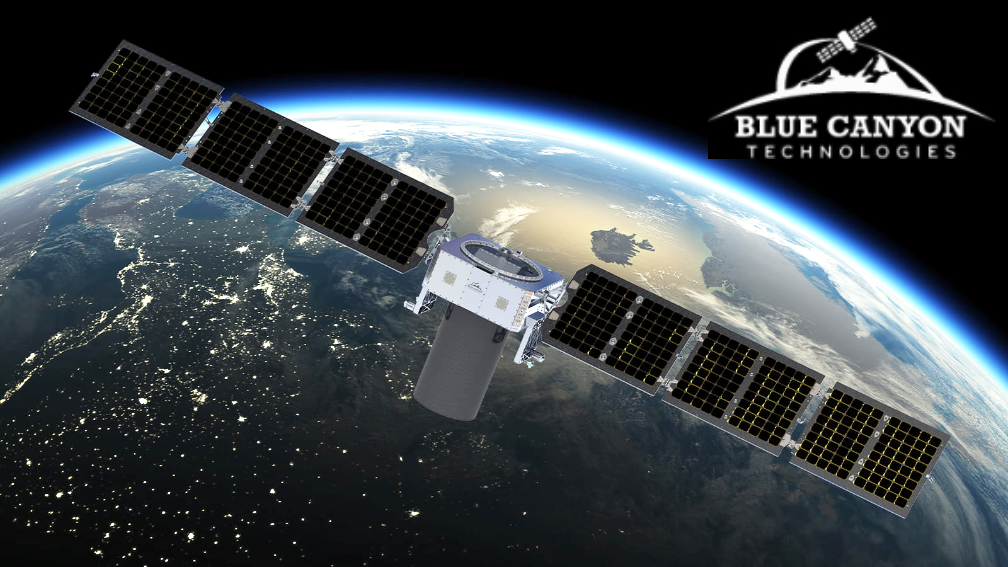
Using Blue Canyon Technologies’ Saturn-class bus platform, the Blackjack program is a demonstration of cost-effective reconnaissance satellites that will operate in LEO. Artistic rendition is courtesy of Blue Canyon Technologies.

RTX‘s (NYSE: RTX) smallsat manufacturer and mission services provider, Blue Canyon Technologies (BCT), has announced that the satellites supporting the Defense Advanced Research Projects Agency (DARPA) Blackjack program have completed critical milestones activities.

National security space assets, critical to U.S. warfighting capabilities, traditionally reside in a GEO to deliver persistent overhead access to any point on the globe. To potentially replace these large systems, the Blackjack program seeks to establish an equally effective network in LEO using a constellation of four connected satellites.

The successful operation marks a significant achievement for BCT in the swift commissioning of multiple spacecraft. This paves the way for global, high-speed networks in LEO orbit and a continued growth of commoditized small satellite buses for LEO constellations and beyond.

“The Blackjack program is a perfect example of how RTX and Blue Canyon Technologies are working to solve the hardest problems in aerospace and defense,” said Chris Winslett, general manager for Blue Canyon Technologies.

Blue Canyon Technologies (BCT), RTX’s small satellite manufacturer and mission services provider, offers a diverse portfolio of innovative, reliable, and affordable spacecraft and components that enable a broad range of missions and technological advancements for the new space economy. The company currently supports numerous unique missions with over 100 cumulative spacecraft orders.

RTX is the world’s largest aerospace and defense company. With more than 185,000 global employees, we push the limits of technology and science to redefine how we connect and protect our world. Through industry-leading businesses – Collins Aerospace, Pratt & Whitney, and Raytheon – we are advancing aviation, engineering integrated defense systems for operational success, and developing next-generation technology solutions and manufacturing to help global customers address their most critical challenges. The company, with 2023 sales of $68.9 billion, is headquartered in Arlington, Virginia.

Filed Under: News

Kinéis smallsat IoT launches via Rocket Lab to occur this summer

January 30, 2024 by editorial

Kinéis has announced the launch window for the first of five launches of the company’s smallsats that are dedicated to the Internet of Things (IoT). Scheduled to occur between June 10 and July 9, 2024, this event marks a crucial milestone in the development of the Kinéis system.

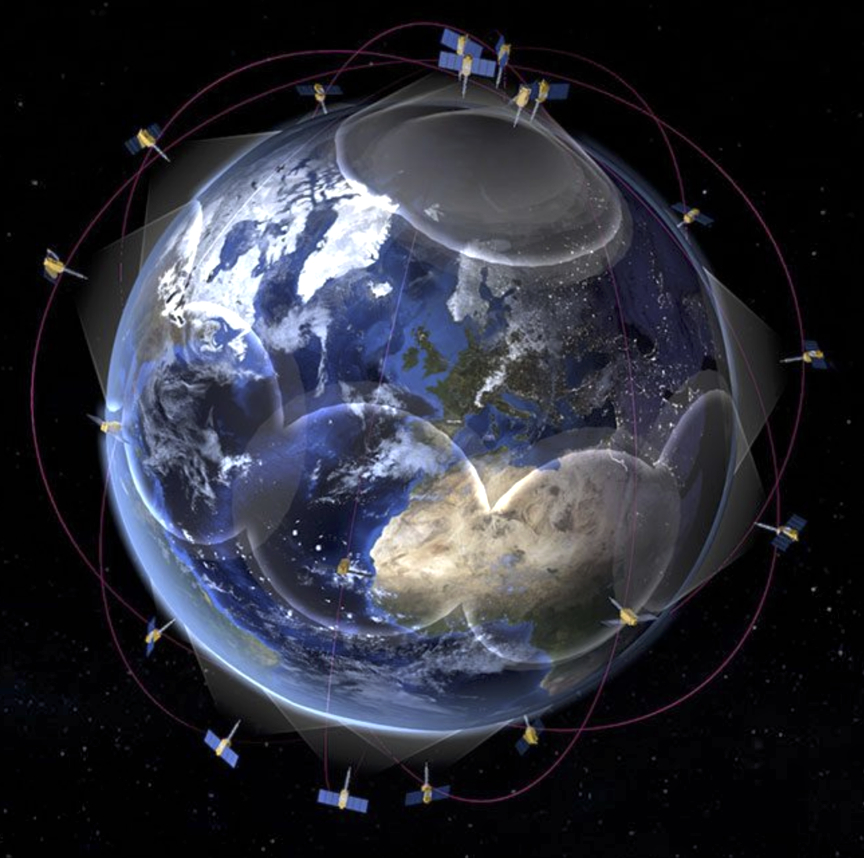
Kinéis is marking a new era in the French space sector with the deployment of this constellation of 25 nanosatellites, the first of its kind in Europe dedicated to IoT.

Artistic rendition of the Kinéis constellation, courtesy of the company.

With almost 90% of the Earth’s surface not covered by terrestrial networks, Kinéis provides a direct response to connectivity needs. The mission of Kinéis’ Space IoT is to connect and locate any object, anywhere on the Earth’s surface, guaranteeing data transmission in near-real time, at low bit rates, with minimal energy consumption.

Kinéis operates on a global scale, responding to major challenges such as agriculture, water resource management, early detection of forest fires, logistics, maritime activities, and so on. The aim is to “keep in touch with what matters” by providing concrete solutions to improve everyday life.

The space IoT revolution is being driven by Kinéis, with its 25 “made in France” nanosatellites. The Toulouse-based French space ecosystem, including renowned players such as Hemeria, Thales Alenia Space, Syrlinks, Comat, and CNES, actively supporting Kinéis in this technological revolution. Major financial partners, such as Bpifrance, CLS, BNP Paribas Développement, CELAD, Maison Julien et Kelly Dassault, and Ethics Group, are also contributing to the project’s success. Mission patch,symbol of Kinéis’ vision

As a symbolic signature of this historic mission, Kinéis unveils its patch representing the essential pillars of the project: global connectivity, a network of ground stations, various applications, and the end user.

Alexandre Tisserant, CEO of Kinéis, said, “I’m delighted to announce the launch window for the Kinéis constellation, the first European constellation dedicated to the Internet of Things. With 5 launches scheduled in the upcoming months, Kinéis is in the final stage of bringing this unique project to a reality, four years after its historic fund-raising. All our teams are mobilized to make this event a technical, operational and commercial success.”

French nationwide drawing competition raises awareness of satellites

Additionally, Kinéis and the Cité de l’espace (City of space) launched a nationwide drawing competition for 6–17-year-olds to raise their awareness of the theme “Satellites to better understand and protect the Earth.”

A panel of judges selected 15 drawings, and the young artists are invited to Hemeria, the Toulouse-based manufacturer of the 25 Kinéis satellites, on Wednesday, January 31st.. They will discover their engraved creations, which will be placed on 15 of the smallsats in the constellation, launched into orbit this year from New Zealand.

A first-of-its-kind operation to celebrate the 2024 French space event Next June, Kinéis will carry out the 1st of 5 launches to place its constellation into orbit, the first European constellation dedicated to the Internet of Things (IoT), a first in the new space sector.

Heir to the Argos technology, Kinéis wishes to make space accessible to all and to develop applications to protect the environment or in areas that are major challenges today: early detection of forest fires, water resource management, agriculture, traceability of wild and farm animals, etc.

The “Your drawing in space” competition illustrates the commitment of Kinéis and its desire to pass on French know-how and expertise in the fields of space and new technologies to the younger generation, boys and girls alike. Kinéis shares with its partner, the Cité de l’espace, this educational drive to raise awareness among the general public of space, its applications and in particular those for protecting the environment.

Participants in the drawing competition were asked to consider the role played by satellites in the fight against global warming. The privilege of discovering the first Kinéis nanosatellites at Hemeria Invited by Kinéis and the Cité de l’espace, the young prize-winners from Occitanie and all over France have the privilege of visiting Hemeria, accompanied by their parents, to admire the smallsats in production that will orbit the Earth, with their drawings on board.

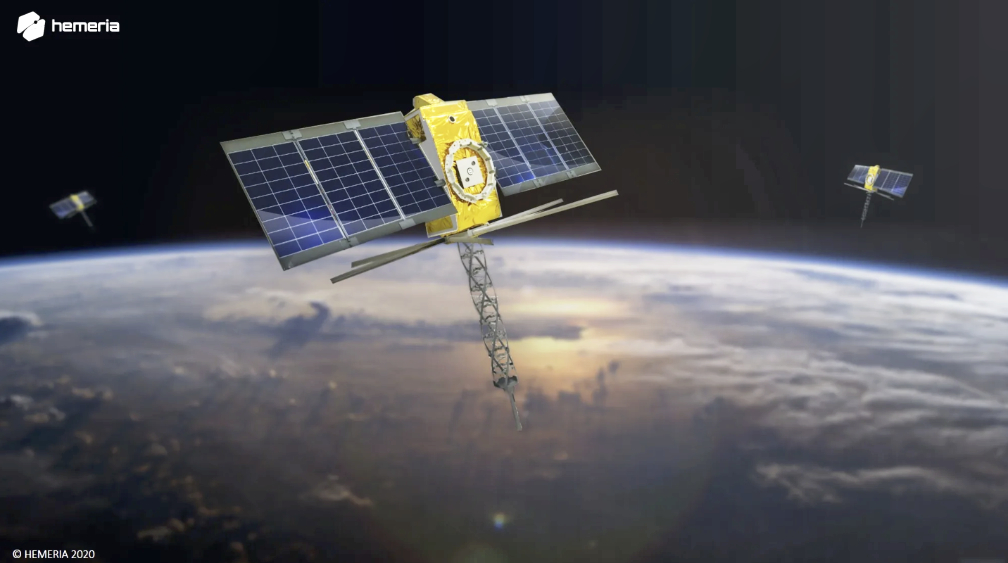
In the Kinéis project, Hemeria is responsible for the platform and payload of the nanosatellites. The company is also producing the 25 satellites in the constellation, for which a special clean room has been established. Sérilec, a Toulouse-based company, has engraved the designs onto 5 x 7 cm metal plates (ballasts) that will be fitted into the satellites before they leave for New Zealand, where they will take off on the five planned launches, starting in June 2024.

Filed Under: News

Orbit Fab + ClearSpace partner to create in-space refueling service

January 29, 2024 by editorial

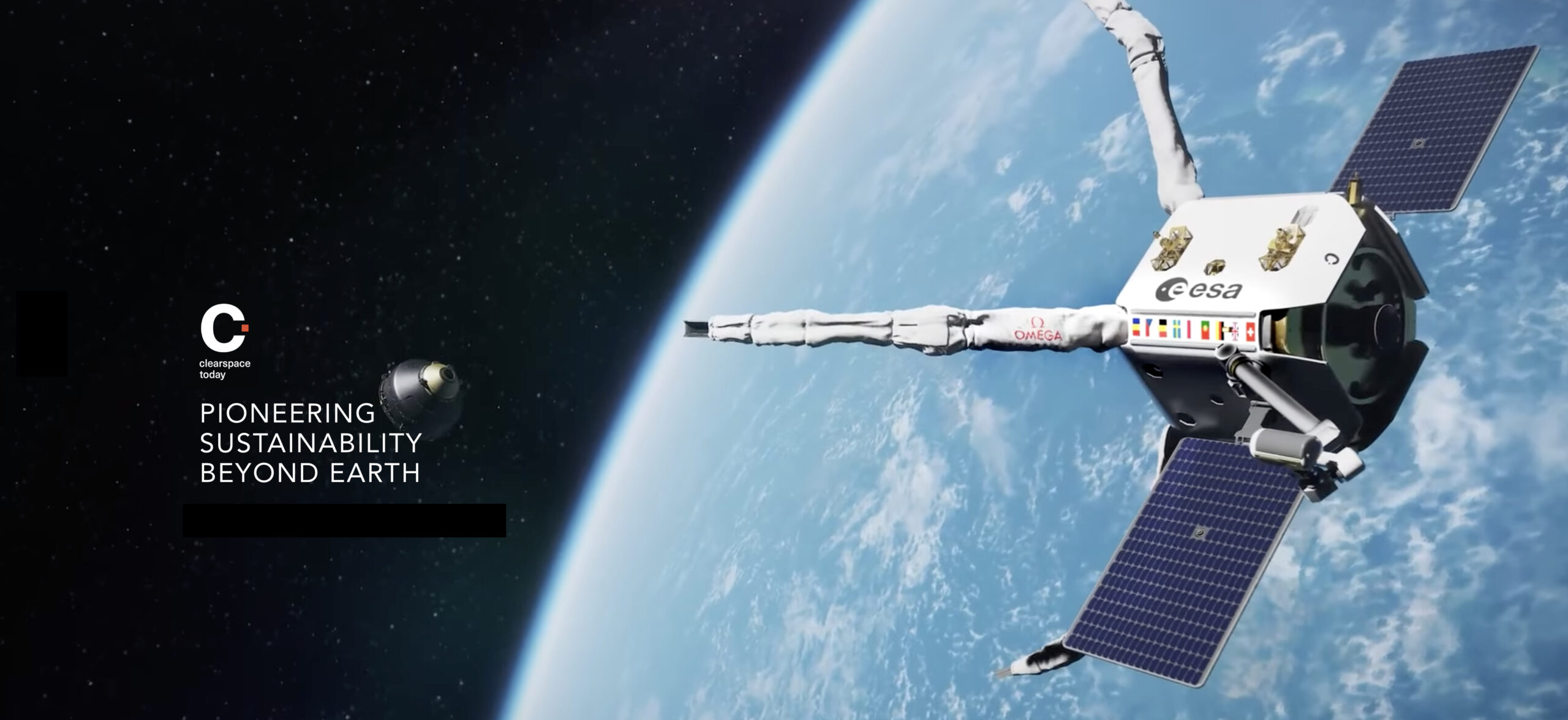
Orbit Fab and ClearSpace have engaged in a multi-faceted strategic partnership to advance in-space refueling and servicing capabilities that will revolutionize space operations and serve as a foundation for a vibrant and sustainable space economy.

Under MoU, Orbit Fab and ClearSpace will develop key enabling technologies, building on their initial collaborative work that began several years ago. The two companies will leverage their complementary capabilities and missions to accelerate the availability of propellants in space by creating a refueling service architecture pairing an Orbit Fab fuel depot with a ClearSpace shuttle.

Market demand for in-orbit refueling reflects the need for unconstrained in-space mobility and the value of extending the operational utility of critical space assets. The U.S. Space Force (USSF) considers Space Mobility and Logistics (SML) as one of its core competencies, and in-orbit refueling directly addresses the challenge of replenishing spacecraft consumables. Furthermore, refueling will become a key competitive advantage for operators of commercial satellites and service vehicles.

Orbit Fab is already supporting ClearSpace with the design of its CLEAR mission for active debris removal, funded by the UK Space Agency, to enable the service vehicle to be refueled and reused.

The development of ClearSpace’s refueling shuttle adds to the growing ecosystem of service providers, building on the standards and vision established by Orbit Fab’s foundational work in fuel depot development and fuel transfer interfaces. Its RAFTI™ (Rapidly Attachable Fluid Transfer Interface) refueling ports and its GRIP™ robotic docking devices are already being integrated aboard a fast-growing number of vehicles, with RAFTI™ slated for integration on more than a dozen spacecraft, and GRIP™ being baselined on another five.

By combining Orbit Fab’s fuel transfer expertise with ClearSpace’s vision system and RPO capabilities, ClearSpace expands its in-orbit service portfolio and Orbit Fab extends the reach of its fuel distribution services, resulting in the creation of a competitive, commercial marketplace for turn-key, in-orbit refueling services.

“Orbit Fab is the clear leader in satellite refueling, and ClearSpace is excited to partner with them as we explore possibilities for advancing new servicing and refueling capabilities that will ultimately benefit everyone participating in the space economy and beyond,” said Luc Piguet, ClearSpace Co-Founder and CEO. “ClearSpace and Orbit Fab are seeing growing demand in the U.S., UK, and around the world for service vehicles and refueling as government and commercial operators seek to boost the ROI of their missions and extend operations.”

“ClearSpace is developing key technologies that will unlock opportunities for last-mile fuel delivery in both GEO and LEO, and we’re delighted to see our collaboration with ClearSpace push the boundaries of what is possible today,” said Daniel Faber, Orbit Fab Founder and CEO. “Our RAFTI and GRIP refueling systems are the interfaces of choice for secure, sustainable in-space refueling operations, and our work with ClearSpace, both in the U.S. and in the UK, is revolutionizing the capabilities that make extended satellite operations a reality.”

Filed Under: Featured, News

AAC Clyde Space laser comms terminal in space succeeds

January 29, 2024 by editorial

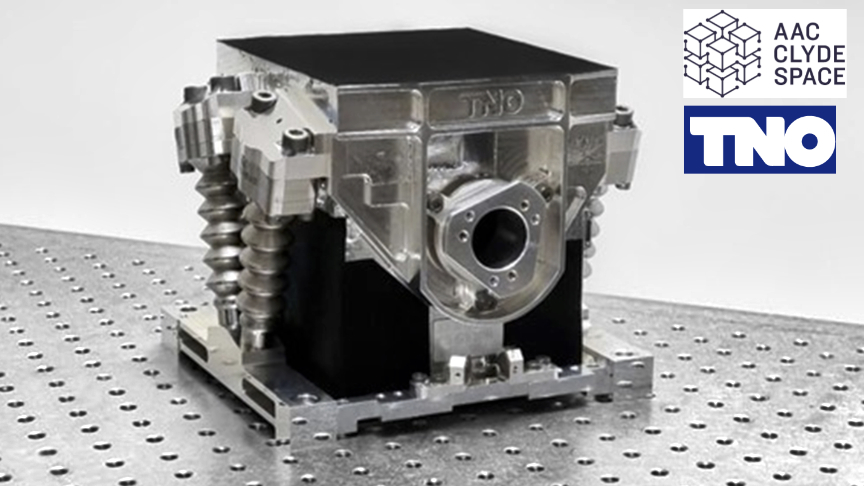
AAC Clyde Space, with its partner TNO, have successfully transferred data from a compact laser SATCOM terminal, called SmallCAT, onboard a spacecraft in LEO to Earth — this demonstrates that the laser satellite communication technology works under spaceflight conditions. AAC has contributed electronics and firmware to the laser communication terminal.

SmallCAT photo credit: University of Toronto Institute of ‘Aerospace Studies Space Flight Laboratory’

The satellite communication terminal is developed by a TNO-led consortium with AAC Hyperion, the AAC Group’s subsidiary in the Netherlands specialized in optical communications, for the onboard electronics, drivers as well as software, and Gooch & Housego for the laser transmitter. The development was financed by the Netherlands Space Office (NSO) through the ESA ARTES ScyLight Programme program and the Dutch Ministry of Defense‘s innovation budget. TNO also contributed in co-funding this program.

AAC Hyperion’s GD200.

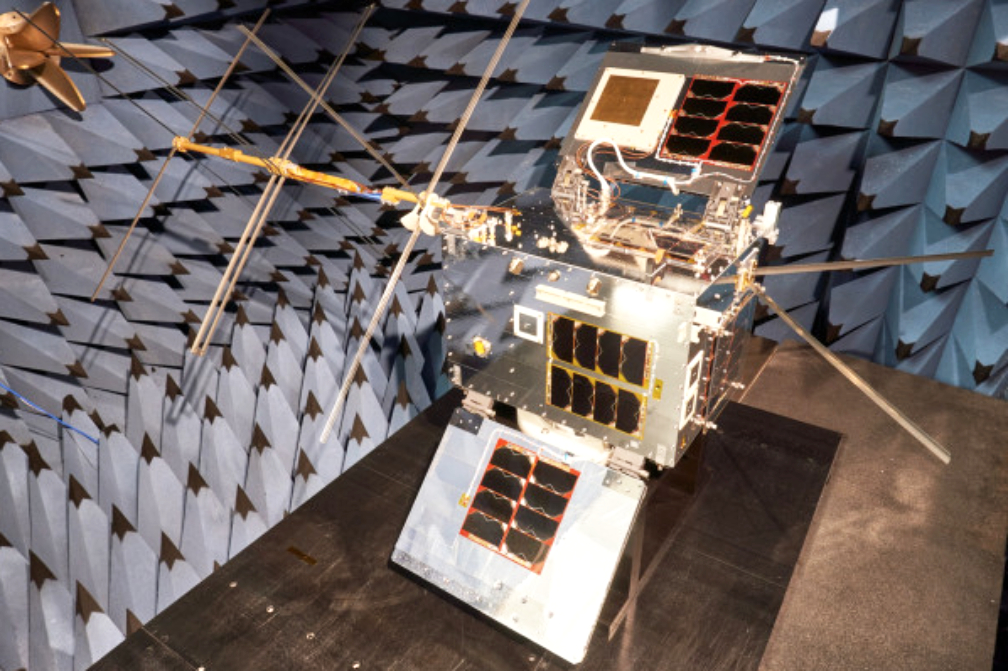
The project also includes delivery of AAC Hyperion’s gigabit detector — the GD200 — for the optical ground station in the Hague which successfully detected signal from the terminal which is carried by the Norwegian NORSAT-TD satellite launched in April 2023.

Artistic rendition of the NORSAT-TD satellite on-orbit, courtesy of Space Flight Laboratory (SFL).

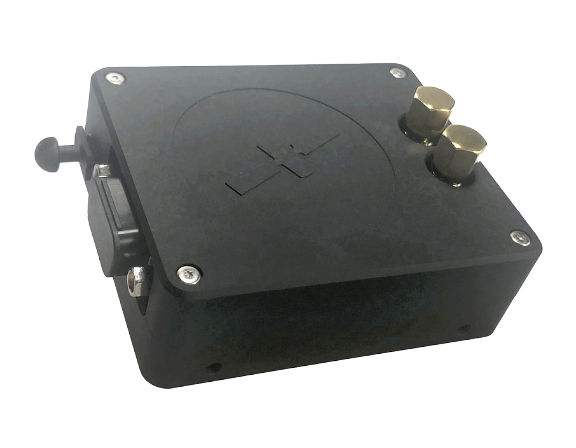
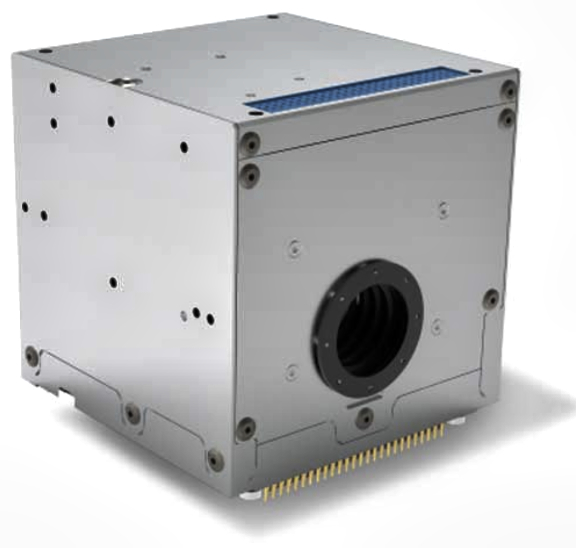
A commercial version of the laser communication terminal, CubeCAT, is being commercialized by AAC Hyperion with its Dutch partner, FSO Instruments. Measuring 10 x 10 x 10 cm and weighing 1.3 kg, the terminal is ideally suited for use on nano satellites.

Photo of AAC Clyde Space’s CubeCAT laser comms terminal.

As commercial and government data demands continue to grow, the need for high-quality, timely data from space is growing rapidly. Laser communication technologies are being increasingly used to send data generated on satellites directly to Earth, as an alternative to traditional radio-frequency (RF) communication. By transmitting through the infra-red wavelength band, the limitations of standard radio frequency communication technologies are avoided, thereby increasing transmission capabilities of satellites by factors of 10 to 100. Moreover, laser communication links are seen as more secure and laser communication systems have the potential of lower size, weight, and power, which is important in the space domain.

“This is a milestone in our aim to remain in the forefront of space tech development. The demand for direct laser communication between satellites and Earth is growing rapidly catering to the needs of customers in several sector. This achievement points towards the future of space-based communication,” says AAC Clyde Space CEO Luis Gomes.

Filed Under: Featured, News

PLD Space contracted by ESA and the EC for the Flight Ticket Initiative

January 29, 2024 by editorial

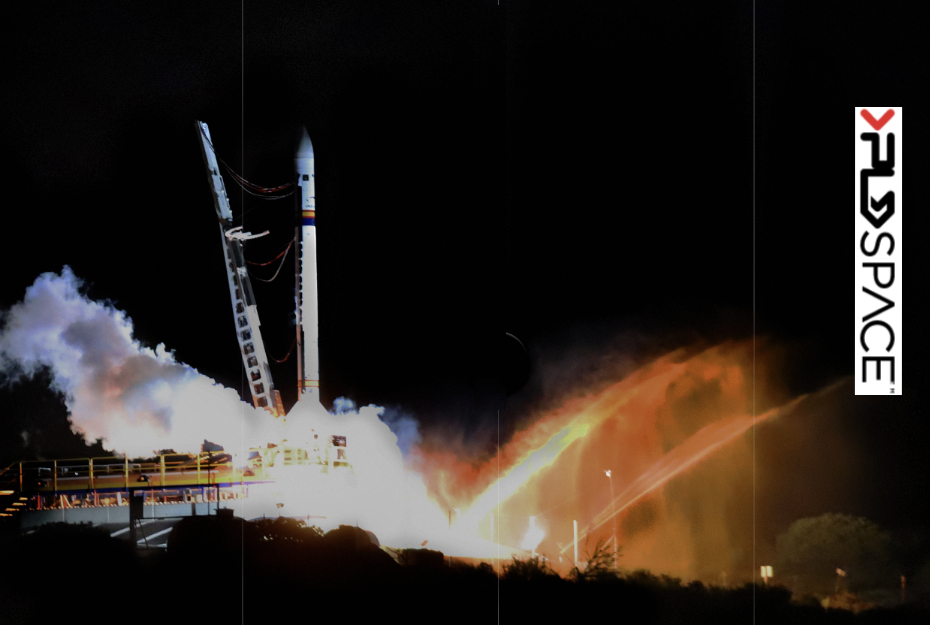
PLD Space has been selected by the European Space Agency (ESA) and the European Commission (EC) as one of the five companies that will launch institutional missions into space in the framework of the Flight Ticket Initiative — this program aims to create a pool of private launch providers to meet the space access needs of European institutions.

PLD Space is the only Spanish company chosen to access these contracts, together with Arianespace (France), Isar Aerospace (Germany), Orbex Space (United Kingdom) and Rocket Factory Augsburg (Germany).

The announcement was made official this Tuesday, January 23rd, during the European Space Conference, taking place in Brussels. The selection of PLD Space as part of the Flight Ticket Initiative allows the Spanish company to access a future ESA or EC launch contract and means the recognition by the European institutions that with MIURA 5 the company will offer a launch service suitable for the market from the end of 2025.

The missions included in the Flight Ticket Initiative are those in the In-Orbit Demonstration and Validation (IOD/IOV) category, for the demonstration and validation of new technologies in space. The five operators that have just been selected by ESA and the EC will compete for the specific launch contract for each of these missions.

“This milestone positions PLD Space as the only Spanish company in the global commercial launch industry,” said PLD Space Co-founder and CBDO, Raúl Verdú. “We are delighted that, for the first time, private companies such as PLD Space, Isar, Orbex or RFA, have access to institutional launch contracts both by ESA and the European Commission. This is a very important step for the launch industry, although there is still a long way to go.”

“This kind of initiative should be given to goal-oriented and higher-efficiency companies,” said PLD Space Executive President, Ezequiel Sánchez. “Up until now, supply has been favored over demand orientation; it is always important to move in the direction of the market needs.”

Filed Under: News

China launches commercial Lijian-1 Y3 carrier rocket

January 29, 2024 by editorial

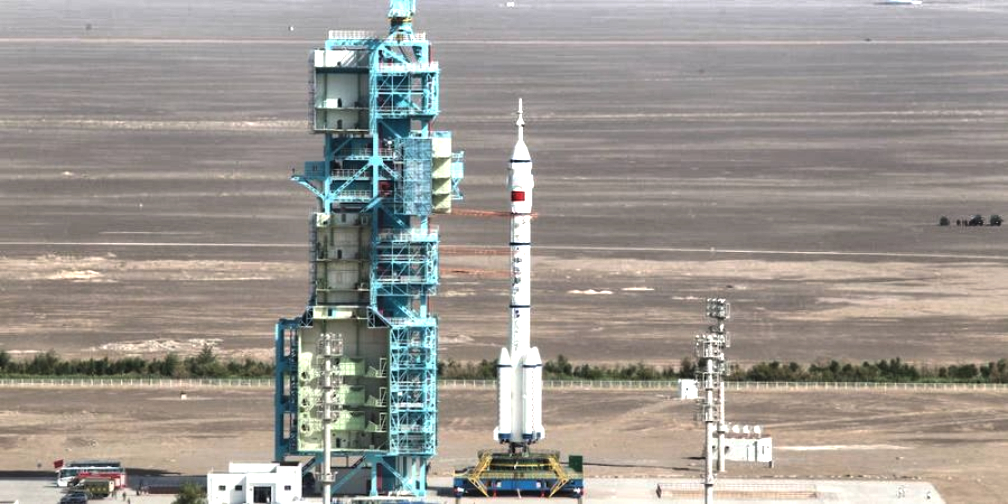
A Lijian-1 Y3 carrier rocket carrying five satellites blasts off from the Jiuquan Satellite Launch Center in northwest China, January 23, 2024.

Chinese news agency Xinhua is reporting that the nation launched the Lijian-1 Y3 carrier rocket with five satellites onboard on January 23, 2024.

The rocket blasted off at 12:03 p.m. (Beijing Time) from the Jiuquan Satellite Launch Center in northwest China, and sent a group of satellites into the planned orbits.

This launch marks the third flight mission of the Lijian-1 carrier rocket series. ■

Filed Under: News

Latitude closes million$$ Series B

January 29, 2024 by editorial

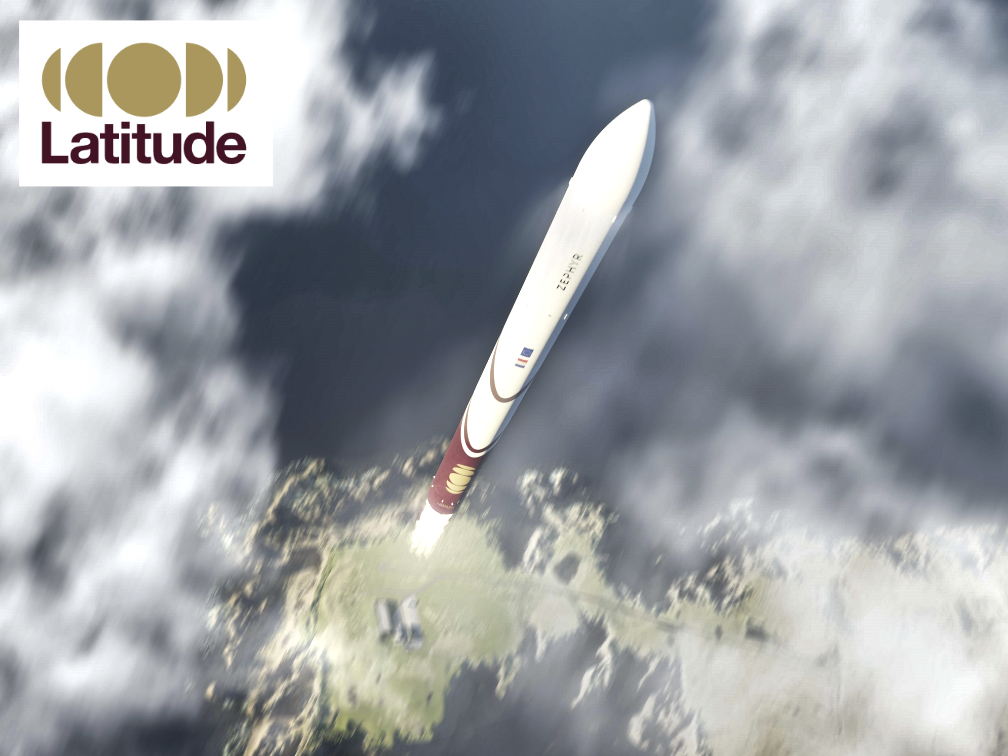
Latitude, the company that designed the French light space launcher Zephyr scheduled for maiden launch in 2025, continues its rapid growth.

This $30 million fundraising round is supported by Latitude’s existing investors (Crédit Mutuel Innovation, Expansion, DeepTech 2030 a France 2030 fund managed by Bpifrance, and UI Investissement), as well as Blast.club, which has entered Latitude’s capital. Kima Ventures and Mr. Vincent Luciani, Artefact’s CEO and investor, joined them.

This Series B ended a ground-breaking 2023 year for the French company. Within a year, the company has:

  • Conducted two distinct tests for its 3D-printed rocket engine
  • Developed the second iteration of the rocket engine, paving the path for significant performance advancements
  • Opened its private 3 hectares Test Center in Vatry, France, the second liquid propulsion engine-compliant test area in France
  • Doubled the surface area of its factory (3000m²)
  • Exceeded the 100 employees mark
  • Secured funding from France 2030 (AAP Micro Launchers)
  • Attracted strong commercial interest

With this financing, the next Zephyr evolution will continue to be designed and the operational and industrial groundwork for the first launch, which is anticipated in 2025, is secured. Indeed, the light launcher will be able to carry 200 kg of payload by 2028. Specifically, this new private investment will result in:

  • The first launcher’s manufacturing
  • The assembly line’s establishment
  • The electrical, propulsion and fluidic systems and structural tests
  • The Test Center’s operational status
  • New talent recruitment

“Our investors’ continued support is a recognition of our eighteen months of hard work, significant accomplishments, and expansion to become a market leader by the end of the decade. 2024 is a pivotal year for Zephyr’s first flight in 2025, and for serving our first customers,” said Stanislas Maximin, Latitude’s CEO and co-founder.

“A key component of Crédit Mutuel Innovation’s strategy is supporting projects at the forefront of French technology and industrial know-how. Renewing our trust in Latitude was therefore a logical decision. The company possesses all the key success factors required to advanceits R&D while accelerating its industrial momentum. Stanislas and his team have the expertise needed to lead the micro-launcher industry in the future,” said Maxence Valero, Crédit Mutuel Innovation’s Investment Director.

“We are very proud to increase Expansion’s stake in Latitude. Europe needs to regain full sovereignty over space launchers. The development of healthy competition will result in the emergence of a diverse range of competitive players, potentially world champions. Latitude is leading the way in low-earth orbit payloads for future mega constellations (up to 200kg) in France, thanks to its technological choices and speed of execution,” said Charles Beigbeder, Expansion’s co-founder.

“The French government has made supporting growing players in the space sector one of its primary objectives under France 2030. The French government’s Deep Tech 2030 fund provides tangible support for this purpose. Bpifrance is proud to be part of this new chapter for Latitude.This new investment gives the company all the resources it requires to be successful as it enters an industrial phase. We are thrilled to go further in our relationships with Latitude’s teams and support them along on their journey as they strive toward Zephyr’s launch and industrialization.”, said Adrien Muller, Bpifrance’s Investment Director.

“Stanislas’ vision and desire in such a strategic and strategic sector,as well as his ability to surround himself with experts, impressed the entire Blast team. We are convinced of Latitude’s potential, and are proud to support him on this adventure,” said Anthony Bourbon, Blast’s founder.

“UI Investissement is thrilled to contribute to the growth of Latitude, which precisely embodies our investment philosophy of supporting the emergence and development of regional gems that will be the thriving tomorrow’s actors of the territory. Since our initial round in 2020, the company has made significant progress in attracting talent to Reims, and with this new round of financing, it will be equipped to pursue its ambitious vision. “We can’t wait to see what happens next, “ said Elisa Le Tallec, UI Investissement’s Business Manager.

Filed Under: News

Firefly Aerospace selected by National Reconnaissance Office as launch provider with Alpha Rocket

January 29, 2024 by editorial

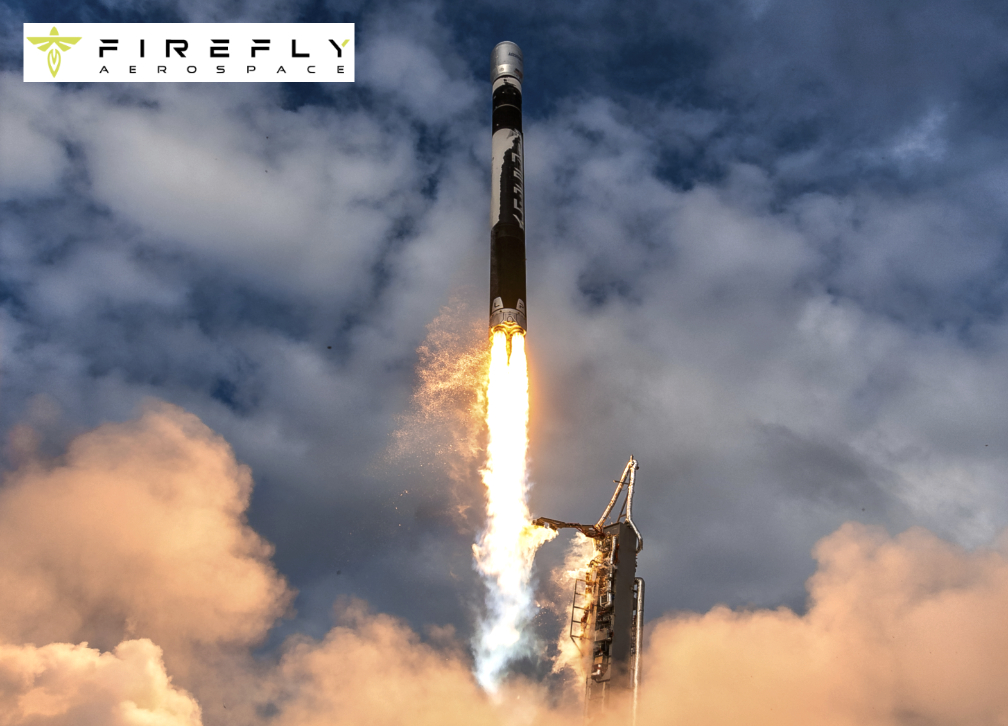
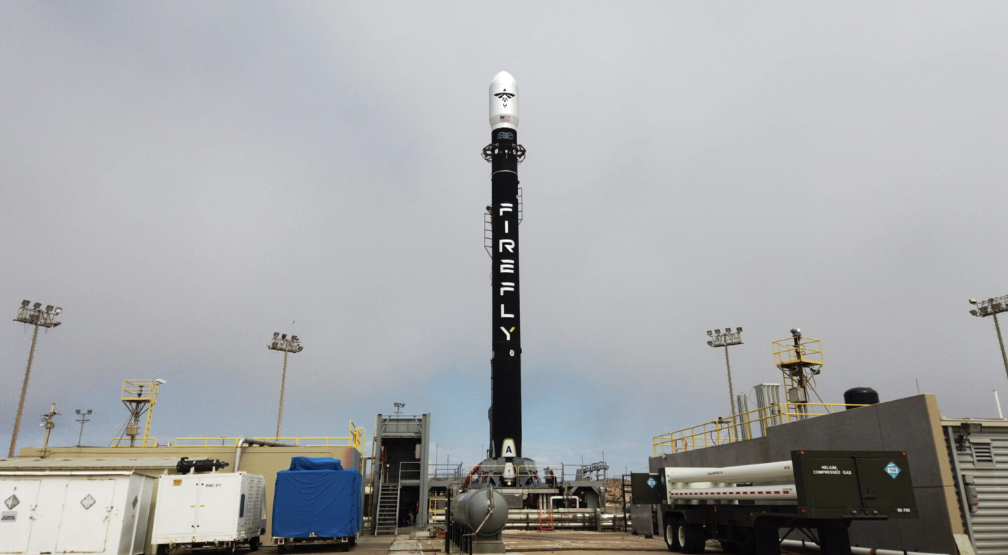
Firefly Aerospace, Inc. has been selected by the National Reconnaissance Office (NRO) to serve as a launch provider with the firm’s Firefly’s Alpha rocket.

As part of the NRO’s Streamlined Launch Indefinite Delivery/Indefinite Quantity Contract (SLIC), the agreement has a 10-year ordering period with a ceiling value of $700 million across all firm fixed-price task orders.

The SLIC program was established by the NRO’s Office of Space Launch to leverage commercial best practices for responsive space missions and encourage competition among emerging launch providers. SLIC is open to U.S. launch vehicles with a proven orbital record and allows providers to bid dedicated, rideshare, or multi-manifest launch services.

As a SLIC provider, Firefly is able to compete for NRO launches with its Alpha rocket, capable of lifting more than 1,000 kg to LEO from the Vandenberg Space Force Base and the Cape Canaveral Space Force Station. Firefly minimizes launch costs and increases reliability and responsiveness by utilizing robust in-house manufacturing capabilities, sharing components across its vehicles, and leveraging innovative technologies, such as carbon composite sandwich structures and patented tap-off cycle propulsion systems.

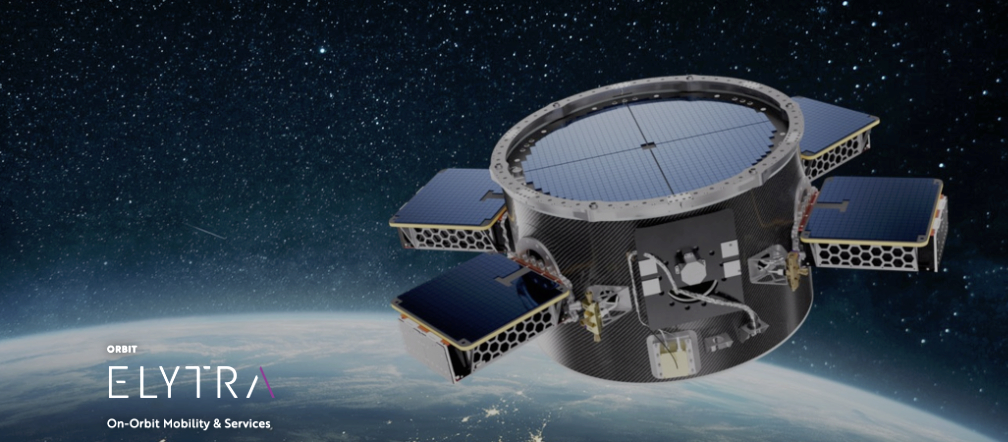
Firefly’s next Alpha launch for NASA is on track for early 2024. The company will also support a responsive on-orbit mission for the NRO onboard Firefly’s Elytra vehicle in 2024.

“Firefly is ready to support the NRO’s responsive space needs as we continue to advance our rapid launch operations capability,” said Bill Weber, CEO of Firefly Aerospace. “In order to support the increased demand for Alpha launches, we’ve doubled the size of our facilities, implemented automated carbon composite technologies, and fine-tuned our operations to rapidly produce, test, and launch in response to our customers’ urgent mission needs.”

Filed Under: News

  • « Go to Previous Page
  • Page 1
  • Interim pages omitted …
  • Page 83
  • Page 84
  • Page 85
  • Page 86
  • Page 87
  • Interim pages omitted …
  • Page 338
  • Go to Next Page »

Primary Sidebar

WEEKLY NEWSLETTER

Archives

  • October 2026
  • September 2026
  • August 2026
  • July 2026
  • June 2026
  • May 2026
  • April 2026
  • March 2026
  • February 2026
  • January 2026
  • December 2025
  • November 2025
  • October 2025
  • September 2025
  • August 2025
  • July 2025
  • June 2025
  • May 2025
  • April 2025
  • March 2025
  • February 2025
  • January 2025
  • December 2024
  • November 2024
  • October 2024
  • September 2024
  • August 2024
  • July 2024
  • June 2024
  • May 2024
  • April 2024
  • March 2024
  • February 2024
  • January 2024
  • December 2023
  • November 2023
  • October 2023
  • September 2023
  • August 2023
  • July 2023
  • June 2023
  • May 2023
  • April 2023
  • March 2023
  • February 2023
  • January 2023
  • December 2022
  • November 2022
  • October 2022
  • September 2022
  • August 2022
  • July 2022
  • June 2022
  • May 2022
  • April 2022
  • March 2022
  • February 2022
  • January 2022
  • December 2021
  • November 2021
  • October 2021
  • September 2021
  • August 2021
  • July 2021
  • June 2021
  • May 2021
  • April 2021
  • March 2021
  • February 2021
  • January 2021
  • December 2020
  • November 2020
  • October 2020
  • September 2020
  • August 2020
  • July 2020
  • June 2020
  • May 2020
  • April 2020
  • March 2020
  • February 2020
  • January 2020
  • December 2019
  • November 2019
  • October 2019

© 2019–2026 SatNews

Insert/edit link

Enter the destination URL

Or link to existing content

    No search term specified. Showing recent items. Search or use up and down arrow keys to select an item.
      x
      Sign Up Now!

      Enjoy a free weekly newsletter with recent headlines from the global SmallSat industry.

      Invalid email address
      We promise not to spam you. You can unsubscribe at any time.
      Thanks for subscribing! You will now receive weekly SmallSat News updates.
      We love our advertisers.
      And you will too!

      Please disable Ad Blocker to continue... We promise to keep it unobtrusive.
      We promise not to spam you. You can unsubscribe at any time.
      Invalid email address
      Thanks for subscribing!