• Skip to main content
  • Skip to primary sidebar
  • Home
  • News
  • Featured
  • More News ⌄
    • SatNews
    • SatMagazine
    • MilSatMagazine
  • Events ⌄
    • MilSat Symposium
    • SmallSat Symposium
    • Satellite Innovation
  • Contacts
  • SUBSCRIPTION

SmallSat News

You are here: Home / Archives for News

News

Fleet Space acquires an equity stake and collaboration agreement with Thor Energy

September 5, 2023 by editorial

Fleet Space Technologies (“Fleet”) has engaged in a collaboration with Thor Energy Plc (“Thor”) that will redefine their mineral exploration approach through cutting-edge, space-enabled technology.

This partnership will leverage EXOSPHERE BY FLEET® technology and Thor’s expertise to further the understanding of the Alford East Copper-REE Project in South Australia, underpinning more precise drilling to realize the site’s potential faster and with less impact.

The collaboration has also seen Fleet Space Technologies take an equity stake in Thor Energy, signifying both parties’ long-term commitment to the project. This latest major commitment for Fleet follows the successful completion of the company’s institutional Series C fundraising round and the signing of landmark contracts with the world’s largest and most innovative exploration companies including Rio Tinto and Barrick Gold.

Fleet’s state-of-the-art technology, paired with Thor’s expertise, will pave the way for more precise and efficient drilling campaigns. The Alford East Project will serve as the first step in a long-term, transformative partnership, combining space technology with mineral exploration.

The collaboration will drive ANT surveys using EXOSPHERE BY FLEET® technology initially over the northern part of the Alford East Project. This low-impact exploration technique harnesses natural environmental vibrations to analyse the Earth’s composition at significant depths.
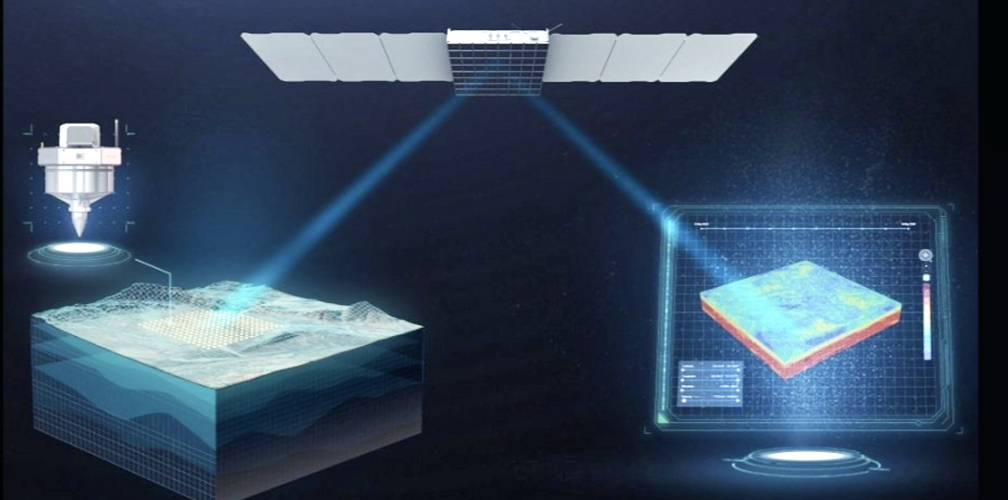
The integration of this data with Thor’s existing 3D geological model will lead to a comprehensive understanding of structural and lithological controls on mineralization, facilitating the identification of high-potential drill targets.
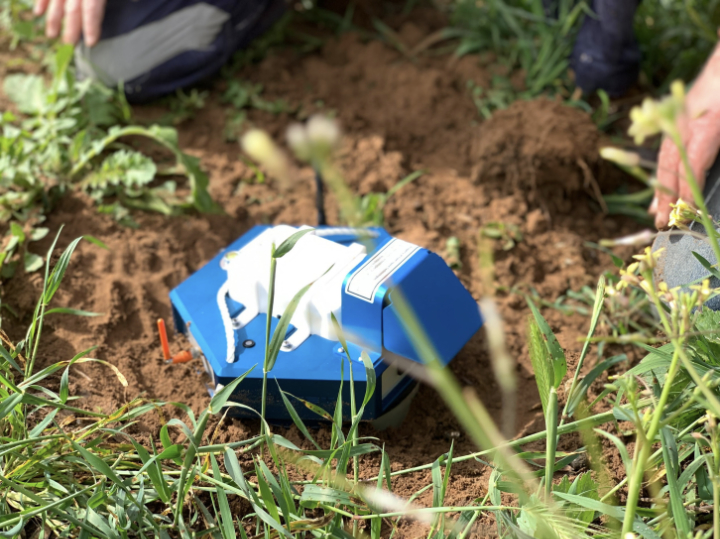
Fleet Space planted ground geode sensor.

Data is collecting using portable Geodes devices which capture subtle vibrations from both natural and human sources. The data collected is then promptly processed and efficiently transmitted through Fleet’s network of low earth orbit satellites.
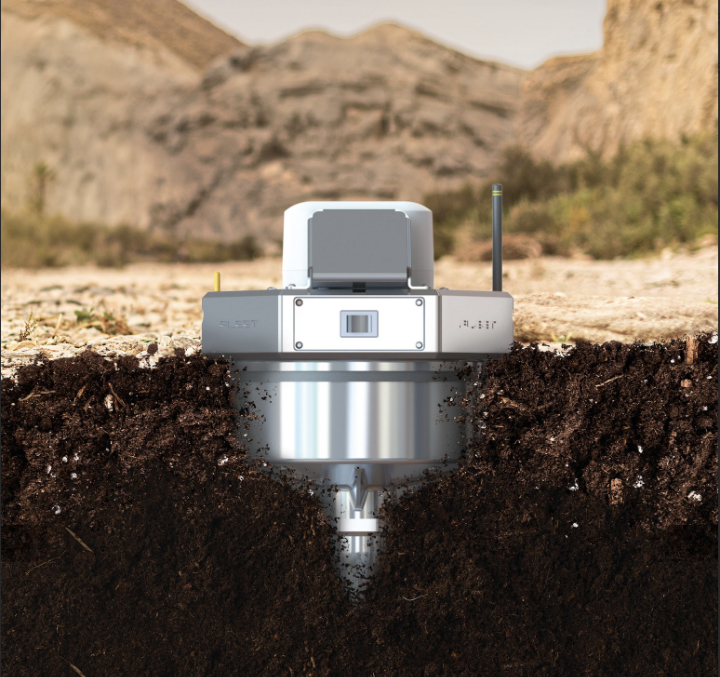
Fleet Space geode sensor.

The collaboration between Thor and Fleet will empower the accurate delineation of low velocity, weathered troughs housing oxide copper-REE mineralization. This partnership will also pioneer the targeting higher-grade oxide copper-gold mineralization by employing Artificial Intelligence (AI) and Machine Learning (ML) methodologies.

Fleet Space Technologies will earn an equity interest in Thor through a strategic share subscription. This underlines the commitment to jointly accelerate mineral exploration and leverage technology to redefine industry standards.

The Alford East Copper-REE Project, located on the Yorke Peninsula, SA, is a significant area of focus for Thor Energy. The collaboration with Fleet Space Technologies promises to revolutionize exploration methodologies, resulting in more informed decision-making and streamlined drilling campaigns.

“This partnership signals Fleet Space Technology and Thor Energy’s shared commitment to innovation. The satellite enabled exploration approach made possible by Fleet’s Exosphere technology is driving greater efficiency and accuracy across the industry. We are delighted that Fleet has signalled its intent for a long-term collaboration at Alford East by taking a stake in Thor Energy that see us become partners in innovation as we work together to redefine exploration practices for the better.” — Nicole Galloway Warland, Managing Director, Thor Energy

“This partnership between Thor Energy and Fleet Space Technologies is further testament to what is possible when we fuse world-class exploration expertise with cutting-edge space technology. This has been an extraordinary period of growth for Fleet Space Technologies. We are proud to work with an increasing number of the world’s most progressive exploration companies to deliver faster, more accurate and ultimately less impactful exploration practices. By taking an equity stake in Thor Energy we signal our long-term commitment to redefining how minerals are found at their Alford East Project and beyond.” — Federico Tata-Nardini, Chief Financial Officer and Financial Strategy and Investment Officer, Fleet Space Technologies

Filed Under: News

UCAnFly moves to satellite production

September 5, 2023 by editorial

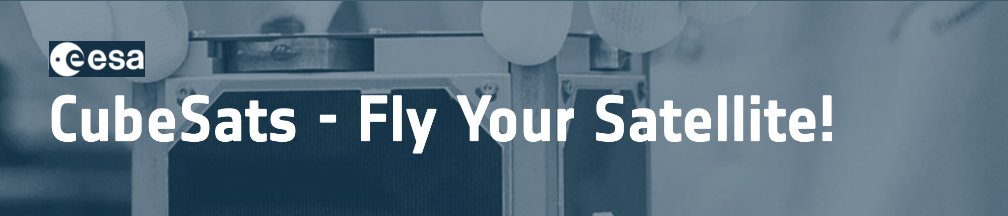
UCAnFly, a CubeSat project from the University of Cadiz, Spain, is marking significant strides toward its own production and launch.

Part of the third edition of Fly Your Satellite!, an ESA Education program, UCAnFly is one-unit (1U, 10x10x10cm) CubeSat, with a mission to allow on-orbit validation of a magnetic measurement subsystem, MELISA-II, based on chip-scale magnetoresistive sensors with dedicated low-frequency noise reduction techniques.

The team was able to make noteworthy progresses in the past months, such as passing the Delta Critical Design Review, an important milestone that attests to the satellite’s robust design and engineering. The project has also undertaken the manufacturing and testing of the Qualification Model (QM), and in February 2023, the payload qualification model of UCAnFly has successfully passed the Electromagnetic Compatibility (EMC) test campaign in ESTEC (Netherlands), verifying that EMC radiated emissions and susceptibility of the payload are compatible with the requirements of the UCAnFly platform.

Subsequently, in May of 2023 at the CubeSat Support Facility in ESEC (Belgium), the payload environmental qualification has been completed, showcasing UCAnFly readiness to endure the extreme environment of space.

Furthermore, the project’s groundwork has focused on securing a laminar flow bench, integrated within the university laboratory to ensure a controlled environment with adequate cleanliness levels. This facility has been used to inspect and begin tests of the component-off-the-shelf units that compose the satellite.

The team is currently working toward the preparation of interface tests and FlatSat test campaign, with its interlinked subsystems spread out across a table, before the CubeSat is ready for integration.

Filed Under: News

Launch Addendum: Lockheed Martin reports on their Transport Layer Satellites launch as part of the SDA’s Tranche 0 mission

September 4, 2023 by editorial

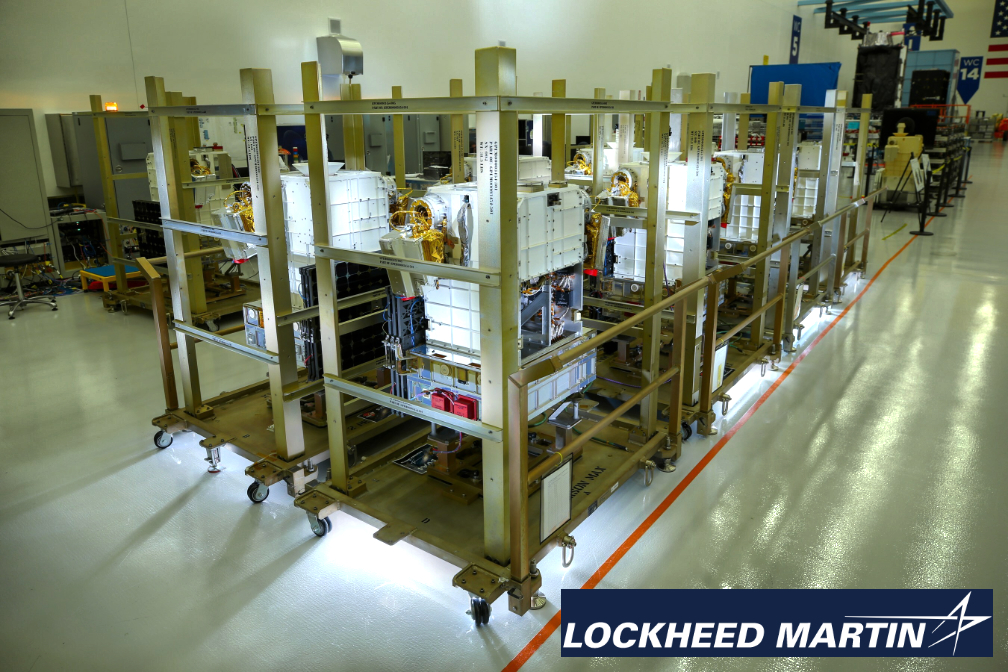
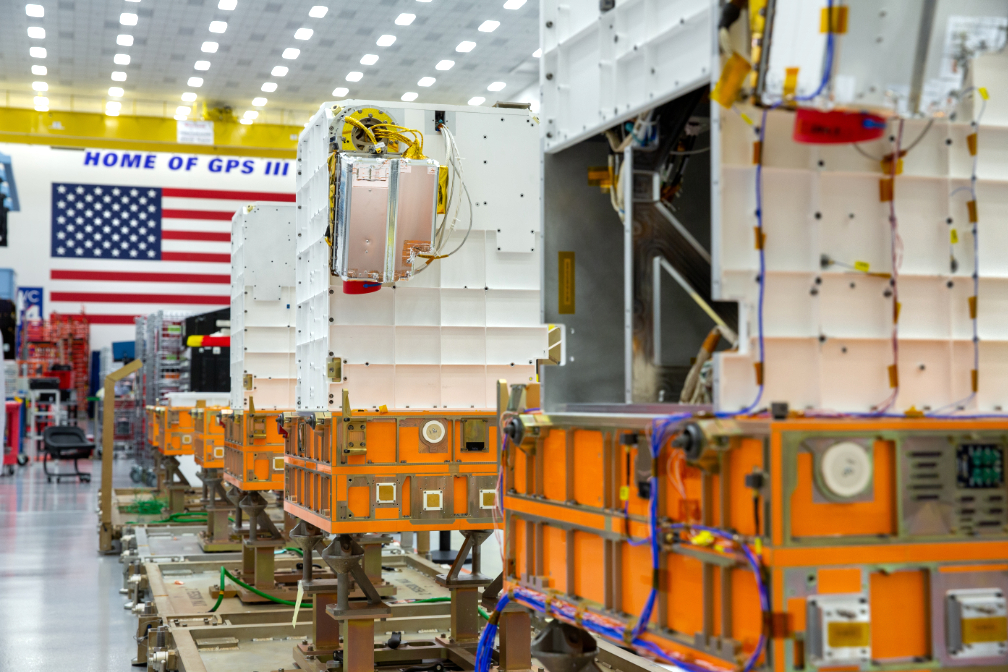
Lockheed Martin-built Tranche 0 Transport Layer small satellites are seen being packed for shipment. Photo is courtesy of Lockheed Martin.

Ten Lockheed Martin-built (NYSE: LMT) satellites were successfully deployed into LEO in support of the Space Development Agency’s (SDA) Tranche 0 Transport Layer (T0TL) mission.

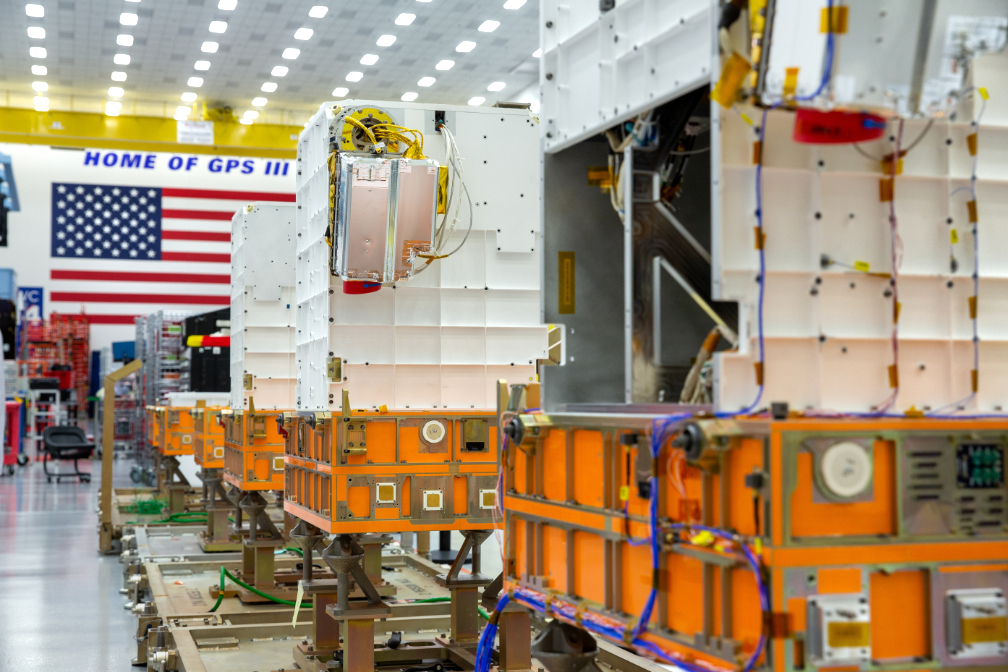
SDA Tranche 0 smallsats in the Lockheed Martin processing facility. Photo is courtesy of the company.

SDA’s T0TL is a proliferated LEO constellation that will demonstrate low-latency communication and provide a resilient network of integrated capabilities.

The smallsats launched aboard a SpaceX Falcon 9 rocket from Vandenberg Space Force Base in California and, soon after liftoff, SDA confirmed the separation of all 10 of the Lockheed Martin-built satellites from the launch vehicle.

Each satellite incorporates a Terran Orbital bus and payload processors. Terran Orbital developed the ten satellite buses for Lockheed Martin in support of this mission and were built on the company’s Zuma Platform, a smallsat class spacecraft that leverages the MKII Avionics platform, typical to the Trestles platform.

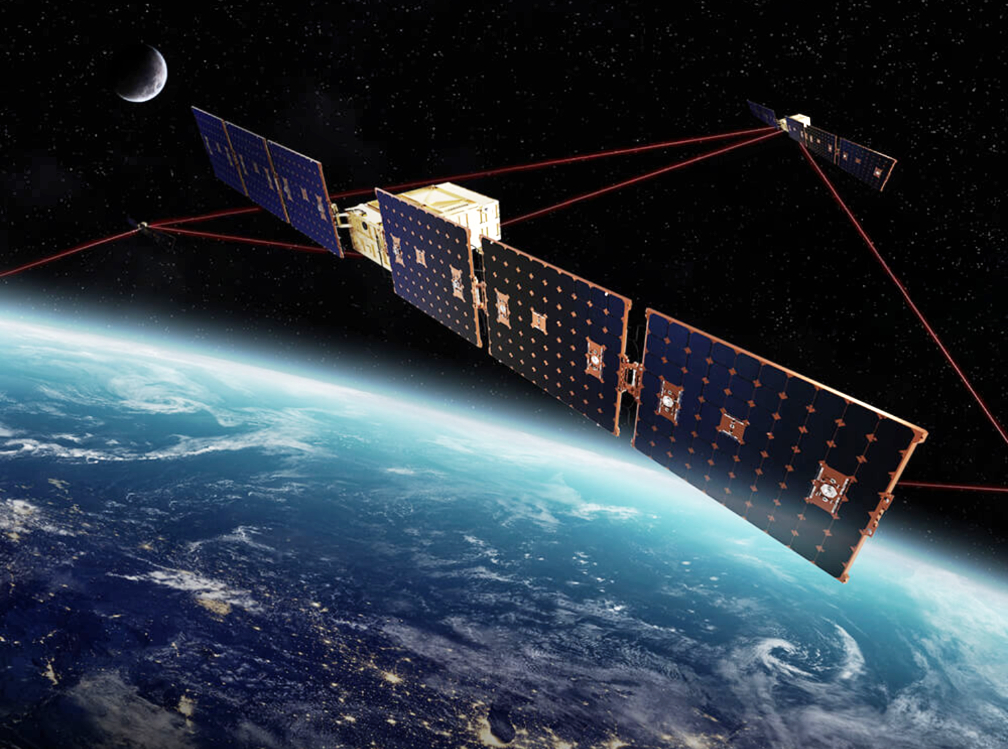
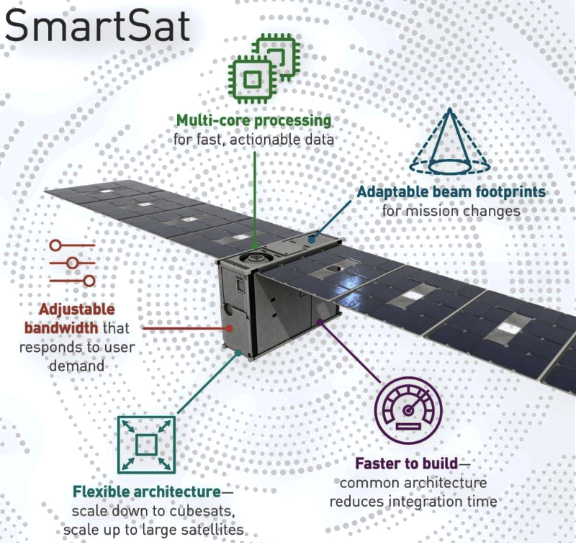
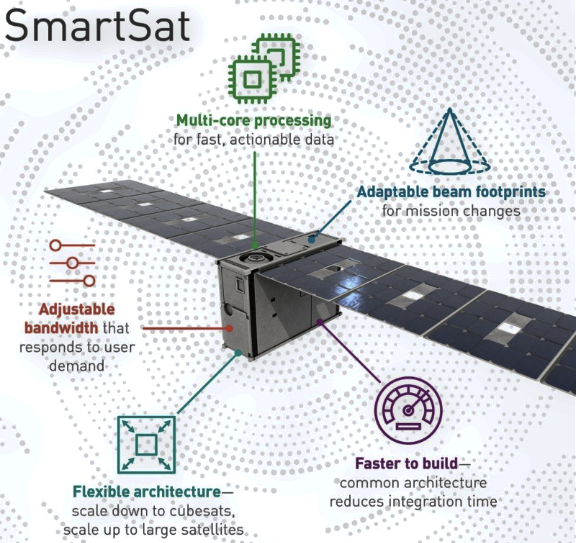
The smallsats are also equipped with SmartSat™, Lockheed Martin’s software platform that makes it easier to dynamically add and quickly change missions in orbit through simple app uploads. The satellites also host Link 16 radios to introduce a terrestrial-proven network in space. Link-16 will enable sensor-to-shooter targeting by connecting systems that include fighter aircraft and Integrated Air and Missile Defense (IAMD) networks.
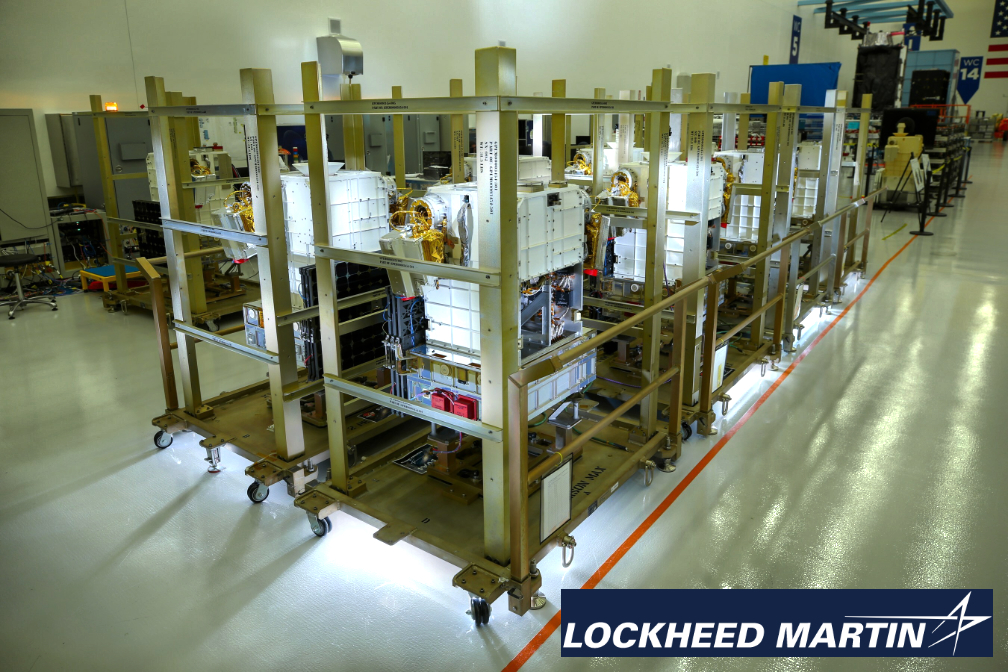
Lockheed Martin is currently building 42 satellites for SDA’s Tranche 1 Transport Layer (T1TL) and was recently awarded an agreement to build 36 of SDA’s 72 Beta variant satellites for its Tranche 2 Transport Layer (T2TL) constellation. The T1TL and T2TL Beta satellites will be assembled, integrated, and tested in Lockheed Martin’s new small satellite (smallsat) processing facility that is designed for the high-volume delivery of complete satellites.

“Lockheed Martin is proud to be part of SDA’s mission to rapidly bring a threat-driven, resilient set of integrated space capabilities to life. We look forward to contributing more of our expertise to this mission to strengthening deterrence and deliver advanced military capabilities in space.” — Joe Rickers, Vice President for Protected Communications, Lockheed Martin

Filed Under: Featured, News

Launch Addendum: Lockheed Martin reports on their Transport Layer Satellites launch as part of the SDA’s Tranche 0 mission

September 2, 2023 by editorial

Lockheed Martin-built Tranche 0 Transport Layer small satellites are seen being packed for shipment. Photo is courtesy of Lockheed Martin.

Ten Lockheed Martin-built (NYSE: LMT) satellites were successfully deployed into LEO in support of the Space Development Agency’s (SDA) Tranche 0 Transport Layer (T0TL) mission.

SDA Tranche 0 smallsats in the Lockheed Martin processing facility. Photo is courtesy of the company.

SDA’s T0TL is a proliferated LEO constellation that will demonstrate low-latency communication and provide a resilient network of integrated capabilities.

The smallsats launched aboard a SpaceX Falcon 9 rocket from Vandenberg Space Force Base in California and, soon after liftoff, SDA confirmed the separation of all 10 of the Lockheed Martin-built satellites from the launch vehicle.

Each satellite incorporates a Terran Orbital bus and payload processors. Terran Orbital developed the ten satellite buses for Lockheed Martin in support of this mission and were built on the company’s Zuma Platform, a smallsat class spacecraft that leverages the MKII Avionics platform, typical to the Trestles platform.

The smallsats are also equipped with SmartSat™, Lockheed Martin’s software platform that makes it easier to dynamically add and quickly change missions in orbit through simple app uploads. The satellites also host Link 16 radios to introduce a terrestrial-proven network in space. Link-16 will enable sensor-to-shooter targeting by connecting systems that include fighter aircraft and Integrated Air and Missile Defense (IAMD) networks.
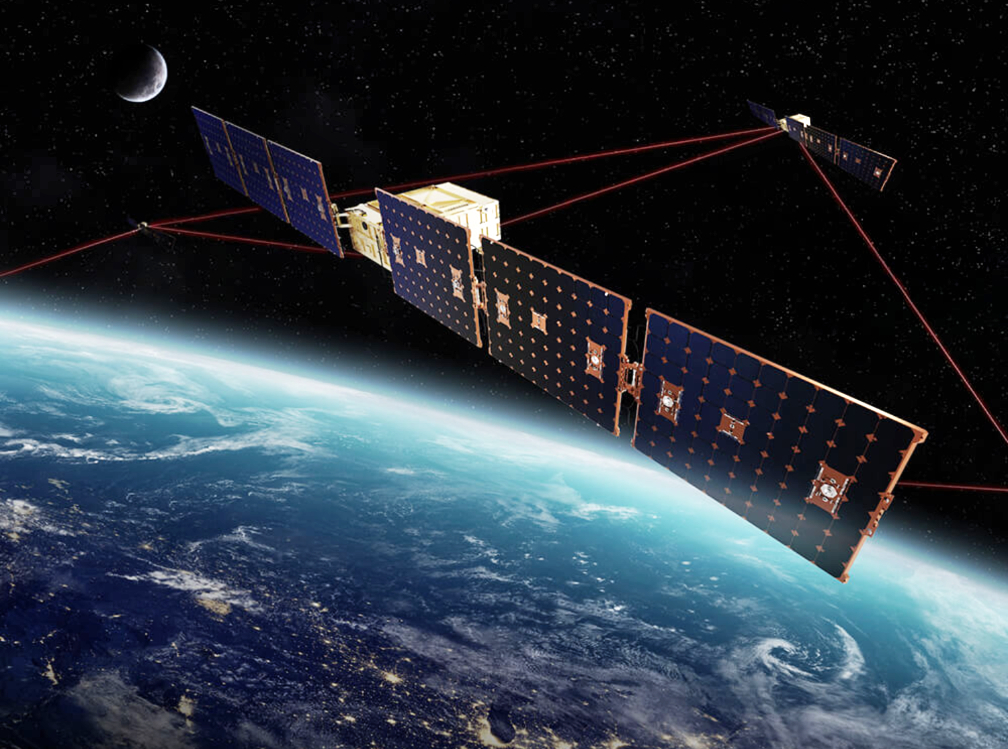
Lockheed Martin is currently building 42 satellites for SDA’s Tranche 1 Transport Layer (T1TL) and was recently awarded an agreement to build 36 of SDA’s 72 Beta variant satellites for its Tranche 2 Transport Layer (T2TL) constellation. The T1TL and T2TL Beta satellites will be assembled, integrated, and tested in Lockheed Martin’s new small satellite (smallsat) processing facility that is designed for the high-volume delivery of complete satellites.

“Lockheed Martin is proud to be part of SDA’s mission to rapidly bring a threat-driven, resilient set of integrated space capabilities to life. We look forward to contributing more of our expertise to this mission to strengthening deterrence and deliver advanced military capabilities in space.” — Joe Rickers, Vice President for Protected Communications, Lockheed Martin

Filed Under: News

Successful precipitation Scans from Tomorrow.io’s space radars

August 29, 2023 by editorial

Tomorrow.io and the firm’s two, pathfinder radar satellites — Tomorrow-R1 and Tomorrow-R2 — have successfully characterized precipitation intensity from space. This achievement places Tomorrow.io alongside NASA and JAXA as the only entities to have ever taken such measurements from orbit.

Following the successful launches of Tomorrow-R1 and Tomorrow-R2 satellites in April and June, respectively, the company has completed initial testing of both satellites and their radar payloads are fully operational. With the initial calibration complete, both satellites are entering their longer-term calibration and validation phase, paving the way for the high-fidelity, global precipitation measurements to be ingested into Tomorrow.io’s weather intelligence platform.

For the first time, Tomorrow.io demonstrated its ability in making near, real-time, radar-based forecasting financially viable for every point on Earth, closing a decades-old gap in life-saving weather forecasting. Currently, five billion people live outside radar coverage with no radar-coverage over the oceans.

As a commercially developed and privately funded enterprise, Tomorrow.io offers a revolutionary price-to-performance ratio enabled by private innovation. In contrast to government missions that have been limited by costs and single satellites, Tomorrow.io is building the de facto GPS network for weather, closing the decades-old gap in weather sensing from space.

Tomorrow.io has already been awarded more than $20 million in contracts from the Department of Defense (DoD) and is partnering on a Collaborative R&D Agreement with NOAA.

From farmers predicting crop yields to governments preparing for natural disasters, the benefits of the data provided by Tomorrow.io’s satellite constellation has the potential to be felt worldwide by every person, business and government on Earth.

“The precipitation measurements have already proven the overall system performance, providing significantly more insight into weather than existing satellite-based cloud-top imaging systems. With initial measurements completed, we are now in the process of growing the overall constellation to enable a revolution in weather forecast accuracy globally.” — John Springmann, Senior Vice President, Space & Sensors, Tomorrow.io

Filed Under: News

Spire Global participates in NGA prize challenge

August 29, 2023 by editorial

Spire Global, Inc. (NYSE: SPIR) has been invited by the National Geospatial-Intelligence Agency (NGA), and has agreed to participate, in Phase 4 of MagQuest, a prize challenge to advance how Earth’s magnetic field is measured, with multi-million-dollar prize awards.

MagQuest is a multi-phase open innovation challenge designed to accelerate new ideas to increase the efficiency, reliability, and sustainability of geomagnetic data. During this phase of the challenge, Spire will design, develop and launch a satellite that will provide a novel approach to geomagnetic data collection for the World Magnetic Model (WMM).

The satellite will carry a first-of-its-kind diamond quantum magnetometer system developed by SBQuantum. Spire will demonstrate operations of the satellite system and provide data to NOAA’s National Centers for Environmental Information and NASA’s Goddard Space Flight Center for assessment.

The WMM is used every day around the world and is embedded in thousands of systems. More than a billion smartphone users depend on the WMM for mobile navigation apps, and drivers rely on it to align the compasses in their cars.

Phase 4 of the challenge is set to conclude in September of 2026. There may be an opportunity for additional funding at the end of the challenge to sustain operations and data provisions beyond the three-year period. The results of MagQuest will inform NGA’s acquisition strategy for a WMM global magnetic field data collection capability, with an expected data procurement that can provide operational capacity by 2027.

“The MagQuest challenge is a prime example of how satellite technology plays a crucial role in powering technology and systems that each and every one of us use on a near-daily basis,” said . “We’re proud to leverage Spire’s expertise in satellite technology and existing infrastructure for manufacturing, ground stations, and data processing with SBQuantum’s magnetometer technology to provide a novel and more accurate solution to collect geomagnetic data.” — Chuck Cash, Vice President of Federal Sales, Spire

Filed Under: News

DIU + USSF to leverage commercial industry for TacRS

August 29, 2023 by editorial

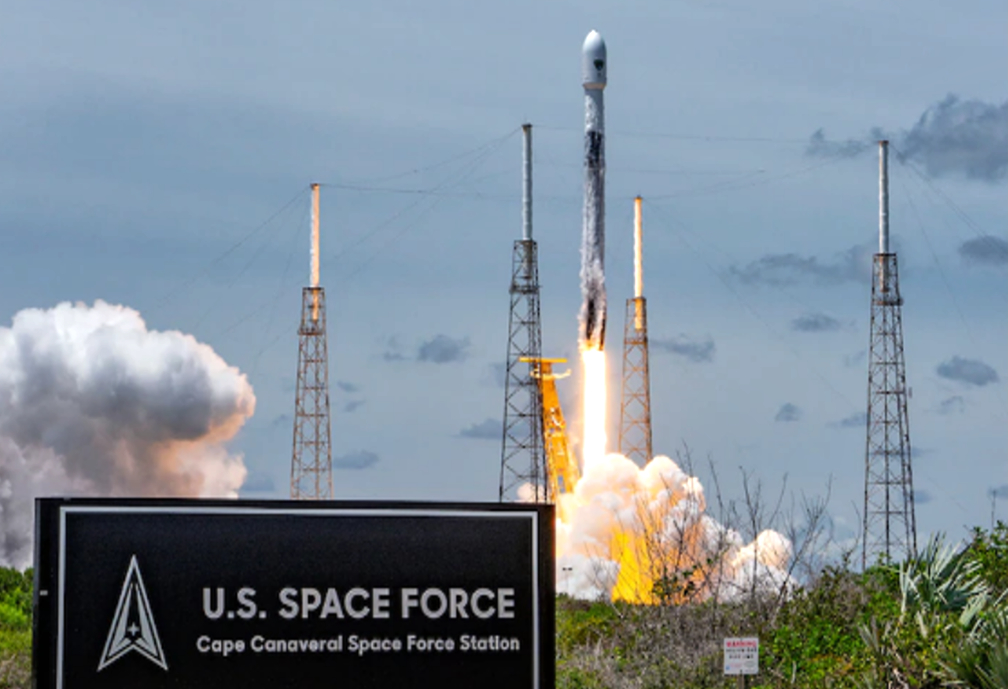
The U.S. Space Force (USSF) is exploring the ability of commercial providers to rapidly deliver both launch and on-orbit operations infrastructure. The USSF’s Space Systems Command‘s (SSC) Space Safari Program Office is partnering with the Defense Innovation Unit (DIU) on the next Tactically Responsive Space (TacRS) mission, called VICTUS HAZE, to identify and build-out commercial capabilities to further enable the TacRS program. TacRS focuses on all aspects of the national security imperative to deliver on-orbit capabilities to the joint force with speed and agility.

VICTUS HAZE is related to VICTUS NOX and is a current, Space Safari TacRS mission that is expected to launch later this year. VICTUS NOX is leading the Department of Defense’s ability to launch and establish on-orbit operations in days rather than the months and years it typically takes.

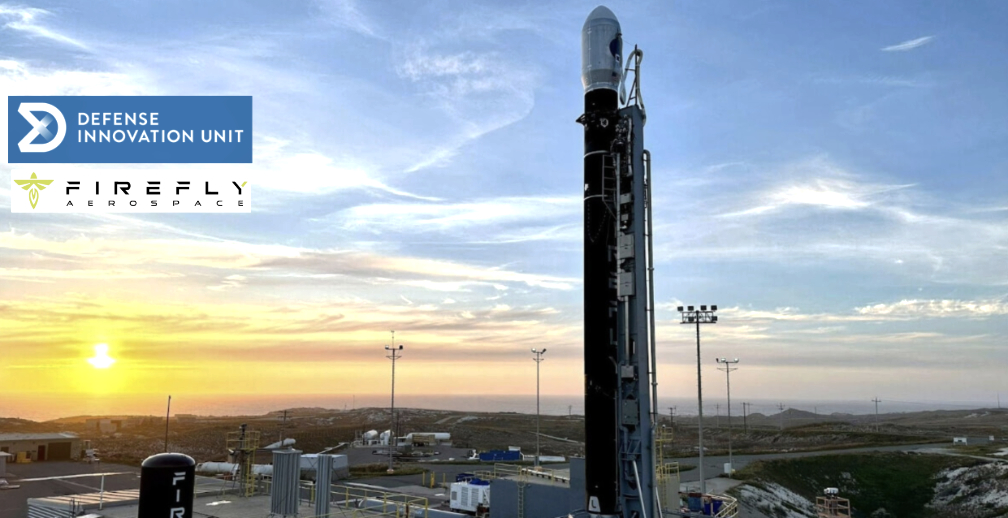
Firefly’s Alpha rocket for the Space Force’s VICTUS NOX mission stands on the launchpad at Vandenberg Space Force Base, California. Photo is courtesy of Firefly Aerospace.

The VICTUS NOX mission informed the VICTUS HAZE goals, which focus on end-to-end execution using commercial capabilities. Space Safari is leveraging commercial solutions that are quickly modifiable and will further reduce timelines, normalize the TacRS Concept of Operations, and increase the range of orbits that can be reached on short notice.

The program includes the logistics, ground segment, launch service, on-orbit operations, and spacecraft bus; which is the main body and structural component of a satellite or spacecraft that holds the payload and all scientific instruments.

DIU remains partnered with SSC on several projects, including; Modularity for Space Systems, Readily Accessible Propellant in Diverse Orbits, Hybrid Space Architecture, and Responsive Launch, among others. However, this is the first partnership between the Space Safari Office and DIU.

Established in January of 2021, Space Safari is an acquisition program office responsible for responding to high-priority, urgent space needs by rapidly acquiring, integrating, and executing missions supporting USSPACECOM requirements and other combatant commander needs. By working with DIU, Space Safari has expanded its reach by accessing the joint force’s end users as well as DIU’s network of commercial and industry partners.

DIU posted its Commercial Solution Opening (CSO) for TacRS in August of 2023 and plans to award contracts Fall of 2023.

“It is critical that we tap into and leverage commercially developed capabilities – ones that we can rapidly field to execute the VICTUS HAZE mission and then be able to count on for future TacRS operational needs. Our partnership with DIU provides the right ecosystem, expertise, and mission focus to execute the VICTUS HAZE mission and establish a robust partnership with commercial providers.” — Maj. Jason Altenhofen, Deputy for the Space Safari Program Office, SSC

“The number and complexity of adversary threats in space is constantly growing. To rapidly respond to those threats, we need to deliver the most advanced TacRS capabilities the U.S. has to offer. VICTUS HAZE will help provide the advantage we need to assess the threats and continue our ability to freely maneuver in space.” — Lt. Col. MacKenzie Birchenough, Materiel Leader for Space Safari, SSC

“We started a Small Responsive Launch program in 2017 with SSC to leverage low-cost, high-cadence launch to quickly put small payloads into low Earth orbit, and to deliver a payload to a specific address,. TacRS is taking this to the next level, tapping into the ability for the commercial space industry to provide risk reduction for dynamic space systems to conduct their missions while demonstrating a contingency response capable of inspecting and characterizing a threat on urgent operational timelines.” — Steven Butow, Director of the Space Portfolio, DIU

“Facing the challenge of rapidly connecting space vehicles, specialized payloads, launch services, and ground systems – DIU is perfectly suited to support the acquisition of these transformational technologies and ensure warfighter needs are met.” — U.S. Space Force Maj. David “Merlin” Ryan, Program Manager, TacRS, SSC

Filed Under: News

LeoStella + Hera Systems establish a strategic alliance

August 29, 2023 by editorial

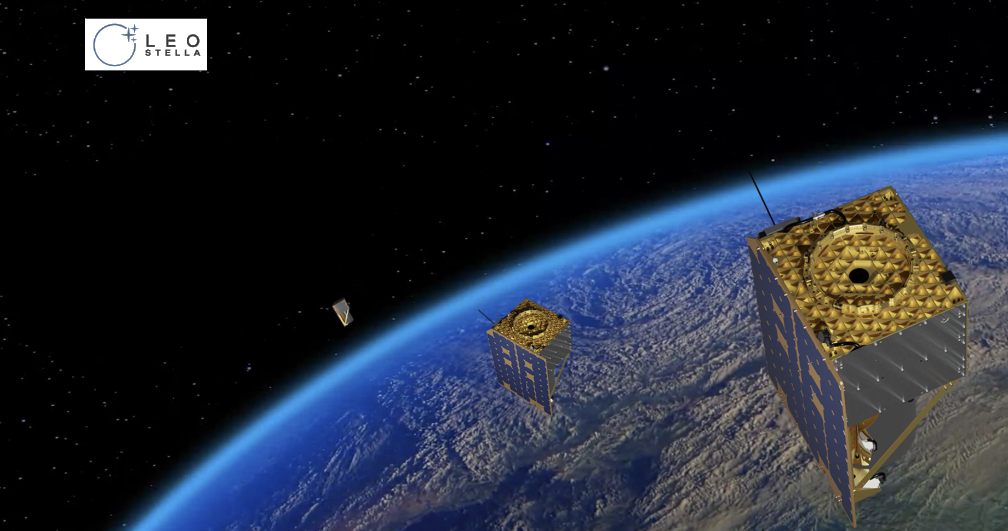
LeoStella and Hera Systems have announced a strategic manufacturing alliance that will will mitigate supply chain risks, increase the reliability of production and delivery schedules and maintain competitive pricing for smallsat constellations.

LeoStell and Hera Systems offer a combined manufacturing proposal for the Space Development Agency’s Tranche 2 Transport Layer. As part of the proposal, the companies will collaborate on manufacturing the Hera Systems’ Leoness™ Smart Bus product line. This space-proven platform lends itself to a range of mission applications, has a unique level of network security and mission-specific customization within a high-TRL (technology readiness level), and is SWaP-optimized (size, weight and power).
This collaboration leverages the proven, highly efficient manufacturing capabilities of LeoStella. To date, LeoStella has manufactured and delivered 20 satellites. LeoStella has a proven track record of delivering satellites on time; the company’s satellites have more than 37 years of on-orbit heritage and boast 99% mission availability, delivering high performance and reliability.

LeoStella and Hera Systems and their respective leadership teams bring proven experience and a track record of success in satellite manufacturing. Together, the CEOs of LeoStella and Hera Systems have more than six decades of collective leadership experience in space systems and hands-on expertise in effectively managing intricate space programs crucial to national security and innovative commercial solutions.

The alliance between LeoStella and Hera Systems on the SDA Tranche 2 Transport Layer proposal marks the first collaboration in what is projected to be a long-term relationship to expand the smallsat ecosystem and ensure the rapid delivery of spacecraft for commercial and government customers.

“Our shared pursuit of efficient manufacturing and supply chain management will enhance our competitiveness in a sector known for its complexity. Roger [Hera Systems CEO] and I recognize the challenges many new space companies experience as they scale to meet production timelines for multi-satellite agreements. This strategic collaboration will leverage our resources to directly address schedule and delivery risks that other providers encounter due to supply chain constraints, facility limitations, and staffing shortages.” — Tim Kienberger, CEO, LeoStella

“By strategically using our collective resources and expertise, we are tackling the challenges of the space industry head-on. This collaboration allows us to jointly mitigate capacity and supply chain risks that other manufacturers face independently. It enables us to pursue more ambitious projects and meet the associated customer schedule and cost challenges while facilitating measured growth and long-term success for both companies.” — Dr. Roger Roberts, President and CEO, Hera Systems

Filed Under: News

SCOUT Space Acquires Free Space to Expand Technical Capabilities & Defense Expertis

August 25, 2023 by editorial

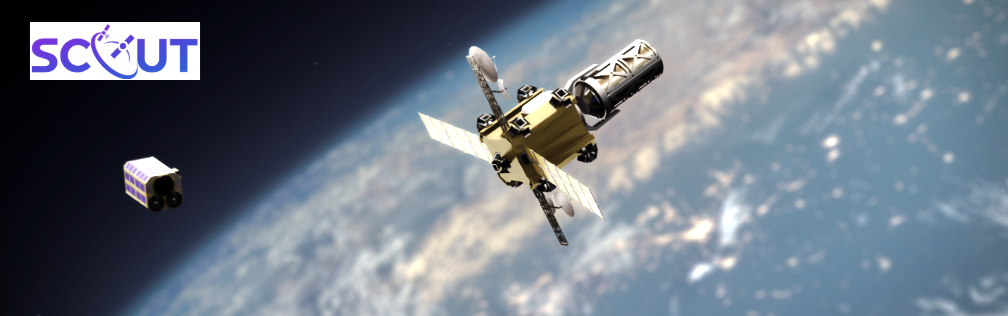
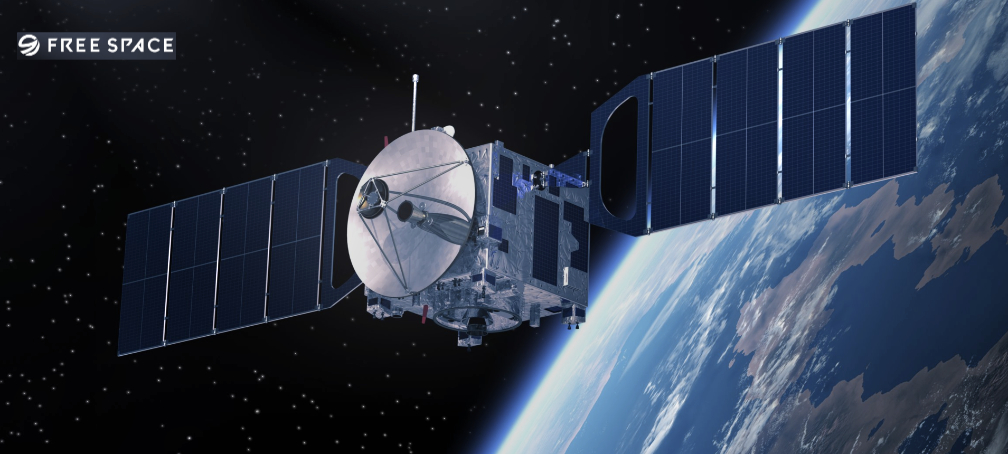
SCOUT Space Inc. has acquired Free Space Inc. to strengthen the firm’s defense and technical capabilities and broaden the inroads built with the U.S. Department of Defense, intelligence community and civil government — terms of the transaction were not disclosed.

Free Space was founded in January of 2022 by Gil Valdes and Vin Bisceglia to build new Space Domain Awareness (SDA) and Space Security Solutions for the U.S. Government (USG), its allies and aligned commercial, satellite operators. During their six years working in the space industry, the company recognized that the space domain was rapidly becoming a less permissive and more contested environment wherein critical satellite constellations were regularly under threat from hostile actors. Due to these growing threats, they founded Free Space to ensure all aligned spacecraft could operate, navigate and communicate freely.

The Free Space team developed the Guardian Satellite and Trellis satellite autonomy software concepts, which will eventually serve as critical, New Space security infrastructures. Since the Company’s inception, Free Space has secured more than $1.5 million in U.S. Space Force (USSF) contracts to develop this technology, with strong backing from critical USG agencies.

In July of this year, SCOUT announced it had successfully completed an oversubscribed Seed round led by Decisive Point, with majority investment by Noblis Ventures, the corporate venture arm of Noblis, and with participation from Fusion Fund, Techstars and VIPC.

“This acquisition is the result of SCOUT’s business plan to strengthen the company by expanding our defense and technical capabilities with strategic acquisitions. With a high market demand for our on-orbit services and mission augmentation capabilities, this acquisition uniquely positions SCOUT to respond immediately to our government customers’ needs. We look forward to welcoming this team into our incredible SCOUT family.” — Eric Ingram, CEO, SCOUT Space

“We are thrilled to announce the beginning of an extraordinary journey as Free Space joins forces with the fabulous team at SCOUT. Today, we embark on a new chapter together that will shape the future of space domain awareness and advanced satellite technology to another level. As we combine our expertise, resources and visionary spirit, we are poised to accelerate disruptive new solutions that will usher in a new era of vision-based autonomy and SDA solutions. We are looking forward to expanding this amazing frontier together.” — Vin Bisceglia, Vice President of Growth, SCOUT

“Free Space is thrilled to join forces with SCOUT in this mission to deliver groundbreaking space domain awareness and security solutions for government and commercial space operators. Through this business combination, we bring the grit, talent, and capital needed to deliver the space security infrastructure that our military, civil, and commercial space customers require, and on a much more rapid timeline. Vin and I look forward to working with SCOUT’s founders, Eric and Sergio, and their stellar team to build the go-to space security and safety company at SCOUT.” — Gil Valdes, Vice President of Government Programs, SCOUT

Filed Under: News

PAR Government + ICEYE receive million$$$ USSF contract

August 25, 2023 by editorial

PAR Technology Corporation (NYSE: PAR) announced their subsidiary, PAR Government Systems Corporation, in partnership with ICEYE , signed a prime contract award for the Proliferated Low Earth Orbit (PLEO) Satellite-Based Services initiative led by the U.S. Space Force.

The contract serves as a mechanism for satellite-based services and capabilities to support all domains (space, air, land, maritime, cyber) with consistent, quality backed, low-latency offerings. PAR Government was one of 16 awardees on the PLEO Indefinite Delivery, Indefinite Quantity (ID/IQ) effort, which has a $900 milion ceiling over five years, with five-year option periods.

Under the direction of Space Systems Command, the IDIQ effort was orchestrated by the Commercial Satellite Communications Office (CSCO) and is intended to support U.S. Combatant Commands, defense agencies, other federal government agencies, and international coalition partners.

PAR Government’s subsidiary, Rome Research Corporation (RRC), is also included in the contract award. RRC has partnered with the Department of Defense (DoD) customers to provide award-winning satellite communications and space-related operations and maintenance services, including 24/7/365 terrestrial communication systems support, IT-related support, telecommunications engineering, and installation services, and ensures the functionality and positioning of government satellite assets for defense agencies worldwide. To date, RRC’s DoD customers have won more than 80 Defense Information Systems Agency (DISA) facility awards.

“PAR Government is an innovative leader in the development, management, and delivery of critical, tactical-edge capabilities for our nation’s warfighters. We are enabling timely delivery of commercial space-based services and products directly to the mobile platforms being used by our nation’s defenders at the tactical edge. To that end, the PAR Government team includes best-in-class Synthetic Aperture Radar (SAR) constellation capabilities provided by key partner ICEYE US. Delivering critical services and information through the PLEO effort exemplifies PAR’s mission of continuously improving the operational effectiveness of our military and our allies.” — Michael Nelson, President, PAR Government

“PAR Government and ICEYE US have joined forces to create ‘strength-on-strength’ value for the United States Space Force, our military, and allied partners. We are grateful for the opportunity to deliver near-real time persistent monitoring services to decision makers across the DOD under the guidance of Space Systems Comman.” — Eric Jensen, CEO, ICEYE US

Filed Under: News

  • « Go to Previous Page
  • Page 1
  • Interim pages omitted …
  • Page 102
  • Page 103
  • Page 104
  • Page 105
  • Page 106
  • Interim pages omitted …
  • Page 339
  • Go to Next Page »

Primary Sidebar

WEEKLY NEWSLETTER

Archives

  • September 2026
  • August 2026
  • July 2026
  • June 2026
  • May 2026
  • April 2026
  • March 2026
  • February 2026
  • January 2026
  • December 2025
  • November 2025
  • October 2025
  • September 2025
  • August 2025
  • July 2025
  • June 2025
  • May 2025
  • April 2025
  • March 2025
  • February 2025
  • January 2025
  • December 2024
  • November 2024
  • October 2024
  • September 2024
  • August 2024
  • July 2024
  • June 2024
  • May 2024
  • April 2024
  • March 2024
  • February 2024
  • January 2024
  • December 2023
  • November 2023
  • October 2023
  • September 2023
  • August 2023
  • July 2023
  • June 2023
  • May 2023
  • April 2023
  • March 2023
  • February 2023
  • January 2023
  • December 2022
  • November 2022
  • October 2022
  • September 2022
  • August 2022
  • July 2022
  • June 2022
  • May 2022
  • April 2022
  • March 2022
  • February 2022
  • January 2022
  • December 2021
  • November 2021
  • October 2021
  • September 2021
  • August 2021
  • July 2021
  • June 2021
  • May 2021
  • April 2021
  • March 2021
  • February 2021
  • January 2021
  • December 2020
  • November 2020
  • October 2020
  • September 2020
  • August 2020
  • July 2020
  • June 2020
  • May 2020
  • April 2020
  • March 2020
  • February 2020
  • January 2020
  • December 2019
  • November 2019
  • October 2019

© 2019–2026 SatNews

Insert/edit link

Enter the destination URL

Or link to existing content

    No search term specified. Showing recent items. Search or use up and down arrow keys to select an item.
      x
      Sign Up Now!

      Enjoy a free weekly newsletter with recent headlines from the global SmallSat industry.

      Invalid email address
      We promise not to spam you. You can unsubscribe at any time.
      Thanks for subscribing! You will now receive weekly SmallSat News updates.
      We love our advertisers.
      And you will too!

      Please disable Ad Blocker to continue... We promise to keep it unobtrusive.
      We promise not to spam you. You can unsubscribe at any time.
      Invalid email address
      Thanks for subscribing!