• Skip to main content
  • Skip to primary sidebar
  • Home
  • News
  • Featured
  • More News ⌄
    • SatNews
    • SatMagazine
    • MilSatMagazine
  • Events ⌄
    • MilSat Symposium
    • SmallSat Symposium
    • Satellite Innovation
  • Contacts
  • SUBSCRIPTION

SmallSat News

You are here: Home / Archives for News

News

Lockheed Martin to deliver 36 smallsats to Advance SDA’s Comms Network

August 21, 2023 by editorial

The Space Development Agency (SDA) has awarded Lockheed Martin (NYSE: LMT) a firm-fixed price agreement valued at approximately $816 million to build 36 Tranche 2 Transport Layer (T2TL) Beta satellites. T2TL is part of an overarching plan to strengthen deterrence with more resilient space architectures for beyond line-of-sight (BLOS) targeting, data transport, and advanced missile detection and tracking.

The T2TL Beta variant satellites will work in tandem with SDA’s Tranche 1 and Tranche 2 networks. They will advance the initial warfighting capability with targeted technology enhancements, mission-focused payload configurations and increased integration.
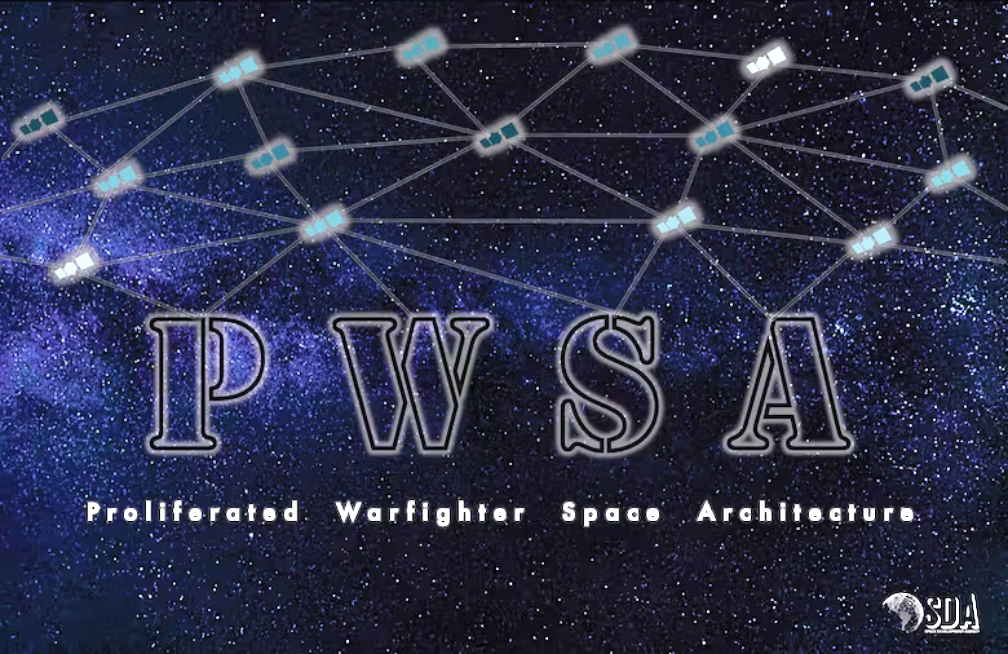
Lockheed Martin will deliver advanced technology on its T2TL Beta satellites to enable the proliferated global network and maintain the Proliferated Warfighter Space Architecture‘s technological and military advantages in space through a hybrid enterprise.

To deliver and innovate at speed and scale, Lockheed Martin recently opened a 20,000 square-foot small satellite processing center that is scaled to efficiently assemble, integrate and test smallsats. The facility, which will house Lockheed Martin’s T1TL and T2TL Beta satellites, features six parallel assembly lines and dedicated test chambers to deliver 180 satellites or more per year to help enable customers’ strategy.

T2TL Beta will consist of 72 satellites and will be deployed into orbit over a series of launches starting in 2026 and will undergo a continuous checkout and commissioning process for acceptance into operations. With this award, Lockheed Martin will deliver at least 88 data communications satellites for SDA’s LEO military constellation. The company’s 10 Tranche 0 Transport Layer (T0TL) satellites will launch in 2023, while its 42 Tranche 1 satellites are in production and on track for a 2024 launch.

“Tranche 2 will significantly enhance our warfighters’ capabilities and establish new levels of resiliency, connectivity, and orbital diversity that are necessary for countering future threats. SDA’s unique acquisition approach expedites the proliferation of this critical technology, and Lockheed Martin’s strategic partnerships with a network of suppliers and small businesses will ensure we’re aligned with SDA’s strategy for accelerated delivery.” — Joe Rickers, Lockheed Martin’s vice president for Protected Communications

Filed Under: News

Capella Federal receives U.S. Space Systems Command award

August 21, 2023 by editorial

Capella Federal, a wholly-owned subsidiary of Capella Space, has received an award for the Proliferated Low Earth Orbit Satellite-Based Services (PLEO) contract through U.S. Space Systems Command (SSC).

With this award, Capella will be able to partner more quickly with SSC and the U.S. Space Force (USSF) to broaden access to global 24/7, all-weather imagery for key missions.

This award makes Capella one of the first commercial EO companies to work with a new government commercial satellite services procurement model intended to leverage advanced, commercial technologies to boost U.S. resilience in space. The period of performance spans five years from July 2023 to July 2028, with an additional five-year option.

The contract was awarded by the U.S. Defense Information Systems Agency (DISA) through the Commercial Satellite Communications Office (CSCO), a central marketplace for SATCOM services operated by Space Systems Command (SSC), a field command of the U.S. Space Force.
“As the first American company to own and operate a commercial SAR constellation, we are excited to expand our collaboration with the U.S. government,” said . “Through this award, we will be able to provide more timely, high-resolution SAR data to support U.S. Space Force missions through our rapidly growing constellation.” — Payam Banazadeh, CEO and Founder, Capella Space

Filed Under: News

EM Solutions’ successful on-orbit satellite transponder text

August 21, 2023 by editorial

E

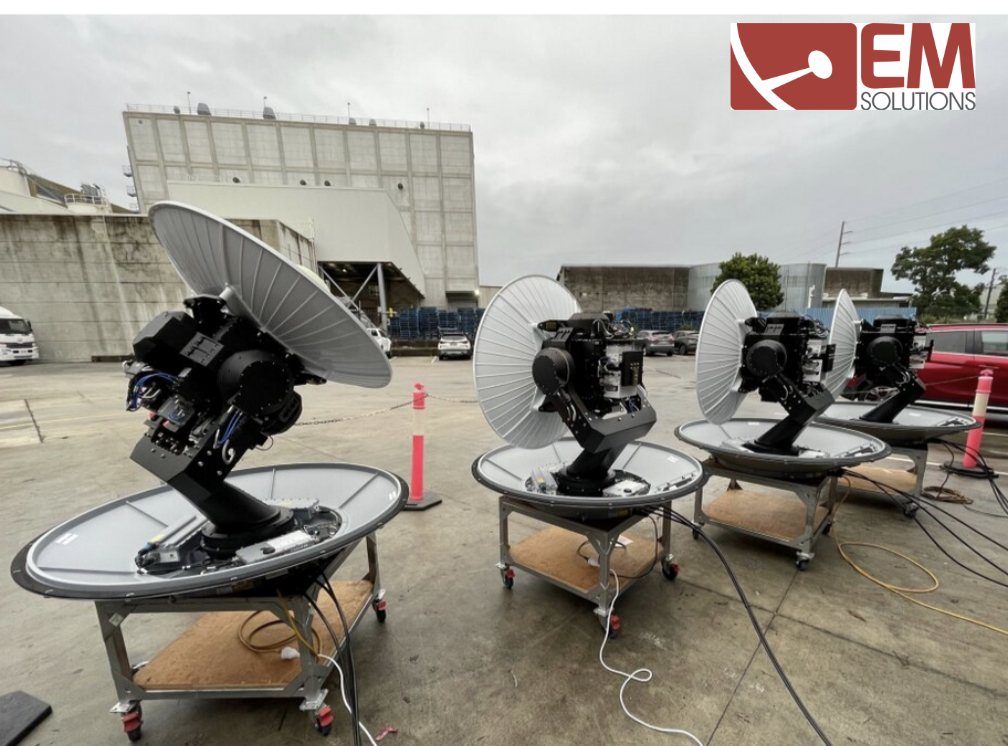
Photo of EM Solutions’ Cobra terminals.

EM Solutions has successfully completed the first of its system level tests for a transponder developed for Telesat’s LEO 3 demonstration satellite.

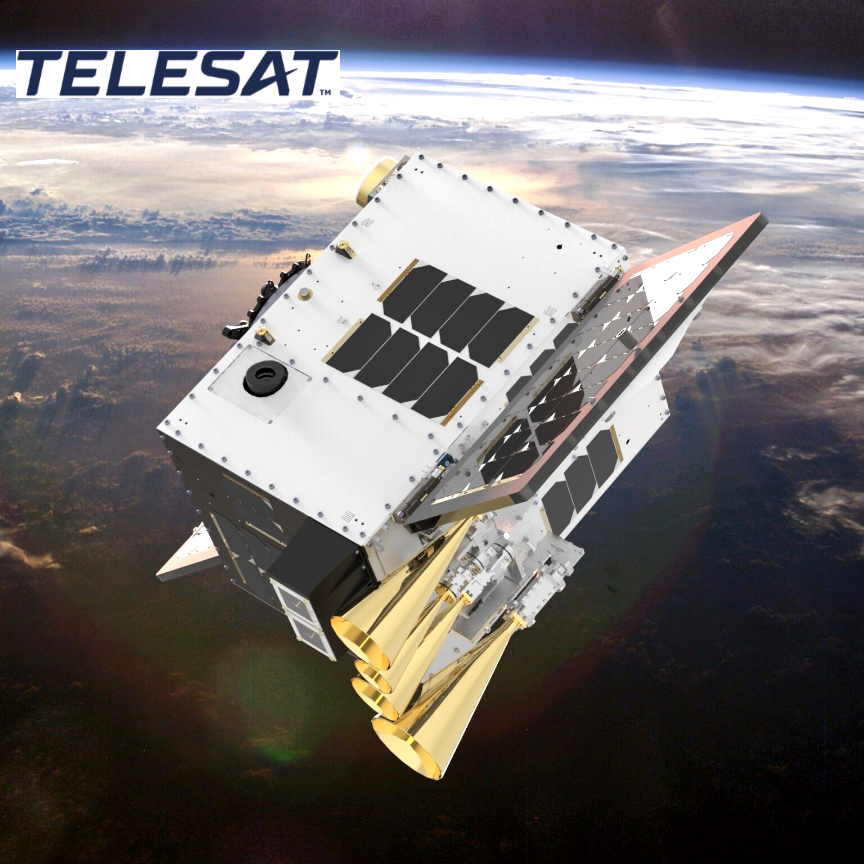
Artistic rendition of Telesat’s LEO 3 smallsat on-orbit.

Launched on July 18th, the satellite payload features a flexible bent pipe architecture that features Ka- and V-band uplinks as well as downlinking on either Ka- or Q-band. Its compact size, weight and power (SWaP) consumption were tailored for operation on Space Flight Laboratory’s (SFL) DEFIANT platform, a compact smallsat that measures 30x30x45 cm. and weighs 30 kg.

Expanding on EM Solutions’ experience with space flight hardware, the communications payload was designed and manufactured at the company’s Brisbane, Australia, head office. The facility now includes a new ISO7 (Class 10000) clean room, encompassing 100 square meters, new workstation areas and wire bonding machines. 
With a primary focus on SATCOM terminals operating at X- and Ka-bands, EM Solutions has, over the years, demonstrated its agility in leveraging broad microwave experience to produce bespoke products for a range of applications.

“This was a great collective effort by EM Solutions’ design, test and assembly members and the company’s suppliers and customers, SFL and Telesat. The effort was even more significant given the tight schedule and global component shortage issues. We specifically want to thank the National Space Test Facility at the Australian National University for their support in undertaking environmental testing.” We want to continue to leverage the successful research and development efforts in Q and V bands for our most recent satellite transponder payload as we venture into other applications using our substantial expertise in microwave product design and manufacturing.” — Garth Niethe, Chief Engineer at EM Solutions

Filed Under: News

Million$ awarded by SDA to three companies

August 20, 2023 by editorial

Recently, the Space Development Agency (SDA) issued awards totaling $1.6 million for a study to be completed over 90 days that will examine and analyze potential, LEO, backhaul capabilities.

This award was received by Aalyria Technologies, Inc. (a spin-off from Google); Kuiper Government Solutions, LLC; and Space Explorations Technology Corp (SpaceX).

The studies will examine connecting commercial or other existing LEO systems to the Proliferated Warfighter Space Architecture (PWSA) to provide further resiliency by quickly moving broadband data between edge and main networks worldwide and to give the PWSA Transport Layer the greater ability to transmit and receive general, high-bandwidth data across its systems.

These awards were made under the Space Development Agency’s System, Technologies, and Emerging Capabilities (STEC) Broad Agency Announcement that are based on a special notice that was posted in late May of this year by the agency.

Filed Under: News

GomSpace + ESA sign contract change notice for the Juventas CubeSat implementation

August 18, 2023 by editorial

GomSpace and ESA have signed a Contract Change Notice (CCN) with a value of 1,500,000 euros (approx. SEK 18 million) — the Juventas CubeSat mission is led by GomSpace with support from a range of European subcontractors.

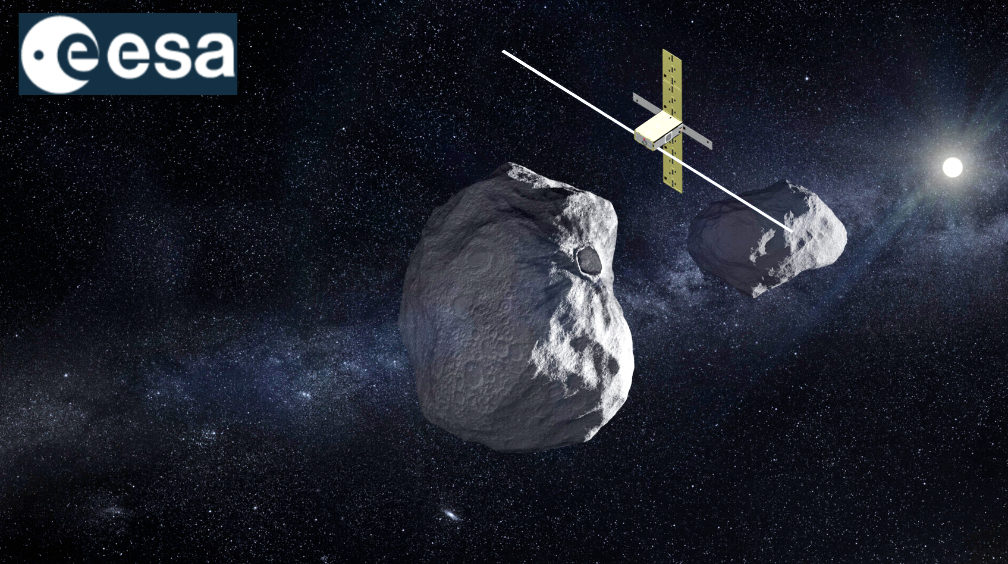
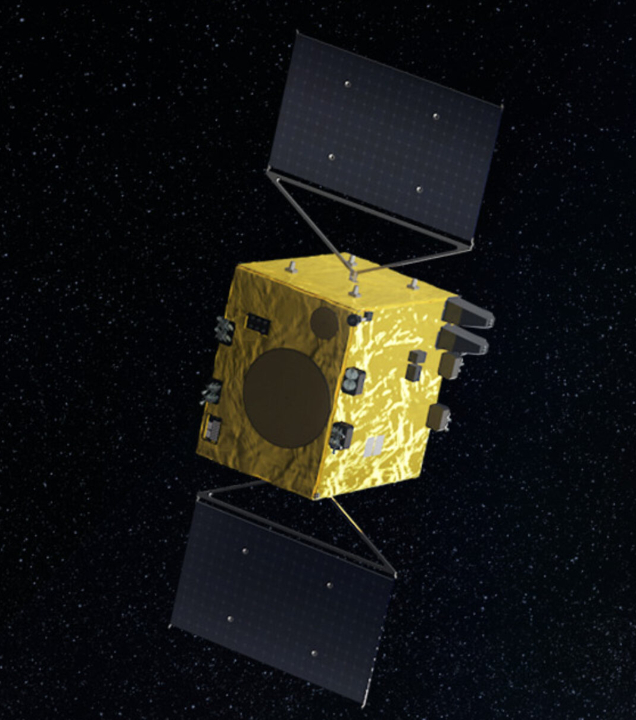
Juventas will be a ‘6-unit’ CubeSat, selected to fly aboard Hera along with the similarly-sized APEX Asteroid Prospection Explorer, built by a Swedish-Finnish-German-Czech consortium

The amount for GomSpace in the CCN is provided to perform system level adaptations to increase the mission robustness. The Juventas spacecraft is expected to be delivered by the close of 2023 for integration and testing together with the HERA mothercraft.

Artistic rendition of the HERA mothercraft, courtesy of ESA.

Together, NASA’s DART and Hera missions, and the international research collaboration known as the Asteroid Impact and Deflection Assessment (AIDA), will demonstrate deflection technology that could be used to protect Earth from hazardous asteroids by shunting them off a collision course.

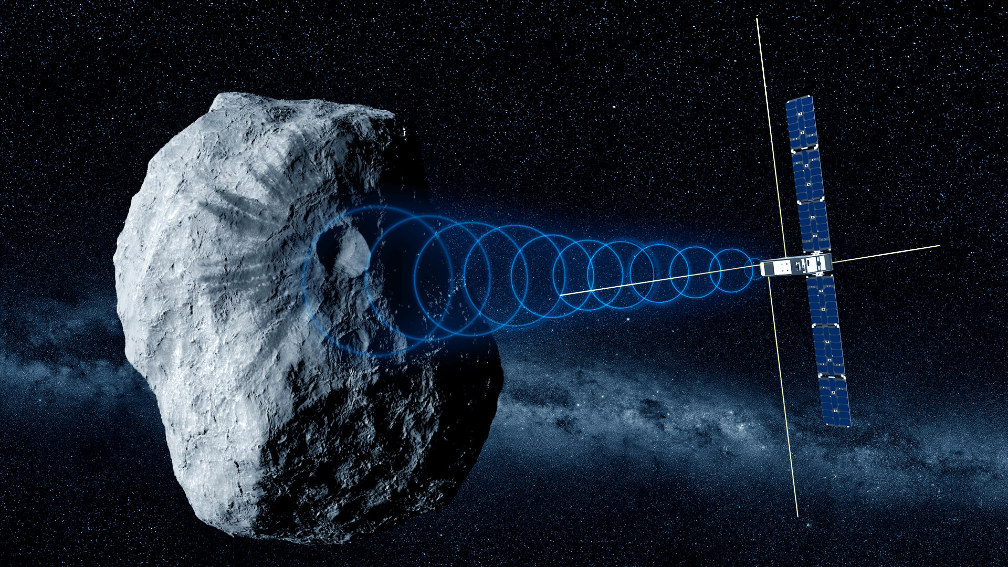
The smallest radar to fly in space has been delivered to ESA for integration aboard the miniature Juventas CubeSat, part of ESA’s Hera mission for planetary defence. The radar will perform the first radar imaging of an asteroid, peering deep beneath the surface of Dimorphos – the Great Pyramid-sized body whose orbit was shifted last year by the impact of NASA’s DART spacecraft.

Juventas is a 6U smallsat containing a low frequency radar, named JuRa, as its primary payload

The smallsat will operate in close proximity to the Didymos asteroid system, focusing radar and radio-science experiments targeting the moon of the binary asteroid, named Dimorphos.

Juventas will complete its mission by attempting to land on the surface of Dimorphos, making measurements on the landing dynamics from likely bouncing events to capture details of the asteroids surface properties and end with measurements taken by a gravimeter payload to give insight to the dynamical properties of the asteroid.

Filed Under: News

MyRadar awarded a 2 year grant from NOAA

August 18, 2023 by editorial

MyRadar has been awarded a NOAA SBIR Phase II grant for its Orbital Wildfire Resilience (OWR) project. The grant award builds on the successful completion of the NOAA SBIR Phase I project.

This initiative aims to boost resilience against wildfires using MyRadar’s compact satellite technology, Artificial Intelligence (AI), and its widespread information distribution platform with the popular MyRadar app.

As a NOAA Weather-Ready Nation (WRN) Ambassador, MyRadar will further accelerate the R&D for advanced, space-based hardware and software to mitigate the impact of wildfires. Wildfires pose an increasing risk that challenges the resilience of the American public and economy, and often result in the tragic loss of human lives, as seen recently on the Hawaiian island of Maui.

The R&D undertaken in the OWR project will bolster the availability of new hazard alert products for consumers, enterprise organizations and government institutions through the MyRadar app, made possible by the creation of satellite data products that address gaps in existing hazard detection. The alerting aspects, specifically, will help provide earlier and more timely warnings to help save lives.

The Phase II mission will be an orbital demo of multi-sensor data capture and downlink, AI-assisted alerting, and training dataset generation, and includes building and launching two pathfinder satellites that will represent the first two commercial satellites in the company’s HORIS (Hyperspectral Orbital Remote Imaging Spectrometer) constellation. The 1U smallsat flight models will collect orbital training data to refine the AI detection and alerting models.

The award highlights NOAA’s efforts to build public/private partnerships to encourage innovation in technological advancements that benefit the American public, and helps fuel a significant step in MyRadar’s ongoing R&D towards enhancing its alerting, forecasting, and satellite imagery capabilities. The full HORIS constellation will consist of 150 satellites that will orbit the planet and trigger low-latency alerts for wildfire mitigation, among a slew of other satellite-based products. All HORIS satellite data products and alerts will be available from within the MyRadar app and will offer global coverage.

“Phase II builds on the lab, field, and space testing the team has already completed, and the primary science mission will be to collect training data from low Earth orbit (LEO) for the larger constellation’s AI systems.” — Dr. Sarvesh Garimella, Chief Scientist and CTO and the mission’s principal investigator, MyRadar

Filed Under: News

UPDATE: Thursday, Hurricane Hilary causes a SpaceX launch scrub of 21 smallsat Starlinks

August 18, 2023 by editorial

UPDATE: SpaceX scrubs scheduled launch due to approaching Hurricane Hilary.

VANDENBERG SPACE FORCE BASE, California — Despite the multiple launch options provided for a Falcon 9 launch of 21 Starlink satellites, all of those options have been scrubbed ahead of the arrival of Hurricane Hilary.

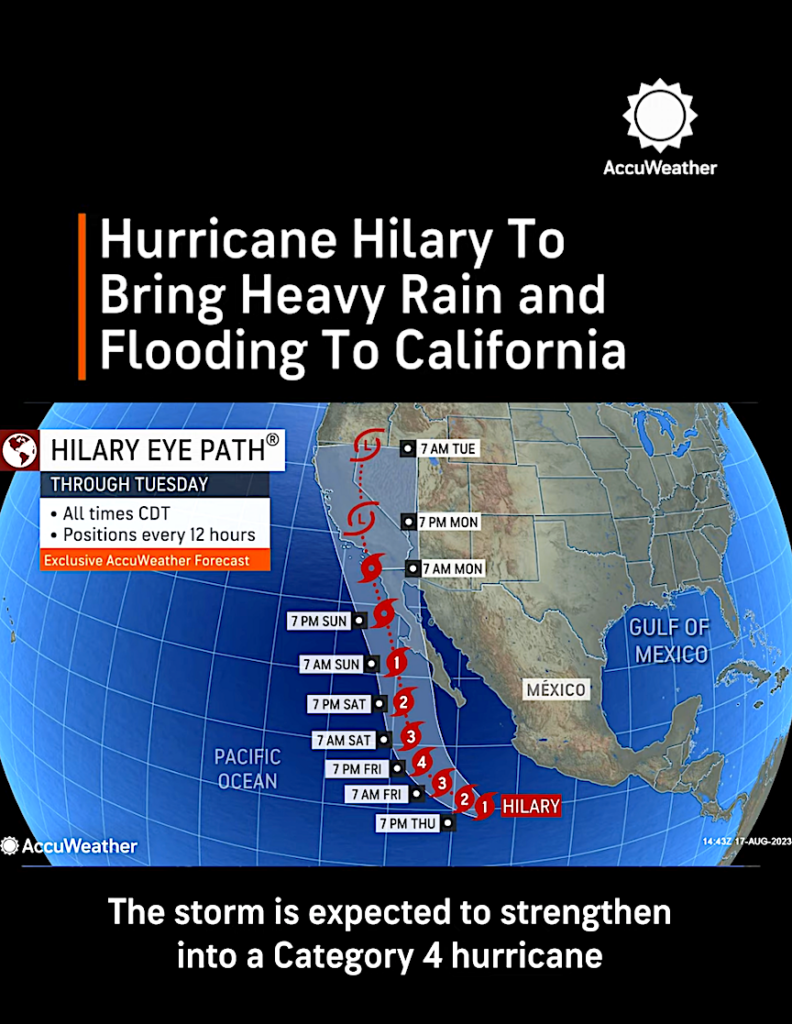
Tropical Storm Hilary strengthened into a hurricane Thursday, with forecasters warning it could potentially bring devastating rainfall and high winds to Southern California this weekend.

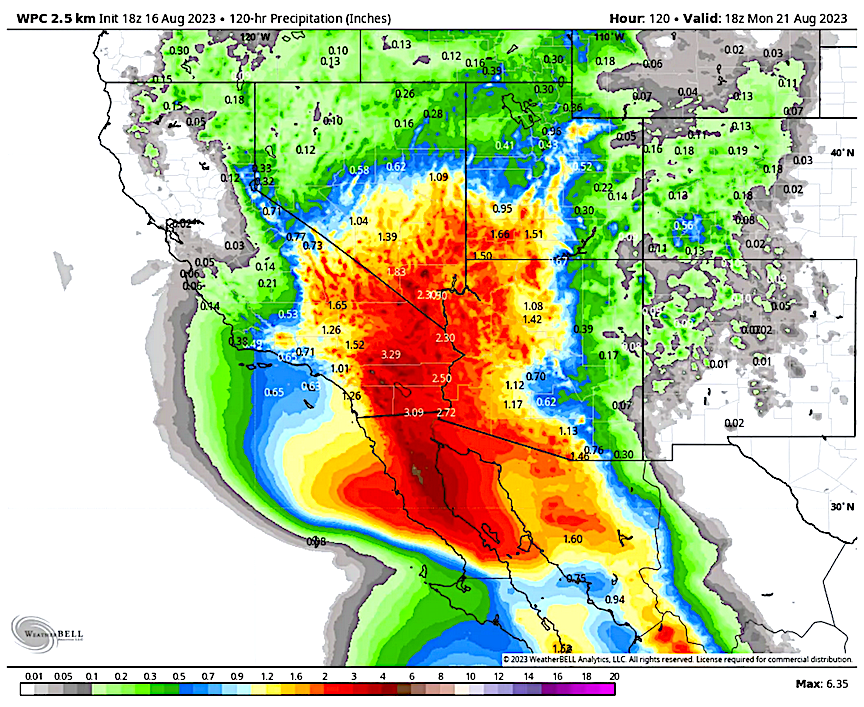
Forecast rainfall totals as of August 21, from the National Weather Service.
Image: Weatherbell.com

“Hilary is forecast by AccuWeather’s hurricane experts to become a major (Category 3) hurricane and peak as a Category 4 on the Saffir-Simpson Hurricane Wind Scale while spinning just off the southern tip of Mexico’s Baja peninsula this weekend.”

The last tropical storm to impact the state was 84 years ago, according to official records.

Under some forecast scenarios, Tropical Storm Hilary could bring a year’s worth of rain to typically dry locations in just two to three days, which would cause extensive flooding.

The NWS forecast office in Phoenix said the amount of atmospheric water vapor surging into the Southwest ahead of the storm may reach levels “almost never experienced this time of year.”

The National Hurricane Center said Hilary was about 475 miles south of Cabo San Lucas, Mexico, as of 5 p.m. Thursday ET, with maximum sustained winds of 110 mph. While Hilary is likely to weaken as it travels northward, it could bring heavy rainfall to the southwestern United States, along with large swells and high surf along the coast.

When the launch takes place this is the 15th flight for the first stage booster supporting this mission, which previously launched Crew-1, Crew-2, SXM-8, CRS-23, IXPE, Transporter-4, Transporter-5, Globalstar FM15, ISI EROS C-3, and five Starlink missions. Following stage separation, the first stage will land on the Of Course I Still Love You droneship, which will be stationed in the Pacific Ocean.

A live webcast of this mission will begin about five minutes prior to liftoff

PREVIOUSLY: SpaceX is targeting Thursday, August 17 at 1:42 a.m. PT (8:42 UTC) for a Falcon 9 launch of 21 Starlink satellites to low-Earth orbit from Space Launch Complex 4E (SLC-4E) at Vandenberg Space Force Base in California.

If needed, two additional opportunities are available at 2:33 a.m. PT (9:33 UTC) and 3:26 a.m. PT (10:26 UTC). Two backup opportunities are also currently available on Friday, August 18 at 12:30 a.m. (7:30 UTC) and 1:20 a.m. PT (8:20 UTC).

Previous successful landing

This is the 15th flight for the first stage booster supporting this mission, which previously launched Crew-1, Crew-2, SXM-8, CRS-23, IXPE, Transporter-4, Transporter-5, Globalstar FM15, ISI EROS C-3, and five Starlink missions. Following stage separation, the first stage will land on the Of Course I Still Love You droneship, which will be stationed in the Pacific Ocean.

A live webcast of this mission will begin about five minutes prior to liftoff

Filed Under: News

Rocket Lab inks dedicated launch deal with iQPS

August 18, 2023 by editorial

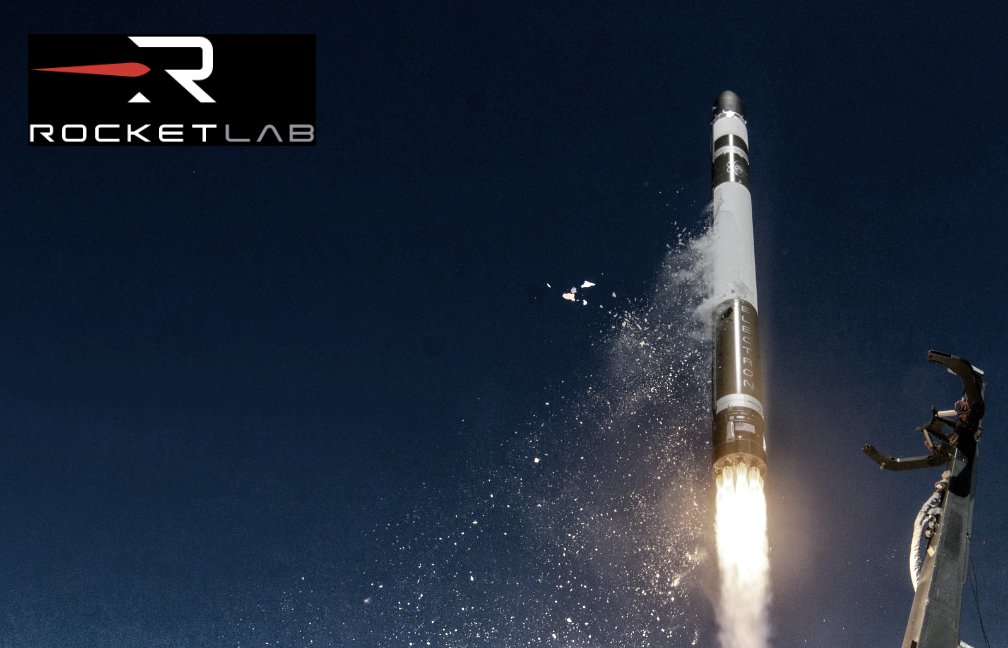
Rocket Lab USA, Inc. (Nasdaq: RKLB) has signed a deal to launch an Earth Observation (EO) satellite on Electron for the Institute for Q-shu Pioneers of Space, Inc. (iQPS), a Japan-based, Earth imaging company.

iQPS was originally manifested on another launch vehicle — iQPS has now selected Rocket Lab to launch QPS-SAR-5 on a dedicated Electron mission to expedite the deployment.

The launch is scheduled for lift-off in September 2023 and will carry iQPS’s QPS-SAR-5 satellite — named TSUKUYOMI-I — into orbit on a dedicated Electron mission from Rocket Lab Launch Complex 1 in Mahia, New Zealand. The mission has been named “The Moon God Awakens” in acknowledgement of Tsukuyomi, the Japanese God of the Moon.

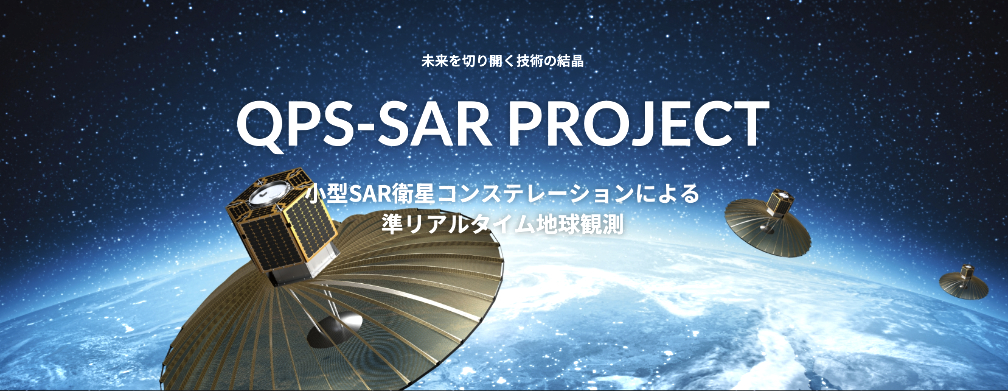
QPS-SAR-5 is a synthetic-aperture radar (SAR) satellite that will join a constellation after QPS-SAR-6 already on-orbit. iQPS’s satellites are small, high-performance SAR satellites that use a lightweight, large, stowable antenna to collect high resolution images of Earth, even through clouds and adverse weather conditions. Ultimately, the iQPS constellation is planned to have 36 satellites capable of monitoring specific fixed points on Earth every 10 minutes.

In addition to being launched by Electron, the QPS-SAR-5 satellite will use Rocket Lab’s Mark II Motorized Lightband (MLB) as its separation system, demonstrating the Company’s vertically integrated, space systems strategy.

“This is exactly the kind of mission Electron was designed for and has delivered on time and time again – a customer urgently seeking dedicated launch to a unique orbit on a rapid timeline. We’re delighted to deliver that capability to our new partners at iQPS and keep their mission on schedule. iQPS’ SAR technology can play a vital role in disaster prevention, marine monitoring, infrastructure management, agriculture, and more. The sooner their spacecraft is in orbit, the faster those capabilities can be delivered, so we’re grateful for the opportunity to make iQPS’ mission possible with a dependable launch service.” — Peter Beck, Founder and CEO, Rocket Lab

“We are very pleased to announce the new launch plan for QPS-SAR-5 following the successful QPS-SAR-6 launch in June, despite the delay due to status changes since our announcement of contract for QPS-SAR-5 in May last year. We highly appreciate Rocket Lab and our team for all their efforts in arranging this new launch contract as it is very meaningful for us to quickly deploy the satellites into orbit and build a 36-QPS-SAR constellation that will enable near real-time observation almost anywhere in the world, which we are aiming for. We believe that this collaboration with Rocket Lab for QPS-SAR-5 will evolve our SAR image data services and expand our business.” — Dr. Shunsuke Onishi, CEO, iQPS

Filed Under: News

SpaceX to have second launch in 24 hours on August 17 of 21 Starlinks

August 17, 2023 by editorial

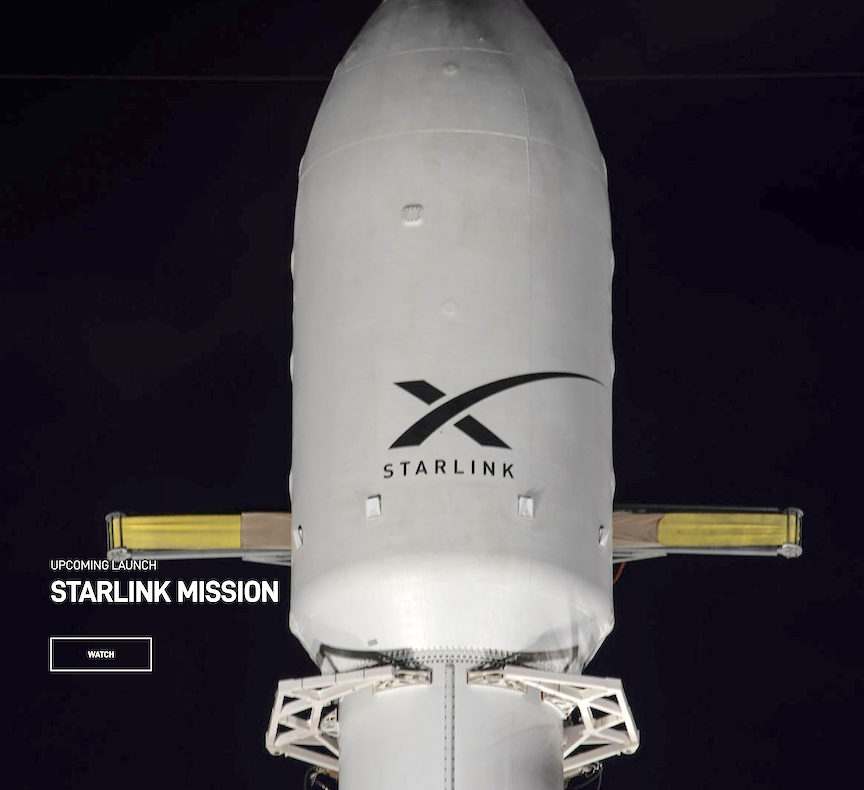
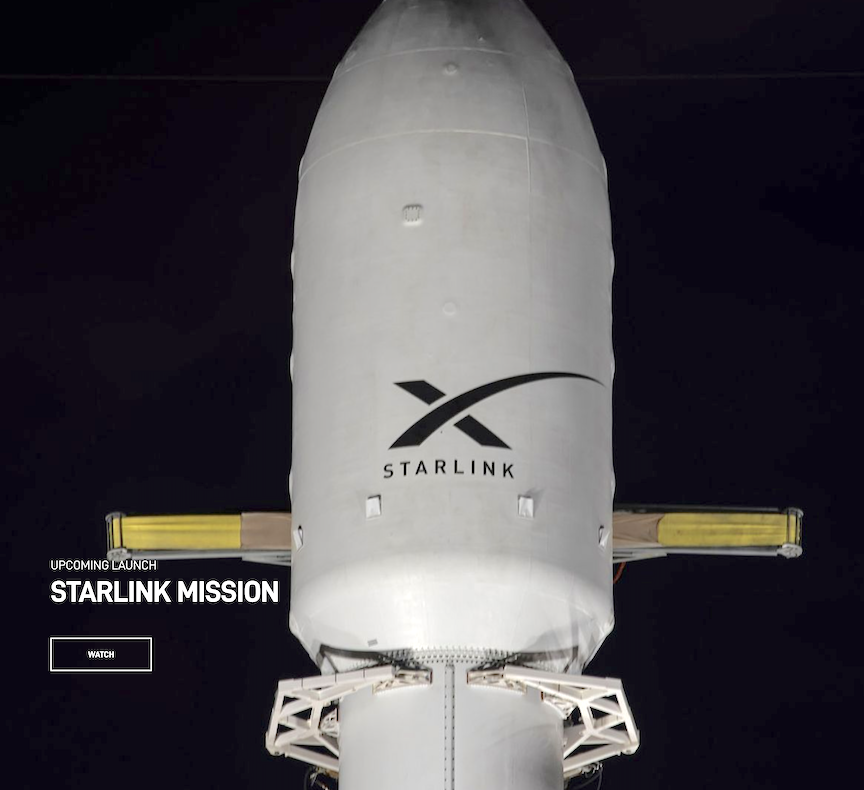
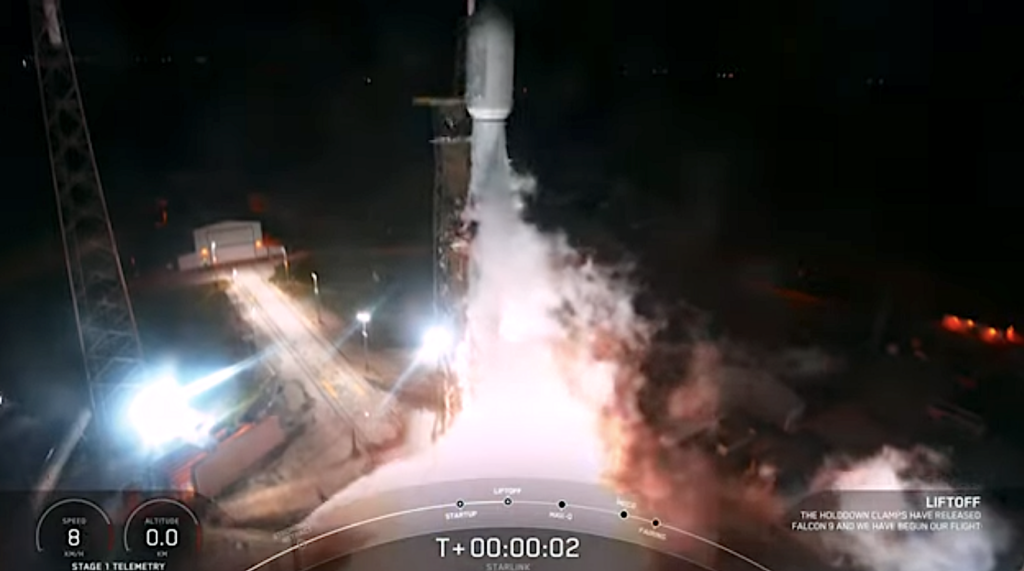
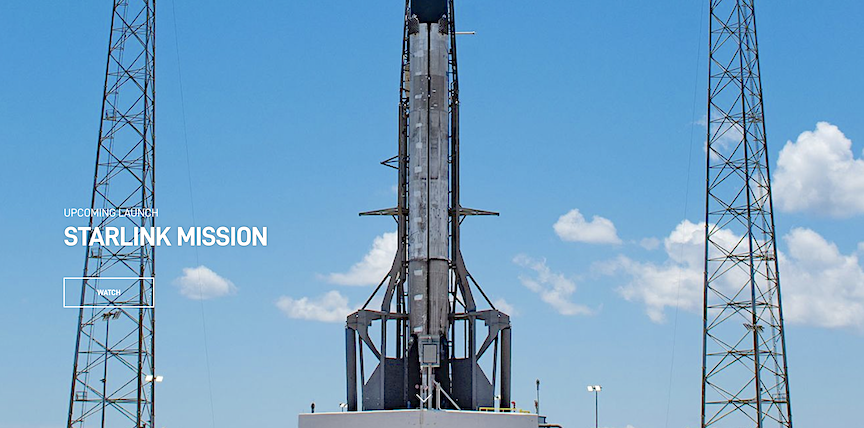
SpaceX is targeting Thursday, August 17 at 1:42 a.m. PT (8:42 UTC) for a Falcon 9 launch of 21 Starlink satellites to low-Earth orbit from Space Launch Complex 4E (SLC-4E) at Vandenberg Space Force Base in California.

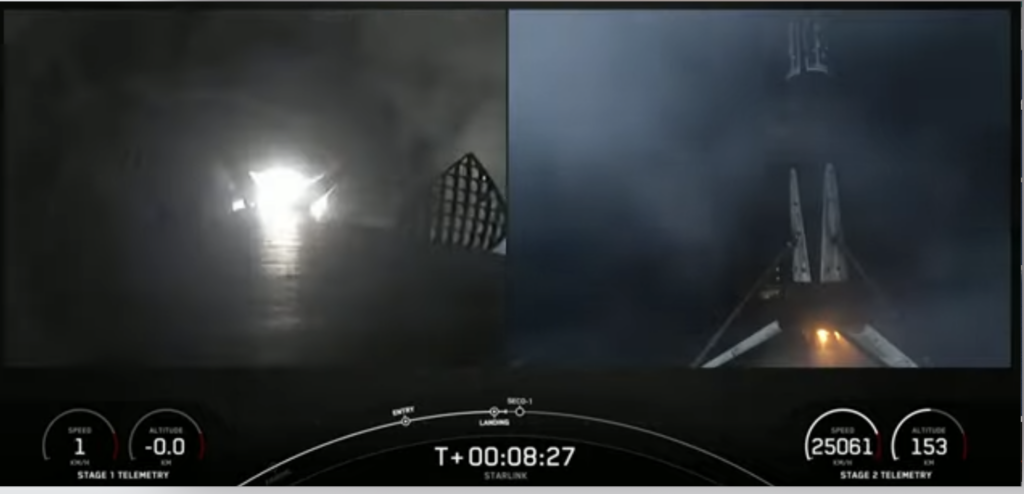
Previous successful landing

If needed, two additional opportunities are available at 2:33 a.m. PT (9:33 UTC) and 3:26 a.m. PT (10:26 UTC). Two backup opportunities are also currently available on Friday, August 18 at 12:30 a.m. (7:30 UTC) and 1:20 a.m. PT (8:20 UTC).

This is the 15th flight for the first stage booster supporting this mission, which previously launched Crew-1, Crew-2, SXM-8, CRS-23, IXPE, Transporter-4, Transporter-5, Globalstar FM15, ISI EROS C-3, and five Starlink missions. Following stage separation, the first stage will land on the Of Course I Still Love You droneship, which will be stationed in the Pacific Ocean.

A live webcast of this mission will begin about five minutes prior to liftoff

Filed Under: News

UPDATE: SpaceX launches 22 Starlink smallsats on Wednesday and another on Thursday

August 17, 2023 by editorial

UPDATE: Another successful SpaceX launch of 22 Starlink satellites on Wednesday, August 16 Cape Canaveral Space Force Station at 11:36 p.m. EDT. This was the Space Coast’s 42nd launch this year.

This is the 13th flight for the first stage booster supporting this mission, which previously launched CRS-22, Crew-3, Turksat 5B, Crew-4, CRS-25, Eutelsat HOTBIRD 13G, mPOWER-a, PSN SATRIA, and four Starlink missions.

Following stage separation, the rocket’s 162-foot first stage landed on the A Shortfall of Gravitas droneship, that is stationed in the Atlantic Ocean.

Previously: SpaceX is targeting Wednesday, August 16 at 1:42 a.m., ET, (08:42 UTC on August 17) for a Falcon 9 launch of 22 Starlink satellites to low-Earth orbit from Space Launch Complex 4E (SLC-4E) at Cape Canaveral Space Force Station in Florida.

If needed, four additional opportunities are available starting at 9:07 p.m. ET (1:07 UTC on August 17) until 12:00 a.m. ET on August 17 (4:00 UTC). Four backup opportunities are also currently available on Thursday, August 17 starting at 7:49 p.m. ET (23:49 UTC) until 11:11 p.m. ET (3:11 UTC on August 18).

This is the 13th flight for the first stage booster supporting this mission, which previously launched CRS-22, Crew-3, Turksat 5B, Crew-4, CRS-25, Eutelsat HOTBIRD 13G, mPOWER-a, PSN SATRIA, and four Starlink missions. Following stage separation, the first stage will land on the A Shortfall of Gravitas droneship, which will be stationed in the Atlantic Ocean.

Filed Under: News

  • « Go to Previous Page
  • Page 1
  • Interim pages omitted …
  • Page 104
  • Page 105
  • Page 106
  • Page 107
  • Page 108
  • Interim pages omitted …
  • Page 339
  • Go to Next Page »

Primary Sidebar

WEEKLY NEWSLETTER

Archives

  • September 2026
  • August 2026
  • July 2026
  • June 2026
  • May 2026
  • April 2026
  • March 2026
  • February 2026
  • January 2026
  • December 2025
  • November 2025
  • October 2025
  • September 2025
  • August 2025
  • July 2025
  • June 2025
  • May 2025
  • April 2025
  • March 2025
  • February 2025
  • January 2025
  • December 2024
  • November 2024
  • October 2024
  • September 2024
  • August 2024
  • July 2024
  • June 2024
  • May 2024
  • April 2024
  • March 2024
  • February 2024
  • January 2024
  • December 2023
  • November 2023
  • October 2023
  • September 2023
  • August 2023
  • July 2023
  • June 2023
  • May 2023
  • April 2023
  • March 2023
  • February 2023
  • January 2023
  • December 2022
  • November 2022
  • October 2022
  • September 2022
  • August 2022
  • July 2022
  • June 2022
  • May 2022
  • April 2022
  • March 2022
  • February 2022
  • January 2022
  • December 2021
  • November 2021
  • October 2021
  • September 2021
  • August 2021
  • July 2021
  • June 2021
  • May 2021
  • April 2021
  • March 2021
  • February 2021
  • January 2021
  • December 2020
  • November 2020
  • October 2020
  • September 2020
  • August 2020
  • July 2020
  • June 2020
  • May 2020
  • April 2020
  • March 2020
  • February 2020
  • January 2020
  • December 2019
  • November 2019
  • October 2019

© 2019–2026 SatNews

Insert/edit link

Enter the destination URL

Or link to existing content

    No search term specified. Showing recent items. Search or use up and down arrow keys to select an item.
      x
      Sign Up Now!

      Enjoy a free weekly newsletter with recent headlines from the global SmallSat industry.

      Invalid email address
      We promise not to spam you. You can unsubscribe at any time.
      Thanks for subscribing! You will now receive weekly SmallSat News updates.
      We love our advertisers.
      And you will too!

      Please disable Ad Blocker to continue... We promise to keep it unobtrusive.
      We promise not to spam you. You can unsubscribe at any time.
      Invalid email address
      Thanks for subscribing!