• Skip to main content
  • Skip to primary sidebar
  • Home
  • News
  • Featured
  • More News ⌄
    • SatNews
    • SatMagazine
    • MilSatMagazine
  • Events ⌄
    • MilSat Symposium
    • SmallSat Symposium
    • Satellite Innovation
  • Contacts
  • SUBSCRIPTION

SmallSat News

You are here: Home / Archives for News

News

Fleet Space Technologies acquires European frequency assets and continues the company’s global expansion

July 20, 2023 by editorial

Fleet Space Technologies has expanded its global footprint with its acquisition of rights to new, long-term, frequency filings in Europe — in the firm’s first commercial venture on the European continent, Fleet has purchased the frequency of assets of a Luxembourg-based company, giving the company effective, operational control over an existing frequency filing, adding to its already substantial holding of these mission-critical assets.
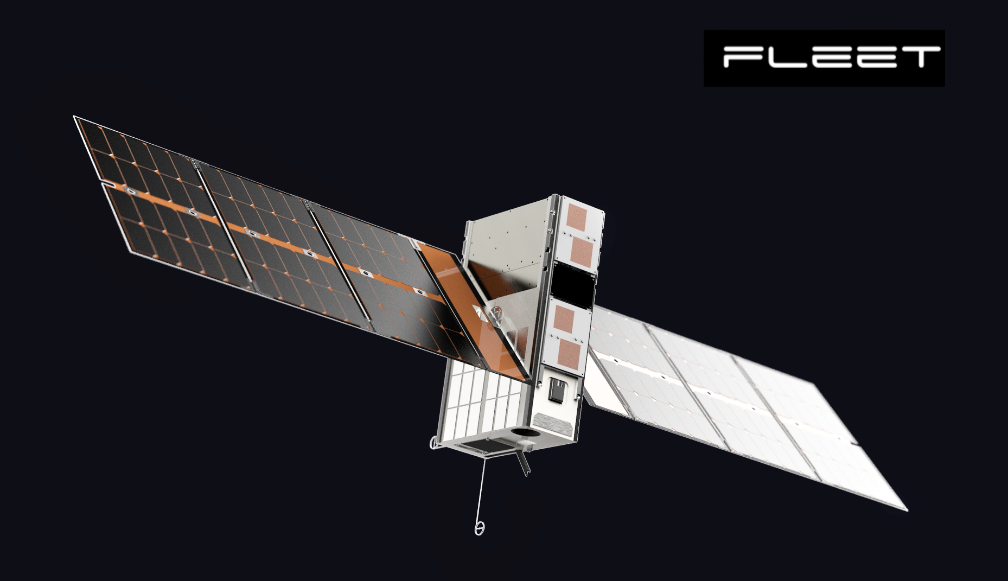
A filing provides a claim over spectrum and orbital resources for satellite networks with the International Telecommunication Union (ITU). Fleet’s newly acquired filing rights have seniority and that means means they will take priority over those that have been submitted more recently. The filings have been brought into use and Fleet will be able to use the new frequencies indefinitely, as long as it maintains a satellite on-orbit capable of using them.

The rapid growth in the global smallsat industry and LEO constellations — such as Fleet’s — has put increasing pressure on the limited radio frequency spectrum available for data transmission. The ITU frequency filing system is designed to support coordination among satellite operators and prevent interference between spacecraft using the shared resources.

In this context, the new frequency filings help secure Fleet’s access to uplink and downlink resources in the targeted frequency band, maximizing service availability to its satellite customers worldwide. Having a presence in Europe will also stimulate the recruitment and exchange of highly skilled talent between Europe and Australia as well as further improve established relationships with the European Space Agency (ESA).

The requirement to incorporate assets from other companies leaving the industry is driven by sustained growth for Fleet across a multitude of sectors. This includes the signing of long-term, satellite aided, critical Earth transition mineral agreements with some of the world’s largest and most innovative miners.
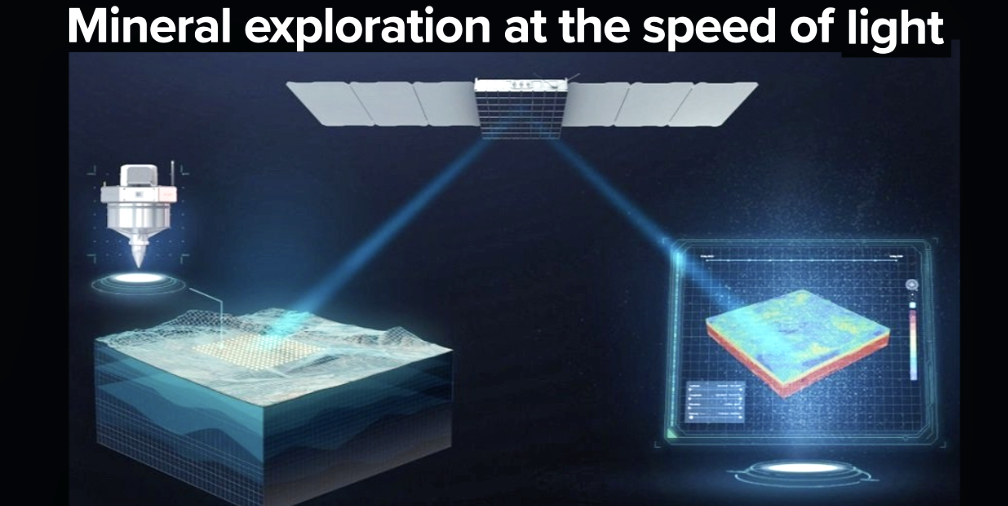
Fleet also confirmed the firm’s first defence contract in April of 2023, signing a AUD$6.4 million contract with Australia’s Defense Space Command, a Series C funding round of $50 million in May and was recently awarded A$4 million Demonstrator Program contract by the Australian Space Agency to harness seismic data at the Moon’s South Pole. This key strategic acquisition will underpin further growth.

“As Fleet Space Technologies company is now providing innovative universal connectivity solutions through its network of satellites across the globe to sectors as diverse as critical mineral exploration and defence. To meet this sustained demand, we depend on access to the shared but limited radio frequency spectrum to operate our services. Securing access to these new frequency filings puts us in a strong position globally and gives us and our customers a real competitive advantage. It also represents another important step in our international expansion, by giving us a commercial foothold in Europe to complement our operations in Australia, USA, Canada and Chile.” — Flavia Tata Nardini, CEO and Co-Founder, Fleet Space Technologies

Filed Under: News

Space Flight Laboratory’s Telesat LEO 3 Microsatellite launches and deploys

July 20, 2023 by editorial

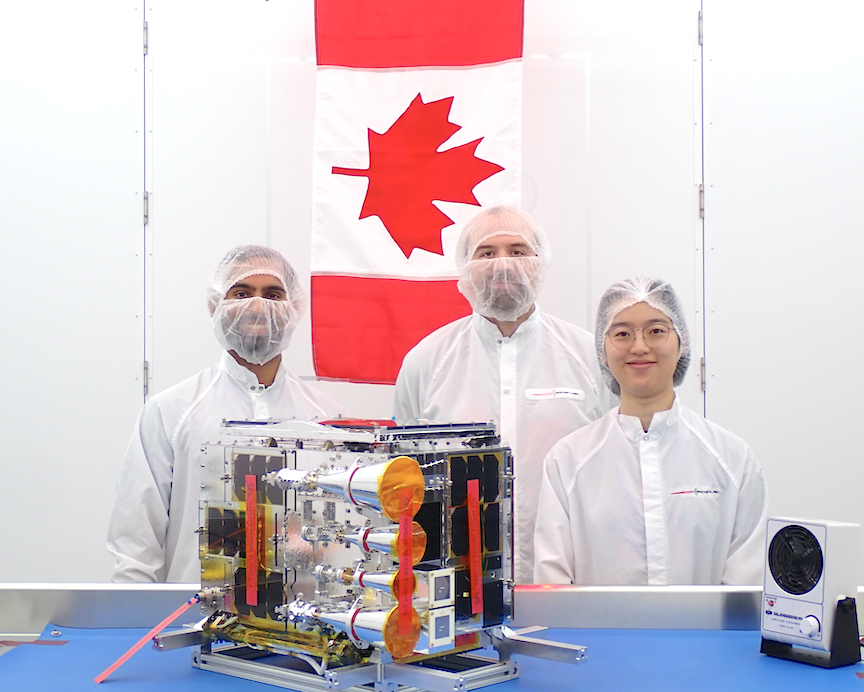
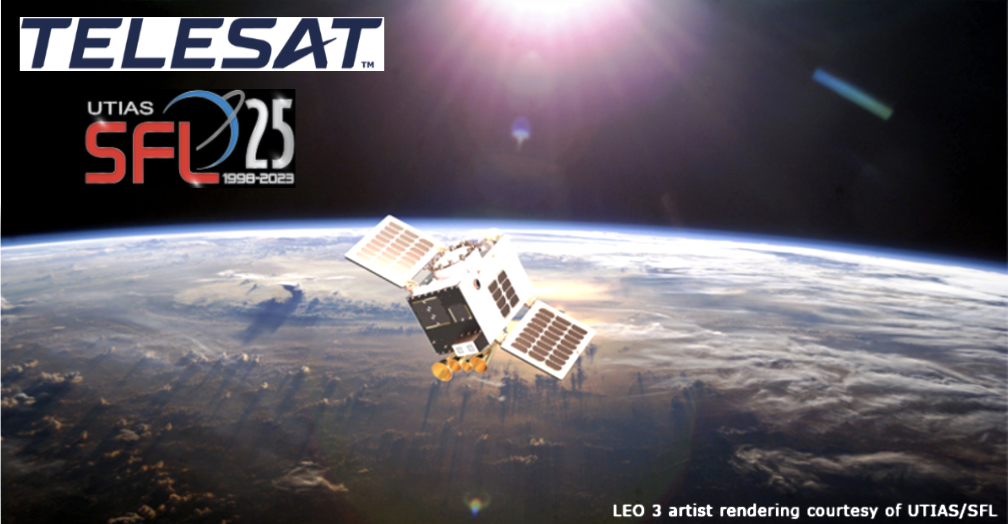
 Space Flight Laboratory (SFL) announced the launch and orbital deployment of the Telesat LEO 3 demonstration microsatellite at 1:27 UTC, July 18. Carried into orbit from New Zealand by the Rocket Lab Electron launch vehicle, LEO 3 is the 13thsuccessful deployment of an SFL-developed microspace mission in 2023.

Ground control established communications with LEO 3 shortly after launch, confirmed SFL. Having achieved signal acquisition, solar arrays deployment, and successfully passing initial satellite health tests, SFL and Telesat are now testing the full satellite.

SFL built the compact 30-kg LEO 3 spacecraft on its space-proven DEFIANT microsatellite bus for Telesat of Ottawa, Ontario – one of the world’s largest and most innovative satellite operators. Once operational, LEO 3 will provide continuity for customer and ecosystem vendor testing campaigns following decommissioning of Telesat’s Phase 1 LEO satellite.

“SFL is pleased to have been selected by Telesat to develop LEO 3 based on our 25-year track record of building high-performing satellites on time and within budget,” said SFL Director Dr. Robert E. Zee. “LEO 3 is a robust microsatellite that will meet Telesat’s demanding demonstration goals in low Earth orbit.”

Other SFL microspace satellites developed and launched in 2023 include six radio frequency signal detecting microsatellites for HawkEye 360 in the U.S., three greenhouse gas monitoring microsatellites for GHGSat Inc. of Canada, an advanced maritime tracking microsatellite for Norwegian Space Agency of Norway, and two communications CubeSats for a telecommunications company in Canada.

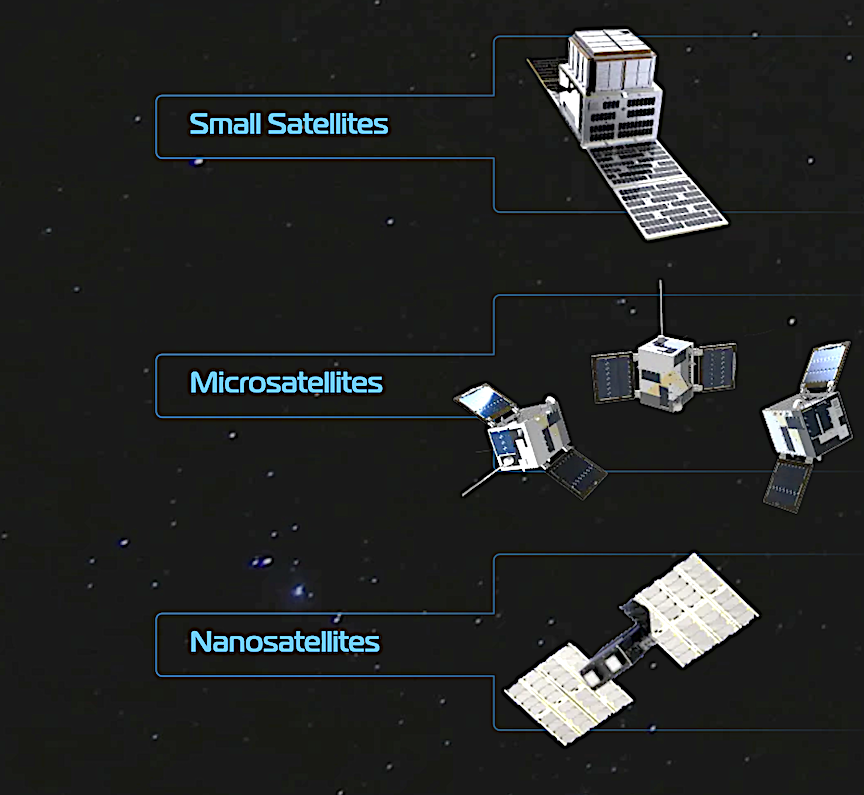
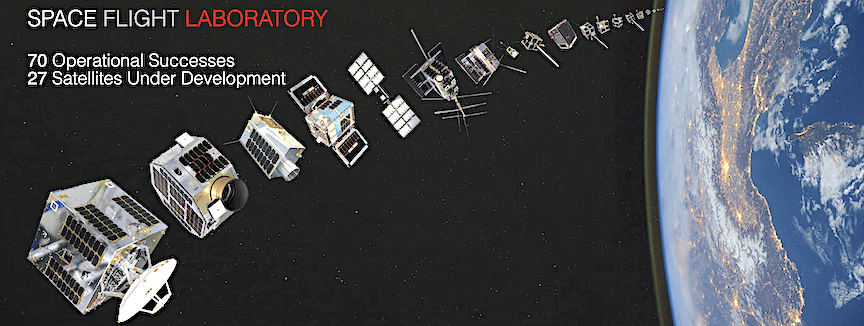
SFL’s 25-year heritage includes 70 operational successes totaling 255 cumulative years in orbit, with an additional 26 satellites under development or awaiting launch. SFL offers a complete suite of nano-, micro- and small satellites, including high-performance, low-cost CubeSats, that satisfy the needs of a broad range of mission types from 3 to 500 kilograms.

Filed Under: News

Millennium Space Systems Missile Track Custody PDR completed in four months

July 18, 2023 by editorial

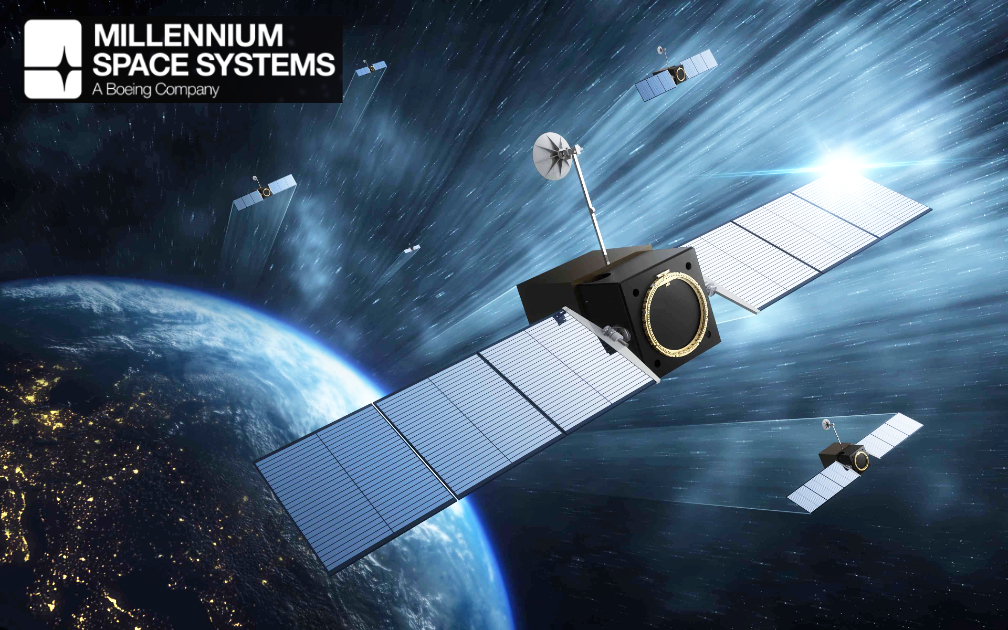
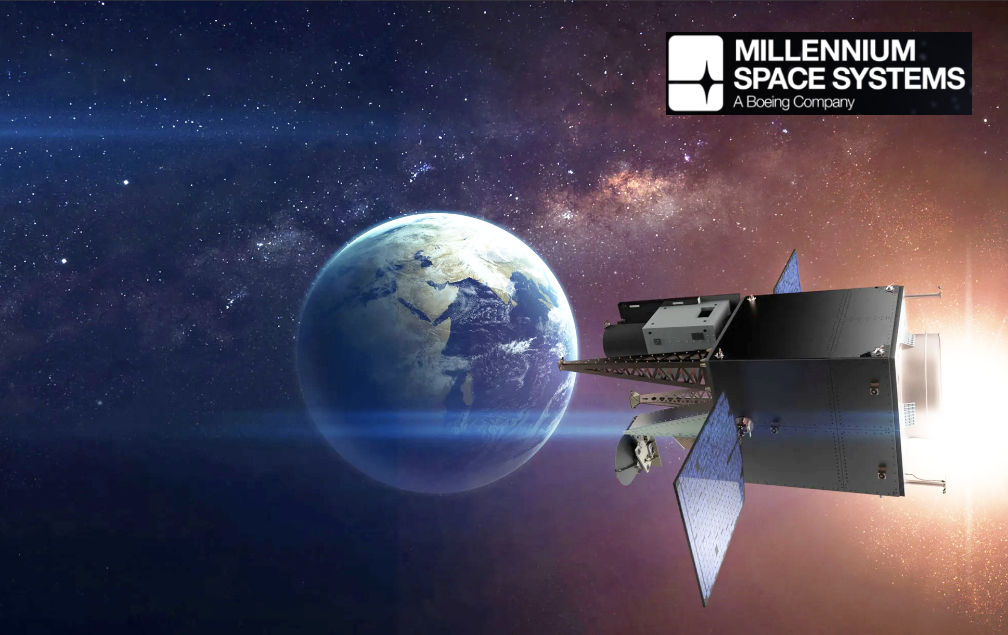
Millennium Space Systems completed the U.S. Space Force Space Systems Command’s Missile Track Custody Program Design Review in just four months, ensuring the program is on schedule for Critical Design Review (CDR) in the fourth quarter.

SSC’s MTC Program underscores Assistant Secretary of the Air Force for Space Acquisition and Integration Frank Calvelli‘s move toward smaller, proliferated, and resilient systems across multiple mission areas.

“For example, we are pivoting from the legacy missile warning architecture to a resilient missile warning architecture that adds capability to actually track missile threats,” Calvelli said, and referred to MTC as an “outstanding effort building small sats in medium Earth orbit” during his Apr. 26 testimony with the House Armed Services Committee strategic forces subcommittee.”

“We’re clearly demonstrating we can design, build and test systems in shorter time frames on schedule,” said Jason Kim, CEO, Millennium Space Systems. “In the PDR, our team demonstrated sound technological understanding of mission needs and requirements, including the space and ground segments and how launch plays into those.”

The company’s ability to reduce risk and move fast is enabled by its flight-proven ALTAIR spacecraft – developed and invested in since 2015 – and by design for manufacturability and test processes, vertical integration of mature in-house components and software re-use. Following the PDR, Millennium Space Systems is focusing on the detailed design phase in preparation for CDR, with the digital model serving as the design’s authoritative single source of truth.

Millennium Space Systems is on contract for MTC space vehicle, or SV, one, with options for SVs two and three. The company expects those options to be exercised, in addition to a contract for SVs four through six in Q4 2023.

Filed Under: Featured, News

Rocket Lab Electron launches satellites for NASA, Space Flight Laboratory + Spire Global

July 18, 2023 by editorial

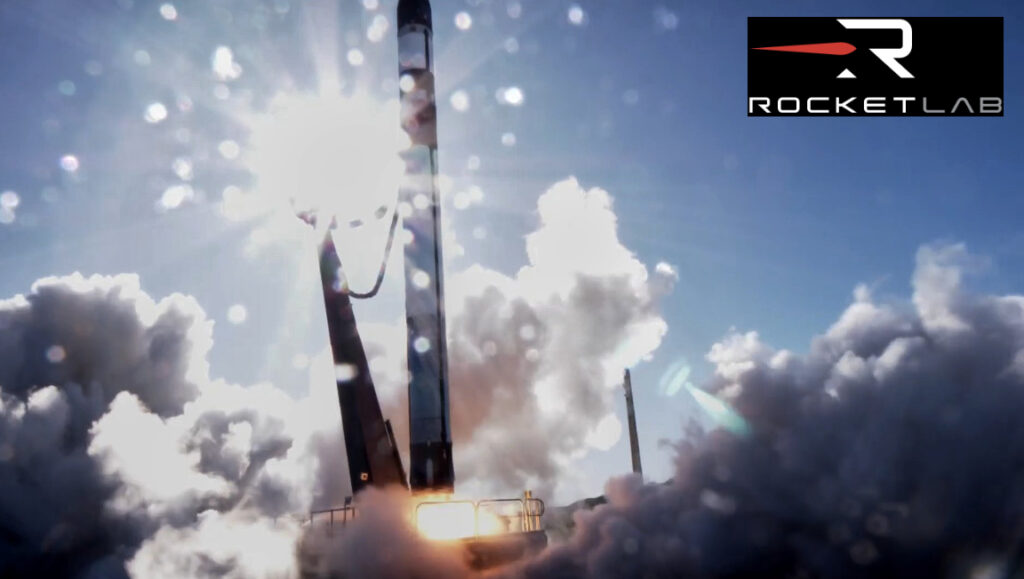
Rocket Lab USA, Inc. (Nasdaq: RKLB) successfully launched their rideshare Electron mission that carried seven smallsats to LEO.

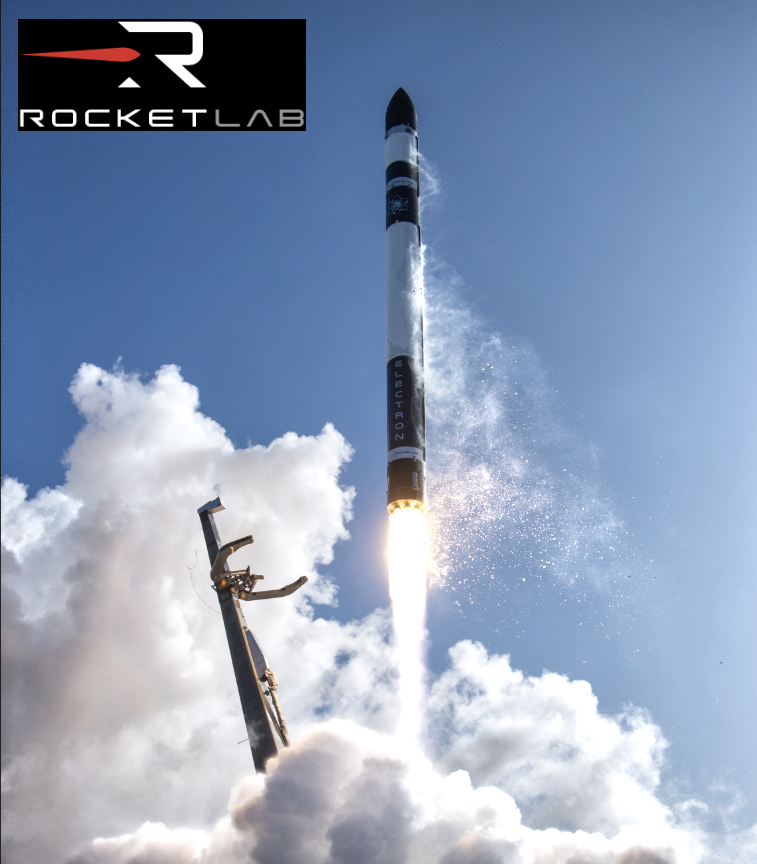
Named the “Baby Come Back” mission, Electron lifted the smallsats from Pad A at Rocket Lab Launch Complex 1 in Mahia, New Zealand (photo below), to their assigned orbits.

Rocket Lab’s Launch Complex 1, Mahia, New Zealand.

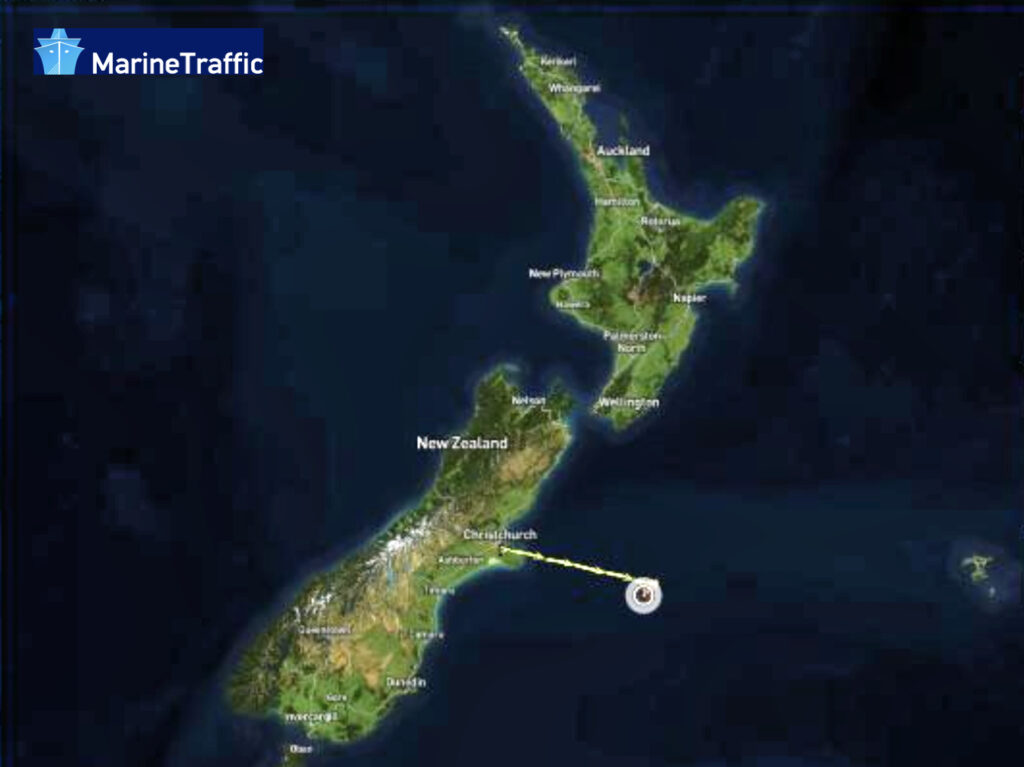
Rocket Lab is also planning to conduct a marine recovery of Electron’s first stage as part of this mission, with the recovery team aboard the vessel Seaworker.

Map showing the position of the Seaworker vessel for the Electron 1st stage recovery effort. Map and image are courtesy of MarineTraffic.

Payloads aboard the ‘Baby Come Back’ mission include…

  • NASA
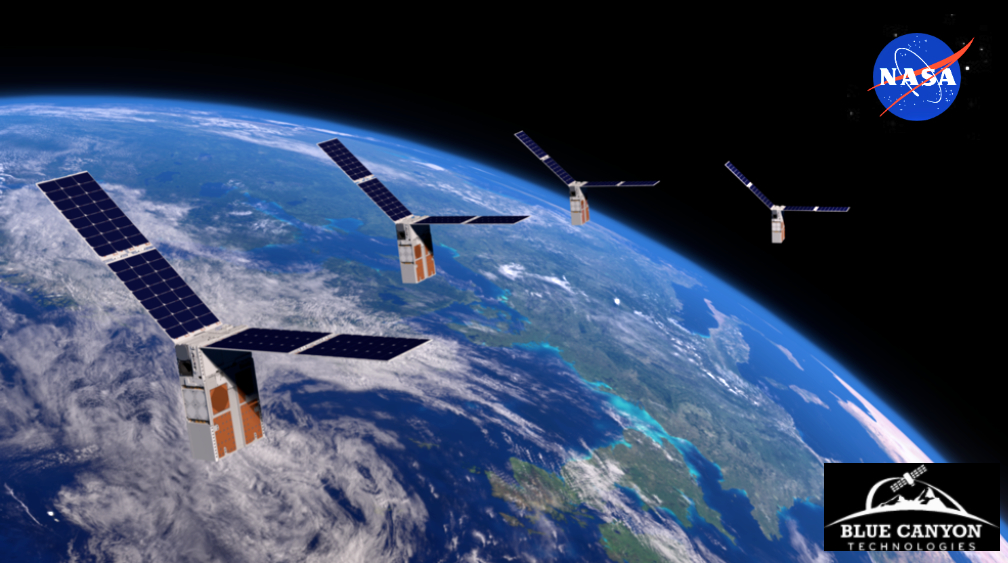
    NASA’s Starling mission is a four CubeSat mission (built by Blue Canyon Technologies) and are designed to test technologies to enable future “swarm” missions. Spacecraft swarms refer to multiple spacecraft autonomously coordinating their activities to achieve certain goals. Starling will demonstrate technologies for in-space network communications, onboard relative navigation between spacecraft, autonomous maneuver planning and execution, and distributed spacecraft autonomy — an experiment for small spacecraft to autonomously react to observations, paving the way for future science missions.
  • Space Flight Laboratory (SFL)
    Space Flight Laboratory (SFL) selected Rocket Lab to launch Telesat’s LEO 3 demonstration satellite that will provide continuity for customer and ecosystem vendor testing campaigns following the decommissioning of Telesat’s Phase 1 LEO satellite.
  • Spire Global
    Spire will launch two LEMUR (Low Earth Multi-Use Receiver) 3U satellites carrying Global Navigation Satellite System Radio Occultation (GNSS-RO) payloads to replenish its fully deployed constellation of more than 100 multipurpose satellites. Spire’s satellites observe the Earth in real time using radio frequency technology. The data acquired by Spire’s GNSS-RO payloads provide global weather intelligence that can be assimilated into weather models to improve the accuracy of forecasts. Spire is the largest producer of GNSS-RO weather data, collecting over 20,000 RO profiles a day.

Filed Under: News

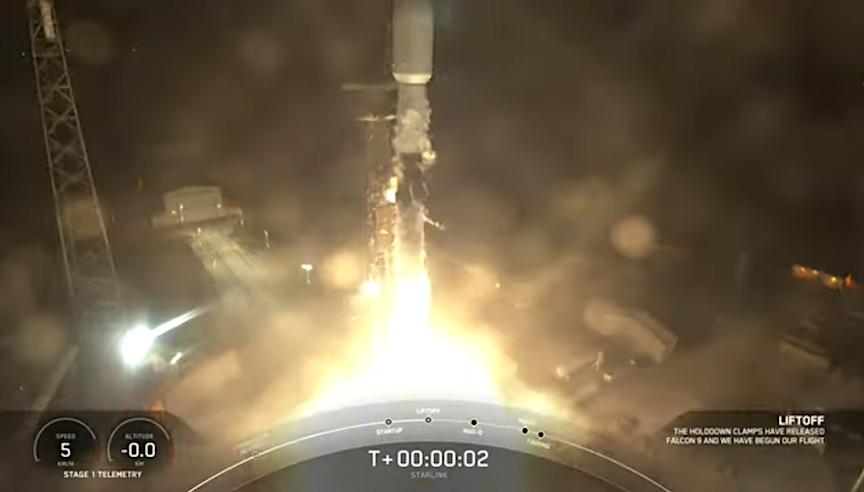
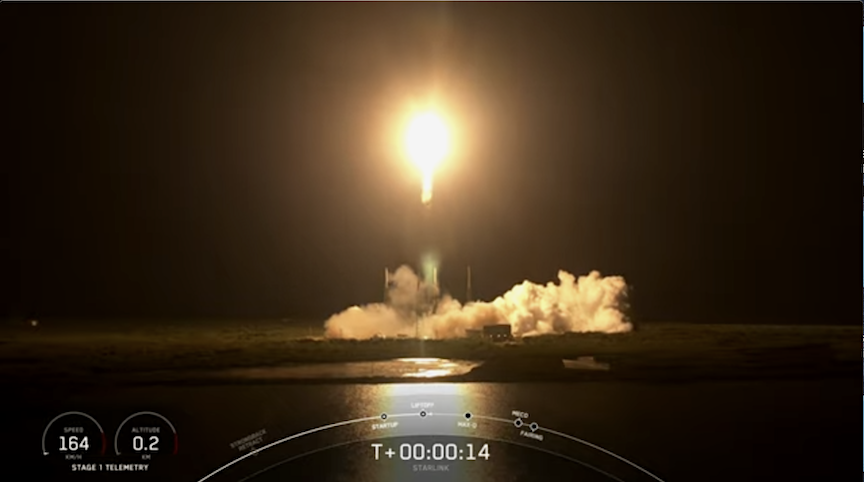
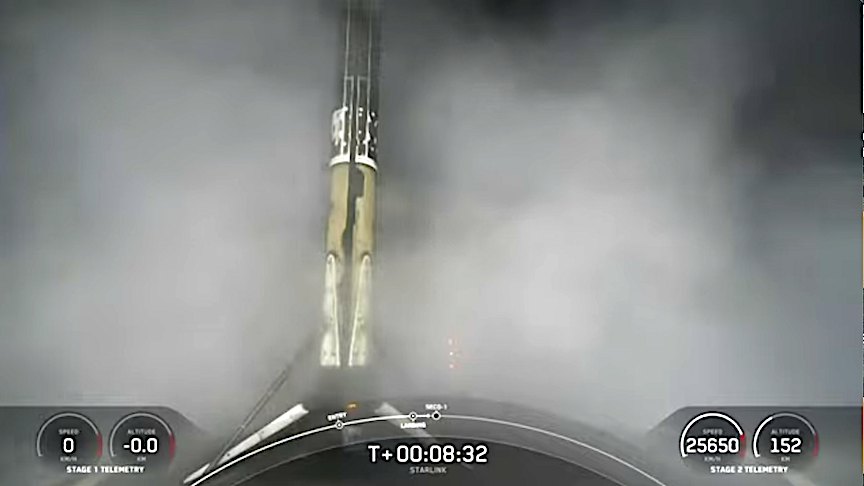
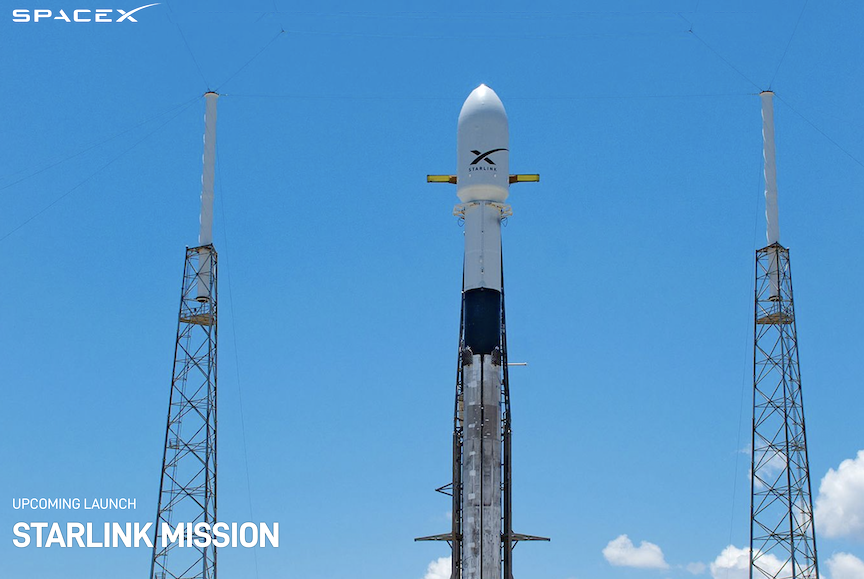
SpaceX launches 54 Starlink satellites on Saturday night

July 17, 2023 by editorial

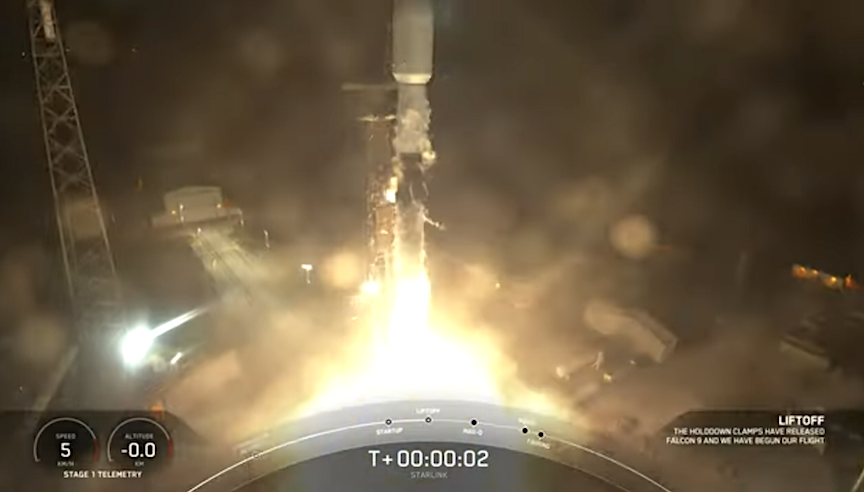
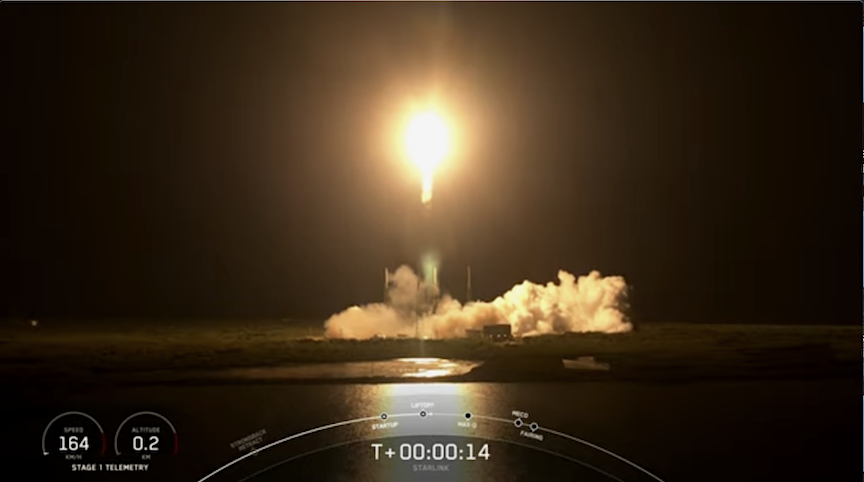
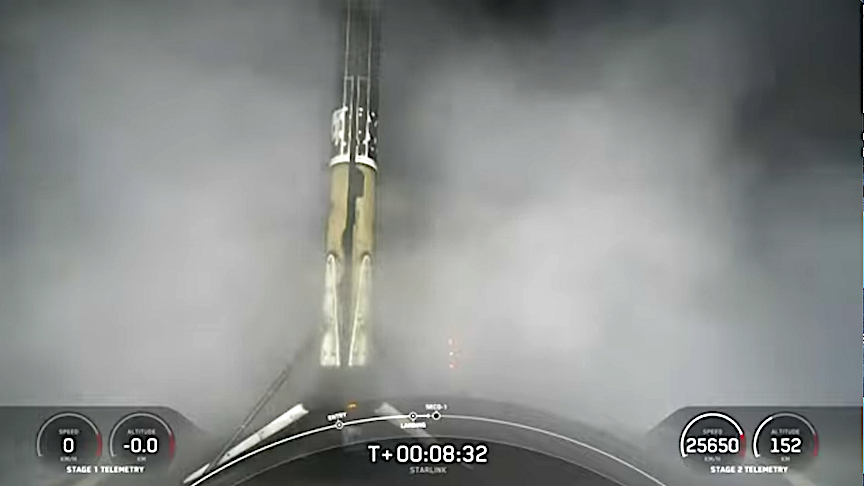
On Saturday, July 15 at 11:50 p.m. ET, Falcon 9 launched 54 Starlink satellites to low-Earth orbit from Space Launch Complex 40 (SLC-40) at Cape Canaveral Space Force Base in Florida.This was the 16th flight for the first stage booster supporting this mission, which previously launched GPS III-3, Turksat 5A, Transporter-2, Intelsat G-33/G-34, Transporter-6, and now 11 Starlink missions.

This was the 16th flight for the first stage booster supporting this mission, which previously launched GPS III-3, Turksat 5A, Transporter-2, Intelsat G-33/G-34, Transporter-6, and now 11 Starlink missions.

This image has an empty alt attribute; its file name is Screen-Shot-2023-07-16-at-12.30.09-AM.png

Filed Under: News

UPDATE 3: SpaceX soars on a Saturday night for 54 Starlink satellites

July 15, 2023 by editorial

UPDATE 3: On Saturday, July 15 at 11:50 p.m. ET, Falcon 9 launched 54 Starlink satellites to low-Earth orbit from Space Launch Complex 40 (SLC-40) at Cape Canaveral Space Force Base in Florida.This was the 16th flight for the first stage booster supporting this mission, which previously launched GPS III-3, Turksat 5A, Transporter-2, Intelsat G-33/G-34, Transporter-6, and now 11 Starlink missions.

This was the 16th flight for the first stage booster supporting this mission, which previously launched GPS III-3, Turksat 5A, Transporter-2, Intelsat G-33/G-34, Transporter-6, and now 11 Starlink missions.

UPDATE 2: SpaceX is targeting Saturday, July 15 at 11:50 p.m. ET (3:50 UTC) for a Falcon 9 launch of 54 Starlink satellites to low-Earth orbit from Space Launch Complex 40 (SLC-40) at Cape Canaveral Space Force Base in Florida. If needed, a backup opportunity is available on Sunday, July 16 at 11:24 p.m. ET (3:24 UTC).

UPDATE 1: Forty seconds before liftoff on Friday, July 14, SpaceX scrubbed the Starlink 5-15 mission at Cape Canaveral Space Force Station. No reason for the scrub was immediately given by SpaceX. The next opportunity for launch is Saturday, July 15, at 12:15 a.m. EDT.

SpaceX is targeting Friday, July 14 at 12:40 a.m. ET (4:40 UTC) for a Falcon 9 launch of 54 Starlink satellites to low-Earth orbit from Space Launch Complex 40 (SLC-40) at Cape Canaveral Space Force Base in Florida. If needed, a backup opportunity is available on Saturday, July 15 at 12:15 a.m. (4:15 UTC).

This is the 16th flight for the first stage booster supporting this mission, which previously launched GPS III-3, Turksat 5A, Transporter-2, Intelsat G-33/G-34, Transporter-6, and 10 Starlink missions. After stage separation, Falcon 9 will land on the A Shortfall of Gravitas droneship in the Atlantic Ocean.

SpaceX believes a fully and rapidly reusable rocket is the pivotal breakthrough needed to substantially reduce the cost of space access. The majority of the launch cost comes from building the rocket, which historically has flown only once.

Compare that to a commercial airliner — each new plane costs about the same as Falcon 9 but can fly multiple times per day and conduct tens of thousands of flights over its lifetime. Following the commercial model, a rapidly reusable space launch vehicle could reduce the cost of traveling to space by a hundredfold.

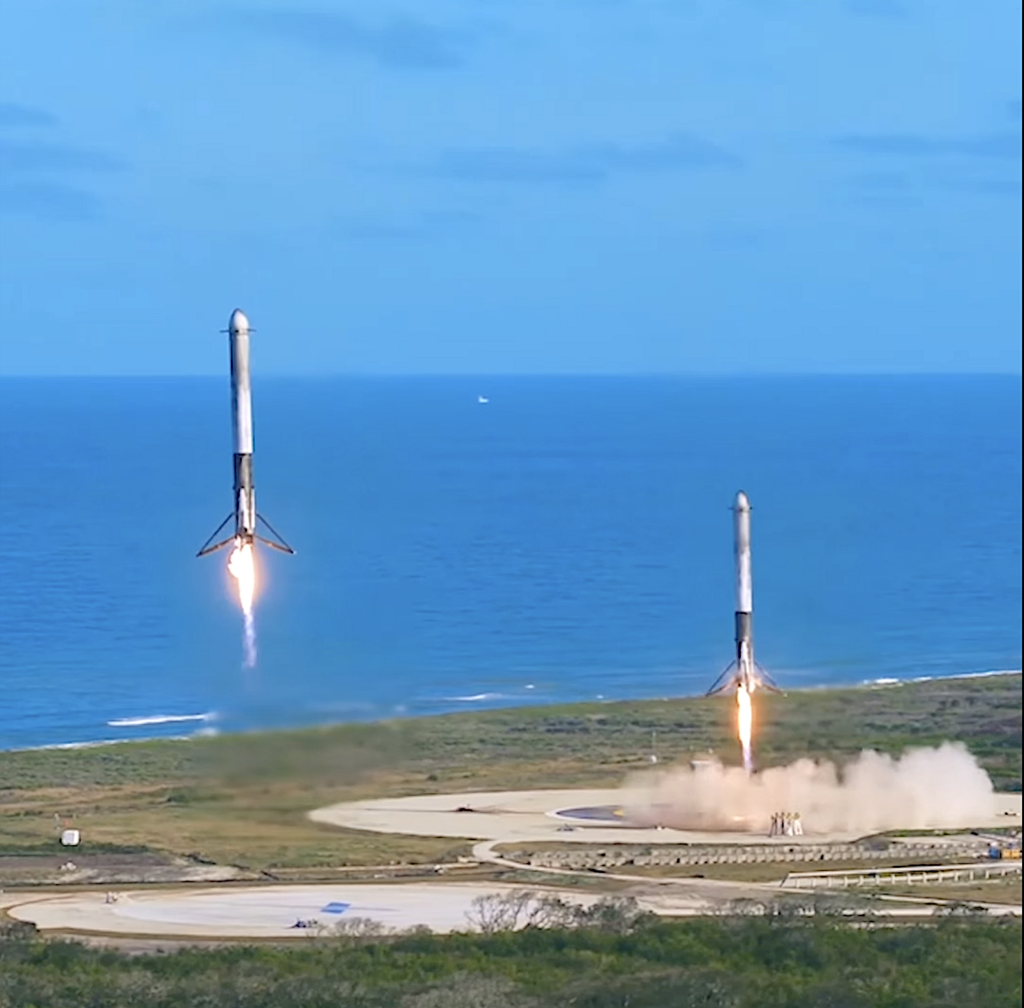
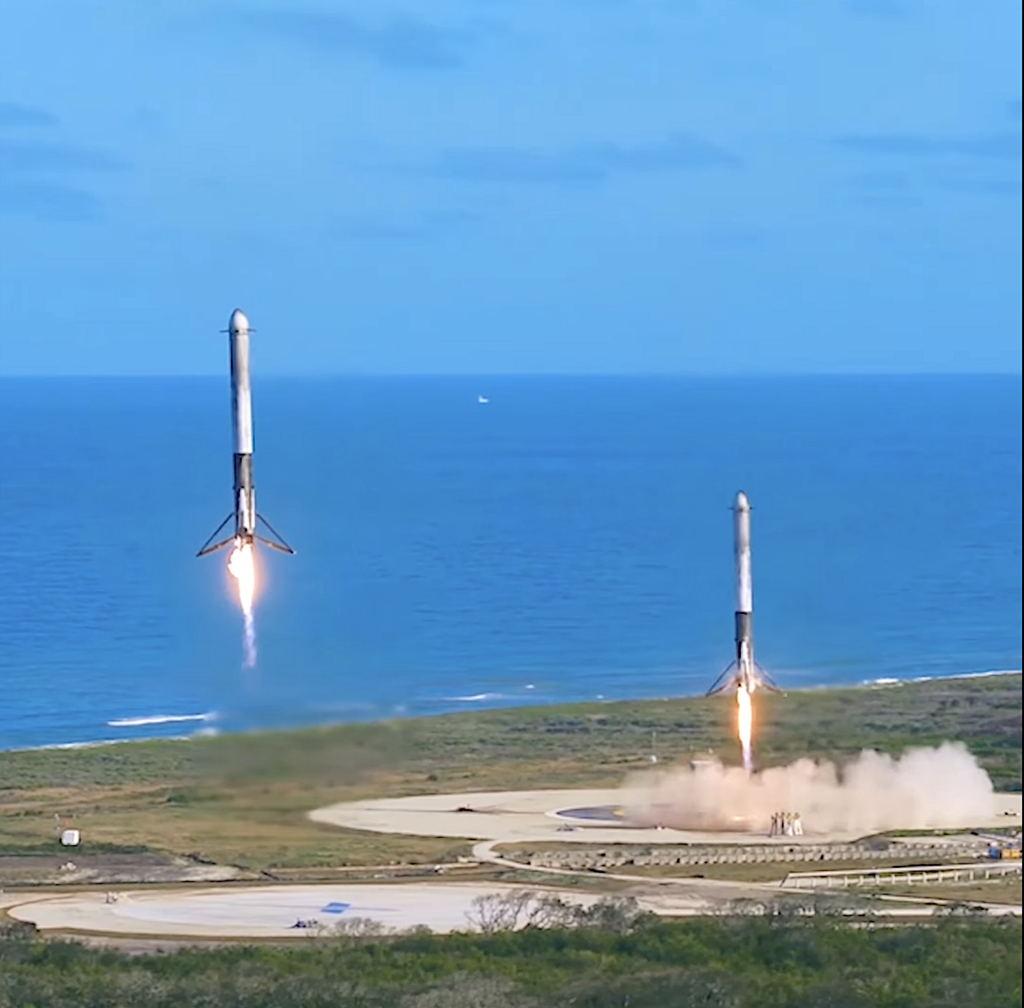
While most rockets are designed to burn up on reentry, SpaceX rockets can not only withstand reentry but can also successfully land back on Earth and refly again. SpaceX’s family of Falcon launch vehicles are the first and only orbital class rockets capable of reflight. Depending on the performance required for the mission, Falcon lands on one of our autonomous spaceport droneships out on the ocean or one of our landing zones near our launch pads.

A live webcast of this mission will begin about five minutes prior to liftoff.

Filed Under: News

HawkEye 360 receives million$$ in Series D-1 funding

July 15, 2023 by editorial

HawkEye 360 Inc. has closed $58 million in new funding which will be used to develop new space systems and expand analytics that support high-value defense missions.

This Series D-1 round was led by funds and accounts managed by BlackRock (NYSE: BLK) with additional funding provided by Manhattan Venture Partners and existing investors that include Insight Partners, NightDragon, Strategic Development Fund (SDF), Razor’s Edge, Alumni Ventures, and Adage Capital.

HawkEye 360 has 21 satellites on-orbit and plans to move to a new Block 3 satellite architecture, starting with Cluster 14 and beyond. The company is also investing further in artificial intelligence (AI), data fusion, and multi-intelligence orchestration to better extract value from the large amount of RF data being collected. The goal is to simplify analysis for customers.

WilmerHale acted as legal counsel for HawkEye 360 in connection with the transaction. Goodwin Proctor LLP acted as legal counsel for BlackRock in connection with the transaction.

“HawkEye 360 has disrupted what used to be a static defense intelligence domain. The company is the quintessential example of how a commercial operation could service the intelligence needs of the U.S. and our allies. They have built a growing market with government customers and are proof that private-sector innovation and leadership will help enable peace through strength, deter future conflict, and ensure global stability.” — Jared Carmel, Managing Partner and General Partner, Manhattan Venture Partners

“HawkEye 360 continues to make the world a safer place through advanced RF analytics – including addressing maritime, environmental, and national security needs,” said . “We’ve learned much over the past four years delivering data to the most demanding customers in the world. We’ll use this funding to drive our next steps in innovation. It speaks volumes that these leading investment firms are confident in the future of RF geospatial intelligence as a critical defense technology.” — John Serafini, CEO, HawkEye 360 CEO

“We invest in first-class startups that have proven innovative technology, where we can come alongside to accelerate their growth. Governments and commercial customers are asking for better intelligence and, with its full chain of control from orbit to analytics, Hawkeye 360 is leading the way for this new category of RF space-based data.” — Matt Singer, Managing Director, BlackRock

Filed Under: News

UPDATE 2: SpaceX now targeting Saturday for Starlink launch of 54 satellites

July 14, 2023 by editorial

UPDATE 2: SpaceX is targeting Saturday, July 15 at 11:50 p.m. ET (3:50 UTC) for a Falcon 9 launch of 54 Starlink satellites to low-Earth orbit from Space Launch Complex 40 (SLC-40) at Cape Canaveral Space Force Base in Florida. If needed, a backup opportunity is available on Sunday, July 16 at 11:24 p.m. ET (3:24 UTC).

UPDATE 1: Forty seconds before liftoff on Friday, July 14, SpaceX scrubbed the Starlink 5-15 mission at Cape Canaveral Space Force Station. No reason for the scrub was immediately given by SpaceX. The next opportunity for launch is Saturday, July 15, at 12:15 a.m. EDT.

SpaceX is targeting Friday, July 14 at 12:40 a.m. ET (4:40 UTC) for a Falcon 9 launch of 54 Starlink satellites to low-Earth orbit from Space Launch Complex 40 (SLC-40) at Cape Canaveral Space Force Base in Florida. If needed, a backup opportunity is available on Saturday, July 15 at 12:15 a.m. (4:15 UTC).

This is the 16th flight for the first stage booster supporting this mission, which previously launched GPS III-3, Turksat 5A, Transporter-2, Intelsat G-33/G-34, Transporter-6, and 10 Starlink missions. After stage separation, Falcon 9 will land on the A Shortfall of Gravitas droneship in the Atlantic Ocean.

SpaceX believes a fully and rapidly reusable rocket is the pivotal breakthrough needed to substantially reduce the cost of space access. The majority of the launch cost comes from building the rocket, which historically has flown only once.

Compare that to a commercial airliner — each new plane costs about the same as Falcon 9 but can fly multiple times per day and conduct tens of thousands of flights over its lifetime. Following the commercial model, a rapidly reusable space launch vehicle could reduce the cost of traveling to space by a hundredfold.

While most rockets are designed to burn up on reentry, SpaceX rockets can not only withstand reentry but can also successfully land back on Earth and refly again. SpaceX’s family of Falcon launch vehicles are the first and only orbital class rockets capable of reflight. Depending on the performance required for the mission, Falcon lands on one of our autonomous spaceport droneships out on the ocean or one of our landing zones near our launch pads.

A live webcast of this mission will begin about five minutes prior to liftoff.

Filed Under: News

Rocket Lab signs a multi-launch deployment deal

July 14, 2023 by editorial

Photo of Rocket Lab’s third launch for Synspective, The Owl Spreads Its Wings, that was launched in September of 2022. Image is courtesy of the company.

Rocket Lab USA, Inc. (Nasdaq: RKLB) has signed a deal with Synspective to launch two, dedicated, Electron missions — these new missions bring the total number of Electron launches contracted by Synspective to six in number.

Rocket Lab has been launching for Synspective since 2020 when the Company deployed the first satellite in their synthetic aperture radar (SAR) constellation that is designed to deliver imagery that can detect millimeter-level changes to the Earth’s surface from space. Since that first mission, Rocket Lab has been the sole launch provider for Synspective’s StriX constellation to date, successfully deploying three StriX satellites across three dedicated Electron launches.

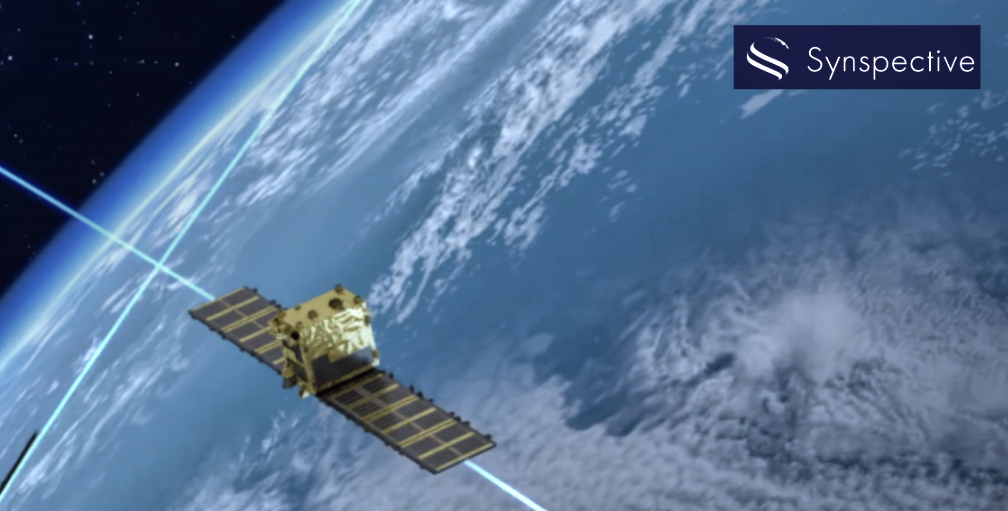
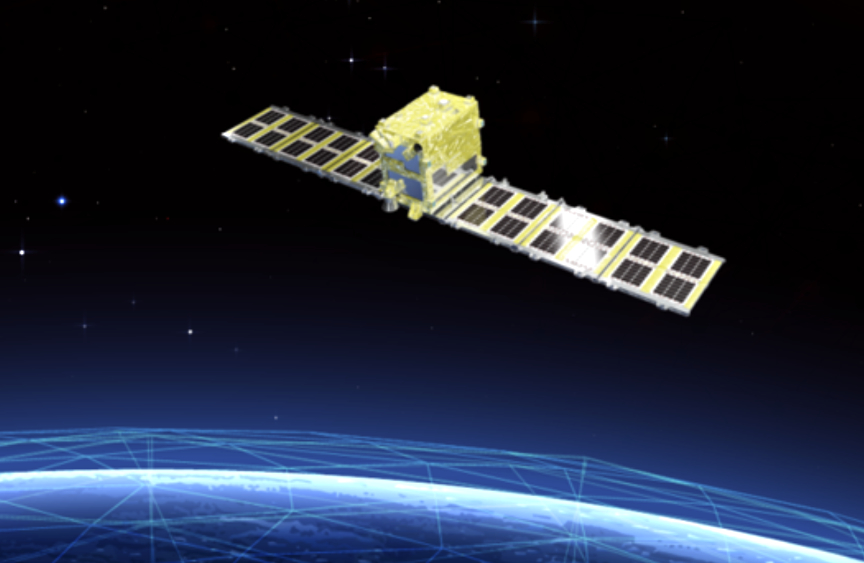
Artistic rendition of Synspective’s StrX 100 kg. SAR smallsat on-orbit.

Including the two new missions, Rocket Lab is now scheduled to launch three missions for Synspective beginning in late 2023 from Launch Complex 1 in New Zealand.

Aerial photo of Rocket Lab’s Launch Complex 1 in New Zealand.

In addition to providing Synspective with a high degree over schedule and orbit by flying as a dedicated mission, Rocket Lab also delivers the unique ability to perform an advanced mid-mission maneuver with the Electron rocket’s Kick Stage to shield the StriX satellite from the sun to reduce radiation exposure ahead of payload deployment.

Synspective joins several commercial constellation operators that have signed multi-launch agreements on Electron this year, including HawkEye 360 and Capella Space.

“It’s an honor to be entrusted with the continued deployment of Synspective’s constellation. We’re proud to enable them to build out their constellation with precision and efficiency, giving Synspective ultimate schedule and orbit flexibility with frequent dedicated launch opportunities. We’re delighted to continue delivering this unique ability to Synspective through our continued partnership.” — Peter Beck, Founder and CEO, Rocket Lab

“As we celebrate our three-year partnership with Rocket Lab, which began with our first StriX-α satellite in 2020, we are thrilled to entrust them with two more contracts for our StriX satellite launches. Their unwavering reliability and precision have been pivotal to our successful deployments. We’re looking forward to the upcoming launches and the new insights to enhance our satellite data and solution service in line with our customer needs.” — Dr. Motoyuki Arai, Founder and CEO, Synspective

Filed Under: Featured, News

SpaceX’s Friday Starlink launch of 54 satellites

July 14, 2023 by editorial

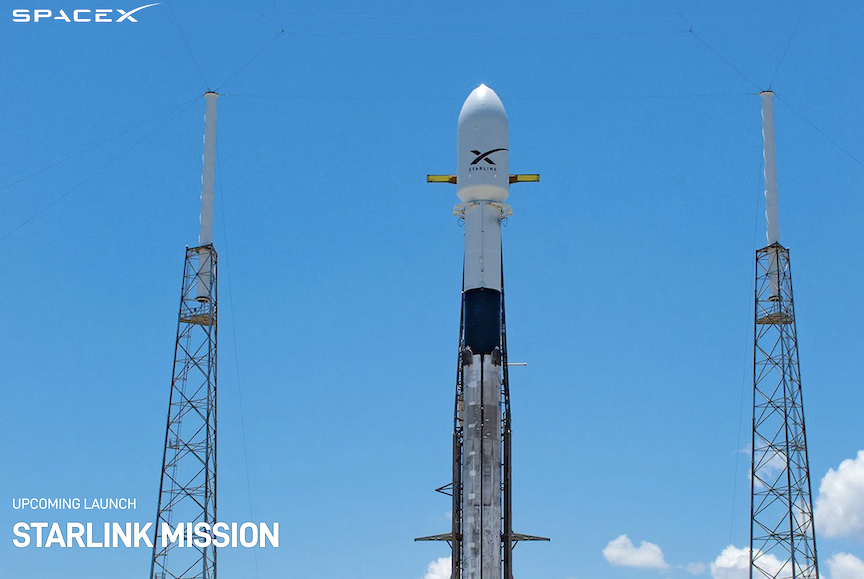
SpaceX is targeting Friday, July 14 at 12:40 a.m. ET (4:40 UTC) for a Falcon 9 launch of 54 Starlink satellites to low-Earth orbit from Space Launch Complex 40 (SLC-40) at Cape Canaveral Space Force Base in Florida. If needed, a backup opportunity is available on Saturday, July 15 at 12:15 a.m. (4:15 UTC).

This is the 16th flight for the first stage booster supporting this mission, which previously launched GPS III-3, Turksat 5A, Transporter-2, Intelsat G-33/G-34, Transporter-6, and 10 Starlink missions. After stage separation, Falcon 9 will land on the A Shortfall of Gravitas droneship in the Atlantic Ocean.

SpaceX believes a fully and rapidly reusable rocket is the pivotal breakthrough needed to substantially reduce the cost of space access. The majority of the launch cost comes from building the rocket, which historically has flown only once.

Compare that to a commercial airliner — each new plane costs about the same as Falcon 9 but can fly multiple times per day and conduct tens of thousands of flights over its lifetime. Following the commercial model, a rapidly reusable space launch vehicle could reduce the cost of traveling to space by a hundredfold.

While most rockets are designed to burn up on reentry, SpaceX rockets can not only withstand reentry but can also successfully land back on Earth and refly again. SpaceX’s family of Falcon launch vehicles are the first and only orbital class rockets capable of reflight. Depending on the performance required for the mission, Falcon lands on one of our autonomous spaceport droneships out on the ocean or one of our landing zones near our launch pads.

A live webcast of this mission will begin about five minutes prior to liftoff.

Filed Under: News

  • « Go to Previous Page
  • Page 1
  • Interim pages omitted …
  • Page 110
  • Page 111
  • Page 112
  • Page 113
  • Page 114
  • Interim pages omitted …
  • Page 339
  • Go to Next Page »

Primary Sidebar

WEEKLY NEWSLETTER

Archives

  • September 2026
  • August 2026
  • July 2026
  • June 2026
  • May 2026
  • April 2026
  • March 2026
  • February 2026
  • January 2026
  • December 2025
  • November 2025
  • October 2025
  • September 2025
  • August 2025
  • July 2025
  • June 2025
  • May 2025
  • April 2025
  • March 2025
  • February 2025
  • January 2025
  • December 2024
  • November 2024
  • October 2024
  • September 2024
  • August 2024
  • July 2024
  • June 2024
  • May 2024
  • April 2024
  • March 2024
  • February 2024
  • January 2024
  • December 2023
  • November 2023
  • October 2023
  • September 2023
  • August 2023
  • July 2023
  • June 2023
  • May 2023
  • April 2023
  • March 2023
  • February 2023
  • January 2023
  • December 2022
  • November 2022
  • October 2022
  • September 2022
  • August 2022
  • July 2022
  • June 2022
  • May 2022
  • April 2022
  • March 2022
  • February 2022
  • January 2022
  • December 2021
  • November 2021
  • October 2021
  • September 2021
  • August 2021
  • July 2021
  • June 2021
  • May 2021
  • April 2021
  • March 2021
  • February 2021
  • January 2021
  • December 2020
  • November 2020
  • October 2020
  • September 2020
  • August 2020
  • July 2020
  • June 2020
  • May 2020
  • April 2020
  • March 2020
  • February 2020
  • January 2020
  • December 2019
  • November 2019
  • October 2019

© 2019–2026 SatNews

Insert/edit link

Enter the destination URL

Or link to existing content

    No search term specified. Showing recent items. Search or use up and down arrow keys to select an item.
      x
      Sign Up Now!

      Enjoy a free weekly newsletter with recent headlines from the global SmallSat industry.

      Invalid email address
      We promise not to spam you. You can unsubscribe at any time.
      Thanks for subscribing! You will now receive weekly SmallSat News updates.
      We love our advertisers.
      And you will too!

      Please disable Ad Blocker to continue... We promise to keep it unobtrusive.
      We promise not to spam you. You can unsubscribe at any time.
      Invalid email address
      Thanks for subscribing!