• Skip to main content
  • Skip to primary sidebar
  • Home
  • News
  • Featured
  • More News ⌄
    • SatNews
    • SatMagazine
    • MilSatMagazine
  • Events ⌄
    • MilSat Symposium
    • SmallSat Symposium
    • Satellite Innovation
  • Contacts
  • SUBSCRIPTION

SmallSat News

You are here: Home / Archives for 2021

Archives for 2021

Leaf Space Expanding Into The U.S.

March 24, 2021 by editorial

Leaf Space is expanding to the United States and will support their rapidly growing list of U.S.-based customers while also adding new ground stations to existing infrastructure. Headquartered in Lomazzo, Italy, Leaf Space enables full exploitation of space data to satellite and launch vehicle operators.
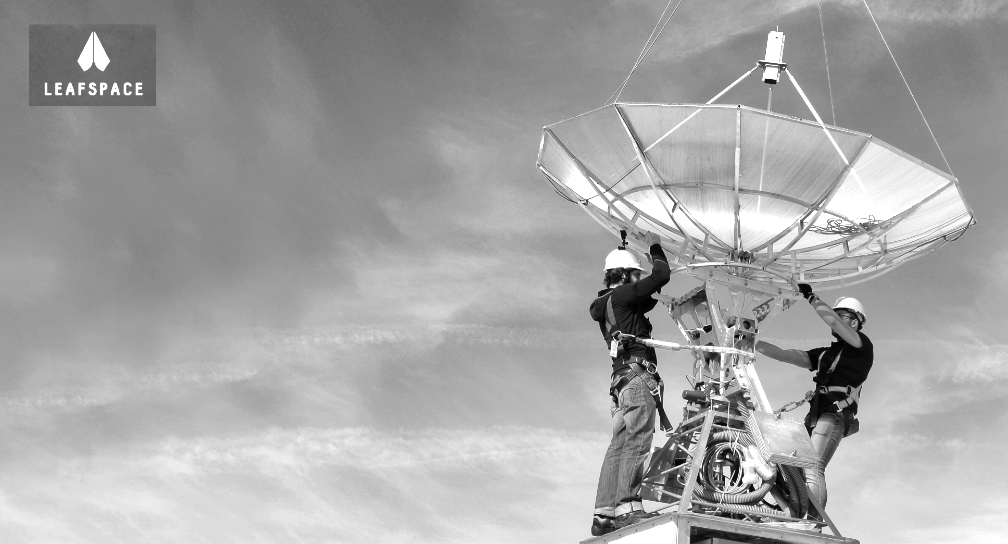
Since Leaf Space’s inception in 2014, the company has focused on developing ground station services and technology with the goal of creating GSaaS solutions available on the modern space market. The company has achieved success working in partnership with over 15 customers that include Astrocast, D-Orbit and the European Space Agency (ESA) to increase performance and availability of crucial data while simultaneously lowering costs and decreasing latency.

Now, Leaf Space is expanding operations to the U.S. to service existing customers including Momentus, Kepler Communications and Swarm, as well as introduce the company’s GSaaS solutions to a growing market of satellite and launch vehicle operators. Leaf Space is also adding more ground stations to existing infrastructure to amplify the company’s ability to provide customers with the highest-quality ground station services, at lower costs.

“There is a clear appetite among U.S. satellite and launch vehicle operators to simplify, outsource, and maximize the value from ground services and we believe that need is only going to grow,” said Jai Dialani, Head of U.S. Business Development and M.D. of Leaf Space LLC in U.S. “Leaf Space is uniquely positioned to provide expert level GSaaS solutions built upon years of experience with high-profile customers overseas, yet we are nimble enough to offer customers flexible solutions that support their unique business needs and mission requirements at scale.”

Leaf Space pioneered the concept of GSaaS for satellite and launch vehicle operators around the world. The company already provides GSaaS solutions for Momentus, ensuring reliable and efficient communication with spacecraft using Momentus’ services to place smallsats in precise orbits.
Filed Under: News

Arianespace And OneWeb Ready To Launch 36 Smallsats From Vostochny Cosmodrome

March 23, 2021 by editorial

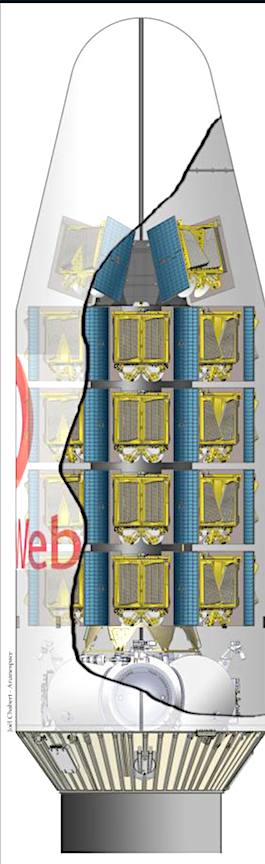
The 36 OneWeb satellites are shown on their dispenser system in this cut-away image. Flight ST30. 36 OneWeb satellites

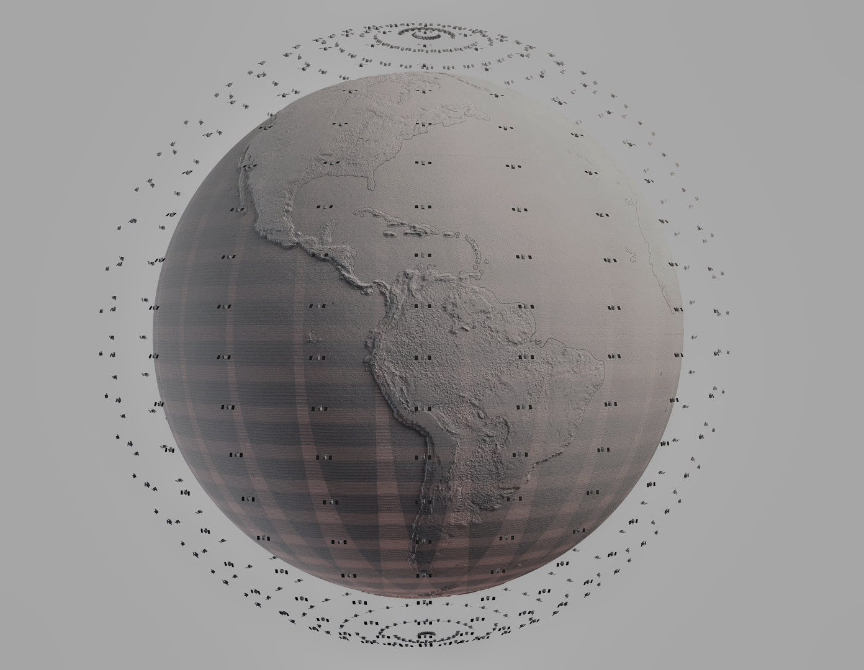
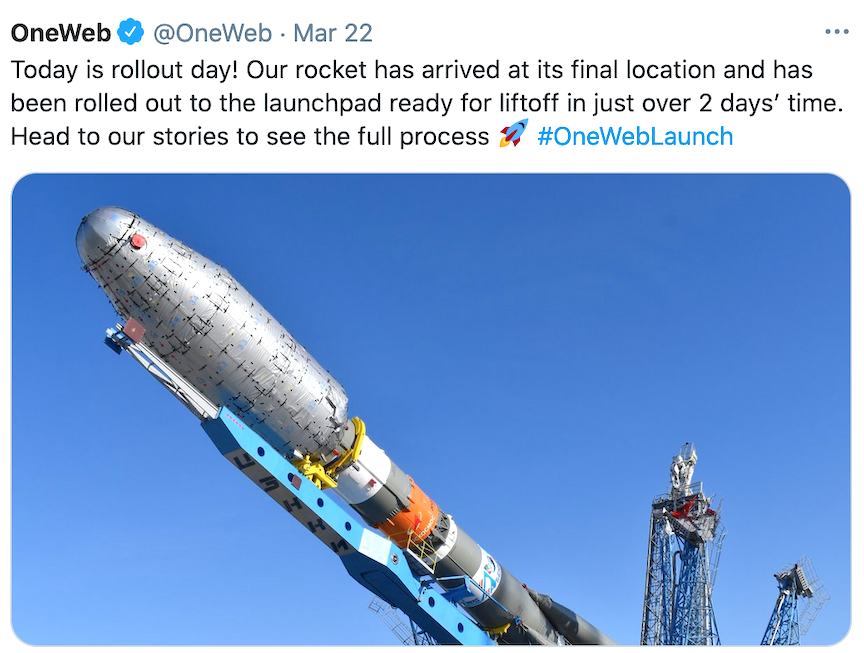
Arianespace‘s first launch of this year will take place March 25 when 36 OneWeb smallsats will be released from a Soyuz launch vehicle into orbit. This mission will deliver 36 satellites into orbit, bringing the total fleet to 146 satellites in low Earth orbit. This 55th Soyuz mission conducted by Arianespace and its Starsem affiliate will be operated from Vostochny Cosmodrome for the second time and represents OneWeb’s fifth launch overall.

By operating this fifth flight on behalf of OneWeb, Arianespace participates in the fulfilment of its customer’s ultimate ambition: providing internet access for everyone, everywhere, all the time.

Flight ST30, the second commercial mission from Vostochny Cosmodrome performed by Arianespace and its Starsem affiliate, will put 36 of OneWeb’s satellites into a near-polar orbit at an altitude of 450 kilometers. After separation, the satellites will raise themselves to their operational orbit.

The first six OneWeb satellites were successfully orbited by Arianespace on Soyuz Flight VS21 from French Guiana on February 27, 2019. On February 7, 2020, Arianespace and its Starsem affiliate successfully launched 34 OneWeb satellites from Baikonur Cosmodrome on Soyuz Flight ST27. On March 21, 2020, the team successfully delivered an additional 34 satellites into orbit on Soyuz Flight ST28. On December 18, 2020, the first Soyuz from Vostochny successfully placed in orbit 36 satellites on Flight ST29.

OneWeb’s mission is to bring internet everywhere to everyone, by creating a global connectivity platform through a next generation satellite constellation in low Earth orbit. OneWeb’s constellation of 650 satellites will deliver high-speed, low-latency enterprise grade connectivity services to a wide range of customer sectors including enterprise, government, maritime and aviation customers. Central to its purpose, OneWeb seeks to bring connectivity to every unconnected area where fiber cannot reach, and thereby bridge the digital divide.

Once deployed, the OneWeb constellation will enable user terminals that are capable of offering 3G, LTE, 5G and Wi-Fi coverage, providing high-speed access globally by air, sea and land.

In 2021, the company is focused on scaling the satellite constellation to launch commercial services starting at the end of 2021 to the UK, Alaska, Canada, Northern Europe, Greenland, Iceland, and the Arctic Seas.

OneWeb Satellites is a joint venture between OneWeb and Airbus Defence and Space, where OneWeb Satellites is the constellation’s prime contractor. The satellites were built thanks to its leading-edge satellite manufacturing process that can build up to two satellites a day on a series production line dedicated to the assembly, integration, and testing of the satellites. The facility is running at full speed, within the coronavirus pandemic guidelines, manufacturing satellites that are tested and ready now, and also for future launches.

Flight ST30 will orbit the 111st to 146th OneWeb satellites to be launched by Arianespace.

With the launch of 36 OneWeb satellites on Flight ST30, Arianespace will have orbited a total of 276 spacecraft from Airbus Defence and Space (including OneWeb Satellites – a joint-venture between OneWeb and Airbus Defence and Space founded in 2016).

The Arianespace backlog of payloads remaining to be launched for Airbus Defence and Space (excluding the remaining OneWeb satellites) counts 21 additional payloads.

Filed Under: Featured, News

A Cold, LEO Satellite Acquisition Demo By Kymeta + Kepler Results In u8 Terminal Success

March 23, 2021 by editorial

Kymeta and Kepler Communications have successfully demo’d the Kymeta u8 Terminal with LEO satellite acquisition, tracking and throughput measurements during extreme cold weather temperatures. This collaboration supports Kymeta’s goal to develop solutions that are future proof with a clear LEO upgrade path and compatible with growing mega-constellations.

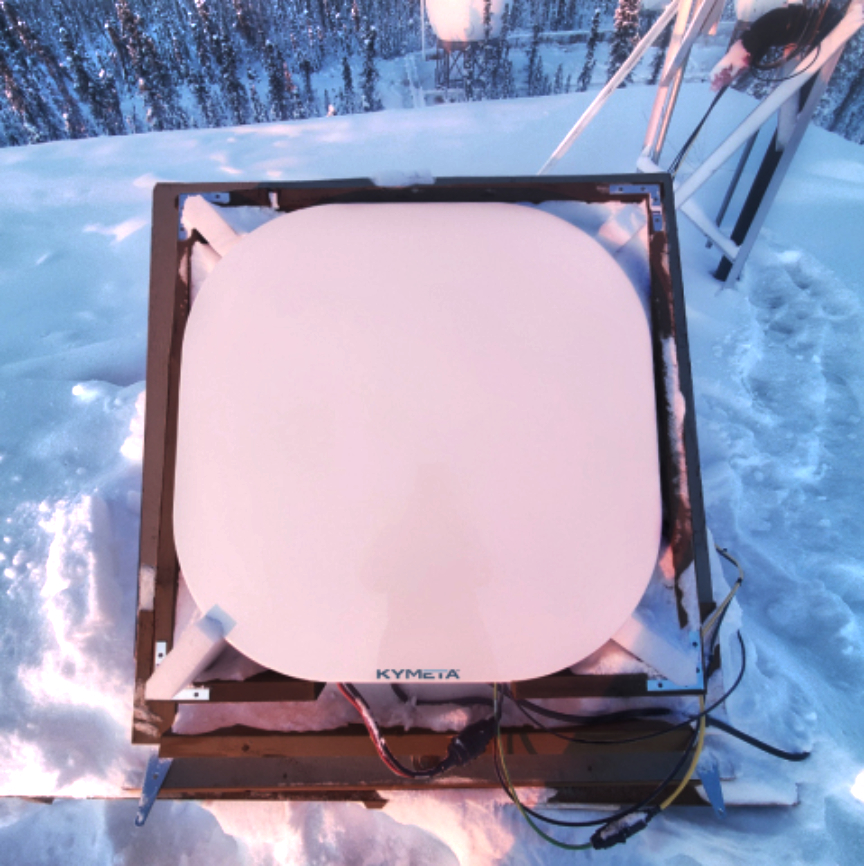
Photo of the Kymeta u8 Terminal in Inuvik, Canada, during testing with Kepler LEO satellites.

In 2020, Kepler was selected for an extended u8 beta trial to capture the extended Northern winter in Inuvik, Canada. Frequent revisit times from the Kepler LEO satellites combined with the local environment of unprotected cold weather, snow, and ice provided a unique testing opportunity for the latest Kymeta technology. Results have demonstrated a significant increase in performance with lower latency, enhanced look angles and speeds that are approaching 10X faster than earlier products with higher throughput and total data passed.

The u8 system is designed to work down to -40oC. During testing, Kymeta and Kepler were able to update software facilitating the testing of new algorithms in real time. Updates included capabilities of on-board FPGA-based tracking receivers, which allowed for usage of channels more than 2 times larger than previous demonstrations.

Testing results exceeded expectations during these cold weather trials with average uplink and downlink speeds of 100 Mbps, providing the ability to transfer more than two gigabytes of data with each pass. Initial testing was completed using linear polarization on the u8 – in a future software upgrade the addition of circular polarization support will lead to additional increases in data transfer speeds.

In January, Kepler launched 8 new satellites via SpaceX’s first dedicated SmallSat Rideshare Program. On March 22nd, Kepler launched an additional two satellites via the Soyuz-2, expanding its active constellation to 15 satellites in total. An additional launch is planned for June. Kymeta believes the collaboration with Kepler and further testing is instrumental to providing reliable connectivity and superior benefits to customers.

“Kepler has been a great trial partner because they are agile and able to make adjustments for optimized performance at the same time we are adjusting the u8 terminal,” said David Harrower, Senior Vice President of Global Sales at Kymeta. “Many of our customers are interested in compatibility with LEO satellite services, and this testing helps ensure the longevity of the u8 and Kymeta Connect as well as offer a solution that takes advantage of the increased utility of LEO satellites.”

“The performance of the Kymeta u8 with Kepler’s Global Data Service has exceeded our expectations,” said Wen Cheng Chong, Kepler’s CTO and Co-Founder. “Our recent testing and development efforts demonstrated not only the ability to move many more gigabytes of data than expected with each pass, but also the u8’s ability to operate in polar environments, where many of Kepler’s early adopters operate. With Kepler’s recently increased capacity the u8 can serve customers globally, pole-to-pole and all points in between.”

Filed Under: News

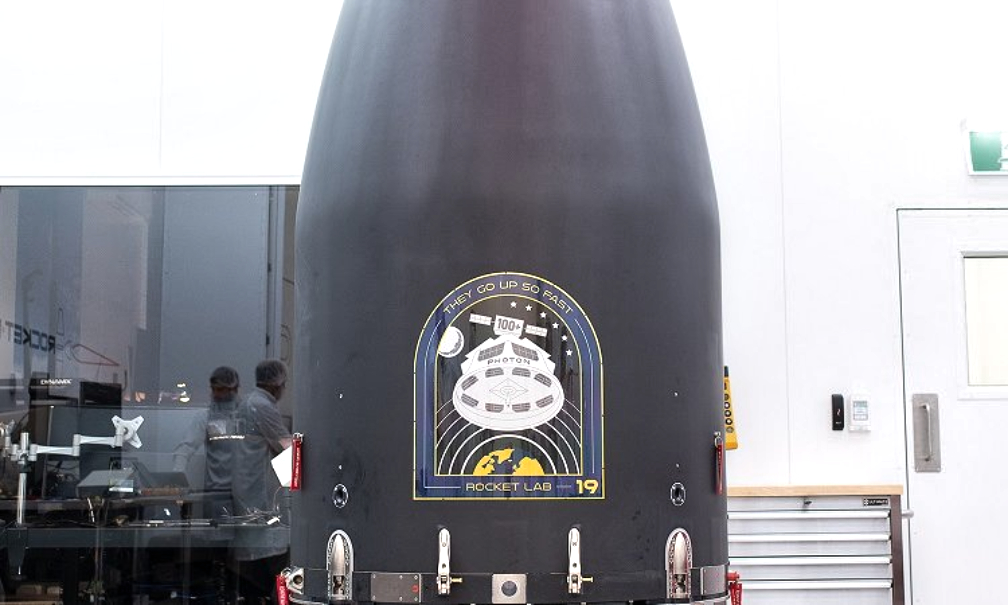
UPDATE: They Go Up So Fast… Rocket Lab Enjoys A Six Smallsat Launch Success…

March 23, 2021 by editorial

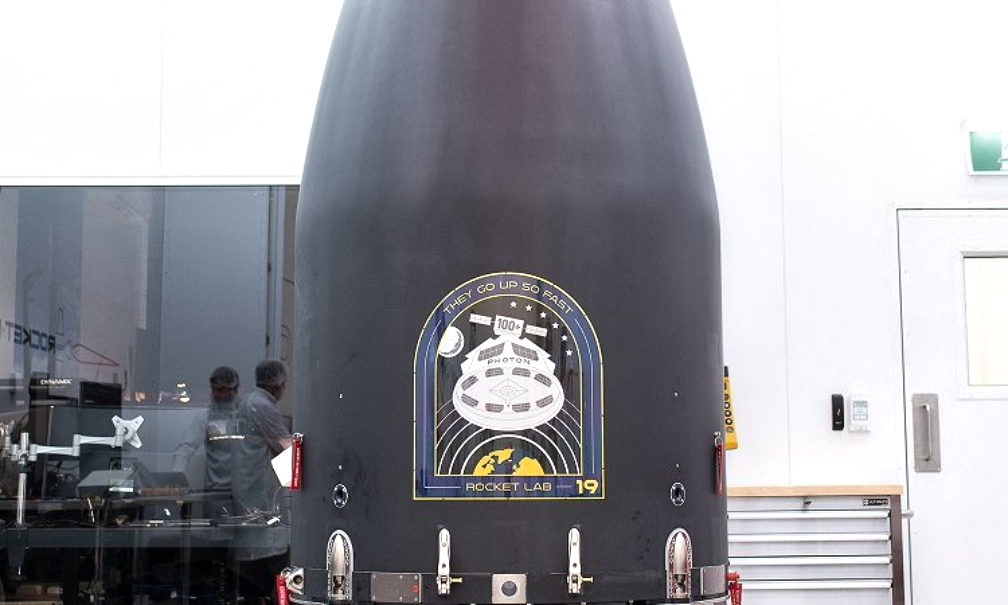
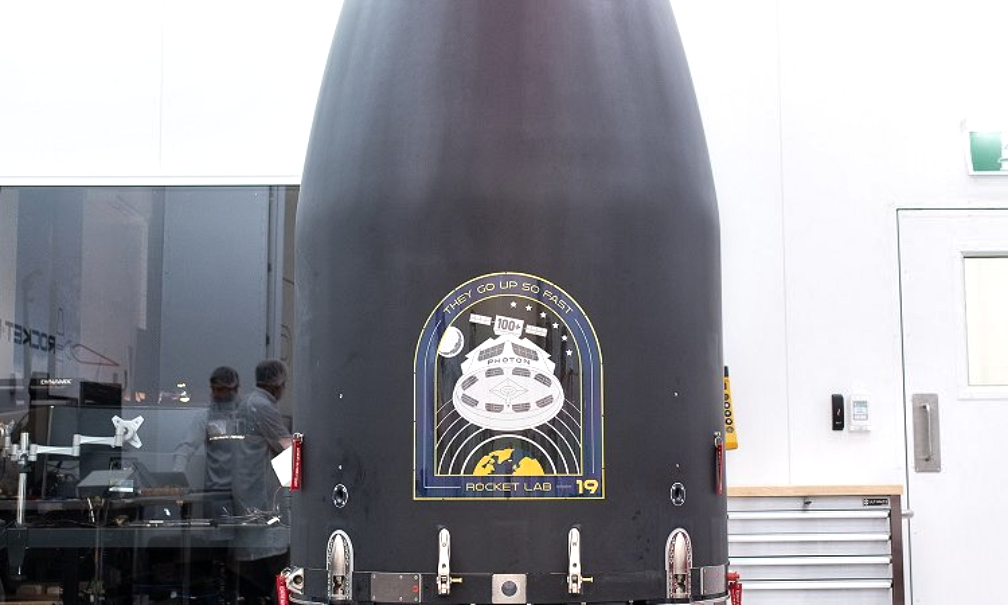
Rocket Lab has successfully launched their 19th Electron mission and deployed six spacecraft to orbit for a range of government and commercial customers.

The mission, named ‘They Go Up So Fast,’ also deployed Rocket Lab’s latest in-house manufactured Photon spacecraft to build flight heritage ahead of the upcoming CAPSTONE mission to the Moon for NASA.

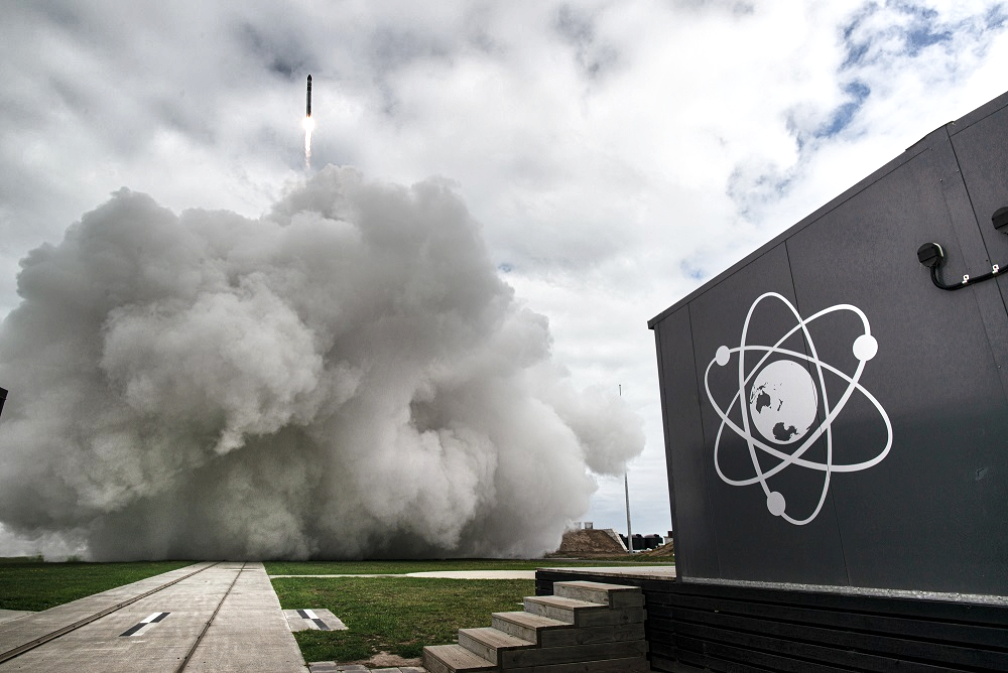
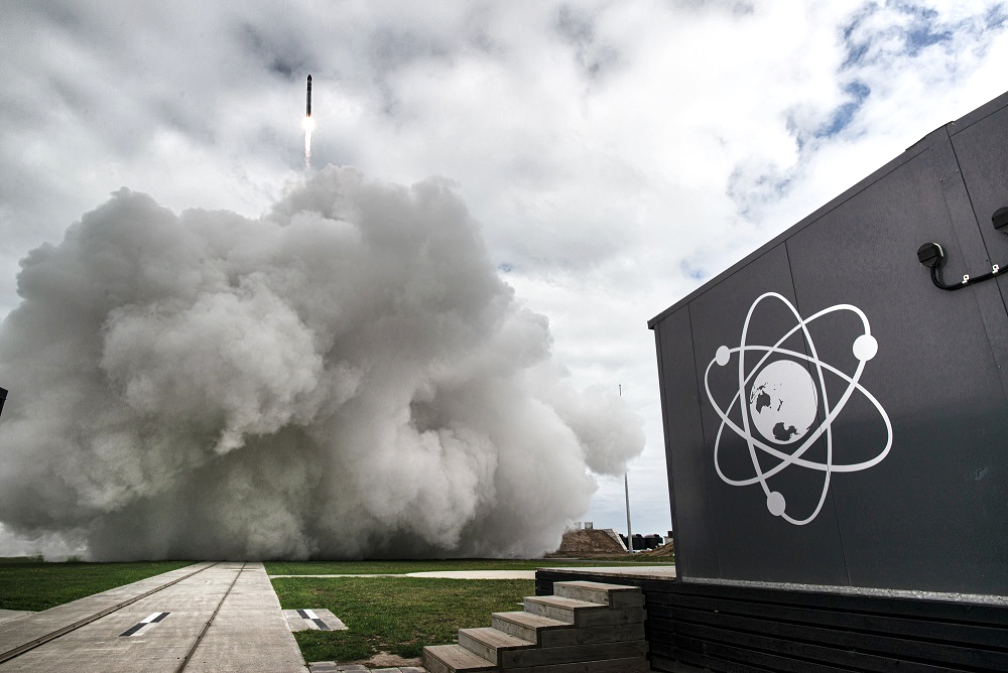
Rocket Lab’s Launch Complex 1 in New Zealand.

The mission launched from Rocket Lab Launch Complex 1 on New Zealand’s Mahia Peninsula at 22:30, March 22, 2021 UTC, successfully deploying an EO satellite for BlackSky Global through Spaceflight Inc.; two Internet of Things (IoT) smallsats for Australian commercial operators Fleet Space and Myriota; a test satellite built by the University of New South Wales (UNSW) Canberra Space in collaboration with the Royal Australian Air Force; a weather monitoring cubesat for Care Weather Technologies; and a technology demonstrator for the U.S. Army’s Space and Missile Defense Command (SMDC). The mission took the total number of satellites deployed to orbit by Rocket Lab to 104.

After Electron successfully launched to an initial 550 km circular orbit, the rocket’s integrated space tug or Kick Stage deployed the first five satellites to their individual orbits.
The kick stage is a powerful extra stage on Rocket Lab’s Electron launch vehicle, designed to circularize the orbits of smallsats, taking them exactly where they need to go — image is courtesy of Rocket Lab.

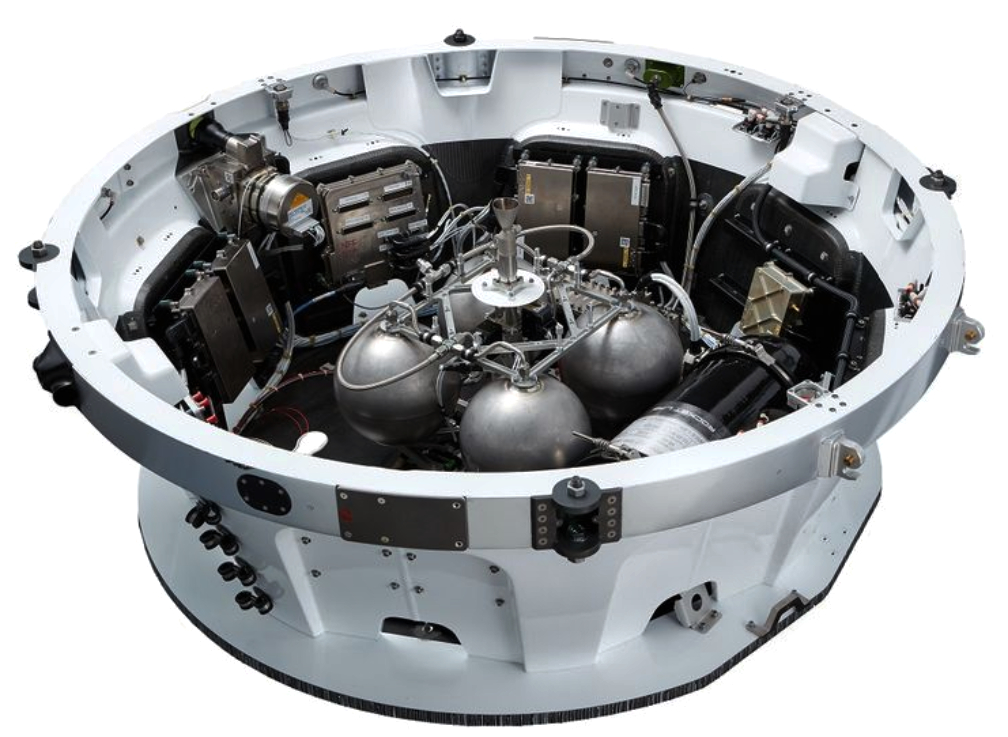
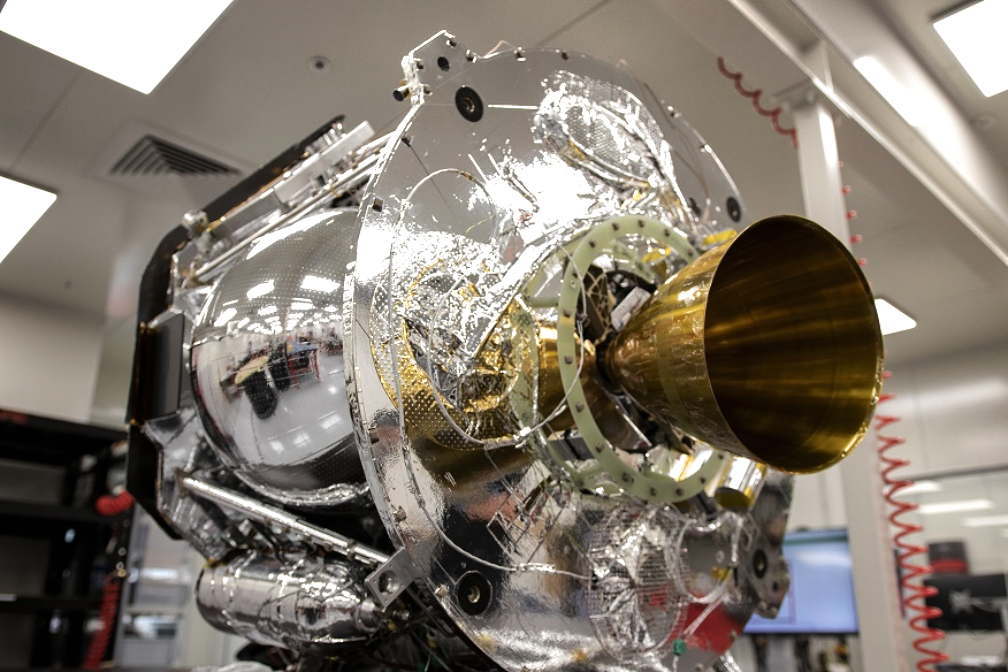
The Kick Stage’s Curie engine was then reignited to lower its altitude and deploy the final small satellite to a 450km circular orbit. With its relightable Curie engine, the Kick Stage is unique in its capability to deploy multiple satellites to different orbits on the same small launch vehicle.

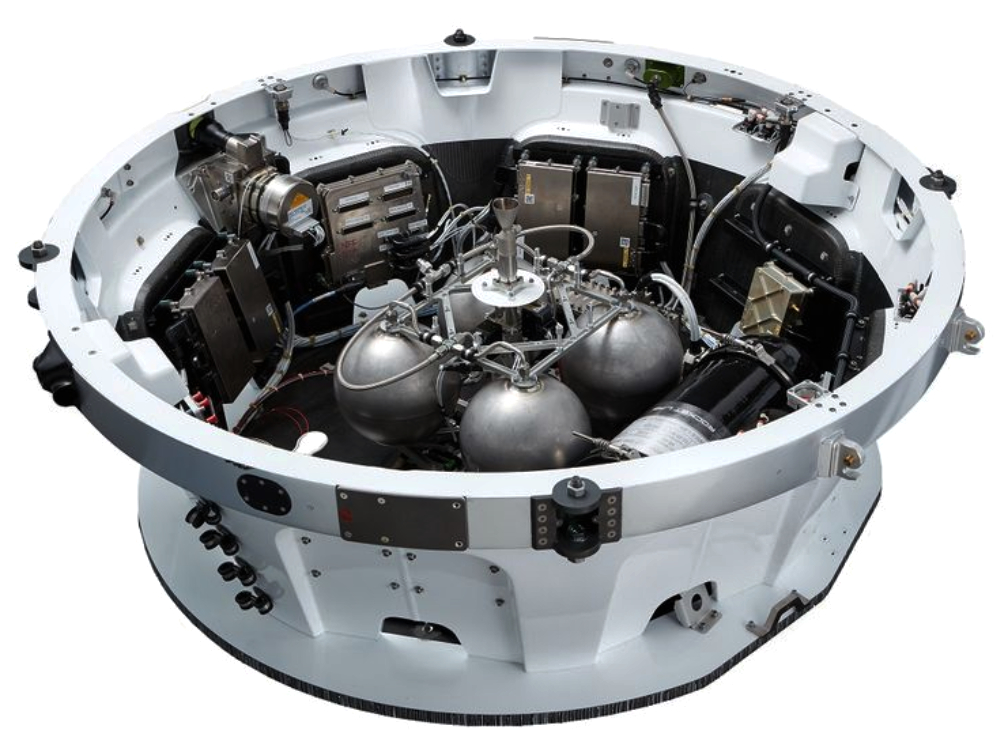
Rocket Lab kick stage, with the four silver spheres of the new Curie engine seen in the middle. Image is courtesy of the company.

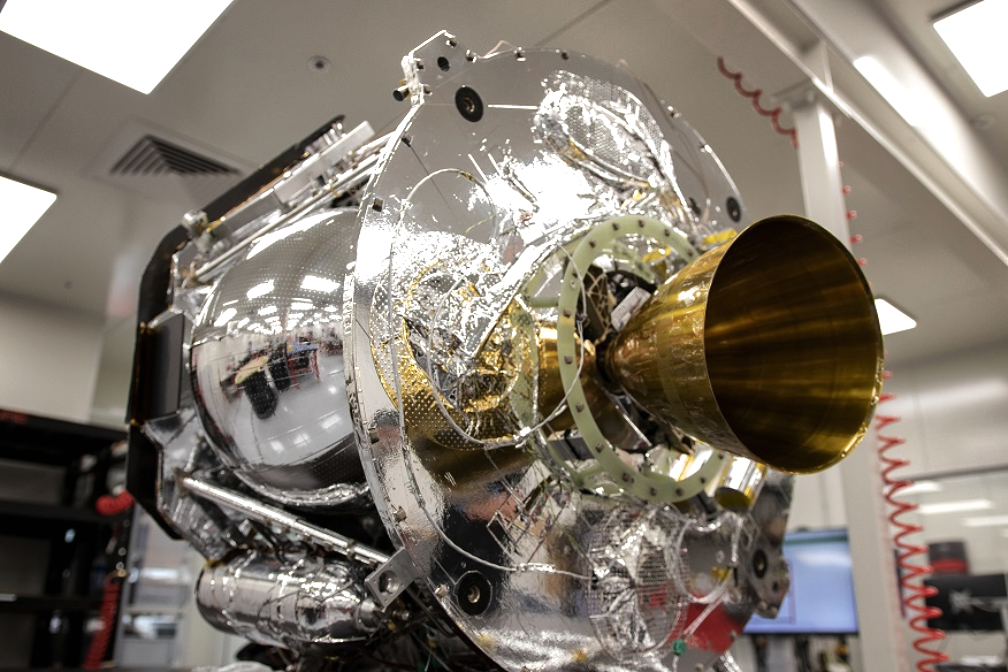
Following the deployment of the final customer payload on this mission the Kick Stage was reconfigured to Photon, Rocket Lab’s in-house built spacecraft. Photon Pathstone is equipped with new power management, thermal control and attitude control subsystems that will be used for the CAPSTONE mission to the Moon for NASA later this year. Photon Pathstone is also testing on-orbit new deep-space radio capability, an upgraded RCS (reaction control system), as well as sun sensors and star trackers.

Rocket Lab’s Photon rocket engine. Image is courtesy of the company.
Peter Beck

Rocket Lab founder and CEO, Peter Beck, said, “Congratulations and welcome to orbit for all of our customers on Electron. Reaching more than 100 satellites deployed is an incredible achievement for our team and I’m proud of their tireless efforts which have made Electron the second most frequently launched U.S. rocket annually. Today’s mission was a flawless demonstration of how Electron has changed the way space is accessed. Not only did we deploy six customer satellites, but we also deployed our own pathfinding spacecraft to orbit in preparation for our Moon mission later this year.”

Note: Details about Rocket Lab’s 20th Electron launch will be announced shortly, with the next mission scheduled to take place from Launch Complex 1 within the next few weeks.

Original news posting…

The Rocket Lab launch team is gearing up for the company’s 19th mission, that being a rideshare launch taking place from Rocket Lab Launch Complex 1 on New Zealand’s Mahia Peninsula as early as tomorrow, March 22, with the launch window ranging from 22:20 to 23:30 UTC, 18:20 to 19:30 ET and 15:20 to 16:30 PT, and March 23, from 11:20 to 12:30, New Zealand Time. The launch opportunities will continue through March 31st, should such become a necessity.

Rocket Lab’s 19th Electron mission will deploy a range of satellites for commercial and government satellite operators, as well as place a next-generation Rocket Lab Photon spacecraft in orbit to build spacecraft heritage ahead of Rocket Lab’s mission to the Moon for NASA later this year. 

 Seven satellites feature on the mission manifest, including:

  • An Earth Observation (EO) satellite for BlackSky via launch services provider Spaceflight Inc. — BlackSky will include a single Earth observation smallsat. This is the seventh launch of a Gen-2 spacecraft to date. Spaceflight arranged the launch and is providing mission management and integration services for BlackSky.
  • Two Internet-Of-Things (IoT) nanosatellites for companies Fleet Space and Myriota, procured by Tyvak — Centauri 3 is a newly-designed 6U smallsat that will join Fleet Space’s planned constellation of 140 Industrial Internet of Things (IIoT) satellites in LEO. Designed for use in the energy, utilities, and resource industries, the Centauri 3 will also test new hardware and space systems developed by Fleet Space that will support the 2023 Seven Sisters mission, a resource exploration mission by an Australian team of space, remote operations, and resource exploration companies that will launch smallsats and sensors to develop new resource exploration techniques for Earth, the Moon, and Mars, in support of NASA’s Artemis Program. Myriota 7 is the latest addition to that company’s satellite constellation and forms part of a crucial next step for the business as the firm moves toward near-real time connectivity. This smallsat will support Myriota’s customers by further improving the existing service that provides access to data from anywhere on Earth. Myriota’s long battery life and direct-to-orbit connectivity supports products from technology partners servicing a wide range of industries including utilities, transport and logistics, supply chain, agriculture, mining and defence.
  • A technology demonstration satellite for the University of New South Wales (UNSW) Canberra Space — This spacecraft from the University of New South Wales Canberra Space, in collaboration with the Royal Australian Air Force, will bring together emerging technologies that deliver advanced capabilities in earth observation, maritime surveillance, quantum computing, advanced AI, and laser communications. M2 follows on from the successful M2 Pathfinder mission deployed in June 2020 on Rocket Lab’s 12th mission, ‘Don’t Stop Me Now’.
  • A weather satellite pathfinder technology demonstration from Care Weather technologies — The Veery Hatchling mission will test Care Weather’s vertically-integrated satellite power, computing, and avionics systems in a 1U cubesat. This smallsat paves the way for Care Weather’s future constellation of scatterometric radar weather satellites capable of producing hourly maps of global wind speed and direction over the surface of the ocean. Veery Hatchling is the first step in Care Weather’s mission to save lives and livelihoods by better forecasting Earth’s extreme weather.
  • A technology demonstrator for the U.S. Army’s Space and Missile Defense Command (SMDC) through launch integration and program management services provider, TriSept — TriSept procured the rideshare slot on Electron for the U.S. Army’s Space and Missile Defense Command (SMDC). Gunsmoke-J is an experimental 3U cubesat that will test technologies that support development of new capabilities for the U.S Army.
  • The final payload on this mission is Rocket Lab’s in-house designed and built Photon Pathstone. The spacecraft will operate on orbit as a risk reduction demonstration to build spacecraft heritage ahead of Rocket Lab’s mission to the Moon for NASA later this year, as well as Rocket Lab’s private mission to Venus in 2023.

Photon Pathstone will demonstrate power management, thermal control, and attitude control subsystems, as well as newly-integrated technologies including deep-space radio capability, an upgraded RCS (reaction control system) for precision pointing in space, and sun sensors and star trackers. Pathstone is the second Photon spacecraft to be deployed to orbit, following the launch of Photon First Light in August of 2020.

Filed Under: Featured, News

Open Cosmos Milestone Reached With The Launch Of Two Smallsats

March 23, 2021 by editorial

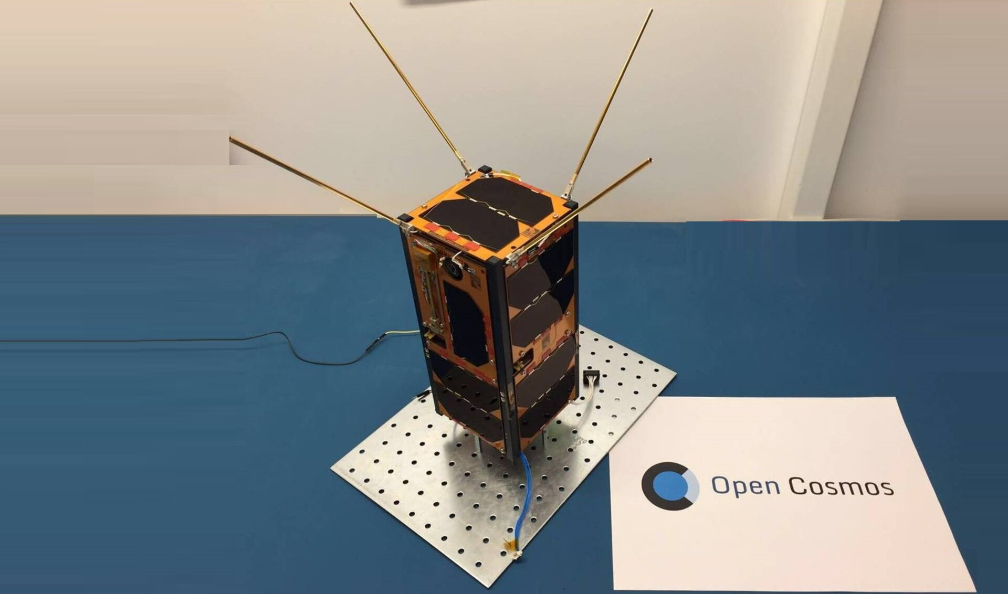
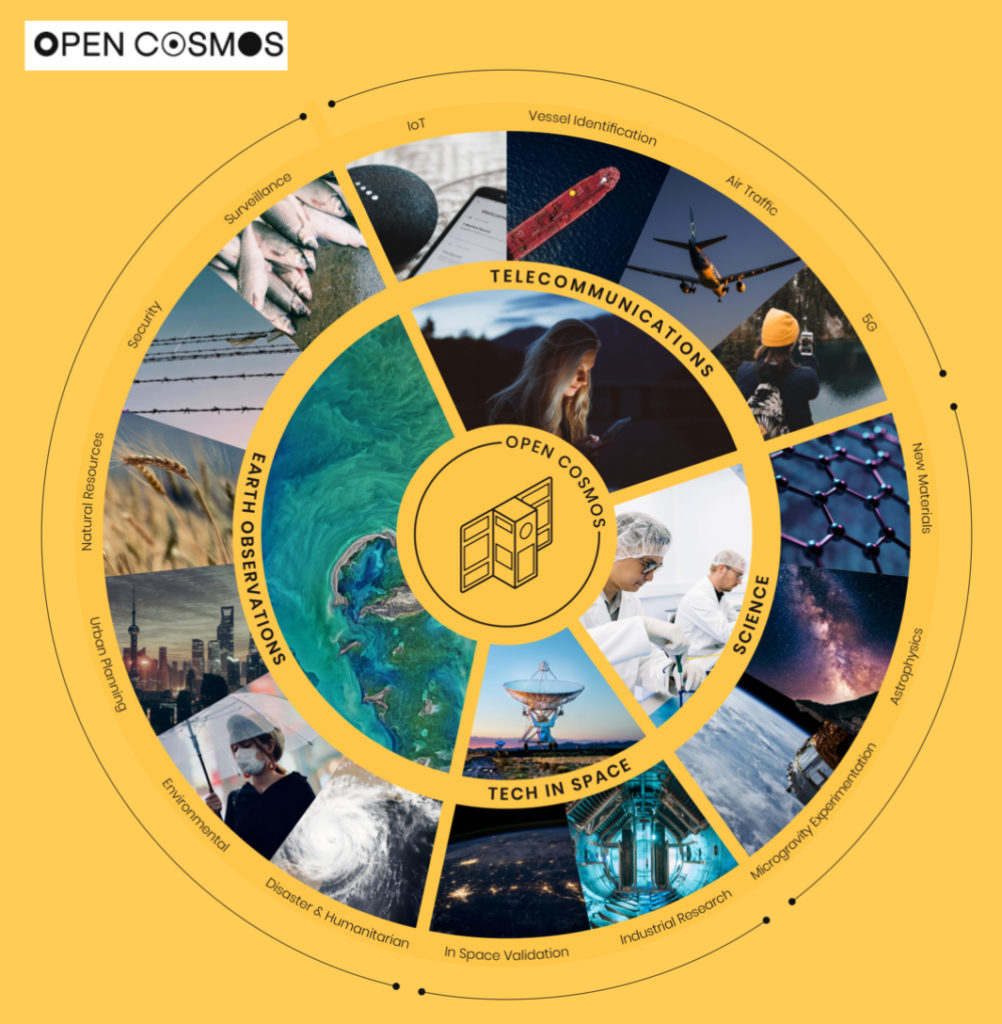
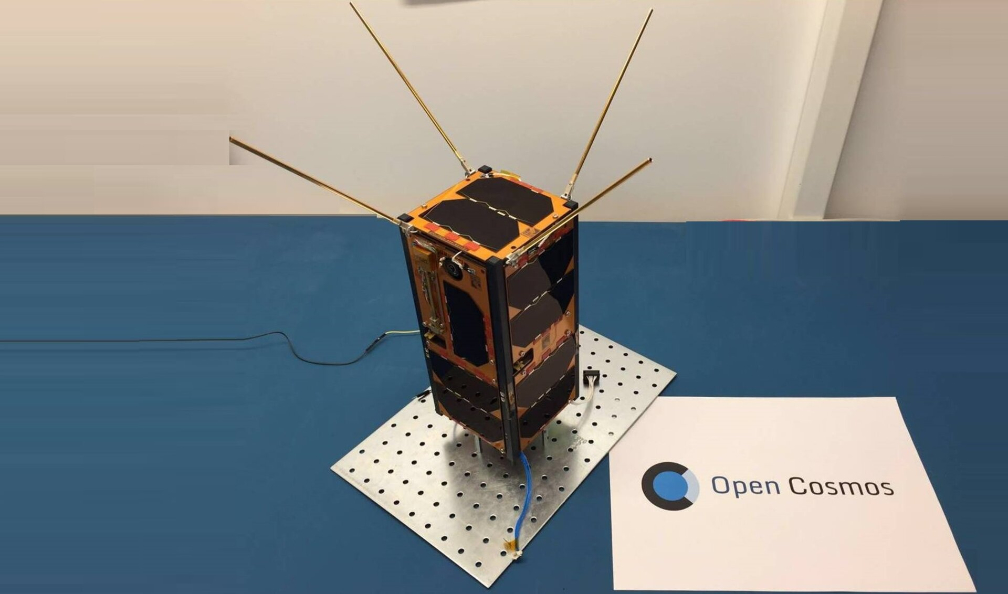
Open Cosmos has achieved a major milestone in the company’s mission to democratize space with the launch of two commercial smallsats that were entirely created at the company’s Harwell Campus-based HQ in the United Kingdom.

The launch on Monday, March 22, witnessed two Open Cosmos smallsats along with the South Korean EO satellite CAS500-1 and 30 other satellites launched aboard a Soyuz-2 rocket from the Baikonur base in Kazakhstan.

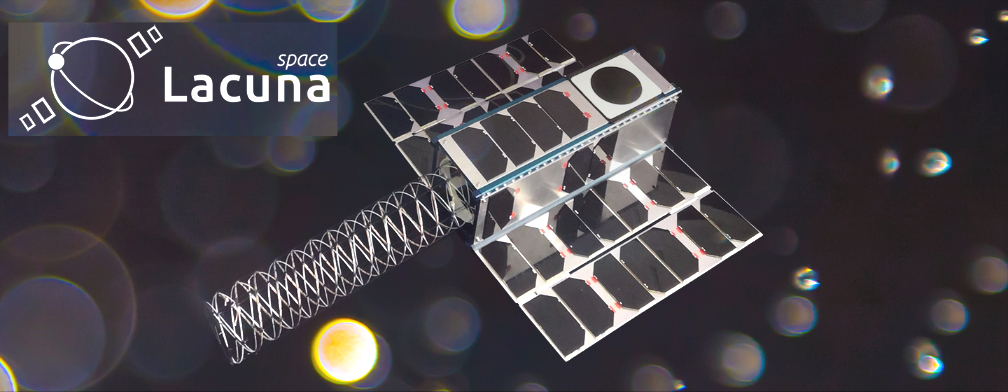
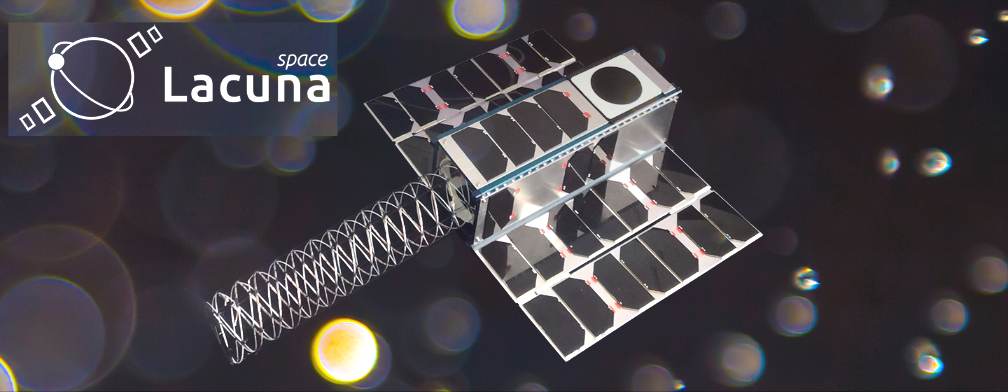
One of the Open Cosmos satellites is the latest addition to the Lacuna Space IoT constellation, which provides a service using LoRaWAN®, an open, global standard for IoT LPWAN connectivity, along with a new demonstrator satellite for telecoms operator Sateliot to provide 5G Internet of Things (IoT) capabilities to remote areas across the globe.

The satellites traveled to Kazakhstan after passing strict testing in controlled environments and receiving the operations license from the UK Space Agency (UKSA). The device was then integrated into the deployer in the rocket which, when the Soyuz-2.1A rocket reached 500 km from Earth, was ejected to take up its mission to travel around the Earth and provide connectivity services.

Open Cosmos will now be monitoring and operating the mission from four ground stations around the globe, all of which can managed by the team on behalf of their partners through OpenOps, Open Cosmos’s satellite operations software.

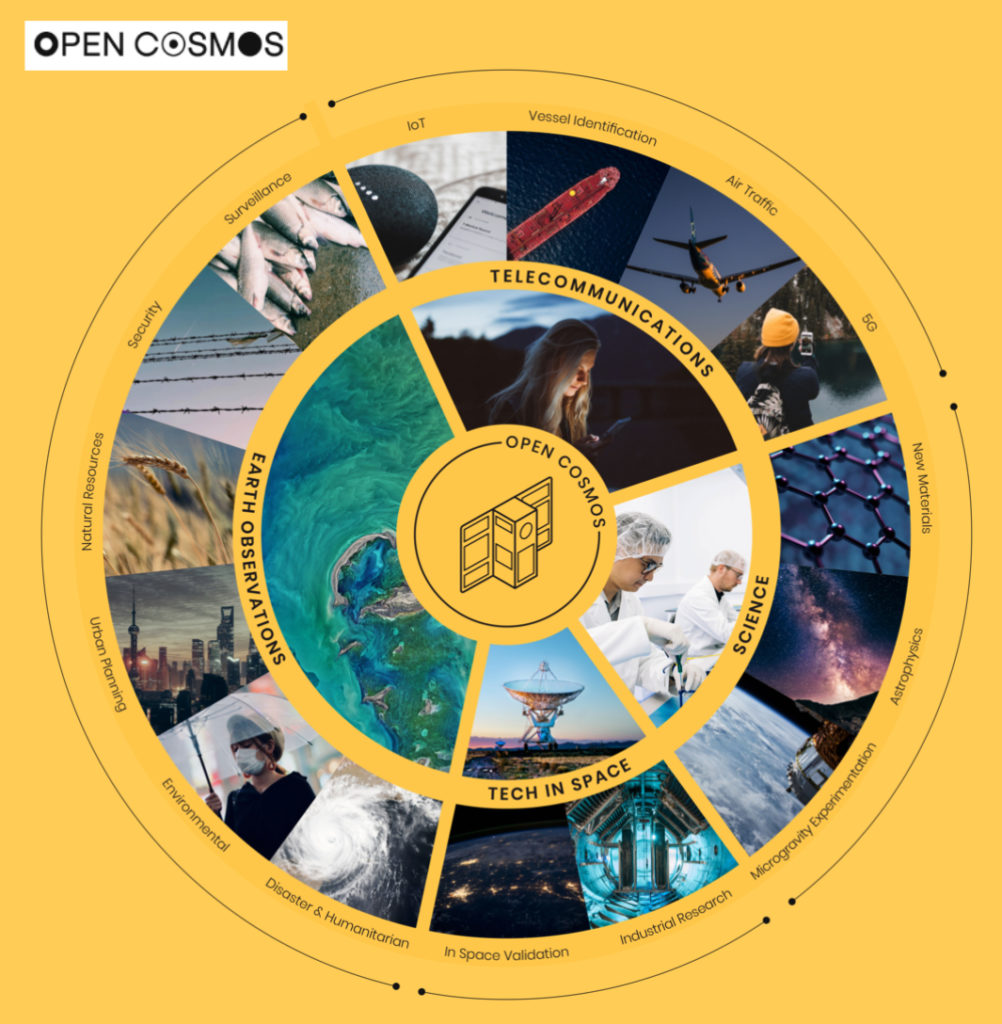
Open Cosmos operates space missions from start to finish by manufacturing and building satellites as well as handling the mission, satellite operation and services. The company, which was created five years ago, was established with a view to open up space by making it more affordable for small businesses and governments to utilise satellites to access data they need to tackle some of the world’s most pressing challenges from climate change, to civil protection and emergencies and infrastructure.

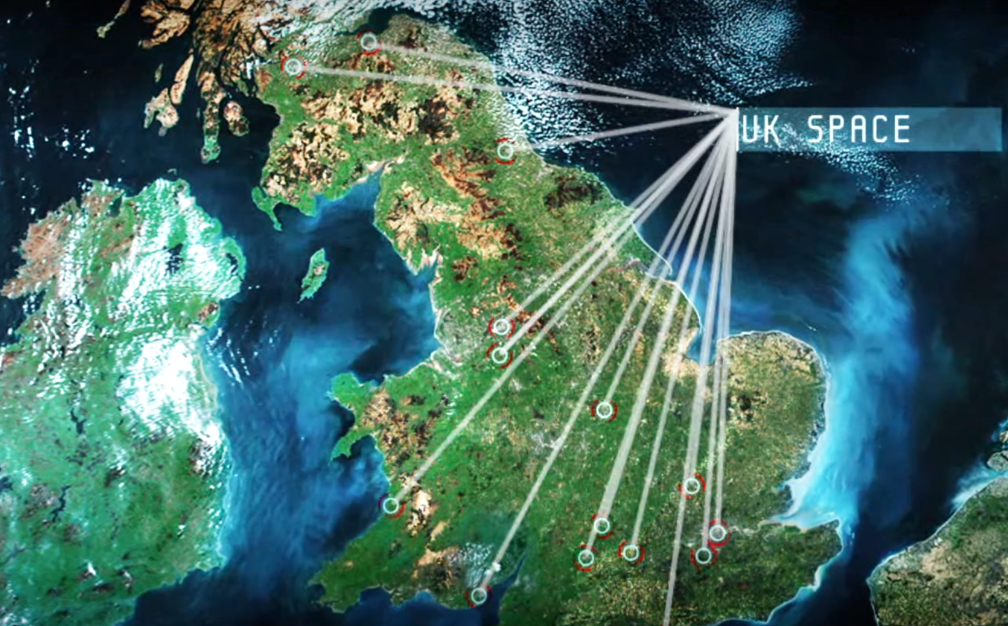
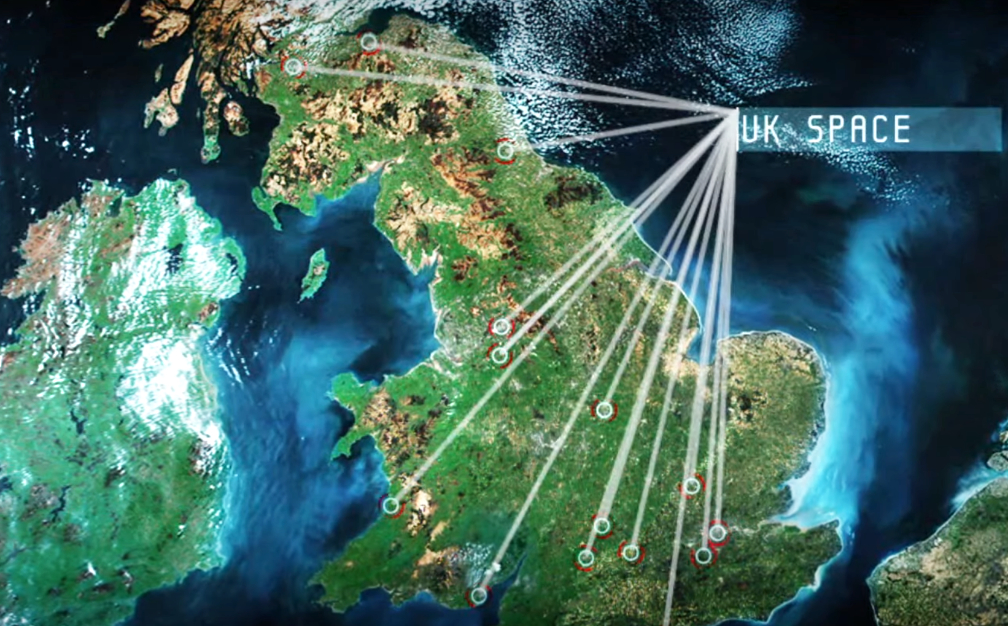
Open Cosmos and Lacuna Space are part of a new generation of UK space industry companies. The sector employs almost 42,000 people, more than 1,000 who work within the Harwell Campus, Europe’s most concentrated SpaceTech cluster that launched in 2015 as Open Cosmos was just starting operations. UK space generates an income of £15 billion every year, while the global space industry is predicted to be worth $350 billion. The UK government wants to gain a 10% share of the global space market by 2030 and clusters like Harwell are key to this endeavor.

Applications Catapult and the ECSAT telecommunications centre of the ESA in Harwell were also just starting. Five years later, these launches mark a key milestone for the UK space industry. Another Harwell-based company was instrumental in the recent launch: Oxford Space Systems, which provided the innovative deployable antenna that goes on top of Lacuna’s IoT satellite receiver and is able to receive short messages directly from small, battery-powered devices on the ground. Additionally, the satellite was tested within the Disruptive Innovation Space Centre (DISC) of the Satellite Applications Catapult and the testing facilities at RAL Space. This demonstrates how close collaboration amongst space startups, scaleups and stakeholders are enabling this new breed of companies to grow and thrive.

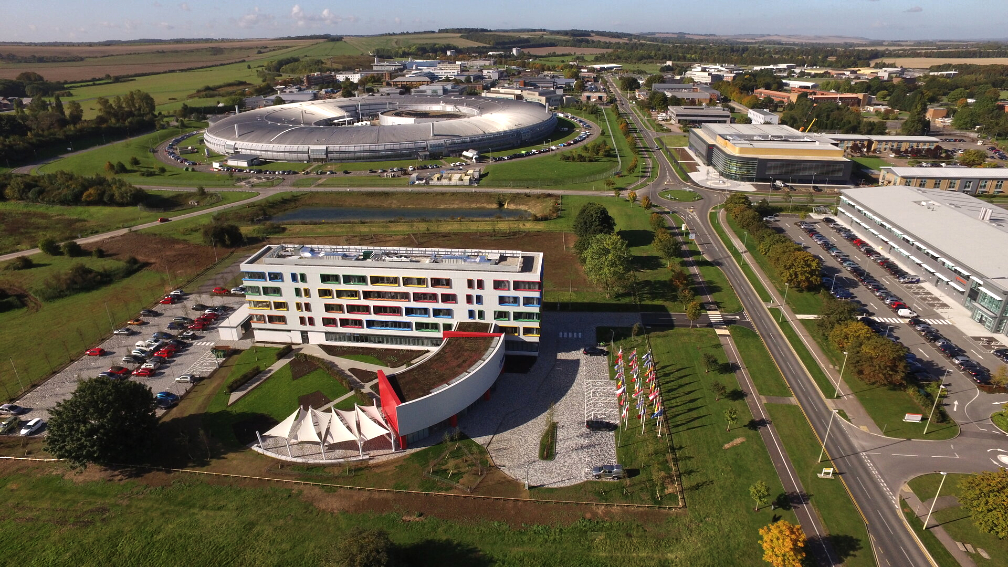
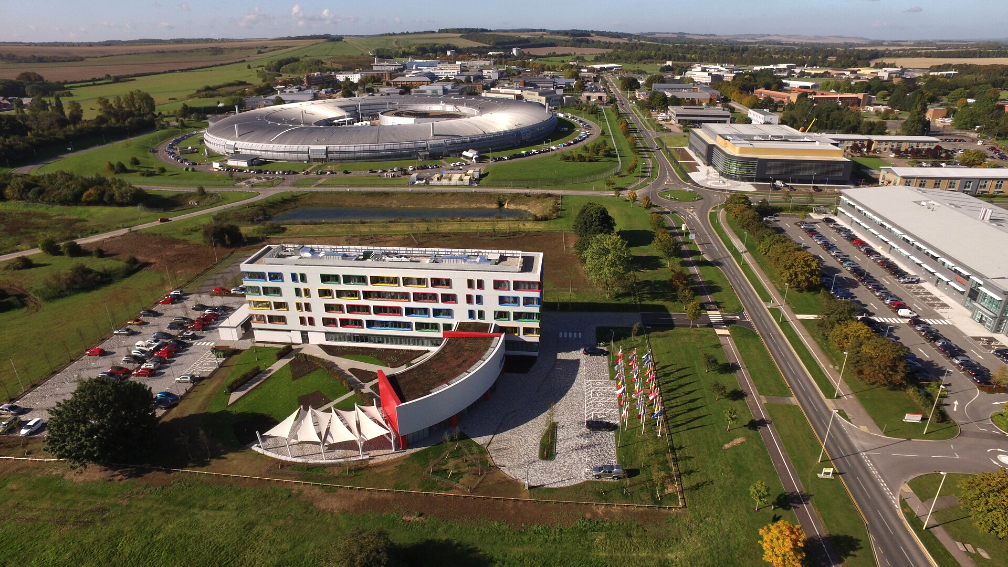
The European Centre for Space Applications and Telecommunications (ECSAT) at the Harwell campus in the UK.

The focus for the UK space industry has been on tapping into the satellite launch market, which is why the UK is investing in spaceports in Cornwall and The Shetlands. Initiatives such as this collaboration demonstrate that the benefits of satellites don’t just lie in the economic gains of launching them, but the wider services they can offer to governments, citizens and businesses. In fact, £300 billion of wider UK GDP is supported by satellite services, including telecoms, science, earth observation and navigation. Open Cosmos has invested more than £4 million in R&D leveraged with support from the UKSA and the ESA through the ARTES Partnership Project’s Pioneer program, growing the team from five to 50 people.

Following these two launches, Open Cosmos will look to expand its commercial offering, delivering constellations for both private companies and governments in need of accurate global and information services. Open Cosmos has 10 missions under development at the moment, including the MANTIS mission in partnership with the ESA-Incubed program, and UKSA, which aims to provide high-resolution imagery and IOD6 in partnership with the Satellite Applications Catapult that will test innovative services in orbit. These satellites will be key to powering digital transformation in many sectors and fight the climate crisis using satellite data.

Rafel Jordá

Rafel Jordá, Founder and CEO of Open Cosmos, said, “These launches mark a major milestone for Open Cosmos, demonstrating the capacity of low-cost satellites to provide IoT connectivity to remote parts of the world and collect data. With £300 billion of wider UK GDP supported by satellite services, Open Cosmos is key to unlocking these services and making them more accessible for businesses and governments across the world. We’re also extremely proud that Monday’s launches have been made possible by working closely with the UKSA, ESA, the Catapult and all our partner companies at Harwell Campus and abroad. We look forward to continuing to push forward the potential for UK space tech in 2021 and beyond.”

Rob Spurett

Rob Spurett, CEO of Lacuna, said, “The successful launch of our latest satellite is another important milestone in expanding our network capacity, and growing our services. We are providing the ‘Internet for Things’ and it is quietly revolutionizing industries in the same way that connecting people to the internet has. The range of services and possibilities that Lacuna is enabling is incredible and beyond our wildest imagination: from mundane tracking of cargo containers to counting penguins in the Antarctic. It has been wonderful to bring together other Harwell-based companies on this project such as Open Cosmos and Oxford Space Systems, demonstrating the strength of the UK’s collaborative space sector and depth of innovation. ”

Catherine Mealing-Jones

Catherine Mealing-Jones, Director of Growth at the UK Space Agency, said, “The UK is a leader in the design and manufacturing of small satellites. With our support innovative companies like Open Cosmos, Lacuna Space and Oxford Space Systems are developing exciting services to improve our daily lives. Our space sector is thriving and it is fantastic to see these ambitious UK companies working together to enable connectivity in remote and hard-to-reach parts of the globe.” (Note: The UK Space Agency invests around £90 million a year, through its subscription in ESA’s ARTES program, in developing innovative technologies, services and applications to help meet societal challenges.)

Sean Sutcliffe

Sean Sutcliffe, CEO of OSS said, “We are proud to deliver this milestone together with Open Cosmos to contribute to Lacuna Space’s ambitious constellation of IoT Gateways in space. This also gives further space heritage to our helical antenna product line, with several helical antennas already successfully deployed in orbit and working within the expected performance range. This is another step towards the delivery of reliable antenna solutions for the next generation of IoT constellations, as part of OSS’s comprehensive family of deployable antennas.”

Lucy Edge

Lucy Edge, Chief Operating Officer at the Satellite Applications Catapult said, “We are delighted to be supporting Open Cosmos on their growth journey, and to witness the launch of the first two satellites built at the Satellite Application Catapult’s DISC facility at Harwell. Open Cosmos’s success demonstrates exactly what can be achieved when a pioneering business, innovative UK partners and Catapult support all come together without limitations. We look forward to seeing how the low-cost IoT capability developed for these missions will help solve some of the major global challenges we all face.”

Filed Under: News

UPDATE: They Go Up So Fast… Rocket Lab Enjoys A Six Smallsat Launch Success…

March 23, 2021 by editorial

Rocket Lab has successfully launched their 19th Electron mission and deployed six spacecraft to orbit for a range of government and commercial customers.

The mission, named ‘They Go Up So Fast,’ also deployed Rocket Lab’s latest in-house manufactured Photon spacecraft to build flight heritage ahead of the upcoming CAPSTONE mission to the Moon for NASA.

Rocket Lab’s Launch Complex 1 in New Zealand.

The mission launched from Rocket Lab Launch Complex 1 on New Zealand’s Mahia Peninsula at 22:30, March 22, 2021 UTC, successfully deploying an EO satellite for BlackSky Global through Spaceflight Inc.; two Internet of Things (IoT) smallsats for Australian commercial operators Fleet Space and Myriota; a test satellite built by the University of New South Wales (UNSW) Canberra Space in collaboration with the Royal Australian Air Force; a weather monitoring cubesat for Care Weather Technologies; and a technology demonstrator for the U.S. Army’s Space and Missile Defense Command (SMDC). The mission took the total number of satellites deployed to orbit by Rocket Lab to 104.

After Electron successfully launched to an initial 550 km circular orbit, the rocket’s integrated space tug or Kick Stage deployed the first five satellites to their individual orbits.
The kick stage is a powerful extra stage on Rocket Lab’s Electron launch vehicle, designed to circularize the orbits of smallsats, taking them exactly where they need to go — image is courtesy of Rocket Lab.

The Kick Stage’s Curie engine was then reignited to lower its altitude and deploy the final small satellite to a 450km circular orbit. With its relightable Curie engine, the Kick Stage is unique in its capability to deploy multiple satellites to different orbits on the same small launch vehicle.

Rocket Lab kick stage, with the four silver spheres of the new Curie engine seen in the middle. Image is courtesy of the company.

Following the deployment of the final customer payload on this mission the Kick Stage was reconfigured to Photon, Rocket Lab’s in-house built spacecraft. Photon Pathstone is equipped with new power management, thermal control and attitude control subsystems that will be used for the CAPSTONE mission to the Moon for NASA later this year. Photon Pathstone is also testing on-orbit new deep-space radio capability, an upgraded RCS (reaction control system), as well as sun sensors and star trackers.

Rocket Lab’s Photon rocket engine. Image is courtesy of the company.
Peter Beck

Rocket Lab founder and CEO, Peter Beck, said, “Congratulations and welcome to orbit for all of our customers on Electron. Reaching more than 100 satellites deployed is an incredible achievement for our team and I’m proud of their tireless efforts which have made Electron the second most frequently launched U.S. rocket annually. Today’s mission was a flawless demonstration of how Electron has changed the way space is accessed. Not only did we deploy six customer satellites, but we also deployed our own pathfinding spacecraft to orbit in preparation for our Moon mission later this year.”

Note: Details about Rocket Lab’s 20th Electron launch will be announced shortly, with the next mission scheduled to take place from Launch Complex 1 within the next few weeks.

Original news posting…

The Rocket Lab launch team is gearing up for the company’s 19th mission, that being a rideshare launch taking place from Rocket Lab Launch Complex 1 on New Zealand’s Mahia Peninsula as early as tomorrow, March 22, with the launch window ranging from 22:20 to 23:30 UTC, 18:20 to 19:30 ET and 15:20 to 16:30 PT, and March 23, from 11:20 to 12:30, New Zealand Time. The launch opportunities will continue through March 31st, should such become a necessity.

Rocket Lab’s 19th Electron mission will deploy a range of satellites for commercial and government satellite operators, as well as place a next-generation Rocket Lab Photon spacecraft in orbit to build spacecraft heritage ahead of Rocket Lab’s mission to the Moon for NASA later this year. 

 Seven satellites feature on the mission manifest, including:

  • An Earth Observation (EO) satellite for BlackSky via launch services provider Spaceflight Inc. — BlackSky will include a single Earth observation smallsat. This is the seventh launch of a Gen-2 spacecraft to date. Spaceflight arranged the launch and is providing mission management and integration services for BlackSky.
  • Two Internet-Of-Things (IoT) nanosatellites for companies Fleet Space and Myriota, procured by Tyvak — Centauri 3 is a newly-designed 6U smallsat that will join Fleet Space’s planned constellation of 140 Industrial Internet of Things (IIoT) satellites in LEO. Designed for use in the energy, utilities, and resource industries, the Centauri 3 will also test new hardware and space systems developed by Fleet Space that will support the 2023 Seven Sisters mission, a resource exploration mission by an Australian team of space, remote operations, and resource exploration companies that will launch smallsats and sensors to develop new resource exploration techniques for Earth, the Moon, and Mars, in support of NASA’s Artemis Program. Myriota 7 is the latest addition to that company’s satellite constellation and forms part of a crucial next step for the business as the firm moves toward near-real time connectivity. This smallsat will support Myriota’s customers by further improving the existing service that provides access to data from anywhere on Earth. Myriota’s long battery life and direct-to-orbit connectivity supports products from technology partners servicing a wide range of industries including utilities, transport and logistics, supply chain, agriculture, mining and defence.
  • A technology demonstration satellite for the University of New South Wales (UNSW) Canberra Space — This spacecraft from the University of New South Wales Canberra Space, in collaboration with the Royal Australian Air Force, will bring together emerging technologies that deliver advanced capabilities in earth observation, maritime surveillance, quantum computing, advanced AI, and laser communications. M2 follows on from the successful M2 Pathfinder mission deployed in June 2020 on Rocket Lab’s 12th mission, ‘Don’t Stop Me Now’.
  • A weather satellite pathfinder technology demonstration from Care Weather technologies — The Veery Hatchling mission will test Care Weather’s vertically-integrated satellite power, computing, and avionics systems in a 1U cubesat. This smallsat paves the way for Care Weather’s future constellation of scatterometric radar weather satellites capable of producing hourly maps of global wind speed and direction over the surface of the ocean. Veery Hatchling is the first step in Care Weather’s mission to save lives and livelihoods by better forecasting Earth’s extreme weather.
  • A technology demonstrator for the U.S. Army’s Space and Missile Defense Command (SMDC) through launch integration and program management services provider, TriSept — TriSept procured the rideshare slot on Electron for the U.S. Army’s Space and Missile Defense Command (SMDC). Gunsmoke-J is an experimental 3U cubesat that will test technologies that support development of new capabilities for the U.S Army.
  • The final payload on this mission is Rocket Lab’s in-house designed and built Photon Pathstone. The spacecraft will operate on orbit as a risk reduction demonstration to build spacecraft heritage ahead of Rocket Lab’s mission to the Moon for NASA later this year, as well as Rocket Lab’s private mission to Venus in 2023.

Photon Pathstone will demonstrate power management, thermal control, and attitude control subsystems, as well as newly-integrated technologies including deep-space radio capability, an upgraded RCS (reaction control system) for precision pointing in space, and sun sensors and star trackers. Pathstone is the second Photon spacecraft to be deployed to orbit, following the launch of Photon First Light in August of 2020.

Filed Under: News

Fleet Space’s Centauri 3 Launched To Orbit

March 23, 2021 by editorial

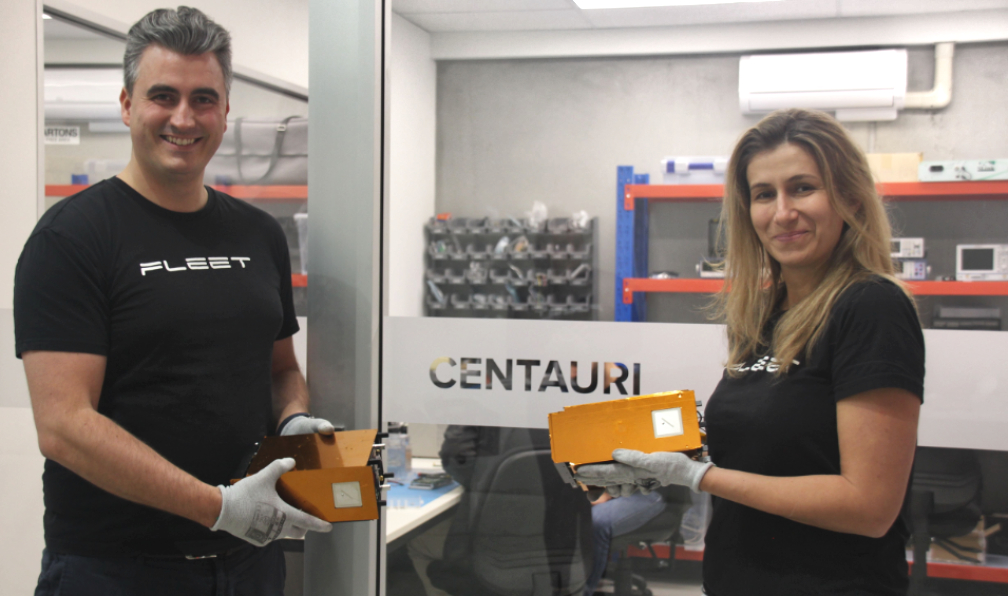
Fleet Space CEO Flavia Tata Nardini and Chief Operations Officer Matthew Pearson with the firm’s Centaur 3 smallsat.

Fleet Space Technologies successfully launched their Centauri 3 smallsat on March 23, Centauri 3. The company’s fifth smallsat launched from New Zealand’s Launch Complex 1 at Mahia Peninsula aboard a Rocket Lab Electron launch vehicle “They Go Up So Fast.” 

The 10 kg smallsat entered its pre-planned orbit, 550 km above the Earth, on schedule, and was sending full telemetry data on its third pass. Over the next few days, the satellite will begin commissioning and engage in full operations.

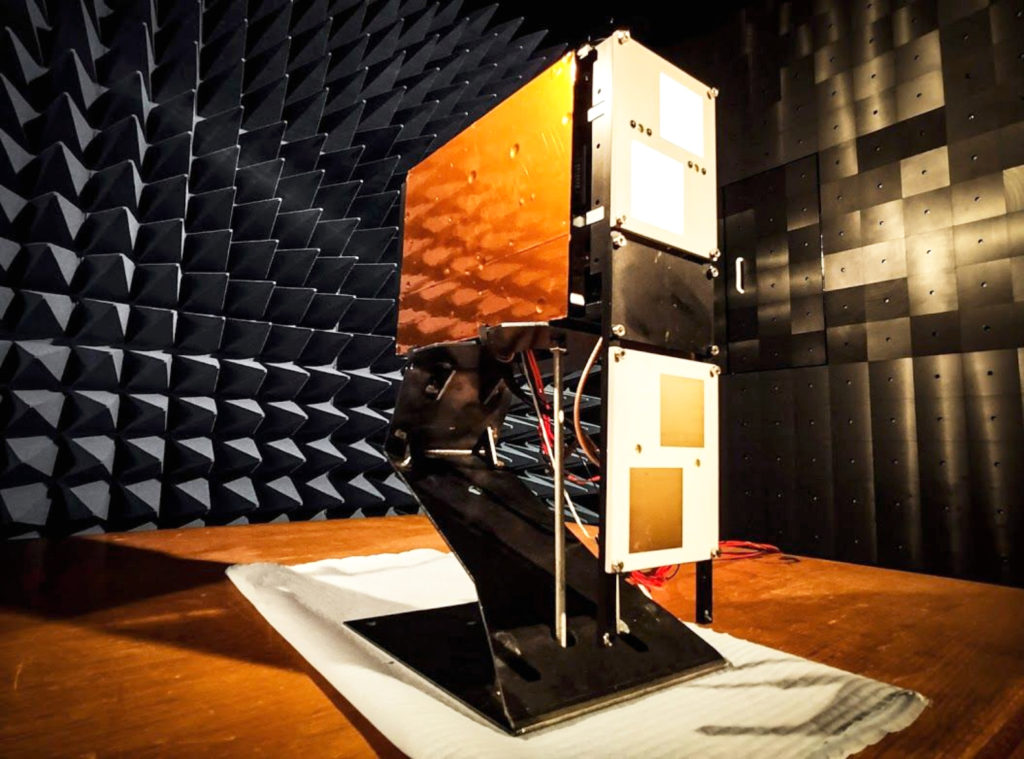
The Fleet Space smallsat.

Centauri 3 and the other smallsats make possible Fleet Space’s service to energy companies, utilities and mines worldwide. An IoT communications payload aboard each satellite, designed by Fleet Space, will connect thousands of sensors monitoring critical infrastructure across the world with their owners’ and managers’ base stations in real time, 24 hours a day. The full constellation of 140 satellites could generate a lifetime revenue of $1.82 billion.

The payload includes a highly innovative, lightweight, beam-steering antenna, AI-driven computer server and satellite modem, all designed in-house by Fleet Space. This will transform the ability of Australian industry to manage and control in real time remote assets. 
Fleet Space believes the service needs a constellation of 140 such satellites, of which about 50 will need replacement every year as their orbits decay.

To meet this demand, the company has applied for a $5 million grant under the Australian government’s Modern Manufacturing Initiative (MMI) to establish an advanced manufacturing capability in Adelaide to produce these satellites. The grant, matched by capital raised by Fleet Space itself, will make it possible to manufacture the entire satellite payload by itself. This will help increase Fleet Space’s workforce from 31 to 128 scientists, engineers and assembly technicians. Fleet Space’s partners, the University of Adelaide, Hawker Richardson, Lintek, and Redarc Electronics, will also increase their testing and manufacturing capabilities thanks to this grant.

“We’re very excited because Centauri 3 will demonstrate our Industrial Internet of Things (IIoT) capabilities by linking multiple remote sensors monitoring critical infrastructure such as remote mine sites, gas pipelines and rurally dispersed electricity pylons with central base stations, 24 hours a day,” said Fleet Space CEO and Co-Founder, Ms. Flavia Tata Nardini. “The Centauri 3 nanosatellite – our fifth commercial nanosatellite and our most advanced payload yet – will be joined by two more this year and a further 16 during 2022 and 2023.” She noted that these later satellites will have much greater signal throughput and their greater numbers will deliver a continuous service to customers worldwide. 

“For the first time, we’ll be able to 3D print our innovative beam-steering antenna here in Australia,” she continued. “We design the antenna and all of the rest of the payload, but at present, the only space-qualified company that can manufacture the antenna is in Switzerland.”

These manufacturing capabilities will also be available to Defence as well as to other Australian space companies, adding depth and strength to the entire sector, Nardini noted.

Filed Under: News

Open Cosmos Milestone Reached With The Launch Of Two Smallsats

March 22, 2021 by editorial

Open Cosmos has achieved a major milestone in the company’s mission to democratize space with the launch of two commercial smallsats that were entirely created at the company’s Harwell Campus-based HQ in the United Kingdom.

The launch on Monday, March 22, witnessed two Open Cosmos smallsats along with the South Korean EO satellite CAS500-1 and 30 other satellites launched aboard a Soyuz-2 rocket from the Baikonur base in Kazakhstan.

One of the Open Cosmos satellites is the latest addition to the Lacuna Space IoT constellation, which provides a service using LoRaWAN®, an open, global standard for IoT LPWAN connectivity, along with a new demonstrator satellite for telecoms operator Sateliot to provide 5G Internet of Things (IoT) capabilities to remote areas across the globe.

The satellites traveled to Kazakhstan after passing strict testing in controlled environments and receiving the operations license from the UK Space Agency (UKSA). The device was then integrated into the deployer in the rocket which, when the Soyuz-2.1A rocket reached 500 km from Earth, was ejected to take up its mission to travel around the Earth and provide connectivity services.

Open Cosmos will now be monitoring and operating the mission from four ground stations around the globe, all of which can managed by the team on behalf of their partners through OpenOps, Open Cosmos’s satellite operations software.

Open Cosmos operates space missions from start to finish by manufacturing and building satellites as well as handling the mission, satellite operation and services. The company, which was created five years ago, was established with a view to open up space by making it more affordable for small businesses and governments to utilise satellites to access data they need to tackle some of the world’s most pressing challenges from climate change, to civil protection and emergencies and infrastructure.

Open Cosmos and Lacuna Space are part of a new generation of UK space industry companies. The sector employs almost 42,000 people, more than 1,000 who work within the Harwell Campus, Europe’s most concentrated SpaceTech cluster that launched in 2015 as Open Cosmos was just starting operations. UK space generates an income of £15 billion every year, while the global space industry is predicted to be worth $350 billion. The UK government wants to gain a 10% share of the global space market by 2030 and clusters like Harwell are key to this endeavor.

Applications Catapult and the ECSAT telecommunications centre of the ESA in Harwell were also just starting. Five years later, these launches mark a key milestone for the UK space industry. Another Harwell-based company was instrumental in the recent launch: Oxford Space Systems, which provided the innovative deployable antenna that goes on top of Lacuna’s IoT satellite receiver and is able to receive short messages directly from small, battery-powered devices on the ground. Additionally, the satellite was tested within the Disruptive Innovation Space Centre (DISC) of the Satellite Applications Catapult and the testing facilities at RAL Space. This demonstrates how close collaboration amongst space startups, scaleups and stakeholders are enabling this new breed of companies to grow and thrive.

The European Centre for Space Applications and Telecommunications (ECSAT) at the Harwell campus in the UK.

The focus for the UK space industry has been on tapping into the satellite launch market, which is why the UK is investing in spaceports in Cornwall and The Shetlands. Initiatives such as this collaboration demonstrate that the benefits of satellites don’t just lie in the economic gains of launching them, but the wider services they can offer to governments, citizens and businesses. In fact, £300 billion of wider UK GDP is supported by satellite services, including telecoms, science, earth observation and navigation. Open Cosmos has invested more than £4 million in R&D leveraged with support from the UKSA and the ESA through the ARTES Partnership Project’s Pioneer program, growing the team from five to 50 people.

Following these two launches, Open Cosmos will look to expand its commercial offering, delivering constellations for both private companies and governments in need of accurate global and information services. Open Cosmos has 10 missions under development at the moment, including the MANTIS mission in partnership with the ESA-Incubed program, and UKSA, which aims to provide high-resolution imagery and IOD6 in partnership with the Satellite Applications Catapult that will test innovative services in orbit. These satellites will be key to powering digital transformation in many sectors and fight the climate crisis using satellite data.

Rafel Jordá

Rafel Jordá, Founder and CEO of Open Cosmos, said, “These launches mark a major milestone for Open Cosmos, demonstrating the capacity of low-cost satellites to provide IoT connectivity to remote parts of the world and collect data. With £300 billion of wider UK GDP supported by satellite services, Open Cosmos is key to unlocking these services and making them more accessible for businesses and governments across the world. We’re also extremely proud that Monday’s launches have been made possible by working closely with the UKSA, ESA, the Catapult and all our partner companies at Harwell Campus and abroad. We look forward to continuing to push forward the potential for UK space tech in 2021 and beyond.”

Rob Spurett

Rob Spurett, CEO of Lacuna, said, “The successful launch of our latest satellite is another important milestone in expanding our network capacity, and growing our services. We are providing the ‘Internet for Things’ and it is quietly revolutionizing industries in the same way that connecting people to the internet has. The range of services and possibilities that Lacuna is enabling is incredible and beyond our wildest imagination: from mundane tracking of cargo containers to counting penguins in the Antarctic. It has been wonderful to bring together other Harwell-based companies on this project such as Open Cosmos and Oxford Space Systems, demonstrating the strength of the UK’s collaborative space sector and depth of innovation. ”

Catherine Mealing-Jones

Catherine Mealing-Jones, Director of Growth at the UK Space Agency, said, “The UK is a leader in the design and manufacturing of small satellites. With our support innovative companies like Open Cosmos, Lacuna Space and Oxford Space Systems are developing exciting services to improve our daily lives. Our space sector is thriving and it is fantastic to see these ambitious UK companies working together to enable connectivity in remote and hard-to-reach parts of the globe.” (Note: The UK Space Agency invests around £90 million a year, through its subscription in ESA’s ARTES program, in developing innovative technologies, services and applications to help meet societal challenges.)

Sean Sutcliffe

Sean Sutcliffe, CEO of OSS said, “We are proud to deliver this milestone together with Open Cosmos to contribute to Lacuna Space’s ambitious constellation of IoT Gateways in space. This also gives further space heritage to our helical antenna product line, with several helical antennas already successfully deployed in orbit and working within the expected performance range. This is another step towards the delivery of reliable antenna solutions for the next generation of IoT constellations, as part of OSS’s comprehensive family of deployable antennas.”

Lucy Edge

Lucy Edge, Chief Operating Officer at the Satellite Applications Catapult said, “We are delighted to be supporting Open Cosmos on their growth journey, and to witness the launch of the first two satellites built at the Satellite Application Catapult’s DISC facility at Harwell. Open Cosmos’s success demonstrates exactly what can be achieved when a pioneering business, innovative UK partners and Catapult support all come together without limitations. We look forward to seeing how the low-cost IoT capability developed for these missions will help solve some of the major global challenges we all face.”

Filed Under: News

SatixFy To Develop IFC Terminal For OneWeb

March 22, 2021 by editorial

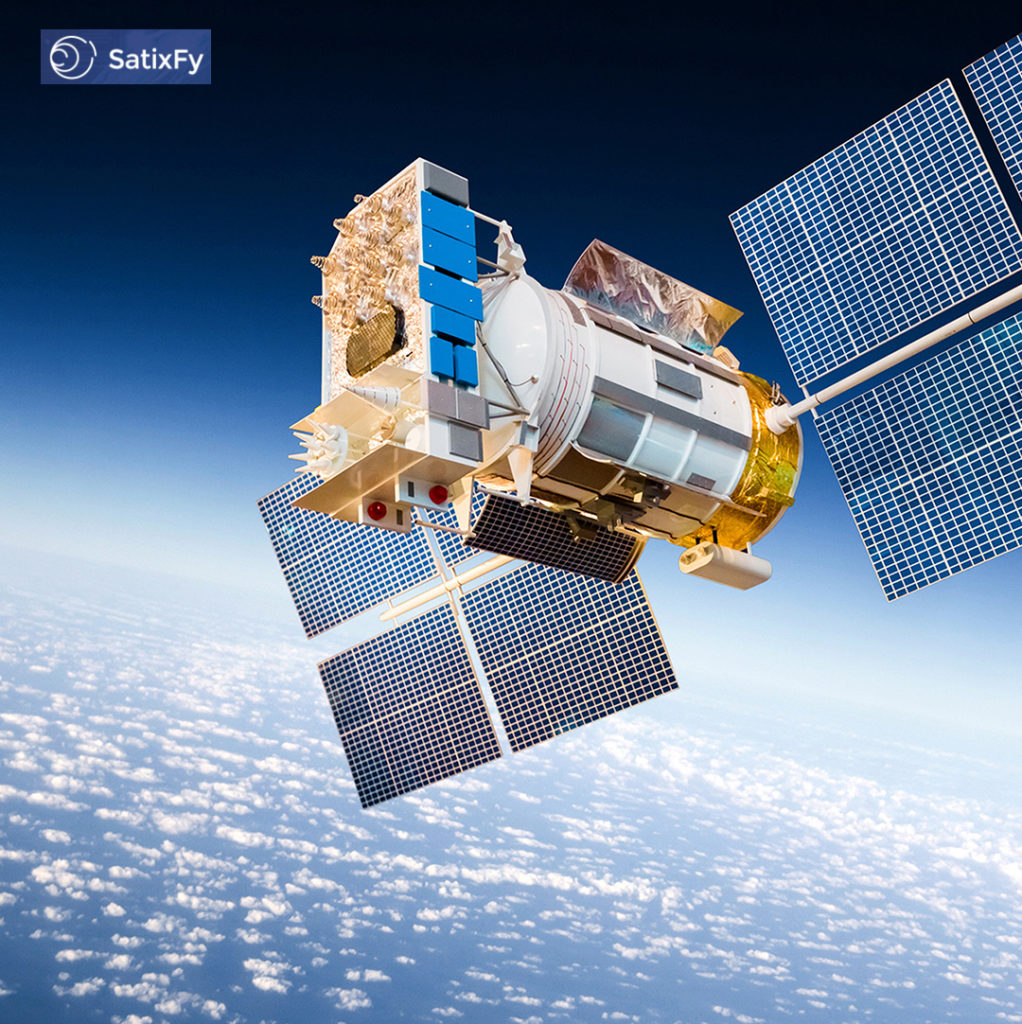
OneWeb has signed an agreement with SatixFy to develop a new In-Flight Connectivity (IFC) terminal that will work over the firm’s network as well as on GEO satellite networks.

SatixFy UK has formed a Joint Venture with Singapore Technology Engineering Ltd. (ST Engineering), called JetTalk, to exclusively commercialize the IFC terminal for Commercial Aviation markets.

The agreement reaffirms OneWeb’s ambitions in the global aerospace arena as the company sets out its roadmap to support commercial, regional, business and government aviation users. 

The IFC terminal will access OneWeb’s LEO constellation and deliver a ‘home-equivalent’ inflight broadband experience, while also allowing operators to complement their legacy GEO service. The product is based on SatixFy’s Electronically Steered Multi-beam Antenna (ESMA) technology, developed together with JetTalk and provides multi-beam capability and operates simultaneously on multiple LEO and GEO satellites.

SatixFy has recently completed the development of Tx tile of 576 elements and Rx tile of 1024 elements that can be used as building blocks for the planned terminal. The tiles, which have been co-developed together with JetTalk, have completed initial testing and are currently being implemented inside a terminal product. The OneWeb IFC terminal will integrate the OneWeb modem as well as a GEO network one, inside the terminal.

Ben Griffin, VP Mobility at OneWeb, said, “OneWeb is creating IFC solutions which offer a significant increase in the whole passenger traveling experience. This agreement with SatixFy represents a major milestone for OneWeb Aviation, as we plot our path to facilitating onboard connectivity, globally, on commercial airliners and corporate jets, large and small.”

“The ability to deploy multi-beam, multi-satellite, multi-orbit IFC terminals is key in SatixFy’s offering developed in partnership with ST Engineering through our Joint Venture – JetTalk,” said Yoel Gat, SatixFy’s CEO. “Aggregating capacity from multiple satellites will give customers the grade of service they expect on flights. This great leap forward is made possible thanks to the continuous support by ESA and UK Space Agency.”

Catherine Mealing-Jones, Director of Growth at the UK Space Agency, said, “The last year has shown connectivity has never been more important to our daily lives, and it is exciting to see SatixFy and OneWeb working together to provide aircraft with broadband internet for the first time. The new aviation terminal will make use of the Prime, Beat and Sx3099 ASIC chips developed with UK Space Agency backing, showing how supporting our most innovative companies leads to results that make a real difference for people all over the world.”

Elodie Viau, Director of Telecommunications and Integrated Applications at ESA, said, “Space and satellites are becoming increasingly important to the digital economy and there is a need to get data all the time and everywhere – even on board a plane. ESA is proud to have supported SatixFy in the design of the chips used for this terminal – enabling the digital transformation of society using telecommunications satellites.”

Filed Under: News

They Go Up So Fast… Rocket Lab Launch Update…

March 22, 2021 by editorial

The Rocket Lab launch team is gearing up for the company’s 19th mission, that being a rideshare launch taking place from Rocket Lab Launch Complex 1 on New Zealand’s Mahia Peninsula as early as tomorrow, March 22, with the launch window ranging from 22:20 to 23:30 UTC, 18:20 to 19:30 ET and 15:20 to 16:30 PT, and March 23, from 11:20 to 12:30, New Zealand Time. The launch opportunities will continue through March 31st, should such become a necessity.

Rocket Lab’s Launch Complex 1 in New Zealand.

Rocket Lab’s 19th Electron mission will deploy a range of satellites for commercial and government satellite operators, as well as place a next-generation Rocket Lab Photon spacecraft in orbit to build spacecraft heritage ahead of Rocket Lab’s mission to the Moon for NASA later this year. 

 Seven satellites feature on the mission manifest, including:

  • An Earth Observation (EO) satellite for BlackSky via launch services provider Spaceflight Inc. — BlackSky will include a single Earth observation smallsat. This is the seventh launch of a Gen-2 spacecraft to date. Spaceflight arranged the launch and is providing mission management and integration services for BlackSky.
  • Two Internet-Of-Things (IoT) nanosatellites for companies Fleet Space and Myriota, procured by Tyvak — Centauri 3 is a newly-designed 6U smallsat that will join Fleet Space’s planned constellation of 140 Industrial Internet of Things (IIoT) satellites in LEO. Designed for use in the energy, utilities, and resource industries, the Centauri 3 will also test new hardware and space systems developed by Fleet Space that will support the 2023 Seven Sisters mission, a resource exploration mission by an Australian team of space, remote operations, and resource exploration companies that will launch smallsats and sensors to develop new resource exploration techniques for Earth, the Moon, and Mars, in support of NASA’s Artemis Program. Myriota 7 is the latest addition to that company’s satellite constellation and forms part of a crucial next step for the business as the firm moves toward near-real time connectivity. This smallsat will support Myriota’s customers by further improving the existing service that provides access to data from anywhere on Earth. Myriota’s long battery life and direct-to-orbit connectivity supports products from technology partners servicing a wide range of industries including utilities, transport and logistics, supply chain, agriculture, mining and defence.
  • A technology demonstration satellite for the University of New South Wales (UNSW) Canberra Space — This spacecraft from the University of New South Wales Canberra Space, in collaboration with the Royal Australian Air Force, will bring together emerging technologies that deliver advanced capabilities in earth observation, maritime surveillance, quantum computing, advanced AI, and laser communications. M2 follows on from the successful M2 Pathfinder mission deployed in June 2020 on Rocket Lab’s 12th mission, ‘Don’t Stop Me Now’.
  • A weather satellite pathfinder technology demonstration from Care Weather technologies — The Veery Hatchling mission will test Care Weather’s vertically-integrated satellite power, computing, and avionics systems in a 1U cubesat. This smallsat paves the way for Care Weather’s future constellation of scatterometric radar weather satellites capable of producing hourly maps of global wind speed and direction over the surface of the ocean. Veery Hatchling is the first step in Care Weather’s mission to save lives and livelihoods by better forecasting Earth’s extreme weather.
  • A technology demonstrator for the U.S. Army’s Space and Missile Defense Command (SMDC) through launch integration and program management services provider, TriSept — TriSept procured the rideshare slot on Electron for the U.S. Army’s Space and Missile Defense Command (SMDC). Gunsmoke-J is an experimental 3U cubesat that will test technologies that support development of new capabilities for the U.S Army.
  • The final payload on this mission is Rocket Lab’s in-house designed and built Photon Pathstone. The spacecraft will operate on orbit as a risk reduction demonstration to build spacecraft heritage ahead of Rocket Lab’s mission to the Moon for NASA later this year, as well as Rocket Lab’s private mission to Venus in 2023.

Photon Pathstone will demonstrate power management, thermal control, and attitude control subsystems, as well as newly-integrated technologies including deep-space radio capability, an upgraded RCS (reaction control system) for precision pointing in space, and sun sensors and star trackers. Pathstone is the second Photon spacecraft to be deployed to orbit, following the launch of Photon First Light in August of 2020.

Filed Under: News

  • « Go to Previous Page
  • Page 1
  • Interim pages omitted …
  • Page 47
  • Page 48
  • Page 49
  • Page 50
  • Page 51
  • Interim pages omitted …
  • Page 65
  • Go to Next Page »

Primary Sidebar

WEEKLY NEWSLETTER

Archives

  • August 2026
  • July 2026
  • June 2026
  • May 2026
  • April 2026
  • March 2026
  • February 2026
  • January 2026
  • December 2025
  • November 2025
  • October 2025
  • September 2025
  • August 2025
  • July 2025
  • June 2025
  • May 2025
  • April 2025
  • March 2025
  • February 2025
  • January 2025
  • December 2024
  • November 2024
  • October 2024
  • September 2024
  • August 2024
  • July 2024
  • June 2024
  • May 2024
  • April 2024
  • March 2024
  • February 2024
  • January 2024
  • December 2023
  • November 2023
  • October 2023
  • September 2023
  • August 2023
  • July 2023
  • June 2023
  • May 2023
  • April 2023
  • March 2023
  • February 2023
  • January 2023
  • December 2022
  • November 2022
  • October 2022
  • September 2022
  • August 2022
  • July 2022
  • June 2022
  • May 2022
  • April 2022
  • March 2022
  • February 2022
  • January 2022
  • December 2021
  • November 2021
  • October 2021
  • September 2021
  • August 2021
  • July 2021
  • June 2021
  • May 2021
  • April 2021
  • March 2021
  • February 2021
  • January 2021
  • December 2020
  • November 2020
  • October 2020
  • September 2020
  • August 2020
  • July 2020
  • June 2020
  • May 2020
  • April 2020
  • March 2020
  • February 2020
  • January 2020
  • December 2019
  • November 2019
  • October 2019

© 2019–2026 SatNews

Insert/edit link

Enter the destination URL

Or link to existing content

    No search term specified. Showing recent items. Search or use up and down arrow keys to select an item.
      x
      Sign Up Now!

      Enjoy a free weekly newsletter with recent headlines from the global SmallSat industry.

      Invalid email address
      We promise not to spam you. You can unsubscribe at any time.
      Thanks for subscribing! You will now receive weekly SmallSat News updates.
      We love our advertisers.
      And you will too!

      Please disable Ad Blocker to continue... We promise to keep it unobtrusive.
      We promise not to spam you. You can unsubscribe at any time.
      Invalid email address
      Thanks for subscribing!