• Skip to main content
  • Skip to primary sidebar
  • Home
  • News
  • Featured
  • More News ⌄
    • SatNews
    • SatMagazine
    • MilSatMagazine
  • Events ⌄
    • MilSat Symposium
    • SmallSat Symposium
    • Satellite Innovation
  • Contacts
  • SUBSCRIPTION

SmallSat News

You are here: Home / Archives for 2022

Archives for 2022

UPDATE 2: NASA’s Hubble Spots twin tails in new image following the DART Impact

October 21, 2022 by editorial

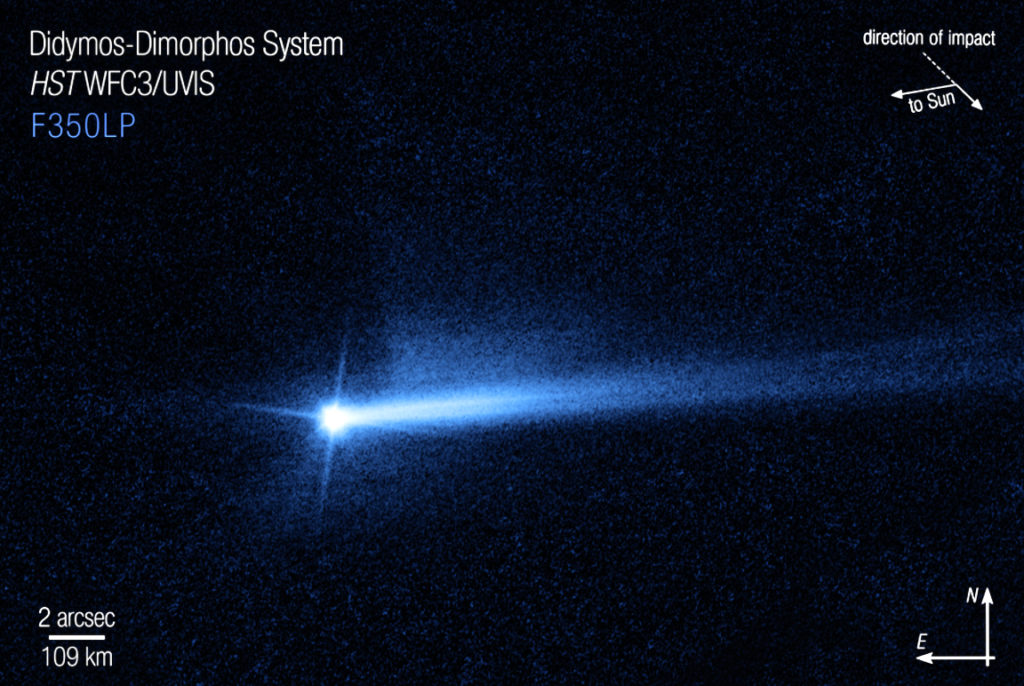
At the top right of the image, there are arrows indicating the direction of impact by the DART spacecraft. The direction of impact arrow points in the 10 o’clock direction. The ‘to Sun’ arrow points in the 8 o’clock direction. Following impact, Hubble made 18 observations of the system. Imagery indicates the second tail formed between Oct. 2 and Oct. 8. At the bottom right are compass arrows indicating the orientation of the image on the sky. The north arrow points in the directly straight up. The east arrow points to the left in the 9 o’clock direction. In the top left corner of each image are the filters used to create the image. For Hubble, F350LP is blue.
Credits: NASA, ESA, STScI, Jian-Yang Li (PSI); Image Processing: Joseph DePasquale

Two tails of dust ejected from the Didymos-Dimorphos asteroid system are seen in new images from NASA’s Hubble Space Telescope, documenting the lingering aftermath of NASA’s Double Asteroid Redirection Test (DART) impact.

The DART spacecraft impacted Dimorphos, a small moonlet of Didymos, on September 26 in a planetary defense test to change Dimorphos’ orbit by crashing into it. Current data show that DART shortened Dimorphos’ original 11 hour and 55 minute orbit around Didymos by about 32 minutes.

At the top right of the image, there are arrows indicating the direction of impact by the DART spacecraft. The direction of impact arrow points in the 10 o’clock direction. The ‘to Sun’ arrow points in the 8 o’clock direction.

Following impact, Hubble made 18 observations of the system. Imagery indicates the second tail formed between Oct. 2 and Oct. 8.

At the bottom right are compass arrows indicating the orientation of the image on the sky. The north arrow points in the directly straight up. The east arrow points to the left in the 9 o’clock direction.

Repeated observations from Hubble over the last several weeks have allowed scientists to present a more complete picture of how the system’s debris cloud has evolved over time. The observations show that the ejected material, or “ejecta,” has expanded and faded in brightness as time went on after impact, largely as expected. The twin tail is an unexpected development, although similar behavior is commonly seen in comets and active asteroids. The Hubble observations provide the best-quality image of the double-tail to date.

Following impact, Hubble made 18 observations of the system. Imagery indicates the second tail formed between October 2 and October 8.

The relationship between the comet-like tail and other ejecta features seen at various times in images from Hubble and other telescopes is still unclear, and is something the Investigation Team is currently working to understand. The northern tail is newly developed. In the coming months, scientists will be taking a closer look at the data from Hubble to determine how the second tail developed. There are a number of possible scenarios the team will investigate.

The Hubble data were collected as part of Cycle 29 General Observers Program 16674.

The Hubble Space Telescope is a project of international cooperation between NASA and ESA. NASA’s Goddard Space Flight Center in Greenbelt, Maryland, manages the telescope. The Space Telescope Science Institute (STScI) in Baltimore, Maryland, conducts Hubble and Webb science operations. STScI is operated for NASA by the Association of Universities for Research in Astronomy, in Washington, D.C. News story edited by NASA editor Andrea Gianopoulos.

Update 1 posting…
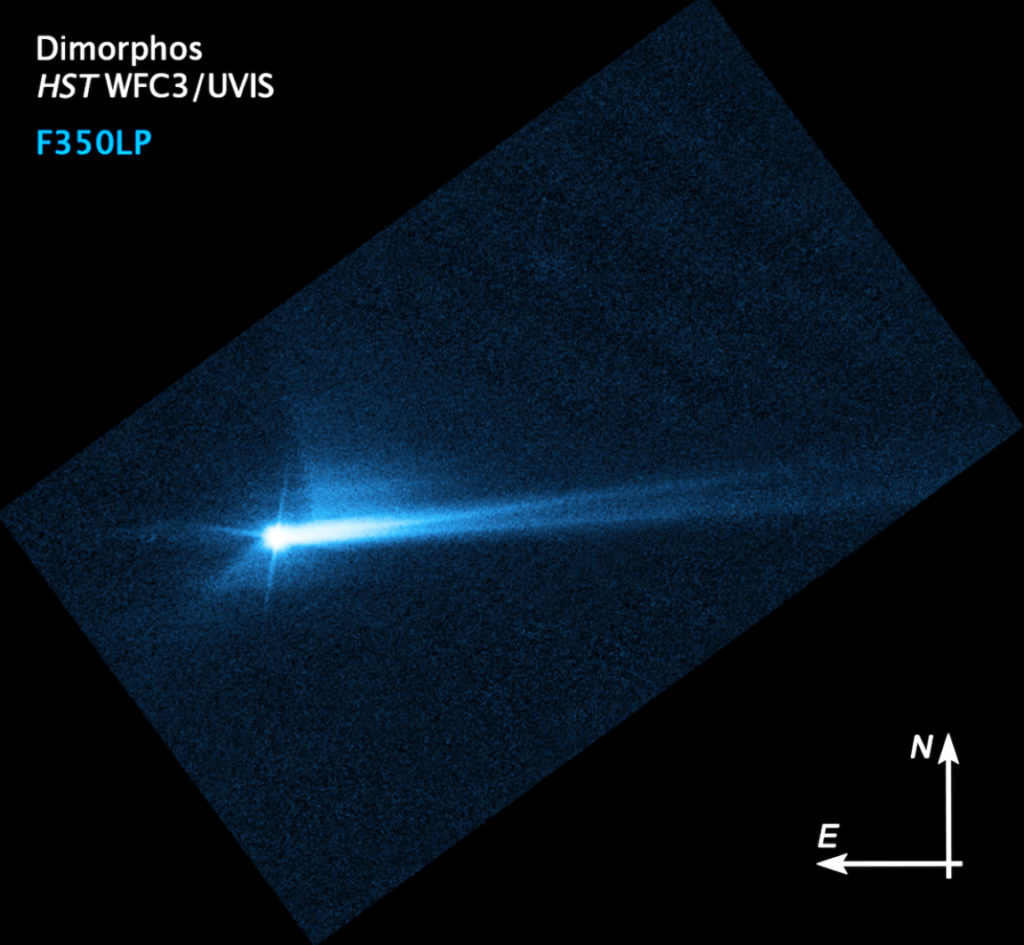
This imagery from NASA’s Hubble Space Telescope from Oct. 8, 2022, shows the debris blasted from the surface of Dimorphos 285 hours after the asteroid was intentionally impacted by NASA’s DART spacecraft on Sept. 26. The shape of that tail has changed over time. Scientists are continuing to study this material and how it moves in space, in order to better understand the asteroid.Credits: NASA/ESA/STScI/Hubble

Analysis of data obtained over the past two weeks by NASA’s Double Asteroid Redirection Test (DART) investigation team shows the spacecraft’s kinetic impact with its target asteroid, Dimorphos, successfully altered the asteroid’s orbit. This marks humanity’s first time purposely changing the motion of a celestial object and the first full-scale demonstration of asteroid deflection technology.

“All of us have a responsibility to protect our home planet. After all, it’s the only one we have,” said NASA Administrator, Bill Nelson. “This mission shows that NASA is trying to be ready for whatever the universe throws at us. NASA has proven we are serious as a defender of the planet. This is a watershed moment for planetary defense and all of humanity, demonstrating commitment from NASA’s exceptional team and partners from around the world.”

Prior to DART’s impact, it took Dimorphos 11 hours and 55 minutes to orbit its larger parent asteroid, Didymos. As DART’s intentional collision with Dimorphos on September 26th, astronomers have been using telescopes on Earth to measure how much that time has changed. Now, the investigation team has confirmed the spacecraft’s impact altered Dimorphos’ orbit around Didymos by 32 minutes, shortening the 11 hour and 55-minute orbit to 11 hours and 23 minutes. This measurement has a margin of uncertainty of approximately plus or minus 2 minutes.

Before its encounter, NASA had defined a minimum successful orbit period change of Dimorphos as change of 73 seconds or more. This early data show DART surpassed this minimum benchmark by more than 25 times.  

“This result is one important step toward understanding the full effect of DART’s impact with its target asteroid,” said Lori Glaze, director of NASA’s Planetary Science Division at NASA Headquarters in Washington. “As new data come in each day, astronomers will be able to better assess whether, and how, a mission like DART could be used in the future to help protect Earth from a collision with an asteroid if we ever discover one headed our way.”

The investigation team is still acquiring data with ground-based observatories around the world – as well as with radar facilities at NASA Jet Propulsion Laboratory’s Goldstone planetary radar in California and the National Science Foundation’s Green Bank Observatory in West Virginia. They are updating the period measurement with frequent observations to improve its precision.

Focus now is shifting toward measuring the efficiency of momentum transfer from DART’s roughly 14,000-mile (22,530-kilometer) per hour collision with its target. This includes further analysis of the “ejecta” – the many tons of asteroidal rock displaced and launched into space by the impact. The recoil from this blast of debris substantially enhanced DART’s push against Dimorphos – a little like a jet of air streaming out of a balloon sends the balloon in the opposite direction.

To successfully understand the effect of the recoil from the ejecta, more information on of the asteroid’s physical properties, such as the characteristics of its surface, and how strong or weak it is, is needed. These issues are still being investigated.

“DART has given us some fascinating data about both asteroid properties and the effectiveness of a kinetic impactor as a planetary defense technology,” said Nancy Chabot, the DART coordination lead from the Johns Hopkins Applied Physics Laboratory (APL) in Laurel, Maryland. “The DART team is continuing to work on this rich dataset to fully understand this first planetary defense test of asteroid deflection.”

For this analysis, astronomers will continue to study imagery of Dimorphos from DART’s terminal approach and from the Light Italian CubeSat for Imaging of Asteroids (LICIACube), provided by the Italian Space Agency, to approximate the asteroid’s mass and shape. Roughly four years from now, the European Space Agency’s Hera project is also planned to conduct detailed surveys of both Dimorphos and Didymos, with a particular focus on the crater left by DART’s collision and a precise measurement of Dimorphos’ mass.

Johns Hopkins APL built and operated the DART spacecraft and manages the DART mission for NASA’s Planetary Defense Coordination Office as a project of the agency’s Planetary Missions Program Office. Telescopic facilities contributing to the observations used by the DART team to determine this result include: Goldstone, Green Bank Observatory, Swope Telescope at the Las Campanas Observatory in Chile, the Danish Telescope at the La Silla Observatory in Chile, and the Las Cumbres Observatory global telescope network facilities in Chile and in South Africa.

NOTE: Neither Dimorphos nor Didymos poses any hazard to Earth before or after DART’s controlled collision with Dimorphos.

Original posting…
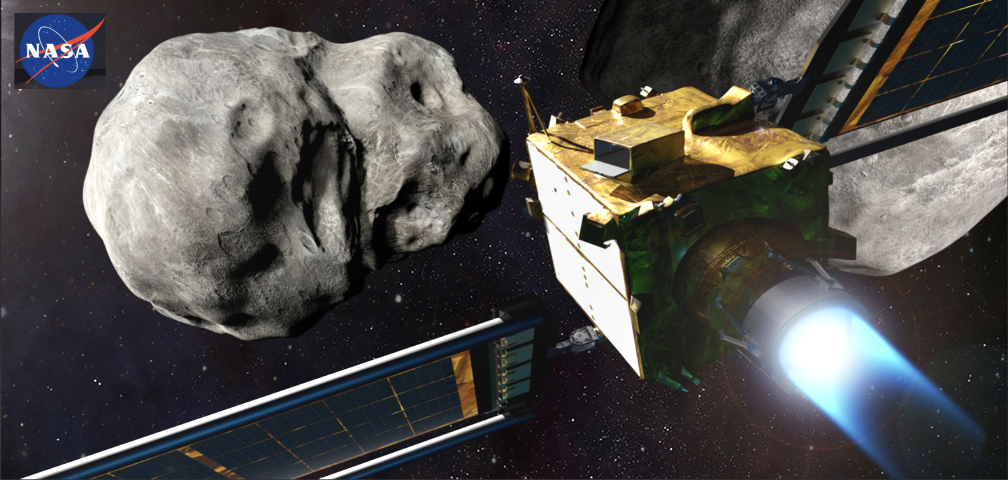
After 10 months flying in space, NASA’s Double Asteroid Redirection Test (DART) – the world’s first planetary defense technology demonstration – successfully impacted its asteroid target on Monday, the agency’s first attempt to move an asteroid in space.
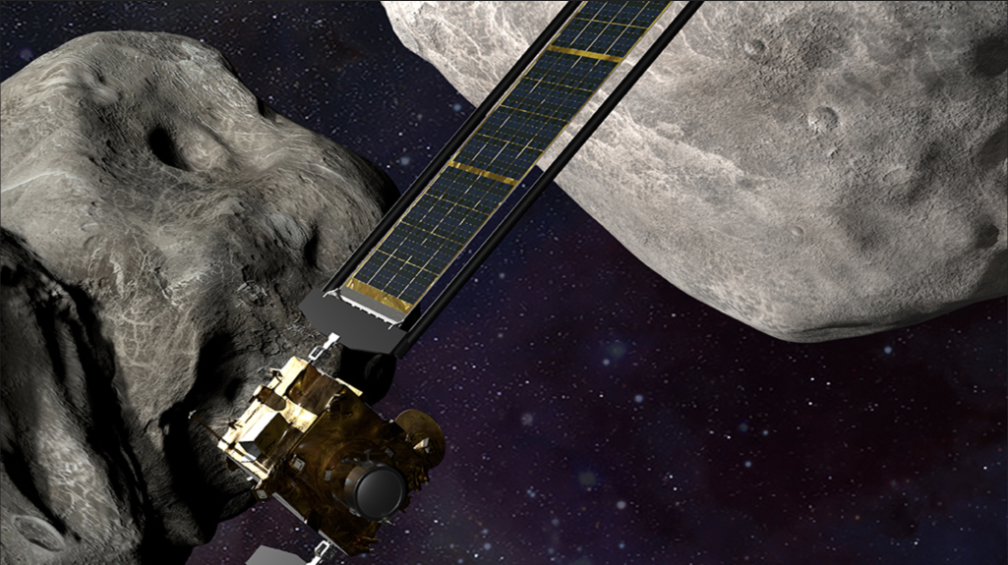
The smallsat companion aboard NASA’s Double Asteroid Redirection Test (DART) — LICIACube from the Italian Space Agency — successfully separates from the main spacecraft, popping out of its spring-loaded box to capture valuable information about DART’s impact into an asteroid to forward information that will assist with future planetary defense efforts. Image is courtesy of Johns Hopkins Applied Physics Laboratory.

Mission control at the Johns Hopkins Applied Physics Laboratory (APL) in Laurel, Maryland, announced the successful impact at 7:14 p.m. EDT.
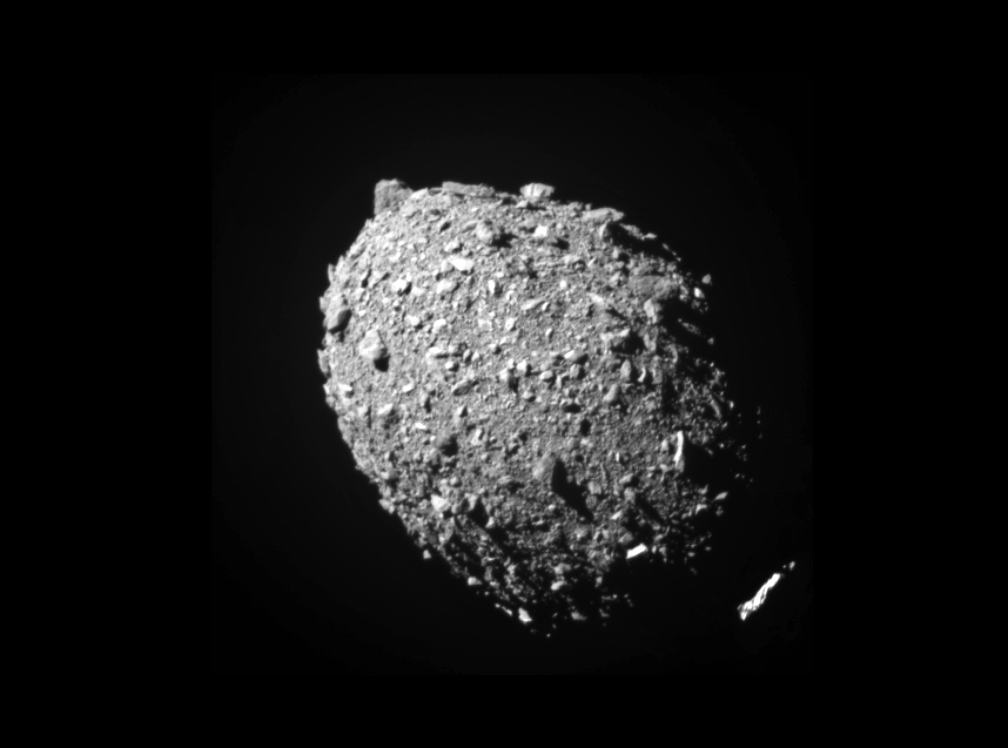
Asteroid moonlet Dimorphos as seen by the DART spacecraft 11 seconds before impact. DART’s onboard DRACO imager captured this image from a distance of 42 miles (68 kilometers). This image was the last to contain all of Dimorphos in the field of view. Dimorphos is roughly 525 feet (160 meters) in length. Dimorphos’ north is toward the top of the image.

As a part of NASA’s overall planetary defense strategy, DART’s impact with the asteroid Dimorphos demonstrates a viable mitigation technique for protecting the planet from an Earth-bound asteroid or comet, if one were discovered.

“At its core, DART represents an unprecedented success for planetary defense, but it is also a mission of unity with a real benefit for all humanity,” said NASA Administrator, Bill Nelson. “As NASA studies the cosmos and our home planet, we’re also working to protect that home, and this international collaboration turned science fiction into science fact, demonstrating one way to protect Earth.”
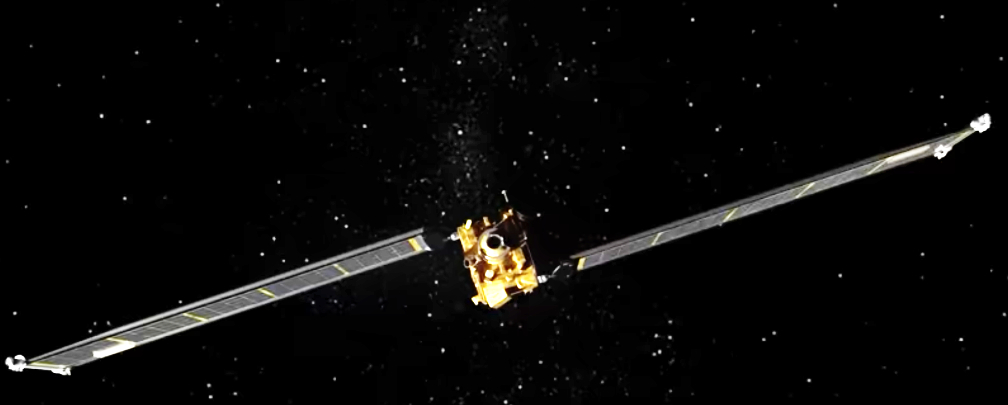
NASA’s DART spacecraft. Image is courtesy of Johns Hopkins Applied Physics Laboratory.

DART targeted the asteroid moonlet Dimorphos, a small body just 530 feet (160 meters) in diameter. It orbits a larger, 2,560-foot (780-meter) called Didymos — neither asteroid poses a threat to Earth.
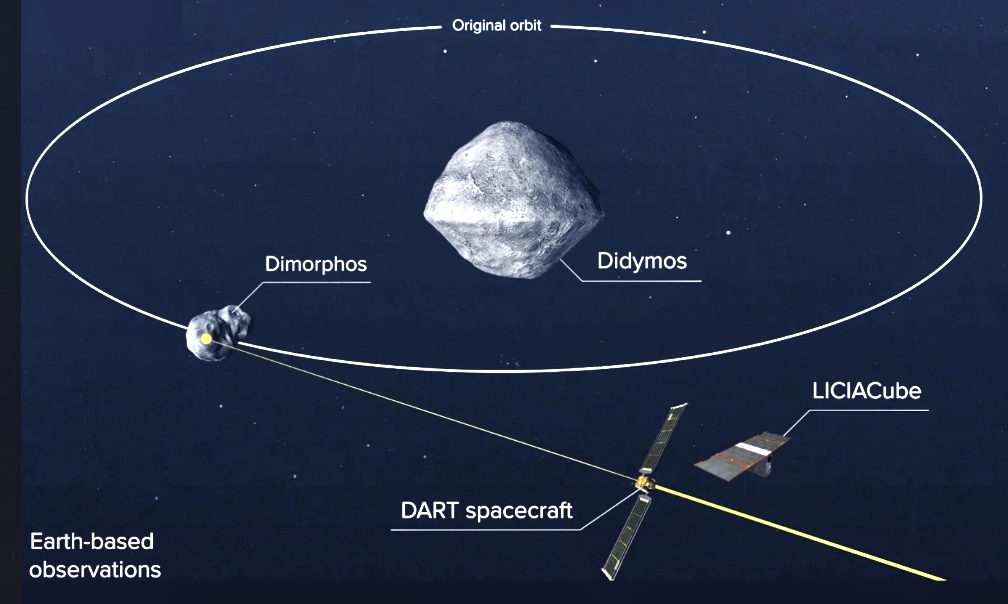
The mission’s one-way trip confirmed NASA can successfully navigate a spacecraft to intentionally collide with an asteroid to deflect it, a technique known as kinetic impact.

The investigation team will now observe Dimorphos using ground-based telescopes to confirm that DART’s impact altered the asteroid’s orbit around Didymos. Researchers expect the impact to shorten Dimorphos’ orbit by about 1%, or roughly 10 minutes; precisely measuring how much the asteroid was deflected is one of the primary purposes of the full-scale test.

“Planetary Defense is a globally unifying effort that affects everyone living on Earth,” said Thomas Zurbuchen, associate administrator for the Science Mission Directorate at NASA Headquarters in Washington. “Now we know we can aim a spacecraft with the precision needed to impact even a small body in space. Just a small change in its speed is all we need to make a significant difference in the path an asteroid travels.”

The spacecraft’s sole instrument, the Didymos Reconnaissance and Asteroid Camera for Optical navigation (DRACO), together with a sophisticated guidance, navigation and control system that works in tandem with Small-body Maneuvering Autonomous Real Time Navigation (SMART Nav) algorithms, enabled DART to identify and distinguish between the two asteroids, targeting the smaller body.

These systems guided the 1,260-pound (570-kilogram) box-shaped spacecraft through the final 56,000 miles (90,000 kilometers) of space into Dimorphos, intentionally crashing into it at roughly 14,000 miles (22,530 kilometers) per hour to slightly slow the asteroid’s orbital speed. DRACO’s final images, obtained by the spacecraft seconds before impact, revealed the surface of Dimorphos in close-up detail.

Fifteen days before impact, DART’s cubesat companion, the Light Italian CubeSat for Imaging of Asteroids (LICIACube), provided by the Italian Space Agency, deployed from the spacecraft to capture images of DART’s impact and of the asteroid’s resulting cloud of ejected matter. In tandem with the images returned by DRACO, LICIACube’s images are intended to provide a view of the collision’s effects to help researchers better characterize the effectiveness of kinetic impact in deflecting an asteroid. As LICIACube does not carry a large antenna, images will be downlinked to Earth one by one in the coming weeks.

“DART’s success provides a significant addition to the essential toolbox we must have to protect Earth from a devastating impact by an asteroid,” said Lindley Johnson, NASA’s Planetary Defense Officer. “This demonstrates we are no longer powerless to prevent this type of natural disaster. Coupled with enhanced capabilities to accelerate finding the remaining hazardous asteroid population by our next Planetary Defense mission, the Near-Earth Object (NEO) Surveyor, a DART successor could provide what we need to save the day.”

With the asteroid pair within 7 million miles (11 million kilometers) of Earth, a global team is using dozens of telescopes stationed around the world and in space to observe the asteroid system. Over the coming weeks, they will characterize the ejecta produced and precisely measure Dimorphos’ orbital change to determine how effectively DART deflected the asteroid. The results will help validate and improve scientific computer models critical to predicting the effectiveness of this technique as a reliable method for asteroid deflection.

“This first-of-its-kind mission required incredible preparation and precision, and the team exceeded expectations on all counts,” said APL Director, Ralph Semmel. “Beyond the truly exciting success of the technology demonstration, capabilities based on DART could one day be used to change the course of an asteroid to protect our planet and preserve life on Earth as we know it.”

Roughly four years from now, the European Space Agency’s Hera project will conduct detailed surveys of both Dimorphos and Didymos, with a particular focus on the crater left by DART’s collision and a precise measurement of Dimorphos’ mass.

Johns Hopkins APL manages the DART mission for NASA’s Planetary Defense Coordination Office as a project of the agency’s Planetary Missions Program Office.


Filed Under: News

UPDATE 1: SpaceX sends Starlinks spaceward

October 20, 2022 by editorial

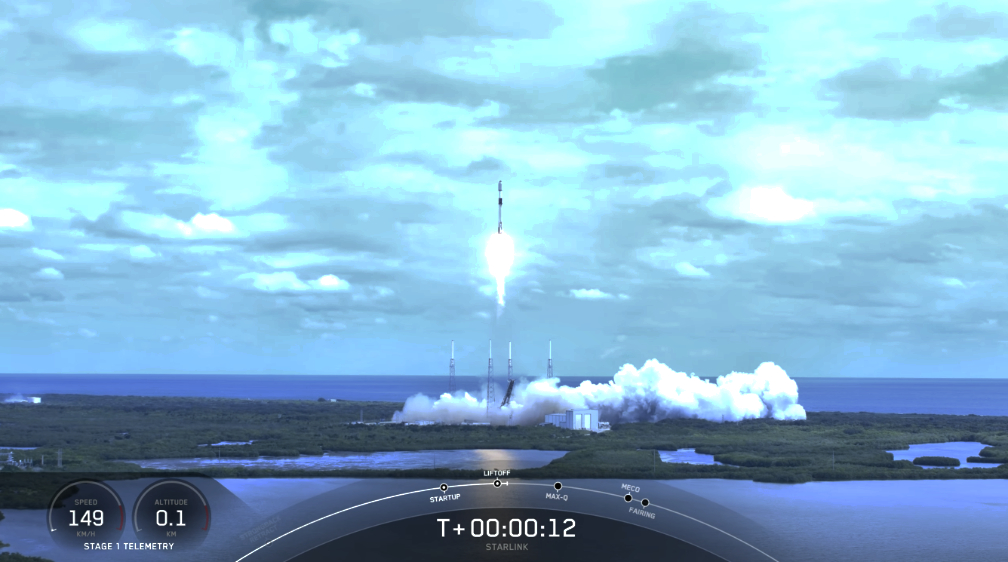
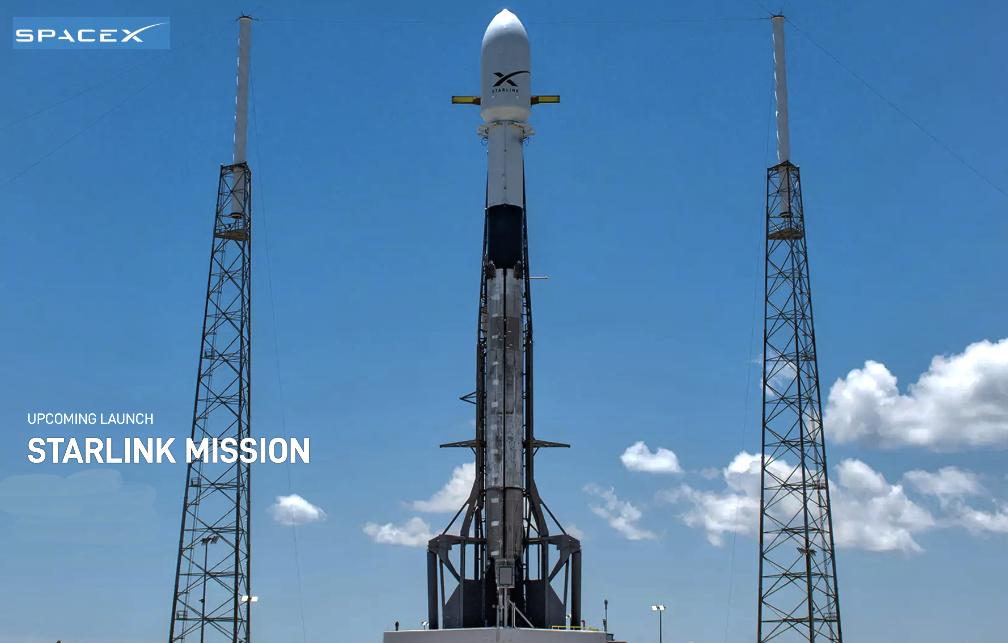
SpaceX has successfully launched 54 Starlink smallsats from Space Launch Complex 40 (SLC- 40) at Cape Canaveral Space Force Station in Florida.

The first stage booster supporting this mission previously launched GPS III Space Vehicle 04, GPS III Space Vehicle 05, Inspiration4, Ax-1, Nilesat 301, and four Starlink missions.

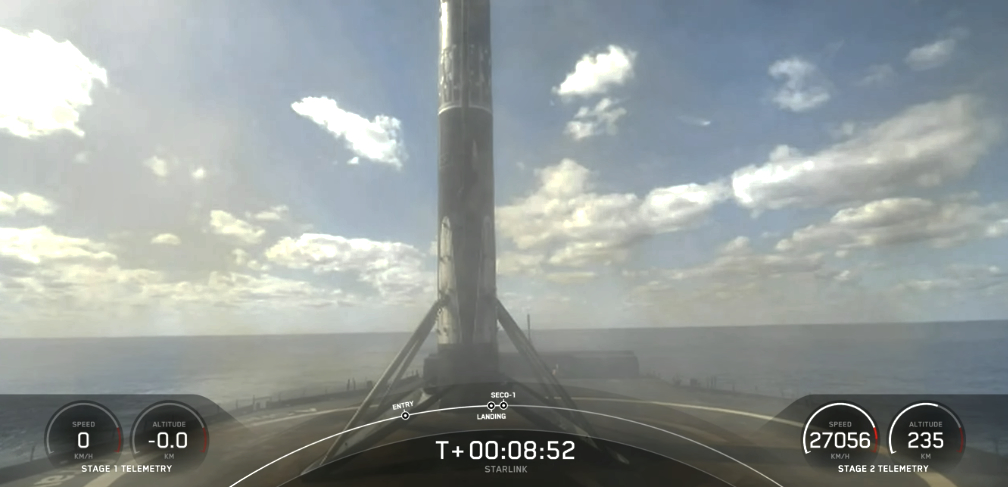
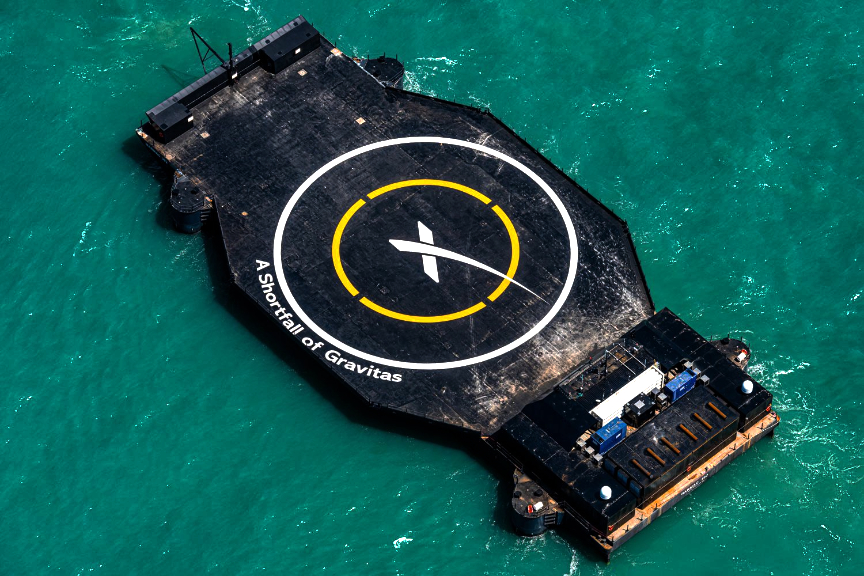
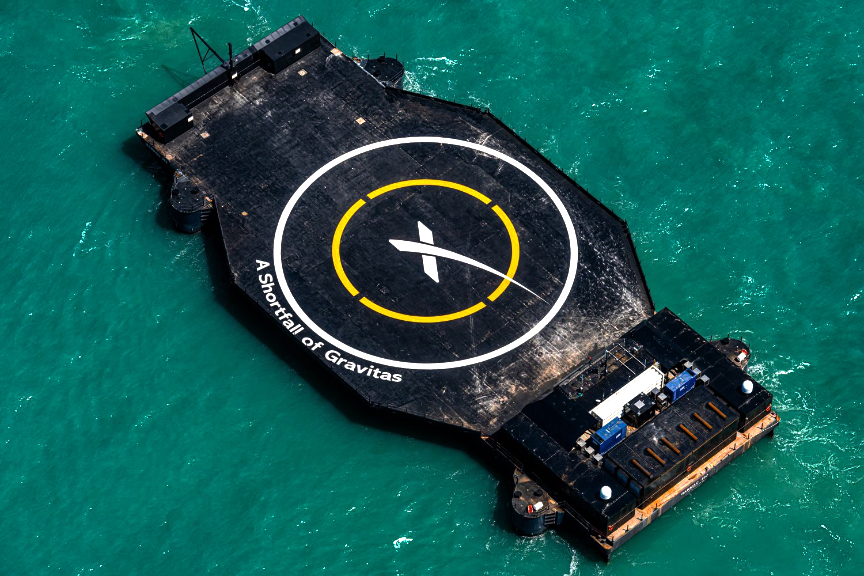
Following stage separation, the first stage accomplished a perfect landing on the A Shortfall of Gravitas droneship stationed in the Atlantic Ocean.

Filed Under: News

D-Orbit’s has a contract with Elecnor Deimos for the IAC ALISIO-1 launch

October 20, 2022 by editorial

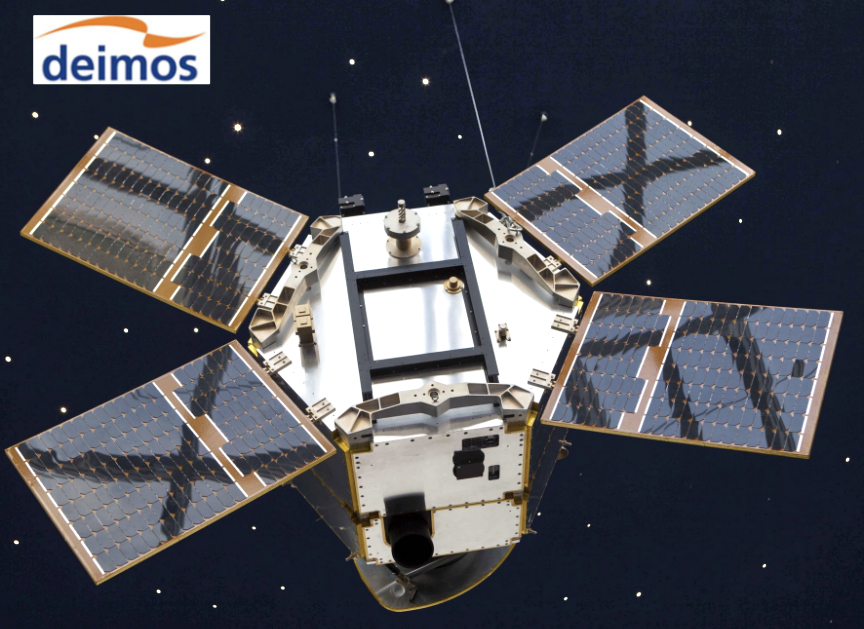
D-Orbit, in collaboration with Elecnor Deimos, now has a contract for the launch and deployment of ALISIO-1, a 6U cubesat procured by the Instituto de Astrofísica de Canarias (IAC).

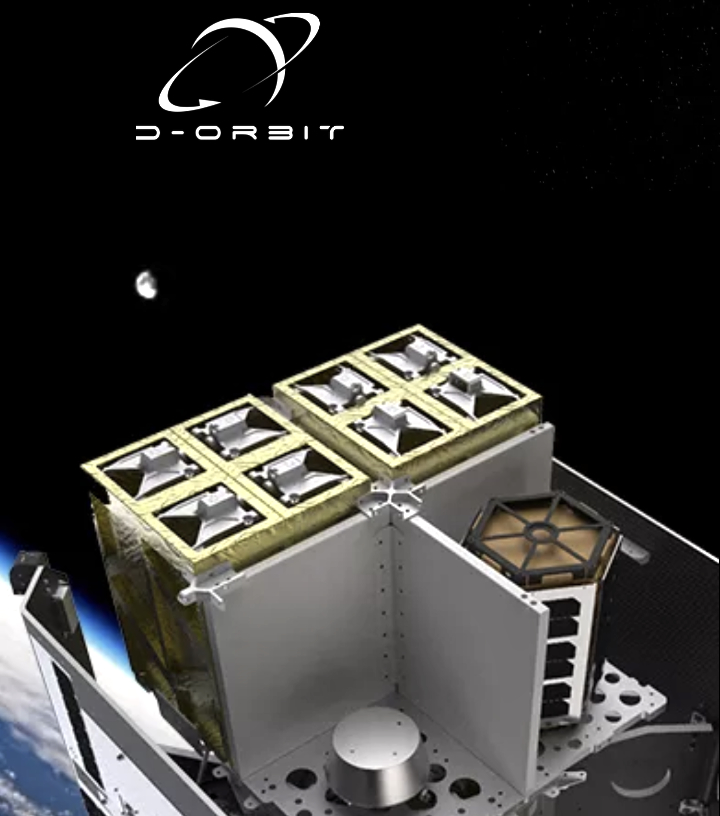
ALISIO-1 will be released from the ION Satellite Carrier, D-Orbit’s flexible and cost-effective satellite platform that is able to precisely deploy satellites in orbit and facilitate the testing of new technologies in space.

The satellite’s payload, fully developed by IAC, is an upgraded version of DRAGO (Demonstrator for Remote Analysis of Ground Observations), a short-wave, infrared (SWIR) space camera that is able to acquire images in the range between 1 and 1.7 microns. An earlier version of DRAGO was integrated as a third-party payload on D-Orbit’s orbital transportation vehicle ION Satellite Carrier SCV002, and successfully tested on-orbit in March of 2021.

The new version of the payload, named DRAGO-2, will reduce the ground sampling distance (GSD), which is a metric for photogrammetry and measurements in drone mapping and surveying projects, down to about 50 meters.

ALISIO-1 is IAC’s first satellite and the mission consists of taking medium-high resolution, SWIR images for environmental studies on desertification, oil spills and wildfires impact. The target orbit for this mission is a 500 to 700 km. SSO orbit and is scheduled to launch iin Q3 2023.

“We are very glad that Instituto de Astrofísica de Canarias chose to work with us once more, this time as a launch partner,” said Renato Panesi, D-Orbit’s Co-founder and Chief Commercial Officer. “This kind of affordable high performance space missions would have been unconceivable just a few years ago. We are proud to partner with them and Elecnor Deimos Space and launch the first Canary Island satellite.”

“With the launch and deployment of IAC’s ALISIO-1 we will have a better insight of the requirements needed for the next Earth and astronomy missions, through the application of state-of-the-art technologies,” said Pablo Morillo, Elecnor Deimos Satellite Systems Director. “This collaboration is also another example of the strong and enduring cooperation we are building with D-Orbit in small satellites deployment using Space Tugs, representing a step further in our commercial strategy for future complex constellations.”

D-Orbit offers space logistics and transportation services industry and has a track record of space-proven services, technologies and successful missions. Founded in 2011, D-Orbit is the first company addressing the logistics needs of the space market. ION Satellite Carrier, for example, is a space vehicle that can transport satellites in orbit and release them individually into distinct orbital slots, reducing the time from launch to operations by up to 85% and the launch costs of an entire satellite constellation by up to 40%. ION can also accommodate multiple third-party payloads like innovative technologies developed by startups, experiments from research entities, and instruments from traditional space companies requiring a test in orbit. The whole, fully redundant ION can be rented for edge computing applications and space cloud services to provide satellite operators with storage capacity and advanced computing capabilities in orbit.

Filed Under: News

SpaceX to launch 54 Starlinks on October 20th.

October 20, 2022 by editorial

SpaceX is targeting Thursday, October 20th., for a Falcon 9 launch of 54 Starlink satellites to LEO from Space Launch Complex 40 (SLC-40) at Cape Canaveral Space Force Station in Florida.

The instantaneous launch window is at 10:50 a.m., ET (14:50 UTC), and a backup opportunity is available on Friday, October 21st., at 10:29 a.m., ET (14:29 UTC).

The first stage booster supporting this mission previously launched GPS III Space Vehicle 04, GPS III Space Vehicle 05, Inspiration4, Ax-1, Nilesat 301, and four Starlink missions.

Following stage separation, the first stage will land on the A Shortfall of Gravitas droneship, which will be stationed in the Atlantic Ocean.

Watch the live launch webcast starting about 5 minutes before liftoff at this direct link…

Filed Under: News

Southern Launch’s measures in place for public safety for the company’s upcoming launch from Whalers Way Orbital Launch Complex in Australia

October 19, 2022 by editorial

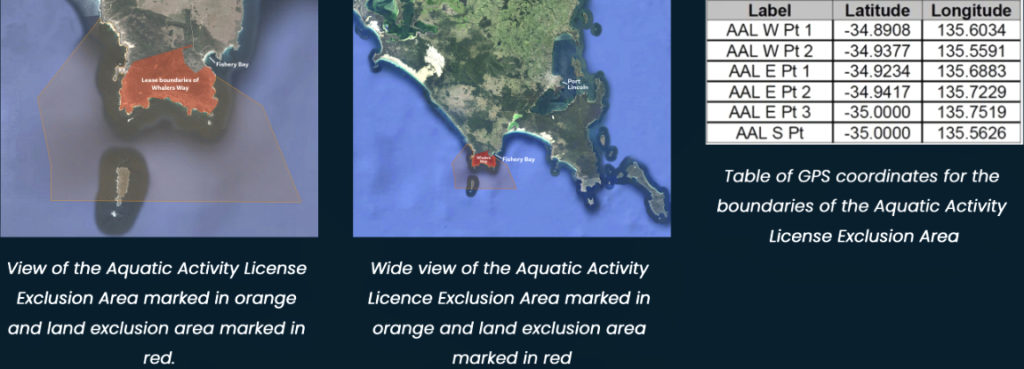
Southern Launch has confirmed the exclusion areas that will be in place to ensure public safety for the second launch of the Eco Test campaign that will launch from the Whalers Way Orbital Launch Complex in Australia in November. The exclusion areas will cover land, air and sea to ensure public safety.

On the land, an exclusion area will be established around Southern Launch’s Whalers Way Orbital Launch Complex. The exclusion area does not extend beyond the private land used by Southern Launch for launch activities.

In the air, Southern Launch works with the Civil Aviation Safety Authority (CASA) to establish a Temporary Restricted Area (TRA) that will be in place during the launch campaign. The TRA applies to aircraft and drone users of the airspace. Detailed information about the TRA will be published through Airservices Australia.

For the sea, Southern Launch has worked with the Government of South Australia to establish an Aquatic Activity License that temporarily restricts access to the coastal waters around the launch complex on any planned day of launch. This will be in place for the minimum amount of time possible whilst maintaining public safety. Downrange maritime risk over the Southern Ocean will be bounded by a Notice to Mariners published by the Australian Hydrographic Office.

Additionally, Southern Launch, last September, engaged in a sharing partnership that enables liaising with the United State Space Command and their Earth orbiting object tracking systems to make certain the company’s launch vehicles will avoid on-orbit and other space objects.

Southern Launch has engaged and consulted with key industry advocacy groups to minimize the impact on the local aquaculture industry and has a dedicated Area Controller that communicates with airspace users and commercial maritime operators on the day of launch to help them navigate around the restricted areas.

Fishery Bay is not included in any launch exclusion areas.

Southern Launch CEO, Lloyd Damp, said, “The restricted areas for our launch campaigns are granted by government bodies at a local, state and federal level. We work closely with regulators, commercial air and marine operators to design the most efficient safety exclusion zones around our launch sites that enable ongoing access to recreational facilities while also maintaining commercial operations in the area. We appreciate the collaborative approach the local fishing industry has taken in the lead up to this launch. It shows that the space industry and aquaculture industry can work alongside each other to bring a new industry and local jobs to the Eyre Peninsula economy.”

Public viewing areas of the launch will be located at a safe distance from the launch facilities. Follow Southern Launch social media pages for the most up-to-date information.

Filed Under: News

Mynaric’s optical communications terminals will provide Northrop Grumman with part of the Space Developmet Agency’s Tranche 1 tracking layer program

October 19, 2022 by editorial

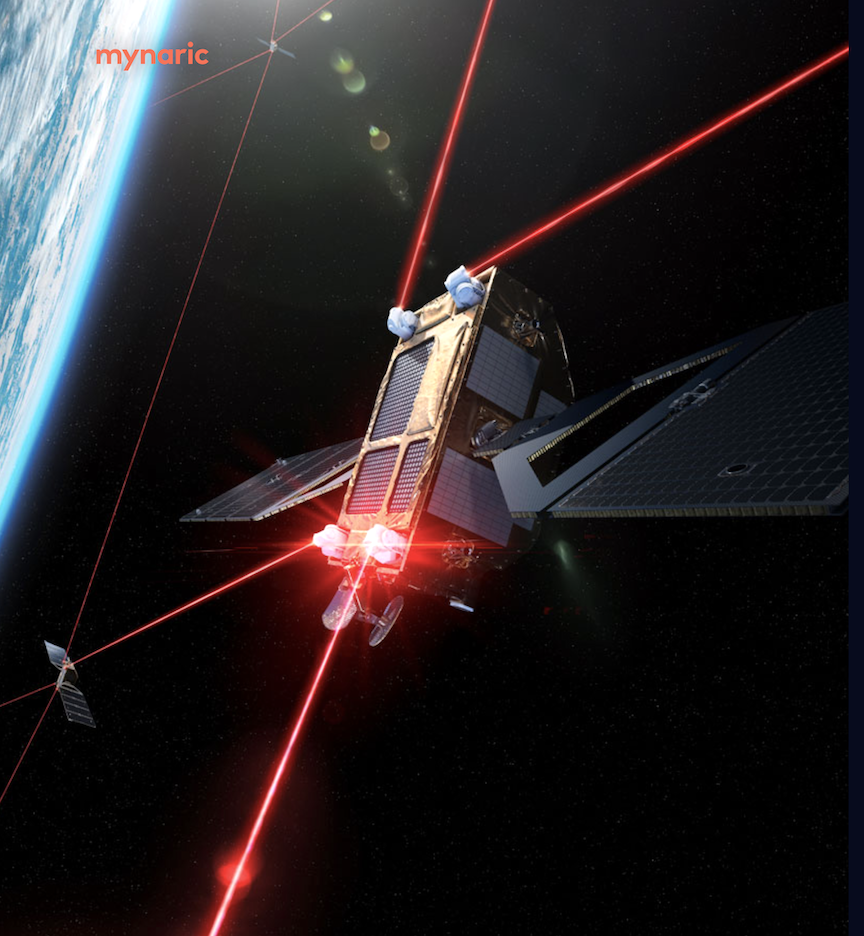
Laser Communication in Space
Mynaric’s product range for space applications covers Space-to-Space, Space-to-Air and Space-to-Ground connectivity for satellites in Low Earth Orbit (LEO) as well as Medium Earth Orbit (MEO).

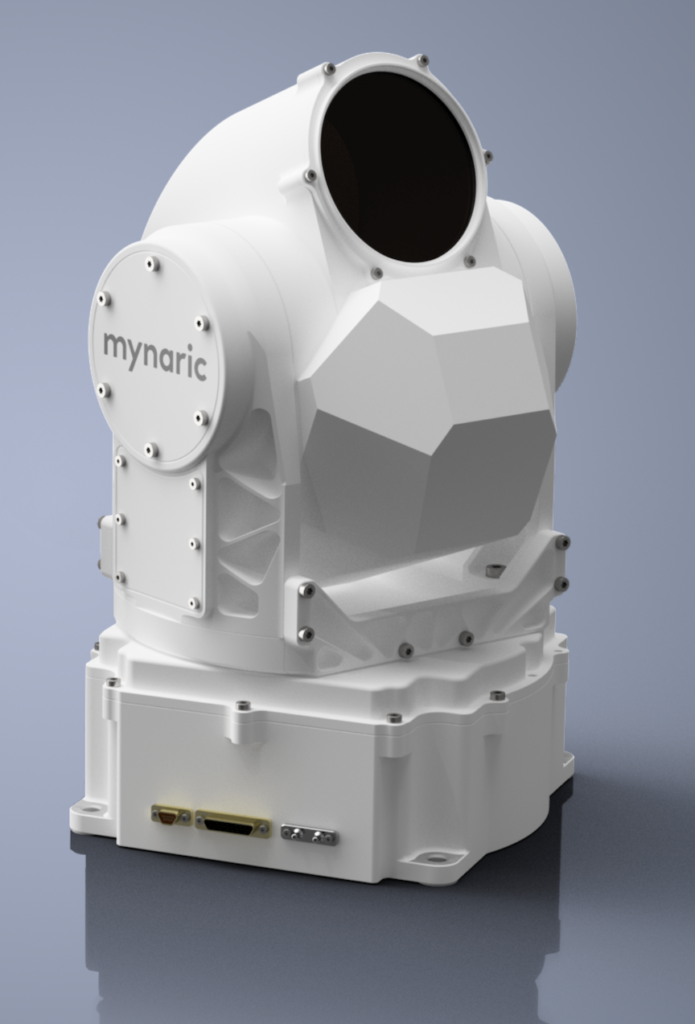
Mynaric, provider of industrialized, cost-effective and scalable laser communications products, announced it will provide Northrop Grumman with optical communications terminals for 14 satellites as part of the Space Development Agency’s (SDA) Tranche 1 Tracking Layer program. Each satellite will feature a wide field-of-view infrared sensor, three optical communications terminals, and a Ka-band payload for communications. Mynaric will supply 42 CONDOR Mk3 terminals to Northrop Grumman for the program with the product deliveries expected mostly in 2024 for deployment in 2025.

CONDOR Mk3
Optical Communication Terminal for Space-Based Applications

“Once again, we are proud to support Northrop Grumman and the SDA on this program which is critical to the United States’ national defense,” said Mynaric Chief Commercial Officer Tina Ghataore. “This announcement highlights our commitment to delivering products for space applications that are technically sound and can be serially produced. We will leverage our experience working with Northrop Grumman on the Tranche 1 Transport Layer as we embark on the delivery of the terminals for the Tranche 1 Tracking Layer satellites.”

CONDOR Mk3

In July, the SDA selected Northrop Grumman as one of its two prime contractors for its Tranche 1 Tracking Layer as part of the initial Missile Warning/Missile Tracking warfighting capability of the National Defense Space Architecture (NDSA). The Tranche 1 Tracking Layer will detect, identify, and track hypersonic weapons and other advanced missiles from their earliest stages of launch through interception. Once fully deployed in 2025, the Tranche 1 Tracking Layer satellites will operate in up to four low-Earth orbital planes, interconnected with Tranche 1 Transport Layer satellites.

“Tranche 1 Tracking builds upon, and connects to, Northrop Grumman’s Tranche 1 Transport Layer program,” said Blake Bullock, vice president, communication systems, strategic space systems, Northrop Grumman. “We are working closely with Mynaric and our other industry partners to rapidly field this critical missile warning and missile tracking capability.”

Filed Under: News

Orbex secures £40.4 million in Series C Funding

October 19, 2022 by editorial

Orbex has secured £40.4 million for the firm’s Series C funding round, led by a new investor, the Scottish National Investment Bank — this new round of funding will allow the company to scale up its resources as it counts down to the first vertical launch from UK soil, as well as unlocking additional funding to support future projects.

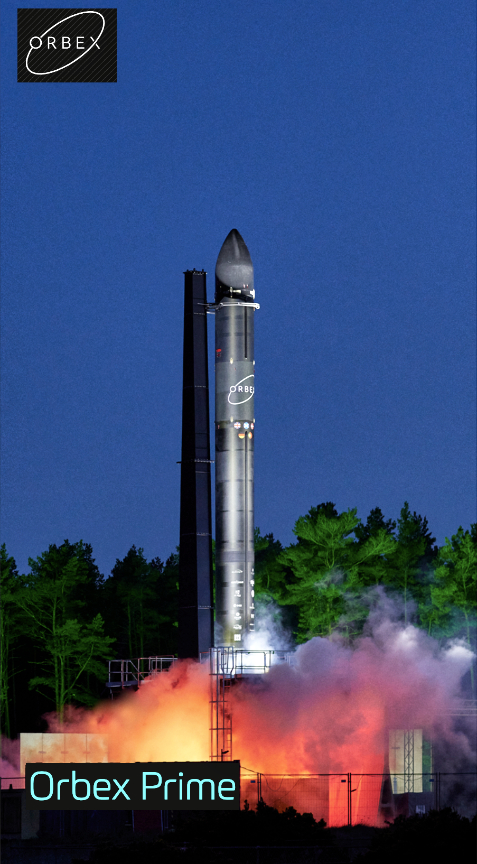
Orbex recently revealed its Prime rocket in its final form, making this the first, full orbital, micro-launcher to be unveiled in Europe. Prime is a 19 meters long, two-stage rocket that is designed to transport smallsats weighing up to 180 kg. into LEO.

Orbex´s rocket will launch from the Space Hub Sutherland spaceport near Tongue on the North coast of mainland Scotland, which is expected to be the UK´s first operational spaceport. Orbex applied for a space launch license from the UK´s Civil Aviation Authority in early 2022.

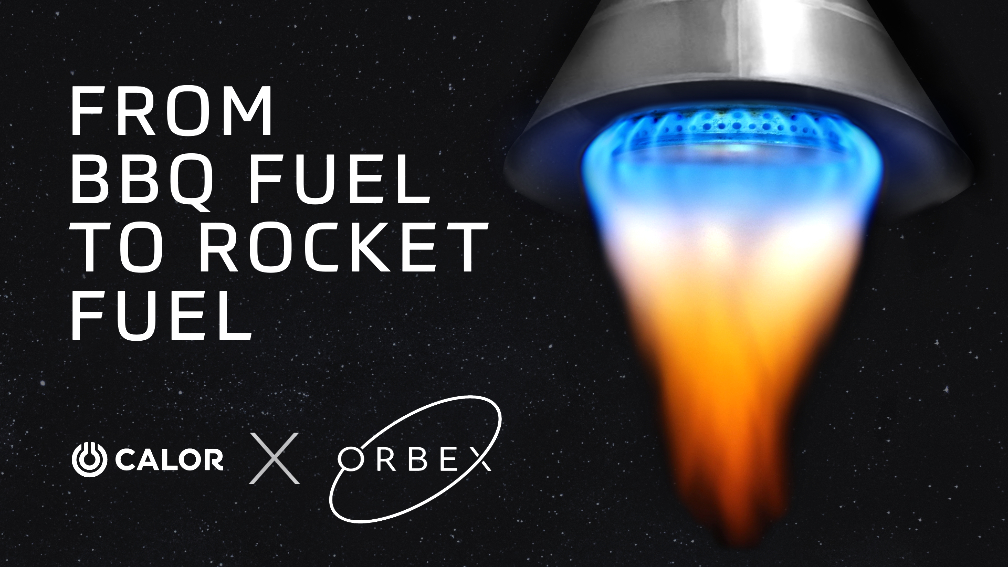
The Prime rocket will be the first orbital rocket to be powered by a renewable bio-fuel, Calor’s Futuria Liquid Gas, a form of bio-propane which will play a part in reducing the carbon footprint of space launches by up to 96 per cent when compared with similarly-sized launch vehicles powered by fossil fuels.

The sustainability credentials extend to the company’s ‘home’ spaceport of Space Hub Sutherland, which aims to become the world’s first carbon-neutral spaceport.

Orbex is currently performing a wide variety of integration tests, including the testing of the main propellant tanks and engines, as well as testing launch procedures including rollout, strongback erection and fueling procedures in advance of the first launch, which will carry a payload developed by one of the world´s largest smallsat developers, Surrey Satellite Technology Limited.

This latest funding round saw a renewed commitment from existing investors BGF, Heartcore Capital, High-Tech Gründerfonds and Octopus Ventures. New investors include:

The Scottish National Investment Bank, which was created to deliver economic, social and environmental returns for Scotland through strategic investments in innovative companies and projects, such as Orbex.

  • Jacobs, the global technology-forward solutions company, which provides a full spectrum of professional services including consulting, technical, scientific and project delivery for the government and private sector. Jacobs is NASA’s largest services provider, delivering mission-tailored solutions and full lifecycle aerospace capabilities including the Mars Perseverance Rover and the Artemis deep space human exploration program. It also supports key decommissioning and remediation projects at the Dounreay nuclear site in Caithness.
  • The Danish Green Future Fund, a special investment fund designed to support the transition to green solutions both in Denmark and the rest of the world through the development of sustainable technology. The investment will be managed on behalf of the fund by Vækstfonden – the sovereign investment fund of Denmark.
  • Verve Ventures, a network and technology-driven venture capital firm headquartered in Switzerland. Founded in 2010, Verve Ventures has become one of the most active venture investors in Europe with over 140 technology and science-driven startups in its portfolio. Verve Ventures provides its pan-European network of selected private and institutional investors access to top-tier investment opportunities across Europe.
  • British entrepreneurs Phillip and James Chambers, founders of Peakon and Hazport respectively.

Chris Larmour, CEO, Orbex, said, “We´re delighted to have closed this new funding round led by the Scottish National Investment Bank. Orbex has made significant progress to get to this point, with the invention of ground-breaking, innovative technology, the rapid development and testing of the launch vehicle, the expansion of our manufacturing footprint in the UK and Denmark, the creation of the UK´s first orbital spaceport in mainland Scotland, and the growth in customers from the UK, Europe and America signing up to launch dedicated payloads with Orbex.

“These results have only been made possible by the maturity and dedication of the entire Orbex team, who bring a huge amount of skill and experience to their tasks from a wide variety of industries, launch systems and spacecraft. This significant new funding round is testament to the work of that team and will allow us to continue to build Orbex towards our long-term goal of establishing a reliable, economically successful and environmentally sustainable European space launch business.”

Filed Under: News

Rivada Space Network’s MoU with SpeQtral will develop ultra-secure communications for governments and enterprises

October 19, 2022 by editorial

Rivada Space Networks GmbH, a global network company launching a constellation of 600 Low-Earth-Orbit satellites (LEO), has signed a partnership agreement with SpeQtral, an emerging leader in quantum-secure communications systems. Rivada Space’s constellation will enable secure, global connectivity for governments and enterprises

The world is increasingly data-driven, cloud-based and cybersecurity conscious, creating an ever-growing demand to upgrade the networks that transport data around the globe. With the geopolitical and cybersecurity threats of recent months, Rivada Space is increasingly looking to the new Low-Earth-Orbit (LEO) constellations and a fundamentally different network architecture to provide connectivity that meets today’s demands for security, latency, throughput, reach and mobility. 

Quantum-secure communications systems and specifically Quantum Key Distribution (QKD) technology are important elements in the development of forthcoming highly secure, satellite-enabled connectivity networks.  QKD uses quantum entanglement to distribute encryption keys to secure communications networks. SpeQtral’s QKD technology platform enables the creation and distribution of computationally unhackable encryption keys, by leveraging the laws of physics instead of computational algorithms.  

Rivada Space Networks (RSN) is partnering with SpeQtral to demonstrate the technical compatibility of adding a QKD encryption layer to enhance the security of communications over Low-Earth-Orbit (LEO) satellite constellations.  In 2024, RSN will start the launch of its 300 satellite laser-connected constellation with four precursor satellites and SpeQtral will launch its QKD satellite, SpeQtral-1.  This will allow RSN and SpeQtral to jointly establish quantum-secure data links over the RSN precursor satellites and validate both the space and ground station terminals required for QKD-enabled encrypted traffic on the Rivada Space Networks constellation. 

Chune Yang Lum, Co-founder and CEO of SpeQtral, said, “We are delighted to work with international partners to employ SpeQtral-1 for the demonstration of ultra-secure communications, executing on our vision to realise global QKD.   We have had strong synergies with our partners thus far and are excited to bring our technology one step closer to enabling telecommunication network providers to incorporate a valued-added quantum security feature to their offering”. 

Severin Meister, CEO of Rivada Space Networks GmbH added, “Recent events in Ukraine have demonstrated that we are increasingly reliant on the commercial satellite sector and in particular new satellite constellations to provide high-performance, resilient communications infrastructure. Security is a key attribute of Rivada’s unique gateway-less architecture, and we believe leveraging quantum technology will enable us to deploy the most secure communications network in the world.  Meister continued: “Trialing this innovative new technology here in Germany is extremely important for us as we recently joined the EU’s multi-stakeholder Secure Connectivity Programme, and we are excited to add quantum encryption capability to the provision of an independent and secure communications infrastructure for Europe”. 

Filed Under: News

European Space Agency (ESA) program affirms Sateliot´s 5G IoT satellite technology

October 19, 2022 by editorial

Sateliot has received the endorsement of the European Space Agency (ESA) through the Future Preparation Generic Program line of the ARTES program on the standard powered by Sateliot, Gatehouse (an exclusive Sateliot partner) and 3GPP contributors to connect IoT standard devices from its LEO constellation.

This statement is a strong industry endorsement of the company’s project to launch their satellite constellation. In addition, this technology will make it possible to extend 5G NB-IoT connectivity to any area of the planet where there is currently no terrestrial coverage, without operators having to make changes to their hardware and at a low cost.

This milestone thus endorses a process that began just over a year ago when 3GPP included the scenario that Sateliot pursues, which contemplates low-orbit smallsat networks to provide IoT services, in its portfolio. 3GPP is the body that periodically brings together the main players in the telecommunications sector to define the different wireless communication standards.

The importance of this technology is based on the premise that operators will be able to interoperate. They will be able to connect with the smallsat network using a roaming service when they need 5G coverage to offer connectivity and follow, for example, the cargo of a moving ship, the trajectory of a mountain biker or alert emergency services in the case of an accident.

This approval has also received a broad consensus from the main operators, companies and institutions throughout the value chain (satellite operators, mobile operators, network providers, device manufacturers…), including companies such as Vodafone, Deutsche Telekom, China Mobile, Sony, Nokia, Ericsson, Eutelsat and Siemens.

For Jaume Sanpera, founder and CEO of Sateliot, this news is “an important recognition of our work, long and complex at a technical level, and also comes at a crucial time for our company, immersed in the preparation of the launch of its first constellation of satellites and in the run-up to the opening of the B series, from which we expect to raise 100 million euros.”

“Tests have been conducted that have demonstrated the successful operation of a set of NTN NB-IoT protocols compliant with the recent 3GPP Release 17 NTN NB-IoT standard developed by Sateliot,” said Xavier Lobao, Head of Future Telecommunication Projects Division of ESA, responsible for the programme that supported the testing.

Sateliot is the first satellite telecommunications operator to provide global and continuous connectivity to all the elements that will make up the Internet of Things (IoT) universe under the 5G protocol. Thanks to a constellation of state-of-the-art nanosatellites, located at low altitude and acting as mobile towers from space, Sateliot is the perfect complement to large telecommunications companies by providing them with the necessary infrastructure to extend their coverage where terrestrial technologies do not reach. More information on our website, Twitter and LinkedIn.

Filed Under: News

Beyond Orbital to supply the power electronics for Loft Orbital’s Longbow smallsat

October 18, 2022 by editorial

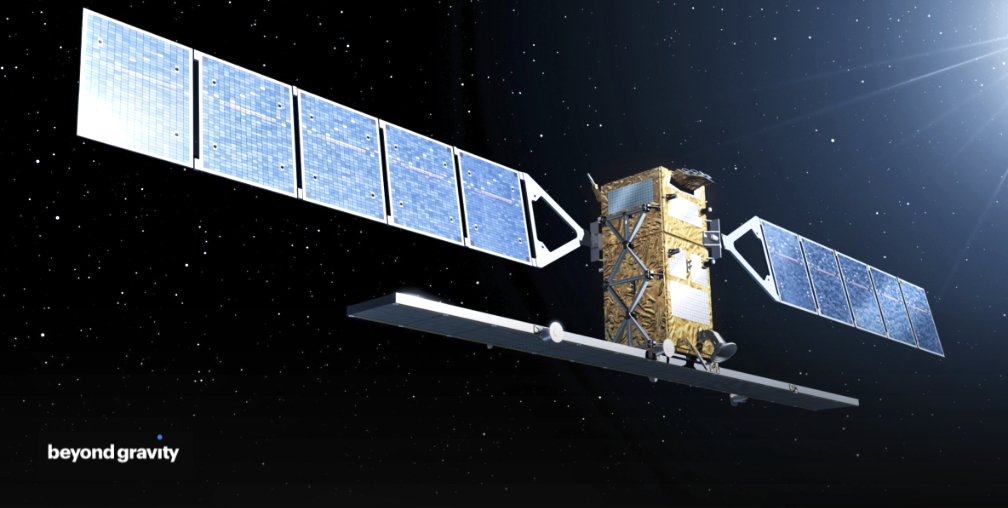
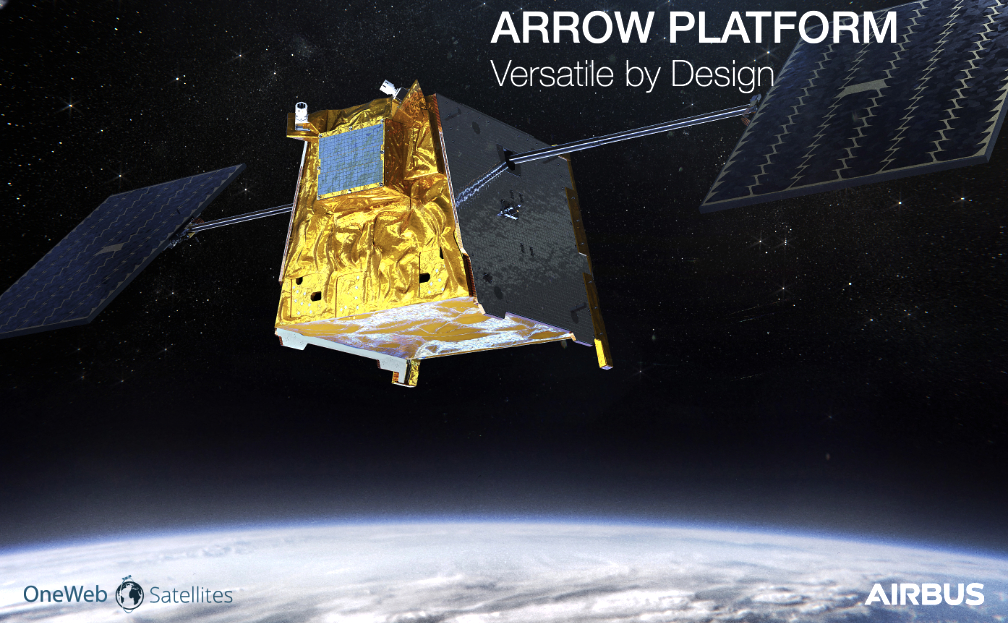
Beyond Gravity has been selected to supply equipment for Loft Orbital’s Longbow spacecraft based on the Airbus Arrow platform — the physical equipment is referred to as the Power Control & Distribution Unit (PCDU).

The PCDU provides mission critical power supply capabilities and on-orbit configurability for “The Hub” that carries all payloads of a Loft Orbital’s satellite and provides an independent electrical, computing and communication environment. Beyond Gravity will deliver PCDU flight units for more than 15 Loft Orbital satellites.

Artistic rendition of the Longbow smallsat, courtesy of Airbus.

“Our partnership with Loft Orbital and this order is underlining Beyond Gravity’s strong standing in the global commercial New Space market. The PCDU enables Loft Orbital to be fully product-based, leading to standardization, shorter lead times and high cost-efficiency,” said Anders Linder, head of the Satellites Division at Beyond Gravity. “I am grateful to our partners at Loft Orbital for selecting Beyond Gravity and excited to be working with them to support their future missions.”

“When looking for partners to fulfill our technical, quality and price-performance needs, Beyond Gravity allowed us to put in a high degree of customization, meeting our stringent system-level requirements, whilst still leveraging their existing experience and translating that to a balanced New Space solution. Of equal importance is the right way to communicate and collaborate, which has been another positive experience for both teams,” said Pieter van Duijn, Loft Orbital’s CTO.

“Our collaboration with Beyond Gravity demonstrates Loft Orbital’s strategy to rely on the strong and competitive European ecosystem of space systems suppliers,” said Emmanuelle Meric, General Manager France of Loft Orbital. “We look forward to strengthening our partnerships with leading space companies such as Beyond Gravity.”

Beyond Gravity Beyond Gravity, headquartered in Zurich, Switzerland, combines agility, speed, and innovation with decades of experience and proven quality. Approximately 1700 employees at 12 locations in six countries (Switzerland, Sweden, Austria, Germany, USA and Finland) design and manufacture products for satellites and launch vehicles with the goal of advancing humanity and enabling exploration of the world and beyond. Beyond Gravity is the preferred supplier of structures for all types of launch vehicles and a leader in selected satellite products and constellations in the New Space sector. In 2021, the company generated revenues of approximately CHF 319 million.

Loft Orbital Loft Orbital is the pioneer in providing space infrastructure as a service. Loft mission is to be the fastest, simplest, and most reliable path to orbit for any payload. The company flies customer payloads onboard quarterly scheduled satellite missions, and handles the entire mission as a service. Loft customers can thus focus on what matters most to them: their payload and the data it collects. To make it possible, Loft Orbital has developed the software and hardware products that make Loft satellite missions truly plug and play, eliminating years of complex design and engineering. With qualified, commodity satellite buses procured in advance and available off-the-shelf, Loft delivers payloads to orbit in months not years. Loft Orbital will add a third satellite to orbit in November and has contracted more than 20 satellites to be flown by 2025.

Filed Under: News

  • « Go to Previous Page
  • Page 1
  • Interim pages omitted …
  • Page 10
  • Page 11
  • Page 12
  • Page 13
  • Page 14
  • Interim pages omitted …
  • Page 58
  • Go to Next Page »

Primary Sidebar

WEEKLY NEWSLETTER

Archives

  • August 2026
  • July 2026
  • June 2026
  • May 2026
  • April 2026
  • March 2026
  • February 2026
  • January 2026
  • December 2025
  • November 2025
  • October 2025
  • September 2025
  • August 2025
  • July 2025
  • June 2025
  • May 2025
  • April 2025
  • March 2025
  • February 2025
  • January 2025
  • December 2024
  • November 2024
  • October 2024
  • September 2024
  • August 2024
  • July 2024
  • June 2024
  • May 2024
  • April 2024
  • March 2024
  • February 2024
  • January 2024
  • December 2023
  • November 2023
  • October 2023
  • September 2023
  • August 2023
  • July 2023
  • June 2023
  • May 2023
  • April 2023
  • March 2023
  • February 2023
  • January 2023
  • December 2022
  • November 2022
  • October 2022
  • September 2022
  • August 2022
  • July 2022
  • June 2022
  • May 2022
  • April 2022
  • March 2022
  • February 2022
  • January 2022
  • December 2021
  • November 2021
  • October 2021
  • September 2021
  • August 2021
  • July 2021
  • June 2021
  • May 2021
  • April 2021
  • March 2021
  • February 2021
  • January 2021
  • December 2020
  • November 2020
  • October 2020
  • September 2020
  • August 2020
  • July 2020
  • June 2020
  • May 2020
  • April 2020
  • March 2020
  • February 2020
  • January 2020
  • December 2019
  • November 2019
  • October 2019

© 2019–2026 SatNews

Insert/edit link

Enter the destination URL

Or link to existing content

    No search term specified. Showing recent items. Search or use up and down arrow keys to select an item.
      x
      Sign Up Now!

      Enjoy a free weekly newsletter with recent headlines from the global SmallSat industry.

      Invalid email address
      We promise not to spam you. You can unsubscribe at any time.
      Thanks for subscribing! You will now receive weekly SmallSat News updates.
      We love our advertisers.
      And you will too!

      Please disable Ad Blocker to continue... We promise to keep it unobtrusive.
      We promise not to spam you. You can unsubscribe at any time.
      Invalid email address
      Thanks for subscribing!