• Skip to main content
  • Skip to primary sidebar
  • Home
  • News
  • Featured
  • More News ⌄
    • SatNews
    • SatMagazine
    • MilSatMagazine
  • Events ⌄
    • MilSat Symposium
    • SmallSat Symposium
    • Satellite Innovation
  • Contacts
  • SUBSCRIPTION

SmallSat News

You are here: Home / 2025 / Archives for August 2025

Archives for August 2025

SpaceX delivers for Amazon, with launch of Project Kuiper’s smallsat KF-02 Mission

August 12, 2025 by editorial

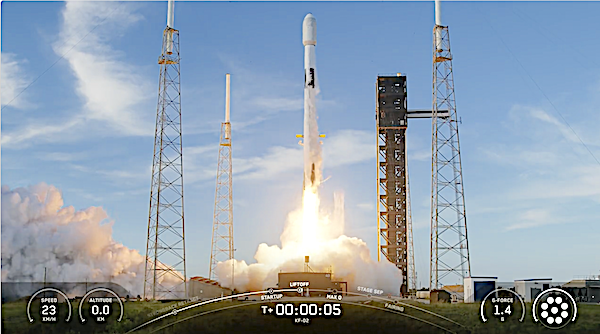
After the fourth delay due to weather, on Monday, August 11 at 8:35 a.m. ET, Falcon 9 launched the KF-02 mission to orbit from Space Launch Complex 40 (SLC-40) at Cape Canaveral Space Force Station in Florida.
This is the second of a three launches contract for Amazon’s Kuiper low Earth orbit satellite internet constellation. 24 small satellites are on board.
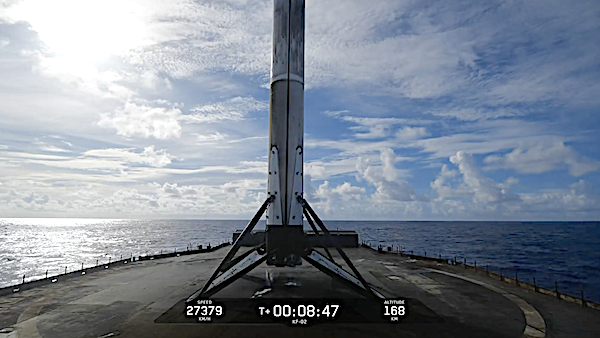
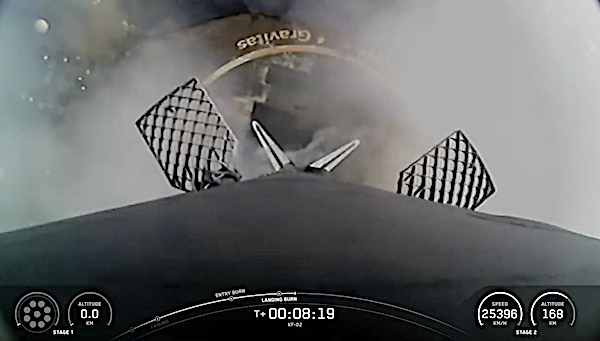
Booster with a view.

This was the first flight for the Falcon 9 first stage booster supporting this mission. After stage separation, the first stage landed on the A Shortfall of Gravitas droneship, which was stationed in the Atlantic Ocean.
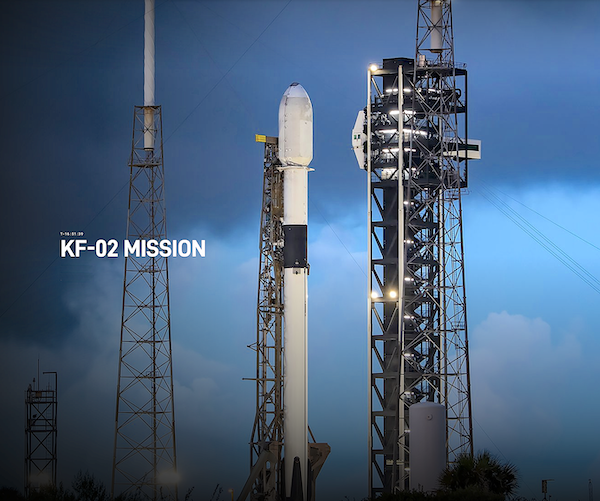
SpaceX is targeting Monday, August 11 for a Falcon 9 launch of the KF-02 mission to orbit from Space Launch Complex 40 (SLC-40) at Cape Canaveral Space Force Station in Florida. The 27-minute window opens at 8:35 a.m. ET.

This is the fourth delay due to weather of SpaceX’s Falcon 9 launch for Amazon’s Project Kuiper satellites.

According to weather officials, there’s a 75% chance of favorable weather conditions at the time of the launch. Officials are monitoring weather conditions with concerns related to Cumulus Cloud Rule, Anvil Rules. The forecast calls for a temperature of 82°F, scattered clouds, 37% cloud cover and a wind speed of 10mph.

A live webcast of this mission will begin about 15 minutes prior to liftoff, which you can watch on X @SpaceX. You can also watch the webcast on the new X TV app.

This will be the first flight for the Falcon 9 first stage booster supporting this mission. After stage separation, the first stage will land on the A Shortfall of Gravitas droneship, which will be stationed in the Atlantic Ocean.

SpaceX set to launch Amazon’s mission Project Kuiper (KF-02) on Thursday from the Cape
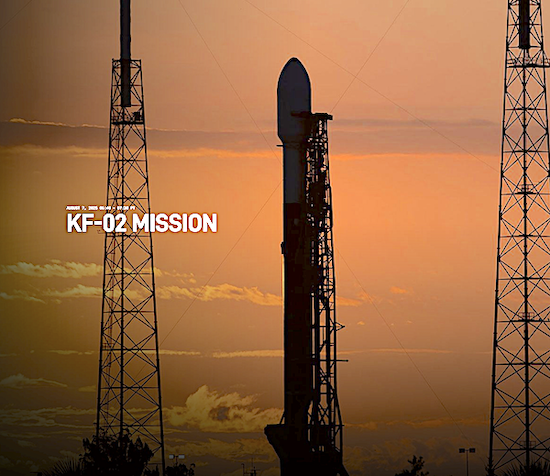
SpaceX is targeting Thursday, August 7 for a Falcon 9 launch of the KF-02 mission to orbit from Space Launch Complex 40 (SLC-40) at Cape Canaveral Space Force Station in Florida. The 27-minute window opens at 10:01 a.m. ET. If needed, a backup launch opportunity is available on Friday, August 8 with a 25-minute window that opens at 9:40 a.m. ET.

This is the second in three launches contract for Amazon’s Kuiper low Earth orbit 28 satellites internet constellation.

A live webcast of this mission will begin about 15 minutes prior to liftoff, which you can watch on X @SpaceX. You can also watch the webcast on the new X TV app.

This will be the first flight for the Falcon 9 first stage booster supporting this mission. After stage separation, the first stage will land on the A Shortfall of Gravitas droneship, which will be stationed in the Atlantic Ocean.

SpaceX’s ‘delivery’ of Amazon’s ProjectKuiper launch scrubbed and is now on Friday
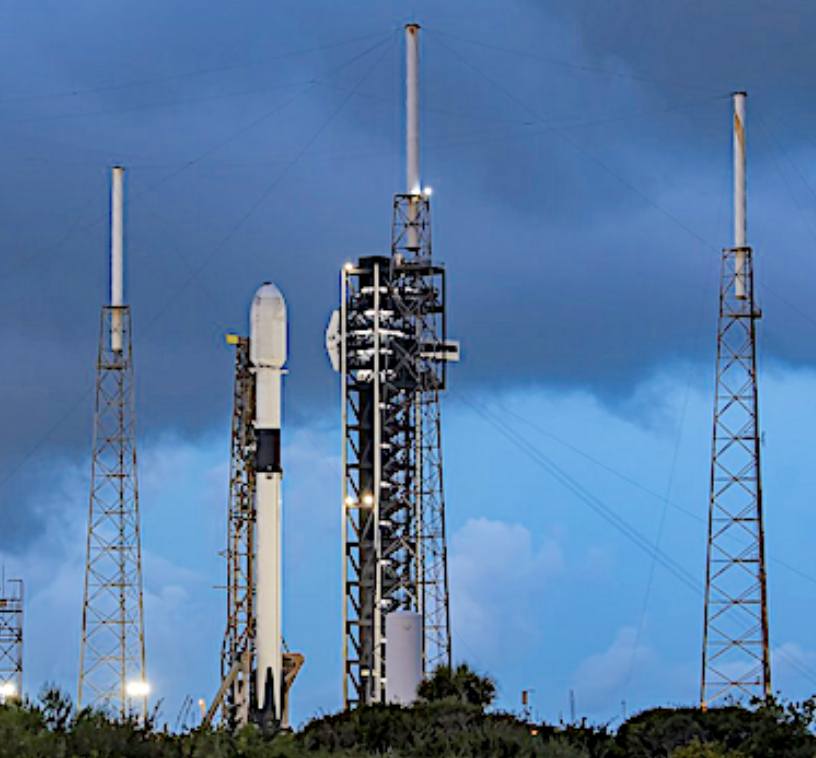
SpaceX is now targeting Friday, August 8 for a Falcon 9 launch of the KF-02 mission to orbit from Space Launch Complex 40 (SLC-40) at Cape Canaveral Space Force Station in Florida. The 25-minute window opens at 9:40 a.m. ET.
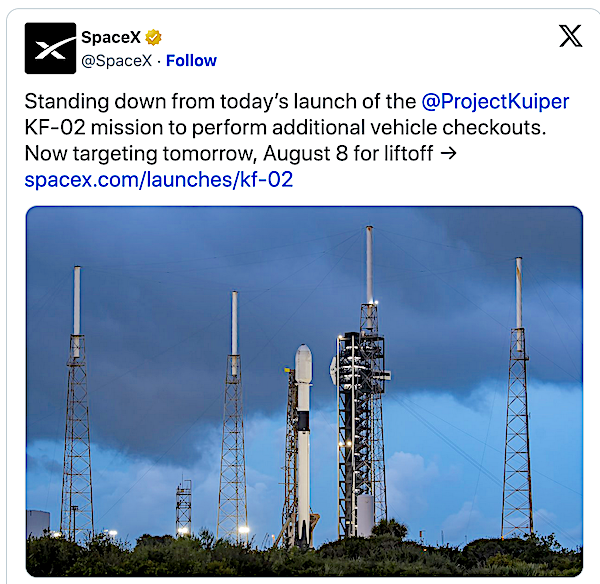
SpaceX officials just confirmed this morning’s mission was postponed “to perform additional vehicle checkouts.”
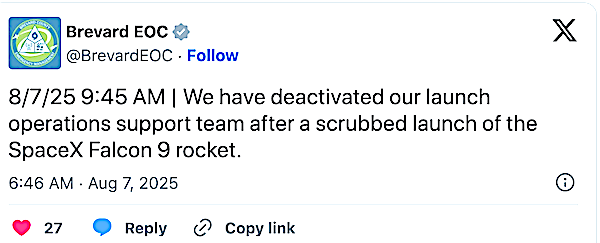
The countdown clock on SpaceX’s site stopped at 45 minutes, 29 seconds before liftoff.

A live webcast of this mission will begin about 15 minutes prior to liftoff, which you can watch on X @SpaceX. You can also watch the webcast on the new X TV app.

This will be the first flight for the Falcon 9 first stage booster supporting this mission. After stage separation, the first stage will land on the A Shortfall of Gravitas droneship, which will be stationed in the Atlantic Ocean.

SpaceX plans Amazon’s Kuiper mission on Thursday providing weather cooperates

SpaceX is targeting Thursday, August 7 for a Falcon 9 launch of the KF-02 mission to orbit from Space Launch Complex 40 (SLC-40) at Cape Canaveral Space Force Station in Florida. The 27-minute window opens at 10:01 a.m. ET. If needed, a backup launch opportunity is available on Friday, August 8 with a 25-minute window that opens at 9:40 a.m. ET.

This is the second of a three launches contract for Amazon’s Kuiper low Earth orbit satellite internet constellation. 24 small satellites are on board.

According to weather officials, there’s a 85% chance of favorable weather conditions at the time of the launch. Officials are monitoring weather conditions with concerns related to Cumulus Cloud Rule. The forecast calls for a temperature of 83°F, overcast clouds, 99% cloud cover and a wind speed of 2mph.

A live webcast of this mission will begin about 15 minutes prior to liftoff, which you can watch on X @SpaceX. You can also watch the webcast on the new X TV app.

This will be the first flight for the Falcon 9 first stage booster supporting this mission. After stage separation, the first stage will land on the A Shortfall of Gravitas droneship, which will be stationed in the Atlantic Ocean.

Filed Under: News

Oxford Space Systems deploys VHF isoflux helical antenna for Startical’s ECHOES project

August 11, 2025 by editorial

Screenshot

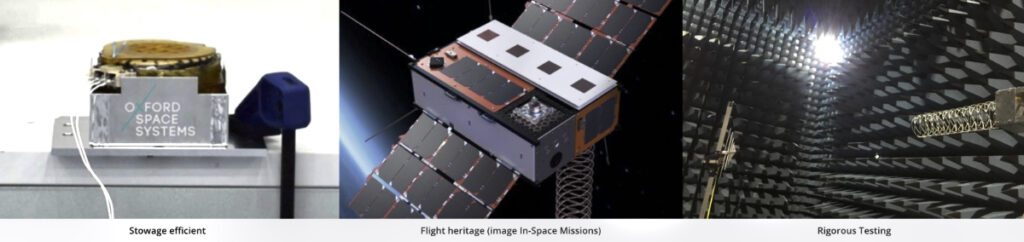
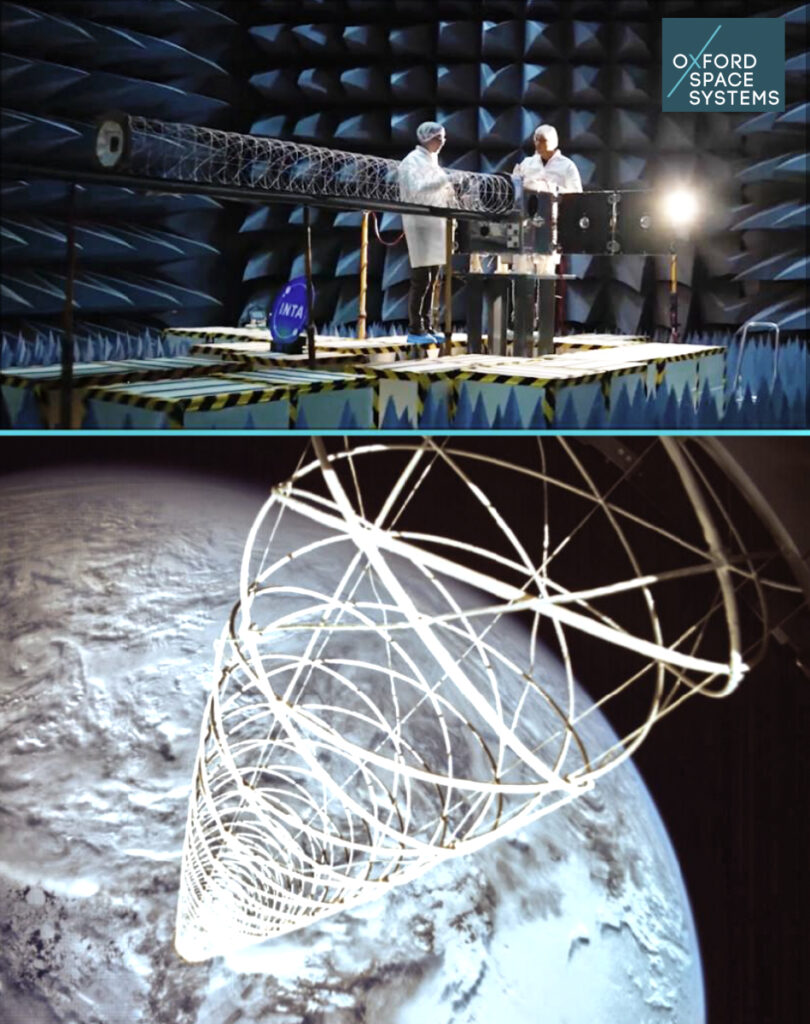
Oxford Space Systems has completed the in-space deployment of the company’s large Very High Frequency (VHF) isoflux helical antenna on the IOD-2 mission for Startical‘s ECHOES project, marking a significant milestone in the advancement of space-based air traffic management (ATM).

The antenna, nearly 4 meters in length and designed to operate within the 117 to 138 MHz range, is a crucial component of the ECHOES initiative, contributing to enhanced global communication and surveillance capabilities for ATM purposes.

The ECHOES project, spearheaded by Startical—a joint venture between ENAIRE (the Spanish air navigation service provider) and Indra (one of the world’s leading companies in defence, air traffic, and space)—aims to prove the viability of space-based communications and surveillance capabilities for ATM services in a real scenario. This concept will revolutionize air navigation through a constellation of satellites that provide global VHF communication.

The antenna developed by Oxford Space Systems as an ECHOES project subcontractor and integrated onto the satellite enables radio connectivity in remote areas where reliable communication is essential to future air traffic management.

The ECHOES project, performed within the SESAR Joint Undertaking (SJU) framework and compromising of Startical, ENAIRE and Indra, as well as Nav Portugal, DLR, Crida and Mitiga, has received substantial funding from the European Union, supported by the Climate, Infrastructure and Environment Executive Agency (CINEA) under the Connecting Europe Facility (CEF Transport).

This financial backing, along with the technical expertise of Oxford Space Systems, Startical, ENAIRE and Indra, ensures that the project will set new standards in air traffic management, particularly in regions where traditional systems are less effective.

Sean Sutcliffe, CEO of Oxford Space Systems, said, “We are delighted that Startical has announced the successful deployment in-space of Oxford Space Systems’ antenna for their ECHOES project. This project demonstrates the ability of Oxford Space Systems to deliver high performance, technically demanding deployable antennas within a tight timescale while conducting a rigorous design, development and verification program. In this case the program took just 12 months from first order to delivery, including designing and testing an innovative antenna to meet Startical’s requirements. This was enabled by our team’s ability to draw on extensive product knowledge and heritage, rapid execution with a strong integrated project team covering the range of skills needed, and the highly collaborative approach with the project partners—Startical, Indra and NanoAvionics.”

Filed Under: Featured, News

Xona Pulsar satellites to leverage Astroscale tech for resilient, responsible navigation

August 10, 2025 by editorial

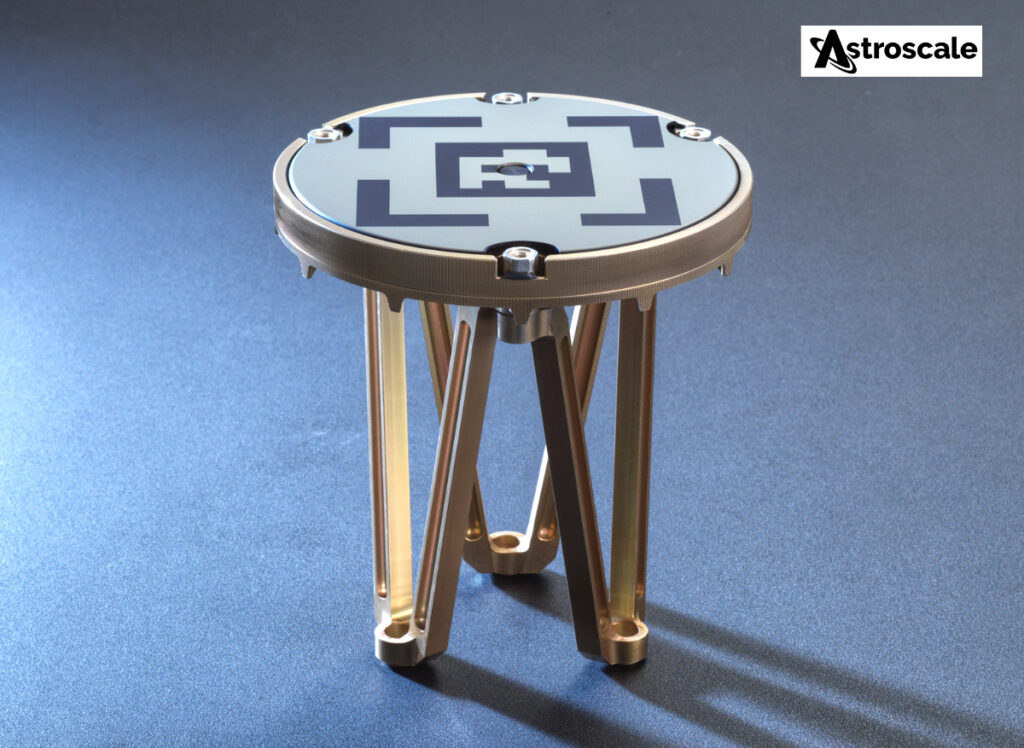
Astroscale Ltd. (“Astroscale UK”), the UK subsidiary of Astroscale Holdings Inc., has agreed to provide Xona Space Systems with next-generation docking plates for integration into Xona’s growing constellation of LEO satellites.

The collaboration supports two critical goals: building a resilient Positioning, Navigation, and Timing (PNT) infrastructure and keeping Earth’s orbit safe and sustainable.

Xona is developing Pulsar, the world’s most advanced PNT satellite infrastructure based in LEO. Pulsar operates alongside legacy systems like GPS, delivering stronger signals, centimeter-level precision, and built-in protection against interference like jamming and spoofing. As threats to global navigation escalate, a more resilient and secure PNT architecture has become essential for national security, critical infrastructure, and connected devices around the world.

PNT powers the systems that modern life depends on—from aircraft landings and emergency response to financial transactions and transportation systems, nearly every sector of the global economy relies on precise location and timing data.

However, legacy systems like GPS were designed for a different era. In both civilian and national security settings, the consequences of disruption are severe. Jamming, spoofing, cyberattacks, and rising tension in space have exposed the risks of relying on an aging and unprotected system. Resilient alternatives designed for dual-use and built for the next era are now a strategic necessity for governments and commercial technologies.

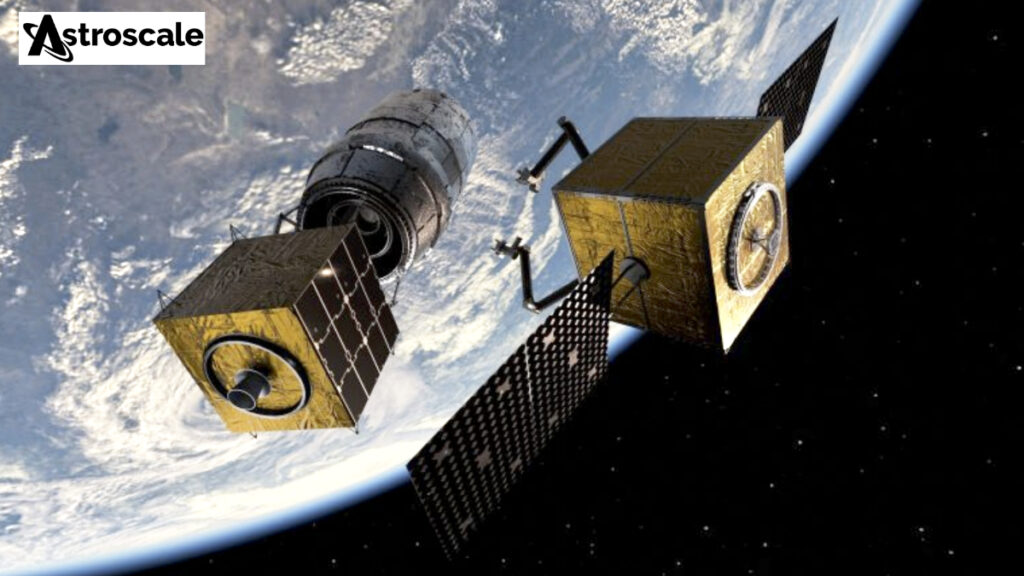
Astroscale will provide docking plates for Xona’s future Pulsar satellites as the company scales to launch its full constellation, allowing for future in-orbit servicing, upgrades, or safe deorbiting. This supports a more flexible and responsive satellite architecture and helps prevent space debris. These are both key parts of responsible space operations.

Resilient PNT is a national and economic priority,” said Giorgio Taylor, Director of Business Development, Xona UK & Europe. “Pulsar delivers stronger, faster, and more secure navigational intelligence designed for the threats we face today. Our work with Astroscale reinforces our belief that space infrastructure should evolve to continue meeting user needs, not remain frozen in time.”

With tens of thousands of satellites being launched in the coming years, we have to build the infrastructure in space with long-term stewardship in mind,” said Andrew Faiola, Commercial VP and Director, Astroscale UK. “Our docking plates make Xona’s satellites ready for the future, whether that means extending their life, removing them responsibly, or upgrading their capabilities. It is a great example export-led growth of the emerging ISAM industry from the UK.”

Filed Under: News

RTX’s Blue Canyon Technologies announces new + larger spacecraft

August 8, 2025 by editorial

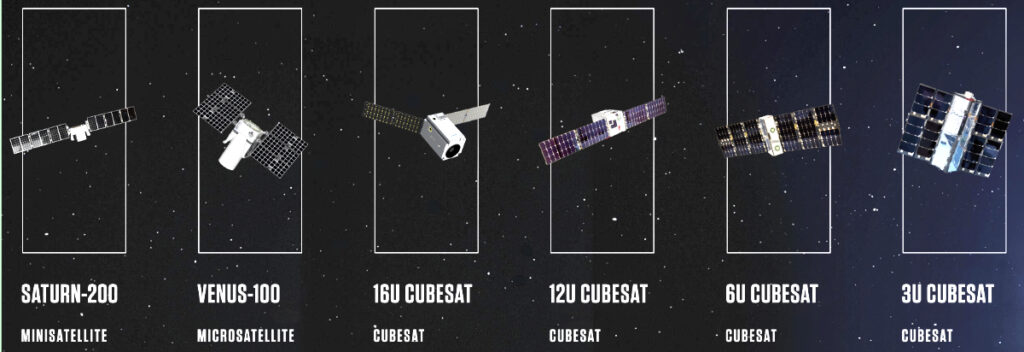
Blue Canyon Technologies recently unveiled the firm’s latest spacecraft bus, the Saturn-400. This new, larger satellite offers flexibility and reliability to help customers achieve their mission objectives more effectively.

Additional smallsats available from the company

The Saturn-400 spacecraft offers increased payload capacity, allowing for more instruments and larger sensors for complex missions—up to 600 kg—depending on the launch vehicle. It’s also the company’s first satellite to offer an optional built-in attitude control system, known as a control moment gyroscope, which enhances its agility and stability.

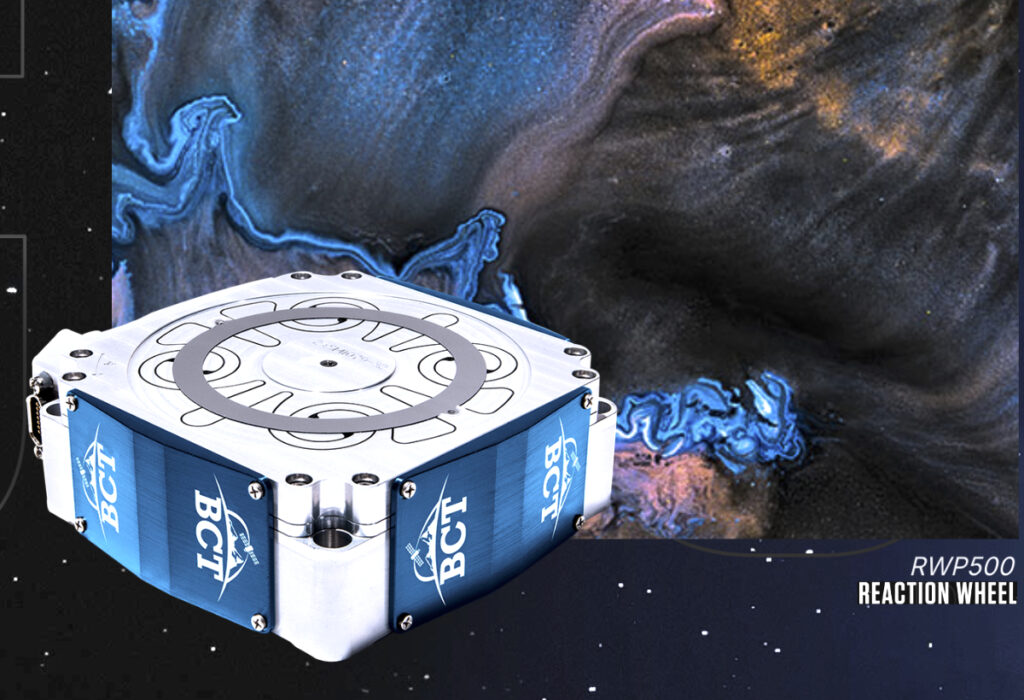
As an alternative to the integrated control moment gyroscope, the Saturn-400 offers three reaction wheel options: Blue Canyon’s RW4, RW8, and the larger RW16. Reaction wheels use motor-driven flywheels for attitude control, while CMGs use a spinning rotor and motorized gimbals. Both options provide precise, low-jitter agility, allowing customers to optimize performance based on their mission needs and budget.

The Saturn-400 has rideshare capability while offering higher power and volume scaling through larger solar arrays and scalable power subsystems up to two kilowatts.

Our advanced control moment gyroscope technology is a key differentiator for Blue Canyon, and is now available in a turnkey spacecraft,” said Chris Winslett, general manager of Blue Canyon Technologies. “The Saturn-400 shares commonality with many BCT products, all of which leverage the same modular software. This approach enhances efficiency and lowers program risk, enabling customers to meet mission needs more quickly and affordably.”

Since the company’s inception, Blue Canyon has launched 83 small satellites and more than 2,700 components in support of successful missions in dynamic environments and in multiple orbital classifications, including interplanetary journeys.

Filed Under: Featured, News

Astroscale’s new patent transforms space debris removal

August 7, 2025 by editorial

Astroscale Holdings Inc. (“Astroscale”), late last month, announced a major step forward: the issuance of U.S. Patent No. 12,234,043 B2 for the company’s “Method and System for Multi-Object Space Debris Removal.”

This patented innovation offers a sustainable and cost-effective distributed architecture approach to active debris removal (ADR), allowing for scalable, repeatable ADR operations and controlled reentry of multiple debris objects.

When safely reentering a multi-ton debris object from orbit, traditional ADR methods face significant limitations — they’re expensive, not sufficiently agile, and unable to carry enough fuel for multi-client missions. Astroscale’s distributed, reusable system overcomes these barriers while uniquely enabling the optionality of controlled reentry, ensuring that any surviving fragments from larger debris objects do not pose risks to populated areas or critical infrastructure on the ground, addressing a growing public safety concern and aligning with international best practices.

Under this new patented method, the servicer docks with a debris object (the “client”) and transfers it to a reentry shepherd vehicle in a lower orbit. Once the client is docked with the shepherd, the servicer separates and proceeds to engage a new client, while the shepherd safely guides the initial client into Earth’s atmosphere for reentry. This process repeats, allowing the servicer to remove multiple large debris objects over the course of its mission.

Astroscale’s architecture also supports flexible mission profiles: the shepherd can remain docked through reentry, undocked after performing reentry insertion and returned to orbit, or in some cases, missions can proceed without a shepherd vehicle at all. This adaptability is essential in addressing the diverse size and risk profile of objects on-orbit.

This new patent builds on Astroscale’s multi-removal approach for debris. Astroscale’s ELSA-M, set to launch in 2026, is capable of removing several “prepared” inactive satellites in a single mission,  meaning satellites designed with technologies such as an interface that will enable docking and removal. By contrast, the newly patented method is designed for large, unprepared objects such as rocket bodies and legacy satellites that were not built to be serviced, and require a safe, guided descent through the Earth’s atmosphere.

This new patent further strengthens Astroscale’s intellectual property portfolio and reinforces its leadership in developing practical and innovative on-orbit servicing solutions that support the secure and sustainable use of space for future generations.

Our distributed architecture solves a key challenge in orbital debris removal by enabling the deorbit and reentry of multiple large debris objects sustainably and economically,” said Mike Lindsay, CTO at Astroscale. “This approach allows us to reuse our advanced servicers, capable of capturing and detumbling multi-ton objects, instead of burning them up with the debris upon reentry. This not only saves cost but also reduces the amount of potentially harmful material released into the Earth’s upper atmosphere.”

Filed Under: News

Sidus Space deploys advanced SpacePilot software for autonomous ops + commissions LizzieSat®-3 Attitude Determination + Control System

August 7, 2025 by editorial

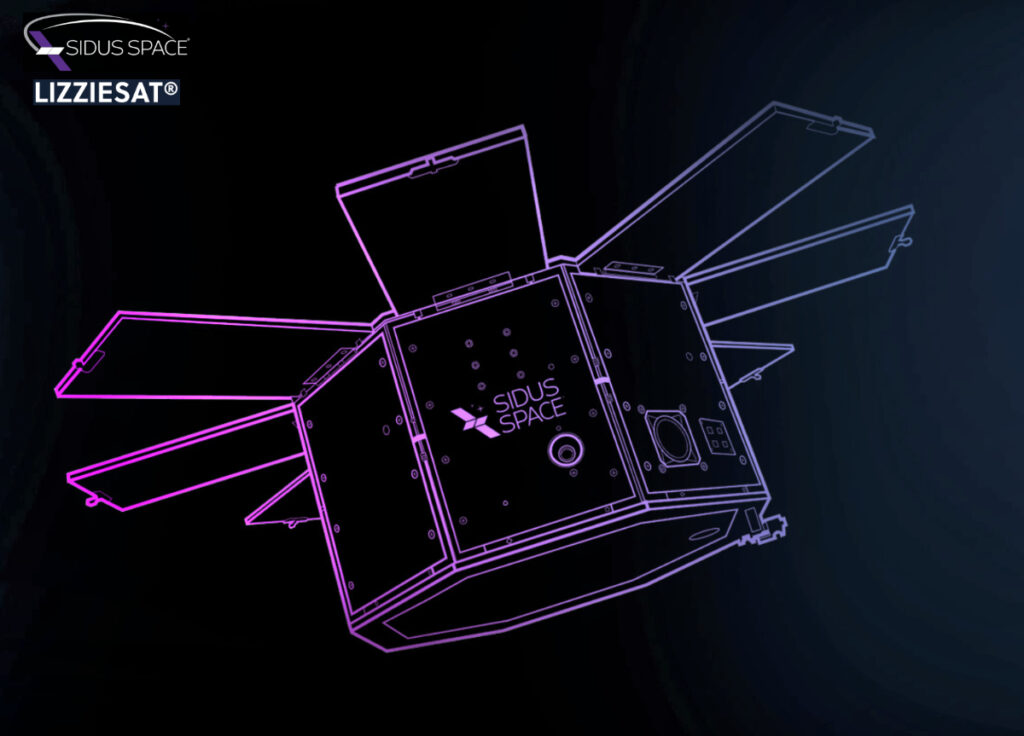
Sidus Space (NASDAQ: SIDU) has successfully deployed the company’s new, autonomous, guidance, navigation, and control (GNC) software, SpacePilot, and has also commissioned the Attitude Determination and Control System (ADCS) on LizzieSat®-3 (LS3).

Designed for next-generation satellite operations, SpacePilot integrates real-time star tracker, sun sensor, magnetometer, gyroscope, and GPS data onboard LS3 to enable high-precision orbital control with minimal ground intervention. Key features include:

  • Attitude Determination: Real-time estimation of spacecraft orientation for mission-critical accuracy
  • Attitude Control: Stabilization and mission-aligned adjustments to support payload operations
  • Optimal Trajectory: Fuel-efficient, time-optimized flight paths for extended mission life
  • Autonomous Guidance: Precise rendezvous and proximity operations (RPO) with minimal operator input
  • Adaptive Autonomy: Dynamic response to changing orbital conditions and fault scenarios
  • Lightweight Design: Optimized for resource-constrained small satellite platforms

The successful commissioning of the ADCS marks a critical step toward LS3’s full mission readiness. With the deployment of autonomous SpacePilot, the satellite can achieve accurate sun-pointing for maximum power generation, stabilize payload orientation for improved data collection, and maintain antenna alignment for reliable communications. This milestone also paves the way for more rapid commissioning of the remaining onboard technologies, including Sidus’s proprietary sensor suite.

LS3’s successful commissioning and SpacePilot deployment reinforce Sidus Space’s commitment to advancing autonomous satellite technologies as part of its growing LizzieSat® constellation.

Activating SpacePilot and commissioning the ADCS marks a critical milestone for LS3’s mission,” said Carol Craig, Founder and CEO of Sidus Space. “This software enables a higher level of autonomy, ensuring greater efficiency and mission resilience while reducing reliance on ground resources.”

Filed Under: Featured, News

Interstellar Technologies signs an alliance with Toyota Motor Corporation + Woven by Toyota

August 7, 2025 by editorial

Interstellar Technologies earlier this month signed a three-party business alliance with Toyota Motor Corporation and Woven by Toyota. The three parties will work together to establish a robust production system that enables frequent and cost optimized space transportation.

An alliance between Interstellar and the Toyota Group was initially announced in January of 2025 when Interstellar and Woven by Toyota entered into a two-party strategic capital and business alliance. Now, building on that foundation, Interstellar, Woven by Toyota, and Toyota Motor Corporation have signed a three-party business alliance agreement to advance vehicle development from one-off production to industrial-grade systems capable of supporting frequent launches.

Interstellar became the first startup to join “Toyota Woven City” as an Inventor, leveraging Toyota’s decades of manufacturing expertise and strengths.

Filed Under: News

Open Cosmos kicks off first rideshare mission for the European Commission’s IOD/IOV program

August 7, 2025 by editorial

Open Cosmos has signed the first work order contract as part of the In-Orbit Demonstration and Validation (IOD/IOV) program funded by the European Union’s Horizon Europe R&I Program.

Open Cosmos was selected as one of six European providers for this Frame Contract in January of 2025, as announced by the European Space Agency.

Marking a major milestone for European innovation, the European Commission and ESA established a pool of rideshare providers to accelerate access to space for groundbreaking technologies. Today, Open Cosmos is thrilled to move from selection to execution, officially starting its first rideshare service under this program.

Under this contract, Open Cosmos will deliver the first rideshare service to Luso Space, providing end-to-end support to the company on demonstrating and validating new on-orbit satellite technologies.

This contract recognizes Open Cosmos’s proven capability in designing, manufacturing, and operating space missions, with a 100% success rate in orbit. The company has demonstrated its readiness to offer comprehensive rideshare services, leveraging its flight-proven architecture compatible with a range of satellite form factors up to 500 kg microsats.

With six satellites currently on-orbit under Spanish ITU filing, and an additional four under design and manufacturing from Spain, alongside contributions to 22 more satellites contracted from other Open Cosmos subsidiaries, Open Cosmos is rapidly expanding its on-orbit infrastructure. This growth, coupled with its Open Constellation initiative, which aggregates heterogeneous space infrastructure for hosting additional payloads, highlights the company’s commitment to providing continuous and regular rideshare opportunities.

The implementation of the framework contract will be through individual Work Orders, with the first set of Work Orders already planned. Each Work Order will detail the specific tasks and deliverables, ensuring a streamlined and effective process for integrating IOD/IOV Experiments onto Open Cosmos’s spacecraft. Furthermore, Open Cosmos will establish Rideshare Service Agreements with each IOD/IOV Experiment Provider, ensuring a collaborative and successful mission for all parties involved.

Open Cosmos is committed to ensuring that all Rideshare Services rely on spacecraft and launch services based on EU solutions, reinforcing Europe’s self-reliance in space.

We are incredibly enthusiastic about this partnership with the EU and ESA supporting the fast validation of new European technologies, as part of our mission of making space more accessible”, said Rafael Jordá Siquier, CEO of Open Cosmos. “We have progressed at speed, signing the frame contract earlier this year and now kicking off the first work order for a launch next year.”

Zuzana Mazanova, Head of Unit at the European Commission, said, “This contract marks another step forward in realising the Horizon Europe vision — boosting technological sovereignty and innovation within the EU space sector. By supporting companies like Open Cosmos, we are enabling a new generation of European missions that advance science, commercial competitiveness, and sustainability in space.”

Patrice Kerhousse, IOD-IOV Programme Manager at European Space Agency (ESA), said, “The selection of Open Cosmos through this Frame Contract reflects our continued effort to strengthen the European rideshare ecosystem. We are committed to fostering a competitive market of service providers capable of supporting IOD/IOV missions with agility, reliability, and cost-effectiveness. Open Cosmos has demonstrated that capability, and we are confident in their ability to deliver.”

Filed Under: News

INNOSPACE achieves global compliance ISO 37301 certification

August 5, 2025 by editorial

INNOSPACE Space Launch Vehicles: HANBIT-Nano (Left) and HANBIT-TLV (Right)

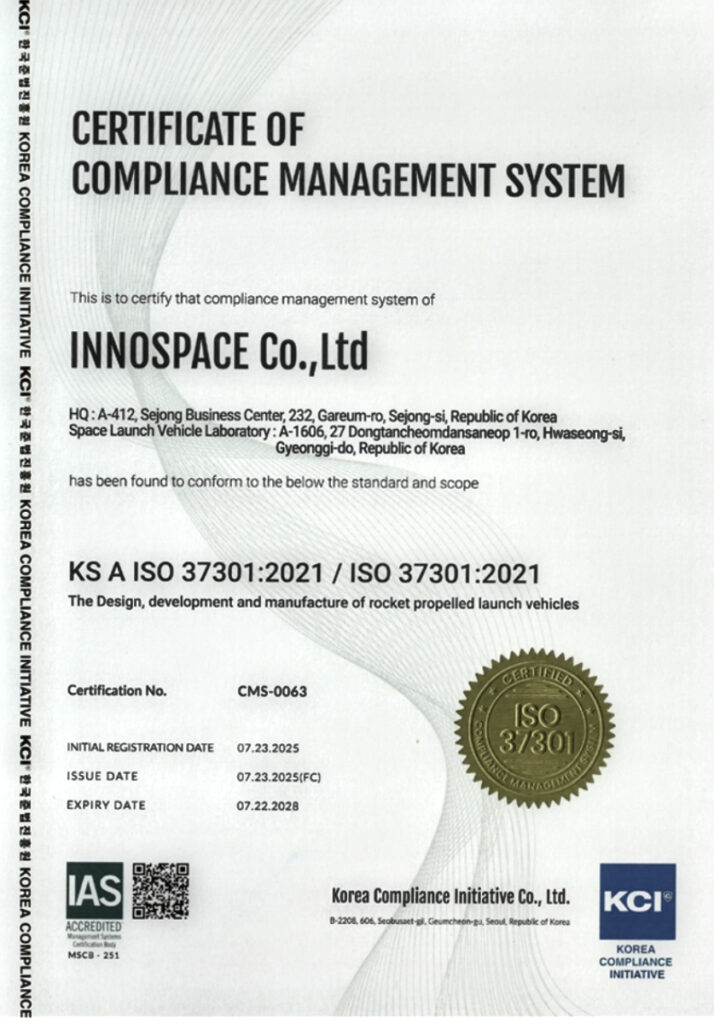
INNOSPACE (KS: 462350) has been awarded the ISO 37301 certification for its compliance management system (CMS), the globally recognized standard established by the International Organization for Standardization (ISO).

The certification validates that INNOSPACE has implemented a robust internal governance structure designed to proactively comply with legal and ethical obligations. As the first private space launch vehicle company in South Korea to earn this certification, INNOSPACE demonstrates its ethical compliance systems meet global criteria, solidifying the company’s credibility with international customers, partners, and oversight organizations.

Operating in one of the most complex and highly regulated industries, the space launch sector faces intricate demands such as cross-border export controls, security regulations, and aerospace quality certifications. INNOSPACE’s acquisition of ISO 37301 reinforces its capability to proactively manage compliance risks across the entire launch service lifecycle—from licensing and site operations to satellite transport and mission control—strengthening trust with clients and regulatory authorities around the world.

The certification marks another step in INNOSPACE’s phased rollout of global governance systems under its long-term ESG strategy. In January, the company achieved AS9100 certification for aerospace quality. Building on this momentum, INNOSPACE is preparing to sequentially implement additional international standards, including ISO 14001 (Environmental), ISO 45001 (Occupational Health & Safety), and ISO 27001 (Information Security), to reinforce its position as a reliable partner in the global space industry.

We view ethics and compliance not as a short-term task, but as a core value of sustainable management,” said Soojong Kim, Founder and CEO of INNOSPACE. “We will continue to actively implement this across the company, responding proactively to evolving global regulatory environments and building a transparent and accountable governance structure.”

Filed Under: News

Ascending Node Technologies enables missions to automate constellation design

August 3, 2025 by editorial

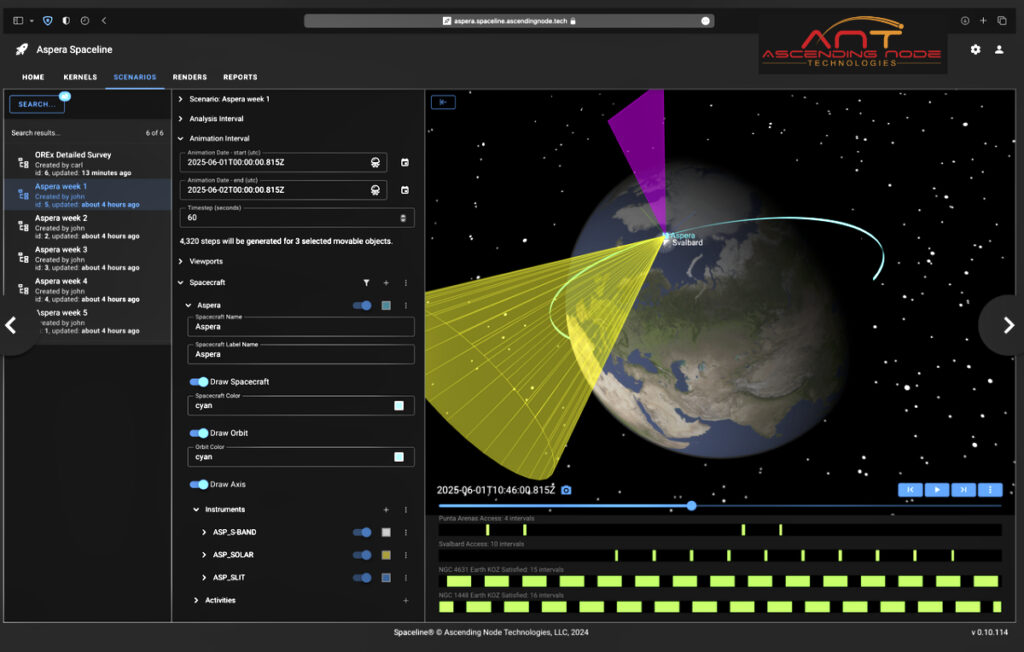
Ascending Node Technologies (ANT) has unveiled the company’s Spaceline® constellation design tool that enables startups and established operators to collectively plot, create, and simulate systems tailormade to their mission plans and operations.

This first-of-its-kind, collaborative design tool allows project engineers and developers to plug mission specs and requirements into ANT’s Spaceline visualization software platform, which does the math and provides an accurate blueprint for new and expanding constellations.

Spaceline enables operators to clearly see how their constellations will perform in the future and helps to ensure they deploy the right number of spacecraft and deliver the necessary coverage and services, such as Earth and orbital debris observation.

The new constellation design tool joins the affordable web-based Spaceline suite of data analysis and visualization capabilities developed to help today’s dispersed mission teams effectively collaborate in real time during every mission phase, from design through live operations and post-mission review.

Spaceline is a relatively small investment that enables multi-million-dollar missions to dramatically boost operational accuracy, efficiency, and productivity by automating and streamlining many of the manual, cumbersome calculations and processes still in use today.

NASA is relying on Spaceline and the Ascending Node Technologies team as a critical asset of its $20 million Aspera small-sat UV astrophysics mission set to explore nearby galaxies from LEO beginning next year.

NASA and the University of Arizona space team are leveraging Spaceline to help solve the mysteries surrounding how galaxies evolve and obtain fuel for the formation of stars.

Spaceline was born from NASA’s historic and complex OSIRIS-REx (Origins, Spectral Interpretation, Resource Identification, and Security – Regolith Explorer) asteroid sample collection mission that traveled to the near-Earth asteroid Bennu to retrieve rock and dust samples as part of a seven-year exploration.

By the time asteroid samples were delivered to Earth in 2023, a trio of OSIRIS-REx engineers and scientists had founded Ascending Node Technologies and revolutionized the space industry’s slow, siloed, costly, and often manual data processing practices.

Multiple NASA Small Business Innovation Research (SBIR) contracts have funded next-generation Spaceline visualization apps and enhancements to the Spaceline visualization software platform.

The industry continues to underestimate the complexity of space, so our web-based Spaceline architecture and new design tool allow teams to collaborate, develop ideas, create and operate a simulated constellation long before the first spacecraft is launched,” said John Kidd, Chief Aerospace Engineer for Ascending Node Technologies. “The ability to effectively plug-in specific mission data and automatically create constellations of spacecraft to meet specific objectives allows startups to build a compelling case for venture funding and big operators to grow with accuracy and confidence.”

Filed Under: Featured, News

  • « Go to Previous Page
  • Go to page 1
  • Go to page 2
  • Go to page 3
  • Go to page 4
  • Go to Next Page »

Primary Sidebar

WEEKLY NEWSLETTER

Archives

  • November 2025
  • October 2025
  • September 2025
  • August 2025
  • July 2025
  • June 2025
  • May 2025
  • April 2025
  • March 2025
  • February 2025
  • January 2025
  • December 2024
  • November 2024
  • October 2024
  • September 2024
  • August 2024
  • July 2024
  • June 2024
  • May 2024
  • April 2024
  • March 2024
  • February 2024
  • January 2024
  • December 2023
  • November 2023
  • October 2023
  • September 2023
  • August 2023
  • July 2023
  • June 2023
  • May 2023
  • April 2023
  • March 2023
  • February 2023
  • January 2023
  • December 2022
  • November 2022
  • October 2022
  • September 2022
  • August 2022
  • July 2022
  • June 2022
  • May 2022
  • April 2022
  • March 2022
  • February 2022
  • January 2022
  • December 2021
  • November 2021
  • October 2021
  • September 2021
  • August 2021
  • July 2021
  • June 2021
  • May 2021
  • April 2021
  • March 2021
  • February 2021
  • January 2021
  • December 2020
  • November 2020
  • October 2020
  • September 2020
  • August 2020
  • July 2020
  • June 2020
  • May 2020
  • April 2020
  • March 2020
  • February 2020
  • January 2020
  • December 2019
  • November 2019
  • October 2019

© 2019–2025 SatNews

Insert/edit link

Enter the destination URL

Or link to existing content

    No search term specified. Showing recent items. Search or use up and down arrow keys to select an item.
      x
      Sign Up Now!

      Enjoy a free weekly newsletter with recent headlines from the global SmallSat industry.

      Invalid email address
      We promise not to spam you. You can unsubscribe at any time.
      Thanks for subscribing! You will now receive weekly SmallSat News updates.
      We love our advertisers.
      And you will too!

      Please disable Ad Blocker to continue... We promise to keep it unobtrusive.
      We promise not to spam you. You can unsubscribe at any time.
      Invalid email address
      Thanks for subscribing! Please check your email for further instructions.