
• Skip to main content
  • Skip to primary sidebar
  • Home
  • News
  • Featured
  • More News ⌄
    • SatNews
    • SatMagazine
    • MilSatMagazine
  • Events ⌄
    • MilSat Symposium
    • SmallSat Symposium
    • Satellite Innovation
  • Contacts
  • SUBSCRIPTION

SmallSat News

You are here: Home / Archives for News

News

Clarus Networks delivers 1st rail-certified LEO satellite connectivity

May 13, 2025 by editorial

ScotRail, in partnership with Clarus Networks Group, has launched a transformational connectivity project that sees the world’s first deployment of a rail-certified LEO satellite antenna.

This deployment delivers high-speed, resilient internet access to trains operating across some of the UK’s most remote rail corridors and sets a new global benchmark for digital rail infrastructure.

Scottish trains operating on rural routes from Inverness to Wick, Thurso, Kyle of Lochalsh, and Aberdeen have been equipped with a next-generation, onboard system powered by Starlink’s Rigid Terminal, which has now achieved full certification for use in rail environments.

The solution has been developed in close collaboration with SpaceX engineers, ensuring it meets the stringent performance, safety, and environmental standards required for rail deployment. Unlike legacy satellite or terrestrial connectivity solutions, the Starlink terminal is engineered to deliver consistent, high-throughput connectivity under the dynamic conditions of the rail environment — including vibration, varying altitudes, and severe weather exposure.

Achieving certification to the EN50155, EN50121, and EN45545 standards confirms the terminal’s suitability for critical transport applications. These include electromagnetic compatibility, electronic equipment resilience, and compliance with fire protection requirements in rail vehicles. The result is a ruggedised, high-performance connectivity solution that delivers enterprise-grade reliability, safety, and speed—uniquely adapted to the needs of modern rail.

The ScotRail deployment supports a wide range of digital enhancements, benefiting both customers and frontline rail operations…

  • Improved passenger Wi-Fi, enabling streaming, browsing, and productivity even in remote regions;
  • Wi-Fi calling, allowing passengers and train crew to make voice calls over the internet where mobile coverage is unavailable;
  • GPS tracking of rolling stock, enabling real-time location data to support joined-up public transport and better service information;
  • Live access to onboard CCTV, supporting rapid incident response, passenger safety, and enhanced situational awareness;
  • Enhanced onboard passenger information systems, with more accurate and timely journey updates.

Passengers will easily identify upgraded trains via new on-board signage and will also experience a redesigned Wi-Fi landing page upon connection.

The project supports broader efforts to improve digital services in rural areas, addressing the long-standing connectivity gaps that have impacted community resilience, mobility, and economic development. By delivering stable, high-speed internet to even the most isolated parts of the rail network, the deployment plays a direct role in enabling smarter travel, improving service quality, and encouraging confidence in public transport.

This solution is already being considered for wider roll-out across the ScotRail fleet, with potential to cover other remote lines including the West Highlands, Stranraer, Dumfries, and the Borders and is also influencing the requirements of future rolling stock procurement — ensuring that connectivity is not a bolt-on, but a core part of train design and delivery.

Clarus Networks is leveraging this milestone to accelerate rail connectivity projects around the world. The company is currently engaged in deployments and partnerships across Europe, the Middle East, Australia, and North America, helping rail operators modernise their onboard systems, streamline operations, and meet rising passenger expectations.

In these environments—often marked by sparse mobile coverage and complex terrain— LEO satellite solutions provide a cost-effective, rapidly deployable alternative to traditional infrastructure. By integrating these technologies into certified, rail-ready platforms, Clarus is helping global rail networks deliver the same level of connectivity seen in urban centers— without the need for fixed infrastructure or long lead times.

About Clarus Networks
Clarus is a global connectivity solutions provider, delivering innovative, high-performance communications across the most demanding environments—including rail, energy, construction, public safety, and maritime. With deep expertise in LEO satellite integration and hybrid connectivity, Clarus works with leading technology partners to deliver scalable, resilient solutions that keep people, infrastructure, and operations connected—anywhere in the world.


Filed Under: News

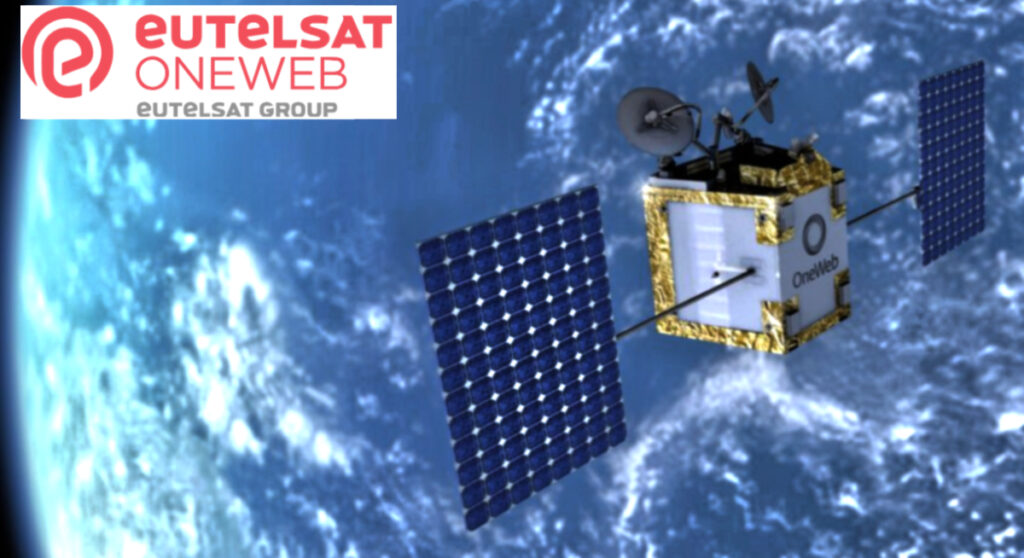
Gilat ESA has a successful test flight on the Eutelsat OneWeb network

May 12, 2025 by editorial

Gilat Satellite Networks Ltd. (NASDAQ: GILT, TASE: GILT) has successfully completed a series of test flights featuring its ESR-2030Ku electronically steered antenna (ESA).

Conducted in collaboration with Gogo, which will be the exclusive distributor of the antenna for the business aviation and defense markets, the tests demonstrated outstanding performance of the ESA on the OneWeb LEO network.

The ESR-2030Ku—designed for mobility and engineered for efficiency—delivered full-duplex connectivity with throughput of 195 Mbps downlink and 32 Mbps uplink. The terminal remained stable and reliable throughout the tests, even in demanding performance scenarios.

The ESR-2030Ku is a unique compact and low-power full-duplex aero ESA built for the OneWeb network. Production hardware delivery to support customer STCs is expected later in 2025.

Filed Under: News

Rocket Lab partners with U.S.A.F. | AFRL for Neutron launch for rocket cargo missions

May 12, 2025 by editorial

Rocket Lab USA, Inc. (Nasdaq: RKLB) will launch their medium-lift, reusable rocket—Neutron—for the U.S. Air Force Research Laboratory (AFRL) for a Rocket Cargo mission that supports point-to-point cargo transportation and this mission is scheduled for a return-to-Earth launch no earlier than 2026.

The launch contract will see Neutron execute a Rocket Cargo survivability experiment under the AFRL Rocket Experimentation for Global Agile Logistics (REGAL) solicitation, an effort by the Department of Defense to create a rocket-based point-to-point transportation system to quickly and rapidly deliver cargo around the world with commercial launch providers. AFRL’s experiment will be launched by Neutron and re-enter Earth’s atmosphere in a demonstration of re-entry capability for future REGAL missions.

Rocket Lab’s Neutron medium-lift reusable launch vehicle will provide both government and commercial customers with an alternative and reliable launch service capable of deploying 13,000 kg to LEO. Neutron is tailored to deploy constellations and national security missions as well as science and exploration payloads.

In addition to serving customers with greater affordability in the medium-launch market, Neutron is key to Rocket Lab’s strategy as an end-to-end space company preparing to deploy its own constellations and deliver services from space in the future. Neutron’s debut remains on track for first launch in the second half of 2025.

Filed Under: News

Rheinmetall + ICEYE to establish a JV for satellite production

May 11, 2025 by editorial

Rheinmetall and ICEYE are intensifying their cooperation and the two companies intend to establish a joint venture (JV) for satellite production, with an MoU signed by both firms to this effect on May 8, 2025.

Rheinmetall is to be the majority shareholder in the new joint venture named Rheinmetall ICEYE Space Solutions, with 60 percent of the shares, while ICEYE will hold 40 percent. The foundation is still subject to definitive agreements and official approvals.

As part of a Rheinmetall Space Cluster in Germany, Rheinmetall ICEYE Space Solutions is to manufacture satellites, starting with Synthetic Aperture Radar (SAR) satellites and subsequently other space solutions. Production is to take place at the Neuss site, among others, and is scheduled to begin in the second quarter of 2026.

In September of 2024, Rheinmetall and ICEYE had further intensified their cooperation, with Rheinmetall securing exclusive rights to market the SAR satellites to military and government end users in the German and Hungarian markets. The first major milestone in the cooperation between Rheinmetall and ICEYE was reached in November of 2024. To meet the Ukraine’s urgent need for SAR imaging satellite reconnaissance capabilities, the two companies had signed a contract with the support of the German government. The agreement extends the SAR data and other support that Ukraine received from ICEYE during the war.

Filed Under: News

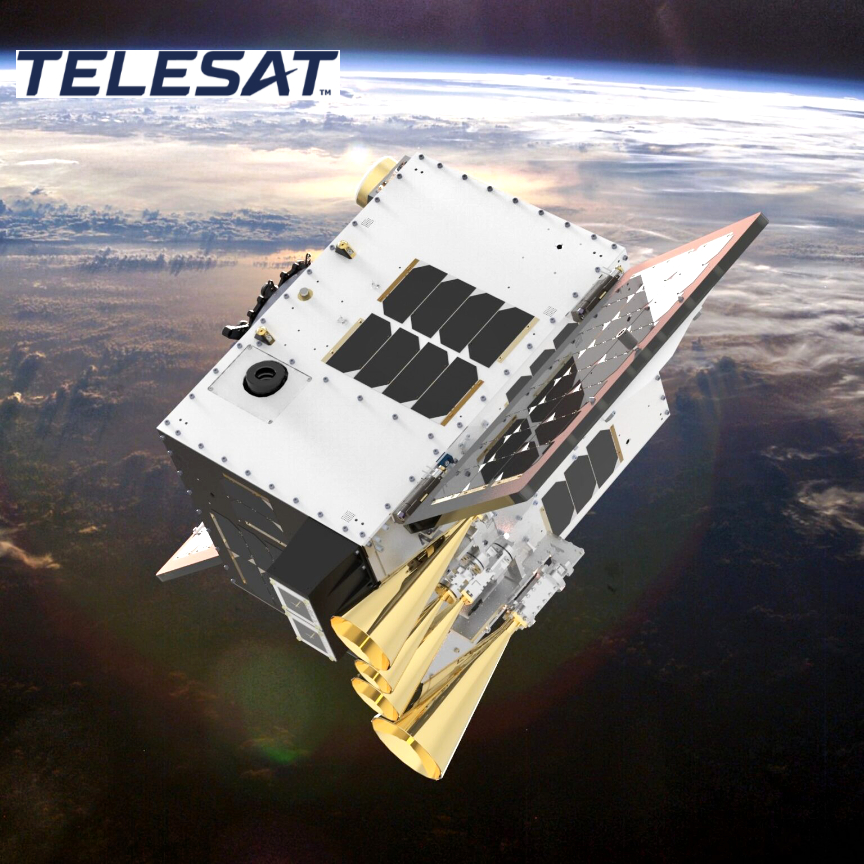
Forrester’s Digest: Telesat Q1 revenue down 23%

May 8, 2025 by editorial

The good news for Canada-based satellite operator Telesat is that its backlog for its Lightspeed mega-constellation is likely to be worth more than C$1.1 billion (0.7 billion euros) by the end of this year. The bad news is that the first Lightspeed LEO satellite will not be orbited until the end of 2026 and service will not commence until 2027.

Further bad news is in its core DTH transmission business for Canadian (and U.S.) viewers and where revenues are down 25 percent when compared to the same period last year. The company’s Operating Income is down 53 per cent y-o-y.

The Lightspeed backlog is likely to see further growth helped by a contract with Viasat. Telesat CEO Dan Goldberg told analysts during its Q1 2025 call on May 6th that he’s optimistic Telesat will secure additional commitments over the course of this year, which would bring Lightspeed’s backlog to more than the backlog for services from GEO.

We continue to believe that our year-end 2025 LEO segment backlog will exceed our year-end 2024 GEO segment backlog. The Viasat contract is a very meaningful contract. I think there will be other commercial players that will sign significant deals. Maybe they won’t quite be at the Viasat level, but they could be still in that nine-figure [value], when I think about conversations we’re having and what the pipeline looks like.” Goldberg said. “We have had multiple conversations with various governments around the world as governments think about leveraging LEO to meet their growing space requirements.”

But meanwhile, Goldberg admitted that Telesat’s revenue expectations would remain under pressure. The company is anticipating a 27 percent decline in revenues at the mid-year point.

For the quarter ended March 31st 2025, Telesat reported consolidated revenue of C$117 million, a decrease of 23 per cent (C$35 million) compared to the same period in 2024. When adjusted for changes in foreign exchange rates, revenue declined 26 percent (C$40 million) compared to 2024. The decrease was primarily due to a lower rate on the renewal of a long-term agreement with a North American DTH television customer and to reductions in services for certain customers, particularly on an agreement to provide services to an Indonesian rural broadband program, combined with lower equipment sales to Canadian government customers.

Filed Under: Featured, News

USSF strengthens missile warning mission with FORGE Enterprise OPIR solution award

May 7, 2025 by editorial

U.S. Space Force’s Space Systems Command (SSC) recently awarded the Future Operationally Resilient Ground Evolution (FORGE) Enterprise Overhead Persistent Infrared (OPIR) Solution (EOS) contract to SciTec, Inc.—the $259 million award was made through a competitive Other Transaction Authority (OTA) prototype agreement leveraging the SSC Space Enterprise Consortium (SpEC).

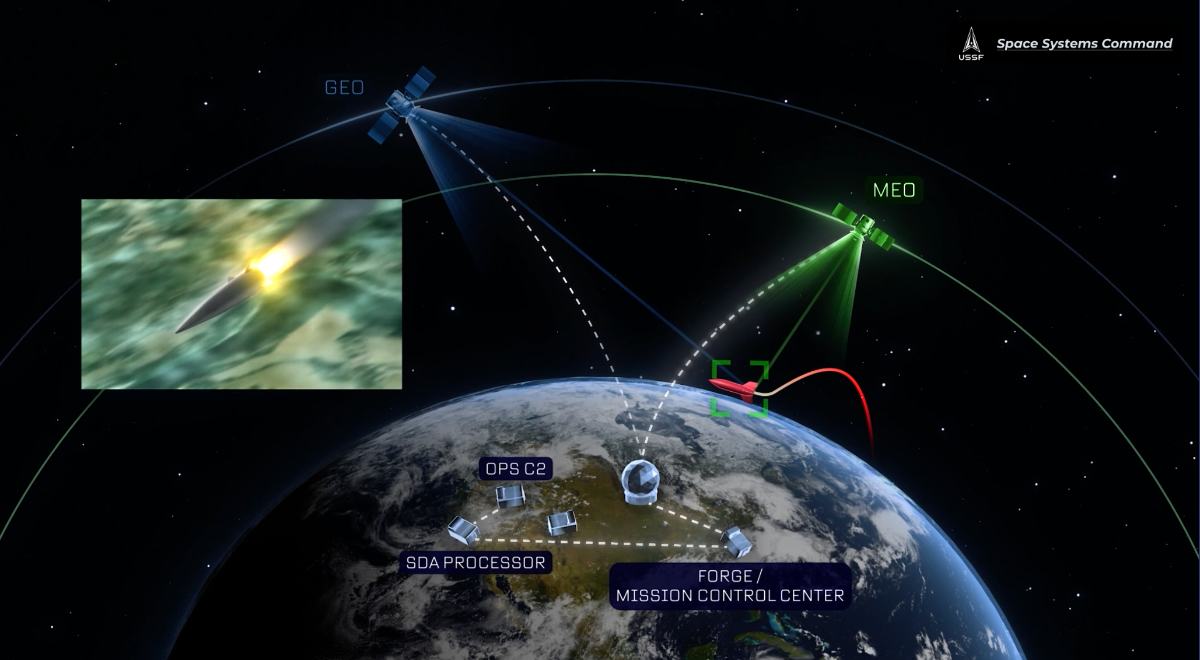
FORGE provides the cornerstone of a resilient OPIR ground architecture supporting legacy Space-Based Infrared System (SBIRS) and Next-Gen OPIR satellite payloads such as Next-Gen OPIR GEO (NGG), Polar (NGP), Medium Earth Orbit (MEO), and Low Earth Orbit (LEO) constellations. It will also integrate capabilities from both FORGE and non-FORGE efforts, ensuring interoperability and mission flexibility across the missile warning and tracking enterprise. EOS builds upon the existing FORGE framework, which provides foundational hardware and software infrastructure, on which OPIR mission applications are built upon.

The EOS contract is the follow-on contract vehicle to continue the development and delivery of the FORGE framework, serving as the foundation for developing, managing, and hosting mission data processing applications. This cyber-resilient, modular, and scalable framework enables the ingestion of large volumes of data, efficient upgrades, and real-time wideband processing.

A framework is a software platform that provides a standard way to build, deploy, and interface with applications. The FORGE framework’s data-processing capability is crucial for orchestrating real-time data processing demands of Next-Gen OPIR satellites and future sensors to meet tomorrow’s threats.

The FORGE framework was initially developed under the SSC Mission Data Processing Application Framework (MDPAF) contract from 2020 to 2025. The EOS prototype represents the next phase for the FORGE ground system, enabling SSC to continue development and integration with emerging sensor technologies, adopting hybrid-cloud architectures, addressing technical debt, and building upon existing investments to meet growing threat timelines and mission needs.  

This approach also reinforces FORGE’s acquisition strategy built on a foundation of modular and open systems architectures. Government ownership of the technical baseline and modular elements of the FORGE architecture provide the flexibility needed to access a continuous supply and a broad range of industry vendors.  It also spurs competition resulting in best value for tax payers and greater innovations of critical capabilities for the nation.  

In April of 2024, the FORGE program achieved a key milestone with the first operational delivery of the FORGE framework to the OPIR Battlespace Awareness Center (OBAC) at Buckley Space Force Base, Colorado., enhancing operational resilience and application performance for the 11th Space Warning Squadron, Space Operations Command.  This event also successfully demonstrated the ability to deliver iterative, regular and continuous warfighting capabilities into operations. The next delivery of FORGE capabilities to operators is scheduled for this summer.

EOS expands the aperture for industry innovation and will take the FORGE framework to the next level,” said Lt. Col. Daniel Groller, SSC FORGE materiel leader.  “By delivering a scalable, cyber-secure, and modular ground processing capability designed to meet the demands of an evolving OPIR enterprise, we ensure our warfighters have faster, more reliable access to critical missile warning and tracking data for modern warfare.”       

Space Systems Command is the U.S. Space Force field command responsible for acquiring, developing, and delivering resilient capabilities to protect our nation’s strategic advantage in, from, and to space. SSC manages a $15.6 billion space acquisition budget for the Department of Defense and works in partnership with joint forces, industry, government agencies, academic and allied organizations to outpace emerging threats. Our actions today are making the world a better space for tomorrow.

Filed Under: News

Rocket Lab schedules next mission for multi-launch customer iQPS

May 6, 2025 by editorial

Rocket Lab USA, Inc. (Nasdaq: RKLB) has announced the launch window for the firm’s next mission for multi-launch customer, Institute for Q-shu Pioneers of Space, Inc. (iQPS).

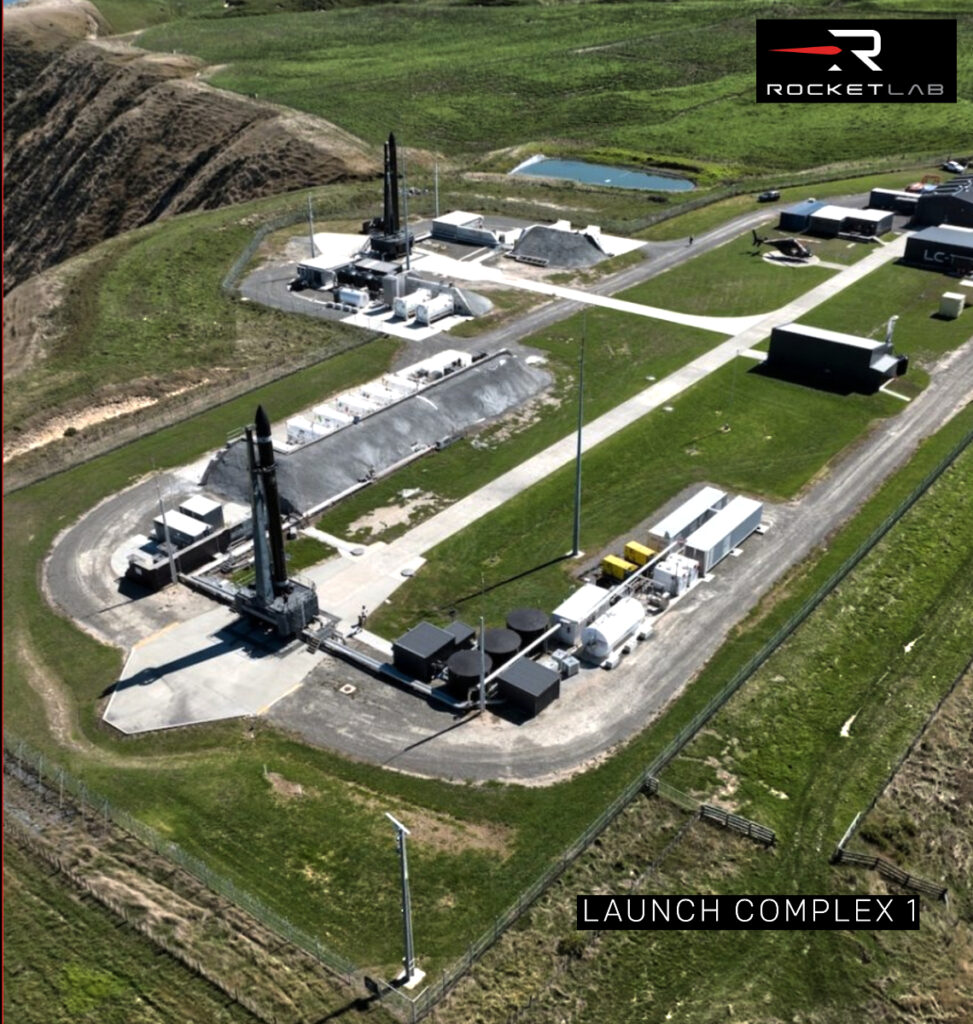
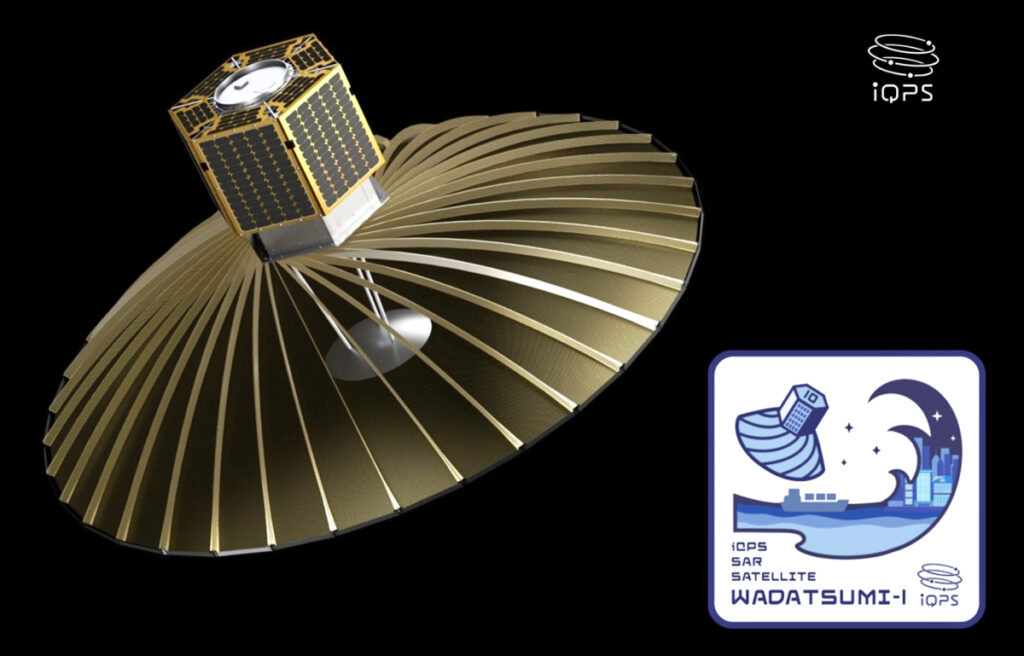
The mission, named ‘The Sea God Sees’, will launch from Rocket Lab Launch Complex 1 in New Zealand during a launch window that opens on May 17, 2025. The mission will launch a single, synthetic aperture radar (SAR) imaging satellite called QPS-SAR-10 (nicknamed “WADATSUMI-I” for the Japanese god of the sea) to a 575 km circular Earth orbit, from where the satellite will join the iQPS constellation in providing high resolution images and Earth monitoring services globally.

The mission will be the third overall Electron launch for iQPS and the second in a line-up of eight dedicated missions across 2025 and 2026 to deploy iQPS’s constellation. The first mission of the multi-launch contract, ‘The Lightning God Reigns’, was successfully deployed to space by Electron just weeks ago on March 15, 2025.

“The Sea God Sees” will be Rocket Lab’s sixth mission of 2025, its 64th Electron launch overall, and will bring the total number of satellites delivered to space by Rocket Lab to 225.

Filed Under: Featured, News

Engage Communication enhances Starlink network performance

May 6, 2025 by editorial

Engage Communication last month announced a breakthrough in optimizing Starlink‘s satellite network for real-time data transmission.

By leveraging Redundant Delayed Packets, Engage Communication enhances the reliability and continuity of mission-critical streaming applications, ensuring seamless communication even in challenging network conditions.

As Starlink continues to expand satellite-based connectivity, its real-time streaming applications—such as voice, video, and telemetry—face challenges such as latency spikes, packet loss, and brief outages due to satellite handoffs.

Engage Communication has introduced Redundant Delayed Packets, a solution that bolsters data integrity and minimizes disruptions caused by Starlink’s dynamic network environment.

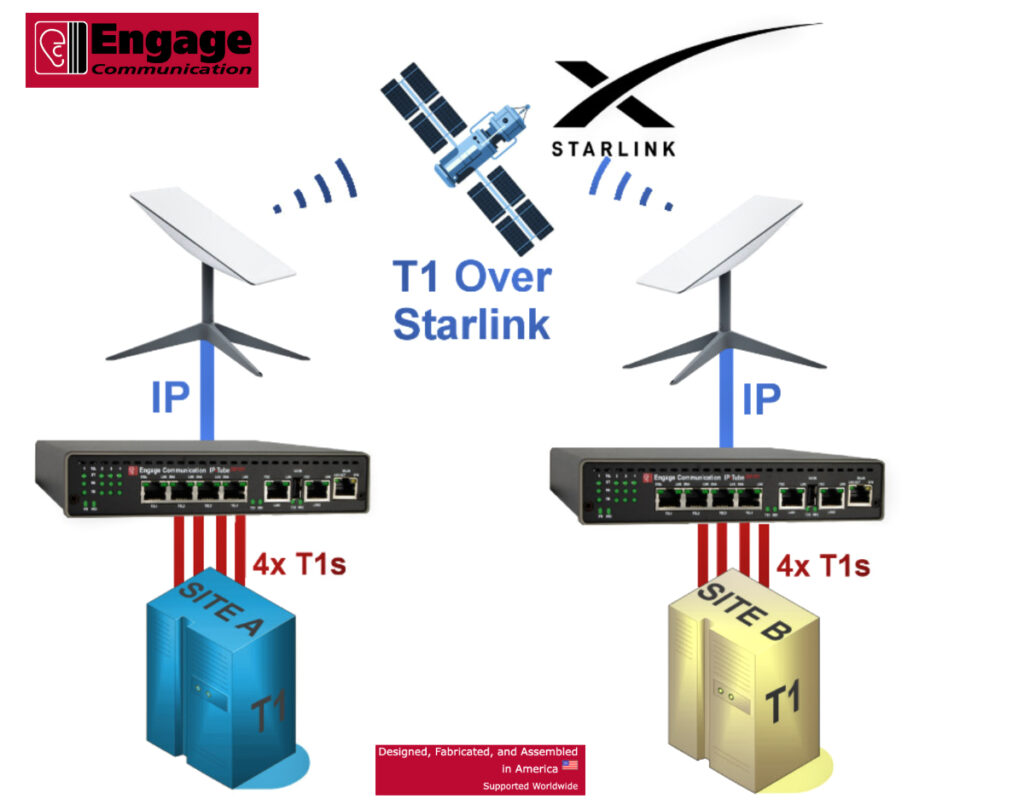
Engage Communication’s IP-Tube product line, when combined with Redundant Delayed Packets, ensures seamless and reliable data transmission over Starlink for real-time applications. The IP-Tube efficiently converts legacy TDM, serial, and analog interfaces into IP packets, enabling mission-critical communications to leverage Starlink’s global satellite network.

By incorporating Redundant Delayed Packets, the IP-Tube mitigates the effects of Starlink’s inherent latency variations and packet loss, ensuring smooth voice, video, and telemetry transmissions. This solution is ideal for public safety, defense, and industrial applications, where uninterrupted connectivity is essential despite the dynamic nature of satellite networking.

Starlink has revolutionized connectivity in remote and underserved areas, but real-time data streaming demands uninterrupted and resilient transmission,” said Mark Doyle, CEO and Founder of Engage Communication. “With our technology, users can experience improved reliability and quality of service, even in the face of fluctuating network conditions.”

Key Benefits of Redundant Delayed Packets in Starlink Networks…

Enhanced Reliability – Mitigates data loss by providing backup packets that compensate for missing or delayed transmissions.

Reduced Latency Spikes – Smooths out performance inconsistencies caused by satellite transitions.

Seamless Satellite Handoffs – Ensures continuous data flow, preventing interruptions in live streaming applications.

Improved Quality of Service (QoS) – Critical for VoIP, video conferencing, and telemetry-based communications.

Fault Tolerance – Adds an extra layer of protection against Starlink’s dynamic routing and congestion issues.

Empowering Mission-Critical Applications Engage Communication’s Redundant Delayed Packet technology is ideal for industries that rely on real-time streaming, including: Public Safety & Emergency Communications – Maintaining uninterrupted communication for first responders.

Defense & Government – Enhancing the reliability of secure data transmission in remote locations.

Telemedicine & Remote Monitoring – Ensuring stable video and telemetry for critical healthcare applications.

Industrial IoT & Smart Infrastructure – Supporting continuous data flow for automation and control systems.

Future-Proofing Satellite-Based Networking

Engage Communication remains committed to advancing connectivity solutions that maximize the potential of satellite networks such as Starlink. By addressing latency, packet loss, and reliability concerns, Engage’s latest innovation ensures organizations can depend on Starlink for high-quality real-time communications.

About Engage Communication
Engage Communication is a trusted provider of secure and reliable networking solutions, specializing in telecommunications, cybersecurity, and mission-critical data transmission. With a legacy of innovation, Engage continues to bridge the gap between traditional and modern network technologies, empowering organizations with robust connectivity solutions.

Filed Under: News

SpaceX plans Tuesday Starlink Group 6-92 launch of 28 smallsats

May 6, 2025 by editorial

In July 2021, Western Germany experienced one of the country’s deadliest natural disasters when record flooding ravaged the regions of Ahrweiler, Euskirchen, Eschweiler, Stolberg, and Erftstadt. Roughly 1,300 people were reported missing. But after local crisis management teams secured 100 Starlink kits donated by Starlink and Tesla, connectivity was restored, and the number of those unaccounted for dropped to less than 200

Starlink Group 6-93 originally planned for Saturday, May 3, is now targeting Tuesday, May 6 for a Falcon 9 launch of 28 Starlink smallsats to low-Earth orbit from Space Launch Complex 40 (SLC-40) at Cape Canaveral Space Force Station in Florida. These satellites will add to SpaceX’s Starlink smallsat constellation. Liftoff is targeted for 8:22 p.m. ET, with backup opportunities available until 12:22 a.m. ET on Wednesday, May 7. If needed, additional opportunities are also available on Wednesday, May 7 starting at 7:30 p.m. ET.

A live webcast of this mission will begin about five minutes prior to liftoff, which you can watch on X @SpaceX. You can also watch the webcast on the new X TV app.

This is the seventh flight for the first stage booster supporting this mission, which previously launched Crew-9, RRT-1, Firefly Blue Ghost Mission 1, Fram2 and two Starlink missions. Following stage separation, the first stage will land on the Just Read the Instructions droneship, which will be stationed in the Atlantic Ocean.

The Falcon 9 first stage will attempt to land on one of two East Coast ASDS after its flight. The mission costs $52 million.

Filed Under: News

Eutelsat names a new Chief Executive Officer

May 5, 2025 by editorial

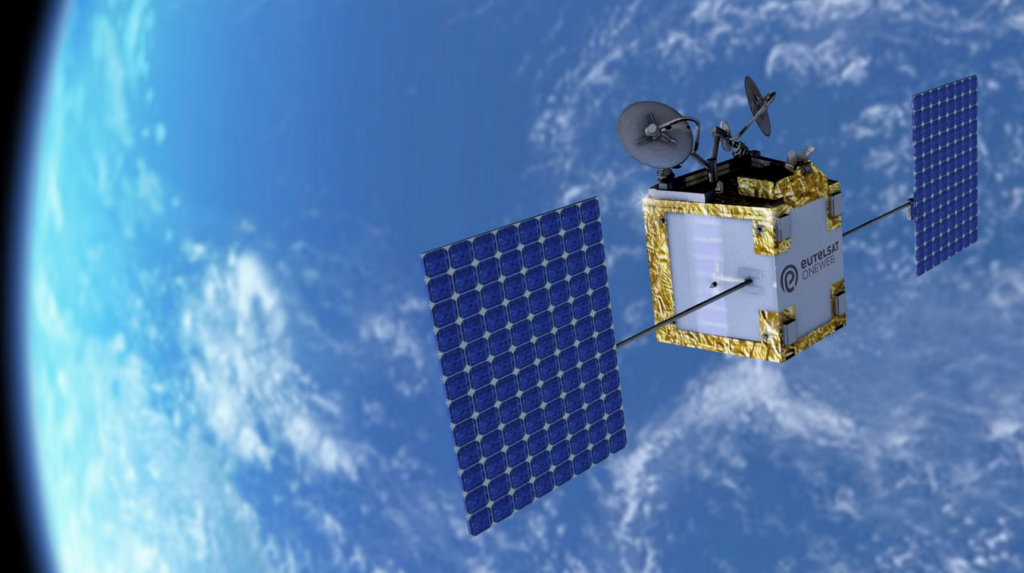
As Eutelsat moves into the next phase after the integration with OneWeb and fully aligned with an IRIS2 future, the company has appointed Jean-François Fallacher as the firm’s new CEO.

Jean-François
Fallacher

The appointment was decided at a Board Meeting held on May 4th, 2025, upon the recommendation of the Nomination and Governance Committee, and will be effective on June 1st, 2025. This appointment comes as a natural change that fully aligns Eutelsat to the telecom ecosystem.

A seasoned telecoms professional, Jean-François Fallacher joins Eutelsat following a lengthy career at Orange where he was latterly Executive Vice President and Chief Executive Officer of Orange France. Prior to that, he led Orange’s operations in various countries including Spain, Romania and Poland.

Before his career at Orange, Jean-François Fallacher held several roles in R&D, sales and operations, including Chief Operating Officer of Wanadoo in the Netherlands and Chief Executive Officer of Sofrecom, a consulting company specializing in the telecoms sector. A French national, Jean-François Fallacher is a graduate of the Ecole Polytechnique and Ecole Nationale Supérieure des Télécommunications in Paris.

Jean-François Fallacher succeeds Eva Berneke, who has steered the company since January 2022, presiding over some of its most significant strategic and operational achievements. These include the merger with and integration of OneWeb in 2023 to create the world’s only LEO / GEO satellite operator, its appointment as one of the core players in the planned EU IRIS2 multi-orbit constellation, and the pioneering disposal of its passive ground segment, the first operation of its type among satellite operators.

Dominique D’Hinnin, Chairman of the Board of Directors of Eutelsat, said, “On behalf of myself, Vice-Chairman Sunil Bharti Mittal, and the other members of the Board, I warmly thank Eva Berneke for her dynamic and committed leadership through these significant milestones in Eutelsat’s development and for delivering on our telecoms pivot strategy, in a period that has seen significantly increased competitive and geopolitical pressure. I am delighted to welcome Jean-François Fallacher as he picks up the baton from Eva. With his proven track record of success and wealth of experience and expertise, I am convinced he is the right leader to take Eutelsat forward and successfully steward the company through the opportunities and challenges which will undoubtedly present themselves in the coming years.”

Jean-François Fallacher said, “I am excited to be joining Eutelsat at such a pivotal moment in its history. Technology is evolving faster than ever, and in today’s increasingly complex geopolitical context, satellite networks have become a key element in the Connectivity landscape. I am convinced Eutelsat has the fundamentals to be a winner in this environment, and I look forward to building on Eva’s foundations, and working with its talented teams to ensure we achieve our goals.”

Filed Under: Featured, News

  • « Go to Previous Page
  • Page 1
  • Interim pages omitted …
  • Page 32
  • Page 33
  • Page 34
  • Page 35
  • Page 36
  • Interim pages omitted …
  • Page 339
  • Go to Next Page »

Primary Sidebar

WEEKLY NEWSLETTER

Archives

  • August 2026
  • July 2026
  • June 2026
  • May 2026
  • April 2026
  • March 2026
  • February 2026
  • January 2026
  • December 2025
  • November 2025
  • October 2025
  • September 2025
  • August 2025
  • July 2025
  • June 2025
  • May 2025
  • April 2025
  • March 2025
  • February 2025
  • January 2025
  • December 2024
  • November 2024
  • October 2024
  • September 2024
  • August 2024
  • July 2024
  • June 2024
  • May 2024
  • April 2024
  • March 2024
  • February 2024
  • January 2024
  • December 2023
  • November 2023
  • October 2023
  • September 2023
  • August 2023
  • July 2023
  • June 2023
  • May 2023
  • April 2023
  • March 2023
  • February 2023
  • January 2023
  • December 2022
  • November 2022
  • October 2022
  • September 2022
  • August 2022
  • July 2022
  • June 2022
  • May 2022
  • April 2022
  • March 2022
  • February 2022
  • January 2022
  • December 2021
  • November 2021
  • October 2021
  • September 2021
  • August 2021
  • July 2021
  • June 2021
  • May 2021
  • April 2021
  • March 2021
  • February 2021
  • January 2021
  • December 2020
  • November 2020
  • October 2020
  • September 2020
  • August 2020
  • July 2020
  • June 2020
  • May 2020
  • April 2020
  • March 2020
  • February 2020
  • January 2020
  • December 2019
  • November 2019
  • October 2019

© 2019–2026 SatNews

Insert/edit link

Enter the destination URL

Or link to existing content

    No search term specified. Showing recent items. Search or use up and down arrow keys to select an item.
      x
      Sign Up Now!

      Enjoy a free weekly newsletter with recent headlines from the global SmallSat industry.

      Invalid email address
      We promise not to spam you. You can unsubscribe at any time.
      Thanks for subscribing! You will now receive weekly SmallSat News updates.
      We love our advertisers.
      And you will too!

      Please disable Ad Blocker to continue... We promise to keep it unobtrusive.
      We promise not to spam you. You can unsubscribe at any time.
      Invalid email address
      Thanks for subscribing!