• Skip to main content
  • Skip to primary sidebar
  • Home
  • News
  • Featured
  • More News ⌄
    • SatNews
    • SatMagazine
    • MilSatMagazine
  • Events ⌄
    • MilSat Symposium
    • SmallSat Symposium
    • Satellite Innovation
  • Contacts
  • SUBSCRIPTION

SmallSat News

You are here: Home / Archives for 2020

Archives for 2020

mPower Technology’s DragonSCALES™ Integrated Solar Cell Tested On Sparkwing’s On-Orbit Demo

October 15, 2020 by editorial

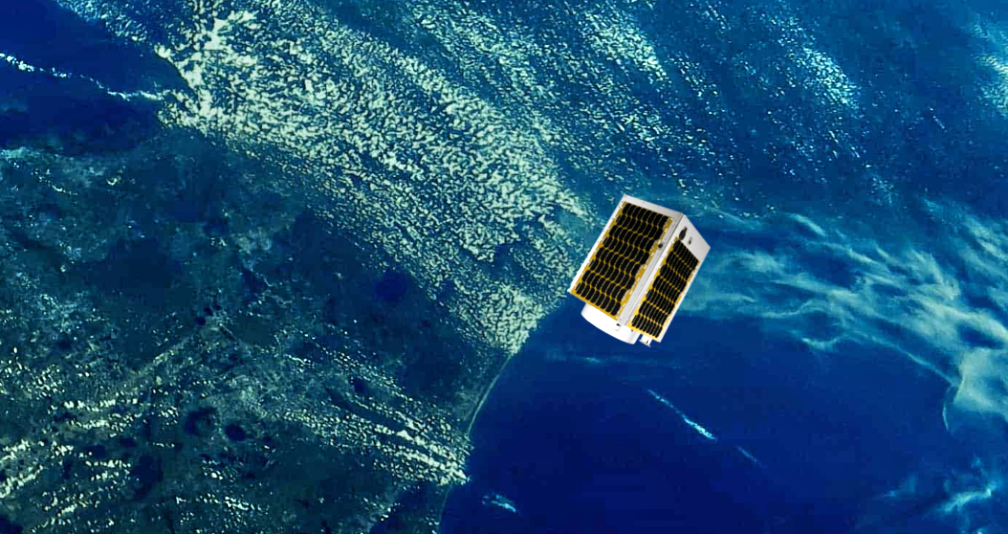
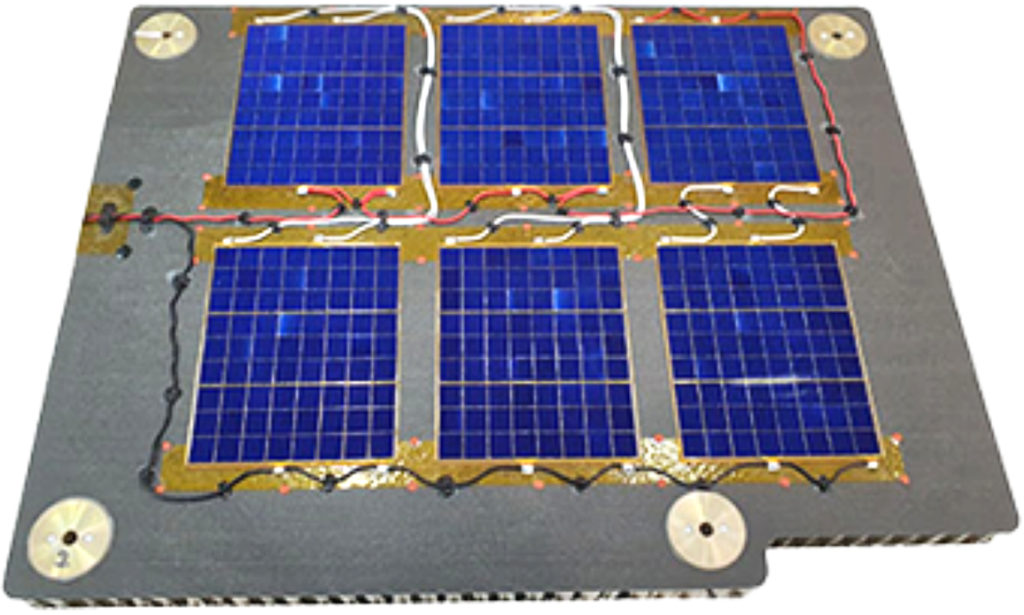
mPower Technology has announced that the firm’s DragonSCALES™ solar cell prototype has completed integration and testing on a Sparkwing on-orbit solar array technology demonstrator in preparation for inclusion on Momentus’ Vigoride transfer vehicle launch that is scheduled to occur in the fourth quarter of 2020.

DragonSCALES was developed to provide a low-cost, voltage-adjustable, high packing factor and lightweight solar power module that streamlines panel assembly and is designed for the needs of commercial LEO (low earth orbit) satellite constellations.
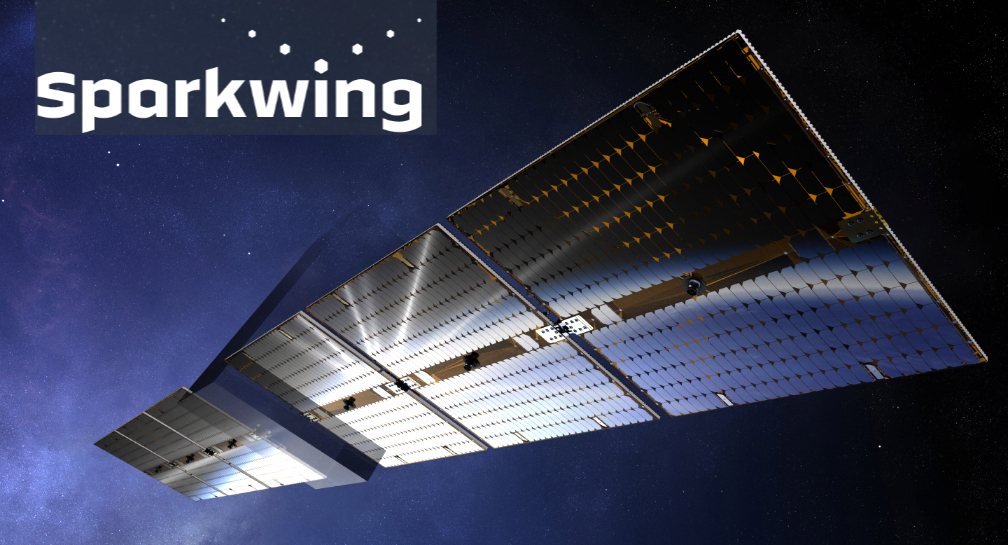
The Sparkwing team has introduced a groundbreaking new approach towards low cost, fast-delivery solar arrays for smallsats by offering a catalogue approach for standardized solar array models, similar to the automotive industry. The team is interested in mPower’s solar cell technology because of its potential to offer a unique combination of cost and performance benefits for next-gen solar arrays.

DragonSCALES enable disruptive, new approaches to solar applications by leveraging small, advanced silicon cells integrated on a flexible substrate in a patented, highly interconnected architecture. They provide unprecedented improvements in system cost, weight, flexibility, resilience, and ease of installation and system integration.

For emerging satellite missions, primes are continuously searching for alternative photovoltaic assembly (PVA) solutions that bring more power at lower price points and shorter delivery schedules. Silicon-based DragonSCALES solutions provide a viable, tested alternative for space power applications with advanced architecture, unparalleled performance, streamlined production and lower cost per watt.

Executive Comments

“mPower is disrupting the space power market with its alternative approach to solar power,” said Kevin Hell, President and CEO of mPower Technology. “The Sparkwing team needs a resilient, flexible, cost-effective solar solution for their innovative smallsat solar array product, and DragonSCALES is the perfect fit given its ease of integration and unique ability to meet customized mission requirements.”

“We are very interested in the launch of this demonstrator together with mPower and Momentus, and looking forward to the in-orbit results. At Sparkwing, we are always looking for cutting-edge technologies that will change the approach to space power in subsequent missions. We’re closely following the mPower development.,” said Marloes van Put, who is leading the Sparkwing initiative.
Filed Under: News

Rocket Factory Augsburg Signs MoU With Andøya Space For Smallsat Launch Site

October 15, 2020 by editorial

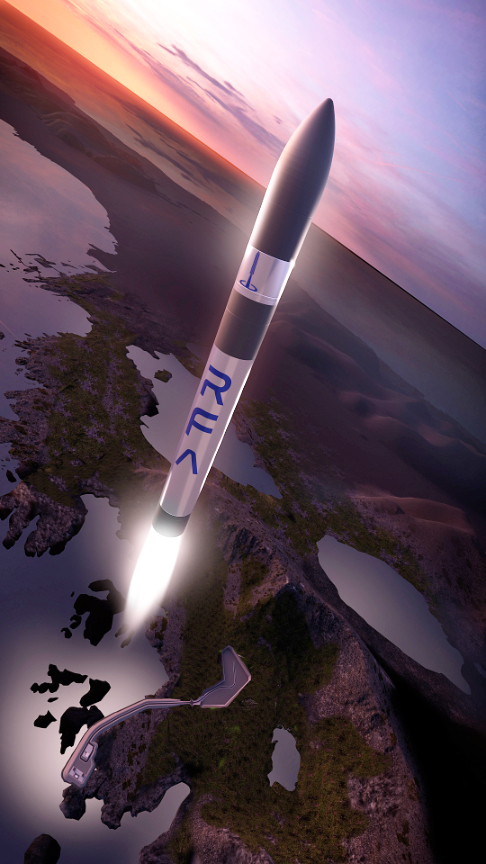
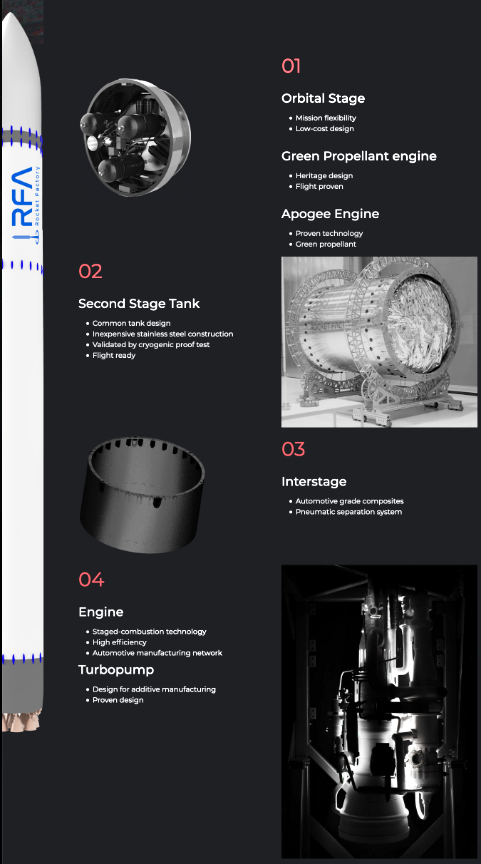
Last month, Rocket Factory Augsburg AG (RFA) signed an MoU with Andøya Space to implement a launch site for the RFA ONE launch system to provide end-to-end launch services for smallsats.

Andøya Space is developing the new launch complex on Andøya island, 35 km south of their existing sub-orbital launch site. This new site will provide operators of vehicles in the 1.5t payload class with independent integration facilities and access to two launch pads with necessary support infrastructure.

Rocket Factory, a start-up backed by the German satellite manufacturer OHB as a strategic investor and Munich-based venture capital firm Apollo Capital Partners, currently is developing a launcher system called RFA ONE for small satellites with a payload performance of up to 1.500kg to low earth orbit (LEO). The first launch is scheduled for 2022. The company recently qualified the upper stage tank system during cryogenic tests and is currently preparing hot-fire tests of the main engine in Esrange, Sweden.

Executive Comments

“This partnership is pivotal, it allows RFA and Andøya to launch the first satellite into orbit from continental Europe with an European launcher,” said Dr. Stefan Brieschenk, Chief Operation Officer of RFA.

Jörn Spurmann, Chief Commercial Officer of RFA, added, “Andøya Space is the most advanced micro launcher spaceport project in Europe. We believe to have found the best partner to start with the delivery of our end to end launch service to our customers in 2022.”

“We are convinced that Rocket Factory is one of the most progressive SSLV companies in Europe. Having them commit to Andøya Space as a partner is of great significance to us. We are developing an efficient multi-user launch site in Norway, and Rocket Factory has the technical capabilities, the same innovative culture, and the enthusiastic team we need in a partner to help us take the spaceport initiative forward. We look forward to supporting them in their missions to polar- and sun synchronous orbits,” said Odd Roger Enoksen, CEO and President of Andøya Space.

Filed Under: News

Two Smallsat Launch Missions On Two Continents Coming Up For Spaceflight

October 14, 2020 by editorial

Spaceflight Inc. will execute two launches on two different continents in a matter of weeks; one aboard a Rocket Lab Electron and the other on NewSpace India Limited’s (NSIL) PSLV — for both missions, Spaceflight arranged the launch and is providing mission management and rideshare integration services for its customers Canon Electronics, Kleos Space and Spire.

The next mission, dubbed RL-5 by Spaceflight and ‘In Focus’ by Rocket Lab, will launch from Rocket Lab’s Launch Complex 1 at the southern tip of Mahia Peninsula in New Zealand. The launch window opens October 20 at 5:14pm ET.

Spaceflight is coordinating the launch of Canon Electronics Inc.’s CE-SAT-IIB, a technical demonstration microsatellite that will add to its Earth-imaging satellite constellation. The payload has three cameras onboard with different resolutions, fields of view and sensitivities, which will demonstrate its capabilities by taking images of the Earth. This is Canon Electronics’ second launch with Spaceflight.

Spaceflight’s next mission is slated to lift off on a PSLV-C49 rocket during the first half of November from India’s Satish Dhawan Space Center, SDSC SHAR. It will carry four smallsats from Kleos Space and four from Spire.

The Kleos 6U satellites make up the company’s Scouting Mission, which will be foundational in its radio frequency monitoring constellation. The smallsats are the cornerstone of a 20-system constellation that will geolocate VHF transmissions from marine vessels to provide global activity-based intelligence data as a service.
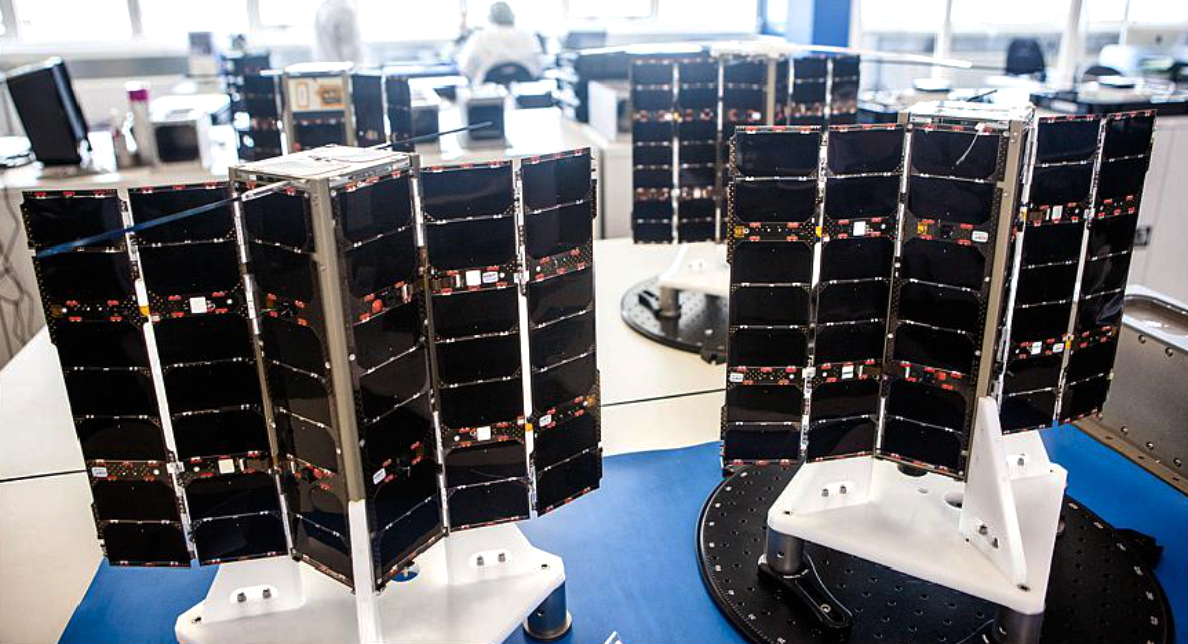
Spaceflight also manifested four Spire Global Lemur-2 3U cubesats to add to its constellation of small, inexpensive satellites in operation for Earth observation, maritime monitoring, communications, meteorology and science.

In addition to the RL-5 and PSLV-C49 missions, Spaceflight is also preparing for the launch of SXRS-3 which will debut Sherpa-FX, its first orbital transfer vehicle (OTV). The SpaceX rideshare mission is scheduled for no earlier than December 2020 and will carry 16 spacecraft managed by Spaceflight. Sherpa-FX is the first in Spaceflight’s innovative Sherpa-NG (next generation) portfolio of vehicles to fly as the company delivers cost-effective, “last mile” service to its customers on orbit.

Executive Comments

Andy Bowyer

“We are thrilled that the launch date of the Kleos Scouting Mission is close at hand and that with a successful launch of PSLV-C49 we will be able to start to provide RF geolocation data products to our waiting global customer base,” said Andy Bowyer, CEO of Kleos Space. “From there we start the deployment of our constellation of Kleos satellites in the middle of 2021 with Spaceflight onboard a SpaceX Falcon 9 launch.”

Grant Bonin

“We strive to be a comprehensive space transportation company continuously developing innovative solutions to go above and beyond to meet our customers’ — and the industry’s — evolving needs,” said Grant Bonin, senior VP of business development at Spaceflight. “The Sherpa-FX vehicle and our recent multi-launch agreements are prime examples of how we’re innovating to add more flexibility into our offerings. It allows us to get satellites where they need to be, when they need to be there, which is the ultimate goal.”

Since its founding, Spaceflight has launched more than 300 satellites and executed 32 rocket launches, establishing itself as the leading rideshare service provider. Spaceflight works with a large portfolio of launch vehicles, including Falcon 9, Antares, Electron, Vega, and PSLV and has recently expanded its global portfolio of launch vehicles to include NSIL’s SSLV, Relativity’s Terran 1 and Firefly’s Alpha, in order to best fulfill customers’ specific mission needs.

Filed Under: News

RBC Signals Ground Station Services Engaged By Aurora Propulsion Technologies For The AuoraSat-1 Mission

October 14, 2020 by editorial

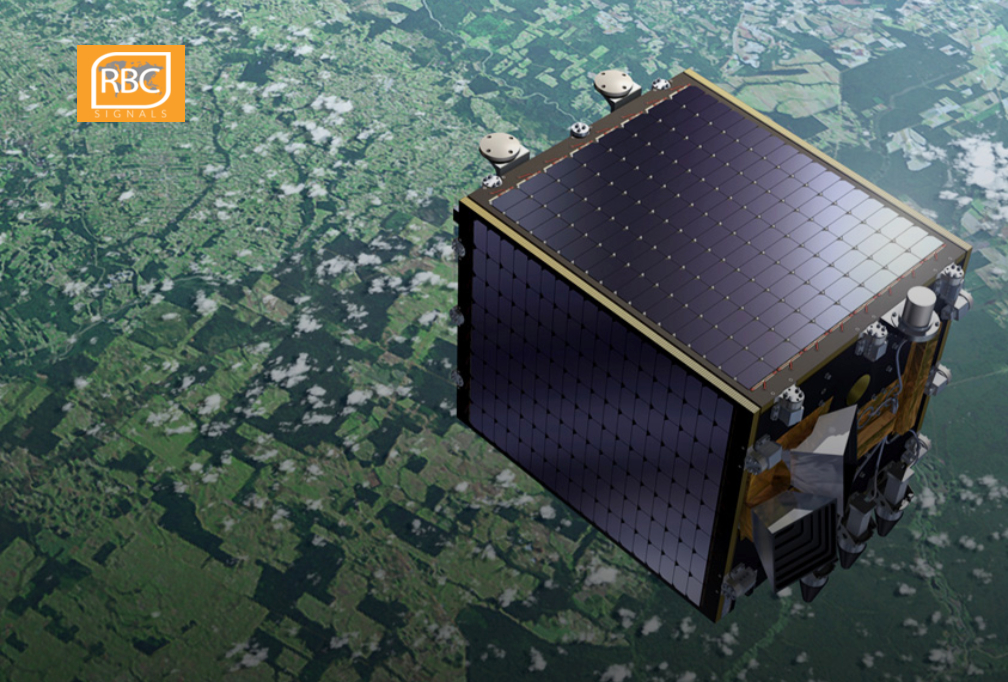
RBC Signals has announced Aurora Propulsion Technologies has engaged the company for satellite communication services — the agreement gives Aurora Propulsion Technologies access to the RBC Signals global ground station network in support of its impending AuroraSat-1 mission.

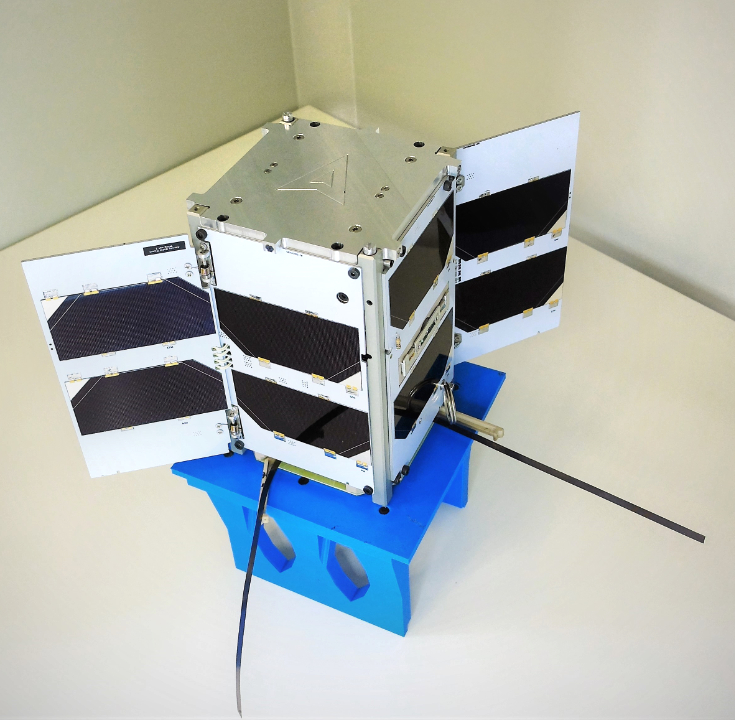
Photo of the assembled Aurora Propulsion’s ASAT smallsat, courtesy of the company.

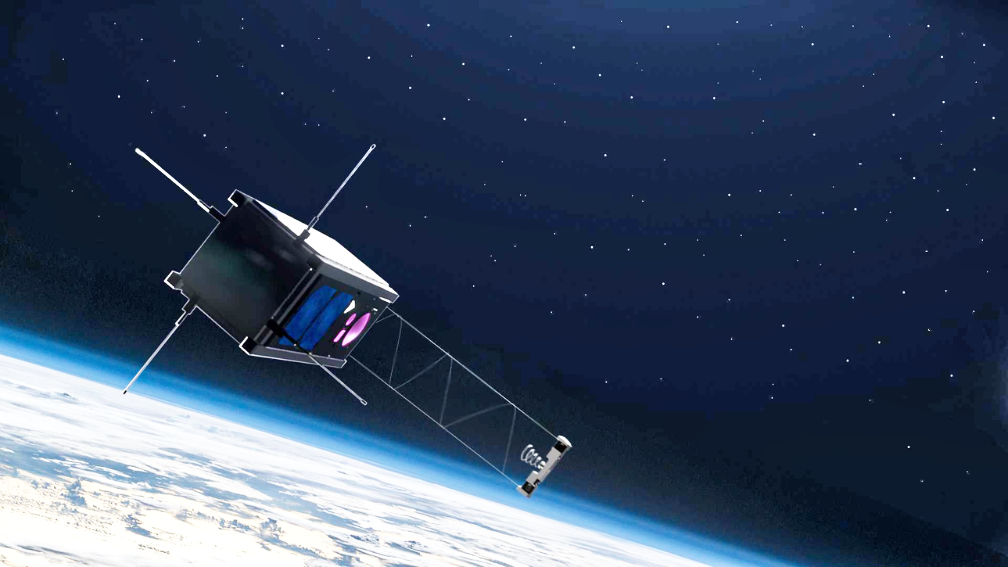
Aurora Propulsion Technologies specializes in creating scalable solutions and services for the small spacecraft movement and lifecycle control. The company’s AuroraSat-1 mission is a cubesat demonstration mission and co-development project with SatRevolution which will provide proof of concept for attitude and orientation control. In addition, the satellite will also demonstrate Aurora Propulsion Technologies’ Plasma Brake technology for satellite de-orbiting. The satellite is scheduled to launch in December 2020 onboard a SpaceX Falcon 9 rocket.

Executive Comments

Christopher Richins

“RBC Signals is proud to provide space communications support to Aurora Propulsion Technologies for their upcoming AuroraSat-1 mission,” said Christopher Richins, CEO of RBC Signals. “This is an exciting demonstration mission to support with our global network.”

Perttu Yli-Opas

“The RBC Signals offering is both a flexible and cost-effective means for us to easily communicate with AuroraSat-1,” noted Perttu Yli-Opas, CTO with Aurora Propulsion Technologies. “We are happy to be able to rely on experts for these services so we can focus our attention on other key aspects of the mission.”

Artistic rendition of Aurora Propulsion cubesat on-orbit, courtesy of the company.

Filed Under: Featured, News

Telesat U.S. To Develop + On-Orbit Demo LEO Buses For DARPA

October 14, 2020 by editorial

Telesat U.S. Services, LLC, a wholly owned subsidiary of satellite operator Telesat, has been awarded a contract by DARPA (Defense Advanced Research Projects Agency) for the development and on-orbit demonstration of commercial LEO spacecraft buses in a LEO constellation network with robust low-latency communications features as part of DARPA’s Blackjack program.
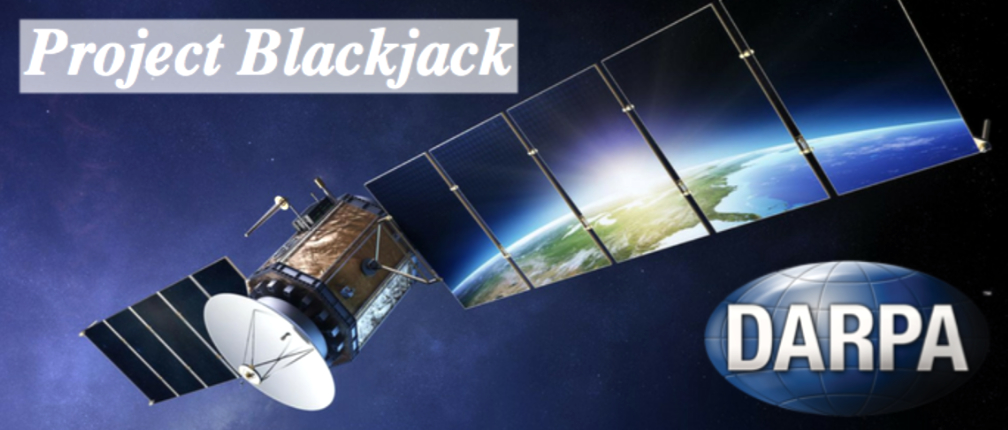
Following Telesat’s initial 2018 contract for system engineering and interface definition under the Blackjack Phase 1 program, Telesat U.S. Services will develop and demonstrate the Blackjack Phase 2/3 Track B technology, including on-orbit testing the capabilities of Optical Inter-Satellite Links (OISLs).

As part of Phase 2, Telesat U.S. Services will deliver two spacecraft buses to DARPA in less than one year for a “risk reduction” flight to test OISL communications with government payloads in orbit and to demonstrate OISL interoperability with different hardware. The Phase 2 base contract represents an $18.3 million program for Telesat U.S. Services. Subsequently, additional Telesat LEO spacecraft may be procured to fully populate the Blackjack constellation, which represents a total contract value of up to $175.6 million if all options are exercised.

The Blackjack program is a demonstration of LEO satellites in hybrid commercial- government constellations offering highly resilient space systems, global persistence, low latency communications and rapid technology refresh. These enabling objectives will be accomplished by leveraging commercial space technologies including commoditized spacecraft buses, ground infrastructure and user segments at unprecedented low costs.

The company said the Telesat LEO constellation includes a number of distinctive features that align with the Blackjack program vision, including spacecraft buses with native OISL capability, mesh networking, onboard processing, and a full global network architecture backed by global priority spectrum allocations.

Executive Comments

“This next phase of the Blackjack program will showcase the powerful capabilities that commercial LEO networks bring to a hybrid architecture for government space communications,” said Don Brown, General Manager, Telesat U.S. Services. “With OISLs and advanced networking native to the Telesat LEO constellation architecture, we are uniquely positioned to deliver interoperable mesh connectivity between government and commercial constellations. We look forward to continuing our work with DARPA to prove out the game-changing nature of hybrid commercial- government networks.”

Filed Under: News

Swedish Space Corporation (SSC) To Launch Smallsats From Esrange Space Center

October 14, 2020 by editorial

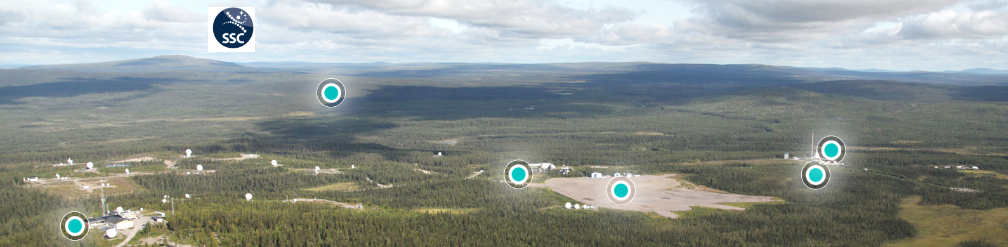
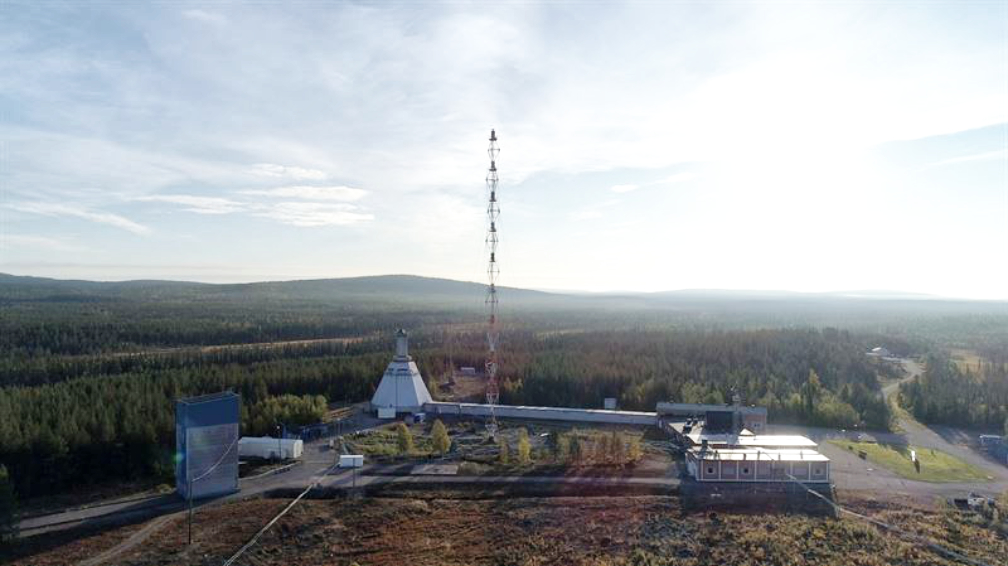
The Swedish government has made the decision to establish the capability to launch smallsats from the Esrange Space Center in northern Sweden.

This announcement is the third step in an extensive modernization of the infrastructure at Esrange to meet the growing demand of testing and launching capability in the space sector. Swedish Space Minister Matilda Ernkrans announced this decision during the inauguration of a new testbed facility for next generation rocket technology at Esrange.

Esrange Space center is already one of the most active and versatile launch sites in the world and the latest decision allows SSC to proceed with its goal to be able to launch small satellites into orbit by 2022.

Photo of the Esrange Space Center, courtesy of SSC.

The announcement follows the overall ambition defined in the Swedish space strategy decided upon in 2018. The strategy underlines the importance of further developing Esrange in order to fully use its potential, strengthening Sweden’s position as a prominent space nation within the European and global space sector.

The new testbed at Esrange provides a platform for European and global space sector to develop next generation rocket technologies. This will now be supplemented with additional infrastructure needed for launching small satellites from Esrange.

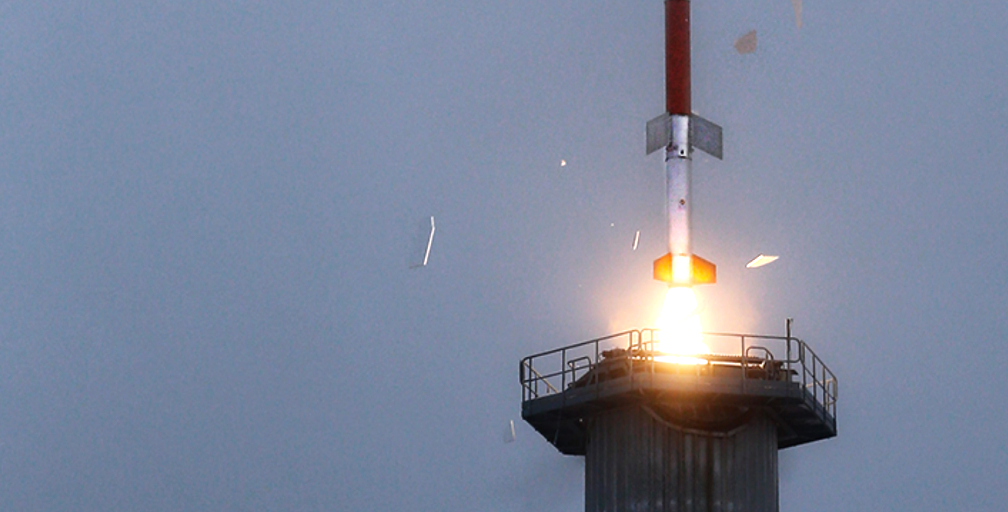
The first rockets tests will be conducted by ISAR and RFA later this autumn, both already established at the site. The European Space Agency’s reusability programme Themis will conduct its first reusability test flights in 2022 from Esrange, in a collaboration between SSC and ArianeGroup supported by ArianeWorks (an innovation unit formed up by the French Space Agency CNES and ArianeGroup). SSC’s ambition is to launch the first satellites in 2022.

Executive Comments

Matilda Ernkrans

“This means that Sweden will be one of the very few countries with capability to launch small satellites. We are very proud of having taken this decision,” said the Swedish Space Minister during her visit to Esrange.

Stefan Gardefjord

“We are pleased that the Swedish government has now decided to establish the capability to launch satellites from Esrange. The decision means that Sweden will become a launching state, providing a capability that only a few countries have, of great importance for research, technology development and expanded international collaboration,” said Stefan Gardefjord, CEO at SSC.

Filed Under: News

Space IoT Extended By France’s ANGELS Smallsat

October 14, 2020 by editorial

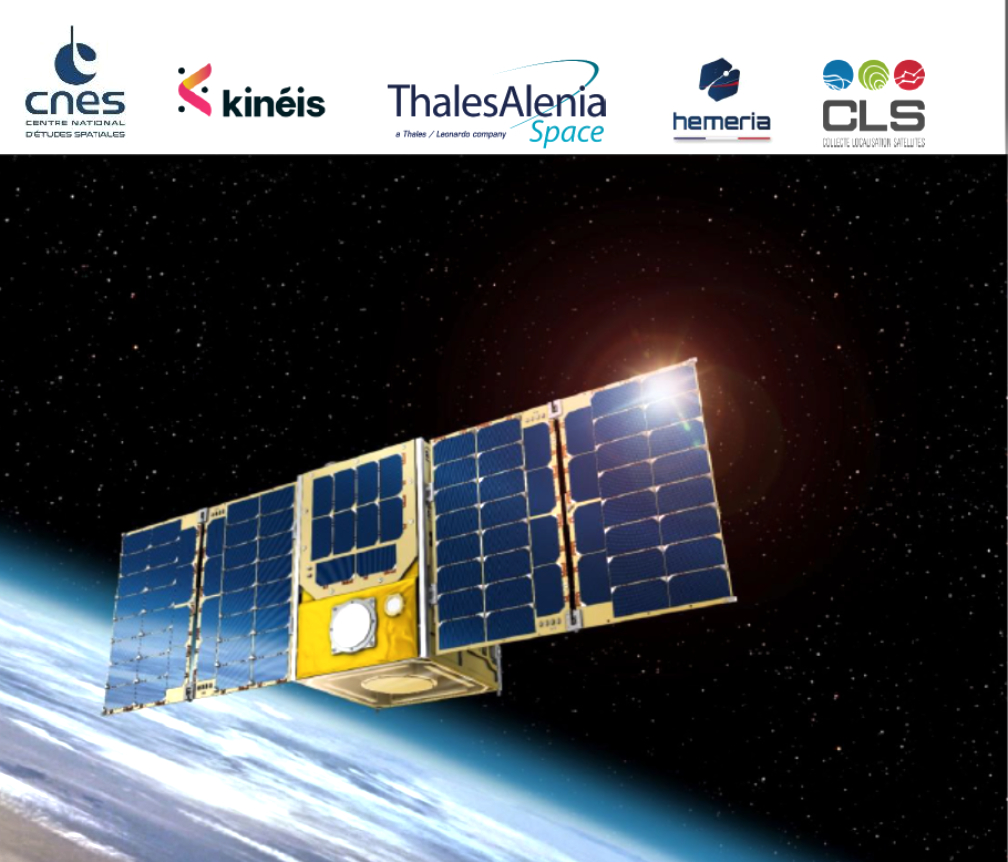
ANGELS, France’s first industrial smallsat, extends the scope of space IoT and is five times more powerful and 10 times smaller than its predecessors — ANGELS has been designed to address the current challenges of New Space: miniaturization, scaled-up performance and very low consumption.

ANGELS is opening up its services to current users and offering IoT players premium access to this new connectivity. ANGELS gives a first taste of the opportunities provided by Kinéis, the first constellation of European smallsats dedicated to IoT.

Carrying a state-of-the-art ARGOS instrument, ANGELS is supported by CNES and manufacturers such as Thales Alenia Space, HEMERIA and Syrlinks.

ANGELS is so sensitive that transmitters on the ground can reach it with a transmission power of just 100 mW, about a fifth of the power needed by current ARGOS transmitters. It also provides access to a new frequency band, boosting the capabilities of the seven satellites in the current system. These major innovations will enable users to extend the battery life of their transmitters and reduce their size and weight.

Data from the 20,000 transmitters are currently processed by the entire system, a figure that will increase to several million by 2030. For biologists, who have been using the ARGOS system with CLS for more than 40 years, this means that their studies can last longer and can include new, smaller species through suitably miniaturized transmitters.

The addition of ANGELS (ARGOS Neo on a Generic Economical and Light Satellite) to the ARGOS satellite fleet, a world reference in the collection of transmitter data for the study and protection of the environment, offers new data collection capabilities. The ARGOS Neo instrument is the first of a new generation: this technological wonder has passed the challenge of miniaturization by being ten times lighter (2 kg) and three times more energy-efficient than previous generations.

Executive Comments

Alexandre Tisserant

“All the innovations developed on board of the satellite in orbit has immediate benefits for users. In practical terms, this new instrument allows the transmitters to become smaller and lighter, which opens up the range of objects inside which they can be fitted. While the ANGELS model already offers exceptional performance, the 25 similar nanosatellites of the future constellation will meet even more demanding specifications,” explained Alexandre Tisserant, CEO of Kinéis.

Caroline Laurent

Caroline Laurent, CNES’s Director of Orbital Systems, remarked, “The opening of new services and the inclusion of ANGELS in the ARGOS satellite fleet represent a new milestone in the ARGOS system success story. This was made possible thanks to the unique partnership between CNES, Thales Alenia Space, Syrlinks and HEMERIA. ANGELS is the symbol of French New Space: innovative working methods in action. Designed, developed, manufactured and qualified in record time, ANGELS announces the starting point for the marketing of a range of nanosatellites weighing less than 50 kg. It is carrying ARGOS Neo, itself the precursor of a new generation of low-cost, highly miniaturized instruments.”

Benoit Broudy

Benoit Broudy, VP of the Navigation business at Thales Alenia Space in France, added, “We are proud to have supplied the ARGOS Neo instrument, and of its successful commissioning on ANGELS. It represents an important milestone in Thales Alenia Space’s New Space and innovation approach. The ARGOS system is the global benchmark in satellite location and data collection. Instrument miniaturization offers new spaceflight solutions such as nanosatellite constellations and creates new opportunities in satellite navigation and the Internet of Things. We are happy to share the success of the ANGELS mission, which should spur the development of a French nanosatellite sector to address the booming New Space market.”

Nicolas Multan

Nicolas Multan, CEO of HEMERIA, reported, “I am delighted and proud of the progress made since 2016, a time when questions were being asked about ‘how cube- and nanosats can be turned into industrial products with promising performance’. I think we can say that ANGELS clearly demonstrates French know-how in the New Space area, from CNES labs all the way through to the industrial sector, which we are working to unite. This demonstrator, which is now operational, is good news for the constellation of 25 satellites soon to be launched, which will make Kinéis a unique player in tomorrow’s IoT world.”

Christophe Vassal

Christophe Vassal, President of CLS, provider of ARGOS environmental services, mentioned, “According to WWF’s latest Living Planet Report, populations of vertebrates – fish, birds, mammals, amphibians and reptiles – fell by 68% between 1970 and 2016. ANGELS and the forthcoming Kinéis constellation are flying strategic technologies for improving knowledge and protection of biodiversity. ANGELS therefore opens the path to a bright future for wildlife conservation, but also for the sustainable management of marine resources with the monitoring of traditional fishing vessels, or the study of our Blue Planet with the establishment of a digital twin of the ocean. From now on, any sponsor of a project offering connected solutions for the environment can obtain assistance in developing applications. The Kinéis and CLS teams will provide technical and commercial support to all pro-planet players in the creation of novel space applications.”

Guy Richard

Guy Richard, President and CEO of Syrlinks, said, “Syrlinks is proud to have taken part in designing the ARGOS Neo miniaturized payload with Thales Alenia Space. We contributed our expertise in space radio communications, digital signal processing and software, and our mastery of the New Space system. Syrlinks also provided ARGOS Neo with an ultra-stable reference clock, essential for locating ARGOS transmitters. Developing payloads is fully in line with the company’s strategy and allows us to diversify our range of satcom products with more advanced features.“

Filed Under: News

Musk Registers Biz In Australia

October 14, 2020 by editorial

Elon Musk’s satellite constellation Starlink has registered a business in Australia.
Starlink Australia Pty Ltd has been created out of a pre-registered company – Tibro Australia Pty Ltds.

Tibro (‘orbit’ backwards) in Australia was granted a telecommunications license in Australia (by the Australian Communications & Media Authority) on August 7th.

There has been no formal announcement from Musk or SpaceX as to plans for Australia; however, the nation’s Channel 9 News correctly reminds its audience that Musk did say on October 6th that “Other countries would follow as soon as [Starlink] received regulatory approval.”

Starlink is planning to start rolling out its services in a “fairly wide public beta [trial]” in northern US and southern Canada as soon as its latest batch of 60 satellites reach their target positions.

Filed Under: News

Critical Components Developed By Axelspace For The Firm’s GRUS Smallsats

October 14, 2020 by editorial

Founded in 2008, Axelspace Corporation has designed, built and is operating vie smallsats — from 2015, the company started building AxelGlobe, the next-generation Earth Observation (EO) platform that consists of multiple smallsats to cover various parts of the world with high frequency — the company launched their first GRUS-1A in December of 2018.

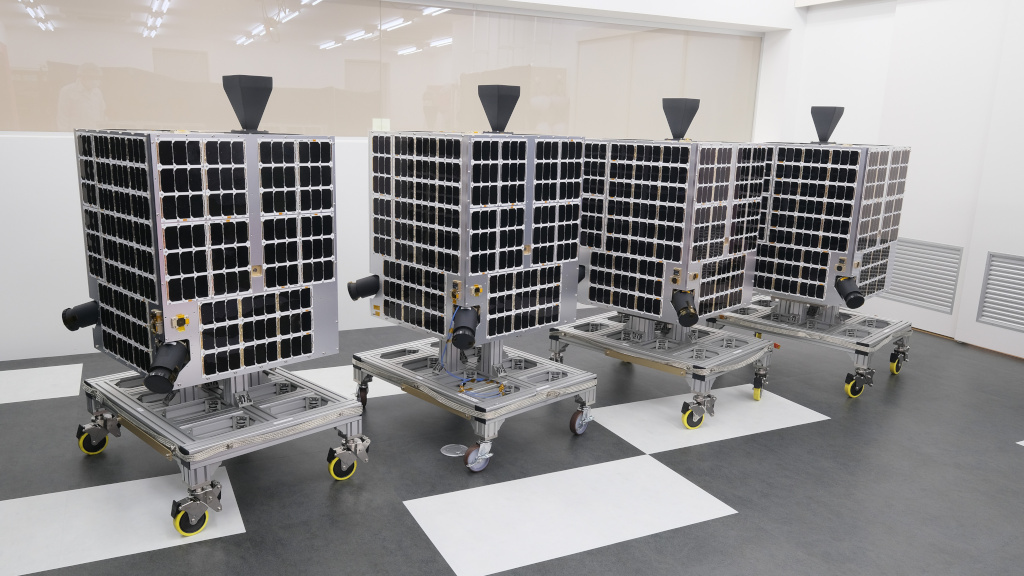
For the firm’s upcoming launch, the manufacturing process for four satellites (GRUS-1B, 1C, 1D, 1E) is almost complete and the final preparation for the shipment is being completed as the company awaits confirmation of the actual launch date.

Axelspace GRUS 1B, 1C, 1D and 1E smallsats. Photo is courtesy of the company.

Lowering satellite manufacturing cost and shortening delivery time are becoming critical topics in order to move forward with the mass production of satellites. Innovation in the manufacturing process of on-board components for satellites is vital, welcoming mass production and moving away from single unit production.

Axelspace decided to newly develop two, different, on-board components with partner companies. These developments have been selected and awarded a grant, FY2020 “Program to Support Ventures for Developing Space Components,” by the New Energy and Industrial Technology Development Organization (NEDO).

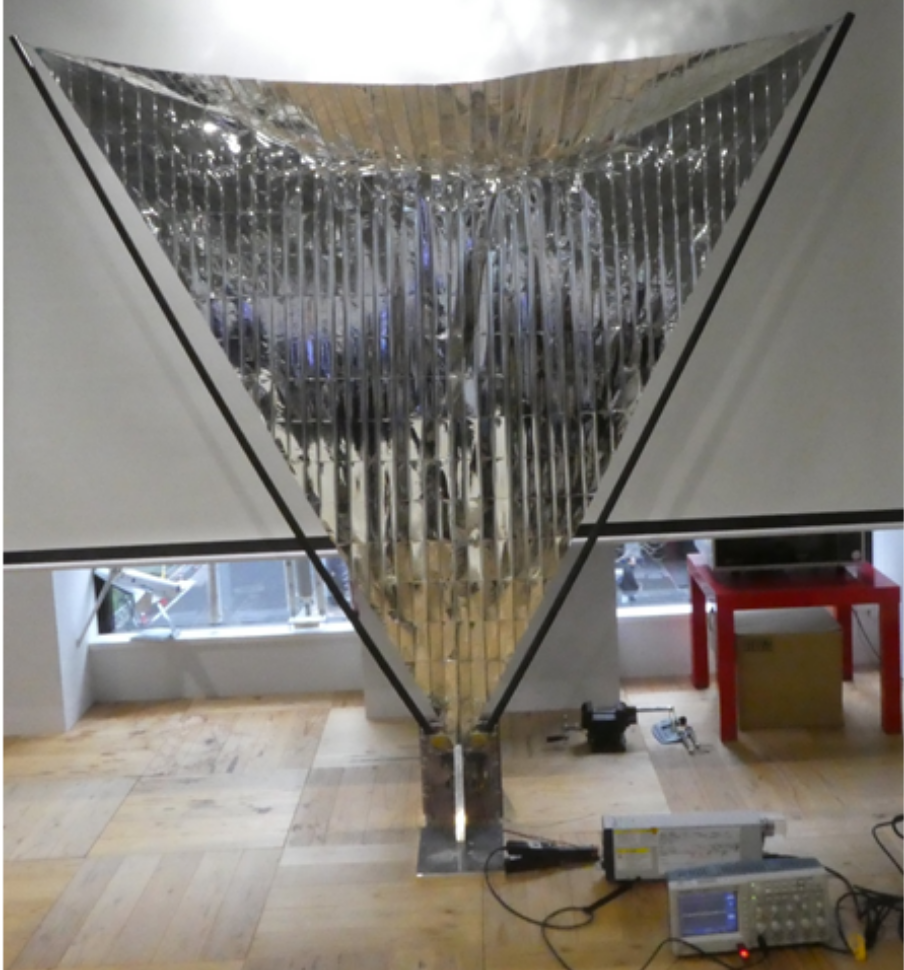
The Axelspace de-orbit mechanism.

Development Component 1
Membrane Deployment De-Orbit Mechanism
Space debris is a growing concern and proper disposal of newly launched satellites, after the end of operation, by deorbiting is fast becoming a requirement. Satellites for LEO, developed by Axelspace, will re-enter the atmosphere and disintegrate, before reaching the ground. The company has been developing the membrane deployment de-orbit mechanism to accelerate the speed of lowering the orbital altitude and as announced on June 9th this year, the project has been selected by the Japan Aerospace Exploration Agency (“JAXA”) for the demonstration theme of “Innovative Satellite Technology Demonstration-3.” The component will be developed in partnership with Sakase Adtech Co., Ltd.

Development Component 2: Reaction Wheel
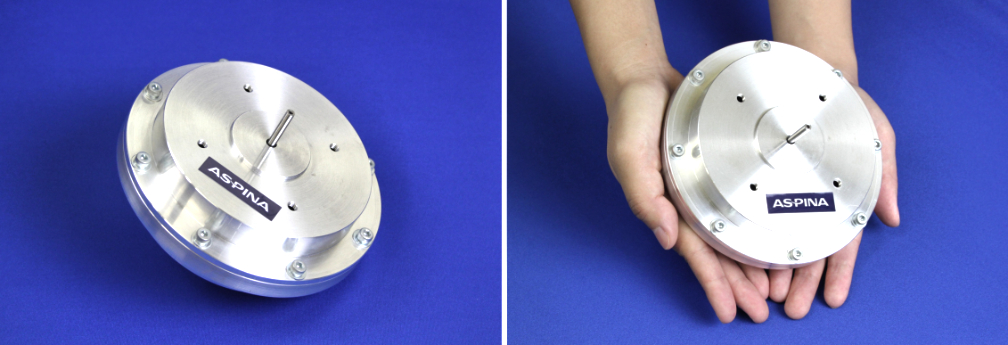
Reaction wheel is one of the attitude control systems and a crucial component for a satellite like GRUS with demanding requirements for precision attitude control. Diversification of suppliers of reaction wheel for microsatellites has been needed, as there are challenges with the cost and delivery time, in addition to the short supply as the vendors are limited. The component will be developed in partnership with Shinano Kenshi Co., Ltd.

Photo of the reaction wheel prototype, courtesy of Axelspace.

Axelspace will continue to work toward the development of high-performance/high-quality smallsats combined with a low cost/short delivery time, together with all partner companies.

Filed Under: News

Arianespace Opens Their Small Spacecraft Mission Service Via Vega

October 13, 2020 by editorial

Arianespace has announced that new shared payload opportunities to LEO have been opened with the company’s Vega launcher’s Small Spacecraft Mission Service (SSMS).

For the next launch opportunity – Vega Flight VV18, targeted for the first quarter of 2021 – five companies already have signed contracts for payload slots, thereby fully booking the capacity on this mission.

The initial SSMS launch with Vega – Flight VV16 – was performed last month, fully proving the viability of Arianespace’s latest capability for orbiting small satellites. This inaugural SSMS launch was supported by the European Space Agency and the European Union, deploying 50-plus satellites for 21 commercial and institutional customers.

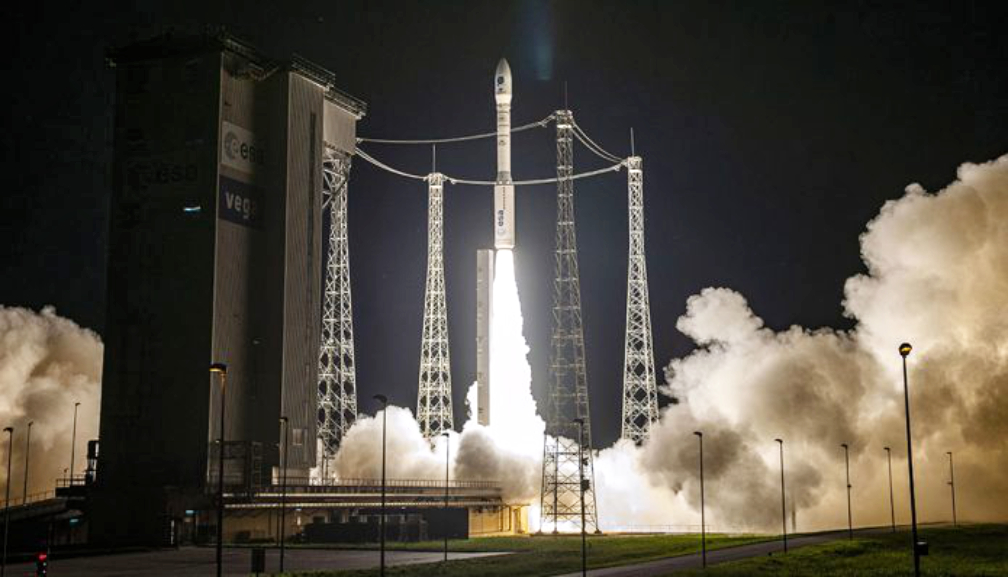
Vega begins its ascent from the Spaceport in French Guiana, carrying cubesats and smallsats on a flight to validate Europe’s innovative Small Spacecraft Mission Service.

With the SSMS’ successful introduction, Arianespace is now able to offer a regular launch service for small satellites (mass under 400 kg). Customers will benefit from the highly modular payload carrying systems available on the current Vega and the enhanced Vega C version, along with the re-ignition capability of the launchers’ AVUM upper stage, as well as the new small spacecraft preparation and integration facilities in Europe that complement existing installations at the Guiana Space Center in French Guiana. Vega C maiden flight is schedule for mid-2021.

Opportunities in 2021 include:

Longer-term opportunities include an SSMS mission to dawn-dusk low Earth orbit, and one to low Earth equatorial orbit.

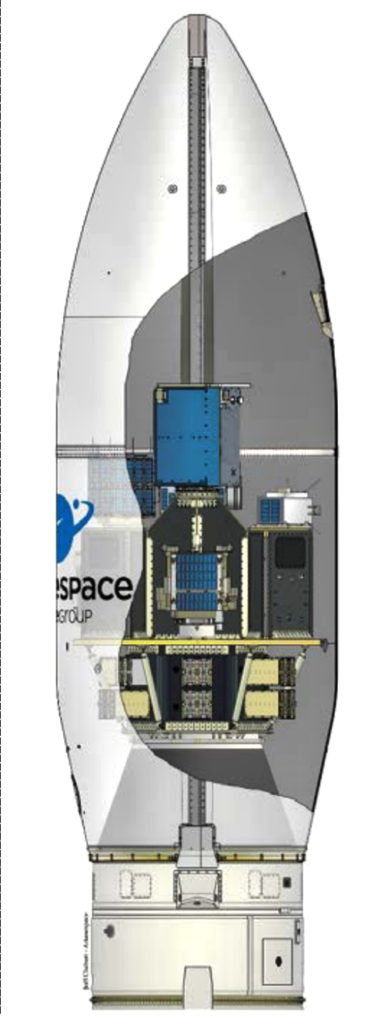
For Vega’s next SSMS launch, Flight VV18 will be a piggyback mission with a dispenser configuration based on one hexagonal module below the main payload interface. Its fully-booked capacity underscores how attractive this opportunity was to users and customers, including Spire and Nanoavionics through SAB Launch Services; Eutelsat and Myriota, through Tyvak; and the Norwegian Space Center with its Norsat-3 satellite, through SpaceFlight Laboratories.

With the goal of further benefiting the small satellite community, Arianespace today released the new SSMS User’s Manual for Vega C. On Vega C, the SSMS will offer even greater performance capabilities and is to broaden the array of solutions that Arianespace provides to small satellite operators. The SSMS User’s Manual is available for downloading from the Arianespace website at this direct infolink…

Small, versatile, and efficient, the light-lift Vega is part of Arianespace’s launcher family, operating from the Guiana Space Center alongside the heavyweight Ariane 5 and the medium-lift Soyuz. Vega is a European Space Agency program; Italy’s Avio, based in Colleferro, is Vega’s industrial prime contractor, as well as the design lead for the SSMS.

Filed Under: Featured, News

  • « Go to Previous Page
  • Page 1
  • Interim pages omitted …
  • Page 9
  • Page 10
  • Page 11
  • Page 12
  • Page 13
  • Interim pages omitted …
  • Page 57
  • Go to Next Page »

Primary Sidebar

WEEKLY NEWSLETTER

Archives

  • June 2026
  • May 2026
  • April 2026
  • March 2026
  • February 2026
  • January 2026
  • December 2025
  • November 2025
  • October 2025
  • September 2025
  • August 2025
  • July 2025
  • June 2025
  • May 2025
  • April 2025
  • March 2025
  • February 2025
  • January 2025
  • December 2024
  • November 2024
  • October 2024
  • September 2024
  • August 2024
  • July 2024
  • June 2024
  • May 2024
  • April 2024
  • March 2024
  • February 2024
  • January 2024
  • December 2023
  • November 2023
  • October 2023
  • September 2023
  • August 2023
  • July 2023
  • June 2023
  • May 2023
  • April 2023
  • March 2023
  • February 2023
  • January 2023
  • December 2022
  • November 2022
  • October 2022
  • September 2022
  • August 2022
  • July 2022
  • June 2022
  • May 2022
  • April 2022
  • March 2022
  • February 2022
  • January 2022
  • December 2021
  • November 2021
  • October 2021
  • September 2021
  • August 2021
  • July 2021
  • June 2021
  • May 2021
  • April 2021
  • March 2021
  • February 2021
  • January 2021
  • December 2020
  • November 2020
  • October 2020
  • September 2020
  • August 2020
  • July 2020
  • June 2020
  • May 2020
  • April 2020
  • March 2020
  • February 2020
  • January 2020
  • December 2019
  • November 2019
  • October 2019

© 2019–2026 SatNews

Insert/edit link

Enter the destination URL

Or link to existing content

    No search term specified. Showing recent items. Search or use up and down arrow keys to select an item.
      x
      Sign Up Now!

      Enjoy a free weekly newsletter with recent headlines from the global SmallSat industry.

      Invalid email address
      We promise not to spam you. You can unsubscribe at any time.
      Thanks for subscribing! You will now receive weekly SmallSat News updates.
      We love our advertisers.
      And you will too!

      Please disable Ad Blocker to continue... We promise to keep it unobtrusive.
      We promise not to spam you. You can unsubscribe at any time.
      Invalid email address
      Thanks for subscribing!