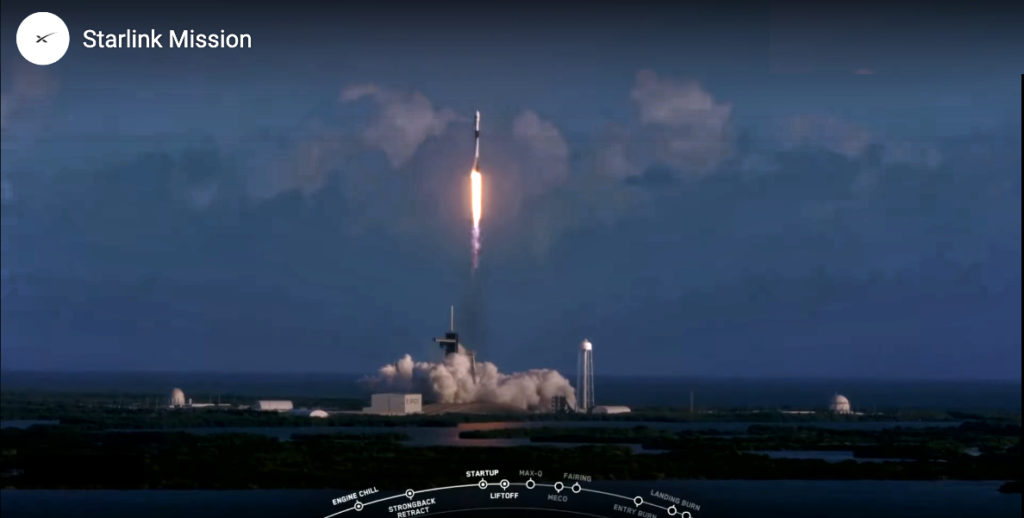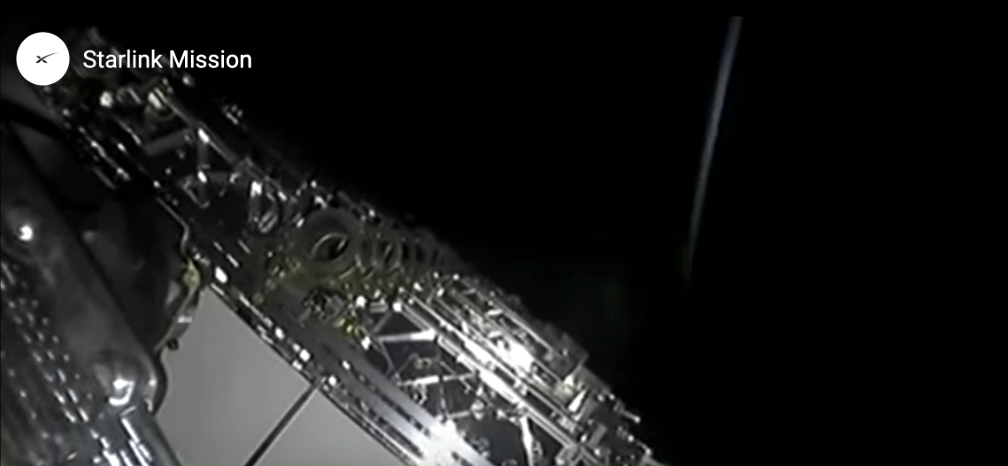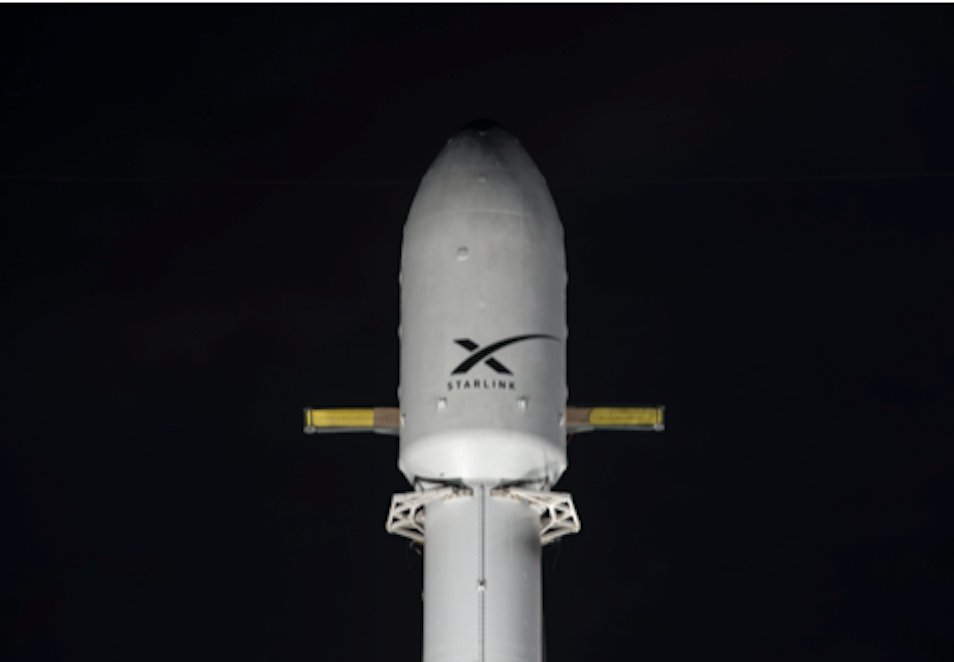
Yet another SpaceX Starlink mission is planned targeting Thursday, October 22 at 12:14 p.m. EDT, 16:14 UTC, for its fifteenth Starlink mission, which will launch 60 Starlink satellites to orbit. Falcon 9 will lift off from Space Launch Complex 40 (SLC-40) at Cape Canaveral Air Force Station. There is a backup opportunity available on Friday, October 23 at 11:53 a.m. EDT, 15:53 UTC.
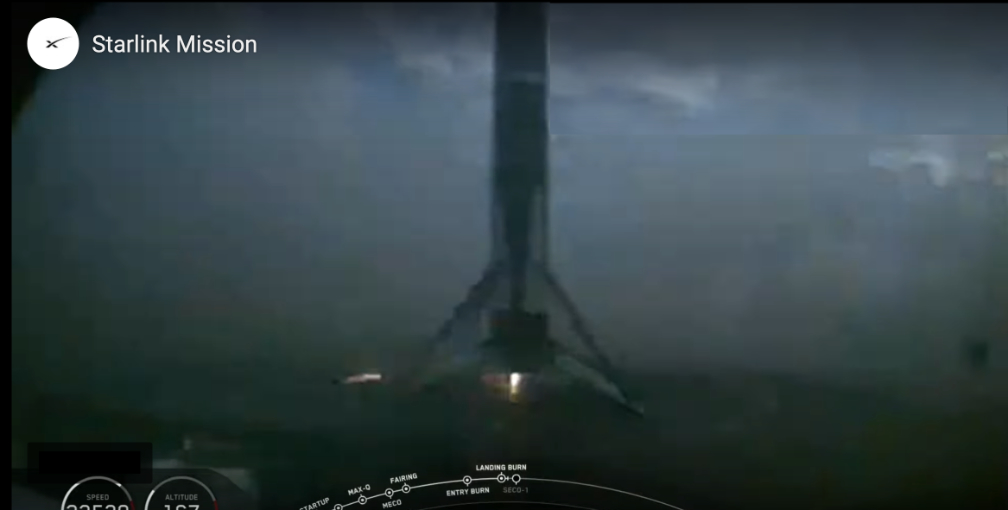
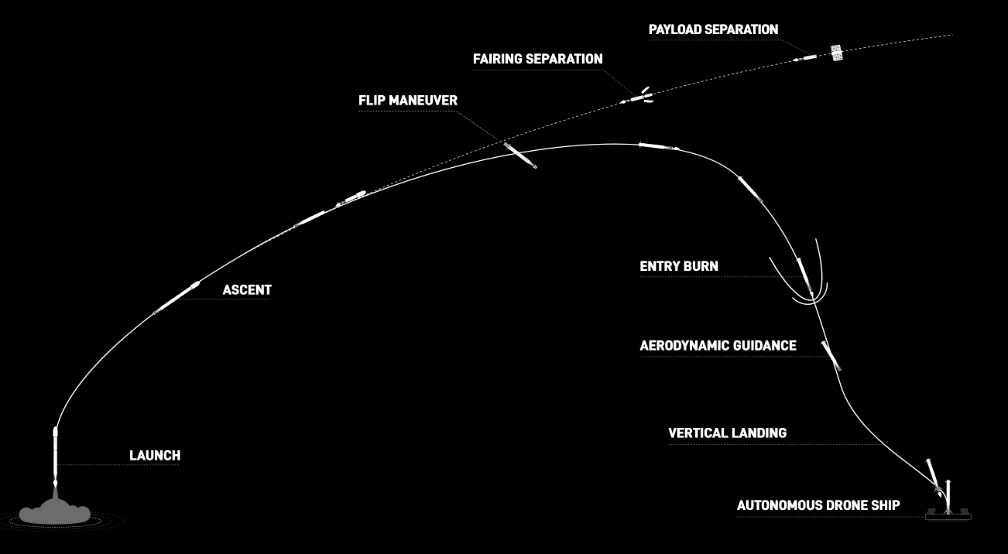
Falcon 9’s first stage previously supported the GPS III Space Vehicle 03 mission in June 2020 and a Starlink mission in September 2020. Following stage separation, SpaceX will land Falcon 9’s first stage on the “Just Read the Instructions” droneship, which will be stationed in the Atlantic Ocean. You can watch the launch webcast live starting about 15 minutes before liftoff.
Earlier this week, Ector County Independent School District in Texas announced their participation in a pilot program to help local students and their families access high-speed, low-latency internet. Similar to other rural communities, many residents of Ector County have limited to no connectivity.
This issue was brought to the forefront for the school district earlier this year when COVID-19 forced school building closures and nearly two in five students did not have access to reliable high-speed internet at home. Starting in 2021, Starlink will connect up to 45 households in the community as part of the pilot program. As network capabilities continue to grow, it will then expand service to an additional 90 households in the school district.

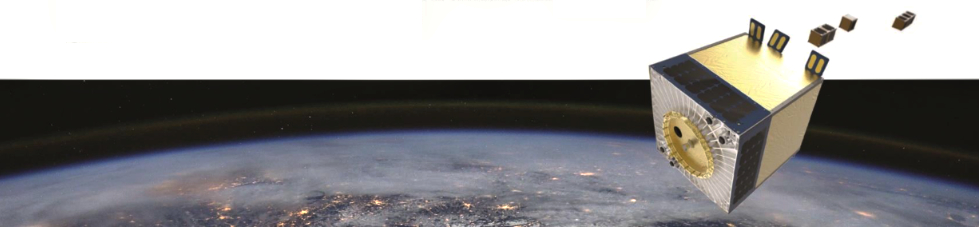

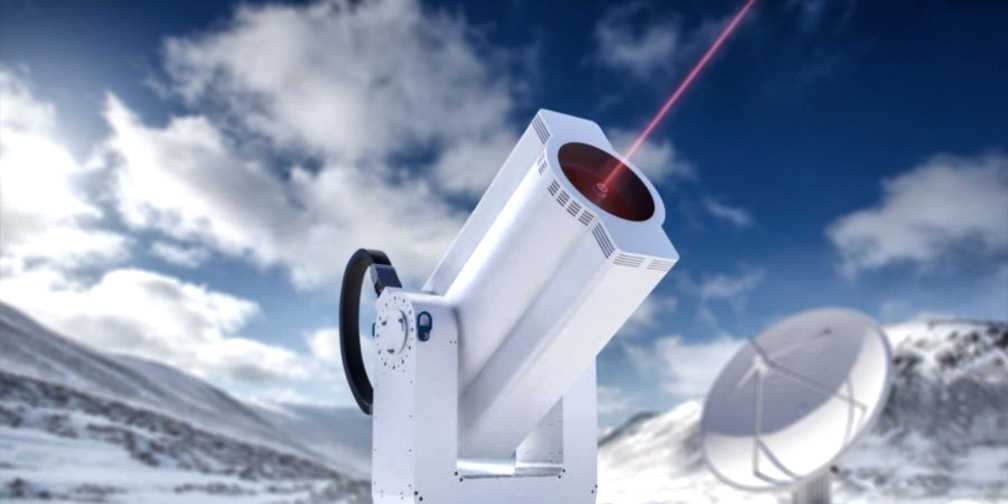

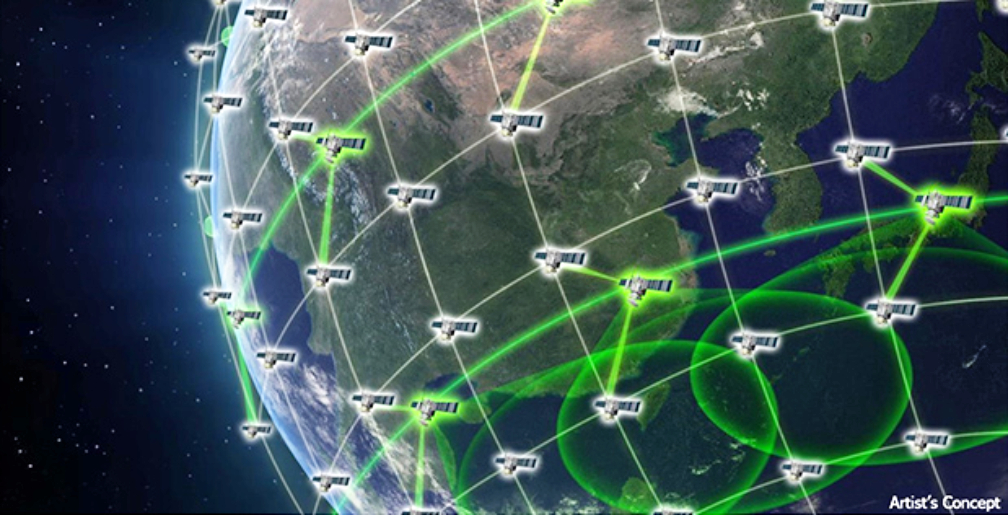 As part of the deal, Mynaric will also establish the industry’s first laser communication interoperability lab at its Los Angeles premises. The lab will be equipped with a link testbed capable of emulating conditions in space and testing inter-vendor operability – a key requirement of DARPA for its proliferated LEO constellation plans.

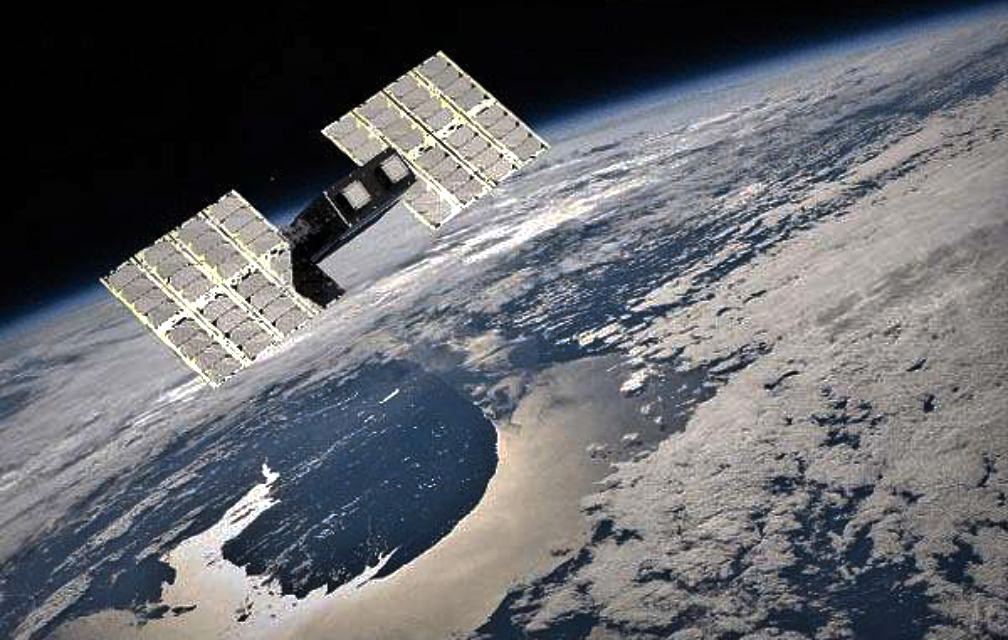


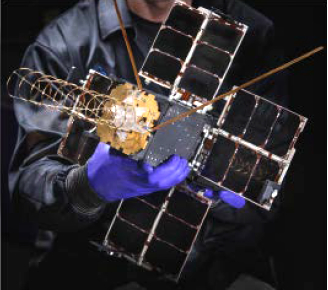
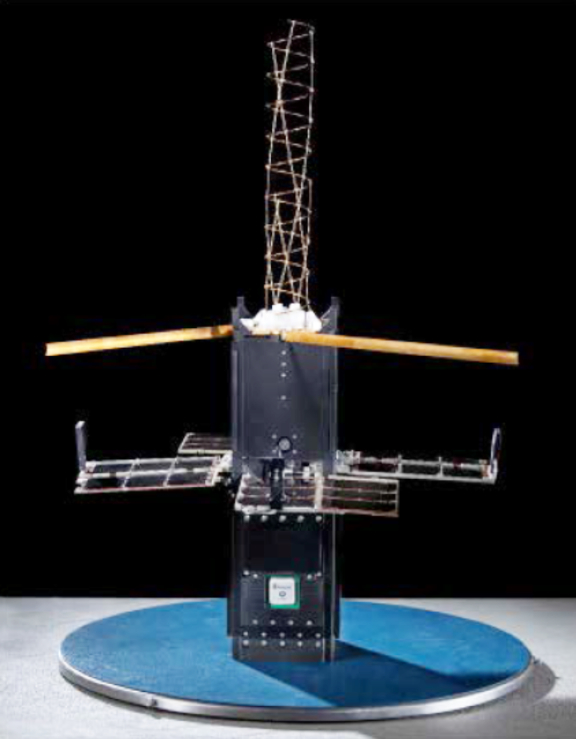
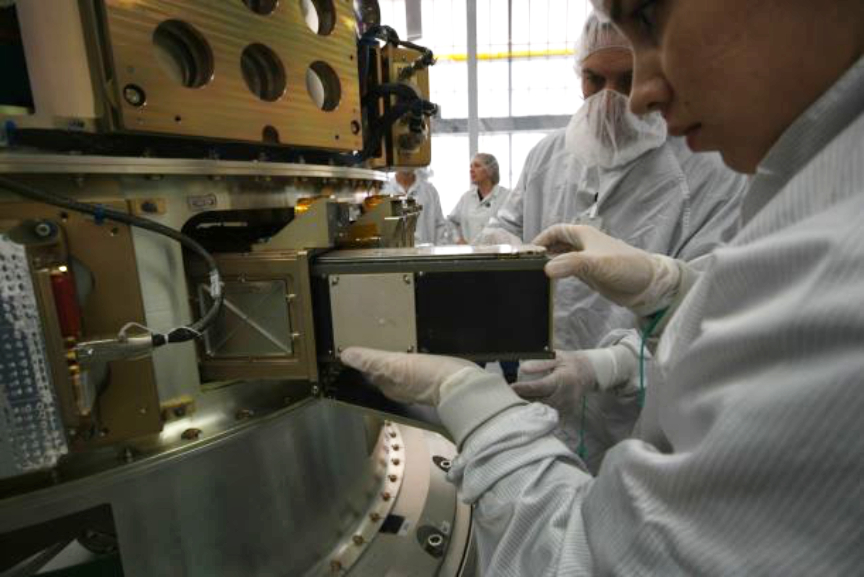


 Momentus’ rideshare service will include launch provisions and delivery to the customer’s desired orbital altitude while maintaining the SSO inclination using Momentus’ Vigoride transfer vehicle. The GEN1 platform supports both Kepler’s Global Data Service, a wideband high-capacity data service, and EverywhereIoT, a narrowband solution for Internet of Things applications.